Breaking News
Discover the sacred Samod Hanuman Temple near Jaipur, where Lord Hanuman is believed to have self-manifested in a rock-
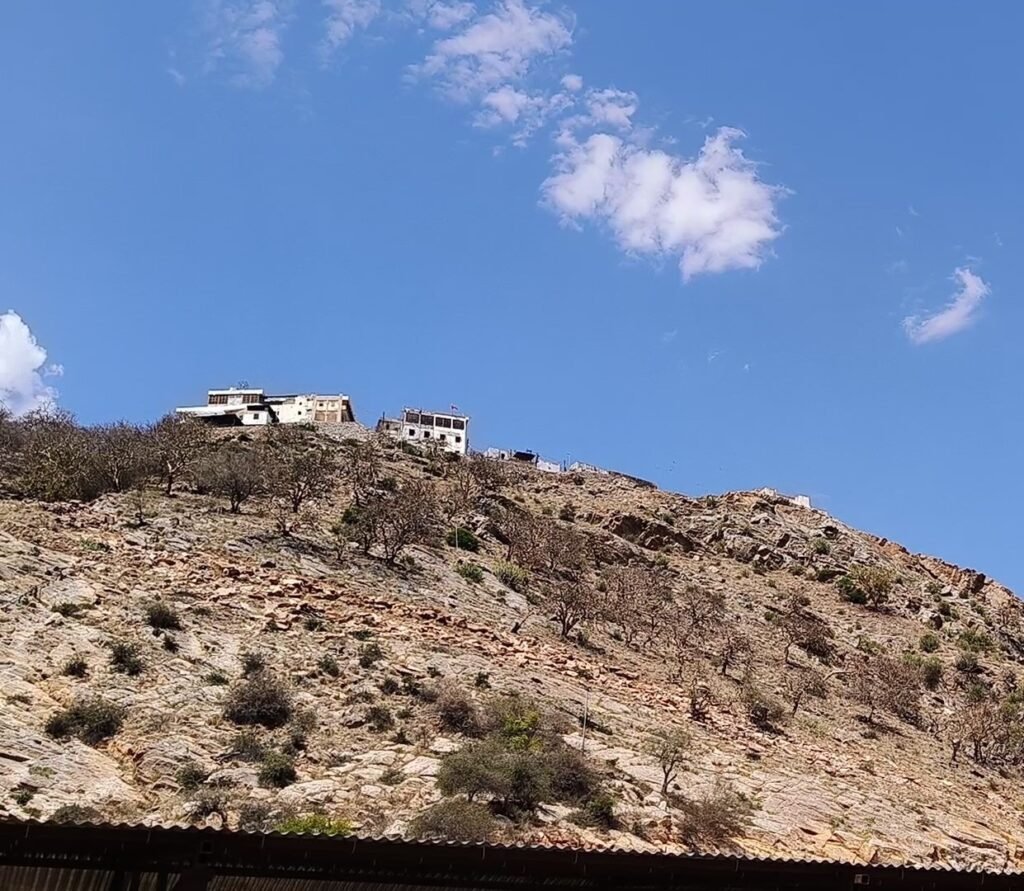
Jaipur, Sep.26,2025:The Samod Hanuman Temple in Rajasthan holds a unique place in Indian spirituality. Located about 42 kilometers from Jaipur, this temple is not just another shrine—it is a living legend. Perched on the Samod Hills in the village of Nangal Bharada near Chomu, the temple attracts thousands of devotees who believe their wishes will be fulfilled once they bow before Veer Hanuman Ji–
Unlike most temples where idols are sculpted, the idol of Lord Hanuman here is said to have emerged naturally from a rock, making it a divine self-manifested (Swayambhu) presence.
The Self-Manifsted Idol of Lord Hanuman
The biggest highlight of the Samod Hanuman Temple is its 6-feet tall idol, believed to have appeared within a rock more than 700 years ago. According to legend, Saint Nagnadas Maharaj had a divine vision of Hanuman Ji in his dream. The very next morning, the same form appeared on a rock in the hills.
He began shaping the idol with a hammer and chisel, and as the face of the deity was completed, the power of the divine idol was revealed to the villagers. This makes the temple one of the rarest sites where Hanuman Ji is considered self-manifested in stone.
Spiritual Significance of Samod Temple
Hanuman Ji temples are among the most numerous in India, but Samod Hanuman Temple is regarded as one of the most powerful Siddh Peethas (spiritual centers). Devotees believe that anyone who visits the temple with pure devotion has their prayers answered—whether it be health, wealth, or success.
The temple is also known as a place where difficulties are removed, and obstacles are destroyed, just as Hanuman Ji symbolizes strength, courage, and unwavering devotion.
The 1100 Stairs Pilgrimage Experience
To reach the Samod Hanuman Temple, devotees must climb around 1100 steps carved into the hill. Earlier, there was only a rough trail and rocky path, but over time, devotees themselves contributed to building proper stairs and roofing as their wishes were fulfilled.
Each step is considered symbolic of a devotee’s spiritual journey—an act of endurance, faith, and humility before reaching the divine abode of Hanuman Ji.
Legends of Saint Nagnadas Maharaj and His Vision
The history of the Samod Hanuman Temple dates back 700 years when Saint Nagnadas Maharaj, accompanied by his disciple Lal Das, meditated in these hills. One night, Nagnadas Ji had a dream in which Lord Hanuman appeared.
The next day, the same form was seen emerging from a rock. Nagnadas Ji started chiseling the rock into the form of Hanuman Ji. After completing the face, he left on a pilgrimage, asking Lal Das to protect the idol.
But during his absence, a local man forced Lal Das to unveil the idol. The moment the curtain was removed, the idol roared so loudly that villagers and cattle nearby trembled in fear. When Nagnadas Ji returned, he rebuked his disciple, saying that had the curtain not been lifted, the idol itself would have miraculously blessed devotees with spoken words.
Miracles and Beliefs Associated with Samod Hanuman Temple
Countless legends of miracles are tied to this temple.
- Water in Dry Wells: Villagers say that if someone’s well dries up, bringing a laddu offering (prasad) from the temple ensures water reappears when a new well is dug.
- Fertility of Cattle: Farmers who own cows or buffaloes dedicate their first batch of curd to Hanuman Ji.
- First Harvest Offering: Local farmers also offer the first grain from their harvest to the deity, believing it ensures prosperity and protection.
These traditions continue to strengthen the spiritual aura of the temple.
Local Traditions and Community Devotion
Unlike many temples that rely on government support, Samod Hanuman Temple thrives on the devotion of locals. Over time, each fulfilled prayer has led to improvements—stairs, roofs, resting areas, and even community kitchens for devotees.
The temple also houses a Rishi Kul Vidyalaya and the Veer Hanuman Gaushala, where cows are cared for in the service of the deity.
Architectural Beauty and Location of the Temple
While the temple’s true beauty lies in its divine idol, its location atop the rugged Samod Hills offers breathtaking views of the surrounding countryside. The peaceful environment, chirping birds, and holy chants make it an ideal place for spiritual seekers.
The temple’s architecture blends simplicity with sacredness. Unlike grand marble temples, this shrine maintains its original rustic charm, reflecting its ancient origins.
Facilities, Gaushala, and Trust Management
The temple is managed by the Seetaram Ji Veer Hanuman Trust Samod, ensuring smooth arrangements for pilgrims. Facilities like drinking water, shaded areas along the stairs, and rest spots for elderly devotees have been built over time.
The attached gaushala (cow shelter) and regular savamani offerings highlight the continuing traditions of devotion and service.
Why Samod Hanuman Temple is Rajasthan’s Hidden Gem
Rajasthan is famous for its forts and palaces, but spiritual sites like the Samod Hanuman Temple showcase its cultural and religious heritage. While places like Salasar Balaji and Mehandipur Balaji attract larger crowds, Samod remains a hidden gem for those seeking divine blessings in a serene setting.
The temple is a symbol of faith, miracles, and the timeless connection between humans and the divine.
How to Reach Samod Hanuman Temple
- By Road: The temple is 42 km from Jaipur, easily accessible by car or bus.
- Nearest Railway Station: Jaipur Junction (approx. 45 km).
- Nearest Airport: Jaipur International Airport (approx. 55 km).
From the base of the hill, devotees must climb the 1100 stairs to reach the temple.
The Samod Hanuman Temple is not just a religious destination—it is a living legend of devotion and miracles. From its naturally manifested idol to centuries-old traditions, the temple continues to inspire faith and courage in devotees.