India
An Inspiring Spiritual Journey: The King of Bhutan Takes a Blessed Dip at the Sangam of Prayagraj”
Published
2 years agoon

Contents
Introduction to the Event
The ceremonial dip of the King of Bhutan at the Sangam in Prayagraj is a significant event that captures the essence of cultural unity and spiritual reverence. This occasion marks a moment of profound meaning, as both Hindu and Buddhist traditions find common ground at this sacred confluence of the Ganges, Yamuna, and the mythical Sarasvati rivers. The King, accompanied by his delegation, partakes in this age-old ritual, emphasizing the rich tapestry of spiritual practices that characterize the region.
Historically, Prayagraj has served as a vital pilgrimage site for adherents of various faiths over centuries. The Kumbh Mela, held every twelve years, brings millions to this site for spiritual purification. The visit of the Bhutanese monarch underscores the deep-rooted spiritual connection between India and Bhutan, where Buddhism flourishes alongside Hinduism. This pilgrimage serves as a symbol of mutual respect and understanding between these two neighboring nations, rooted in shared traditions.
The King of Bhutan’s participation in this ritual is not merely ceremonial; it reflects the values of humility, devotion, and cultural heritage that resonate with people across both countries. By immersing himself in the sacred waters, the monarch honors the local customs and acknowledges the spiritual importance of the Sangam as a site of intersection not only for geography but also for beliefs and philosophies. The historic significance of this event reaches beyond the immediate act of bathing, linking the two nations through shared spiritual legacies.
Furthermore, this pilgrimage portrays Bhutan’s commitment to maintaining its cultural identity while fostering international ties. It highlights the significance of ritual practices in bridging cultural divides and reinforcing the bond between these neighboring lands, making the event a celebrated chapter in the ongoing narrative of India-Bhutan relations.
The Significance of the Sangam
The Sangam, the confluence of the Ganges, Yamuna, and the mythical Saraswati rivers, holds profound significance in Hindu spirituality and culture. Revered as a sacred site, this location serves as a focal point for millions of devotees who gather during auspicious occasions, particularly the Kumbh Mela. This massive pilgrimage, which occurs every twelve years, attracts pilgrims from across India and globally, who seek spiritual renewal and enlightenment through the act of bathing at the Sangam.
The Ganges River, known for its purifying properties, is often called the lifeline of India. Hindus believe that a dip in its waters cleanses the soul of sins and paves the way for salvation. The meeting point with the Yamuna River, which is associated with love and beauty, further enhances the spiritual aura of the Sangam. Meanwhile, the Saraswati River, though largely invisible, is revered in Vedic texts and symbolizes knowledge and wisdom. Together, these rivers represent the intertwining of physical and spiritual realms, where devotees can experience profound transformations.
During the Kumbh Mela, the Sangam transforms into an epicenter of devotion, where rituals and offerings take place alongside vibrant cultural celebrations. The shared experience of participating in this ancient tradition fosters a sense of community among devotees, regardless of their backgrounds. It is a powerful reminder of Hinduism’s core belief in the interconnectivity of all life and the importance of spiritual practices in achieving moksha, or liberation from the cycle of birth and death. The Sangam stands as a beacon of hope and renewal, inviting people to embark on their spiritual journeys and find deeper meaning in their lives.
The Royal Journey: Arrival of the King
The arrival of the esteemed King of Bhutan in Prayagraj marked a significant event steeped in spiritual meaning and cultural significance. As the royal entourage approached the holy city, a palpable sense of anticipation resonated among the locals and pilgrims gathered at the venue. The sounds of traditional drums and ceremonial songs filled the air, creating an atmosphere ripe with reverence and celebration.
The King’s convoy was an impressive sight, showcasing a blend of Bhutanese heritage and royal pageantry. Adorned in his traditional gho, the King epitomized both grace and authority. Accompanying him were dignitaries and officials from Bhutan, all dressed in formal attire that underscored the importance of this visit. As the convoy came to a halt, a ceremonial welcome awaited, complete with floral garlands, sacred chants, and vibrant cultural performances that paid homage to both the King and the sacredness of the location.
Upon his arrival, the King engaged warmly with the multitude of onlookers, embodying the spirit of humility and connection that underpins Bhutanese culture. His interactions were characterized by genuine smiles and heartfelt acknowledgments, reflecting a mutual respect for the spiritual journey undertaken by those present. Local leaders and religious figures joined in the welcome, establishing a bridge of unity between the royal family and the community.
This emotional reception highlighted a profound moment in which the spiritual aspirations of the pilgrims converged with the royal presence. The atmosphere was thick with devotion and excitement, as the King prepared to partake in the sacred rituals at the Sangam. This embrace of both spirituality and royalty embodies the essence of Bhutan’s cultural ethos, as the King continues to inspire people through his actions and dedication to spiritual beliefs.
Ceremonial Dip: A Sacred Act
During the auspicious occasion at the Sangam of Prayagraj, the ceremonial dip taken by the King of Bhutan represented not only a personal spiritual journey but also a broader connection to the rich tapestry of Hindu traditions. The act of dipping into the sacred waters of the Ganges, Yamuna, and the mythical Saraswati carries profound significance in Hindu culture. It is believed that water holds purifying properties, capable of cleansing one’s sins and facilitating a connection with the divine. This ancient belief was palpable among the throng of devotees and dignitaries who gathered to witness this extraordinary event.

The rituals preceding the dip were executed with meticulous attention to detail, highlighting the deep respect both the King and the attendees harbored for the traditions being honored. Participants performed prayers, offered flowers, and engaged in chanting devotional hymns, creating an atmosphere thick with reverence. The presence of religious leaders and officials underscored the importance of this moment, drawing a bridge between Bhutanese and Indian spiritual practices. Observers noted how the King donned traditional attire, further symbolizing respect and recognition of the sacredness of the act he was about to undertake.
As the King submerged into the waters, the crowd erupted in cheers and chants, signifying a moment of unity. Onlookers expressed their emotions, some even moved to tears, as the aura of spirituality permeated the atmosphere. Officials present commented on the significance of the King’s presence, noting that such gestures promote cultural interchange and reinforce the spiritual bond shared between nations. This ceremonial dip at the Sangam served as a poignant reminder of humanity’s shared search for meaning and connection, celebrating diversity in beliefs while fostering collective spirituality.
The King’s Reflections on Spirituality
During his visit to the Sangam of Prayagraj, the King of Bhutan shared profound insights about the significance of spirituality in contemporary society. For Him, spirituality transcends mere religious practices; it embodies the essence of peace, harmony, and interconnectedness among all beings. The King emphasized that spiritual rituals, such as taking a dip in the holy waters of the Ganga, symbolize purification and renewal. These acts foster a deeper connection not only with the divine but also with one’s inner self, promoting a holistic sense of well-being.
The King remarked, “In a world filled with chaos and conflict, it is vital for individuals to seek spirituality as a source of guidance.” This reflection highlights his belief that spirituality serves as a unifying thread, bringing people together, regardless of their diverse backgrounds and religious affiliations. By engaging in spiritual practices, individuals can cultivate empathy and compassion, thus contributing to global peace. The King pointed out that Bhutan has always prioritized Gross National Happiness, intertwining spirituality and well-being in governance, indicating that happiness stems from spiritual fulfillment.
Bilateral Ties: India and Bhutan
The relationship between India and Bhutan is characterized by a profound bond rooted in mutual respect, cultural affinity, and spiritual connection. As neighboring countries, they share not only geographical proximity but also deep historical ties that date back to ancient times. The bilateral relationship is illustrated through various aspects such as trade, security, and cultural exchanges, each contributing to the overall strengthening of ties.
A significant aspect of the India-Bhutan relationship is the longstanding diplomatic partnership that has flourished since Bhutan became a member of the United Nations in 1971. India has played a crucial role in Bhutan’s development journey, providing extensive economic assistance and investment. This is evident through collaborations on hydroelectric projects, which not only contribute to Bhutan’s economic growth but also enhance energy security in the region.
Culturally, the two nations share a reverence for Buddhism, which fosters a deeper spiritual connection. Festivals, rituals, and traditions are often celebrated interchangeably, creating an enriched cultural tapestry. Notably, the King of Bhutan’s recent visit to India underlines the significance of these connections, emphasizing the role of spirituality in diplomatic relations. Such visits often serve to reinforce the commitment to mutual cooperation and understanding between the two countries.
Over the years, several high-level visits have punctuated the diplomatic landscape, including meetings between political leaders and cultural delegations. These visits reflect the strong foundation of bilateral ties, promoting not just governance but also grassroots connections among the citizens of both nations. From educational partnerships to tourism initiatives, Bhutan and India continue to chart a collaborative path forward, ensuring a prosperous future grounded in shared values and goals.
Reception and Celebrations in Prayagraj
The visit of the King of Bhutan to Prayagraj emerged as a monumental occasion, marked by vibrant celebrations and cultural displays. Upon his arrival, a grand official reception was organized, attended by dignitaries, local officials, and a large enthusiastic crowd. The atmosphere was charged with excitement as supporters lined the streets, ready to welcome the King with traditional customs and rituals.
One of the highlights of the reception was a cultural performance that reflected the rich heritage of the region. Local artists showcased their talents through folk dances and music, creating a vivid representation of Prayagraj’s cultural diversity. These performances not only entertained the guests but also fostered a sense of community pride and belonging in the hearts of the onlookers. The celebrations were a true homage to the spirit of unity and shared cultural values, themes often associated with royal visits.
Local reactions to the King’s presence were overwhelmingly positive. Many citizens expressed their joy and pride, viewing the visit as an opportunity to strengthen ties between Bhutan and India. Residents participated actively in the celebrations, displaying their warmth and hospitality. The palpable enthusiasm of the community illustrated a deep respect for cultural diplomacy and the importance of international relations in fostering mutual understanding.
The impact of the King’s visit extended beyond mere celebrations. It sparked renewed interest in the historical and spiritual significance of Prayagraj, known for its confluence of sacred rivers and rich heritage. The visit served as a reminder of the profound connections that exist between nations, cultures, and communities. Overall, the reception and celebrations highlighted a significant moment in the cultural tapestry of Prayagraj that residents will remember fondly for years to come.
Media Coverage and Public Response
The recent royal pilgrimage of the King of Bhutan to the Sangam of Prayagraj has attracted significant attention from both local and international media outlets. The event marks a profound connection with spirituality, and numerous news articles have highlighted the significance of this journey, reflecting the deep-rooted traditions and cultural heritage that the Sangam represents. Major newspapers and news channels covered the King’s visit extensively, with detailed reports on the rituals he performed during the dip, emphasizing the royal family’s commitment to spiritual and religious values.
Social media platforms have been vibrant with discussions and reactions from the public. Posts featuring images and videos of the King participating in the ritual have garnered millions of views and shares. Many users expressed admiration for the King’s humility and the essence of spirituality that his visit embodies. Comments ranged from respect for the royal family’s dedication to their spiritual duties to a deep appreciation for the scenic beauty and cultural significance of Prayagraj.
Public response has been overwhelmingly positive, demonstrating collective pride in hosting a dignitary of such stature. This event has sparked interest in the cultural and spiritual significance of the Sangam, as individuals from various backgrounds shared their reflections on the importance of connecting to one’s roots. Notable figures and influencers also added their voices, highlighting the need for spiritual journeys in a fast-paced world, suggesting that such steps foster a deeper understanding of oneself and the universe.
The harmonious intersection of royal presence, media coverage, and public engagement illustrates the impact of this spiritual journey. From local community members to international spectators, the pilgrimage has resonated with a wide audience, reinforcing the timeless narratives of spirituality and tradition in contemporary society.
Conclusion: A Journey of Unity and Faith
The visit of the King of Bhutan to Prayagraj marks a significant chapter in the realm of spiritual journeys, emphasizing the rich tapestry of unity and faith that binds various cultures and nations. The act of dipping into the sacred waters at the Sangam not only symbolizes a personal journey of spiritual cleansing but also serves as a powerful reminder of the shared values among diverse groups. It encapsulates the essence of faith that transcends geographical boundaries, inviting contemplation on how such profound experiences can foster deeper connections between peoples.
Spiritual journeys, like that of the King, often hold transformative power. They encourage individuals and leaders alike to step beyond their familiar confines, engaging with traditions and practices that may differ from their own. This interaction brings forth an opportunity for dialogue, understanding, and respect among various communities. The King’s experience embodies this essential principle, highlighting the importance of recognizing our common humanity amid diverse spiritual expressions. Such moments can act as catalysts for unity, reinforcing the notion that faith is a universal thread that weaves people together.
Furthermore, the visit underscores the significance of preserving and sharing traditional values, promoting a sense of belonging that resonates deeply within each cultural context. The act of participating in time-honored rituals can instill a sense of pride and continuity in societal heritage, reminding individuals of their roots and the collective narratives that shape their identities. The King of Bhutan’s journey serves as an inspirational model for individuals and nations alike—inviting a broader reflection on how spirituality can guide us toward greater understanding, peace, and collaboration in our increasingly interconnected world.
Geetika Sherstha is a passionate media enthusiast with a degree in Media Communication from Banasthali Vidyapith, Jaipur. She loves exploring the world of digital marketing, PR, and content creation, having gained hands-on experience at local startups like Vibrant Buzz and City Connect PR. Through her blog, Geetika shares insights on social media trends, media strategies, and creative storytelling, making complex topics simple and accessible for all. When she's not blogging, you’ll find her brainstorming new ideas or capturing everyday moments with her camera.

You may like
Festival
India Retail Inflation August 2026 Rises to 4.82% as Food Prices Climb
Published
2 days agoon
September 15, 2026
New Delhi | 14 Sep 2026
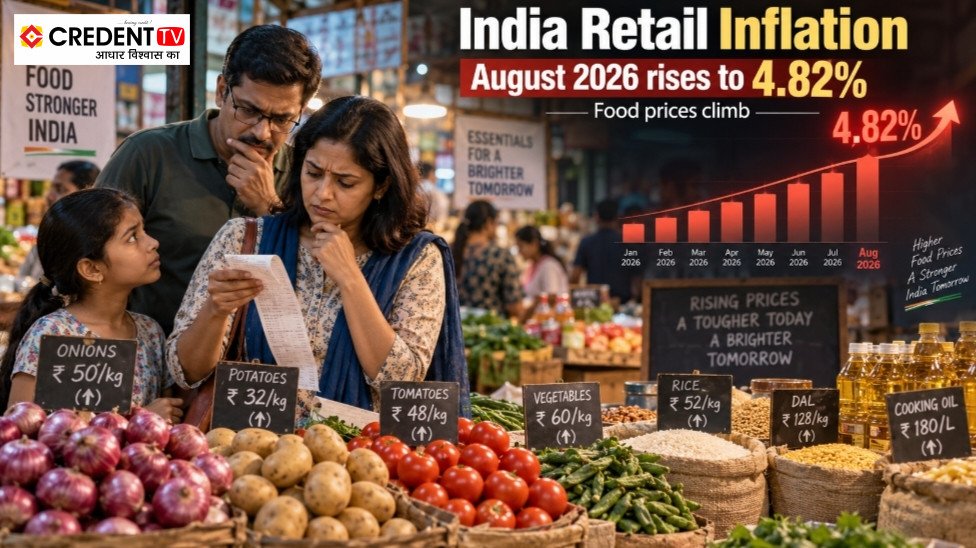
India retail inflation August 2026 rose to 4.82%, accelerating from 4.45% in July as food and other household costs increased, according to official Consumer Price Index data. Food inflation climbed to 5.95%, keeping price pressures above the Reserve Bank of India’s 4% medium-term target and increasing attention on the RBI’s next monetary policy decision.
What is India’s retail inflation rate in August 2026?
India’s Consumer Price Index-based retail inflation increased to 4.82% year-on-year in August 2026 from 4.45% in July. The August reading was also marginally above the 4.80% median forecast in a Reuters poll of economists.
The latest figure is the highest inflation reading under the revised CPI series introduced in January 2026. The Ministry of Statistics and Programme Implementation has shifted the CPI base year from 2012 to 2024 to reflect changes in household consumption patterns.
Although inflation remains within the RBI’s tolerance band of 2% to 6%, it is now above the central bank’s 4% medium-term target.
Why did food inflation rise in August 2026?
Food inflation increased to 5.95% in August from 5.52% in July, with higher prices for several kitchen staples contributing to the acceleration.
Weak and uneven monsoon conditions affected supplies of some agricultural products, while prices of onion, ginger and garlic recorded particularly sharp year-on-year increases.
Which food items became more expensive in August?
Onion inflation rose sharply to 48.27% in August from 22.54% in July. Ginger recorded annual inflation of 73.82%, while garlic prices were 43.60% higher than a year earlier.
Food inflation matters disproportionately for Indian households because food represents a substantial share of household expenditure, particularly in rural and lower-income families.
Which items became cheaper in August 2026?
Not every essential became more expensive. Tomato prices were 31.09% lower than a year earlier, while potato prices recorded annual deflation of 13.14%.
Negative annual inflation means prices were lower than in the corresponding month a year ago; it does not necessarily mean they fell compared with July.
What are rural and urban inflation rates in India?
Rural inflation rose to 5.23% in August from 4.84% in July, while urban inflation increased to 4.31% from 3.96%.
The figures indicate that inflationary pressure remained stronger in rural India, where food accounts for a comparatively larger share of household spending.
What is CPI inflation and why does it matter?
The Consumer Price Index measures changes in the prices households pay for a basket of goods and services, including food, clothing, housing-related expenses, transport, healthcare and other everyday consumption.
CPI inflation is one of the most closely watched economic indicators because the RBI uses it as the principal measure when assessing price stability and deciding monetary policy.
Will RBI increase the repo rate after August inflation data?
The August inflation reading does not automatically mean the RBI will increase the repo rate, but the continued rise in consumer prices has strengthened expectations that the Monetary Policy Committee could consider tighter policy if inflation becomes more broad-based.
The RBI kept its benchmark repo rate unchanged at 5.25% at its previous policy meeting. Minutes of that meeting showed policymakers were watching whether inflationary pressures were spreading beyond volatile food and energy categories.
Could RBI hike the repo rate in October 2026?
Some economists now see a greater possibility of action at the RBI’s October meeting, particularly if crude oil prices remain elevated and inflation continues to accelerate. Others expect the central bank to wait until December before considering a rate increase.
No repo rate hike has yet been announced. The Monetary Policy Committee will take its decision after assessing inflation, growth, crude oil prices, the rupee and broader financial conditions.
How are crude oil prices affecting inflation in India?
High international crude oil prices remain an important risk for India because the country imports most of its petroleum requirements. Brent crude has recently traded near $108 a barrel amid disruptions linked to geopolitical tensions in the Middle East.
Transport inflation increased to 4.60% in August from 4.43% in July. Sustained high energy prices can also raise logistics, manufacturing and other operating costs, potentially feeding into retail prices.
Will inflation in India rise further in 2026?
The outlook will depend on food supplies, monsoon conditions, global crude oil prices and whether price increases spread across a broader range of goods and services.
Core inflation, which excludes volatile food and fuel components, was estimated at about 4.2% in August, up from 3.86% in July. Economists are therefore closely watching the coming months for evidence that inflation is becoming more persistent.
India retail inflation August 2026, India inflation rate today, CPI inflation India, food inflation India, RBI repo rate, RBI MPC October 2026, retail inflation India, India CPI August 2026, food prices India, repo rate hike India
#IndiaInflation #CPIInflation #RBIRepoRate #FoodInflation #IndianEconomy
India
Operation Sindoor: India Says S-400 Downed Pakistani Aircraft 314 km Away
Published
2 days agoon
September 14, 2026
New Delhi | 14 Sep 2026
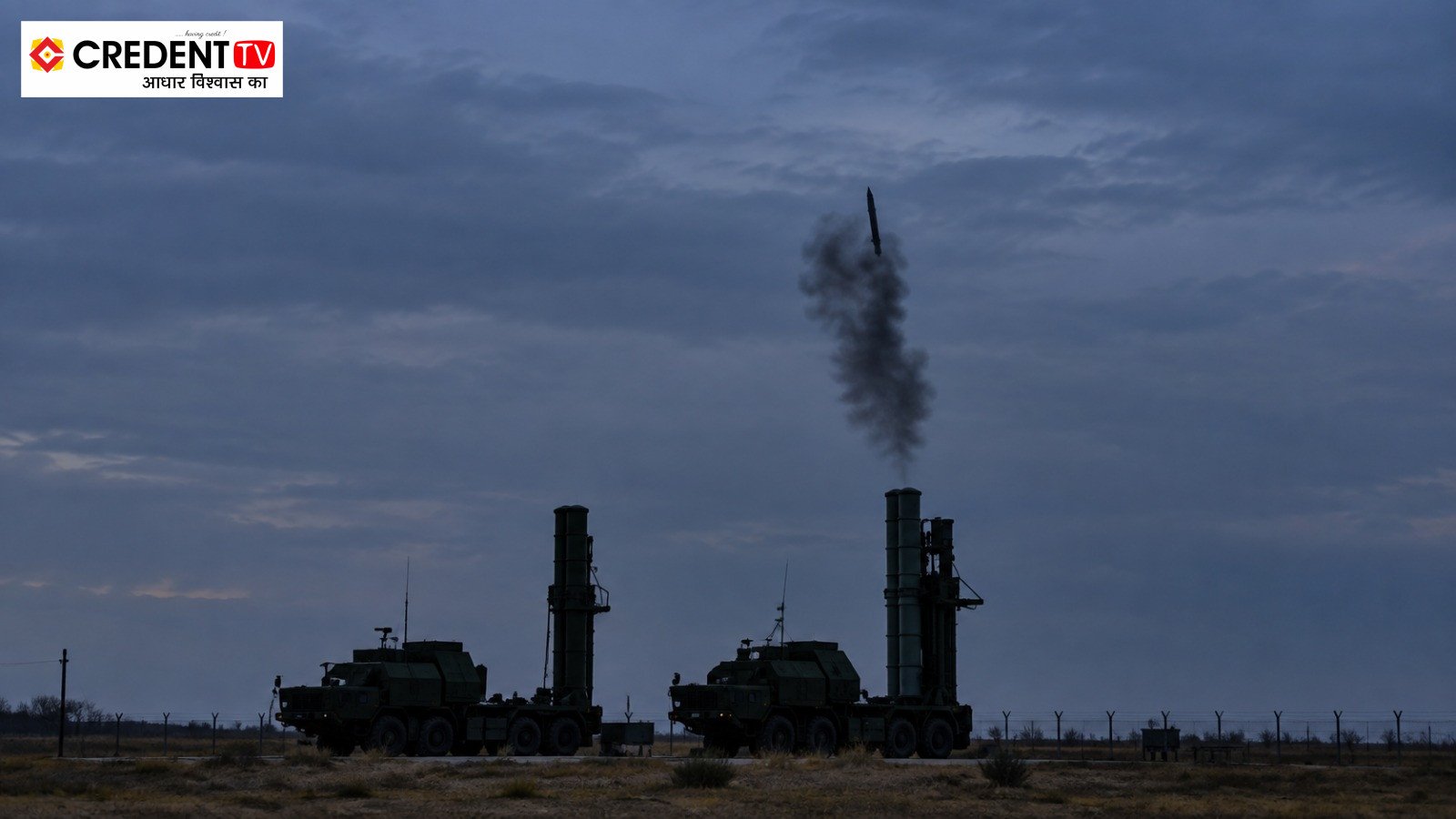
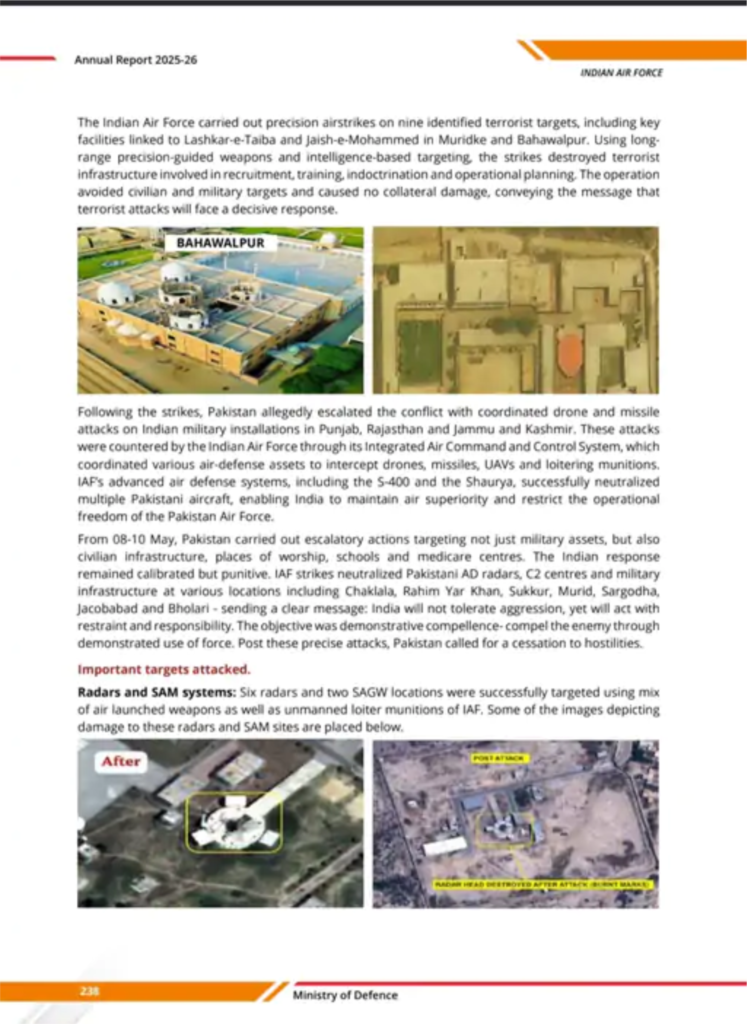
India’s S-400 air-defence system destroyed a Pakistani special-mission aircraft at a distance of 314 kilometres during Operation Sindoor, according to the Ministry of Defence’s Annual Report 2025–26 released on 13 September.
S-400 Operation Sindoor engagement reached 314 kilometres
The Defence Ministry said Indian radars detected and tracked the aircraft before a long-range surface-to-air missile engaged it near the outer limit of the system’s operational range.
The report did not publicly identify the aircraft or disclose the missile variant used. It described the action as evidence that the Indian Air Force’s integrated air-defence network could engage high-value airborne targets operating deep inside Pakistani airspace.
Military target identified among civilian aircraft
According to the annual report, Pakistan kept parts of its civilian airspace open during the fighting, requiring Indian operators to distinguish military targets from commercial aircraft.
The Indian Air Force used its Integrated Air Command and Control System to combine information from military and civilian surveillance sensors. The network provided operators with a common air picture to identify, classify and track aerial activity before authorising an engagement.
The ministry said trained personnel ensured that civilian aircraft were not targeted during the hostilities. Pakistan has previously rejected several Indian accounts of the May 2025 confrontation and presented competing claims about aircraft and military losses.
India says Pakistani airbases and command centres were struck
The report said the Indian Air Force also targeted air-defence radars, command-and-control facilities, runways, hangars and other military infrastructure at locations including Chaklala, Rahim Yar Khan, Sukkur, Murid, Sargodha, Jacobabad and Bholari.
Indian officials have previously said aircraft and airborne surveillance platforms were damaged or destroyed both in the air and on the ground. Pakistan has disputed India’s assessment of the confrontation, while independently verifiable operational evidence remains limited.
Operation Sindoor followed Pahalgam attack
India launched Operation Sindoor during the night of 6–7 May 2025 after 26 people were killed in the Pahalgam terrorist attack on 22 April. Indian forces initially struck nine sites in Pakistan and Pakistan-administered Kashmir that New Delhi described as terrorist infrastructure.
Pakistan denied involvement in the Pahalgam attack and condemned the Indian strikes. The confrontation expanded into exchanges involving aircraft, missiles, drones and artillery before the two countries agreed to halt military action on 10 May 2025.
The Defence Ministry described India’s subsequent response as calibrated and punitive, saying it was intended to stop further escalation. Pakistan has maintained that it successfully defended itself and inflicted losses on Indian forces.
Election
Rajasthan Municipal Election Results 2026 Live Updates
Published
3 days agoon
September 14, 2026
Jaipur | 14 Sep 2026
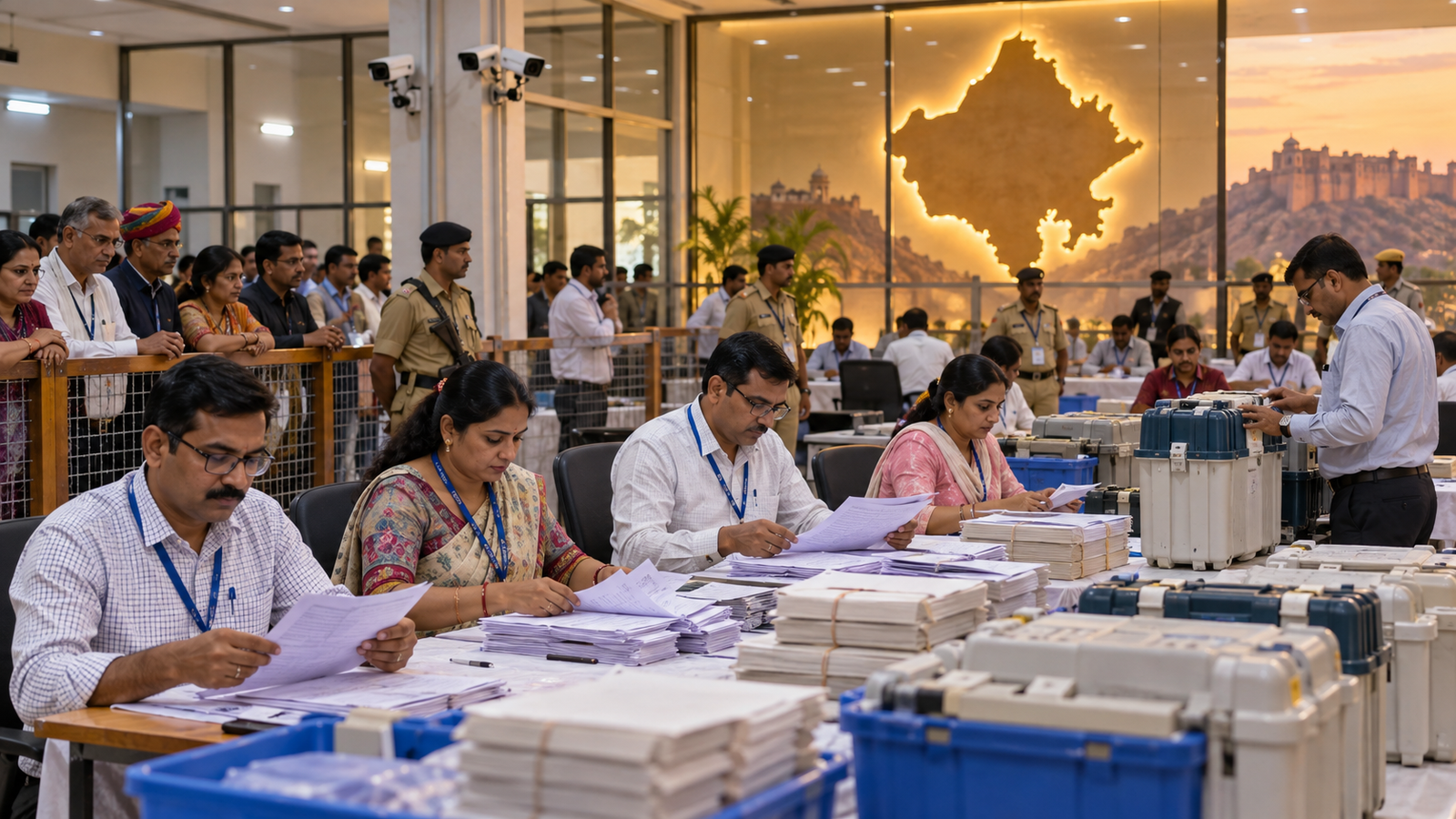
Rajasthan Municipal Election Results 2026 Live updates are being announced for 10,167 contested wards across Rajasthan, with BJP, Congress, other parties and independent candidates competing in 309 urban local bodies.
राजस्थान के प्रमुख नगर निगमों के परिणाम
10 प्रमुख नगर निगमों के वार्डवार नतीजे
Jaipur Nagar Nigam Election Result 2026
कुल 150 वार्ड
Jaipur Nagar Nigam Election Result 2026: BJP — 78, INC — 53, Others — 15. Declared results: 146 of 150 wards.
Jodhpur Nagar Nigam Election Result 2026
कुल 100 वार्ड
Jodhpur Nagar Nigam Election Result 2026: BJP — 44, INC — 44, Others — 11. Declared results: 99 of 100 wards.
Kota Nagar Nigam Election Result 2026
कुल 100 वार्ड
Kota Nagar Nigam Election Result 2026: BJP — 55, INC — 38, Others — 4. Declared results: 97 of 100 wards.
Ajmer Nagar Nigam Election Result 2026
कुल 80 वार्ड
Ajmer Nagar Nigam Election Result 2026: BJP — 32, INC — 37, Others — 11. Declared results: 80 of 80 wards.
Udaipur Nagar Nigam Election Result 2026
कुल 80 वार्ड
Udaipur Nagar Nigam Election Result 2026: BJP — 53, INC — 23, Others — 4. Declared results: 80 of 80 wards.
Bikaner Nagar Nigam Election Result 2026
कुल 80 वार्ड
Bikaner Nagar Nigam Election Result 2026: BJP — 27, INC — 42, Others — 11. Declared results: 80 of 80 wards.
Bhilwara Nagar Nigam Election Result 2026
कुल 70 वार्ड
Bhilwara Nagar Nigam Election Result 2026: BJP — 45, INC — 10, Others — 15. Declared results: 70 of 70 wards.
Pali Nagar Nigam Election Result 2026
कुल 65 वार्ड
Pali Nagar Nigam Election Result 2026: BJP — 21, INC — 29, Others — 15. Declared results: 65 of 65 wards.
Alwar Nagar Nigam Election Result 2026
कुल 65 वार्ड
Alwar Nagar Nigam Election Result 2026: BJP — 28, INC — 23, Others — 14. Declared results: 65 of 65 wards.
Bharatpur Nagar Nigam Election Result 2026
कुल 65 वार्ड
Bharatpur Nagar Nigam Election Result 2026: BJP — 20, INC — 7, Others — 38. Declared results: 65 of 65 wards.
Rajasthan Nikay Chunav Result 2026: BJP ahead in key cities
Early results and trends placed the BJP ahead in major municipal corporations including Jaipur, Udaipur, Kota and Bhilwara. The Congress led or mounted close contests in cities including Jodhpur, Bikaner and Pali, while independent candidates emerged as a significant force in Bharatpur.
In Jaipur Municipal Corporation, the state’s largest civic contest with 150 wards, the BJP moved ahead of the Congress as results were declared. A total of 723 candidates contested the Jaipur election.
The figures remain provisional because counting is continuing and the party-wise position may change as additional rounds are completed. Results declared by the Rajasthan State Election Commission will constitute the final tally.
Rajasthan civic elections held in two phases
Voting for the Rajasthan urban local body elections was conducted in two phases on 9 and 11 September. The first phase recorded 76.42 per cent turnout, while 70.68 per cent of voters participated in the second phase.
More than 1.44 crore electors were eligible to vote. The elections covered municipal corporations, municipal councils and municipalities across Rajasthan.
Mayors and chairpersons to be elected next
The ward-wise results will determine the composition of each urban local body. Newly elected councillors are scheduled to elect mayors and chairpersons on 21 September, followed by elections for deputy mayors, deputy chairpersons and municipal vice-presidents on 22 September.
The results are politically significant for both the BJP and Congress as they provide an indication of voter sentiment in Rajasthan’s urban areas ahead of the 2028 Assembly election.
Rajasthan Nikay Chunav Result 2026, Rajasthan Municipal Election Results 2026 Live, Jaipur Nagar Nigam Result 2026, Rajasthan Civic Body Election Results, Rajasthan Ward Wise Election Result, BJP Congress Rajasthan Results, Rajasthan State Election Commission Result, Rajasthan Nikay Chunav Live Update
#RajasthanElectionResults #RajasthanNikayChunav #JaipurElection #MunicipalElection2026 #CredentTV
Breaking News
RBI Repo Rate Hike: SBI Research Recommends 50 bps Increase, EMIs May Rise
Published
3 days agoon
September 14, 2026
New Delhi | 14 Sep 2026
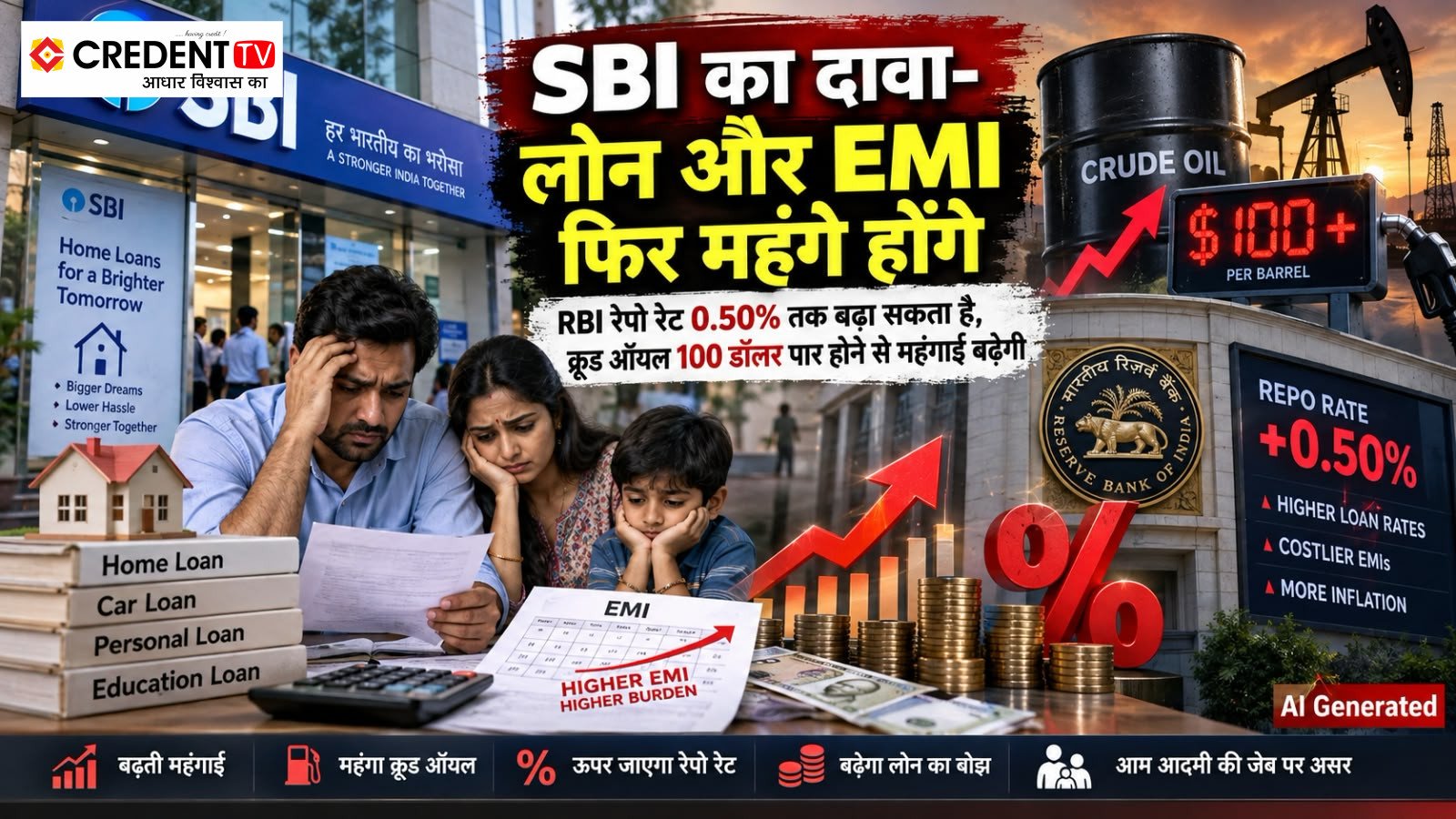
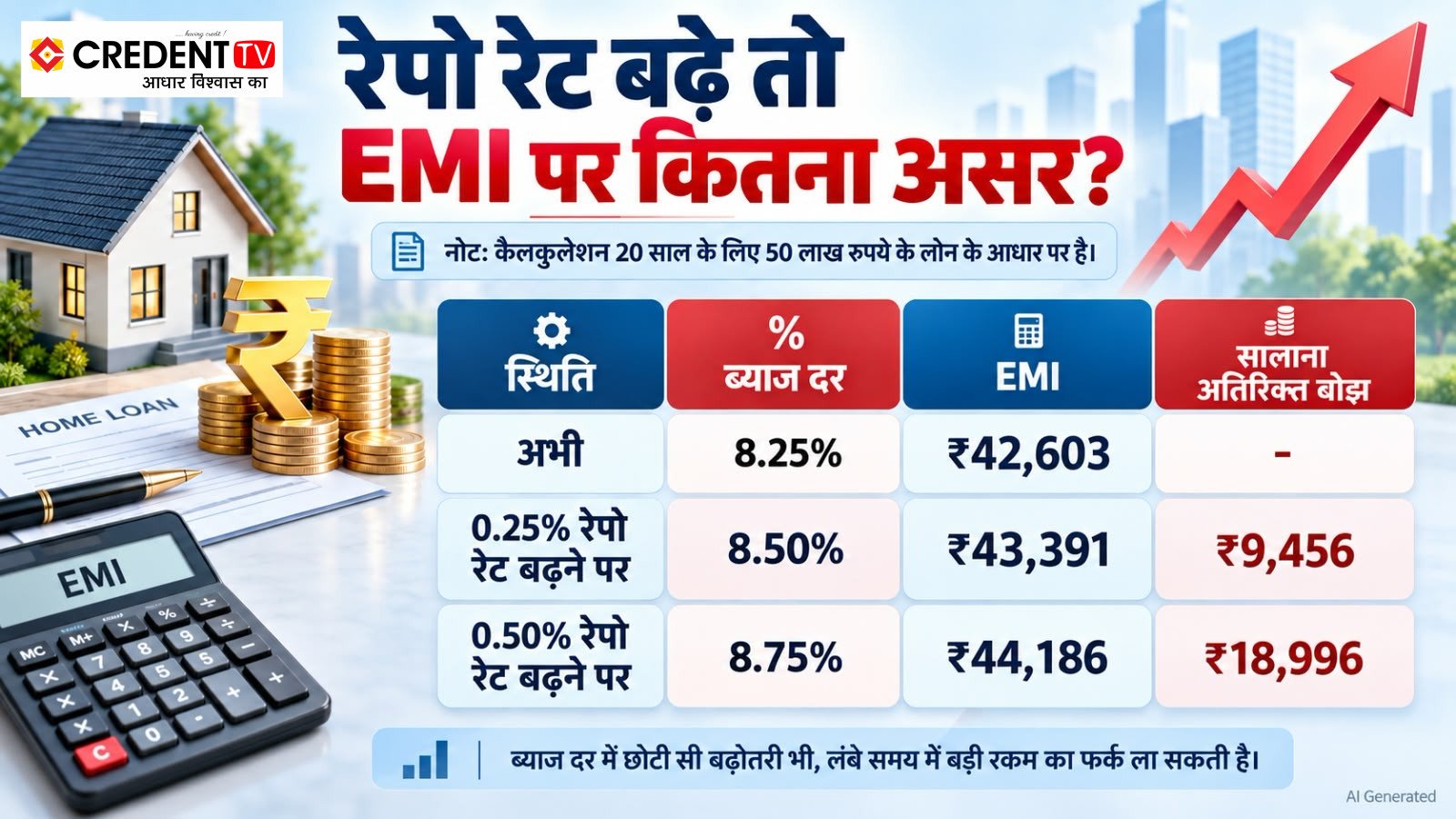
Home loan and other floating-rate borrowers could face higher borrowing costs if the Reserve Bank of India raises the repo rate in the coming months, as advocated by SBI Research. Its latest Ecowrap report has called for a 25-basis-point increase in October followed by another 25-bps rise in December, citing crude oil prices above $100 a barrel, external shocks and growing inflation risks.
SBI Research advocates RBI repo rate hike in October and December
SBI Research has recommended that the RBI raise the policy repo rate by 25 basis points at the next Monetary Policy Committee meeting and consider another 25-bps increase in December. If both increases are implemented, the cumulative rise would be 50 basis points, or 0.50 percentage point.
The recommendation is not an RBI decision. The central bank has kept the repo rate unchanged at 5.25% for four consecutive policy reviews, including its August 2026 meeting. The next MPC meeting is scheduled for 5-7 October.
“We strongly advocate a 25-bps rate hike in the upcoming October policy.”— SBI Research, Ecowrap report
SBI Research said the economic environment had changed significantly over the past month, with elevated energy prices and wider inflationary pressures increasing the case for monetary tightening.
What an RBI rate hike could mean for home loan EMIs
A higher repo rate can eventually make loans more expensive, particularly for borrowers whose floating-rate loans are linked to an external benchmark such as the RBI repo rate.
If banks transmit a higher policy rate to customers, borrowers could see their lending rates revised at the applicable reset date. Depending on the loan agreement and lender policy, this may result in a higher monthly EMI, a longer repayment tenure or a combination of the two.
The impact would not necessarily be immediate or identical for every borrower. Fixed-rate loans and loans linked to other benchmarks may respond differently.
Crude oil above $100 raises inflation concerns
The SBI Research assessment comes as international crude oil prices have moved above $100 a barrel amid heightened geopolitical uncertainty. India, which imports most of its crude oil requirements, is particularly sensitive to prolonged increases in global energy prices.
Higher crude prices can affect transportation, fuel, manufacturing and logistics costs, potentially feeding into consumer inflation. They can also put pressure on the rupee and India’s current account position.
SBI Research said one of its models indicated crude prices could reach $123 a barrel over a 15-day period under a higher-risk scenario, while another model projected an average closer to $105 a barrel. These are estimates rather than confirmed future prices.
Inflation outlook puts October RBI MPC meeting in focus
SBI Research said inflationary pressure was showing signs of becoming more broad-based, including in areas such as crude petroleum and natural gas, beverages, pharmaceuticals and electronics.
The report estimated that if crude oil prices remain elevated, inflation in October and November could move towards 6.5% or higher. The trajectory of food prices, energy costs, the rupee and global financial conditions will therefore remain important ahead of the October RBI policy decision.
RBI Governor Sanjay Malhotra has meanwhile maintained that the prevailing monetary policy remains appropriate, while the central bank continues to monitor inflation, liquidity and external risks.
RBI has not announced a 0.50% repo rate increase
Borrowers should note that the proposed increases are recommendations from SBI Research and not a confirmed RBI decision. The Monetary Policy Committee will independently decide the repo rate after evaluating inflation, economic growth and financial conditions.
If the RBI ultimately follows the two-step path suggested by SBI Research, the repo rate would rise from the current 5.25% to 5.50% after a 25-bps increase and to 5.75% after a further 25-bps rise. Such a move could raise borrowing costs for eligible floating-rate home, vehicle and personal loans, subject to individual banks’ transmission and reset mechanisms.
RBI repo rate hike, RBI repo rate 2026, SBI Research repo rate, home loan EMI increase, loan EMI hike, RBI MPC October 2026, crude oil price India, India inflation 2026, home loan interest rate
#RBIRepoRate #HomeLoanEMI #RBI #SBIResearch #Inflation
Breaking News
BRICS Summit 2026 Backs Local-Currency Trade as India Clarifies Common Currency Position
Published
4 days agoon
September 13, 2026
New Delhi | 12 Sep 2026
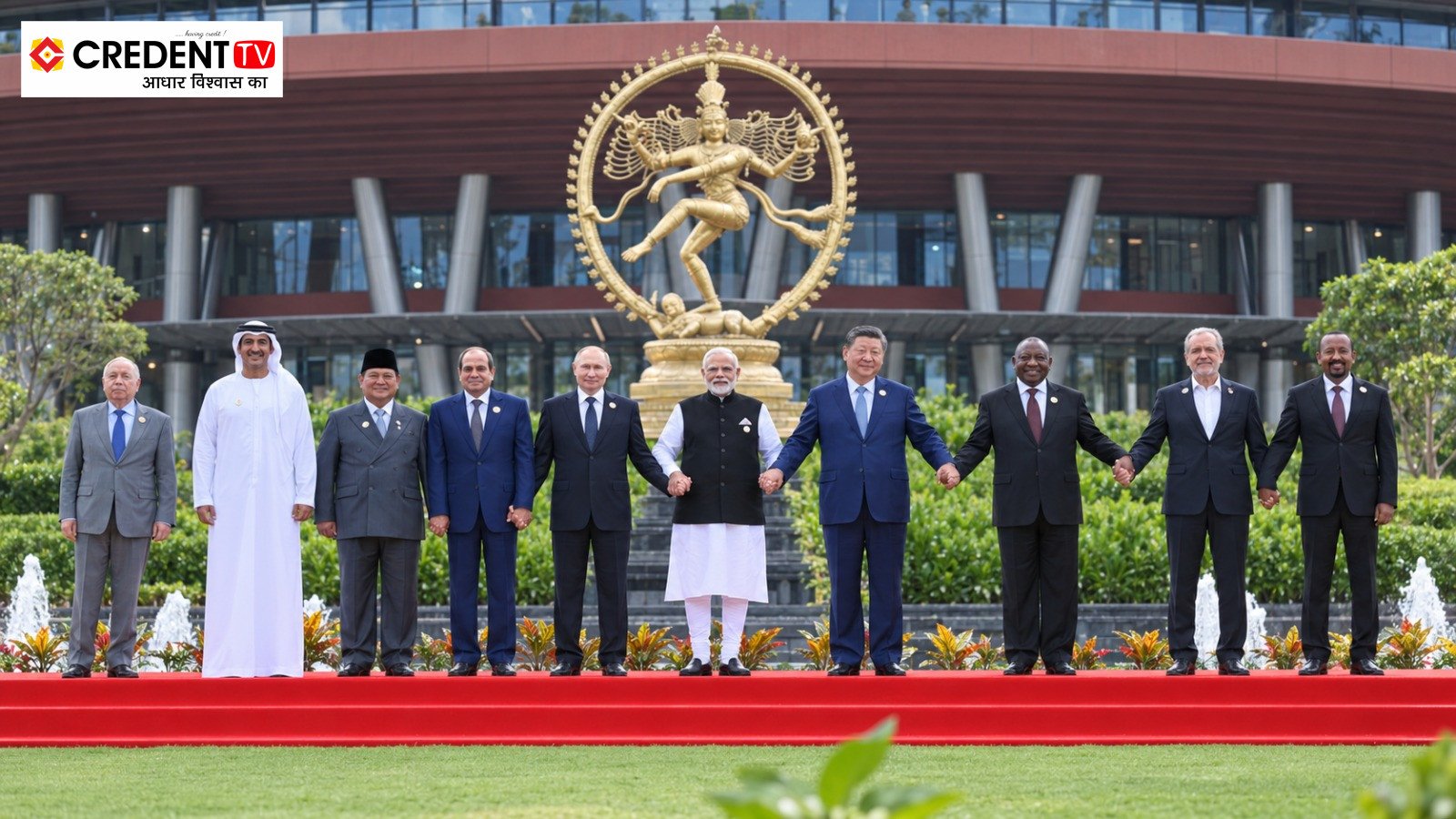
The BRICS Summit in New Delhi backed greater use of national currencies in trade and investment, while India clarified that there was no proposal for a common BRICS currency. The discussions focused on reducing transaction costs and improving cross-border payments, according to remarks by India’s BRICS Sherpa Sudhakar Delela.
BRICS Summit Prioritises Local-Currency Trade
Delela, Secretary for Economic Relations in the Ministry of External Affairs, said the emphasis was on expanding trade within BRICS and strengthening engagement with businesses internationally.
The New Delhi Declaration supported further work on connecting payment and messaging systems. It also backed discussions on settling trade and investment transactions in members’ currencies, while recognising that countries would need approaches suited to their circumstances.
These commitments concern cooperation between existing national financial systems; they do not amount to the launch of a shared currency.
Development Finance and Payment Cooperation in Focus
The declaration encouraged the New Development Bank to expand local-currency financing and diversify funding for infrastructure projects. The BRICS Payment Task Force is also examining closer integration of national payment systems to improve the speed and security of international transactions, according to [The Indian Express](https://indianexpress.com/article/explained/brics-new-delhi-summit-declaration-key-takeaways-10875050/).
The financial agenda therefore centres on further technical cooperation and financing initiatives. The commitments should not be read as confirmation that a unified BRICS payment network is already operational.
BRICS Summit 2026, BRICS currency, BRICS local currency trade, New Delhi Declaration, BRICS cross-border payments, New Development Bank
#BRICS #BRICSSummit2026 #BRICSCurrency #GlobalTrade #CredentTV
Breaking News
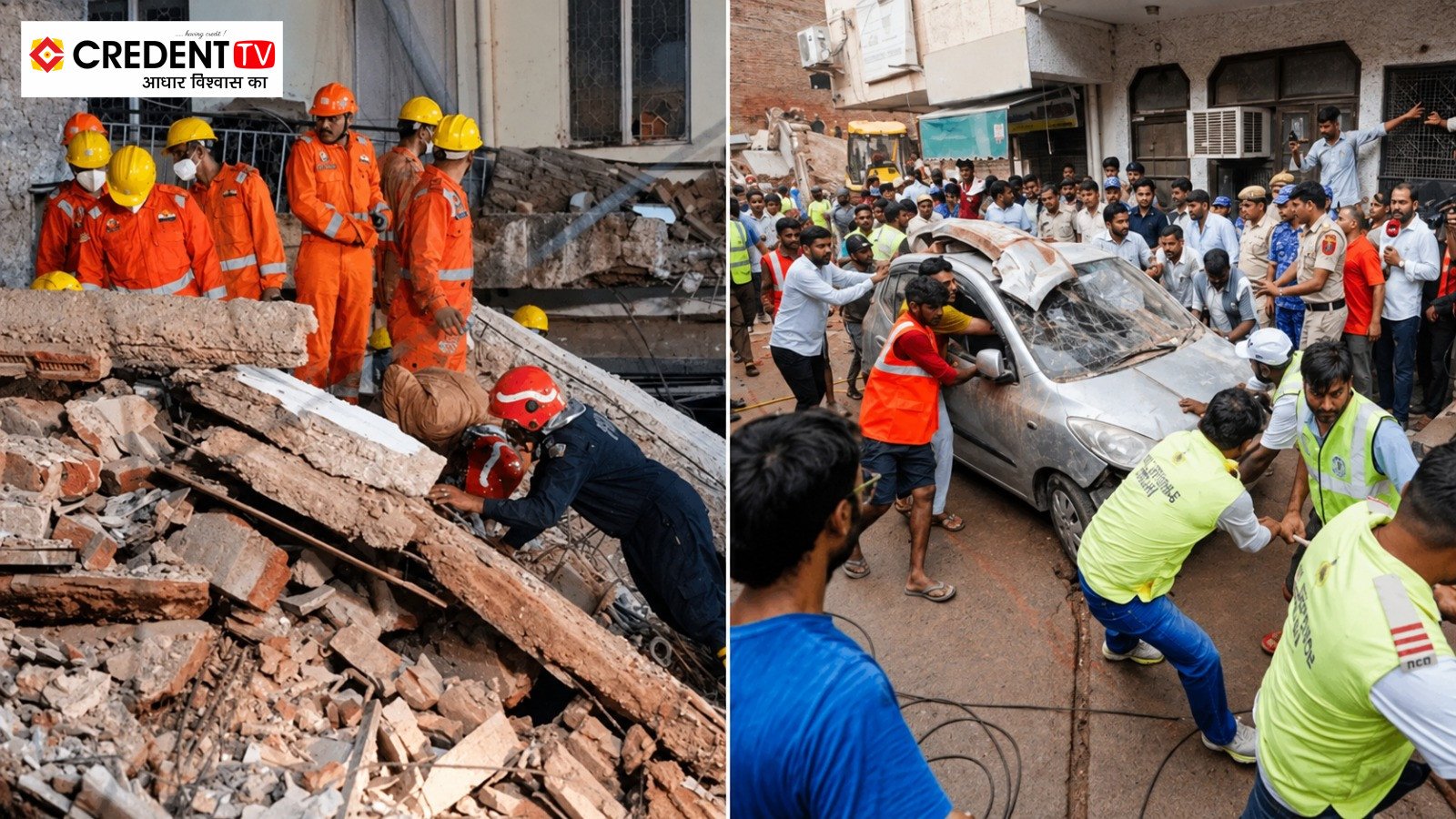
Satya Niketan PG Collapse: Fifth Arrest Made as MCD Begins Demolition
Published
1 week agoon
September 9, 2026
New Delhi | 09 Sep 2026
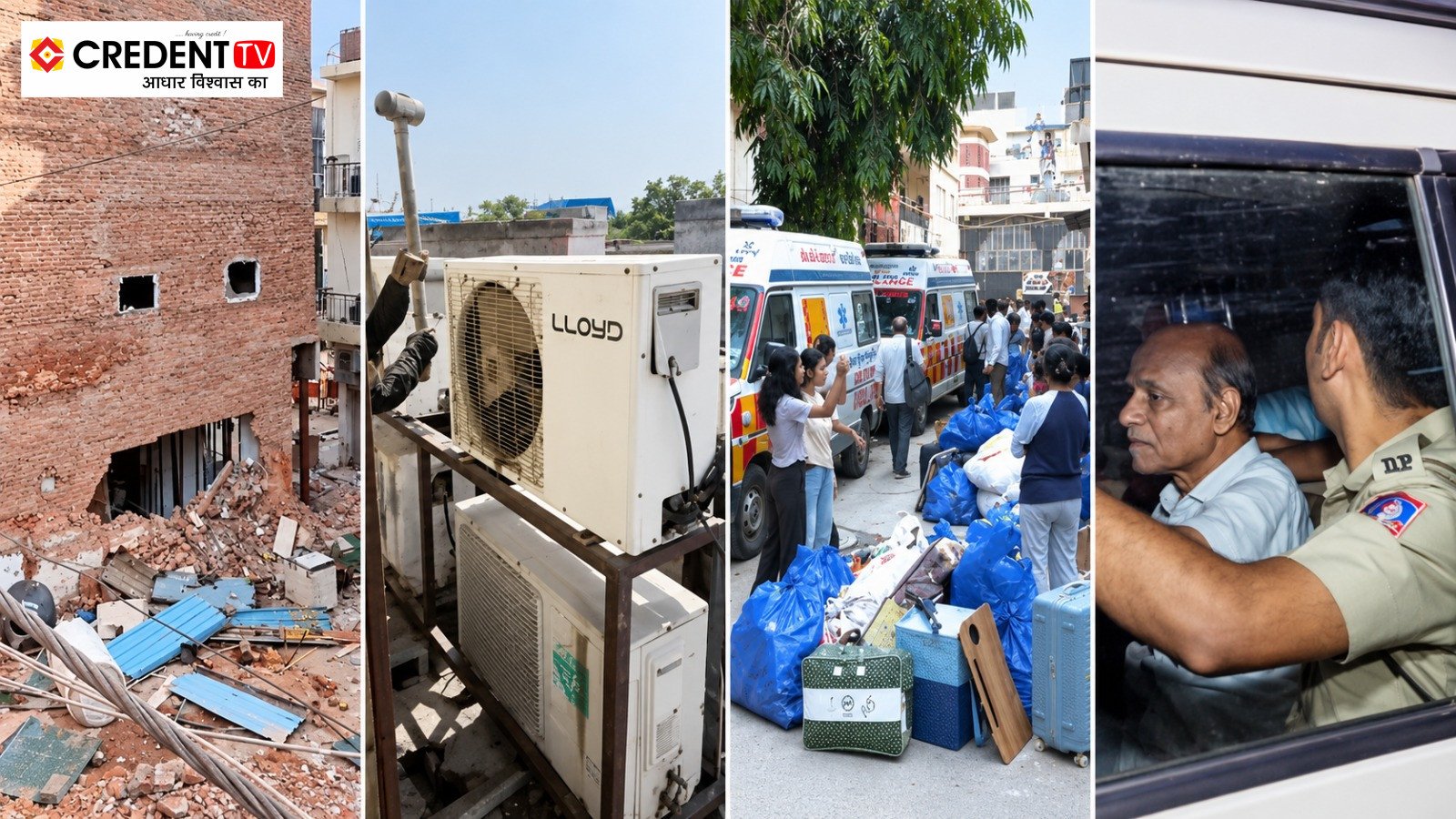
Delhi Police arrested paying guest accommodation operator Sudhanshu on Wednesday in connection with the Satya Niketan PG collapse that killed seven people, including five students. The arrest took the number of people held in the case to five as civic authorities began demolishing an unsafe adjoining building.
Fifth arrest in Satya Niketan PG collapse investigation
Police said Sudhanshu and his business partner, Shubham Tyagi, had leased the building in August 2025 and operated the student accommodation under the name “Hostel Daze”. Tyagi remained untraced at the time of reporting.
The other arrested people are building owners Hariram Gupta and Urmila Gupta, their son Mahesh Gupta, and labour contractor Sanoj. Hariram and Urmila were remanded to 14 days’ judicial custody, while Mahesh was questioned in police custody.
Investigators are examining the roles of the owners, operators and workers connected with repairs reportedly being conducted in the basement and on the ground floor. The precise cause of the collapse has not yet been officially established.
MCD begins demolition of unsafe adjoining building
The Municipal Corporation of Delhi began a controlled, phased demolition of the building adjoining the collapsed structure after declaring it dilapidated and unsafe. Its occupants had previously been evacuated and the property sealed.
Delhi Chief Minister Rekha Gupta directed the MCD to inspect PG accommodations across the capital and act against unauthorised construction. She also ordered scrutiny of building records to determine when the violations occurred and which officials had jurisdiction at the time.
Five MCD officials from the South Zone have been suspended pending an inquiry into possible administrative lapses. The suspensions do not constitute findings of guilt, and the investigation remains under way.
Delhi plans licensing and safety rules for PG facilities
The Delhi government is preparing draft legislation to regulate private hostels and PG accommodation. The proposals include municipal licences, police verification, structural and fire-safety clearances, unique registration numbers and a central public portal for registered properties and complaints.
The Delhi High Court also issued notices to the Centre, the Delhi government and Delhi University on Wednesday over a petition seeking a time-bound hostel development policy. The matter is scheduled to be heard again on 25 September alongside another petition seeking an independent investigation and regulations for hostels and PG facilities.
The Supreme Court is separately expected to consider the wider issue of regulatory compliance for unsafe and unauthorised buildings after the Satya Niketan tragedy was mentioned before it.
Accident
Delhi High Court Orders MCD PG Audit After Satya Niketan Collapse
Published
1 week agoon
September 8, 2026
New Delhi | 8 Sep 2026
The Delhi High Court has ordered the Municipal Corporation of Delhi to inspect paying guest accommodations and private hostels across its jurisdiction within a week after the Satya Niketan building collapse killed seven people and exposed possible gaps in the capital’s building-safety system.
Court orders high-level inquiry into Satya Niketan collapse
A bench comprising Chief Justice D.K. Upadhyaya and Justice Tejas Karia directed the MCD to investigate at its highest executive level whether the collapsed building was constructed and operated with the required permissions.
The civic body must examine compliance with building bye-laws, identify officials responsible for any regulatory failure and disclose the action proposed or taken against them. The inspection report must also record the number of students living in each PG accommodation.
“The responsibility, prima facie, in our opinion, for such mishaps do not lie solely on the owner.”— Delhi High Court
The court sought responses from the Delhi government, MCD, Delhi University and Delhi Police within 10 days. Delhi University was asked to disclose the number of outstation students enrolled in its affiliated colleges and the hostel capacity available to them. The case is scheduled to be heard again on 25 September.
MCD building survey comes under scrutiny
The collapse has raised questions about the effectiveness of the MCD’s annual pre-monsoon survey of dangerous buildings. Civic data reported in June showed that approximately 27.84 lakh properties had been inspected against a target of about 32.55 lakh, but only 19 buildings were classified as dangerous.
Updated figures reported by 2 July indicated that around 29.94 lakh buildings had been covered. Twenty-seven were declared unsafe, while 125 others were identified as requiring repairs.
It remains unclear whether the collapsed Satya Niketan property was inspected during the 2026 exercise and, if so, what condition was recorded. An annual visual survey is also different from a detailed structural audit, which can examine foundations, load-bearing components, internal alterations and other weaknesses that may not be visible from outside.
The Delhi High Court’s directions now require a more targeted assessment of properties operating as PGs and hostels, including their permissions, construction status, occupancy and compliance with applicable building regulations.
MCD says building exceeded permitted floors
The five-storey structure, located on a plot measuring about 55 square yards, was being used as a boys’ PG near Delhi University’s South Campus when it collapsed at about 1.30 pm on 6 September.
The MCD said the building was a ground-plus-four structure in a resettlement colony where construction was permitted only up to the ground and first floors. Investigators are examining renovation and excavation work allegedly underway in the basement, but the precise cause of the collapse has not yet been conclusively established.
Authorities rescued 12 people from the debris. Seven deaths were subsequently confirmed.
The MCD suspended five South Zone officials, including Deputy Commissioner Rakesh Kumar, as inquiries began into possible enforcement failures. The other suspended personnel included engineering officials responsible for the area.
Three family members arrested in collapse case
Delhi Police arrested Hariram Gupta, his wife Urmila Gupta and their son Mahesh Gupta in connection with the collapse. Police records cited in court proceedings showed that the property was registered in Urmila Gupta’s name, while Mahesh allegedly managed its day-to-day PG operations.
A Delhi court remanded Hariram and Urmila Gupta to 14 days’ judicial custody. Mahesh Gupta was sent to police custody for two days. The allegations against them have not been adjudicated, and the criminal investigation remains underway.
The case was registered at South Campus police station under provisions of the Bharatiya Nyaya Sanhita covering culpable homicide not amounting to murder, negligent conduct during building repair or construction, and acts endangering human life.
Delhi plans structural audits and new safety policy
Following a review chaired by Lieutenant Governor Taranjit Singh Sandhu, the Delhi government announced plans for structural audits in student PG hubs, including Satya Niketan. Chief Minister Rekha Gupta’s office said it was also working on a policy requiring periodic structural audits and safety certification for public-use premises such as PG accommodations, schools and nursing homes.
The government is examining whether vacant MCD and Delhi Development Authority buildings can be used for student accommodation. Officials have also been asked to prepare medium- and long-term plans to expand hostel capacity.
The MCD has issued notices for adjoining structures assessed as dangerous. Property number 13, next to the collapsed building, was evacuated and ordered to be demolished or secured under the Delhi Municipal Corporation Act. Further action will depend on structural inspections, the High Court-ordered audit and the findings of the criminal and administrative inquiries.
Breaking News
Sagar Spurious Liquor Deaths Rise to 12; Police Arrest 14 in Cross-Border Probe
Published
1 week agoon
September 7, 2026
Sagar | 7 Sep 2026 At least 12 people have died after allegedly consuming spurious liquor in Madhya Pradesh’s Sagar district, while police have arrested 14 suspects and named about 30 people in three FIRs as investigators examine a suspected supply network extending into Uttar Pradesh.
Sagar spurious liquor investigation traces suspected Lalitpur link
The deaths followed the consumption of suspected counterfeit liquor on Saturday in villages under Banda tehsil, around 30 kilometres from Sagar city. Nauraj and Gogra were among the areas most severely affected.
Sagar Superintendent of Police Anurag Sujaniya said the preliminary investigation had identified a Lalitpur-based group previously accused of manufacturing counterfeit liquor resembling brands sold in Madhya Pradesh. Investigators believe the consignment involved in the Sagar deaths may have originated from this network.
The suspected liquor was allegedly filled in bottles carrying labels, caps and QR codes designed to resemble genuine products. Officials are investigating whether it was subsequently distributed through people associated with licensed liquor outlets, leaving customers unaware that they were buying counterfeit alcohol.
Licensed liquor contractors Siddharth Kushwaha and Yashwant Thakur have been named among the accused, according to reports citing the police complaint. Their inclusion in an FIR constitutes an allegation, and the investigation remains under way.
Three FIRs registered as police expand raids
Police registered three FIRs at two police stations after receiving complaints from the victims’ families. By Monday morning, about 30 people had been named and 14 arrested, according to the latest police information.
Police, Excise Department and revenue teams are conducting raids to locate the remaining accused and recover any suspected liquor still in circulation. Officials and village representatives have also carried out door-to-door searches in affected areas to identify residents who may have consumed the liquor or retained unopened bottles.
Seven liquor shops in the Banda-Shahgarh area were sealed as a precaution, and samples were collected for examination. A magisterial inquiry has also been ordered to determine the source of the liquor and identify possible regulatory failures.
Five officials suspended over alleged enforcement lapses
Three Excise Department officials and two police personnel were suspended following the tragedy. The Excise Department’s area deputy commissioner was removed from Sagar and attached to the department’s headquarters in Gwalior.
The action covered the Banda police station house officer, an outpost in-charge, Sagar Assistant Excise Commissioner Kirti Dubey, Additional District Excise Officer Dilip Kandaka and Sub-Inspector Roshani Urathi. The suspensions are administrative measures pending further examination and do not by themselves establish criminal liability.
Medical screening continues in affected villages
Dozens of residents reported symptoms including vomiting, dizziness, headache and blurred vision after allegedly consuming the liquor. Patients requiring advanced treatment were referred to Bundelkhand Medical College and other hospitals in Sagar.
District authorities urged anyone who had consumed liquor in the affected area and developed symptoms to seek medical attention immediately. Health teams were deployed in villages to screen residents and identify further cases.
Chief Minister Mohan Yadav ordered an immediate investigation and directed officials to take stringent action against those responsible.
“I have instructed the minister in charge and directed the officials to act promptly, take the strictest possible action and conduct a thorough investigation.”— Mohan Yadav, Chief Minister of Madhya Pradesh
Investigators are now working to establish where the suspected liquor was manufactured, how it crossed the Madhya Pradesh–Uttar Pradesh border and whether any licensed distribution channel was misused. The accused remain entitled to due process, and criminal responsibility will be determined through the investigation and subsequent judicial proceedings.
Breaking News
Swatantra Bhardwaj Detained After CJP March to Parliament Street Police Station
Published
2 weeks agoon
September 4, 2026
New Delhi | 04 Sep 2026
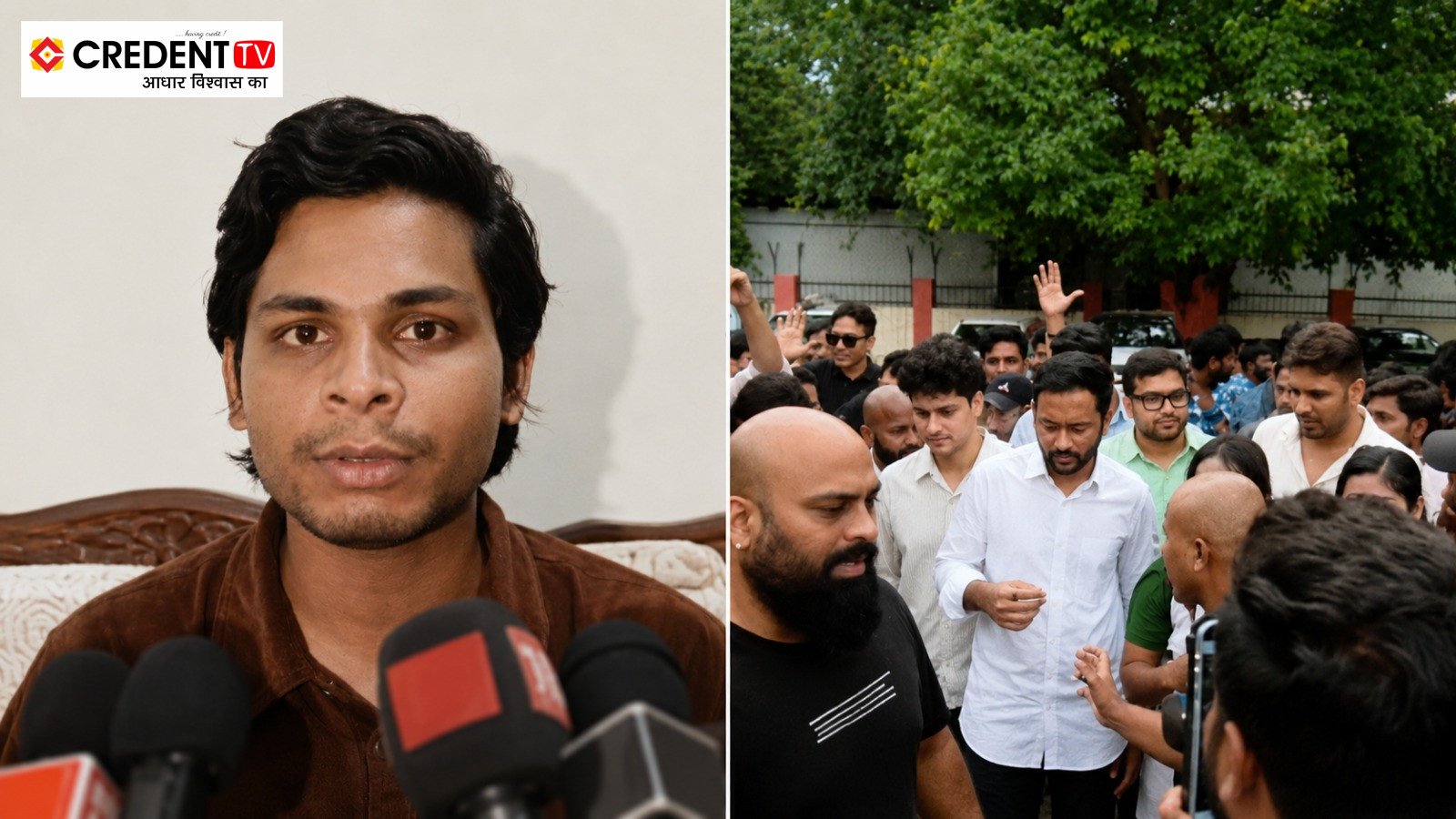
Delhi Police detained Swatantra Bhardwaj in Uttar Pradesh’s Bulandshahar on Friday, hours after CJP leaders and supporters marched to Parliament Street Police Station demanding action over the alleged assault on activist Nishu Azad’s father, Sanjay Kumar. Bhardwaj is an accused in the 23 June incident at a CJP protest at Jantar Mantar and has denied deliberately attacking Kumar, saying he acted in self-defense.
CJP leaders march to Parliament Street Police Station
CJP leaders Saurav Das and Ashutosh Ranka reached Parliament Street Police Station on Friday morning with supporters seeking what they described as stronger police action in the case. The demonstration followed renewed attention to the June incident after a video clip from a podcast featuring Bhardwaj circulated widely on social media.
ANI shared visuals of Das and Ranka arriving at the police station as the protest began.
Das questioned why the accused had remained free and called on Delhi Police to explain the action taken in the case.
Before the march, Das had announced on X that CJP members would gather at Parliament Street Police Station at 10 am to demand justice for Sanjay Kumar and his daughter.
Chandrashekhar Azad joins delegation
Azad Samaj Party MP Chandrashekhar Azad also reached Parliament Street Police Station and joined those supporting Nishu and her father. The delegation sought tougher legal provisions in the case and action against Bhardwaj.
CJP’s official X account also posted an update from the police station during the demonstration.
Nishu Azad appeals for action over father’s assault
The dispute stems from a confrontation during a CJP protest at Jantar Mantar on 23 June. According to Delhi Police, Sanjay Kumar, 38, suffered head injuries during a scuffle. Police said Suraj Kumar and Swatantra Bhardwaj were detained at the site, served notices and questioned during the investigation.
Nishu Azad later posted a video on X appealing for justice and said she hoped Leader of Opposition Rahul Gandhi would support her fight.
Rahul Gandhi backs Nishu Azad and questions police action
Rahul Gandhi responded publicly to Nishu on X, saying he stood with her and that the campaign for justice would continue. He also accused Union Home Minister Amit Shah and Delhi Police of protecting the accused. Those allegations were subsequently rejected by Delhi Police, which said the investigation had been conducted in accordance with law.
Delhi Police rejects claims of political interference
In an official statement, the Deputy Commissioner of Police, New Delhi, said Sanjay Kumar sustained a head injury from a kada worn by one of the alleged assailants during the scuffle. Police said doctors at Ram Manohar Lohia Hospital classified the injuries as simple and rejected social-media claims that Kumar had suffered a skull crack.
Police also said a case had been registered under relevant provisions of the Bharatiya Nyaya Sanhita and maintained that allegations of political influence or interference were unfounded. The force said legal action had been taken and a chargesheet would be filed before the competent court.
Following Friday’s meeting with the CJP delegation, reports said relevant provisions of the Scheduled Castes and Scheduled Tribes (Prevention of Atrocities) Act were invoked, while a demand for an attempt-to-murder charge was to be assessed on the basis of expert medical opinion.
Bhardwaj says June incident was self-defence
Bhardwaj has disputed allegations that he deliberately assaulted Sanjay Kumar. Speaking to ANI before his detention, he said he had acted in self-defence after being surrounded during the confrontation and claimed there had been no intention to attack anyone. He also disputed the interpretation of remarks from the podcast clip that triggered renewed criticism.
Swatantra Bhardwaj detained in Bulandshahr
The case took a significant turn later on Friday when Delhi Police detained Bhardwaj near Dhamra Nara village in Bulandshahr, Uttar Pradesh. The development came hours after the Parliament Street demonstration and amid mounting demands for police action.
His detention does not amount to a finding of guilt. The allegations against him remain subject to investigation and any subsequent judicial proceedings.
Breaking News
Krishna Janmashtami 2026: Mathura-Vrindavan Packed, Jaipur Celebrates as Mumbai Readies Dahi Handi
Published
2 weeks agoon
September 4, 2026
Mathura | 04 Sep 2026
Krishna Janmashtami 2026 is being celebrated across India on Friday, 4 September, with major temples in Mathura, Vrindavan and Jaipur drawing large numbers of devotees for special prayers, aartis and midnight rituals. In Maharashtra, preparations are also under way for Dahi Handi celebrations scheduled for Saturday, 5 September.
Krishna Janmashtami 2026 draws devotees to Mathura and Vrindavan
Mathura, regarded by Hindus as the birthplace of Lord Krishna, remained at the centre of the celebrations. Devotees began arriving at Shri Krishna Janmabhoomi from early morning as the temple complex held Mangala Aarti and special prayers.
The celebrations are scheduled to culminate around midnight with rituals marking Krishna’s birth. Extensive crowd-management and security arrangements have been put in place around the temple complex and other major religious sites in the Braj region.
Mangala Aarti at Shri Krishna Janmabhoomi
Press Trust of India shared footage from Mathura showing the Janmashtami celebrations beginning with Mangala Aarti at the Krishna Janmabhoomi Bhagwat Bhawan.
Yogi Adityanath offers prayers at Krishna Janmabhoomi
Uttar Pradesh Chief Minister Yogi Adityanath visited Shri Krishna Janmabhoomi in Mathura and offered prayers during the Janmashtami celebrations. His visit came as thousands of devotees gathered across Mathura and neighbouring Vrindavan.
Another ANI video showed the Chief Minister offering prayers at the temple during the festival.
Devotees gather at Vrindavan ISKCON Temple
Vrindavan also witnessed a steady flow of devotees. The ISKCON temple was among the major centres of celebration, with worshippers arriving for darshan and devotional programmes.
Festive atmosphere intensifies at Krishna Janmabhoomi
By evening, the number of visitors at Shri Krishna Janmabhoomi had increased further as devotees gathered ahead of the principal night-time ceremonies. ANI shared visuals showing the crowd at the temple on Janmashtami.
Jaipur’s Govind Dev Ji Temple holds special Janmashtami darshan
In Jaipur, the historic Shri Govind Dev Ji Temple emerged as the focal point of Janmashtami celebrations. According to the temple’s official programme, special darshan began with the Mangala Jhanki from 4 am on 4 September, followed by a series of jhankis and religious ceremonies through the day.
The temple scheduled special night-time rituals around the birth celebration, while Nandotsav and a Shobha Yatra are listed for 5 September. Authorities introduced special entry, exit, traffic and crowd-management arrangements around the City Palace and Jaleb Chowk area because of the expected influx of devotees.
Mumbai prepares for Dahi Handi on 5 September
While temples across Mumbai are observing Janmashtami on Friday, the city’s high-profile Dahi Handi celebrations will take place on Saturday, 5 September. Govinda pathaks are expected to form human pyramids at events across Mumbai, its suburbs and neighbouring Thane.
Mumbai Traffic Police have announced temporary restrictions around some major Dahi Handi venues. Traffic curbs are scheduled in parts of Bandra, while a section of the Andheri-Ghatkopar Link Road will also remain closed for specified periods on 5 September because of large public gatherings.
PM Modi extends Janmashtami greetings
Prime Minister Narendra Modi extended Janmashtami greetings through his official X account, referring to Lord Krishna’s message of selfless action and expressing hope that the festival would bring positive energy and strength to people’s lives.
In a separate post, the Prime Minister shared the Sanskrit verse beginning “Vasudevasutam Devam”, paying homage to Lord Krishna.
Celebrations continue through the night
Janmashtami observances are continuing at temples across the country with bhajans, kirtans, special decorations and midnight worship. The principal celebrations on 4 September will be followed by Nandotsav in several temples and Dahi Handi events in Maharashtra on 5 September.

अनंत नाग दादा साहब फाल्के अवॉर्ड 2024 के लिए चुने गए, 22 सितंबर को होंगे सम्मानित

Naval Collision: India Summons Pakistan Envoy After Arabian Sea Incident

OPT Fee Proposal Clears White House Review; $100,000 Figure Remains Unconfirmed

Houthi Drone Near Mecca: Saudi Arabia Intercepts UAV After Emergency Alert

India Retail Inflation August 2026 Rises to 4.82% as Food Prices Climb

India vs Afghanistan 2nd T20I Today: Varun Out, Ravi Bishnoi in Line for Chance

Priyansh Arya: The Six-Hitting Sensation of IPL 2025

Top 10 Most Searched Topics on YouTube: What’s Trending Now?

Preity Zinta Spotted with New Punjab Kings Hero Priyansh Arya in Viral Clip

Nag Panchami 2025: 7 Key Rituals and Puja Time to Eliminate Kaal Sarpa Dosha

Radhika Merchant: A New Chapter as Radhika Ambani

Balen Shah, Kathmandu’s independent mayor, from rapper to political leader. Explore his rise amidst Nepal’s youth-led revolution-

best career opportunities | Jaipur Career Fair | Credent TV | Dainik Navjyoti D2S03

what is reiki healing | Mental Health | Shiksha Sarokar, शिक्षा सरोकार, Sunil Narnaulia

DAV Centenary Public School, Vaishali Nagar, Jaipur hosts Successful ‘Mind Wars Quiz: A Battle of Wits and Knowledge’
Trending Post
Election3 days agoRajasthan Municipal Election Results 2026 Live Updates
Breaking News3 weeks agoVaibhav Sooryavanshi’s Two-Wicket Duleep Trophy Spell Powers East Zone into Semi-finals
Breaking News3 weeks agoSRN Ad-to-Pitch Challenge Tests Young Entrepreneurs in Jaipur
Breaking News3 weeks agoKharge and Rahul Gandhi Urge Modi to Scrap Caste Census Questionnaire
Breaking News3 weeks agoReports Claim Pakistan Deployed Bayraktar TB2 Drones Near LoC
Breaking News1 week agoSavitribai Phule Award 2026 Honours 54 Women in Jaipur
Breaking News3 weeks agoNitin Gadkari Clarifies Younger Generation Remark Was About Trust, Not Politics
Bihar3 weeks agoPatna BPSC Protest: Water Cannons Deployed, Aspirants Detained