Food
Is Salad Really Always Healthy? Insights from Ayurveda

Contents
Introduction to Salads and Their Popularity
Salads have emerged as a prominent staple in contemporary diets, celebrated for their presumed health benefits and versatility. With a rich variety of ingredients ranging from leafy greens and vegetables to fruits, nuts, and dressings, salads offer a canvas for culinary creativity. The rise in popularity of salads can be attributed to increasing health consciousness in society, particularly as people become more aware of the impact of nutrition on overall wellness. The notion that salads are inherently healthy has been widely adopted, making them a common choice for those aiming to maintain or improve their health.
This widespread acceptance of salads is fueled by several factors, including the growing trend of plant-based diets, the influence of wellness influencers, and the promotion of fresh, whole foods. As individuals strive to integrate more fruits and vegetables into their meals, salads frequently emerge as an appealing option. Moreover, salads are often perceived as a symbol of a balanced diet, offering a plethora of vitamins, minerals, and fiber, contributing to digestive health and weight management.
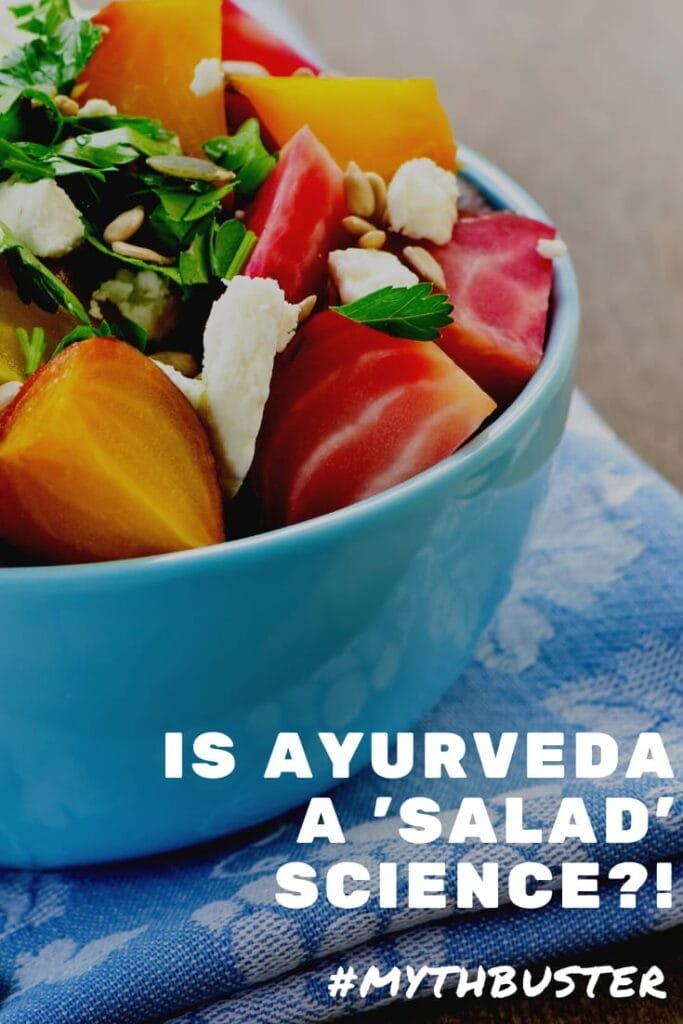
However, while salads are often regarded as synonymous with healthiness, it is essential to recognize that not all salads are created equal. The composition of a salad can significantly alter its nutritional value. For instance, a salad laden with high-calorie dressings, processed toppings, or sugary additives can detract from its health benefits. As these misconceptions become ingrained in general dietary culture, a closer examination of what constitutes a truly healthy salad is warranted. It is vital to navigate through these perceptions carefully to understand the complexities and nuances surrounding this popular food choice.
Nutritional Benefits of Salads
Salads are often lauded for their health benefits, primarily due to the array of fresh ingredients that contribute essential nutrients to our diet. One of the foundational components of salads is leafy greens, which include varieties such as spinach, kale, and romaine lettuce. These greens are rich in vitamins A, C, K, and various B vitamins, making them an excellent choice for enhancing overall health and supporting immune function.
In addition to leafy greens, salads often incorporate a diverse range of colorful vegetables such as tomatoes, bell peppers, cucumbers, and carrots. Each of these vegetables is packed with antioxidants, which help combat oxidative stress in the body. For example, tomatoes contain lycopene, known for its potential heart health benefits, while carrots are high in beta-carotene, which supports vision and skin health.
Fibers play a crucial role in salads, as many of the vegetables and greens included are excellent sources of dietary fiber. Consuming fiber-rich foods can aid in digestion, promote a healthy gut microbiome, and assist in weight management by contributing to a feeling of fullness. Incorporating various nuts and seeds in salads can further enhance their fiber content alongside providing healthy fats, vitamins, and minerals. Ingredients such as almonds, sunflower seeds, and flaxseeds contribute not only texture but also essential fatty acids that are beneficial for heart health.
Moreover, the phytonutrients found in many salad components are equally significant. These natural compounds, present in fruits and vegetables, have been linked to a reduced risk of chronic diseases. For instance, cruciferous vegetables like broccoli and Brussels sprouts provide glucosinolates, which may have protective effects against cancer. Thus, including a variety of nutrient-dense ingredients in salads can maximize their health benefits and portray them as versatile and nutritious elements of any diet.
The Role of Dressings and Additives
Salads are often perceived as a healthy choice, but the overall nutritional value can be significantly influenced by the dressings and additional ingredients that are included. While leafy greens and vegetables provide essential vitamins and minerals, the choices made in dressings can either enhance or diminish their health benefits. Commonly used salad dressings, such as ranch, blue cheese, and Caesar, tend to be high in calories, fats, and sugars. These dressings often contain processed ingredients that can lead to an increase in the total calorie count of a salad, potentially overshadowing the health benefits of the greens.
For example, a two-tablespoon serving of ranch dressing can add upwards of 150 calories and significant amounts of sodium and saturated fat. This can turn a simple salad into a high-calorie meal. Conversely, opting for vinaigrettes made with olive oil, vinegar, or lemon juice generally provides healthier fats and fewer calories. In addition to the type of dressing, portion size is also crucial. It is easy to underestimate how much dressing one applies, and this can lead to a salad that is no longer a low-calorie option.
Additives such as croutons, cheese, and processed meats also contribute to the overall caloric and nutritional profile of a salad. While these items can enhance flavor and texture, they can significantly negate the health benefits associated with a salad. For instance, adding a generous serving of croutons or cheese might make the dish more appealing, but it can also lead to an increase in unhealthy fats and excess carbohydrates. Therefore, being mindful of both dressings and additives is essential to ensure that salads truly serve as healthful meal options.
Ayurveda’s Perspective on Salad Consumption
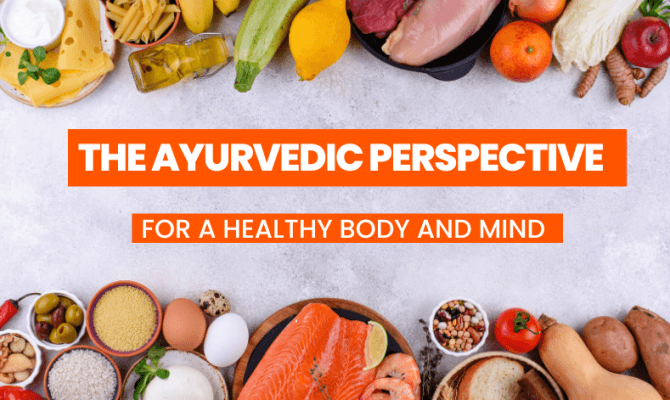
Ayurveda, an ancient Indian system of medicine, emphasizes the importance of individual constitution, or doshas, in determining the suitability of food, including salads. The three doshas—Vata, Pitta, and Kapha—represent different combinations of the five elements: ether, air, fire, water, and earth. According to Ayurveda, each person has a unique dosha that influences their physical health, mental emotions, and dietary needs. Therefore, the choice of salad ingredients can significantly vary based on one’s dosha.
From an Ayurvedic perspective, salads must be balanced for optimal digestion. Raw vegetables, while nutrient-rich, can be difficult to digest for individuals with certain dosha imbalances. For example, those with a dominant Vata constitution may find raw salads aggravating, as they may lead to increased dryness and gas. To mitigate these effects, it is recommended that Vata individuals incorporate cooked vegetables or lightly steamed greens into their salads, along with soothing oils and spices to enhance digestibility.
On the other hand, individuals with a Pitta constitution may thrive on salads that include cooling ingredients such as cucumber, mint, and sweet fruits. These ingredients can help balance the heat associated with Pitta. Additionally, incorporating bitter greens and other cooling herbs can assist in maintaining digestive equilibrium for this dosha. Kapha individuals, characterized by their heavier and denser nature, can benefit from salads that include more pungent and spicy components to stimulate digestion and combat stagnation.
Furthermore, Ayurveda emphasizes the significance of food combinations in promoting overall health. Mixing incompatible foods can lead to digestive issues. Therefore, when creating a salad, it is vital to consider how the chosen ingredients interact with one another and how they align with one’s personal constitution. By honoring these principles, individuals can enhance the health benefits of salads and support their overall well-being.
Also read: Cow Milk vs Almond Milk: A Comprehensive Guide to Nutrition and Benefits
Potential Pitfalls of Overconsumption of Salads
While salads are often heralded as healthful options, the overconsumption of salads can lead to various nutritional imbalances and health concerns. One significant aspect to consider is the sheer variety of ingredients typically included in salads—primarily raw vegetables. While these are rich in vitamins and minerals, excessive intake may result in digestive disturbances. Raw vegetables, such as cruciferous vegetables, can cause bloating and gas if consumed in large quantities, particularly for individuals with sensitive gastrointestinal systems.
Moreover, the exclusive reliance on salads may neglect essential nutrients not typically found in raw vegetables, such as healthy fats and proteins. For instance, a salad dominated by leafy greens and tomatoes may lack sufficient sources of omega-3 fatty acids or complete proteins. This imbalance can lead to deficiencies over time, as the body requires a varied intake of macronutrients for optimal functioning. In Ayurvedic practice, achieving dietary balance is fundamental; the traditional approach encourages incorporating a variety of food groups, ensuring that all categories of nutrients are consumed.
Additionally, some individuals may experience allergenic reactions to specific raw ingredients commonly found in salads, such as nuts or certain vegetables. The allergenic potential often prompts adverse responses, including skin irritations or gastrointestinal discomfort, further emphasizing the need for caution in salad consumption.
Furthermore, the energy of food in Ayurveda is essential for overall health. Overemphasizing cold, raw foods, like salads, could disrupt one’s digestive fire (Agni) and might lead to feelings of lethargy or reduced vitality. In summary, while salads can certainly be part of a nutritious diet, moderation and variety are crucial to ensure that they contribute positively to one’s overall health and well-being.
Seasonal and Local Alignment in Ayurveda
In Ayurveda, the dietary approaches are deeply intertwined with the principles of nature, emphasizing the importance of consuming foods that are both seasonal and locally sourced. This alignment fosters a greater connection between individuals and their environment, enhancing overall health and well-being. Salads, often perceived as inherently healthy, can significantly contribute to this principle when prepared with ingredients that are fresh, local, and in season.

One major advantage of using seasonal vegetables in salad preparation is their nutrient density. Seasonal produce typically boasts a higher concentration of vitamins, minerals, and antioxidants, which are crucial for maintaining optimal digestive health. Fresh, locally grown ingredients are also exposed to less travel time, meaning they retain more of their nutrient value compared to those that have been shipped long distances. Ayurvedic traditions advocate this practice, as consuming fresh foods supports Agni, or digestive fire, thereby promoting effective digestion and absorption of nutrients.
Moreover, local sourcing complements the natural cycles of nature, aligning one’s diet with the rhythms of the environment. Each season brings its own array of fruits and vegetables that are naturally suited to harmonize with our bodies. For example, in summer, salads made from hydrating foods such as cucumbers and tomatoes provide essential hydration, whereas, in winter, root vegetables like carrots and beets provide warmth and nourishment. By adapting our salad choices to reflect these seasonal changes, we can ensure our meals resonate with nature’s cycle, further enhancing their health benefits.
Thus, in the context of Ayurveda, the significance of salads extends beyond mere health; it encompasses a holistic approach that values the interconnectedness of food, seasons, and local environments. Embracing this practice can lead to not only improved digestion but also greater awareness and appreciation of the natural world around us.
Crafting the Perfect Salad According to Ayurveda
Creating a salad that aligns with Ayurvedic principles involves a thoughtful approach to ingredient selection, combination, and preparation methods. To begin with, it is vital to choose fresh, seasonal vegetables, as these not only provide essential nutrients but also complement the body’s natural rhythms. Ayurveda emphasizes the importance of variety, advocating for the inclusion of different colors and textures in your salad. This variety ensures a rich spectrum of vitamins and minerals, promoting overall health.
When it comes to ingredient combinations, Ayurveda suggests pairing vegetables to balance the six tastes: sweet, sour, salty, bitter, pungent, and astringent. For instance, incorporating sweet elements like carrots or beets alongside bitter greens such as kale or arugula can create a harmonious balance. Additionally, introducing sour ingredients such as lemon juice or apple cider vinegar can enhance digestion and stimulate appetite, while adding a sprinkle of salt aids in taste enhancement and mineral intake.
Moreover, the addition of healthy fats is crucial for optimal nutrient absorption. Consider including ingredients like avocados, nuts, or seeds, which not only provide beneficial fatty acids but also contribute to the salad’s overall satiety. While crafting a balanced salad, portion control is essential. Ayurveda recommends mindful servings, ensuring that one does not overload on any single type of ingredient, thereby maintaining the body’s equilibrium.
Preparation methods also play an important role in enhancing the salad’s health benefits. Lightly steaming leafy greens or marinating vegetables before use can increase their digestibility and improve nutrient availability. Ultimately, combining these guidelines allows you to create a salad that not only satisfies the palate but also nourishes the body according to Ayurvedic insights.
Personalizing Salads to Fit Your Dosha
In Ayurveda, the ancient science of life, diet plays a crucial role in maintaining balance and promoting overall well-being. Personalizing your salad to align with your dosha—Vata, Pitta, or Kapha—can enhance the nutritional value while supporting your body’s unique constitution. By identifying your dosha, you can select ingredients that harmonize with your physiological needs, ensuring that your salads contribute positively to your health.
For individuals with a Vata dosha, which is characterized by qualities of dryness and coolness, it is essential to incorporate grounding and warming ingredients. Salads for Vata should include cooked vegetables like roasted sweet potatoes or beets, along with healthy fats such as avocado or olive oil, which help counterbalance dryness. Additionally, incorporating spices like ginger or cumin can add warmth and aid digestion. A salad topped with nuts such as walnuts or almonds provides necessary oils that further promote a nourishing experience for Vata types.
Pitta individuals, who tend to be fiery and often experience acidity, should focus on cooling and hydrating ingredients in their salads. Leafy greens such as cucumber and lettuce are ideal, providing a refreshing contrast to their internal heat. It’s beneficial to include fruits such as watermelon or pomegranate for a sweet touch, along with herbs like cilantro and mint, which help to cool the system. This combination not only creates a balanced meal but also supports Pitta’s digestive health.
Lastly, those with a Kapha dosha, known for their stability and often having a heavier constitution, should opt for light and stimulating elements in their salads. Incorporating bitter greens like arugula, along with spicy ingredients such as radishes and a squeeze of lemon, can invigorate the digestive system. Adding legumes, such as chickpeas or lentils, provides balance and nourishment without overwhelming their system. By tailoring salads to the specific needs of each dosha, individuals can create meals that promote overall health while aligning with Ayurvedic principles.
Conclusion: A Balanced Approach to Salads
In assessing whether salads are truly always healthy, a balanced viewpoint is essential. Salads often embody the notion of healthiness, filled with vegetables, fruits, and various nutritious ingredients. However, the Ayurvedic perspective reminds us that not all salads are created equal, and their health benefits can greatly depend on individual needs and circumstances. While a garden salad can be rich in vitamins and minerals, the inclusion of certain ingredients can lead to digestion issues for some individuals. Therefore, tailoring salads to align with one’s unique constitution, or dosha, may enhance their nutritional value.
Moreover, the preparation methods and accompanying dressings play crucial roles in determining a salad’s overall effectiveness in contributing to a healthy diet. For instance, heavy dressings high in unhealthy fats can counteract the benefits of a salad, turning it into a calorie-dense meal that may not align with one’s dietary goals. Choosing lighter, more wholesome options that incorporate Ayurvedic principles can optimize the health benefits of salads, making them a nourishing part of one’s diet.
Additionally, incorporating a variety of textures, flavors, and colors not only enhances palatability but also provides a broader spectrum of nutrients. Different vegetables, fruits, and grains can cater to individual dietary needs and preferences, ensuring a satisfying and healthful meal. In essence, it’s vital to view salads not just as a source of raw vegetables but as a component of a comprehensive and balanced dietary approach. By applying Ayurvedic guidelines and ensuring personal customization, salads can truly be a beneficial and healthful addition to one’s lifestyle.
Breaking News
Jodhpur Kachori Recipe-Powerful Secrets Behind Rajasthan’s Crispy Street-Food Legend-

Contents
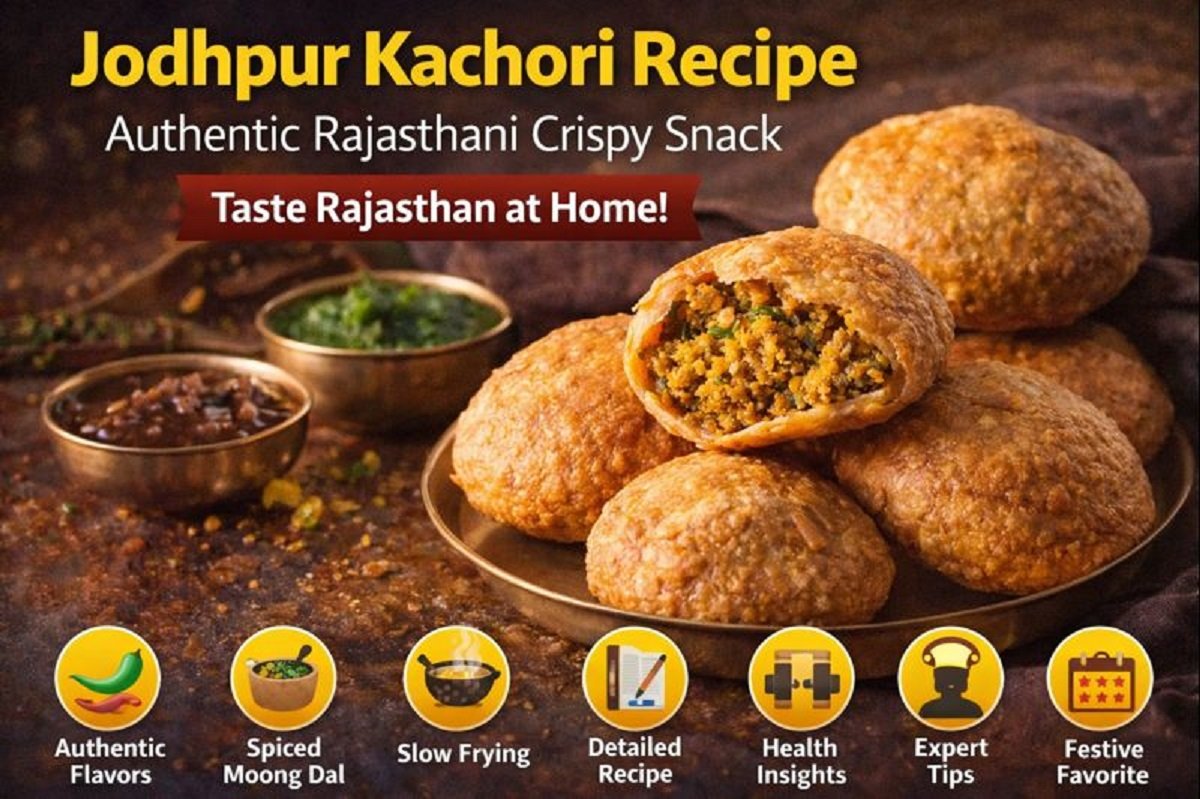
Jaipur, Jan.02,2026:The Jodhpur Kachori Recipe stands apart from other kachori varieties because of its intense spice profile and unmistakable crunch. Unlike pyaaz kachori or dal kachori from other regions, Jodhpur kachori uses coarsely ground moong dal cooked with bold spices like hing, fennel, and coriander.
Its unique slow-frying technique ensures a crisp texture that stays intact even after cooling—making it ideal for festive spreads and long winter evenings.
Origins of the Authentic Jodhpur Kachori Recipe
The roots of the Jodhpur Kachori Recipe can be traced back to royal Rajasthan, where food needed to last longer due to desert conditions. Deep-fried snacks with strong spices were preferred for both preservation and nourishment.
According to culinary historians, traditional kachoris were designed to provide energy during long journeys across arid regions. Over time, Jodhpur’s version became famous nationwide.
Why Jodhpur Kachori Is a Cultural Icon
The Jodhpur Kachori Recipe is deeply woven into local life. It is served during festivals like Diwali and Holi, paired with morning tea, and offered to guests as a symbol of hospitality.
In Jodhpur, iconic food joints sell thousands of kachoris daily, proving its timeless appeal.
Ingredients for Traditional Jodhpur Kachori Recipe
Dough Ingredients
- 2 cups all-purpose flour
- 4 tablespoons ghee or oil
- Salt to taste
- Water (as required)
Filling Ingredients
- 1 cup soaked, coarsely ground moong dal
- 2 tablespoons oil
- 1 teaspoon cumin seeds
- 1 teaspoon fennel seeds
- ½ teaspoon asafoetida (hing)
- 1 teaspoon turmeric
- 1 teaspoon red chilli powder
- 1 teaspoon coriander powder
- Salt to taste
- Dry mango powder or lemon juice
Each ingredient in the Jodhpur Kachori Recipe plays a vital role in building layers of flavor.
Step-by-Step Jodhpur Kachori Recipe at Home
Step 1: Prepare the Dough
Mix flour, salt, and ghee until crumbly. Add water gradually and knead into a soft dough. Cover and rest for 20 minutes.
Step 2: Cook the Filling
Heat oil in a pan. Add cumin, fennel, and hing. Stir in moong dal and roast lightly. Add spices and cook until aromatic. Cool completely.
Step 3: Shape the Kachoris
Divide dough into balls. Fill each with the prepared mixture. Seal and flatten gently.
Step 4: Fry to Perfection
Deep fry on low heat until golden brown and crisp. This slow process is key to the Jodhpur Kachori Recipe.
Frying Techniques for Perfect Crispiness
The secret behind an authentic Jodhpur Kachori Recipe lies in temperature control. Always fry on low flame to ensure even cooking and prevent bubbles or softness.
Professional street vendors swear by patience during frying.
Health Benefits of Jodhpur Kachori Recipe
While indulgent, the Jodhpur Kachori Recipe offers nutritional value
- Protein-rich moong dal boosts energy
- Spices improve digestion
- Provides warmth during winters
- Keeps you full longer
According to nutrition experts at Healthline, moong dal is one of the healthiest legumes:
https://www.healthline.com/nutrition/moong-dal
Common Mistakes to Avoid
- Over-stuffing the kachori
- Frying on high heat
- Using fine dal paste instead of coarse
- Skipping dough resting time
Avoiding these mistakes ensures your Jodhpur Kachori Recipe turns out perfect every time.
Serving Ideas and Best Pairings
Serve hot Jodhpur Kachori Recipe with
- Mint chutney
- Tamarind chutney
- Hot masala chai
For festive meals, pair with curd and chopped onions.
Why This Jodhpur Kachori Recipe Works Every Time
This version respects tradition while being easy for home kitchens. Balanced spices, correct frying technique, and authentic ingredients make this Jodhpur Kachori Recipe reliable and delicious.
Expert Tips from Rajasthani Kitchens
- Always cool filling before stuffing
- Use ghee for richer taste
- Add crushed pepper for extra heat
- Fry in small batches
These tips elevate your Jodhpur Kachori Recipe to street-food quality.
The Jodhpur Kachori Recipe is not just a snack—it is a journey into Rajasthan’s bold flavors and timeless traditions. Whether you are cooking for family, festivals, or personal cravings, this recipe guarantees satisfaction.
Crispy outside, spicy inside, and rich in cultural heritage—Jodhpur kachori truly represents the soul of Rajasthan.
Breaking News
Butter Garlic Naan History-

Contents
Jaipur,Jan.02,2026:Butter Garlic Naan is a flavour-packed upgrade of traditional naan. Freshly baked naan is brushed generously with butter and topped with finely chopped garlic, releasing an aroma that is instantly comforting.
Its mild, slightly sweet flavour allows spicy gravies to shine, while its soft-yet-chewy texture adds depth to every meal.
This harmony of simplicity and indulgence is what makes Butter Garlic Naan universally appealing.
Butter Garlic Naan History and Global Recognition
The Butter Garlic Naan History entered a historic chapter when Taste Atlas ranked it number one among the world’s best breads, beating iconic European loaves.
This recognition cemented naan’s place not just as Indian comfort food, but as a global culinary treasure.
Where Did Naan Originate
Food historians largely agree that naan’s roots lie in ancient Persia (modern-day Iran). The word “naan” comes from the Persian term for bread.
Early Persian flatbreads were made using flour and water and cooked on heated stones. These primitive breads laid the foundation for what would later evolve into naan.
Naan’s Arrival in the Indian Subcontinent
Between the 13th and 16th centuries, Islamic rulers brought Persian culinary traditions to the Indian subcontinent.
Along with spices, cooking techniques, and royal etiquette came the tandoor, a clay oven that transformed naan into the fluffy, blistered bread we know today.
Naan in the Royal Courts of the Delhi Sultanate
Persian-Indian poet Amir Khusro, who lived during the reigns of Alauddin Khilji and Muhammad bin Tughlaq, documented courtly life in detail.
He described two types of naan
- Naan-e-Tanuk – Thin and delicate
- Naan-e-Tandoori – Thick, puffed, and baked in tandoor
These naans were typically served with kebabs and minced meat dishes.
Mughal Kitchens and the Rise of Luxury Naan
During the Mughal era, naan-making became an art.
Special chefs called “Naan Bai” were employed exclusively to prepare this bread. Rare ingredients like yeast were used to make naan softer and richer.
Historian Neha Vermani explains that different naans were created to showcase innovation:
- Naan-e-Warqi – Flaky, layered naan
- Naan-e-Tangi – Small naan designed to absorb gravies
Some naans were even named after royal kitchens, such as Bakir Khani, linked to nobleman Baqir Najm Sani.
Why Naan Was Once a Royal-Only Food
The complexity of preparation, expensive ingredients, and specialised chefs made naan a luxury food for centuries.
For nearly 300 years, naan remained exclusive to royalty and nobility.
British Era and Naan’s Journey to the West
During British rule, naan slowly entered colonial dining culture. British travellers encountered naan in royal feasts and carried stories of it back to Europe.
This period marked naan’s first steps toward global awareness.
How Butter Garlic Naan Became Mainstream
As cooking techniques simplified, naan became accessible to the masses.
Modern naan dough typically includes flour, yogurt, yeast, and water. It is hand-shaped, slapped into a blazing-hot tandoor, and finished with butter or ghee.
This is where Butter Garlic Naan History truly transformed—becoming a staple in local restaurants and homes.
Modern Reinventions of Butter Garlic Naan
In the 1990s and 2000s, chefs worldwide began experimenting.
Celebrity chef Suvir Saran recalls introducing spinach, gouda cheese, and mushrooms into naan at his New York restaurant.
He explains this made naan appealing to non-Indians while preserving its soul.
Global Variations and Experiments
Today, naan is endlessly reinvented
- Goa: Pork Vindaloo Naan
- Hong Kong: Truffle Cheese Naan
- UK & USA: Cheese-stuffed Garlic Naan
This global creativity has expanded the Butter Garlic Naan History beyond borders.
Why Butter Garlic Naan Represents Indian Identity
While historians debate its exact origin, naan’s emotional connection with India is undeniable.
Chef Saran beautifully sums it up
“Naan tells a story of diversity—where cultures coexist and celebrate differences.”
It reflects India’s ability to absorb influences and transform them into something uniquely its own.
A Bread That Unites Cultures
The Butter Garlic Naan History is a journey of migration, innovation, and shared heritage.
From Persian stones to Mughal tandoors, from royal darbars to global dining tables, naan has evolved while keeping its soul intact.
It reminds us that food doesn’t divide—it connects.
Breaking News
momo stall earnings revealed: how a street-food vendor made lakhs in a day, what you can learn, and why this business deserves a second look-


Contents
Jaipur, Nov.13,2025:The phrase momo stall earnings has become a trending topic across social media and news portals after a viral reel uncovered what a street-food vendor can make in a single day. In an economy where conventional careers dominate the narrative, this story flipped expectations: a humble food stall potentially matching or even out-earning full-time salaried jobs.
Who did the experiment and how
The story centres around Sarthak Sachdeva, a content creator with over 1.4 million YouTube subscribers, who stepped behind the counter of a busy street-side momo stall to document the day’s operations.
He dressed as a vendor, helped serve plates of momos, counted sales, and later interviewed the stall owner about costs and profits. The resulting clip has racked up 20+ million views on Instagram and sparked widespread discussion.
Inside the day-in-the-life
From his observations: the stall offered two main items — steamed momos at ₹ 60 a plate and tandoori momos at ₹ 80 a plate.
In just 90 minutes, roughly 55 plates were sold.
By the end of a four-hour window, approximately 121 plates of steamed momos plus 60–70 plates of tandoori momos had moved.
The video emphasised that the stall was packed, orders came fast, and the energy was intense — far from the “slow vendor” stereotype.
Revenue, cost and profit
Revenue
From the data 121 plates at ₹ 60 = ₹ 7,260 (steamed)
Say 65 plates at ₹ 80 = ₹ 5,200 (tandoori)
Total ~ ₹ 12,460 (approx; the article cites ~₹ 13,500) for the day.
Costs
The stall owner estimated ingredient and operational costs between ₹ 6,000–₹ 7,000 for the day.
Profit
Thus the net profit for the day was about ₹ 7,500–₹ 8,000.
Estimating monthly and yearly outcomes
Using the day’s net profit as a base, the video creator extrapolated-
- Monthly income ~ ₹ 2.4 lakh
- Annual income ~ ₹ 30 lakh if operations are consistent.
Such figures put the catchy phrase momo stall earnings in a new light: this is not just about a few extra rupees – it’s a business model that could rival some salaried incomes in India.
Why the audience was so surprised
Several elements fuelled the surprise
- The modest façade: A street-stall “momo wala” is often seen as a small-scale venture, yet the earnings indicated a much more professional-scale operation.
- The education angle: Many viewers pointed out that the owner’s earnings might surpass those of degree-holders, prompting comments like “He insulted my degree in every possible way.”
- The scale in a short time: Selling >100 plates in a couple of hours reveals how volume + low margins work in street-food business.
- The relatability: Momos are everyday street-food across India; seeing one stall scale big made people pause and reflect on “business next door”.
What this means for aspiring entrepreneurs
If you consider the data under momo stall earnings, some interesting implications emerge
- Low barrier to entry: Compared to large restaurants, a momo stall requires smaller investment, simpler operations, and quicker turnaround.
- Scalability: Volume is the key. If the stall hits a busy location and maintains steady demand, earnings can scale.
- Business mindset: Running such an operation requires operational discipline (cost control, inventory, quality, service) — not just cooking fresh momos.
- Alternative to traditional career path: The video ignited debate on whether working for someone else is the only route; for some, owning and running a small food business may be more lucrative.
Risks, caveats and what the video didn’t show
While the momo stall earnings story is inspiring, it’s important to see it with context-
- The day recorded may be a strong-performing day; average days may vary greatly.
- The location, foot traffic, demand, price point (₹ 60/₹ 80) all matter and may differ in other cities/towns.
- Costs like manpower, rent, utilities, marketing, weather, seasonality, regulatory compliance could alter profit margins significantly.
- Wear and tear, vendor fatigue, hygiene standards, competition — all real risks in street-food business.
- Extrapolating a single day to a full year assumes consistency, which may not hold true.
Seven lessons from momo stall earnings
- Volume matters: Selling large numbers at low margins can build serious daily revenue.
- Cost discipline is crucial: The stall kept costs to around half of revenue, yielding good profit.
- Location & demand are key: The success hinged on high foot-traffic and customer interest.
- Simplicity wins: Street-food with minimal complexity (momos) cuts execution risk.
- Mindset shift: Entrepreneurship isn’t always big investment—small ventures can scale meaningfully.
- Transparency helps: The influencer’s breakdown made the business tangible and inspiring.
- Beware of bloom-days: Today’s stellar numbers may not repeat; build buffer and contingency.
The viral breakdown of momo stall earnings reminds us that hidden behind modest storefronts are business stories worth examining. What struck many is not just the earnings but the message: entrepreneurship is accessible, scalable and sometimes more lucrative than conventional employment.
For those considering starting a small venture, the momo-stall story offers inspiration — but also a dose of realism: success demands consistent effort, sound operations, and understanding of costs and demand.
Breaking News
Excess Rice and Roti Consumption Linked to Rising Diabetes Risk in India – ICMR Study 2025-
Contents
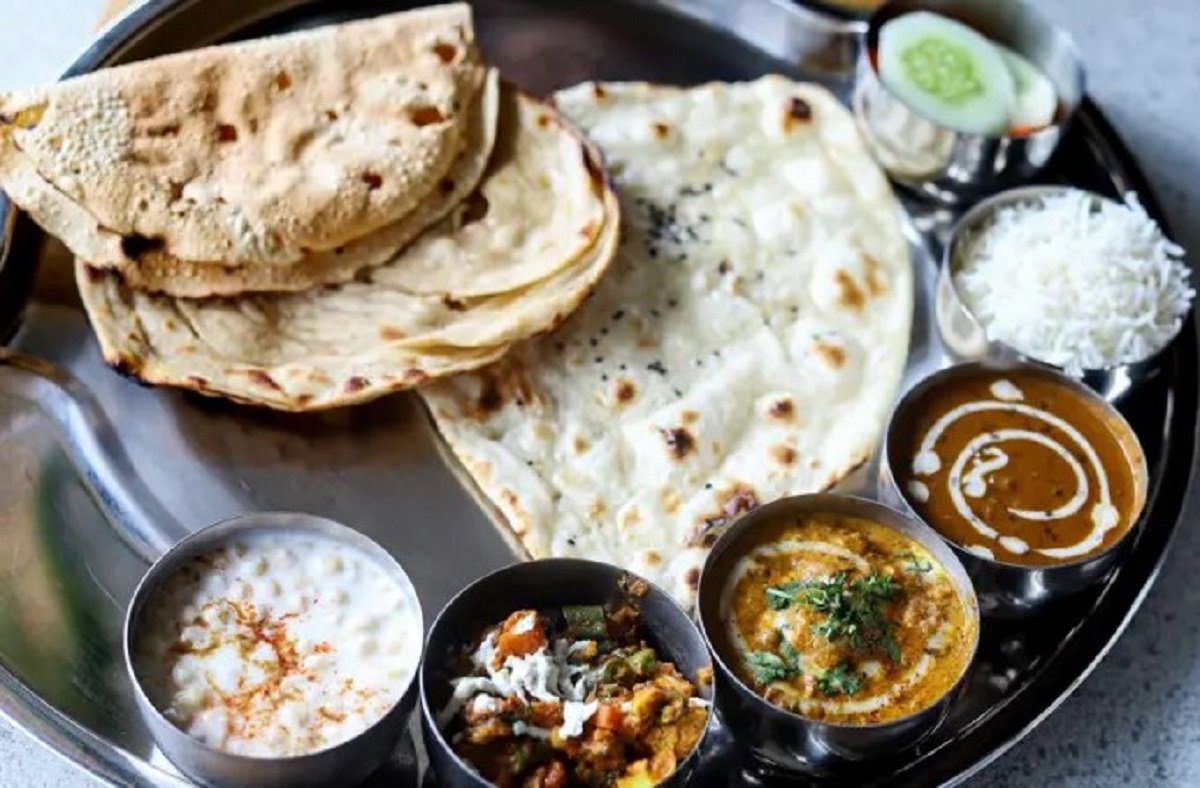
New Delhi, Oct.10,2025:The ICMR Study 2025 has issued a stark warning to Indian households: overconsumption of rice and roti — staples of the Indian diet — could be driving an alarming rise in diabetes, obesity, and metabolic disorders across the country. Conducted by the Indian Council of Medical Research (ICMR) in collaboration with the Madras Diabetes Research Foundation (MDRF), this large-scale study offers deep insight into how India’s eating patterns are affecting public health-
According to the research, 62% of India’s daily energy intake comes from carbohydrates, primarily white rice, wheat, and processed grains. These foods, though culturally integral, are significantly contributing to poor metabolic health outcomes.
High Carbohydrate Dependence in Indian Diets
The ICMR Study 2025 examined food consumption habits across 30 states and union territories, involving adults aged 20 years and above. The results reveal a concerning pattern — most Indians rely heavily on refined carbohydrates while consuming inadequate protein and fibre.
The data showed-
- Carbohydrates: 62.3% of total daily energy
- Fats: 25.2%
- Proteins: only 12%
The study also highlighted that processed grains contribute 28.5% and whole grains contribute 16.2% to total carbohydrate intake. Such an imbalance between nutrient groups makes Indians highly vulnerable to metabolic conditions like Type 2 diabetes and obesity.
Diabetes and Obesity Connection Explained
Published in Nature Medicine, the ICMR study notes that individuals consuming the highest levels of carbohydrates are 30% more likely to develop diabetes compared to those on low-carb diets. Additionally, the risks of general obesity increase by 22% and abdominal fat accumulation by 15%.
India already accounts for nearly one-fourth of the world’s diabetes cases, a number that continues to grow faster than in most countries. The report attributes this to excessive carbohydrate consumption, coupled with a sedentary lifestyle.
Processed vs Whole Grains – The Hidden Truth
While traditional wisdom suggests that whole grains like millets or brown rice are healthier alternatives, the ICMR Study 2025 warns that merely switching from processed to whole grains may not be enough.
The research indicates that even unprocessed wheat or millet flours do not significantly reduce diabetes risk when consumed in excess. This is because high carbohydrate intake — regardless of its source — leads to elevated blood sugar and insulin resistance over time.
Nutrition experts emphasize balancing grains with protein-rich foods and fibre, which help slow down sugar absorption.
What Experts Are Saying About the Findings
Dr. Vibhuti Rastogi, Senior Dietitian at the Institute of Human Behaviour and Allied Sciences (IHBAS), told that Indian diets are indeed “too carb-heavy and too low in protein,” which accelerates the onset of lifestyle diseases.
“Both refined and simple carbohydrates, such as sugar, can increase diabetes risk. But when combined with low protein intake, the damage happens faster,” Dr. Rastogi explained.
Similarly, Nazneen Hussain, Head Dietitian at Dietetics for Nutrify Today (Mumbai), highlighted that the type of carbohydrate also matters.
“If you eat rotis made from refined flour, they’re almost as bad as polished rice. Choose coarse or fibre-rich flour to slow blood sugar spikes,” she advised.
She also noted that brown rice or unpolished small-grain rice are healthier alternatives but must be eaten in moderation and with fibre, dal, or vegetables for balance.
Regional Differences in Health Risks
The study found striking regional variations in obesity and metabolic disease rates:
- North India: 54% overweight, 37% obese, and 48% had abdominal obesity
- East India: Showed the best metabolic health indicators nationwide
- Overall: 83% of participants showed at least one metabolic risk factor
Additionally, 27% of adults nationwide suffer from hypertension, a condition often linked with excess carbohydrate and sodium intake. Interestingly, these trends showed little regional difference — indicating a nationwide dietary imbalance.
How to Reduce Carbohydrate-Related Health Risks
Experts recommend gradual dietary transitions rather than drastic eliminations. Here’s how to make daily Indian meals healthier, based on ICMR’s recommendations:
- Reduce refined grains: Replace white rice with brown rice, millets, or quinoa.
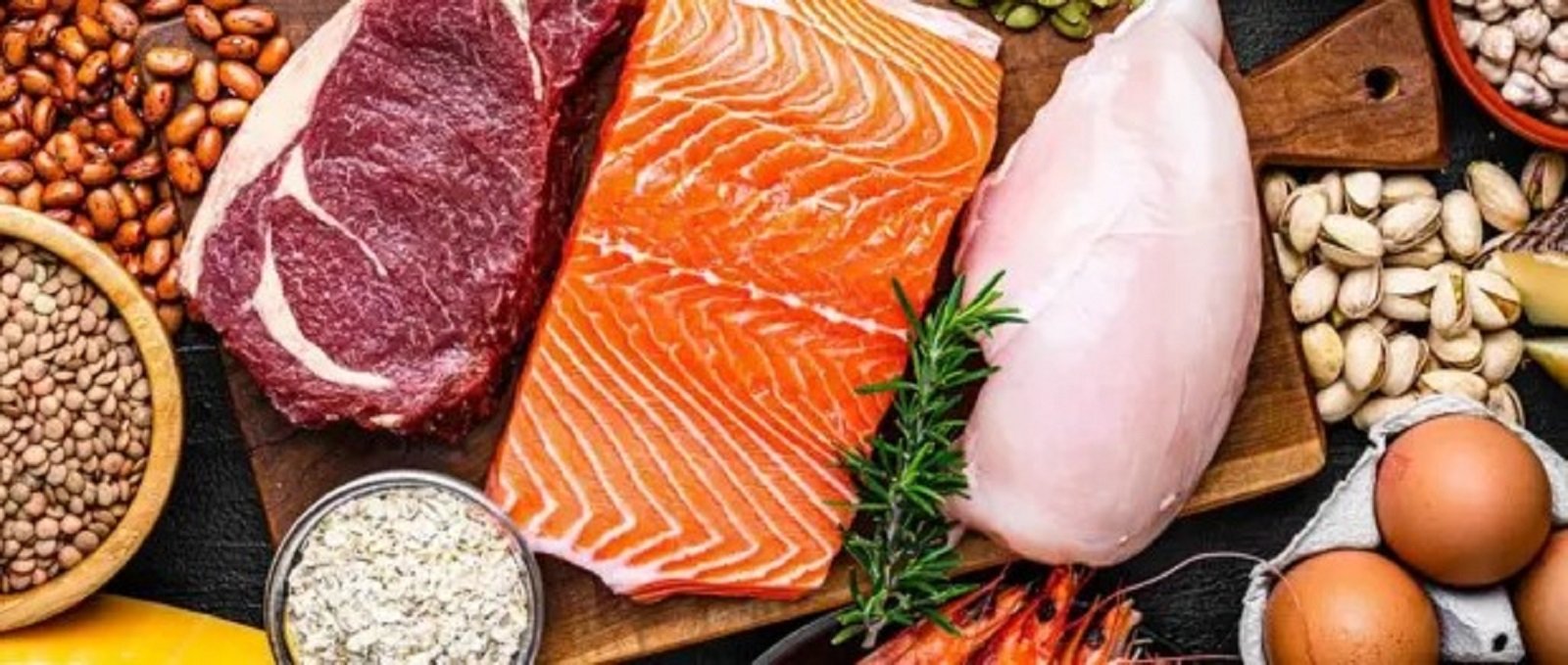
- Increase protein intake: Add dals, paneer, eggs, tofu, or lean meats.
- Add healthy fats: Use nuts, seeds, and olive or mustard oil instead of saturated fats.
- Control portion sizes: Especially for rice and roti at dinner.
- Include fibre-rich foods: Vegetables, salads, and legumes improve digestion and metabolism.
Lifestyle Changes to Control Diabetes Risk
Beyond diet, the ICMR Study 2025 found that 61% of participants were physically inactive. Regular exercise can reduce Type 2 diabetes risk by up to 50%, according to global health data.
Recommended lifestyle changes–
- Walk or exercise at least 30 minutes daily
- Practice yoga or light resistance training
- Limit sugary drinks and late-night snacking
- Sleep 7–8 hours daily
- Get routine blood sugar check-ups, especially if above 30
Combining these habits with balanced nutrition can reverse early-stage metabolic disorders, experts say.
The Way Forward for a Healthier India
The ICMR Study 2025 is a wake-up call for India’s food culture. While rice and roti remain dietary staples, overreliance on these high-carb foods is quietly eroding public health. With nearly 83% of adults showing metabolic risks, the nation must rethink its traditional plate.
Nutrition experts unanimously agree — moderation, balance, and movement are key. By incorporating more proteins, healthy fats, and fibre, alongside regular physical activity, India can curb the rising tide of diabetes and obesity.
Breaking News
Is Too Much Protein Dangerous-Shocking Health Risks You Should Know-

Contents
New Delhi, Sep.16,2025: Is too much protein dangerous? This question has become a trending health debate across social media, fitness circles, and nutrition forums. From protein shakes and powders to protein-rich bars, even everyday foods like cereals and coffee now come in “high-protein” versions.
While protein is indeed an essential nutrient—vital for muscle repair, hormone regulation, and overall health—nutritionists are increasingly worried that our obsession with it may be going too far.
According to, experts warn that excessive protein intake could stress the kidneys, increase the risk of kidney stones, weaken bones, and even displace other important nutrients like fibre from our diet.
So, let’s break it down—is too much protein dangerous, or is it just another diet fad blown out of proportion?
What Exactly Is Protein and Why Do We Need It
Protein is a macronutrient composed of amino acids—often referred to as the “building blocks of life.” It helps repair tissues, build muscles, and plays a role in making enzymes and hormones.
Dr. Emma Beckett, a nutrition expert at South Wales University, explains that proteins are involved in everything from transporting oxygen in the blood (via haemoglobin) to producing keratin in skin and hair.
Without adequate protein, the body is forced to break down muscle tissue to meet its needs.
Common sources of protein include:
- Lean meats (chicken, fish, turkey)
- Eggs
- Beans and legumes
- Nuts and seeds
- Dairy products like milk, yogurt, and cheese
How Much Protein Is Actually Recommended
The British Heart Foundation suggests that adults should consume about 0.75 grams of protein per kilogram of body weight per day.
- For women: ~45 grams/day
- For men: ~55 grams/day
Athletes or people with heavy workout routines may require slightly more, but experts emphasize that more is not always better.
The Rise of High-Protein Diets and Supplements
The global protein supplement industry was valued at $4.4 billion in 2021 and is expected to reach $19.3 billion by 2030.
This explosive growth is fuelled by-
- Fitness influencers promoting “protein maxing” diets on TikTok and Instagram
- Supermarkets pushing “high-protein” versions of snacks and drinks
- The perception that protein equals strength, muscle, and beauty
But here’s the catch: not all protein-rich products are healthy. Many contain artificial sweeteners, excess sugar, and additives.
Fiber vs Protein- Are We Ignoring the Real Superfood
One major concern is that the protein craze has made people neglect fibre, an equally essential nutrient.
Fiber improves digestion, prevents constipation, supports healthy gut bacteria, and lowers the risk of heart disease and type-2 diabetes.
The UK government recommends 30 grams of fibre per day, yet most adults fall far short of this goal.
Dr. Karan Rajan from the NHS highlights that while people are obsessed with protein shakes, fibre is the silent hero of long-term health.
Why Is Protein So Popular Among Fitness Enthusiasts
Protein is attractive because its effects are visible and fast. It helps build muscles, gives a fuller look, and aids in weight loss by increasing satiety.
As Men’s Health magazine editor Paul Kita explains-
“You can’t see your heart getting healthier from eating fibre, but you can see muscles growing from protein. That’s why protein has a vanity factor.”
For women, protein also helps reduce sarcopenia (age-related muscle loss), which becomes more severe after menopause due to hormonal changes.
Is Too Much Protein Dangerous for Your Kidneys
Yes—excessive protein can be dangerous. Research shows that too much protein stresses the kidneys, especially when derived from animal sources.
Risks include:
- Kidney stones
- Worsening of pre-existing kidney disease
- Increased urinary calcium loss, which may affect bones
According to the British Dietetic Association, individuals with kidney problems should strictly monitor protein intake.
The Hidden Side Effects of Excessive Protein Intake
Aside from kidney damage, is too much protein dangerous in other ways? Yes, here are some lesser-known risks:
- Digestive Issues: Bloating, constipation, and nausea
- Nutrient Imbalance: Excess protein may displace fruits, vegetables, and whole grains
- Bone Health Risks: High protein diets may increase calcium excretion
- Weight Gain: Extra protein, especially from processed foods, still adds calories
- Liver Stress: Overburdening the liver with nitrogen waste from protein metabolism
A Health Trap
Many so-called “healthy” protein products are highly processed. From protein cookies to protein chips, companies market them as guilt-free snacks.
But as nutritionists warn:
“Adding protein powder to junk food doesn’t magically make it healthy.”
In fact, many of these products contain hidden sugars, sodium, and artificial Flavors, making them closer to junk food than real nutrition.
Expert Warnings- Balanced Nutrition Over Protein Obsession
Experts stress that the answer to “Is too much protein dangerous?” lies in balance.
- Don’t rely only on protein powders or processed snacks.
- Prioritize natural sources like eggs, beans, nuts, and fish.
- Ensure your diet also has fibre, vitamins, and healthy fats.
Dr. Beckett concludes-
“Our bodies are not engines that run on one type of fuel. We need a balance of macronutrients for true health.”
Is Too Much Protein Dangerous or Just Overhyped
So, is too much protein dangerous? The answer is yes, if consumed in excess or from the wrong sources.
While protein is vital for muscle health, hormones, and immunity, overconsumption can harm the kidneys, bones, and overall nutritional balance.
Breaking News
Retail Inflation in India rose to 2.07% in August, driven by rising vegetable and fuel prices-
Contents
New Delhi, Sep.12,2025:Retail Inflation in India has once again made headlines, with the government releasing fresh data for August 2025. The figures reveal that consumer prices have risen slightly, sparking debates on whether Indian households will continue to feel the pinch in the coming months.
According to official data, the Consumer Price Index (CPI)-based retail inflation rose to 2.07% in August, compared to 1.55% in July. While this increase remains within the Reserve Bank of India’s (RBI) comfort zone of 2–6%, it highlights worrying trends in food and fuel prices.
What Is Retail Inflation in India
Retail inflation in India is measured by the Consumer Price Index (CPI). It tracks the change in prices of essential goods and services such as food, fuel, clothing, and housing.
- A moderate inflation rate indicates a stable economy.
- Higher inflation, however, reduces purchasing power and impacts household savings.
For a deeper understanding of CPI, you can check the RBI’s official CPI definition.
Official Data for August 2025
The government’s data shows:
- CPI Inflation in August 2025: 2.07%
- CPI Inflation in July 2025: 1.55%
- Food Inflation: from -1.76% in July to -0.69% in August
The data confirms that the rise in vegetable and pulse prices played a major role in pushing up retail inflation in India.
Why Did Retail Inflation in India Rise
Food Price Surge
Vegetables and pulses saw a sharp price rise due to:
- Excess rainfall damaging crops
- Lower-than-expected agricultural output
- Higher demand during the festive season
Fuel and Oil Prices
Global crude oil prices have risen significantly, raising transportation and energy costs. This has had a cascading effect on essential commodities.
Impact of Monsoon and Supply Chains
Heavy rains disrupted supply chains, especially in states like Maharashtra, Karnataka, and Uttar Pradesh. This created shortages in local markets, pushing retail prices upward.
The Numbers Explained
The Consumer Price Index (CPI) basket is made up of several components:Category Weight in CPI July Inflation August Inflation Food & Beverages 45.9% -1.76% -0.69% Fuel & Light 6.8% 3.12% 3.98% Clothing & Footwear 6.5% 2.7% 2.9% Housing 10.1% 4.1% 4.2%
(Source: Ministry of Statistics and Programme Implementation – MOSPI)
Impact on Households and Daily Expenses
The slight rise in retail inflation in India has already been felt by middle-class families:
- Household budgets stretched due to higher vegetable and cooking oil prices.
- Transportation and LPG cylinder costs increased.
- Dining out and packaged food prices saw small hikes.
For many households, even a 0.5% increase in food inflation significantly affects monthly expenses.
RBI’s Reaction and Monetary Policy Outlook
The Reserve Bank of India (RBI) has kept its inflation target between 2% and 6%.
- With inflation at 2.07%, RBI is unlikely to change interest rates in the short term.
- However, policymakers are keeping a close watch on global oil prices and domestic food supply trends.
For more updates, visit the RBI monetary policy page.
Expert Opinions on Inflation Trends
Economists believe-
- Short-term inflation will remain moderate but volatile.
- If rainfall continues to disrupt supply, food inflation may rise further.
- Global oil prices are the biggest risk factor for India’s inflation stability.
Global Factors Influencing Retail Inflation in India
Several global trends are shaping India’s inflation outlook:
- Oil Prices: Brent crude recently crossed $90 per barrel.
- Geopolitical tensions: Conflicts and trade restrictions affect global supply chains.
- Currency fluctuations: A weaker rupee makes imports more expensive.
Will Inflation Ease or Rise Further
The road ahead for retail inflation in India depends on:
- The impact of the ongoing monsoon season.
- Global energy markets.
- Domestic demand during the festival season.
If food supply stabilizes and oil prices ease, inflation may remain under control. But any shock to global oil or agriculture could push inflation back above 3–4%.
The latest data confirms that retail inflation in India rose slightly to 2.07% in August 2025. While still within the RBI’s comfort zone, the rise in food and fuel prices is a reminder of how vulnerable the Indian economy remains to external shocks and climate-related disruptions.
For Indian households, this means carefully planning budgets and preparing for possible price hikes in essentials. Policymakers, on the other hand, must stay alert to ensure inflation remains under control without stalling economic growth.
Food
Apple a day health benefits backed by science—learn how this simple habit supports heart health, digestion, and disease risk reduction
Contents
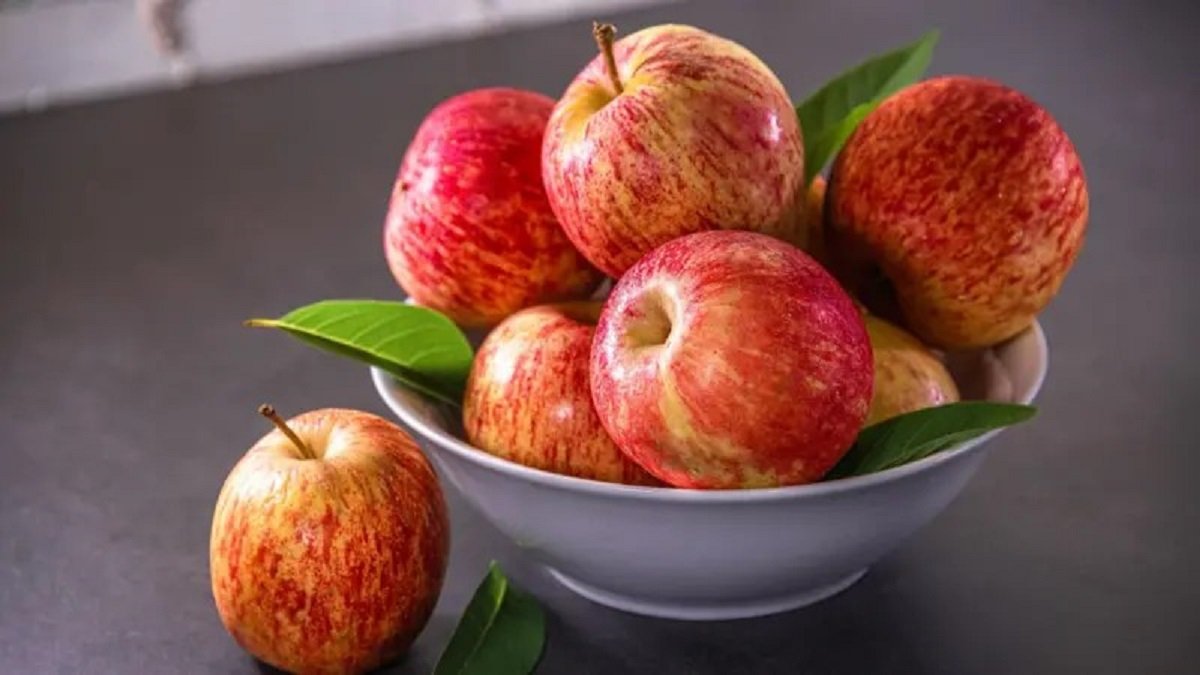
New Delhi, Sep.01,2025:The proverb “An apple a day keeps the doctor away” dates back to 1866, originally phrased as “Eat an apple on going to bed, and you’ll keep the doctor from earning his bread.” It later evolved into its modern form by the late 19th century.
Heart & Cholesterol Benefits
One of the most celebrated apple a day health benefits is its role in promoting heart health. Apples are rich in pectin, a type of soluble fiber that helps bind cholesterol in the digestive tract, reducing its absorption and lowering LDL (bad) cholesterol.
Dietitians now often rank apples as the top fruit to help lower cholesterol levels.
Reduced Diabetes & Cancer Risk
Research links regular apple consumption to lowered risks of type 2 diabetes—one review shows up to a 28% reduction compared to non-consumers.
Additionally, apples contain polyphenols and antioxidants that have been associated with decreased risks of lung, colorectal, and other cancers.
Gut Health & Satiety Support
The apple a day health benefits narrative also includes support for digestive wellness. Apples offer fiber and pectin, which act as prebiotics—feeding good gut bacteria, promoting healthy short-chain fatty acid production, and aiding digestion.
Moreover, they help boost satiety: whole apples curb appetite better than juice, helping reduce calorie intake.
Weight Management and Metabolic Support
While eating apples alone isn’t a magic bullet, evidence suggests they support weight management and metabolic well-being. Apple polyphenols and fiber contribute to feeling full longer, potentially helping with weight control and reducing obesity risk.
Studies also point toward benefits in insulin sensitivity and metabolic markers, though more robust trials are warranted.
Myth vs. Reality—Keeping the Doctor Away?
Does an apple a day truly keep the doctor away? A 2015 study found that while apple-eaters appeared to visit doctors less frequently, this association disappeared after adjusting for social and health-related factors.
More recently, experts reaffirm that an apple alone isn’t a guarantee against medical care—but it aligns with healthier routines.
Expert Advice and Balanced Perspective
Experts emphasize that apple a day health benefits shine when apples are part of a diverse, plant-rich diet. Apples are affordable, easy to store, and nutrient-dense, making them a practical choice for many.
They deliver fiber, polyphenols, and hydration—a compelling nutritional trio.
How Many Apples Are Enough?
Moderation is key. Experts say that eating two apples a day may yield added benefits—such as improved cholesterol, liver health, and better blood sugar regulation—without overloading on sugar or fiber.
A Chinese study even found that eating apples 3–4 times per week was linked with a 39% lower mortality risk compared to consuming them less than once a month.
The apple a day health benefits are real—especially in terms of heart health, digestion, and chronic disease risk reduction. Nonetheless, the proverb shouldn’t replace a holistic approach to well-being. Instead of seeing an apple as a cure-all, consider it a delicious, nutrient-packed ally in a balanced, healthful diet.
For more in-depth insights on fiber in fruits, check out how apples compare to other high-fiber options here
Food
India’s French Fries Revolution: How Gujarat Farmers Turned the Country into a Global Superpower


Contents
Gujrat, July18,2025: From cotton to crispy fries – the story of Mr. Patel and India’s booming frozen potato industry
Once known for its cotton fields, Gujarat is now making global headlines for something far crunchier—French fries.
Spearheading this transformation is farmer J. Patel, whose journey from struggling cotton grower to successful contract potato farmer is symbolic of India’s quiet food-processing revolution.
The early 2000s brought back-to-back droughts in Gujarat. Patel’s family, traditionally cotton farmers, found their livelihoods crumbling. “We realized we had to shift to a crop that needed less water,” Jitesh recalls.
He turned to potatoes—but not just any potatoes. Initially grown for food consumption, the returns were low. But everything changed in 2007 when companies manufacturing French fries started setting up shop in Gujarat.
Patel began cultivating industrial-grade potatoes suited for fries and chips, a decision that paid off handsomely. Since then, India’s frozen fries sector has witnessed a massive boom.
Today, India is the second-largest potato producer in the world, and its pace in the French fries segment is outstripping global averages.
In February 2025, India’s monthly export of frozen fries crossed 20,000 tonnes for the first time. By that time, total exports for the year had reached 181,773 tonnes—a 45% increase over the previous year.
One key reason? Low prices.
“India’s frozen fries are globally competitive because they’re cheaper—even compared to China,” says Devendra K., a long-time analyst of the potato market in Asia.
Gujarat is now home to some of the biggest players in the fries industry.
These include Canadian giant McCain Foods and India’s largest fry producer, HyFun Foods, which has seven processing plants in the state.
“India has emerged as a major exporter thanks to our agricultural abundance, low-cost manufacturing, and increasing focus on quality,” says HyFun CEO Haresh Karamchandani.
With urbanization, rising incomes, and shifting food habits, demand for frozen food—both at home and in restaurants—has soared.
Jitesh Patel, now an agricultural science graduate, is part of a growing tribe of educated farmers who are blending modern techniques with traditional farming.
He adopted drip irrigation as early as 2003 and uses cow dung manure to keep soil fertile. Patel also lets his fields rest during summer to restore soil health.
“We experiment with different seeds to find varieties that suit our soil and climate,” he says proudly.
Meanwhile, Jain Irrigation Systems, a leading agri-tech firm, is developing tissue-cultured, virus-free potato plants tailored for chips and fries. “Last year, a sugar-content issue turned some fries brown,” explains VP Vijay Singh. “We’re working on new varieties to solve such challenges.”
Despite this progress, experts warn that India’s frozen food industry is being held back by infrastructure limitations.
Only 10–15% of India’s cold storage facilities are suitable for frozen food. “Most are unevenly spread, leaving rural areas underserved,” says Vijay Kumar Nayak, co-founder of Indo Agri Foods.
India also faces a critical shortage of refrigerated trucks and containers, making temperature-controlled transport a logistical nightmare. Add frequent power outages, and the risks of spoilage multiply.
Indian companies must compete with established players from China, Thailand, and Brazil, who enjoy superior logistics and infrastructure. To maintain momentum, India will need to invest heavily in cold storage, reliable electricity, and refrigerated transport.
Despite the hurdles, the mood among farmers like Jitesh Patel is optimistic. French fry manufacturers are now visiting their farms directly.
“Gujarat has become the hub of food processing. We farmers feel secure and profitable now,” says Patel.
From cotton fields to crisp fries, India’s journey in frozen foods proves that with innovation, resilience, and the right support, rural India can feed the world—one fry at a time.
Business
India Denies Entry to U.S. ‘Non-Veg Milk’ Over Cultural Concerns Amid Ongoing Trade Talks

Contents
New Delhi, July 16,2025
The Indian government has refused to allow the import of U.S. dairy products containing ‘non-veg milk’, citing deep-rooted cultural sensitivities. This decision comes as part of ongoing trade negotiations between India and the United States.
While the U.S. continues to push for greater access to Indian markets for its agricultural and dairy products, India has made it clear that it will not compromise on the protection of its farm and dairy sectors. The term ‘non-veg milk’ refers to dairy sourced from animals fed with non-vegetarian feed — something that contradicts the vegetarian ethos followed by a significant portion of India’s population.
The last date set by the U.S. administration under President Donald Trump for imposing tariffs was earlier July 9, but this has now been extended to August 1, allowing more time for both countries to reach a trade agreement. Hopes are high for an interim trade deal that may soon be announced, potentially paving the way for bilateral trade to hit the ambitious $500 billion mark by 2030.
Despite the momentum, India’s firm stance on cultural and agricultural safeguards remains a key point of contention in the negotiations.
Food
8 Simple Tricks to Boost Your Energy by Adding More Greens

Contents
Introduction to the Benefits of Greens
Having greens in one’s regular diet is the key to good health and wellbeing. Greens, like spinach, kale, and broccoli, contain essential vitamins and minerals that have important contributions to numerous processes within the body. For example, they are great sources of vitamin C, vitamin K, and some of the B vitamins, which have all-important roles to play in immunity, bone development, and metabolism.
In addition, green vegetables contain antioxidants, substances that fight oxidative stress in the body. Oxidative stress is associated with many chronic illnesses, such as heart disease and cancer. By adding more greens to one’s diet, people can tap into the potential of these antioxidants to enhance overall health and longevity. Also, greens are excellent dietary fiber sources that help in digestion and contribute to the achievement of weight management objectives. Foods rich in fiber can make a person feel satiated for longer times.
The intake of greens also resonates with disease prevention. Scientific evidence indicates that consistent consumption of leafy greens is linked with a reduced risk of many diseases, including type 2 diabetes, high blood pressure, and some forms of cancer. The association underscores the value of green vegetables as a mainstay in one’s diet, not only highlighting the nutritional value but also the possibility of increasing quality of life and longevity.
Since all these many benefits, discovering novel and fun means of adding extra greens to the daily diet is imperative. Identifying the enormous effect of greens on health and wellness, therefore, enables people to make their own decisions guided by their diet targets and overall health aspirations.
Smoothies: The Yummiest Way to Blend in Greens
Smoothies are the best chance of adding extra greens to your day-to-day lifestyle in a tasteful and pleasing manner. With the appropriate combinations, leafy greens can be incorporated seamlessly into your drink, allowing you to enjoy their health benefits without ever realizing they are present. Two of the most widely used greens to add are spinach and kale, both of which have a treasure trove of nutrients. Spinach is especially bland in taste, making it an excellent first choice for beginners to smoothie-making. Kale, however, has a stronger flavor that can be overpowered by fruits such as bananas or berries.
When making your ideal green smoothie, remember to balance the flavors to make a harmonious mix. Putting a ripe banana, a splash of almond milk, or yogurt can accompany the earthiness of greens while adding a creaminess. Moreover, including ingredients such as avocados can not only make the smoothie creamier but also include healthy fats and fiber. Avocados are multi-purpose and can assist in thickening your smoothie, making it more filling.
For inspiration-seekers, below are two easy recipes: To make a “Green Power Smoothie,” mix 1 cup of spinach, 1 banana, ½ cup almond milk, and a tablespoon almond butter until creamy. Alternatively, blend a “Tropical Kale Smoothie” with 1 cup of kale, ½ cup pineapple, 1 tablespoon chia seeds, and 1 cup coconut water. These pairs not only taste wonderful but also allow you to get in garden-fresh greens without sacrificing flavor.
Experiment with your own fruits, changing as desired. Adding greens to your smoothies is an easy and reliable way to increase your daily veggie servings, keeping you on the road to good health.
Incorporating Greens into Breakfast
Beginning the day with a healthy breakfast provides a foundation for improved eating for the rest of the day. A simple method of improving your morning meal is through the addition of leafy greens. Many of these can be easily integrated into common breakfast foods, enhancing their nutritional content as well as their taste.
One of the most popular ways is to place spinach into omelets or scrambled eggs. Spinach is packed with vitamins A and C, iron, and calcium and is a great addition. A handful of fresh or thawed frozen spinach can be added to the eggs when cooking, producing a bright green color and an earthy undertone that will complement most seasonings.
Another innovative way of using collard greens is to wrap them around breakfast burritos. Instead of regular tortillas, collard greens offer a gluten-free, filling option. To do this, just briefly blanch the collard leaves in boiling water to make them pliable, and then fill them with scrambled eggs, avocado, and salsa. This not only adds to the dish’s health benefits but also provides a novel texture and taste profile that distinguishes it from other common breakfast foods.
For pancake or waffle lovers, throwing chopped kale into the batter may result in delectable findings. Kale is a nutrient-packed green that, when mixed into breakfast treats, provides a lightly sweet and nutty taste. Including fruits like bananas or blueberries in the batter can also distract from the color, yet present a pretty face while reinforcing the meal with added nutrients.
By investigating these innovative ways to sneak greens into breakfast, people are able to create a habit of nutrition right off the bat. Not only do these additions bring needed vitamins and minerals, but also new flavors and textures to regular meals, thereby inviting a more healthy diet.
Greens as Snacks: Quick and Easy Options
Adding greens to your snacking schedule can increase your overall daily nutritional intake while fulfilling your cravings. There are many choices that make adding greens easy with little effort. One of the easiest and most well-liked options is seaweed snacks. These are light and crunchy, high in vitamins and minerals, and make a healthy alternative to regular chips. They come in a variety of flavors and are simple to pack for the convenience of an on-the-go lifestyle.
Another great green snack choice is kale chips. They can be prepared at home by tossing fresh kale leaves with olive oil and seasoning and baking until crispy. This makes it possible to customize flavors, from garlic savory to lime zesty. Preparing a batch in advance means you will have a healthy snack on hand, preventing unhealthy options when hunger arises.
Raw vegetables served with dips such as hummus or guacamole are also fantastic means of sneaking in greens. Try some crunchy varieties like cucumber sticks, bell pepper slices, and celery that not only give a nice texture but are also low in calories. Prepare these snacks ahead of time to save precious time on hectic days. Take out some time once every week to wash, chop, and package these vegetables for ready use during the week.
Finally, the solution to easily incorporating greens in your snacking repertoire lies in preparation. By spending a little time a week preparing these snacks, you will be making healthier options easy and accessible. This proactive attitude towards snacking not only helps towards your overall health objectives but also makes adding greens into your diet a pleasurable experience.
Adding Greens to Soups and Stews
One of the simplest and most effective ways to incorporate greens into your diet is by adding them to soups and stews. These hearty dishes serve as the perfect canvas for a variety of greens, enhancing both their nutritional value and flavor profile. Varieties such as Swiss chard, spinach, kale, and parsley provide essential vitamins and minerals, making your meals not only more wholesome but also more satisfying.
When it comes to selecting greens for your soups or stews, it is crucial to consider their cooking times. Spinach, for instance, wilts down quickly and can be added towards the last few minutes of cooking. This method helps retain its bright color and delicate texture, ensuring that it does not turn mushy. Conversely, tougher greens like Swiss chard and kale can withstand longer cooking times, making them ideal for an extended simmer. If you wish to maintain some firmness in these greens, it is advisable to chop them into smaller pieces and add them earlier in the cooking process.
In addition to timing, the method of preparation also plays a significant role in the final outcome. For a smoother consistency in soups, consider blending greens into a purée before mixing them into your dish. This not only enhances the flavor but also provides a stunning visual appeal. Alternatively, if you prefer a chunkier texture, simply add the greens whole or roughly chopped. This method is great for stews where bite-sized pieces enhance the overall meal experience.
Furthermore, herbs such as parsley or cilantro can be added near the end of cooking to elevate the dish with fresh aromas and flavors. They can also enhance your soup or stew’s visual appeal, transforming it into a vibrant and inviting meal. By easily sneaking greens into your beloved comfort foods, you can enjoy health benefits without sacrificing taste or enjoyment.
Using Greens in Sauces and Dressings
Adding greens to dressings and sauces is a great method of adding nutrient density without sacrificing flavor. Not only does this add health benefits to your dishes but also adds a wonderful twist to old favorites. One of the most popular ways to do this is by making a colorful pesto. Typically basil-based, pesto can be altered by incorporating nutrient-dense ingredients like spinach or kale. Just mix your greens with olive oil, garlic, nuts, and Parmesan cheese to form a sauce that’s great to serve with pasta, sandwiches, or as a dip.
Another significant choice is to incorporate leafy greens into salad dressings. By blending greens like arugula or parsley with yogurt or tahini, one can create creamy dressings that provide a richness of flavor. For instance, a basic dressing can be made by mixing together fresh herbs, olive oil, vinegar, and greens, resulting in a tasty topping that enhances salads wonderfully while providing necessary vitamins and minerals.
Additionally, the idea of mixing greens can be applied to many sauces that go with main courses. It is possible to try adding pureed or finely chopped greens to tomato sauces or cream sauces for pasta. This way, home cooks can make a healthy addition that may be imperceptible in flavor but significant in terms of nutrient consumption. For those seeking innovation, try making a green chimichurri sauce. Adding the bold herbs along with greens, vinegar, and olive oil contributes a bright, fresh flavor scheme that enhances the grilled vegetables and meats.
Conclusion, therefore, is that including greens in dressing and sauces represents a convenient as well as imaginative solution to gaining an added shot of vegetables at each meal every day. Possibilities are countless, and adding a little variety to condiments can be drastic moves toward becoming healthier.
Greens in the Bakery
Baking offers the special advantage of adding greens to foods that would otherwise be lacking in vegetables. By trying new ingredients like spinach or zucchini, you can add both nutrients and depth to your baked treats. For example, adding a small amount of chopped spinach to muffins not only adds important vitamins but also gives them a hint of earthy flavor that balances out the sweetness of the batter. The vibrant green color can also intrigue the eye, prompting curiosity and encouraging consumption.
Also read : Tulsi to Neem Leaves: 6 Powerful Healing Leaves You Should Know About
Another popular option is to incorporate zucchini into recipes for breads or cakes. Grated zucchini can elevate moisture levels in the final product, ensuring that your baked goods remain tender and soft. Moreover, the mild flavor of zucchini makes it a versatile addition to both savory and sweet recipes. When added to a chocolate brownie recipe, pureed spinach can hide its existence while adding extra fiber and nutrients. The only telltale sign that it has been added will be a denser, richer texture, something that chocolate aficionados may find desirable.
You can also look at other pastry recipes where greens will take center stage. For example, making savory pastries from kale or Swiss chard can add a great spin to classic recipes. You might try incorporating these greens into quiches or tarts, where their robust flavor can enhance the overall taste. Another innovative approach involves wrapping greens in pastry for hand-held snacks—think vegetable-packed empanadas or stuffed puff pastries. These not only provide a satisfying experience but also serve as a method to introduce greens into your daily diet effortlessly.
In summary, testing out greens in baking is a fun way to add nutrition to meals while introducing new flavors and textures. Using vegetables such as spinach and zucchini, you gain access to thousands of culinary dishes that can be easily incorporated into your daily diet.
Making Green-Infused Dishes a Fun Family Activity
Having the whole family participate in making green-infused meals not only makes for a fun atmosphere but also educates children about nutrition and cooking skills. A good way to do this is to design themed meals around a particular green, e.g., kale, spinach, or broccoli. For example, families can have a “Kale Night” where different kale recipes are tried out, e.g., kale chips, smoothies, or salads. By presenting different culinary applications of the same vegetable, children can appreciate its versatility while learning to enjoy greens in multiple forms.
Gardening is another engaging way to foster a connection with greens while promoting healthy eating habits. Families can start a small home garden where they grow their own vegetables, including an assortment of greens. Children can be involved in every part of gardening, including planting seeds, watering, and ultimately harvesting. The experience allows them to learn about where their food is coming from and the work that goes into producing fresh vegetables. Such an activity not only gives them a sense of responsibility but also an exciting outlet through which children can learn about the health benefits of vegetables.
Additionally, engaging children in the cooking process provides a way for them to be creative. Letting children help with meal preparation by washing greens, mixing ingredients, or even plating can contribute to a more participatory and fun cooking experience. Families can also play matching games involving identifying greens or recipe sharing, thus broadening their group knowledge about nutrition. Working together as a family can help further cement familial relationships while cultivating a lasting love for adding more greens to one’s diet on a regular basis. Ultimately, making green-laden meals a family-oriented experience can help to reframe the attitude toward vegetables, leading to healthier eating habits at an early age.
Summary: Making Greens a Regular Habit
Overall, adding more greens to your regular diet can dramatically improve your health and well-being. As we have discovered along the way with this blog post, there are many effective ways to incorporate leafy greens and other vegetables easily into your food and snacks. From beginning the day with a green smoothie to having salads or stir-fries, there are a variety of ways that are easy to put into action. The trick is in consistency and creativity, which will help you make these green additions become second nature in your eating.
In order to make greens a daily habit, you need to create a routine that can be accommodated with your lifestyle. Start by dedicating a particular day of the week towards planning your meals, and aim to include a variety of greens in various forms. Make a visual aid—a chart or an app—to monitor your progress while you play around with various dishes and flavors. This not only keeps you accountable, but it also encourages you to continue learning new ways to love these healthy foods.
Working with a community can also do the same in terms of staying committed to adding in more greens. Sharing your favorites, struggles, and recipes with your friends, family, or social media friends creates a strong support system that promotes healthier food options. By sharing tips and ideas on how to include greens, you not only help others along the way but also reinforce your own routines. The path to a greener diet is not only good for your health but can also be an enjoyable and interactive process.
Let’s take up the challenge as one, making plain greens a crucial and satisfying part of our every-day meal. With perseverance and imagination, we can all contribute to a nutritionally dense way of life as we encourage each other to adopt healthier living.
Credent TV2 months agoEkatva Annual Function 2025: A Grand Celebration of Talent, Unity & Learning at Maheshwari Public School, Kalwar Road
Breaking News1 month agoSchool Level Painting Competition 2025 celebrated energy conservation through creativity-
Breaking News1 month agoCyber Safety & Security Celebrations at DAV Centenary Public School Jaipur featured a powerful week of digital safety awareness-
Breaking News1 month agoSophia Senior Secondary School Kindergarten Annual Function 2025 celebrated with grand performances-
Breaking News1 month agoThe Bengaluru Digital Fraud Police Scam exposes a terrifying cybercrime where fake police threatened a woman about her son, forcing her to sell property and lose ₹2 crore-
Breaking News1 month agoNrityanjali National Festival 2025 showcased India’s classical dance brilliance with Kathak, Bharatanatyam-
Breaking News1 month agoSubodh Public School Annual Sports Meet 2025 Jaipur witnessed 600+ students compete with passion-
Breaking News1 month agoCareer Guidance as a Human Right should be accessible to everyone —