
Events
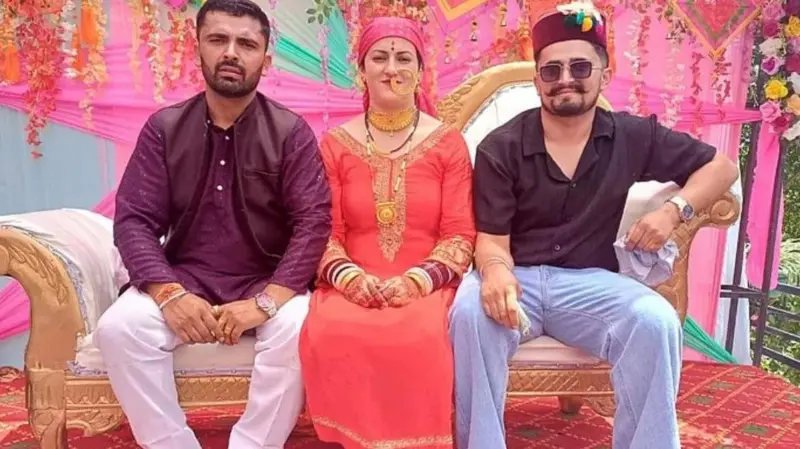
1 Rare Powerful Tradition: Jodidara Marriage in Himachal—A Stunning Cultural Revival

Contents
HP, July28,2025: The Jodidara marriage tradition traces back to tribal mythology and stories from……
Jodidara marriage tradition Explained
Jodidara marriage tradition is a rare, centuries‑old tribal custom in Himachal Pradesh where one woman marries two brothers, emphasising unity, land protection, and cultural pride. This powerful tale has ignited fresh national attention recently.
Historic Roots of Jodidara
The Jodidara marriage tradition traces back to tribal mythology and stories from the Mahabharata, most notably Draupadi’s marriage to the Pandavas, leading locals to call it “Draupadi pratha” or Ujala Paksha
. It evolved among the Hatti community of the Trans‑Giri region as a practical solution to preserve family land and joint inheritance.
The Recent Ceremony in Shillai Village
Consent and Cultural Pride
From 12–14 July 2025, Sunita Chauhan of Kunhat village willingly entered a Jodidara marriage tradition, marrying brothers Pradeep and Kapil Negi in a public, three‑day ceremony in Shillai, Sirmaur district. All three participants confirmed the union was mutually agreed upon and rooted in cultural pride.
Rituals, Music & Community Support
The wedding featured traditional rituals including “Seenj” ceremonies, folk music, dance, and community feasting. The event drew hundreds of villagers and relatives who celebrated openly, highlighting collective identity and shared joy.
Purpose Behind the Tradition
Preventing Land Fragmentation
In steep, resource‑scarce regions, Jodidara ensures family land remains undivided across generations. Kundan Singh Shastri, general secretary of Kendriya Hatti Samiti, explained the tradition prevents agricultural parcels from fragmenting over time
Ensuring Family Unity and Stability
Beyond economics, the tradition fosters stronger bond among siblings. The shared responsibilities create stability, and a larger united family is seen as more secure in tribal societies.
Legal & Social Recognition Today
Though polyandry is typically illegal in India, Himachal Pradesh allows it under customary law—referred to locally as Jodidar law—especially for tribal groups like the Hattis, who earned Scheduled Tribe status around 2022–2023. The state revenue records officially acknowledge Jodidara marriage tradition, granting it legal legitimacy in specific communities.
Contemporary Debates and Diverse Reactions
Despite consent and pride, the practice has sparked national debate. Supporters regard it as personal choice and cultural preservation; critics, including women’s rights advocates, argue it raises questions about exploitation and gender equity. Some believe transformations in socio‑legal norms may challenge its future relevance.
What the Future Holds for Jodidara
As education rises and lifestyles change, Jodidara marriage tradition has become rare. Only a handful of such marriages occur annually within the Hatti community. Yet this recent public and consensual ceremony might inspire a new wave of cultural pride and documentation, even as many hope such customs gradually fade or transform with evolving values..




Art
Yuvaam 2026: A Grand Celebration of Excellence, Culture, and Inspiration in Jaipur
Yuvaam 2026 at St. Xavier’s School Jaipur showcased excellence, culture, and inspiration with awards, performances, and dignitaries. Explore full highlights, achievements, and key moments.
Contents
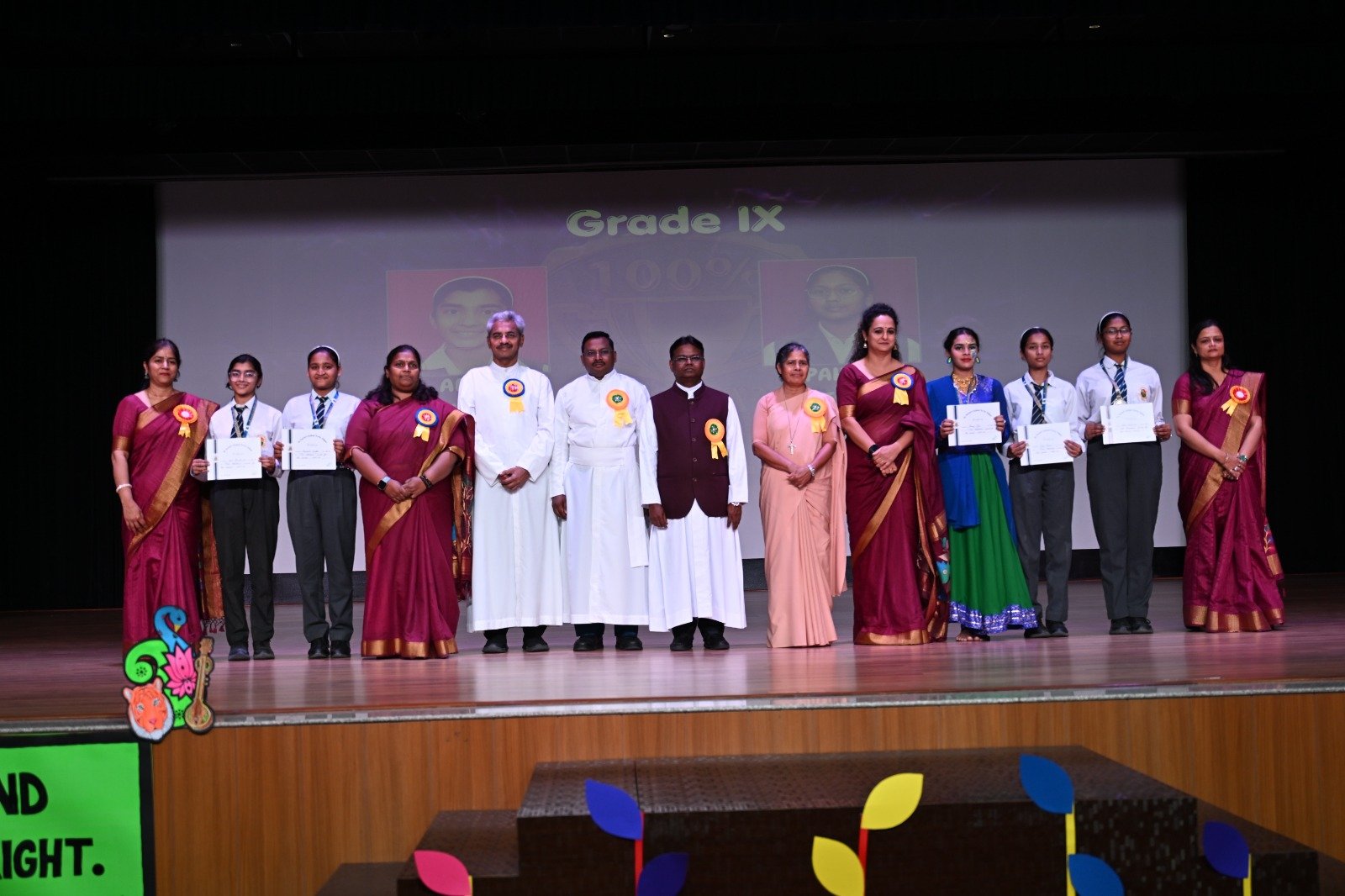
March 30, Jaipur. Yuvaam 2026 emerged as one of the most inspiring and prestigious school events in Jaipur, held with remarkable grandeur at St. Xavier’s School, Nevta, on March 30, 2026. The 8th Annual Prize Distribution Ceremony was not just a celebration of academic excellence but also a powerful showcase of talent, discipline, and values.
In today’s fast-paced educational environment, events like Yuvaam 2026 play a crucial role in recognizing student achievements while fostering motivation, confidence, and holistic development.
Grand Welcome and Dignitaries at Yuvaam 2026
The ceremony of Yuvaam 2026 began with a spectacular welcome for the Chief Guest, Most Rev. Bishop Joseph Kallarackal, along with the Guests of Honour, Ms. Maya David and Mr. Ajay Kochar.
A beautifully coordinated band procession escorted the dignitaries to Arrupe Hall, setting a majestic tone for the entire event. The presence of esteemed figures including Rev. Fr. Dr. Arokya Swami SJ, Rev. Fr. Sangeeth Raj SJ, Rev. Fr. Joseph Kumar Kurapati SJ, Sr. Leeda D’Souza SCCG, and Br. Ajay Matthews added grace and significance to Yuvaam 2026.
Ceremonial Beginning and Spiritual Essence of Yuvaam 2026
The formal proceedings of Yuvaam 2026 began with the traditional lighting of the ceremonial lamp, symbolizing knowledge and enlightenment.
This was followed by a soulful prayer song and an orchestral presentation titled “Soul of Symphony,” which captivated the audience and created a serene atmosphere.


Saplings were presented to the dignitaries, reflecting a meaningful gesture towards environmental awareness and respect—values that Yuvaam 2026 strongly emphasized.
Yuvaam 2026 Academic Excellence Awards
A key highlight of Yuvaam 2026 was the recognition of academic brilliance. Students who secured 90% and above marks were honored with Academic Excellence Awards.
Additionally, students with 100% attendance were also felicitated, reinforcing the importance of consistency and discipline in achieving success.


The Principal, in the welcome address, highlighted that success is never an individual effort but a result of collaboration between students, teachers, and parents—an idea deeply embedded in the philosophy of Yuvaam 2026.
Special Felicitations and Achievements at Yuvaam 2026
Yuvaam 2026 also celebrated exceptional achievements beyond academics.
- Ms. Veera Kalyann, recognized as Ms. Elite Rajasthan, was specially felicitated.
- Masters Aaron and Aarav Rathesh were honored for their remarkable achievements in skating.
Such recognitions showcased the institution’s commitment to encouraging diverse talents, making Yuvaam 2026 a holistic celebration of excellence.
Cultural Performances and Highlights of Yuvaam 2026
The cultural segment of Yuvaam 2026 added vibrant energy to the event. Students delivered mesmerizing performances that reflected creativity, discipline, and teamwork.
A special band presentation symbolized unity and harmony, leaving a lasting impression on the audience. These performances demonstrated that Yuvaam 2026 was not just about awards but also about celebrating artistic expression and cultural richness.
Launch of School Magazine “Excelsior” at Yuvaam 2026
One of the most anticipated moments of Yuvaam 2026 was the release of the school magazine, “Excelsior.”
The magazine showcased the achievements, creativity, and intellectual contributions of students and staff. Alongside this, the Annual Report was presented, highlighting the institution’s milestones and progress over the year.
For more on school publications and their importance, you can refer to UNESCO resources on educational development.
Inspiring Speeches from Guests at Yuvaam 2026

The Guests of Honour at Yuvaam 2026 delivered powerful and inspiring messages:
- Mr. Ajay Kochar encouraged students to stay optimistic and resilient in the face of challenges.
- Ms. Maya David emphasized the importance of positive thinking and empowering girl children.
The Chief Guest, Most Rev. Bishop Joseph Kallarackal, congratulated the students and urged them to uphold strong moral values in their lives.
These speeches added depth and purpose to Yuvaam 2026, transforming it into a platform for learning beyond academics.
Prestigious Awards and Recognitions at Yuvaam 2026
Among the most prestigious recognitions at Yuvaam 2026 were the sponsored awards, including the renowned Ignatian Awards.
The title of Xavierite of the Year was conferred upon:
- Vihan Bajaj (Head Boy)
- Aadya Thakkar (Head Girl)
These awards symbolized leadership, dedication, and all-round excellence—core values celebrated at Yuvaam 2026.
The grand event Yuvaam 2026 concluded with a heartfelt Vote of Thanks delivered by Ms. Neeru Gaur, followed by the National Anthem.

The ceremony left behind a powerful message—success is not just about achievements but about values, perseverance, and collective effort.
In essence, Yuvaam 2026 was more than an annual function; it was a celebration of dreams, discipline, and determination. It highlighted how educational institutions can shape not just successful students but responsible and value-driven individuals.
Breaking News
International Women’s Day 2026: 7 Powerful Highlights from the Inspiring Jaipur Celebration by Dr. Ambedkar Memorial Welfare Society
International Women’s Day 2026 Jaipur Celebration at Dr. Ambedkar Memorial Welfare Society brought together leading social activists, educators and women leaders to promote education, equality and women empowerment through speeches, awareness campaigns and sports activities.

Contents
8 March, Jaipur | International Women’s Day 2026 Jaipur Celebration became a remarkable moment of inspiration and social awareness when the Dr. Ambedkar Memorial Welfare Society, Jhalana Doongri, Jaipur, organized a vibrant event on 8 March 2026. The program brought together social leaders, activists, educators, and community members to celebrate women’s achievements and promote awareness about education, equality, and rights.
The celebration reflected the broader spirit of International Women’s Day, which is observed globally on March 8 every year to honour the social, economic, cultural, and political contributions of women. According to the United Nations, the theme for International Women’s Day 2026 emphasizes “Rights, Justice and Action for All Women and Girls,” calling for stronger efforts toward equality and empowerment.
The Jaipur event stood out as a community-driven initiative highlighting the importance of women’s education, leadership, and social participation.
Global Significance of International Women’s Day 2026
International Women’s Day 2026 Jaipur Celebration aligns with global efforts to promote gender equality and women empowerment. Across the world, organizations and institutions organize conferences, rallies, workshops, and cultural programs to recognize women’s achievements and discuss challenges faced by women in society.
International Women’s Day has its roots in early 20th-century labour movements advocating women’s rights, and it gained official recognition by the United Nations in 1975.
Even today, gender inequality remains a major global challenge. Reports indicate that women worldwide possess only about 64% of the legal rights available to men, highlighting the need for sustained action.
The International Women’s Day 2026 Jaipur Celebration echoed these global concerns while emphasizing education and awareness as key solutions.
Grand Celebration at Dr. Ambedkar Memorial Welfare Society Jaipur
The International Women’s Day 2026 Jaipur Celebration was organized by Dr. Ambedkar Memorial Welfare Society at Jhalana Doongri, Jaipur. The event was conducted in a ceremonial and festive atmosphere, attracting hundreds of participants from various parts of the city.

The program aimed to:
- Promote women empowerment
- Raise awareness about women’s rights
- Encourage girls’ education
- Inspire women to participate in leadership and social activities
The gathering demonstrated how community organizations can play a vital role in strengthening social equality and gender justice.
Key Guests and Social Leaders Who Attended the Event
The International Women’s Day 2026 Jaipur Celebration was attended by several prominent guests and social workers who actively work for social justice and empowerment.
The chief guest of the program was Mrs. Kanta Singh, who addressed the gathering and highlighted the importance of women’s education and awareness about constitutional rights.
Other distinguished participants included:
- Lalita Valmiki, Vice President
- Manasi Narnauliya, Chairperson of Manasvita Group
- Pooja Verma, Vice President and former President of Rajasthan University
- Kashmira Singh, Organization Secretary
- Preeti Maurya, Social Worker
Along with them, several community leaders and social activists also attended the program, including:
- Ajay Dagar – Organization Secretary
- Ramniwas Dahiya – Joint Secretary
- Dr. Tarun Bakolia – Advocate
- Mahesh Kumar Verma
- Radhey Shyam Bairwa (Jagatpura)
- Ramniwas Raghav (AJAK)
- Gajendra Kharia (Jagatpura)
- Naresh Berwa – Advocate
- Advocate Omprakash Chokdayat

Many women leaders were also present, such as:
- Sangita Rathi – AICC Human Rights
- Rekha Verma (Sodala)
- Sharmila Dahiya (Jagatpura)
- Ranjana Chauradia (Mansarovar)
- Ayodhya Devi (Civil Lines)
- Rachna Kalosia (Malviya Nagar)
Their presence strengthened the message that social transformation requires collective participation.
Powerful Speeches on Women’s Rights and Education
A major highlight of the International Women’s Day 2026 Jaipur Celebration was the inspiring speeches delivered by various speakers.
Chief guest Mrs. Kanta Singh emphasized that women must remain aware of their constitutional rights and actively work toward their personal and social development. She stressed that education is the strongest foundation for empowerment.
According to her,
“Education is the fundamental key to progress. When women become educated, families, communities, and entire societies move forward.”
She also urged women to follow the ideals of Dr. B. R. Ambedkar, who strongly advocated equality, education, and social justice.
Voices Against Women Oppression and Social Awareness
During the International Women’s Day 2026 Jaipur Celebration, Kashmira Singh, Organization Secretary, raised a strong voice against women oppression and discrimination.
She encouraged women and young girls to become aware of their rights and actively participate in all sectors of society, including education, administration, politics, and entrepreneurship.
Her speech focused on three key messages:
- Awareness about women’s legal rights
- Encouraging girls to pursue education
- Building self-confidence among women
Former IG Jai Narayan Sher also addressed the gathering and emphasized that education plays a crucial role in enabling women to claim their rights and achieve independence.
Sports Activities and Cultural Participation
Apart from speeches and discussions, the International Women’s Day 2026 Jaipur Celebration also included sports competitions and recreational activities for women.
These activities were organized to promote:
- physical fitness
- teamwork
- confidence among women participants
The sports events were coordinated by Suman Mehra, PET Jaipur, who played a key role in managing the competitions.
Winners of the sports activities were honoured with:
- mementos
- appreciation certificates
Such activities created a vibrant and engaging environment, encouraging women to actively participate in community programs.
Community Participation and Social Impact
One of the most encouraging aspects of the International Women’s Day 2026 Jaipur Celebration was the strong participation of the local community.
Hundreds of women and men attended the event, reflecting growing awareness about gender equality and social justice.
Community events like this help to:
- build awareness about women’s rights
- encourage social dialogue
- inspire young girls
- strengthen community networks
Globally, similar events are being organized to celebrate women’s achievements and address social issues affecting women.
Dr. B. R. Ambedkar’s Vision for Women Empowerment
The International Women’s Day 2026 Jaipur Celebration strongly reflected the ideology of Dr. B. R. Ambedkar, who believed that the progress of a society depends on the progress of its women.
Dr. Ambedkar played a crucial role in advocating women’s rights through constitutional provisions and social reforms.
His vision included:
- equal legal rights for women
- access to education
- economic independence
- social dignity and equality
His famous principle, “Educate, Organize, Agitate,” continues to inspire social movements across India.
Why Local Events Like This Matter for Gender Equality
While global movements play an important role, community-level initiatives like the International Women’s Day 2026 Jaipur Celebration are equally significant.
They create direct impact by:
- encouraging grassroots awareness
- empowering local women leaders
- building support networks
- promoting social change from the community level
Such initiatives also help bridge the gap between policy and practice by bringing awareness directly to the people.
A Step Towards Empowered Women in India

The International Women’s Day 2026 Jaipur Celebration organized by Dr. Ambedkar Memorial Welfare Society was more than just a ceremonial event. It was a powerful reminder that awareness, education, and collective action are essential for achieving gender equality.
Through inspiring speeches, community participation, and engaging activities, the program successfully highlighted the importance of women’s rights and empowerment.
As India continues to move toward inclusive development, initiatives like this serve as a strong foundation for building a society where women have equal opportunities, dignity, and leadership roles.
The message of the event was clear:
Educated and empowered women are the driving force behind a progressive society.
Credent TV
UKG Graduation Ceremony at St. Xavier’s School Nevta: 7 Heartwarming & Inspiring Moments from a Grand Spiritual Celebration
UKG Graduation Ceremony at St. Xavier’s School Nevta marked a powerful and inspiring milestone as young learners stepped into primary education with blessings, awards, and spiritual guidance in a grand invocation celebration.
Contents
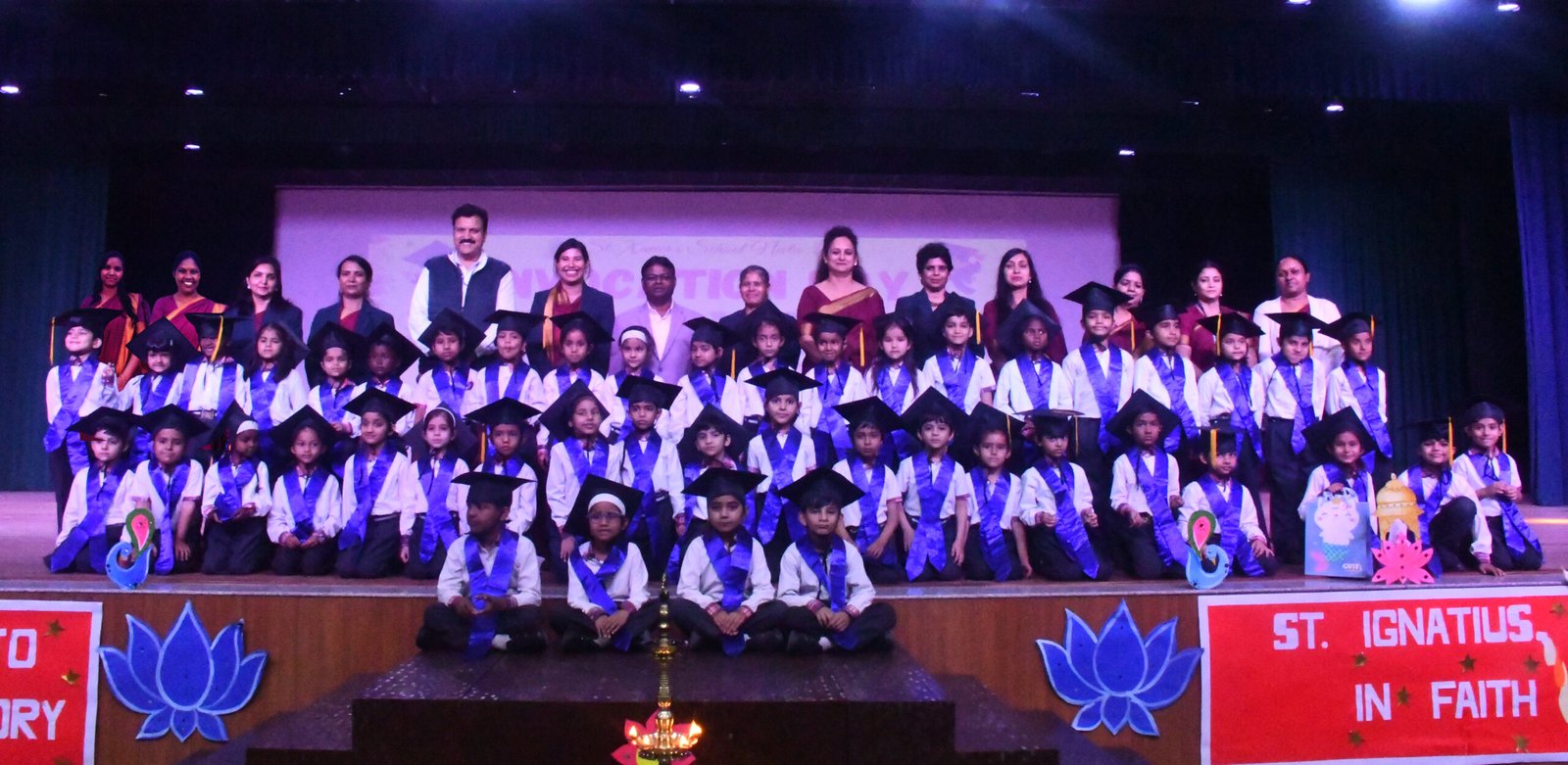
The UKG Graduation Ceremony at St. Xavier’s School Nevta unfolded as a deeply emotional and spiritually uplifting event, marking a major milestone in the academic journey of the school’s youngest learners. Held within the serene campus of St. Xavier’s School, Nevta, the grand Invocation and Graduation Ceremony celebrated the transition of UKG students into primary education with prayer, pride, and profound joy.
The event was not merely a formal promotion to the next class. It symbolized a spiritual commencement — a sacred beginning of structured learning rooted in values, discipline, and moral integrity.
Parents, teachers, and dignitaries gathered to witness the radiant smiles of children dressed in vibrant attire, ready to step into a new chapter of their educational lives.
A Sacred Beginning: Lighting the Lamp of Knowledge
The UKG Graduation Ceremony at St. Xavier’s School Nevta commenced with the traditional lighting of the ceremonial lamp, symbolizing the triumph of knowledge over ignorance. The ritual was led by Principal Fr. Sangeeth Raj, Vice-Principal Fr. Joseph, and Vice-Principal Sr. Leeda D’Souza, along with academic coordinators.
The warm glow of the lamp reflected not only tradition but the collective aspiration of parents and educators for the children’s bright future.
Ceremonial beginnings like this are deeply rooted in Indian educational ethos, blending spiritual symbolism with academic progression. According to education experts cited by UNESCO’s early childhood education framework , foundational years significantly shape lifelong learning attitudes.
Spiritual Invocation Sets the Tone
The UKG Graduation Ceremony at St. Xavier’s School Nevta was distinguished by its heartfelt invocation ceremony. The young students, in melodious voices, presented devotional hymns that filled the auditorium with serenity.
Their prayers focused on peace, wisdom, and gratitude — values central to Jesuit educational philosophy. Jesuit institutions worldwide emphasize holistic development, combining intellectual rigor with moral grounding.
As the children folded their tiny hands in prayer, the moment resonated deeply with parents seated in the audience. It was a reminder that education extends beyond textbooks; it nurtures compassion, discipline, and spiritual awareness.
Cultural Performances Steal the Spotlight
No graduation ceremony is complete without celebration, and the UKG Graduation Ceremony at St. Xavier’s School Nevta sparkled with cultural vibrancy.
Dressed in colorful costumes, the children performed inspirational songs and a short theatrical presentation that conveyed moral lessons in a delightful manner.
The performances were simple yet powerful. They reflected confidence, coordination, and creativity — clear indicators of the nurturing environment provided by the school.
Teachers meticulously guided students through rehearsals, ensuring that each child had a role and an opportunity to shine.
The applause that followed every act was not just appreciation for performance but admiration for growth.
Distribution of Certificates and Mementos
The emotional high point of the UKG Graduation Ceremony at St. Xavier’s School Nevta came when students were awarded certificates and commemorative mementos.
Principal Fr. Sangeeth Raj personally handed over graduation certificates to each child, blessing them for future success.
For many parents, it was the first formal academic recognition their child received. Cameras flashed, smiles widened, and memories were sealed forever.
Such recognition at an early age fosters motivation and reinforces positive learning behavior, as supported by research from Harvard’s Center on the Developing Child
Principal’s Powerful Message on Character Building
Addressing parents and teachers, Fr. Sangeeth Raj delivered a heartfelt speech during the UKG Graduation Ceremony at St. Xavier’s School Nevta.
He emphasized:
“Childhood is the foundation stage where character is shaped. This ceremony is not merely a transition from one class to another, but the spiritual beginning of a lifelong journey of learning.”
His message underscored the importance of moral education alongside academic excellence.
He also appreciated the tireless efforts of teachers and acknowledged the trust parents place in the institution.
His address received a standing ovation, reflecting alignment between school values and parental expectations.
Why the UKG Graduation Ceremony at St. Xavier’s School Nevta Matters
The UKG Graduation Ceremony at St. Xavier’s School Nevta represents more than tradition.
It aligns with the broader objectives of India’s National Education Policy (NEP 2020), which emphasizes foundational literacy and holistic development in early years
Early childhood education lays the cognitive and emotional groundwork for lifelong learning.
By celebrating this transition formally, the school reinforces:
- Confidence in young learners
- Parental engagement
- Teacher recognition
- Institutional value system
This model mirrors global best practices in early education ceremonies.
Parental Pride and Emotional Celebrations
As the ceremony progressed toward conclusion, the UKG Graduation Ceremony at St. Xavier’s School Nevta transformed into a joyful celebration.
Parents joined their children in dance, creating heartwarming scenes of shared happiness.
Many expressed appreciation for the school’s effort in organizing such a dignified and well-structured program.
One parent remarked that the event felt “like witnessing the first step of a long and promising journey.”
The atmosphere was charged with emotion — pride, gratitude, and hope interwoven beautifully.
The Role of Value-Based Education in Early Childhood
The UKG Graduation Ceremony at St. Xavier’s School Nevta also highlighted the growing importance of value-based education in India.
Modern education increasingly recognizes that academic achievement alone is insufficient. Character formation, empathy, ethical thinking, and resilience are equally critical.
Jesuit institutions worldwide have historically focused on forming “men and women for others,” a philosophy that continues to guide schools like St. Xavier’s School, Nevta.
By embedding prayer, cultural expression, and recognition into academic milestones, the institution ensures balanced development.
The UKG Graduation Ceremony at St. Xavier’s School Nevta concluded with smiles, blessings, and renewed aspirations.
It was not merely an academic ritual. It was a spiritual milestone. A celebration of innocence transitioning into structured learning.
As the young graduates step into primary education, they carry with them:
- The blessings of their mentors
- The pride of their parents
- The foundation of strong moral values
- The confidence built through nurturing guidance
Events like the UKG Graduation Ceremony at St. Xavier’s School Nevta reaffirm the transformative power of early education when rooted in compassion and discipline.
In a rapidly changing educational landscape, ceremonies like these remind us that the essence of schooling lies not only in curriculum but in character.
And for the tiny graduates who walked across the stage with certificates in hand, this was just the beginning of a remarkable journey.
Art
Indian Art History Congress 2026: 5 Powerful Insights from Dr. Renu Shahi’s Groundbreaking Satire Art Research in Bengaluru
Indian Art History Congress 2026 witnessed a powerful research presentation by Dr. Renu Shahi in Bengaluru, highlighting satire art, caricature and cartoons as reflections of India’s social values.
Contents
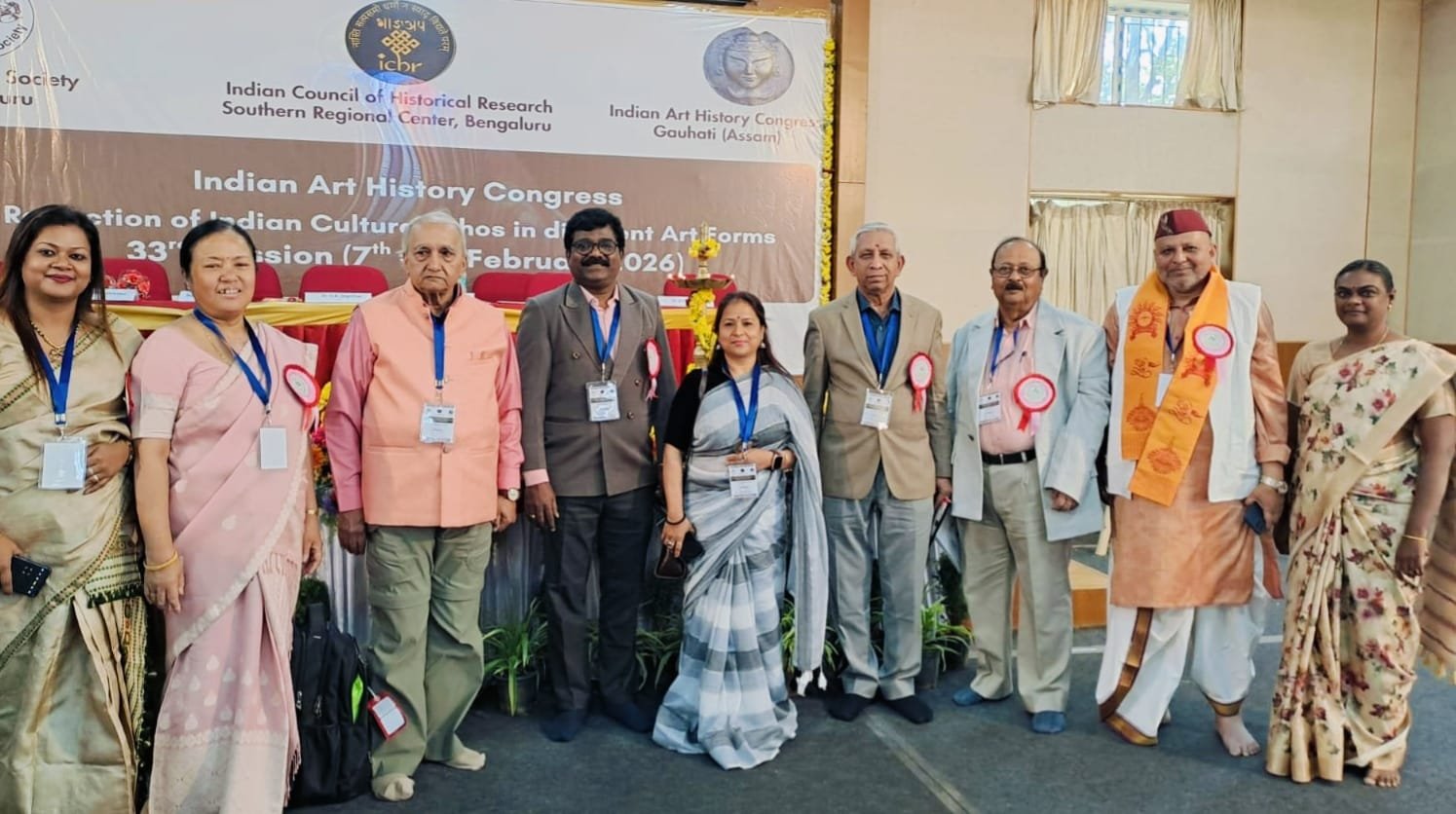
Indian Art History Congress 2026 became a landmark academic event as leading scholars, historians, and art critics gathered in Bengaluru to explore the evolving dimensions of Indian art and its deep-rooted social values. Among nearly 175 distinguished participants from across the country, Dr. Renu Shahi from Jaipur, Rajasthan, emerged as a notable voice with her compelling research on satire art, caricature, and political cartoons in the Indian art landscape.
Her presentation, delivered during the 33rd Annual Session of the Indian Art History Congress, sparked curiosity, discussion, and admiration among scholars and attendees alike.
Introduction to Indian Art History Congress 2026
The Indian Art History Congress 2026 marked the 33rd annual session of one of the country’s most respected academic platforms dedicated to the study and preservation of Indian art history. Held from February 6 to February 10, 2026, the conference brought together scholars from universities, research institutions, and independent academic bodies.
The central theme of this year’s session was “Social Values in Indian Art.” The theme encouraged participants to analyze how art reflects, challenges, and reconstructs societal norms, ethics, and political consciousness across time.
More details about the organising body can be explored through the official Indian Art History Congress network and academic listings on platforms such as the Indian Council of Historical Research (https://ichr.ac.in/).
Venue and Organising Institutions
The Indian Art History Congress 2026 was hosted at the historic Mythic Society in Bengaluru, Karnataka — an institution known for its long-standing contribution to historical and cultural research in South India.
The session was organised under the aegis of the Indian Council of Historical Research (ICHR) and the Indian Art History Congress, in association with the Dr. Pooja Bharti Memorial Trust.
The selection of Bengaluru, a city known for blending heritage with modern intellectual discourse, added symbolic significance to the event.
Lifetime Achievement Honour at the Congress
A major highlight of the Indian Art History Congress 2026 was the conferment of the prestigious “Bharati Samman” (Lifetime Achievement Award).
The honour was presented to eminent art historian Dr. Arvind Prabhakar Jamkhedkar, former Chairman of the Indian Council of Historical Research and former Vice-Chancellor of Deccan College, Pune.
Dr. Jamkhedkar’s lifelong contribution to Indian art history, archaeology, and heritage studies has shaped academic discourse in the country for decades. The award ceremony added a celebratory tone to the scholarly proceedings.
Dr. Renu Shahi’s Academic Contribution
Among the 175 scholars who presented papers at the Indian Art History Congress 2026, Dr. Renu Shahi from Jaipur stood out for her original and thought-provoking research.
Her paper focused on satire art in the Indian artistic tradition, particularly examining caricature and cartoons as tools of political, social, and cultural commentary.
Dr. Shahi was granted the opportunity to present her research due to the excellence and academic merit of her paper — a recognition that itself became a subject of interest among attendees.
Her study did not merely treat satire as entertainment. Instead, she framed it as a powerful artistic language that reflects ideological positions and societal tensions.
Indian Art History Congress 2026 and the Theme of Social Values
The theme “Social Values in Indian Art” found a powerful embodiment in Dr. Shahi’s presentation.
At the Indian Art History Congress 2026, discussions ranged from temple architecture to modern installations. However, satire art introduced a contemporary dimension to the dialogue.
Satirical expression often critiques political authority, exposes social hypocrisy, and mirrors public sentiment. By placing satire within the broader framework of Indian art history, Dr. Shahi expanded the academic boundaries of what is traditionally considered “high art.”
Her work highlighted that satire is not marginal. It is central to democratic discourse.
Satire Art in Indian Cultural Discourse
Satire in India has a long and layered history.
From colonial-era caricatures to post-independence political cartoons, satire has shaped public opinion. Dr. Shahi’s research at the Indian Art History Congress 2026 traced how satire art engages with:
- Political authority
- Social hierarchies
- Cultural transformation
- Public morality
Satirical art, she argued, becomes a visual archive of dissent.
By studying satire, scholars can decode historical anxieties and ideological shifts in society.
Caricature and Cartoon: Beyond Entertainment
At the Indian Art History Congress 2026, Dr. Shahi emphasized that caricatures and cartoons are often misunderstood as mere humor.
In reality, caricature exaggerates features to highlight deeper truths. Cartoons compress complex political commentary into accessible imagery.
Her research examined how caricature functions as a semiotic device — using distortion as critique.
In a democracy like India, cartoonists have historically played a crucial role in shaping civic awareness.
Historical Figures in Indian Satirical Art
Dr. Shahi’s paper referenced several legendary cartoonists and satirists whose work shaped Indian visual culture.
Among them:
- Gaganendranath Tagore – Known for his early 20th-century satirical illustrations critiquing colonial society.
- R. K. Laxman – Creator of the iconic “Common Man” and one of India’s most influential political cartoonists.
- K. Shankar Pillai – Founder of Shankar’s Weekly, a platform that shaped political satire in India.
- Bal Thackeray – Began his career as a cartoonist before entering politics.
By situating these figures within academic discourse at the Indian Art History Congress 2026, Dr. Shahi underscored how satire bridges journalism and fine art.
Scholarly Reception and Appreciation
The response to Dr. Shahi’s presentation at the Indian Art History Congress 2026 was overwhelmingly positive.
Scholars appreciated:
- The interdisciplinary approach
- The analytical depth
- The integration of visual examples
- The contextual grounding in political history
Several attendees noted that satire art deserves more systematic documentation within Indian art historiography.
Her work sparked discussions about incorporating satire studies into university curricula.
Why Indian Art History Congress 2026 Matters Today
The Indian Art History Congress 2026 was not just an academic gathering.
It functioned as:
- A platform for intellectual exchange
- A forum for redefining art history
- A space for emerging scholars to gain visibility
- A bridge between tradition and contemporary discourse
In a rapidly changing socio-political climate, art history cannot remain static.
The inclusion of satire art at the Congress signals a broader methodological shift — one that embraces popular visual culture as a serious subject of study.
The Growing Relevance of Satire in Contemporary India
In the digital era, satire spreads faster than ever.
Memes, digital cartoons, and online caricatures continue the tradition discussed at the Indian Art History Congress 2026.
Dr. Shahi’s research becomes especially relevant in this context. Her work invites scholars to analyze:
- Visual political commentary on social media
- The legal boundaries of satire
- The relationship between art and freedom of expression
Satire, she argued, is both aesthetic expression and civic intervention.
Academic Implications and Future Research
The discussions at the Indian Art History Congress 2026 suggest that future research may expand into:
- Digital satire archives
- Comparative studies between colonial and contemporary caricature
- Regional variations in satirical art
- Gender perspectives in cartooning
Dr. Shahi’s contribution has opened new pathways for research scholars.
Her work demonstrates that art history must evolve alongside society.
The Indian Art History Congress 2026 will be remembered as a dynamic and intellectually rich gathering that expanded the boundaries of Indian art scholarship.
Dr. Renu Shahi’s research on satire art, caricature, and cartoons added a contemporary and critical dimension to the conference theme of social values in Indian art.
Her presentation reaffirmed that satire is not peripheral — it is central to understanding India’s political and cultural consciousness.
As academic institutions increasingly recognize the importance of interdisciplinary study, the conversations initiated at the Indian Art History Congress 2026 are likely to influence future scholarship in meaningful ways.
In Bengaluru, amidst scholars and historians, satire found its rightful place in the narrative of Indian art history — and that may be one of the most significant outcomes of this year’s Congress.

Contents
New Delhi,The confirmation of Rehan Vadra Engagement is more than a celebrity relationship update. It is a moment that blends public curiosity, political legacy, and personal happiness. As the son of a senior Congress leader and a member of India’s most influential political family, Rehan Vadra has largely stayed away from active politics, choosing instead a private and creative life.
His engagement symbolizes a generational shift—where personal choices are shared openly, yet thoughtfully, in the digital age.
Rehan Vadra Engagement Announcement on Social Media
The Rehan Vadra Engagement was officially announced through Instagram, where Rehan and Aviva shared warm, understated photographs confirming their commitment.
The caption mentioned that the engagement took place on December 29, 2025, instantly making the post viral. Within hours, the images were shared across social platforms, news portals, and television debates.
Unlike grand political announcements, the tone was personal, minimal, and sincere.
Robert Vadra’s Emotional Message for His Son
Businessman Robert Vadra also shared the engagement photos, adding an emotional message that resonated widely.
“My son has grown up and found his life partner. May happiness always stay in Rehan’s life.”
The message reflected a father’s pride rather than a public figure’s statement, reinforcing the personal nature of the Rehan Vadra Engagement.
A Brief Profile
Rehan Vadra is the younger child of Priyanka Gandhi Vadra and Robert Vadra. Unlike many members of political dynasties, Rehan has consciously remained away from electoral politics.
Known for his creative interests, Rehan has often been spotted at cultural events, exhibitions, and family gatherings rather than political rallies. The Rehan Vadra Engagement brings him briefly into the spotlight, though his life largely remains private.
Career, Creativity, and Vision
Aviva Beg, now Rehan Vadra’s fiancée, is a well-known creative professional with a strong background in media, communication, and photography.
She has worked across multiple platforms and is respected for her artistic vision. Her professional identity stands independently, adding depth to the Rehan Vadra Engagement narrative.
A 7-Year Love Story
The couple has been in a relationship for seven years, a fact confirmed by family sources and close friends.
Their long journey together, rooted in shared interests—especially photography and art—adds authenticity to the Rehan Vadra Engagement. Friends describe them as creative partners who value privacy and mutual respect.
Engagement Date, Ceremony, and Privacy
The engagement ceremony on December 29, 2025, was reportedly a private affair, attended only by close family members.
Despite belonging to a high-profile family, the couple chose intimacy over extravagance, keeping the Rehan Vadra Engagement away from media glare until they were ready to share it themselves.
Media Reports and PTI Confirmation
On December 30, news agency PTI cited sources confirming the engagement. This report quickly circulated, prompting speculation before the official Instagram announcement.
Once the post went live, it validated the PTI report, lending credibility and ending rumors surrounding the Rehan Vadra Engagement.
Ranthambore Trip After Engagement
Following their engagement, Rehan and Aviva travelled with the Gandhi-Vadra family to Ranthambore, Rajasthan.
The family spent four days at the wildlife destination, where the couple enjoyed a tiger safari. Photographs showed Rehan and Aviva wearing caps, blending into the serene surroundings—symbolic of their grounded lifestyle even after the Rehan Vadra Engagement.
Aviva Beg’s Professional Journey in Media & Art
Aviva Beg has built an impressive résumé
- Junior Project Manager at PROPAGANDA, a content platform
- Marketing Intern at Art Chain India
- Editor-in-Chief of The Journal, published by I-Parliament
- Internships with Verve Magazine India and Creative IMAGE Magazine
Her professional independence adds credibility and substance to the Rehan Vadra Engagement story.
Aviva Beg’s Family Background and Social Links
Aviva comes from a respected business family in Delhi.
- Father: Imran Beg, businessman
- Mother: Nandita Beg, renowned interior designer
Nandita Beg notably designed the interiors of Indira Bhawan, the Congress headquarters—an interesting connection often highlighted after the Rehan Vadra Engagement.
Longstanding Bond Between the Gandhi and Beg Families
Media reports suggest that Priyanka Gandhi Vadra and Nandita Beg have been long-time friends.
This personal bond between families lends warmth and familiarity to the Rehan Vadra Engagement, making it less of a political alliance and more of a natural personal union.
Public Reaction to Rehan Vadra Engagement
The announcement triggered a wave of reactions across social media.
Supporters praised the couple’s simplicity, while political observers noted how the Gandhi-Vadra family continues to balance public life with personal privacy. The Rehan Vadra Engagement trended across news platforms within hours.
Political Families and Personal Milestones
In India, personal milestones of political families often attract intense scrutiny. However, the Rehan Vadra Engagement stands out for its restraint and dignity.
There were no grand press conferences or political messaging—only a simple announcement reflecting modern values.
Why This Engagement Reflects a Changing India
The Rehan Vadra Engagement reflects a broader societal shift
- Emphasis on long-term companionship
- Respect for professional independence
- Balanced public and private life
It resonates with India’s younger generation, who see relationships as partnerships rather than public spectacles.
A Personal Moment Beyond Politics
The Rehan Vadra Engagement is ultimately a story of commitment, maturity, and quiet celebration. Beyond political lineage and public attention, it marks a deeply personal moment for two individuals choosing to move forward together.
In an era of instant visibility, Rehan and Aviva’s announcement stands out for its simplicity—proving that even under the brightest spotlight, personal happiness can remain grounded and authentic.
Breaking News
Funs park Fiesta Jaipur 2025 lights up Subodh Public School Rambagh with joy, games, culture, lucky draws-

Contents
Fun spark Fiesta Jaipur 2025 began on a bright December morning, transforming the playground of Subodh Public School, Rambagh, into a colourful world of joy, laughter, and togetherness. The event stood as a powerful reminder that education is not only about academics but also about nurturing creativity, culture, and community bonding.
Organized under the guidance of the Subodh Shiksha Samiti, this vibrant fair was a collaborative effort involving four prestigious institutions:
- Subodh Public School, Rambagh
- S.S. Jain Subodh Senior Secondary School, Bapu Bazar
- S.S. Jain Subodh Mahila Senior Secondary School, Johri Bazar
- Subodh Play School, Dev Nagar
From students and parents to teachers and guests, Fun spark Fiesta Jaipur 2025 brought everyone together under one joyful umbrella.
A Grand Beginning Rooted in Tradition
The opening ceremony of Funspark Fiesta Jaipur 2025 beautifully blended tradition with celebration. The event commenced with a sacred Ganesh Vandana, symbolizing wisdom, prosperity, and auspicious beginnings.
The prayer was performed by
- Mr. Alok Kumar Bomb (School Convener)
- Dr. Sanjay Parashar (Principal)
- Dr. Deepa Sachdeva
- Ms. Priyanka Jain
- Dedicated members of the teaching faculty
This spiritual start set a positive tone for the entire day, reinforcing Indian cultural values within a modern educational environment.

Distinguished Guests Add Prestige to Funspark Fiesta Jaipur 2025
The inauguration of Funspark Fiesta Jaipur 2025 was marked by the ceremonial ribbon-cutting conducted by Chief Guest Mr. Suresh Dhadha, alongside Convener Mr. Alok Kumar Bomb.
The event was further honoured by the presence of esteemed members of the Subodh Shiksha Samiti, including
- Mr. Sumer Singh Bothra (Secretary)
- Mr. Vinod Lodha (Joint Secretary & Treasurer)
- Mr. Rajendra Kumar Jain ‘Raja’
- Mr. Pramod Darda
- Mr. Upendra Bothra
- Ms. Rekha Sankhla (Management Committee Members)
Their presence underscored the Samiti’s unwavering commitment to holistic education.
A Carnival of Games and Flavours
One of the biggest highlights of Funspark Fiesta Jaipur 2025 was its lively collection of food and game stalls. The school playground buzzed with excitement as families explored an array of activities designed for all age groups.
Popular Attractions Included
- Fun-based skill games
- Interactive stalls managed by students
- Delicious food counters offering a variety of cuisines
- Child-friendly play zones
Parents and children alike were seen enjoying moments of laughter, bonding, and friendly competition. The stalls not only entertained visitors but also encouraged student participation, teamwork, and responsibility.
Student Creativity Takes Centre Stage
Funspark Fiesta Jaipur 2025 was not merely a fun fair—it was a platform for students to express creativity, confidence, and cultural awareness.
Students actively participated in
- Designing and managing stalls
- Engaging with visitors confidently
- Demonstrating leadership and communication skills
This hands-on experience helped students apply classroom learning to real-life situations, reinforcing values such as cooperation, discipline, and innovation.
RJ Shweta’s Energy Lights Up Funspark Fiesta Jaipur 2025
A major crowd-puller of Funspark Fiesta Jaipur 2025 was the lively presence of RJ Shweta, who kept the atmosphere energetic throughout the day.
With her engaging voice, interactive sessions, and spontaneous humor, she ensured that excitement never dipped. Her dynamic hosting added a professional touch and kept students, parents, and guests thoroughly entertained.
Lucky Draws and Family-Centric Celebrations
Adding an extra layer of excitement, the school administration organized periodic lucky draws during Funspark Fiesta Jaipur 2025.
Attractive prizes were distributed to parents, creating moments of surprise and joy. These activities strengthened the bond between the school and families, emphasizing the institution’s inclusive and community-driven approach.
The Vision of Subodh Shiksha Samiti
The success of Funspark Fiesta Jaipur 2025 reflects the broader educational philosophy of the Subodh Shiksha Samiti, which believes in nurturing well-rounded individuals.
By promoting cultural events alongside academics, the Samiti ensures that students grow into:
- Confident communicators
- Socially responsible citizens
- Culturally aware individuals
Why Funspark Fiesta Jaipur 2025 Is More Than Just a School Event
Unlike routine school functions, Funspark Fiesta Jaipur 2025 stood out as a community celebration. It fostered
- Parent-school collaboration
- Student leadership development
- Cultural appreciation
- Emotional and social growth
In an age dominated by screens and academic pressure, events like this remind us of the importance of joy, creativity, and human connection in education.
Gratitude, Reflection, and a Promising Future
At the conclusion of Funspark Fiesta Jaipur 2025, the school administration expressed heartfelt gratitude to
- Students
- Parents
- Teaching and non-teaching staff
- Management members
- Esteemed guests
Dr. Sanjay Parashar, Principal of Subodh Public School, Rambagh, acknowledged the collective effort that turned the fiesta into a memorable success.
“Such events shape confident, joyful learners and strengthen the bond between school and society,” he noted.
Event Details
Subodh Public School
Rambagh Crossing, Jaipur
December 24, 2025
Funspark Fiesta Jaipur 2025 was not just a festival—it was a celebration of education, culture, and community spirit. With vibrant participation, inspiring leadership, and joyful moments, the event left behind smiles, memories, and a promise of even grander celebrations in the future.
Breaking News
Sophia Senior Secondary School Kindergarten Annual Function 2025 celebrated with grand performances-
Contents
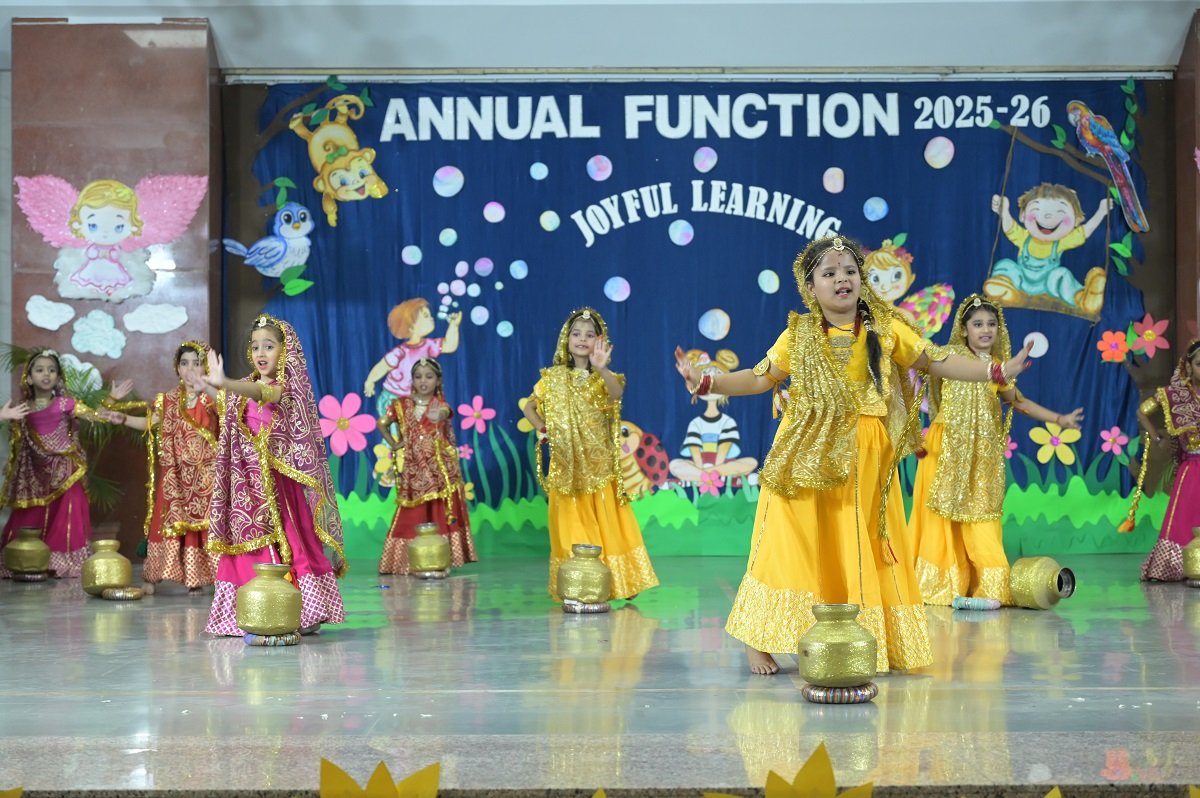
Jaipur, Dec.13,2025:Sophia Senior Secondary School Kindergarten Annual Function 2025 was celebrated with immense joy, warmth, and cultural vibrancy on 12 December 2025 at the school campus in Lalarpura, Jaipur. The event marked a significant milestone in the school’s academic calendar, reflecting its unwavering commitment to nurturing creativity, confidence, and holistic development among young learners.
The annual function transformed the school premises into a colourful cultural arena where innocence met discipline, and talent blended seamlessly with enthusiasm. Parents, teachers, and guests gathered in large numbers to witness the spectacular performances by kindergarten students who confidently showcased their abilities on stage.
Grand Inauguration and Distinguished Presence
The Sophia Senior Secondary School Kindergarten Annual Function 2025 commenced with a traditional lamp-lighting ceremony, symbolizing knowledge, wisdom, and enlightenment. The ceremony was gracefully inaugurated by the Chief Guest, Rev. Father Edward Oliveira, whose presence added dignity and inspiration to the occasion.
Rev. Father Oliveira applauded the efforts of the school management and educators for creating a nurturing environment that encourages early childhood development. In his address, he emphasized the importance of moral values, creativity, and joyful learning during the formative years of a child’s life.
Colourful Performances by Kindergarten Students
The highlight of the Sophia Senior Secondary School Kindergarten Annual Function 2025 was undoubtedly the delightful performances presented by the tiny tots. Dressed in vibrant costumes, the children captivated the audience with their charm, rhythm, and confidence.
Key Performances Included
- Prayer Song that spread a message of peace and gratitude
- Prayer Dance blending devotion with graceful movements
- Mickey Mouse Act, bringing smiles and laughter
- “Colors Box” Theme Dance, celebrating creativity and imagination
Each performance reflected meticulous preparation, teamwork, and the dedicated guidance of teachers. The children’s expressive gestures and fearless stage presence filled the auditorium with applause and admiration.
Parents’ Reactions and Community Engagement
Parents expressed immense pride and happiness while watching their children perform at the Sophia Senior Secondary School Kindergarten Annual Function 2025. Many parents appreciated the school’s emphasis on confidence-building and value-based education from an early age.
The event also strengthened the bond between the school and the parent community, fostering trust and mutual appreciation. Such celebrations serve as a platform for parents to witness the academic and cultural growth of their children first-hand.
Importance of Cultural Programs in Early Education
Cultural events like the Sophia Senior Secondary School Kindergarten Annual Function 2025 play a vital role in early childhood education. According to educational experts, participation in stage activities enhances:
- Communication skills
- Emotional expression
- Social interaction
- Self-confidence
Role of Teachers and School Leadership
Behind the success of the Sophia Senior Secondary School Kindergarten Annual Function 2025 was the tireless dedication of teachers and staff. From choreography to costume design and rehearsal coordination, educators worked relentlessly to ensure every child felt confident and included.
The leadership team ensured a well-organized event, maintaining discipline, safety, and inclusivity throughout the program.
Message from the Principal and School Management
At the conclusion of the event, Sister Josita, representing the school management, expressed heartfelt gratitude to the Chief Guest, parents, teachers, and staff members. She highlighted that cultural programs are not just celebrations but essential tools for shaping a child’s personality.
She reiterated the school’s mission to provide a balanced education that nurtures academic excellence alongside cultural awareness and moral values.
Sophia Senior Secondary School’s Vision for Holistic Education
Sophia Senior Secondary School, Lalarpura, has consistently focused on holistic education. Events like the Sophia Senior Secondary School Kindergarten Annual Function 2025 reflect the institution’s broader vision of developing responsible, confident, and compassionate individuals.
External Perspectives on Early Childhood Development
Educational research consistently highlights the importance of early exposure to arts and cultural activities. According to the National Education Policy (NEP 2020), experiential learning in early years lays a strong foundation for lifelong learning.
Such initiatives align perfectly with the objectives of the Sophia Senior Secondary School Kindergarten Annual Function 2025, reinforcing the value of creativity in education.
A Celebration of Innocence, Talent, and Hope
The Sophia Senior Secondary School Kindergarten Annual Function 2025 concluded on a joyful and inspiring note, leaving lasting memories for children, parents, and educators alike. The event beautifully showcased how structured cultural exposure can nurture young minds and in still confidence at an early age.
With its seamless organization, heart-warming performances, and strong educational message, the annual function stood as a testament to the school’s commitment to excellence in early childhood education.
Breaking News
Jain Education Presentation Program at Subodh Public School Inspires Students and Community-
Contents
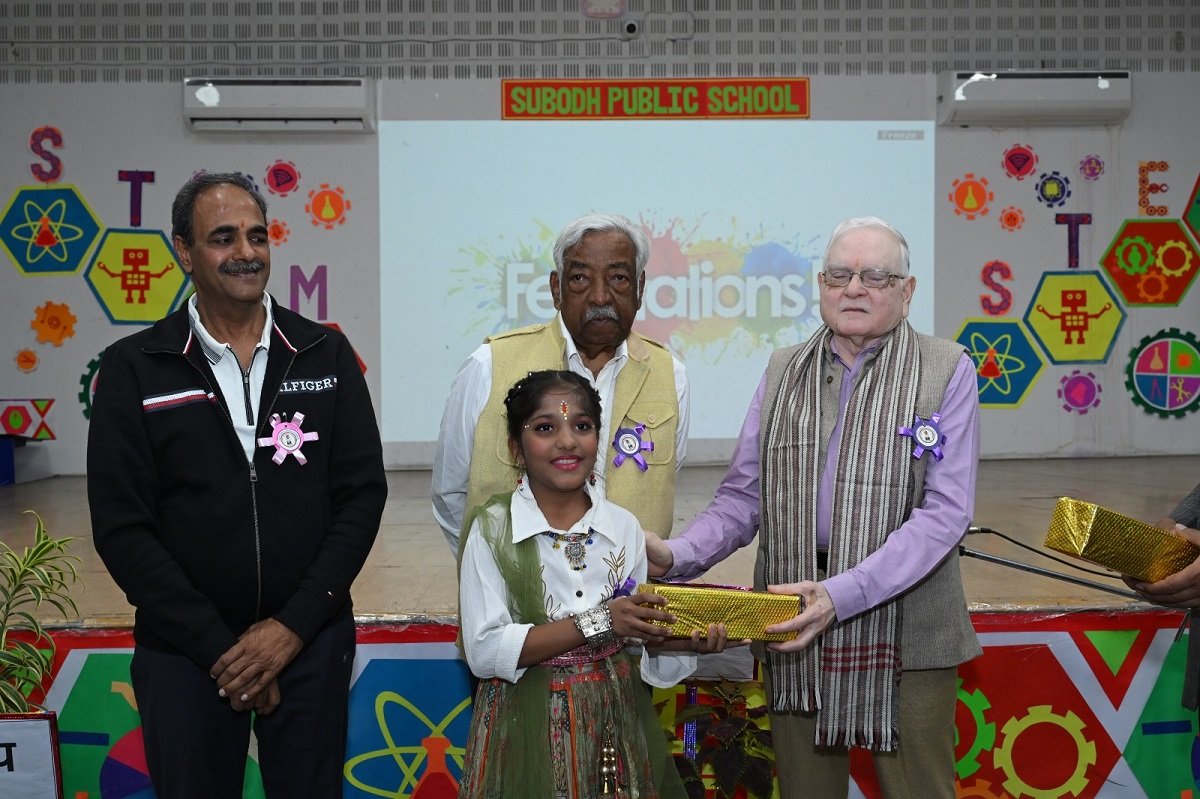
Jaipur,Dec.12,2025:Jain Education Presentation Program took centre stage at Subodh Public School, one of Jaipur’s leading CBSE-affiliated schools founded under the Shri S.S. Jain Subodh Shiksha Samiti. The institution, renowned for combining academic excellence with moral culture, hosted this event on 11th December 2025 to foster deeper awareness of Jain philosophy and values among youth.
The program was attended by an enthusiastic audience that included over 300 participating students, about 350 parents, and 50 teachers — making it an extraordinary community-wide celebration. The Jain Education Presentation Program created a meaningful platform that blended education, culture, religion, and artistic expression.

Jain Education Presentation Program
Right from the beginning of the event, the Jain Education Presentation Program emphasized core Jain values such as compassion, non-violence (Ahimsa), self-discipline, knowledge, and respect for all beings.
Purpose of the Program
The main objective was clear
- To increase awareness of Jain philosophy and values among students
- To promote moral education and cultural appreciation
- To encourage young minds to adopt and practice ethical living principles
Through this program, Subodh Public School aimed to nurture not only intellectual excellence but also emotional and spiritual growth in its students.
Student Performances That Stole the Show
The heart of the Jain Education Presentation Program was the student performances, crafted around Jain literature, values, and philosophy.
Navakar Mantra and Chanting
The event began with students reciting the Navakar Mantra, the most sacred prayer in Jainism — a profound act of devotion and meditation central to Jain belief. Their disciplined expression conveyed respect and sincerity.
Presentations on 24 Tirthankaras
Students delivered informative speeches and recitations of the names of 24 Tirthankaras, honouring the enlightened teachers in Jain tradition.
Musical and Cultural Performances
- Musical instruments accompanied several pieces, highlighting devotion and introspection.
- Bhajans (devotional songs) brought spiritual resonance and united the audience in cultural reverence.
- Dance performances based on Jain literature added aesthetic beauty and emotional impact.
Each performance was structured not just for entertainment, but to reflect core ethical teachings, making the Jain Education Presentation Program powerful and memorable for everyone present.

Significant Highlights and Guest Appearances
The event received strong support from religious leaders and educational dignitaries, elevating its reach and influence.
Chief Guests and Officials Present
Among notable attendees
- Shri S.S., Secretary of Jain Subodh Education Committee
- Mr. Sumer Singh Ji Bothra, Chief Guest
- R.C. Jain Sahab, Vice President
- Shri Alok Kumar Ji Bamb, School Convenor
- Principal Dr. Sanjay Parashar
- Shri Sunil Ji Kothari
- Nipun Ji Daga
- Mrs. Sunita Ji Daga
These influential figures brought attention to the value of cultural education and applauded the school’s commitment to integrating moral teachings into student life.
“Jain Sanskar Ki Or” by Sunita Ji Daga
One of the most notable moments of the Jain Education Presentation Program was the launch of the book “Jain Sanskar Ki Or” written by Mrs. Sunita Ji Daga.
This publication adds a significant resource to Jain educational literature and encourages readers — especially young learners — to deeply understand and practice Jain ethical principles. Books like this help broaden philosophical perspectives and enrich moral education beyond the classroom.

Why This Event Matters for Education Today
The Jain Education Presentation Program was not just a school event — it was a milestone in value-based education.
Building Emotional and Moral Intelligence
Teaching children to think deeply about compassion, self-discipline, and community care contributes to emotional intelligence, which is increasingly recognized as essential in modern education. Education experts agree that fostering moral understanding alongside academic instruction builds better citizens.
Promoting Cultural Respect
In today’s multicultural world, cultural education helps students communicate with respect, embrace diversity, and uphold tradition. Tying ancient Jain values with contemporary schooling enables students to connect heritage with global citizenship.
Community and Cultural Impact
With over 350 parents in attendance, the Jain Education Presentation Program influenced not just students but the entire family community.
Parents appreciated the school’s efforts to blend academic rigour with deep moral understanding. Teachers also expressed pride in student participation and noted how such events strengthen community bonds, encourage family involvement, and help students practice leadership and public speaking.
The Jain Education Presentation Program at Subodh Public School was a clear success — a celebration that brought together students, families, educators, and religious scholars around shared values of peace and ethical living.
Events like this are essential in nurturing future generations who are not only academically proficient but also morally grounded. As schools increasingly adopt value-centric programs, it is hopeful that similar initiatives will continue influencing young minds across India’s educational landscape.
Breaking News
Nrityanjali National Festival 2025 showcased India’s classical dance brilliance with Kathak, Bharatanatyam-
Contents
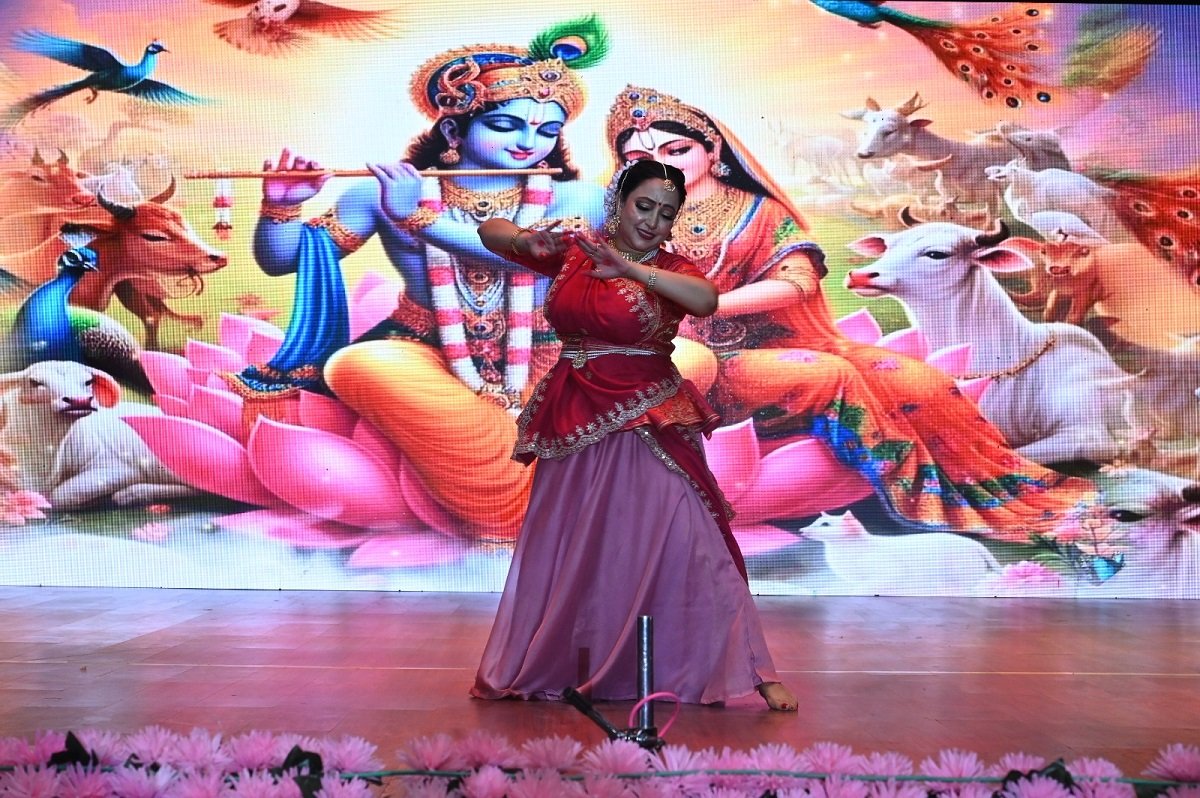
Ajmer,,Dec.08,2025:The Nrityanjali National Festival 2025 stood out this year as one of Ajmer’s most culturally enriching events, radiating the power and purity of Indian classical dance. The festival successfully showcased a blend of bhaav, raag, and taal, bringing audiences closer to the emotional essence of traditional dance forms.
The festival’s central theme revolved around devotion, discipline, and artistic excellence—values deeply connected to the life and teachings of the legendary Kathak exponent Dr. Nupur Roy.


A Heartfelt Tribute to Dr. Nupur Roy
The opening moments of the Nrityanjali National Festival 2025 were deeply emotional as artists, students, and dignitaries paid homage to Late Dr. Nupur Roy on her 83rd birth anniversary.
A floral tribute before her portrait marked the beginning of the event.
Dr. Roy founded Vividha Kala Evam Sanskritik Sanstha in 1998 with the sole purpose of nurturing classical art forms among children and youth.
Her legacy continues to inspire thousands who learned Kathak under her guidance, making the festival not only a cultural event but also a celebration of her lifelong dedication to Indian classical dance.
Grand Inauguration Graced by Eminent Personalities
The Nrityanjali National Festival 2025 had a prestigious opening as several distinguished guests inaugurated the event by lighting the ceremonial lamp.
Among the dignitaries were
- Rajasthan Legislative Assembly Speaker Prof. Vasudev Devnani
- Editor-in-Chief of Dainik Navjyoti Shri Dinbandhu Chaudhary
- Swami Shivjyotishanand Maharaj of Sanyas Ashram
- Ajmer City Congress President Rajkumar Jaipal
- Kota University Vice Chancellor Shri B.P. Saraswat
- Former Vice Chancellor Prof. Naresh Dadheech
- ND Mathur from Vivekananda Global University, Jaipur
- BJP District President Shri Ramesh Soni
Their presence added prestige and recognition to the cultural significance of the festival.
Kathak, Bharatanatyam & Bollywood Classical Fusion Enthrall Audience
The Nrityanjali National Festival 2025 opened with a spiritually uplifting performance of Durga Stuti and Shiv Stuti, presented by students of Ajmer Kathak Kala Kendra under the guidance of vocalist Karuna Gaur.
The festival’s dance presentations reflected excellence in Indian classical traditions
- Kathak performances highlighted graceful spins, rhythmic footwork, and expressive storytelling.
- Bharatanatyam presentations brought alive the precision and sculpturesque beauty of the dance form.
- Bollywood-style classical fusions added a contemporary flavor while maintaining classical roots.
Audiences described the performances as “magnetic, soulful, and spiritually elevating,” setting the tone for the rest of the evening.
Students from Ajmer Schools and Colleges Illuminate the Stage
One of the major attractions of the Nrityanjali National Festival 2025 was the enthusiastic participation from various schools and colleges across Ajmer. Students presented group dances representing diverse cultural themes.
Their energetic and synchronized performances highlighted
- Youthful talent
- Cultural diversity
- Strong classical training
- Growth of performing arts in Ajmer
Parents, teachers, and audience members applauded the students’ dedication and stage confidence.
Special Performances by Renowned Artists Elevate Nrityanjali National Festival 2025
The highlight of the evening was the outstanding performance by Drishti Roy, President of Vividha Sanstha and a noted Kathak dancer.
Her soulful rendition of the Krishna Bhajan “Piya Tose Laga Jo Ye Man” left the audience spellbound.
Additionally, two accomplished dancers trained at the Delhi Kathak Kendra—
- Neha Vashistha
- Vishakha Tiwari Mishra
—presented mesmerizing Kathak recitals that showcased impeccable technique, rhythmic mastery, and expressive elegance.
Their contribution added artistic depth to the event, making it a memorable cultural showcase.

Legacy of Vividha Sanstha and Ajmer Kathak Kala Kendra
The Nrityanjali National Festival 2025 reflects the long-lasting commitment of Vividha Kala Evam Sanskritik Sanstha and Ajmer Kathak Kala Kendra, both affiliated with the Rajasthan Sangeet Natak Akademi.
Key highlights of the institution’s legacy
- Founded on 8 May 1998 by Late Dr. Nupur Roy
- Non-profitable society dedicated to art education
- Trained thousands of young girls in Kathak over 27 years
- Regularly organizes classical dance and music programs
- Provides performance platforms to emerging artists
- Promotes Indian classical music and dance among the masses
Their mission is to ensure that future generations remain rooted in India’s cultural values through classical arts.
Cultural Impact and Vision of Nrityanjali National Festival 2025
The festival played a vital role in promoting cultural awareness and artistic sensitivity among the youth. Through performances, workshops, and public events, the festival emphasized
- Importance of classical training
- Preservation of traditional dance forms
- Encouraging young artists
- Cultural bonding in the community
Such festivals help strengthen India’s cultural fabric while ensuring that classical arts continue to flourish.
Organizing Team and Vote of Thanks
The success of Nrityanjali National Festival 2025 was made possible by the dedicated team members of Vividha Sanstha, including
- K.K. Gaur
- Kiran Puri
- Govind Rotela
- Uttam Sharma
- Mahesh Balaheri
At the conclusion of the event,
Dr. Bandana Chakravarty,
President & Director Drishti Roy, and
Cultural Secretary Kalpana Kaswa
extended heartfelt gratitude to all dignitaries, dancers, parents, media representatives, and guests for their support.
Credent TV
Ekatva Annual Function 2025: A Grand Celebration of Talent, Unity & Learning at Maheshwari Public School, Kalwar Road
Ekatva Annual Function 2025 at Maheshwari Public School, Kalwar Road, showcased powerful performances, women empowerment themes, NEP-inspired skits, and student achievements during a grand celebration.

Contents
Jaipur, 28 Nov. | Maheshwari Public School, Kalwar Road, hosted the Ekatva Annual Function 2025 with remarkable grandeur on November 28, 2025. The theme “EKATVA – Learning Together, Growing Together” set the perfect tone for a day dedicated to unity, collective progress, and holistic development. This year’s annual celebration emerged not only as an academic and cultural milestone but also as a testament to the school’s commitment to national values, women empowerment, and progressive education.
Ekatva Annual Function 2025: A Celebration of Collective Growth
The Ekatva Annual Function 2025 marked a vibrant display of Maheshwari Public School’s vision of education rooted in collaboration, inclusivity, and continuous growth. The theme emphasized that true learning happens when students, teachers, parents, and the community evolve together—an idea deeply aligned with modern educational philosophies and the core principles of NEP 2020.
From cultural presentations to thought-provoking performances, the function encapsulated the school’s dedication to nurturing responsible, confident, and value-driven individuals.
Grand Inauguration with Traditional Rituals
The ceremony began with the auspicious lighting of the ceremonial lamp, accompanied by Vedic mantras, invoking divine blessings for knowledge, wisdom, and prosperity. The solemnity of the ritual established a spiritual foundation for the day’s events, reminding everyone that tradition and modernity can harmoniously coexist.
The school orchestra followed, delivering a mesmerizing performance that captivated the audience. Their symphony of classical and contemporary melodies added an energetic pulse to the event, setting a lively and celebratory atmosphere.
Student Performances That Brought the Theme to Life
The heart of the Ekatva Annual Function 2025 lay in the stunning performances by the students. Each performance was carefully conceptualized to reflect unity, shared learning, and social harmony.
Key Highlights:
- Vibrant group dances symbolizing togetherness
- Thematic skits showcasing community values
- Folk and contemporary fusion performances
- Inspirational narrations by young learners
The students’ confidence, discipline, and creativity stood out. Parents and guests applauded every act, especially the ones portraying teamwork and emotional connection.
Ekatva Annual Function 2025 Highlights NEP 2020 & Women Empowerment
One of the most powerful segments of the evening was the students’ presentation on the National Education Policy (NEP) 2020. Through engaging skits, dramatic sequences, and choreographed movements, the students depicted key elements of NEP such as:
- holistic development
- experiential learning
- flexibility in subject selection
- vocational exposure
- integration of art and sports
Another compelling act showcased women empowerment—a theme that resonated deeply with the audience. Students celebrated the strength, determination, and resilience of women through expressive dance sequences, poetry recitations, and visual storytelling.
The audience praised the school for encouraging its students to address socially relevant themes through education and art.
Recognizing Excellence: Prize Distribution Ceremony
The Prize Distribution Ceremony honored students who exhibited outstanding performance across academics, sports, and co-curricular activities. Awards were presented to:
- Academic toppers
- Sports achievers
- Art & cultural performers
- Students demonstrating leadership & discipline

The school emphasized that each award represented not just personal success but the spirit of Ekatva, where teachers, parents, and peers play a collective role in shaping student achievements.
Distinguished Guests Who Graced the Occasion
The presence of esteemed dignitaries elevated the prestige of the event.
Chief Guest
- Hon’ble Deputy Chief Minister of Rajasthan, Ms. Diya Kumari
Guest of Honour
- Retd. Deputy Inspector General of Police (ACB), Shri Lalit Maheshwari
Special Guests
- Shri Bajrang Jakhotiya, Former President, ECMS Jaipur
- Shri Ashok Baheti, Renowned Businessman & Social Worker
Other Key Attendees
- Chairman: Shri Umesh Soni
- Vice Chairman: Shri Nirmal Dargar
- General Secretary (Education): Shri Kamal Somani
- Treasurer: Shri Arun Kumar Maloo
- Honorary Secretary: Shri Ashish Mantri
- Building Secretary: Shri Ravi Periwal
The dignitaries praised the students for their talent and applauded the school for its progressive and value-based educational approach.
Inspiring Messages by School Leadership
Message from Honorary Secretary Shri Ashish Mantri
He encouraged the students to focus not only on their academics but also on co-curricular activities, emphasizing that holistic development includes:
- mental and physical growth
- character building
- teamwork and discipline

Vote of Thanks by Building Secretary Shri Ravi Periwal
He expressed gratitude to the guests, faculty, parents, and students for making the event a grand success.
Annual Report Presented by Principal Dr. Sunita Vashishtha
The Principal highlighted:
- the school’s year-long achievements
- academic excellence
- sports accomplishments
- new initiatives towards skill development and holistic learning
Her speech reflected the institution’s dedication to shaping future-ready learners.
Why Ekatva Annual Function 2025 Stands Out
The Ekatva Annual Function 2025 was more than just a cultural event—it was a reflection of the school’s educational philosophy. Several elements made the day special:
Integration of cultural and educational values
Themes like NEP 2020 and women empowerment gave depth and relevance to the performances.
Strong community participation
Teachers, parents, committee members, and students worked together, embodying the spirit of Ekatva.
Focus on holistic development
From music to theatre, from sports awards to academic excellence—every aspect of student growth was recognized.
Presence of renowned dignitaries
Their motivational words encouraged students to dream big and work harder.
Professional-level stage performances
The choreography, scripting, and stage design were executed with finesse, offering an entertainment experience of high quality.
The Ekatva Annual Function 2025 at Maheshwari Public School, Kalwar Road, was a resounding success—an event that beautifully blended tradition, education, culture, and social awareness. With inspiring performances, meaningful themes, and appreciation of talent, the event truly embodied the idea of “Learning Together, Growing Together.”
As the school continues to invest in the holistic development of its students, programs like this reinforce its vision of shaping confident, responsible, and compassionate future citizens.

Yuvaam 2026: A Grand Celebration of Excellence, Culture, and Inspiration in Jaipur

International Women’s Day 2026: 7 Powerful Highlights from the Inspiring Jaipur Celebration by Dr. Ambedkar Memorial Welfare Society

UGC Act 2026: 5 Powerful Demands Raised in Rajasthan to End Campus Discrimination

UKG Graduation Ceremony at St. Xavier’s School Nevta: 7 Heartwarming & Inspiring Moments from a Grand Spiritual Celebration

Indian Art History Congress 2026: 5 Powerful Insights from Dr. Renu Shahi’s Groundbreaking Satire Art Research in Bengaluru

ICU Patient Attack Case exposes disturbing police retaliation as the High Court cancels an FIR against a critically injured victim-

Priyansh Arya: The Six-Hitting Sensation of IPL 2025

Preity Zinta Spotted with New Punjab Kings Hero Priyansh Arya in Viral Clip

Nag Panchami 2025: 7 Key Rituals and Puja Time to Eliminate Kaal Sarpa Dosha

Radhika Merchant: A New Chapter as Radhika Ambani

Balen Shah, Kathmandu’s independent mayor, from rapper to political leader. Explore his rise amidst Nepal’s youth-led revolution-

Kanya Pujan 2025 Step-by-Step Rituals, Timings, and Powerful Benefits Explained-

best career opportunities | Jaipur Career Fair | Credent TV | Dainik Navjyoti D2S03

what is reiki healing | Mental Health | Shiksha Sarokar, शिक्षा सरोकार, Sunil Narnaulia

DAV Centenary Public School, Vaishali Nagar, Jaipur hosts Successful ‘Mind Wars Quiz: A Battle of Wits and Knowledge’

 Breaking News1 month ago
UGC Act 2026: 5 Powerful Demands Raised in Rajasthan to End Campus Discrimination
- Breaking News1 month ago
International Women’s Day 2026: 7 Powerful Highlights from the Inspiring Jaipur Celebration by Dr. Ambedkar Memorial Welfare Society
- Credent TV1 month ago
UKG Graduation Ceremony at St. Xavier’s School Nevta: 7 Heartwarming & Inspiring Moments from a Grand Spiritual Celebration
- Art1 month ago
Indian Art History Congress 2026: 5 Powerful Insights from Dr. Renu Shahi’s Groundbreaking Satire Art Research in Bengaluru
- Art1 week ago
Yuvaam 2026: A Grand Celebration of Excellence, Culture, and Inspiration in Jaipur
