Breaking News
Saudi Arabia UAE Tensions 2026- Alarming Power Shifts That Could Deepen Pakistan’s Crisis-













New Delhi | 14 Sep 2026
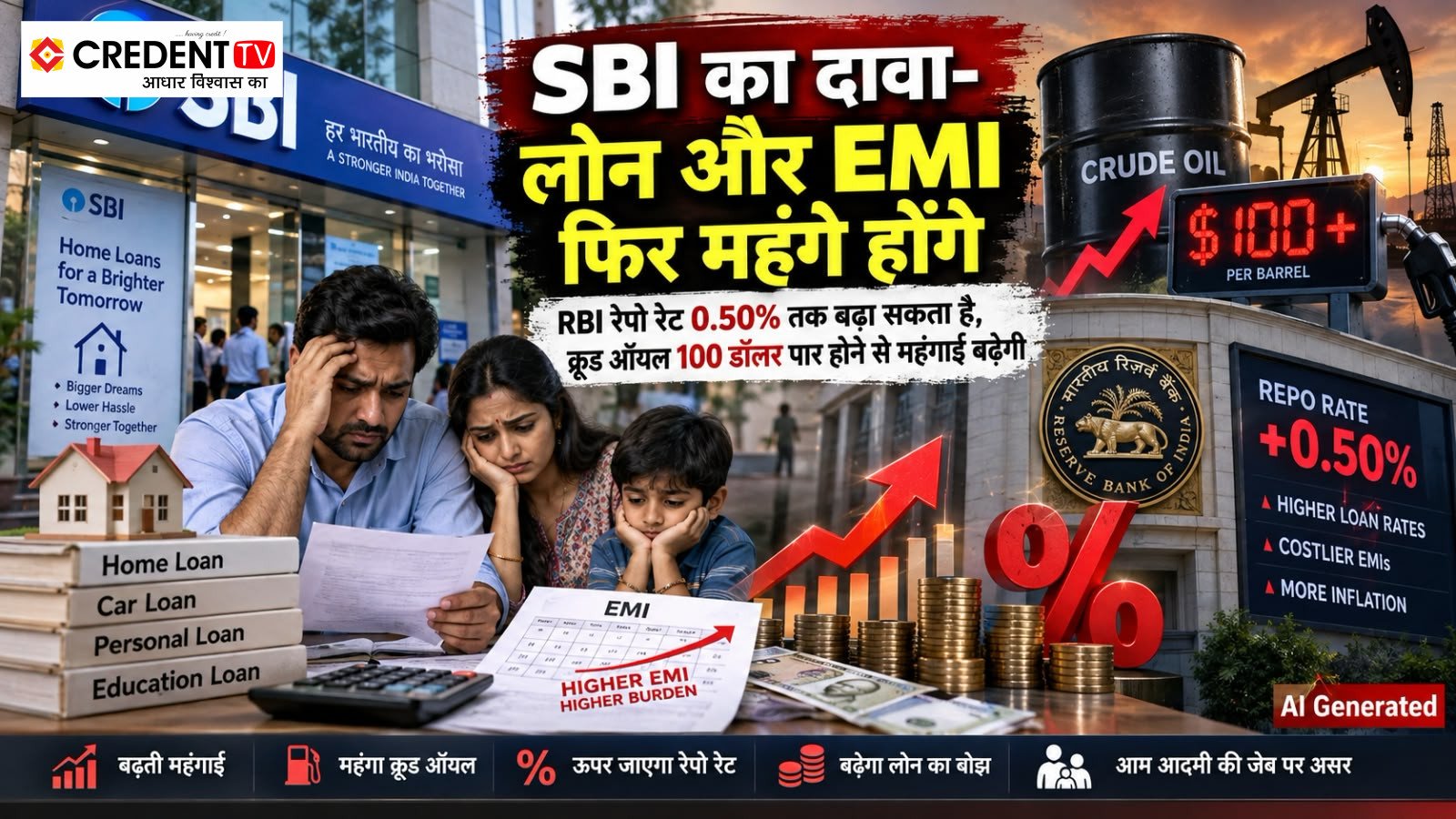
Home loan and other floating-rate borrowers could face higher borrowing costs if the Reserve Bank of India raises the repo rate in the coming months, as advocated by SBI Research. Its latest Ecowrap report has called for a 25-basis-point increase in October followed by another 25-bps rise in December, citing crude oil prices above $100 a barrel, external shocks and growing inflation risks.
SBI Research advocates RBI repo rate hike in October and December
SBI Research has recommended that the RBI raise the policy repo rate by 25 basis points at the next Monetary Policy Committee meeting and consider another 25-bps increase in December. If both increases are implemented, the cumulative rise would be 50 basis points, or 0.50 percentage point.
The recommendation is not an RBI decision. The central bank has kept the repo rate unchanged at 5.25% for four consecutive policy reviews, including its August 2026 meeting. The next MPC meeting is scheduled for 5-7 October.
“We strongly advocate a 25-bps rate hike in the upcoming October policy.”— SBI Research, Ecowrap report
SBI Research said the economic environment had changed significantly over the past month, with elevated energy prices and wider inflationary pressures increasing the case for monetary tightening.
What an RBI rate hike could mean for home loan EMIs
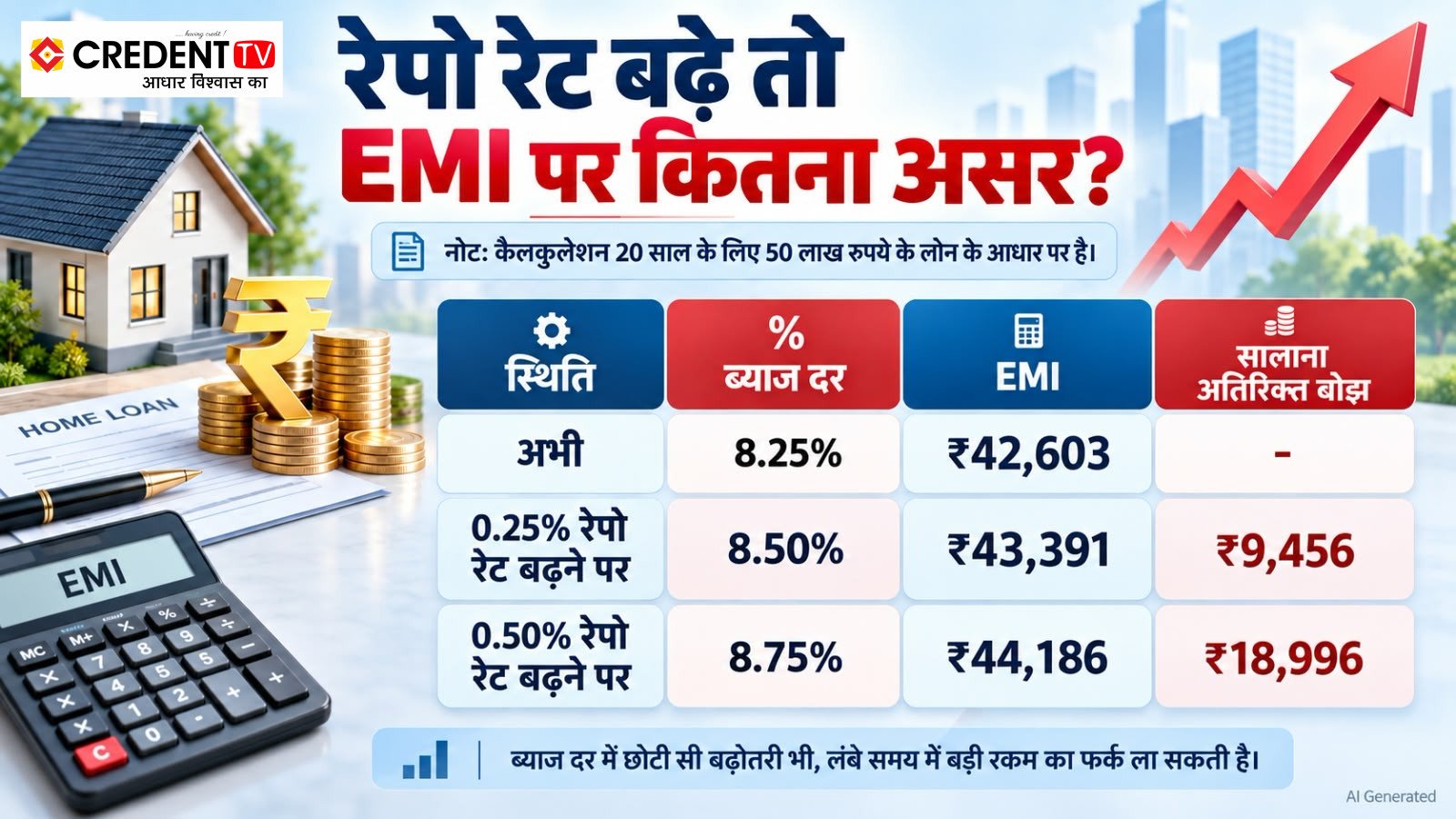
A higher repo rate can eventually make loans more expensive, particularly for borrowers whose floating-rate loans are linked to an external benchmark such as the RBI repo rate.
If banks transmit a higher policy rate to customers, borrowers could see their lending rates revised at the applicable reset date. Depending on the loan agreement and lender policy, this may result in a higher monthly EMI, a longer repayment tenure or a combination of the two.
The impact would not necessarily be immediate or identical for every borrower. Fixed-rate loans and loans linked to other benchmarks may respond differently.
Crude oil above $100 raises inflation concerns
The SBI Research assessment comes as international crude oil prices have moved above $100 a barrel amid heightened geopolitical uncertainty. India, which imports most of its crude oil requirements, is particularly sensitive to prolonged increases in global energy prices.
Higher crude prices can affect transportation, fuel, manufacturing and logistics costs, potentially feeding into consumer inflation. They can also put pressure on the rupee and India’s current account position.
SBI Research said one of its models indicated crude prices could reach $123 a barrel over a 15-day period under a higher-risk scenario, while another model projected an average closer to $105 a barrel. These are estimates rather than confirmed future prices.
Inflation outlook puts October RBI MPC meeting in focus
SBI Research said inflationary pressure was showing signs of becoming more broad-based, including in areas such as crude petroleum and natural gas, beverages, pharmaceuticals and electronics.
The report estimated that if crude oil prices remain elevated, inflation in October and November could move towards 6.5% or higher. The trajectory of food prices, energy costs, the rupee and global financial conditions will therefore remain important ahead of the October RBI policy decision.
RBI Governor Sanjay Malhotra has meanwhile maintained that the prevailing monetary policy remains appropriate, while the central bank continues to monitor inflation, liquidity and external risks.
RBI has not announced a 0.50% repo rate increase
Borrowers should note that the proposed increases are recommendations from SBI Research and not a confirmed RBI decision. The Monetary Policy Committee will independently decide the repo rate after evaluating inflation, economic growth and financial conditions.
If the RBI ultimately follows the two-step path suggested by SBI Research, the repo rate would rise from the current 5.25% to 5.50% after a 25-bps increase and to 5.75% after a further 25-bps rise. Such a move could raise borrowing costs for eligible floating-rate home, vehicle and personal loans, subject to individual banks’ transmission and reset mechanisms.
RBI repo rate hike, RBI repo rate 2026, SBI Research repo rate, home loan EMI increase, loan EMI hike, RBI MPC October 2026, crude oil price India, India inflation 2026, home loan interest rate
#RBIRepoRate #HomeLoanEMI #RBI #SBIResearch #Inflation

Breaking News
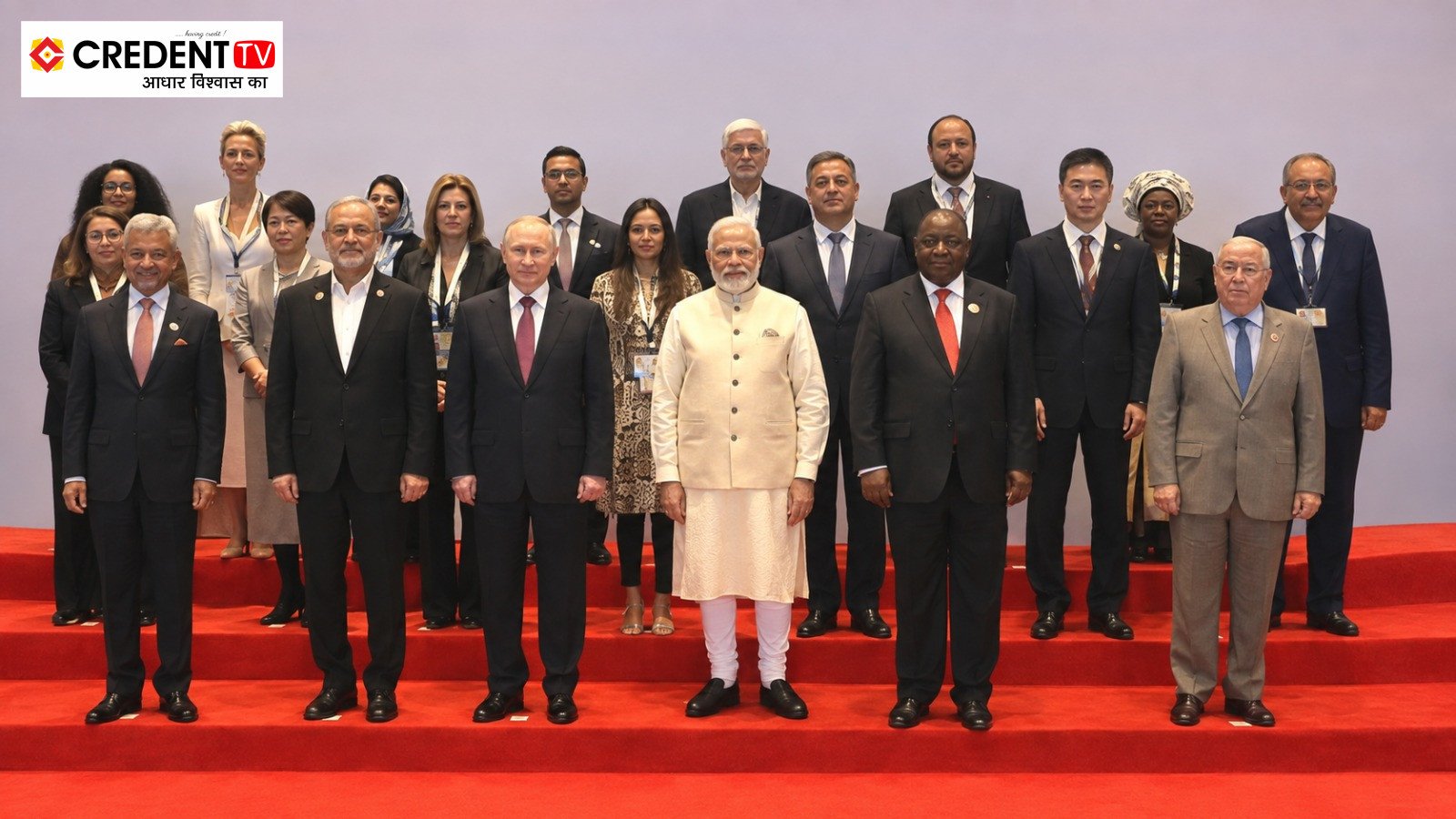
BRICS Summit 2026 Backs Local-Currency Trade as India Clarifies Common Currency Position


New Delhi | 11 Sep 2026
Prime Minister Narendra Modi and Russian President Vladimir Putin held bilateral talks in New Delhi on Friday, reviewing cooperation in trade, energy, defence and technology ahead of the 18th BRICS Summit.
The meeting covered the broader India-Russia strategic partnership, including civil nuclear energy, fertilisers, critical minerals, manufacturing, railways and steel. Defence proposals involving the Su-57 fighter aircraft, S-400 air-defence system and BrahMos missile programme were also expected to feature in the discussions.
Modi-Putin meeting puts defence cooperation in focus
Russia has proposed supplying its Su-57 fifth-generation fighter aircraft to India and has expressed readiness to discuss technology sharing and domestic production. India had not announced any purchase or production agreement at the time of reporting.
The two sides were also expected to review the remaining S-400 deliveries and long-term maintenance arrangements. A proposed upgrade of India’s Su-30MKI fleet and future cooperation on advanced air-defence systems have formed part of wider defence discussions.
India and Russia are separately examining improvements to the jointly developed BrahMos supersonic cruise missile. The proposed BrahMos-NG would be lighter than the existing system and designed for integration with a wider range of aircraft, including the Tejas fighter.
Trade, energy and Ukraine discussed
Modi and Putin discussed expanding bilateral trade and developing reliable payment and transport mechanisms. India and Russia have explored greater use of national currencies while seeking solutions to the imbalance created by India’s substantially higher imports from Russia.
Energy remains central to the relationship. India has defended its purchases of Russian oil by citing the need for secure, affordable and dependable supplies for its population and economy.
Modi reiterated India’s position that the conflict in Ukraine should be resolved through dialogue and diplomacy. New Delhi has said it supports credible efforts aimed at achieving peace while continuing its economic engagement with Moscow.
Civil nuclear cooperation, including existing Russian involvement at the Kudankulam Nuclear Power Plant and the possibility of additional projects, was also expected to receive attention.
BRICS Business Forum draws more than 2,000 delegates
Commerce and Industry Minister Piyush Goyal said more than 2,000 business leaders and delegates from BRICS member and partner countries attended the BRICS Business Forum. Discussions covered non-tariff barriers, global value chains, agriculture, services, women-led enterprises and the digital economy.
International delegations arrive in New Delhi
Nigerian Vice-President Kashim Shettima arrived in India to participate in the BRICS Summit, joining leaders and senior representatives from member, partner and invited countries.
United Nations Secretary-General António Guterres also arrived in New Delhi and was received at the airport by Union Minister Sukanta Majumdar.
Foreign ministers hold bilateral consultations
External Affairs Minister S. Jaishankar met Brazilian Foreign Minister Mauro Vieira at Hyderabad House. Their discussions covered bilateral relations and international issues ahead of the summit.
Modi also presented Putin with a Russian translation of the Thirukkural, the classical Tamil work attributed to poet-philosopher Thiruvalluvar, during their engagement in New Delhi.
Indian cuisine and millets feature in summit hospitality
Hotels accommodating BRICS delegates prepared Indian menus featuring millet-based dishes. Amit Biswas, executive sous chef at The Lalit New Delhi, said the menu was designed to promote millets while serving the requirements of international guests.
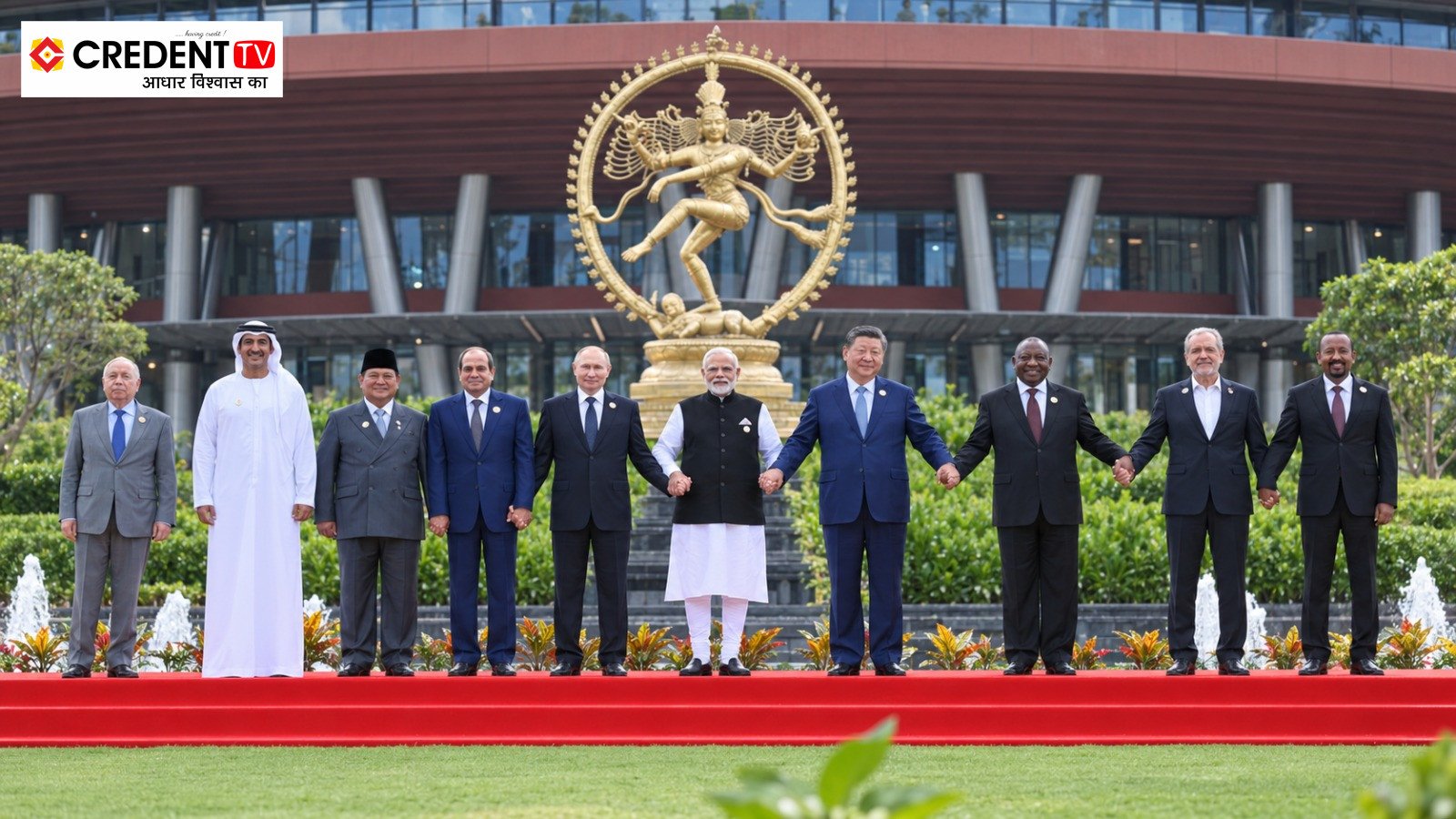
The BRICS leaders’ summit is scheduled for 12 and 13 September at Bharat Mandapam. Leaders are expected to discuss economic cooperation, global governance, trade, financial coordination, sustainable development and current international conflicts.


Subodh Public School Rambagh Honours Sanitation Staff for Dedicated Service

Trump-Linked Powerus Plans Drone Production Partnership With Pakistan Army

October 2026 Rules: LPG Subsidy, SBI ATM and UPI Changes Explained

Yemen conflict escalation: हिंसा बढ़ने से हैजा-खसरे के फैलाव का खतरा

DRC Ebola outbreak: WHO says early care and oxygen can improve survival

8.3 Million Refugees Risk Losing Vital Assistance Amid Funding Cuts

Priyansh Arya: The Six-Hitting Sensation of IPL 2025

Top 10 Most Searched Topics on YouTube: What’s Trending Now?

Preity Zinta Spotted with New Punjab Kings Hero Priyansh Arya in Viral Clip

Nag Panchami 2025: 7 Key Rituals and Puja Time to Eliminate Kaal Sarpa Dosha

Radhika Merchant: A New Chapter as Radhika Ambani

Balen Shah, Kathmandu’s independent mayor, from rapper to political leader. Explore his rise amidst Nepal’s youth-led revolution-

best career opportunities | Jaipur Career Fair | Credent TV | Dainik Navjyoti D2S03

what is reiki healing | Mental Health | Shiksha Sarokar, शिक्षा सरोकार, Sunil Narnaulia

DAV Centenary Public School, Vaishali Nagar, Jaipur hosts Successful ‘Mind Wars Quiz: A Battle of Wits and Knowledge’

 Election3 weeks ago
Rajasthan Municipal Election Results 2026 Live Updates
- Breaking News1 month ago
Vaibhav Sooryavanshi’s Two-Wicket Duleep Trophy Spell Powers East Zone into Semi-finals
- Education3 weeks ago
OPT Fee Proposal Clears White House Review; $100,000 Figure Remains Unconfirmed
- Breaking News1 month ago
Savitribai Phule Award 2026 Honours 54 Women in Jaipur
- Breaking News1 month ago
SRN Ad-to-Pitch Challenge Tests Young Entrepreneurs in Jaipur
- Breaking News1 month ago
Reports Claim Pakistan Deployed Bayraktar TB2 Drones Near LoC
- Festival3 weeks ago
India Retail Inflation August 2026 Rises to 4.82% as Food Prices Climb
- International3 weeks ago
Houthi Drone Near Mecca: Saudi Arabia Intercepts UAV After Emergency Alert