Social Welfare
Throning: Gen Z’s New Dating Trend Merging Love and Social Status


Contents
Credent Desk ,Nov 12 2024 : In the ever-evolving landscape of dating, a new trend has emerged among Gen Z that is turning heads: throning. This phenomenon involves dating individuals primarily for their social status, influence, or clout rather than for genuine emotional connection. As social media continues to shape relationships, throning has become a popular way for young people to elevate their social standing while navigating the complexities of modern romance.
What is Throning?
Throning can be defined as the practice of dating someone not out of genuine affection but for the social perks they provide. This trend places partners on a metaphorical “throne,” where their value is determined by their social representation rather than their intrinsic qualities. Unlike traditional relationships that prioritize mutual attraction and shared values, throning emphasizes aligning with someone whose status can enhance one’s visibility and reputation.
The Influence of Social Media
The rise of throning is closely tied to the pervasive influence of social media platforms like Instagram, TikTok, and Facebook. In today’s digital age, a person’s online presence often dictates their desirability. Many young people are drawn to partners who can boost their social media profiles, leading to relationships that prioritize image over substance.
Why is Throning Gaining Popularity?
The Desire for Social Validation
One of the primary motivations behind throning is the quest for social validation. Gen Z individuals are increasingly seeking partners who can provide access to exclusive social circles and enhance their self-esteem. A study published in Science Advances found that dating app users often aim to match with partners who are approximately 25% more desirable than themselves, indicating a desire to elevate their status through association.
Short-Term Gains vs. Long-Term Fulfillment
While throning may offer temporary social benefits, experts warn that it often lacks the emotional depth necessary for lasting relationships. Relationship expert Stacy Thomson notes that connections based solely on social aspirations can lead to feelings of exploitation and resentment over time. As individuals prioritize status over genuine affection, they risk neglecting the emotional needs of their partners.
The Downsides of Throning
Superficial Connections
Throning can lead to superficial relationships where emotional intimacy takes a backseat. As individuals focus on projecting an idealized image on social media, they may overlook the importance of building strong connections based on friendship, mutual respect, and trust. This shift towards prioritizing visibility over authenticity can ultimately undermine the foundation of healthy relationships.
Emotional Consequences
Experts caution that relationships built on throning may result in emotional disconnection and dissatisfaction. When partners feel valued only for their social standing rather than their personal qualities, it can create an imbalance in the relationship dynamic. As a result, one partner may feel exploited or undervalued, leading to resentment and potential breakdowns in communication.
The Future of Dating: Navigating Throning
As throning continues to gain traction among Gen Z, it raises important questions about the future of dating culture. While expanding one’s social circle is a natural part of dating, disguising it as romance can be misleading and detrimental to emotional well-being.
Finding Balance
To navigate this trend successfully, individuals should strive for balance in their dating lives. While seeking partners with higher social status may be appealing, it’s essential to prioritize authentic connections that foster mutual respect and understanding. Engaging in self-reflection about one’s motivations for dating can help ensure that relationships are rooted in genuine affection rather than superficial aspirations.
Embracing Authenticity in Relationships
Throning represents a significant shift in how young people approach dating in a world dominated by social media and status-driven interactions. While it may offer short-term perks, experts emphasize that true fulfillment comes from authentic connections built on shared values and emotional intimacy. As Gen Z navigates this complex landscape, embracing authenticity will be key to fostering meaningful relationships that stand the test of time.




Biography
Dr. Preetha Katyal – A Transformational Force in Holistic Healing, Spiritual Empowerment & Human Consciousness

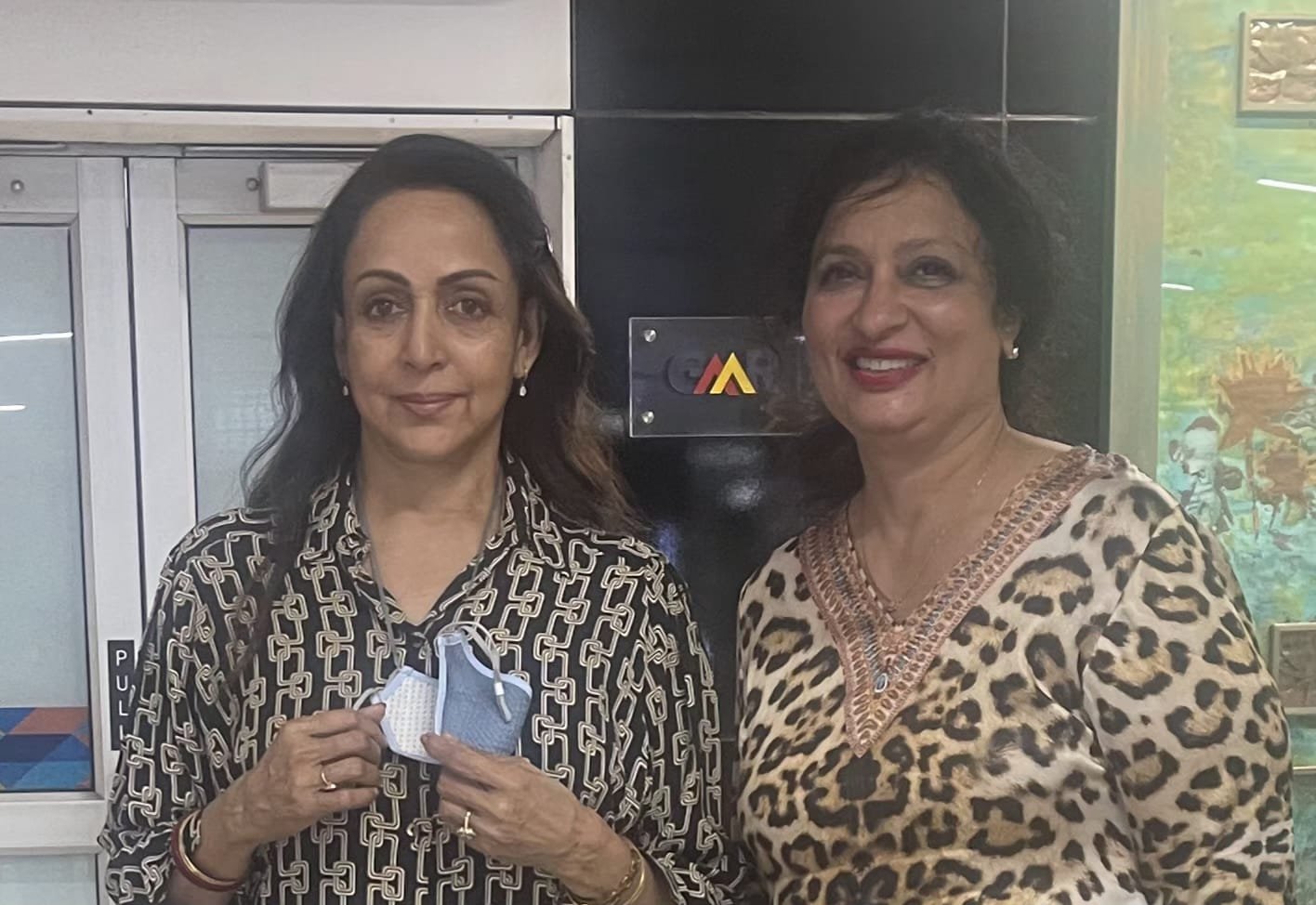
14 May, Credent TV | In a world increasingly overwhelmed by stress, emotional imbalance, uncertainty, and materialistic distractions, there are a few rare souls who dedicate their lives to healing humanity from within. One such inspiring name is Dr. Preetha Katyal – a renowned holistic healer, spiritual mentor, numerologist, tarot expert, Reiki Grandmaster, motivational speaker, and life management therapist whose work has touched countless lives across India.
Guided by the belief that “You get what you choose, so choose what you deserve,” Dr. Preetha Katyal’s journey is not just a professional success story — it is a deeply spiritual mission devoted to awakening inner strength, self-realization, and emotional healing in people from all walks of life.
A Spiritual Journey Rooted in Faith & Higher Consciousness
From a very young age, Dr. Preetha Katyal was deeply influenced by spirituality and the power of faith. Inspired greatly by her father, Mr. G. Chandra Shekhar Marar, she learned the importance of patience, positivity, and unwavering belief even during life’s most difficult phases.
Her spiritual awakening strengthened further after witnessing miraculous moments in her childhood that transformed her understanding of life, healing, and divine energy. While others lost hope during difficult circumstances, her family’s faith in the supreme power remained unshaken — a value that later became the foundation of her own healing philosophy.
Today, Dr. Preetha Katyal believes that every soul carries a divine purpose and that true transformation begins when individuals connect with their higher self.
Founder of “Divine Manifestations”
Driven by her vision to heal people emotionally, mentally, spiritually, and physically, Dr. Preetha Katyal founded Divine Manifestations, an Astro Research Centre dedicated to holistic sciences, meditation, tarot guidance, Reiki healing, spiritual counseling, manifestation techniques, and emotional wellness.
The center has become a guiding light for individuals seeking peace, clarity, healing, and personal transformation. Through her work, Dr. Katyal has helped people overcome emotional trauma, stress, karmic baggage, confusion, anxiety, and spiritual blockages.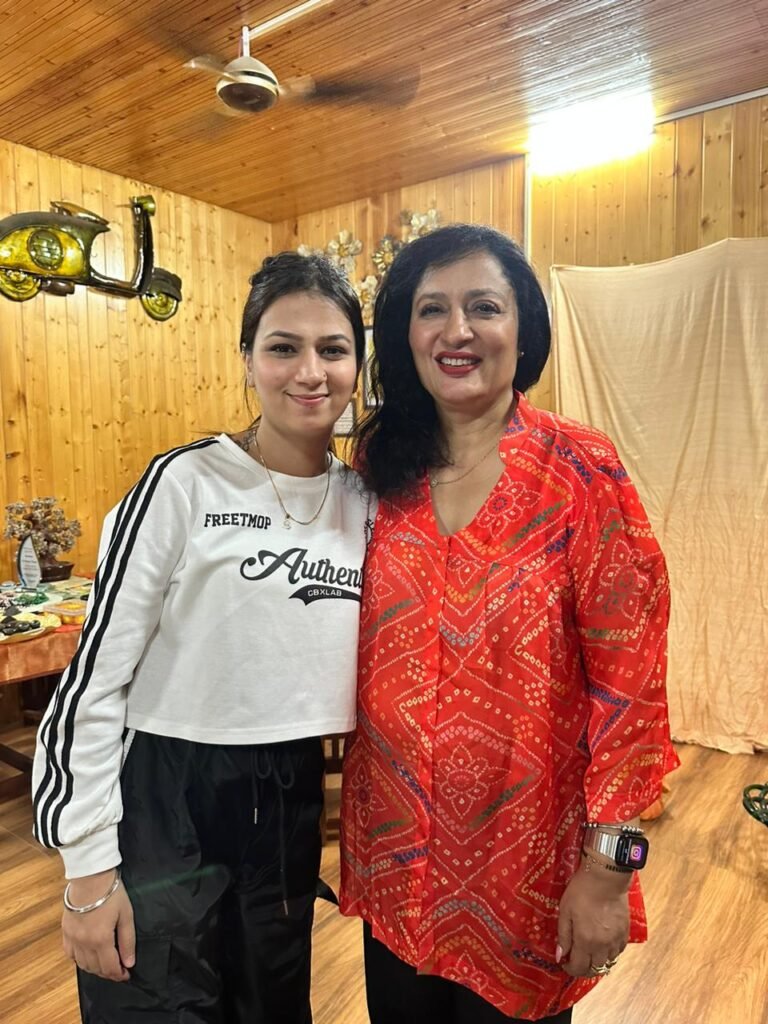
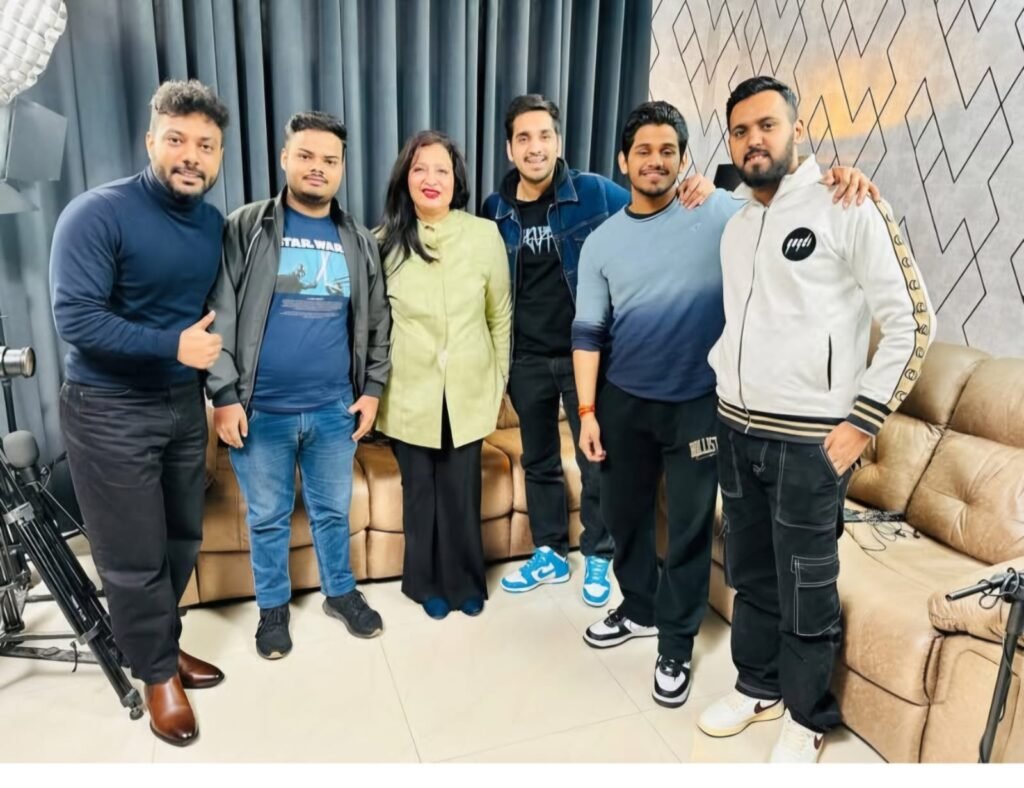
Expertise in Holistic Sciences & Healing Modalities
Dr. Preetha Katyal’s vast expertise spans multiple spiritual and healing disciplines, including:
- Numerology
- Tarot Reading & Tarot Teaching
- Reiki Healing & Reiki Grandmaster Practices
- Past Life Regression
- Transcendental Healing Practices
- Life Management Therapy
- Emotional & Mental Wellness Counseling
- Meditation & Mindfulness Guidance
- Vaastu Consultation
- Motivational Speaking & Spiritual Coaching
Known for her intuitive abilities and compassionate guidance, she has helped many individuals rediscover emotional balance, confidence, positivity, and inner peace.
Author of “Meditation – The Path to Self-Realization”
Adding another remarkable achievement to her journey, Dr. Preetha Katyal authored the book “Meditation – The Path to Self-Realization.”
The book shares more than 100 ways to meditate and is designed to help readers transform their lives through mindfulness, spiritual awareness, and emotional healing. Written in a simple and accessible style, the book has inspired many readers to reconnect with themselves and adopt a more peaceful, balanced lifestyle.
Empowering Society Through Voice & Wisdom
Apart from healing sessions and counseling, Dr. Preetha Katyal is also widely appreciated as a motivational speaker whose powerful voice inspires people to unlock their inner strength and spiritual potential.
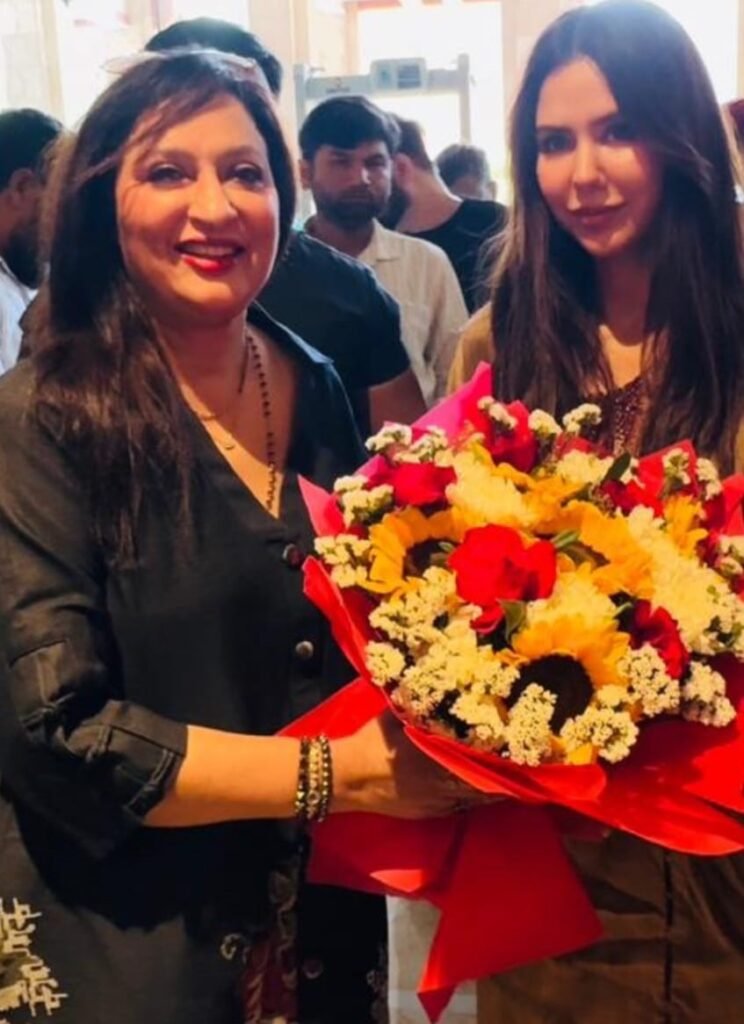
She frequently speaks on:
- Personality Development
- Self-Growth
- Emotional Healing
- Spiritual Awareness
- Positive Thinking
- Manifestation & Conscious Living
Her talks encourage individuals to rise above fear, negativity, and limitations while embracing self-belief and purpose-driven living.
Recognition, Awards & Achievements
Dr. Preetha Katyal’s dedication toward holistic sciences and human healing has earned her immense recognition and appreciation.
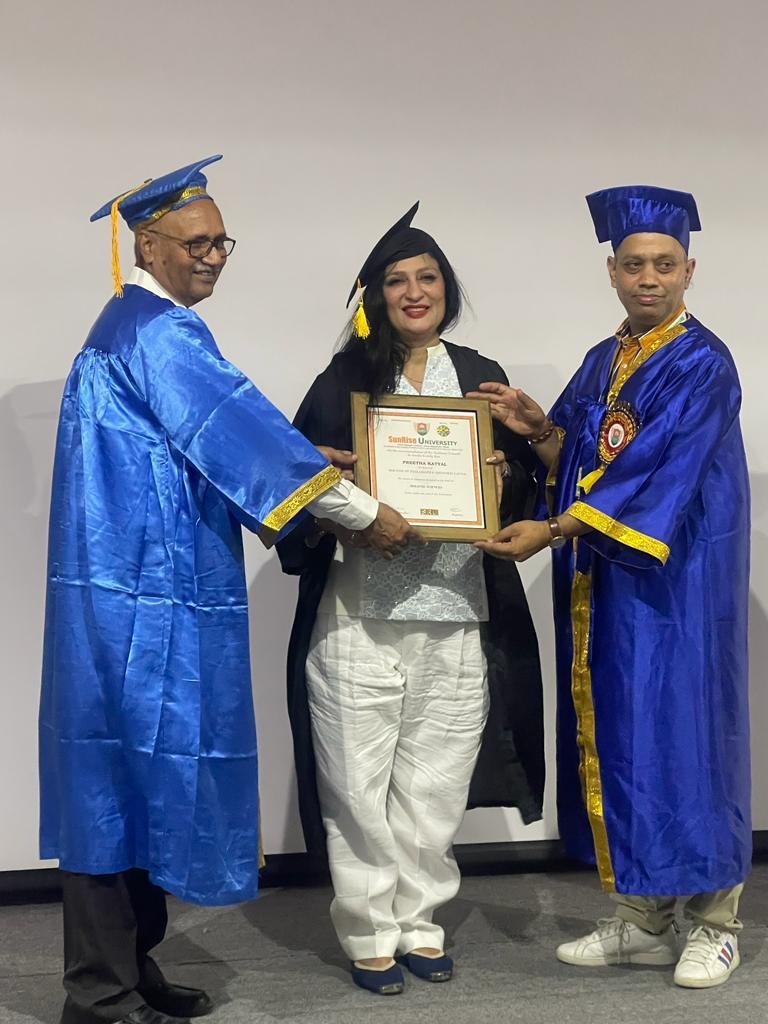
Some of her notable achievements include:
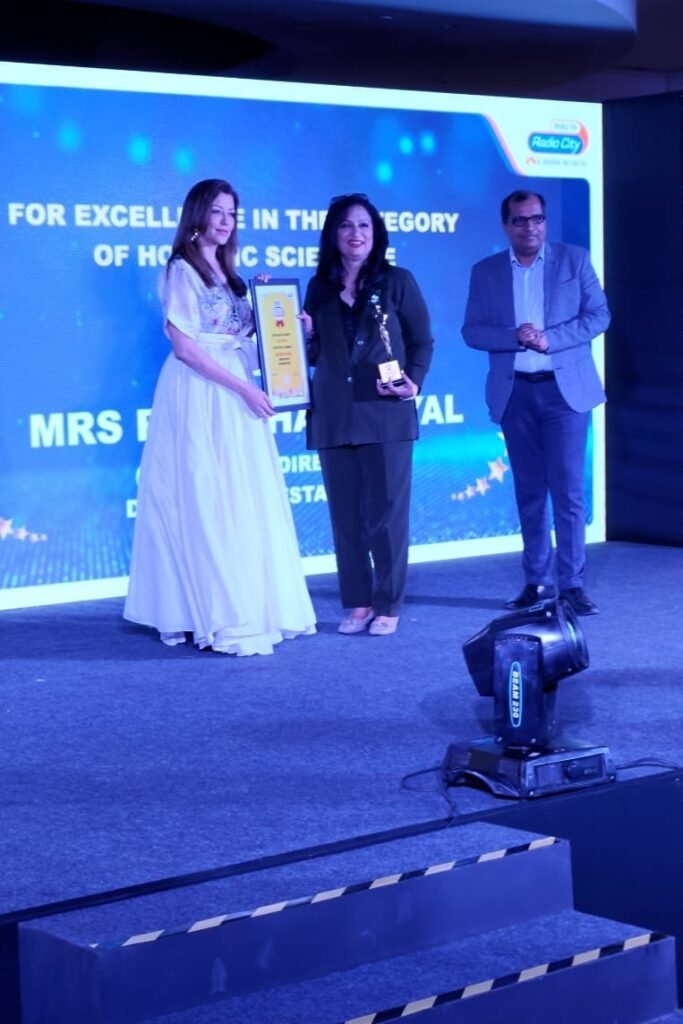
- Honoured by Radio City Sheroes for her brilliance in Holistic Sciences (2022–2023)
- Presented a Certificate of Merit by the Ministry of Education
- Invited as “Guest of Honour” by Shri Ram College of Commerce for a conference on Self-Development and Growth
- Successfully completed an Honorary Doctorate in Holistic Sciences from Sunrise University, Alwar, Rajasthan
- Earned recognition as a Reiki Grandmaster
- Extensive educational background in communication, media utilization, arts, radio, television, and research studies
Digital Spiritual Empowerment
Understanding the growing influence of digital platforms, Dr. Preetha Katyal has also stepped into the digital space to spread spiritual awareness and positivity among the younger generation.
Through her online content, she regularly shares:
- Manifestation Techniques
- Healing Guidance
- Spiritual Wisdom
- Ways to Attract Abundance & Positivity
- Meditation Practices
- Emotional Wellness Tips
Her mission is to make holistic sciences more accessible and meaningful for modern society.
A Beacon of Hope for Humanity
Those who have interacted with Dr. Preetha Katyal often describe her as a compassionate guide, healer, and light worker who brings positivity wherever she goes. Her life’s mission continues to revolve around helping people discover hope during darkness, strength during emotional struggles, and peace amidst chaos.
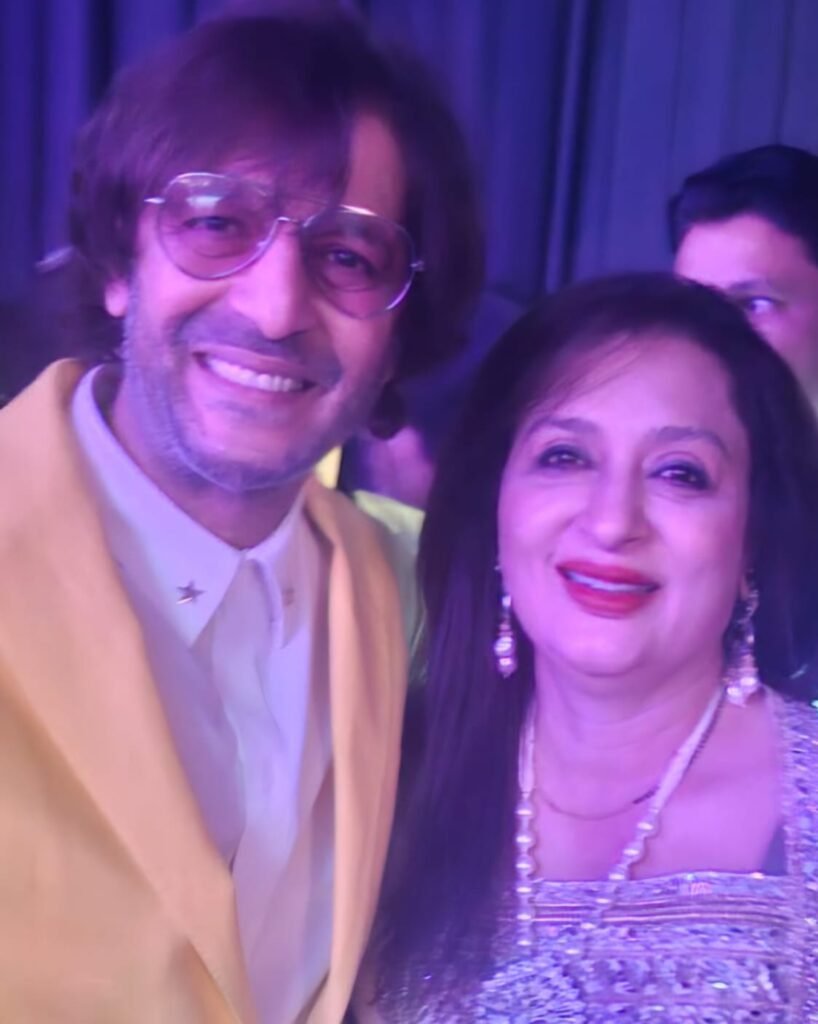
At a time when the world needs emotional healing and spiritual awareness more than ever before, personalities like Dr. Preetha Katyal stand as a reminder that faith, healing, self-awareness, and compassion still have the power to transform lives.
As she beautifully says:
“Have faith in God and God has faith in you.”
Breaking News
Buddha Purnima Celebration in Jaipur: 7 Powerful Messages of Peace, Equality and Humanity
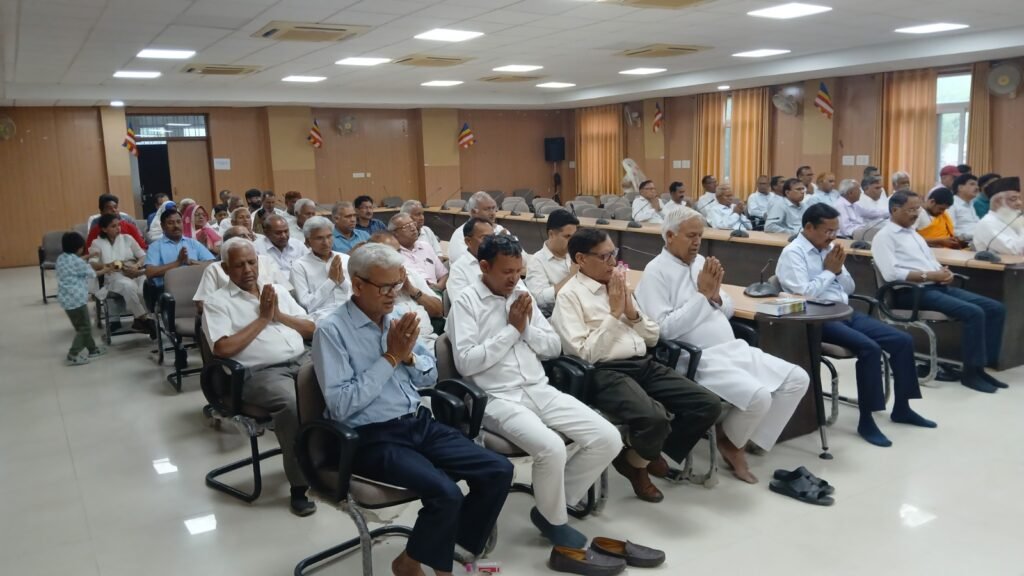
Buddha Purnima Celebration in Jaipur was observed with great devotion at Ramabai Hall, where leaders from multiple religions shared powerful messages on peace, compassion, equality, and humanity inspired by Lord Buddha and Dr. B.R. Ambedkar.
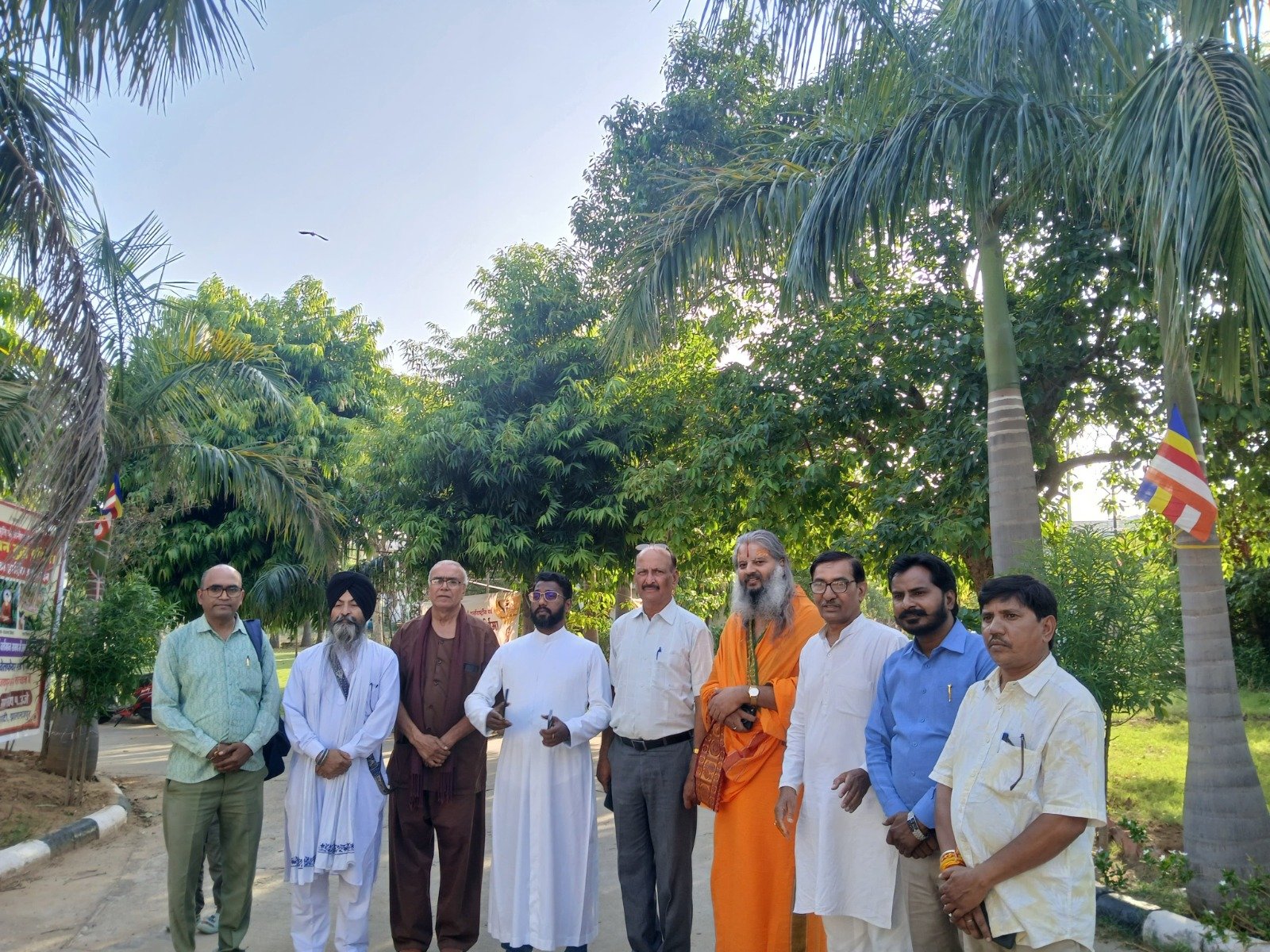
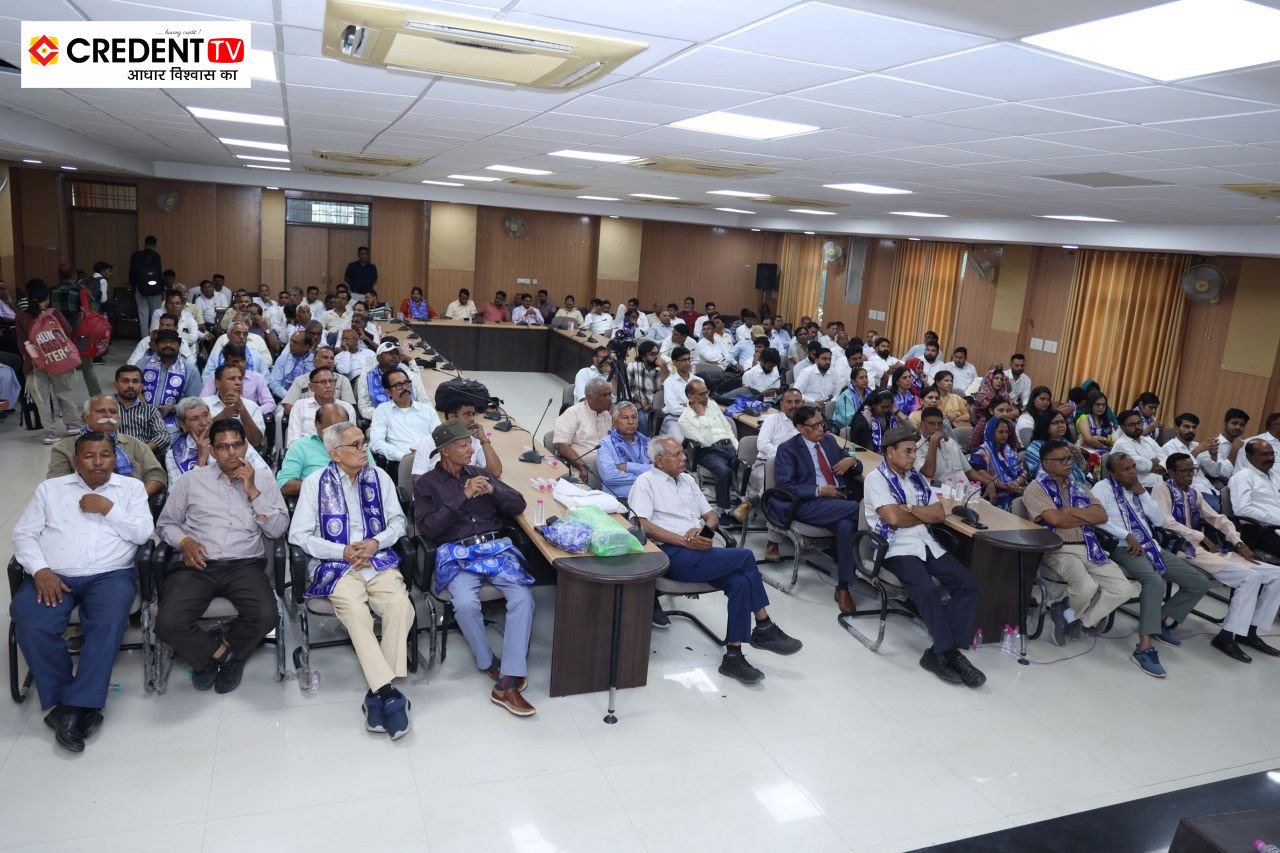
Jaipur | Buddha Purnima Celebration in Jaipur turned into a remarkable gathering of spiritual harmony, social awareness, and human values as people from different religions came together under one roof to honor the teachings of Lord Buddha. The event was organized at Ramabai Hall, located at Dr. Ambedkar Memorial Welfare Society Rajasthan in Jhalana Doongri, Jaipur, under the joint aegis of Pragya Kalyan Charitable Trust and Dr. Ambedkar Memorial Welfare Society Rajasthan.
The grand celebration was conducted under the leadership of Dr. Prakash Jain and witnessed the dignified presence of representatives from the Sarv Dharma Maitri Sangh, social thinkers, Buddhist scholars, and respected guests from different religious communities.
The event reflected a strong and timely message — humanity can only progress when compassion, equality, brotherhood, and peace become part of everyday life.
Grand Buddha Purnima Celebration at Ramabai Hall
The atmosphere at Ramabai Hall was filled with devotion and positivity as guests gathered to celebrate the sacred occasion of Buddha Purnima. Representatives from multiple faiths offered floral tributes before the statue of Lord Buddha and jointly lit ceremonial lamps, symbolizing unity and enlightenment.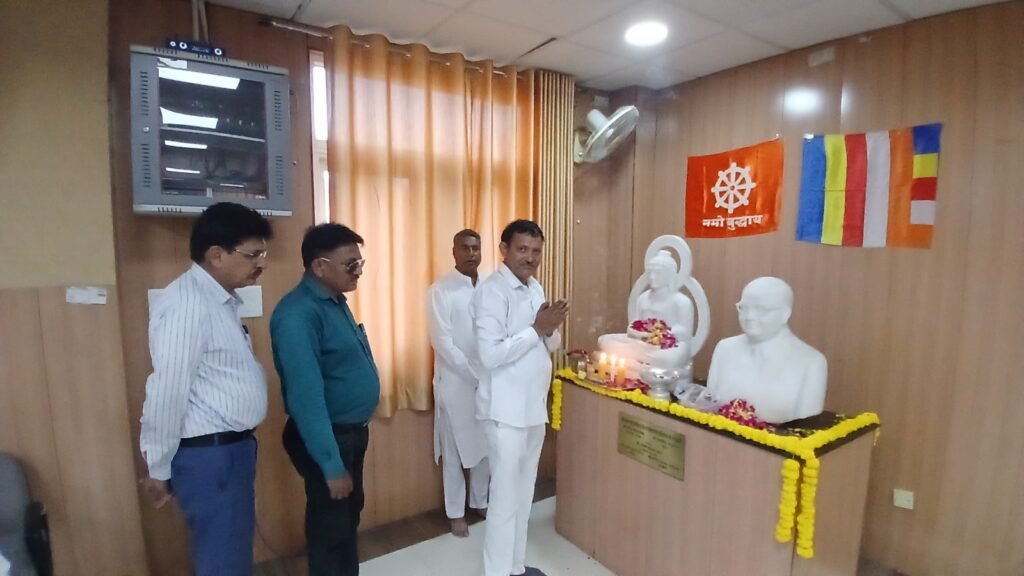
The ceremony began with the chanting of Trisharan and Panchsheel by Upasika Savitri Bauddh and Trishna Bauddh. Their recitation created a deeply spiritual environment that resonated with the audience.
Guests and religious representatives were welcomed with traditional shawls and khatas, reflecting the spirit of respect and cultural harmony.
According to organizers, the objective of the event was not only to celebrate Buddha Purnima but also to spread Lord Buddha’s timeless teachings of non-violence, compassion, and equality in modern society.
For more on Buddha Purnima and Buddhist traditions, readers can visit the official website of the Government of India’s Ministry of Culture:
Multi-Faith Leaders Unite for Harmony
One of the most inspiring aspects of the Buddha Purnima Celebration in Jaipur was the active participation of leaders from Hinduism, Islam, Christianity, Sikhism, and Buddhism.
Message from Hindu Religious Leader
Mahant Guru Raghavendra of Galta Peeth emphasized that Lord Buddha’s teachings can transform human life if practiced sincerely. He highlighted that conflicts among people at the grassroots level weaken society and stressed the importance of mutual respect among all communities.
He noted that real social transformation is possible only when people rise above divisions and embrace humanity first.
Islamic Perspective on Buddha’s Teachings
Representing the Islamic community, Syed Anbar Shah spoke about the relevance of Buddha’s Middle Path and Eightfold Path in achieving a balanced and peaceful life.
He stated that Buddha’s principles encourage moderation, wisdom, and compassion, values that are universally respected across religions.
Christian Community’s Message of Love
George Britty, representing the Christian community, shared that the teachings of love, compassion, and kindness promoted by Lord Buddha align closely with universal spiritual values.
He emphasized that spreading messages of harmony and goodwill should become a collective responsibility for society.
Sikh Community Calls for Brotherhood
Sardar Jaswinder Singh read out a message sent by former Rajasthan Minority Commission Chairman Jasveer Singh. The message encouraged people to promote compassion, friendship, and unity in society.
The Sikh representative stated that humanity grows stronger when people work together beyond religious identities.
Historic Interfaith Presence Praised by Ambedkar Welfare Society
During the Buddha Purnima Celebration in Jaipur, Dr. Ambedkar Memorial Welfare Society Rajasthan President Satyaveer Singh warmly welcomed all guests and described the dignified presence of representatives from the Sarv Dharma Maitri Sangh as a historic and inspiring moment for the organization.
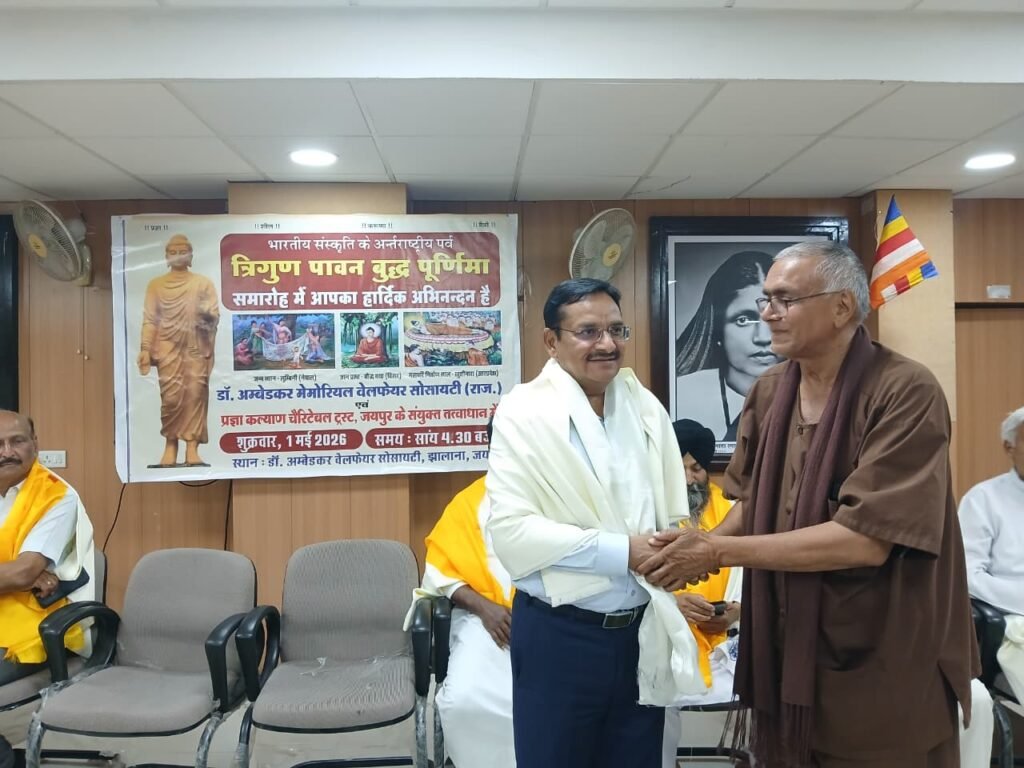
He stated that such a grand interfaith gathering on the sacred occasion of Buddha Purnima was unprecedented in the institution’s history and should serve as a model for future social and spiritual events. He emphasized that programs promoting unity, brotherhood, and mutual respect among religions are the need of the hour and should continue in the future to strengthen harmony in society.
Why Buddha’s Teachings Matter More Than Ever
In today’s world marked by stress, conflict, inequality, and social polarization, many speakers highlighted that Lord Buddha’s philosophy remains highly relevant.
The teachings of Buddha focus on:
- Non-violence
- Compassion
- Equality
- Self-awareness
- Emotional balance
- Peaceful coexistence
These values are increasingly being seen as solutions to rising global tensions and mental unrest.
According to UNESCO, Buddha’s teachings continue to influence millions globally through their focus on peace and ethical living.
Key Messages Shared During the Event
“Today We Need Buddha, Not War”
One of the strongest statements came from retired IAS officer B.L. Naval, who said that the world today urgently needs Buddha’s wisdom rather than war and conflict.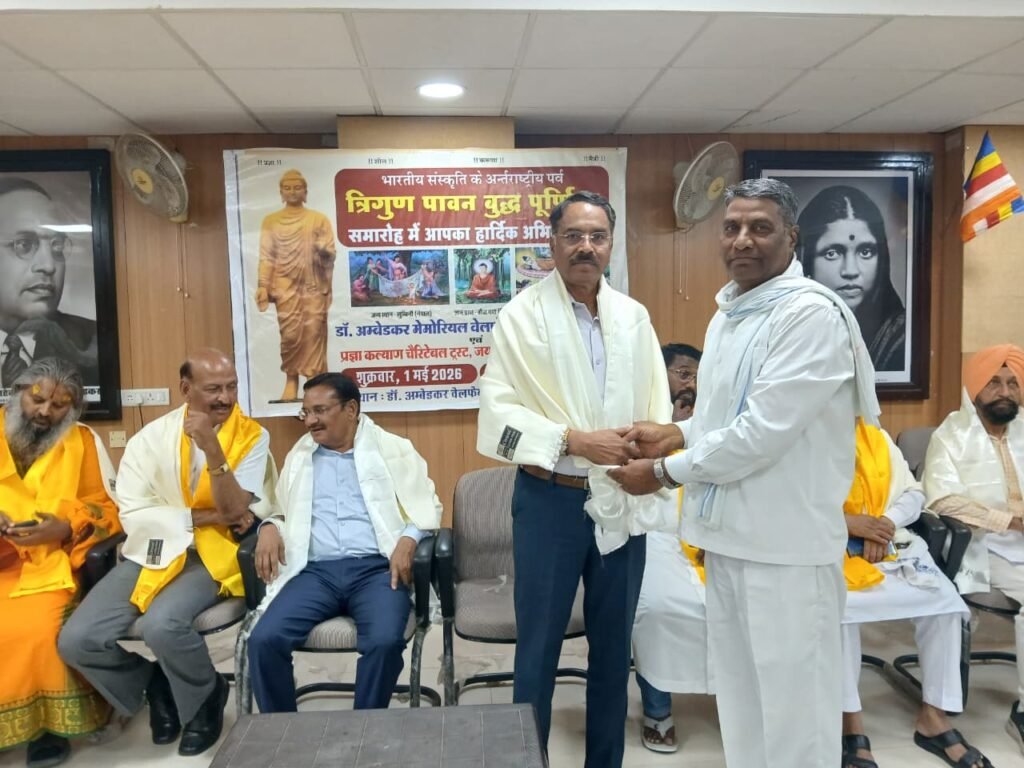
He explained that global tensions, violence, and social unrest can only be resolved through compassion, understanding, and human dignity.
His statement received strong appreciation from attendees.
Small Actions Can Bring Big Change
Dr. Pravesh Jain, President of Sarv Dharma Maitri Sangh, highlighted that even small efforts inspired by Buddha’s teachings can create meaningful change in society.
He encouraged people to practice kindness, empathy, and mutual respect in daily life rather than limiting spiritual values to speeches or ceremonies.
Role of Dr. B.R. Ambedkar in Spreading Buddhist Values
The Buddha Purnima Celebration in Jaipur also paid tribute to Bharat Ratna Dr. B.R. Ambedkar and his role in promoting equality and social justice through Buddhist philosophy.
Former judge and Trust President Tek Chand Rahul spoke about how Dr. Ambedkar embraced Buddhist principles to establish a more equal and democratic society.
He stated that constitutional values such as:
- Equality
- Liberty
- Fraternity
- Justice
are deeply connected with Buddha’s vision for humanity.
Speakers emphasized that there is still a strong need to work toward social equality and human dignity in contemporary India.
Buddha Purnima Celebration in Jaipur Promotes Social Equality
Another major theme of the event was social inequality and discrimination.
Social thinker Dr. Mahendra Anand raised concerns regarding continuing social disparities and urged society to reflect seriously on these issues.
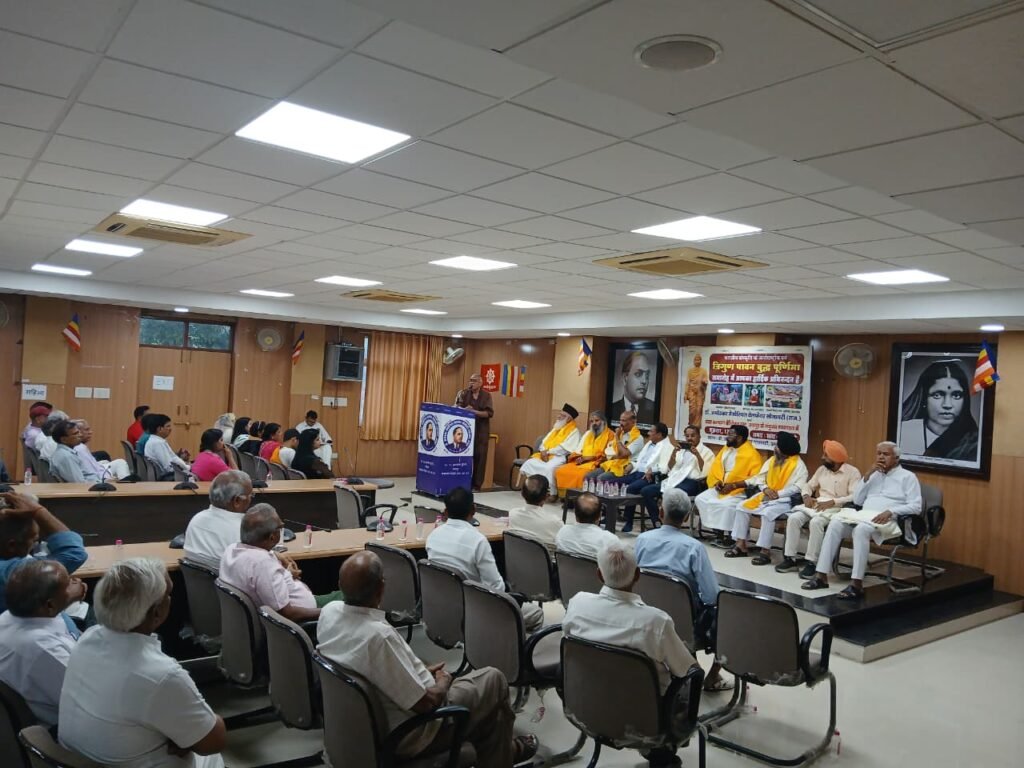
He stated that festivals like Buddha Purnima should not remain symbolic but should inspire practical social reform.
The gathering repeatedly emphasized that true tribute to Lord Buddha lies in adopting his teachings in real life.
Voices from Other Speakers
Several dignitaries and social workers also shared their thoughts during the program.
Among them were:
- Madan Lal Dudwal, President of Nalanda Foundation Marudhara Jaipur
- Roshan Lal Mundotiya
- Ramdev Bauddh
- Sachin Sanwariya
- Ramcharan Mahawar
All speakers highlighted the need for social unity, moral responsibility, and peaceful coexistence.
The program concluded with a formal vote of thanks by lifetime member Ghanshyam Gautam, followed by blessings for universal well-being.
The Growing Importance of Interfaith Dialogue in India
The Buddha Purnima Celebration in Jaipur demonstrated how interfaith gatherings can strengthen social harmony in India.
At a time when divisions often dominate headlines, events like these create spaces for constructive dialogue and mutual understanding.
Experts believe that interfaith collaborations help reduce prejudice and encourage communities to work together for collective progress.
The event stood as a strong example of how spiritual and social organizations can unite people through shared human values.
Buddha’s Philosophy and Modern Mental Wellness
Many attendees also connected Buddha’s teachings with mental peace and emotional well-being.
Modern lifestyles have increased stress, anxiety, and emotional exhaustion. In this context, Buddha’s teachings on mindfulness, balance, and self-awareness are gaining renewed significance worldwide.
Practices inspired by Buddhist philosophy, such as meditation and mindfulness, are now widely recognized for improving mental health and emotional stability.
According to the World Health Organization, mental well-being is becoming a critical global priority. Buddha’s teachings continue to inspire wellness approaches across the world.
The Buddha Purnima Celebration in Jaipur was far more than a religious event. It became a powerful platform for promoting peace, compassion, equality, and unity among communities.
The gathering sent a clear message that humanity can move forward only when people adopt the teachings of Lord Buddha in their personal and social lives.
From spiritual leaders to social thinkers, every speaker echoed the same belief — the world today needs more compassion, more understanding, and more humanity.
As tensions and divisions continue to rise globally, the timeless wisdom of Lord Buddha remains a guiding light for building a peaceful and just society.
The celebration at Jaipur’s Ramabai Hall proved that when people from different religions and backgrounds come together with mutual respect, true social harmony becomes possible.
Breaking News
Powerful Milestone: Dr Ambedkar Memorial Welfare Society Launches 100-Room Girls Hostel in Jaipur
A Historic Foundation Is Laid in Jaipur
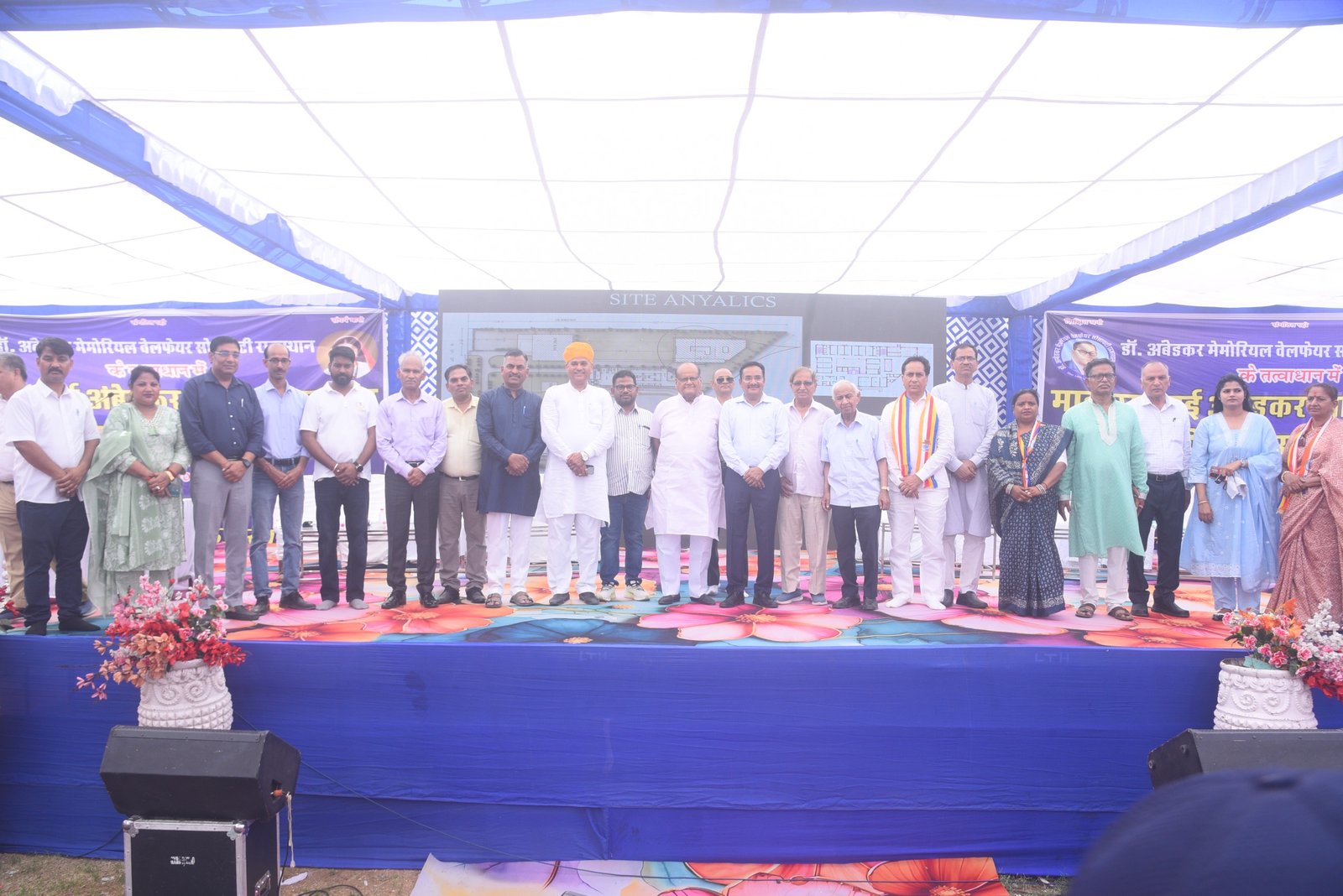
26 April 2026, Jaipur | The Dr Ambedkar Memorial Welfare Society Girls Hostel in Jaipur has taken a giant and inspiring step forward. On a landmark Sunday at Jhalana Doongri, the renowned Dr. Ambedkar Memorial Welfare Society Rajasthan formally laid the foundation stone for the Mata Ramabai Ambedkar Balika Chhatrawas — a transformative residential facility that promises to reshape the destiny of thousands of young women from marginalised communities across Rajasthan.
The occasion was celebrated with a traditional bhumi pujan and the ceremonial unveiling of the foundation plaque, attended by dignitaries, legislators, social leaders, and thousands of community members who came together to witness what many are already calling a defining moment for girls’ education and social empowerment in the region.
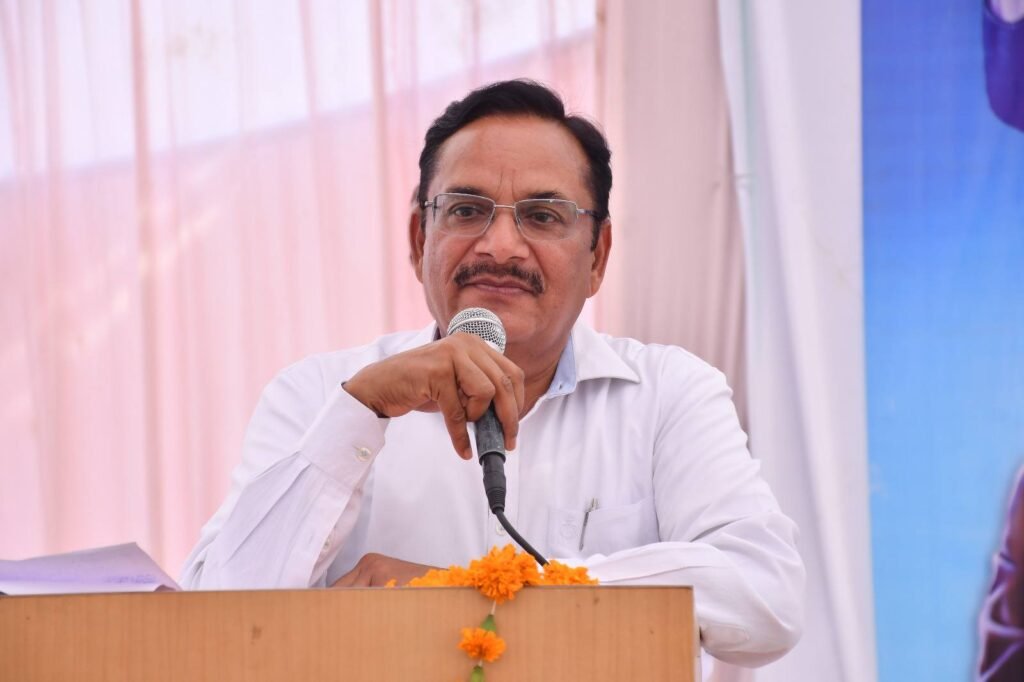
“The progress of any society is rooted in the education of its daughters. This hostel will not merely offer shelter — it will become a launchpad for thousands of dreams.”
— Rtd. IPS Satyaveer Singh, President, Dr. Ambedkar Memorial Welfare Society Rajasthan
Key Facts at a Glance
- 100 Total Rooms to be Built
- 4 Storeys / Floors
- 75+ Community Donors (Bhamashahs)
- Rs. 10 L MLA Fund Pledged by Kalicharan Sarraf
About the 100-Room Dr Ambedkar Memorial Girls Hostel Project
The proposed Mata Ramabai Ambedkar Balika Chhatrawas will be a four-storey structure housing 100 individual rooms. Named after Mata Ramabai Ambedkar — the devoted wife of Dr. B.R. Ambedkar, who is venerated as a pillar of sacrifice and strength — the hostel carries deep symbolic significance.
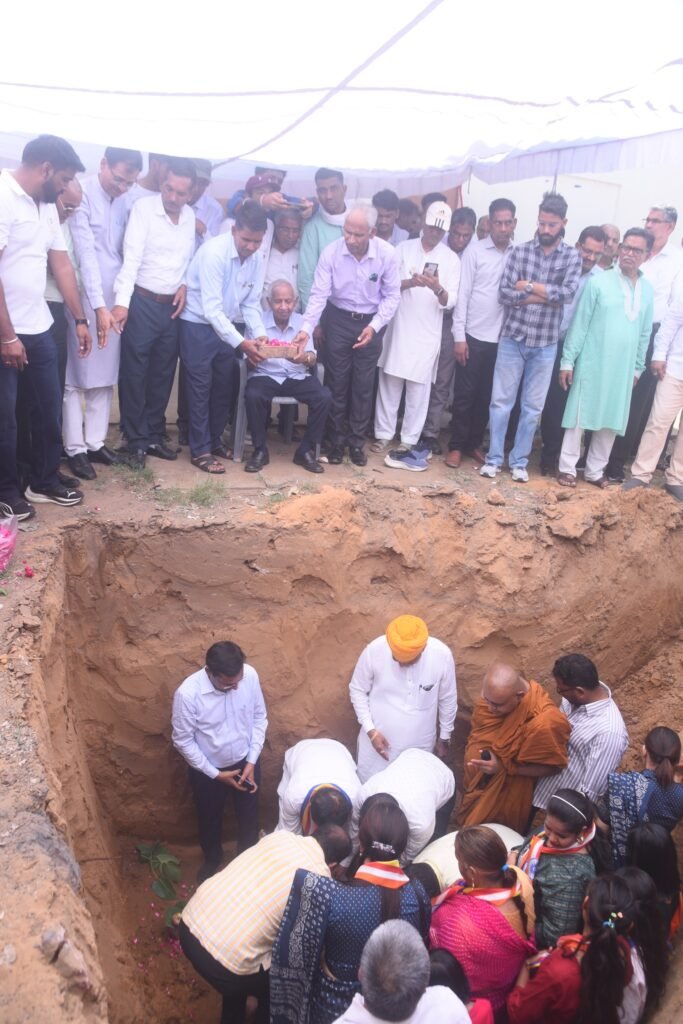
It is being constructed within the existing campus of the Dr. Ambedkar Memorial Welfare Society at Jhalana Doongri, Jaipur. The society is located at Jhalana Institutional Area, Jhalana Doongri, Jaipur, Rajasthan 302004. This location places the hostel at the heart of one of Jaipur’s key institutional zones, offering excellent access to colleges, universities, and employment opportunities.
The hostel is envisioned as a completely self-contained, safe, and modern residential complex that will serve female students, particularly those from Scheduled Caste communities and economically weaker sections, who travel from smaller towns and villages across Rajasthan to pursue higher education in the state capital.
Why 100 Rooms?
With Jaipur growing as a major educational hub and the demand for affordable, safe, and quality student housing far outpacing supply, a 100-room facility is a bold but necessary ambition. Each room will accommodate students with all essential amenities, enabling them to focus entirely on their studies without worrying about substandard housing conditions that often derail promising academic careers.
World-Class Facilities Planned for Dr Ambedkar Girls Hostel Students
Organisers have confirmed that the Dr Ambedkar Memorial Welfare Society Girls Hostel will be far more than just a place to sleep. It will be a high-tech, secure, and nurturing residential environment equipped with:
| Facility | Details |
|---|---|
| Furnished Rooms | 100 individual rooms with essential furniture |
| Dining Hall | Large dining area for community meals |
| Kitchen | Fully equipped kitchen for hygienic meal preparation |
| Waiting / Common Areas | Comfortable spaces for relaxation and social interaction |
| Security | Round-the-clock security arrangements |
| Modern Amenities | RO water, power backup and other high-tech essentials |
| Study Spaces | Dedicated areas for focused academic work |
The hostel model followed by the society provides students with essential furniture including beds, tables, chairs, and cupboards, along with mess facilities for breakfast, lunch, and dinner — with regular quality and hygiene inspections carried out by a dedicated mess committee. The new 100-room hostel will expand and upgrade this proven model significantly.
Foundation Ceremony: Leaders, Legislators & Community at Jhalana Doongri
Distinguished Guests Who Graced the Event
The foundation-laying ceremony was attended by an impressive cross-section of Rajasthan's social and political leadership. Retired IAS officer Hanuman Prasad served as chief guest, lending institutional gravitas to the occasion. Legislators Kalicharan Sarraf and Ram Chordia were also present to extend their support.
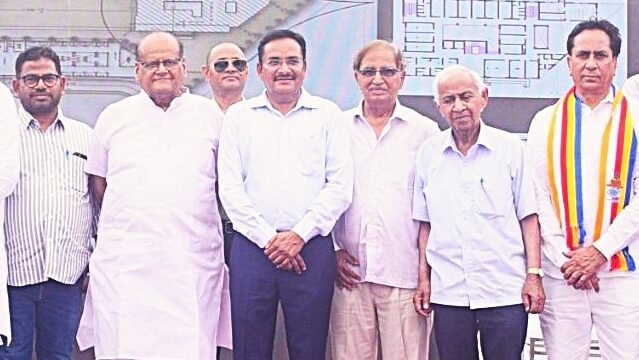
MLA Kalicharan Sarraf Pledge
MLA Kalicharan Sarraf made a significant announcement during the event, pledging Rs. 10 lakh from his MLA Local Area Development Fund towards the construction of the hostel. In his address, he noted that today’s young women are leading in every field and that society bears the responsibility of creating better opportunities for them.
A New Website for the Society
In a sign of the times, the event also featured the launch of the Dr. Ambedkar Memorial Welfare Society’s brand-new official website — a digital step forward that will help the organisation communicate its mission, projects, and scholarship opportunities to a wider audience across Rajasthan and beyond.
Senior leaders present at the ceremony included PC Hadia, Senior Vice President Rameshwar Prasad Bairwa, General Secretary Dr. Chetram Raipuriya, Treasurer Dayanand Sakkarwal, and Construction Committee Chairman Surendra Kumar Beri, Credent TV Chief Editor Sunil Narnauliya, among many others. The programme was conducted by AJAK State Spokesperson Vinod Verma Ralawata, and saw enthusiastic participation from youth leaders including Ravi Meghwal, Pooja Verma, and Ajay Dagar.
70 Generous Donors: The Community Behind the Dr Ambedkar Girls Hostel Dream
Perhaps the most heartening aspect of this entire project is that it is being built not by government funds alone, but through the collective generosity of the community. Over 70 Bhamashahs (community philanthropists) have come forward to donate towards the construction of the Mata Ramabai Ambedkar Balika Chhatrawas.
Each donor was honoured on stage during the ceremony, a gesture that underscored the community’s shared ownership of this dream. This model of community-driven construction has powerful precedents in India’s social reform movements — echoing the legacy of Dr. B.R. Ambedkar himself, who always believed in collective upliftment.
“This project is becoming a reality through the collective cooperation of society. It is a testament to what a united community can achieve.”
— Satyaveer Singh, President, DAMWS Rajasthan
Dr Ambedkar Memorial Welfare Society Rajasthan: A Legacy of Change
The driving force behind this initiative, the Dr. Ambedkar Memorial Welfare Society Rajasthan was established on 9 September 1980 as a registered non-governmental organisation in Rajasthan. For over four decades, it has been the apex body of the Scheduled Caste community in the state.
The society was formed to perpetuate the memories of Bharat Ratna Baba Sahib Dr. Bhim Rao Ambedkar, who gifted the Indian Constitution to this nation, keeping in mind the miserable condition of the down-trodden society and women in the country.
Over the decades, the organisation has been at the forefront of providing education, hostel facilities, legal aid, and social advocacy for Scheduled Caste communities across all 33 districts of Rajasthan. The new girls’ hostel represents their most ambitious infrastructure project to date.
Connect With the Society
Readers who wish to support, donate, or seek admission can contact the Dr. Ambedkar Memorial Welfare Society directly at their campus in Jhalana Institutional Area, Jaipur — or visit their official website at https://www.damws.org/.
Girls’ Education in Rajasthan: Why the Dr Ambedkar Memorial Girls Hostel Matters More Than Ever
The Bigger Picture
Rajasthan has made significant strides in improving girls’ education outcomes over the past decade, yet persistent challenges remain — particularly for students from marginalised communities who lack access to affordable, safe accommodation in urban areas. A shortage of quality hostels often forces talented girls to abandon their higher education ambitions and return home.
The Rajasthan government has been running several schemes to support this cause. The Government of Rajasthan launched the Economic Help to Tribal Girls for Higher Education scheme to encourage girls to pursue college education and promote female empowerment through financial support, offering ₹5,000 per annum disbursed over 10 months directly to student bank accounts.
Similarly, at the national level, the Beti Bachao Beti Padhao initiative continues to serve as a rallying cry for communities, governments, and civil society alike.
The Role of Civil Society
Collaborative initiatives like Project Pragati aim to provide opportunities for women’s participation and progress, with programmes implemented across districts of Rajasthan to empower out-of-school adolescent girls and young women. The Dr. Ambedkar Memorial Welfare Society’s new hostel perfectly complements such initiatives by addressing the crucial issue of safe, affordable accommodation — the often-overlooked barrier that prevents girls from completing their education.
Why Safe Hostels = Better Educational Outcomes
Research consistently shows that when girls from rural or semi-urban backgrounds have access to safe residential facilities in cities, their retention rates in higher education improve dramatically. A secure living environment removes parental anxieties, reduces commute burdens, and allows students to participate in evening classes, library sessions, and extracurricular activities that enrich their overall development.
Expected Impact & Future Vision of the Girls Hostel
Projected Beneficiaries
With 100 rooms and double-occupancy potential, the hostel could accommodate up to 200 girl students per academic year, meaning that within the first decade of operation alone, it could directly benefit over 2,000 young women.
Social Empowerment Beyond Education
The hostel’s impact is expected to extend well beyond providing a roof over students’ heads. By creating a safe, supportive community of young women from similar backgrounds, it will foster peer learning, mentorship, and mutual support networks that last long after graduation.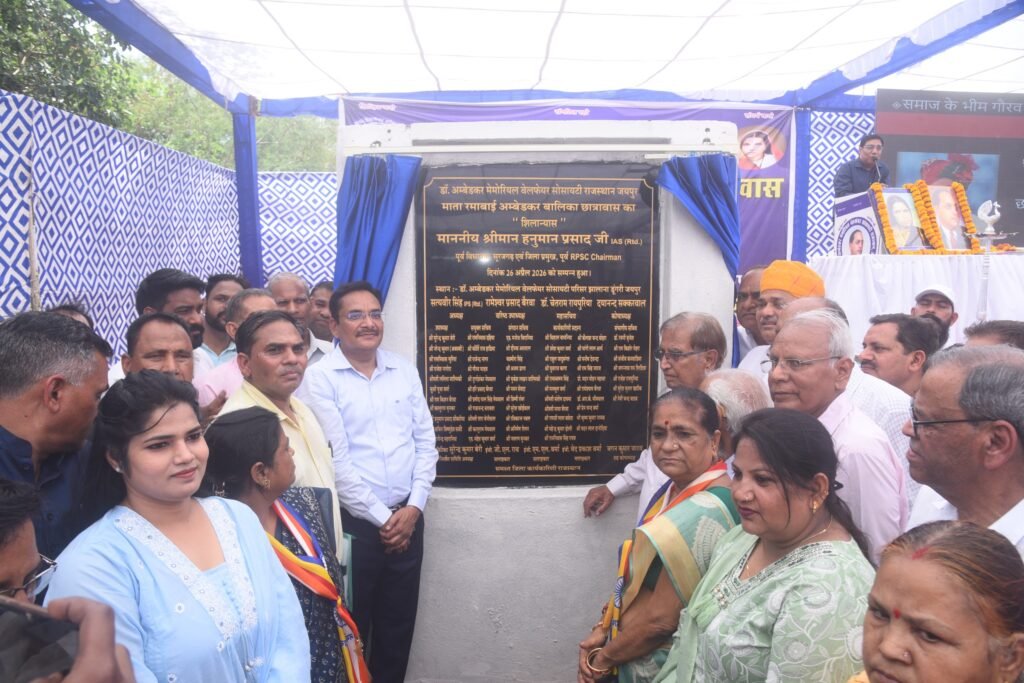
Students living here will be better positioned to pursue competitive examinations, professional degrees, internships, and career opportunities — breaking cycles of poverty and marginalisation that have limited the potential of Scheduled Caste communities for generations.
A Model Worth Replicating
The Dr. Ambedkar Memorial Welfare Society’s community-funded approach — where 70 donors collectively make a large infrastructure project possible — is a model that deserves replication across Rajasthan and India. It demonstrates that when communities take ownership of their own empowerment, extraordinary things become possible without waiting for government intervention alone.
A Milestone Worth Celebrating
The foundation-laying of the Mata Ramabai Ambedkar Balika Chhatrawas by the Dr Ambedkar Memorial Welfare Society Rajasthan is not merely the beginning of a construction project. It is the crystallisation of decades of advocacy, social work, and community solidarity into a tangible structure that will stand as a beacon of hope for thousands of young women.
In a state where girls’ educational attainment remains a work in progress, this 100-room, four-storey hostel — born from the generosity of 70 donors and inspired by the legacy of Dr. B.R. Ambedkar — is proof that meaningful change is possible when vision meets collective will.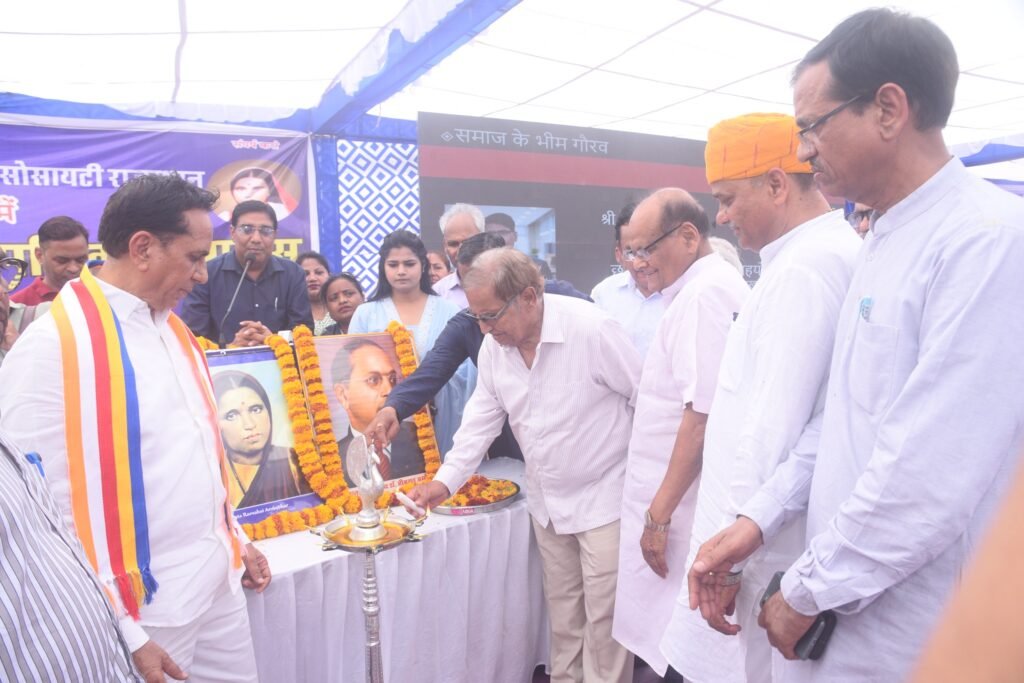
The Dr Ambedkar Memorial Welfare Society Girls Hostel in Jaipur will, without doubt, go on to become a milestone in the story of girls’ education and social empowerment in Rajasthan — and a worthy tribute to the Constitution’s promise of equality, dignity, and opportunity for all.
Named after Dr. B.R. Ambedkar, who enshrined equality into India’s Constitution, this hostel lives up to that very promise — one room, one dream, one girl at a time.
Breaking News
International Women’s Day 2026: 7 Powerful Highlights from the Inspiring Jaipur Celebration by Dr. Ambedkar Memorial Welfare Society
International Women’s Day 2026 Jaipur Celebration at Dr. Ambedkar Memorial Welfare Society brought together leading social activists, educators and women leaders to promote education, equality and women empowerment through speeches, awareness campaigns and sports activities.

8 March, Jaipur | International Women’s Day 2026 Jaipur Celebration became a remarkable moment of inspiration and social awareness when the Dr. Ambedkar Memorial Welfare Society, Jhalana Doongri, Jaipur, organized a vibrant event on 8 March 2026. The program brought together social leaders, activists, educators, and community members to celebrate women’s achievements and promote awareness about education, equality, and rights.
The celebration reflected the broader spirit of International Women’s Day, which is observed globally on March 8 every year to honour the social, economic, cultural, and political contributions of women. According to the United Nations, the theme for International Women’s Day 2026 emphasizes “Rights, Justice and Action for All Women and Girls,” calling for stronger efforts toward equality and empowerment.
The Jaipur event stood out as a community-driven initiative highlighting the importance of women’s education, leadership, and social participation.
Global Significance of International Women’s Day 2026
International Women’s Day 2026 Jaipur Celebration aligns with global efforts to promote gender equality and women empowerment. Across the world, organizations and institutions organize conferences, rallies, workshops, and cultural programs to recognize women’s achievements and discuss challenges faced by women in society.
International Women’s Day has its roots in early 20th-century labour movements advocating women’s rights, and it gained official recognition by the United Nations in 1975.
Even today, gender inequality remains a major global challenge. Reports indicate that women worldwide possess only about 64% of the legal rights available to men, highlighting the need for sustained action.
The International Women’s Day 2026 Jaipur Celebration echoed these global concerns while emphasizing education and awareness as key solutions.
Grand Celebration at Dr. Ambedkar Memorial Welfare Society Jaipur
The International Women’s Day 2026 Jaipur Celebration was organized by Dr. Ambedkar Memorial Welfare Society at Jhalana Doongri, Jaipur. The event was conducted in a ceremonial and festive atmosphere, attracting hundreds of participants from various parts of the city.
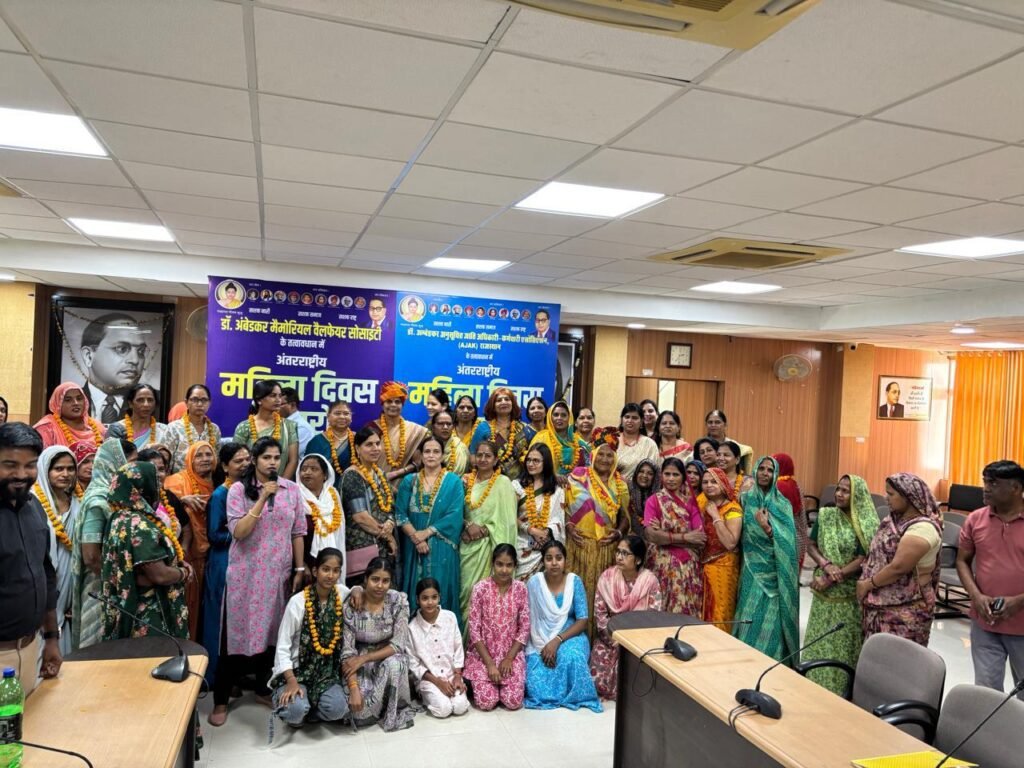
The program aimed to:
- Promote women empowerment
- Raise awareness about women’s rights
- Encourage girls’ education
- Inspire women to participate in leadership and social activities
The gathering demonstrated how community organizations can play a vital role in strengthening social equality and gender justice.
Key Guests and Social Leaders Who Attended the Event
The International Women’s Day 2026 Jaipur Celebration was attended by several prominent guests and social workers who actively work for social justice and empowerment.
The chief guest of the program was Mrs. Kanta Singh, who addressed the gathering and highlighted the importance of women’s education and awareness about constitutional rights.
Other distinguished participants included:
- Lalita Valmiki, Vice President
- Manasi Narnauliya, Chairperson of Manasvita Group
- Pooja Verma, Vice President and former President of Rajasthan University
- Kashmira Singh, Organization Secretary
- Preeti Maurya, Social Worker
Along with them, several community leaders and social activists also attended the program, including:
- Ajay Dagar – Organization Secretary
- Ramniwas Dahiya – Joint Secretary
- Dr. Tarun Bakolia – Advocate
- Mahesh Kumar Verma
- Radhey Shyam Bairwa (Jagatpura)
- Ramniwas Raghav (AJAK)
- Gajendra Kharia (Jagatpura)
- Naresh Berwa – Advocate
- Advocate Omprakash Chokdayat
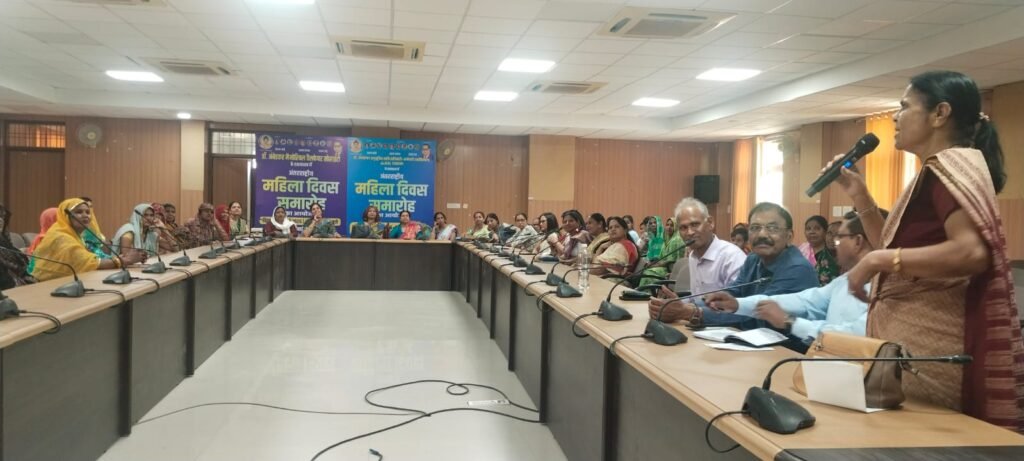
Many women leaders were also present, such as:
- Sangita Rathi – AICC Human Rights
- Rekha Verma (Sodala)
- Sharmila Dahiya (Jagatpura)
- Ranjana Chauradia (Mansarovar)
- Ayodhya Devi (Civil Lines)
- Rachna Kalosia (Malviya Nagar)
Their presence strengthened the message that social transformation requires collective participation.
Powerful Speeches on Women’s Rights and Education
A major highlight of the International Women’s Day 2026 Jaipur Celebration was the inspiring speeches delivered by various speakers.
Chief guest Mrs. Kanta Singh emphasized that women must remain aware of their constitutional rights and actively work toward their personal and social development. She stressed that education is the strongest foundation for empowerment.
According to her,
“Education is the fundamental key to progress. When women become educated, families, communities, and entire societies move forward.”
She also urged women to follow the ideals of Dr. B. R. Ambedkar, who strongly advocated equality, education, and social justice.
Voices Against Women Oppression and Social Awareness
During the International Women’s Day 2026 Jaipur Celebration, Kashmira Singh, Organization Secretary, raised a strong voice against women oppression and discrimination.
She encouraged women and young girls to become aware of their rights and actively participate in all sectors of society, including education, administration, politics, and entrepreneurship.
Her speech focused on three key messages:
- Awareness about women’s legal rights
- Encouraging girls to pursue education
- Building self-confidence among women
Former IG Jai Narayan Sher also addressed the gathering and emphasized that education plays a crucial role in enabling women to claim their rights and achieve independence.
Sports Activities and Cultural Participation
Apart from speeches and discussions, the International Women’s Day 2026 Jaipur Celebration also included sports competitions and recreational activities for women.
These activities were organized to promote:
- physical fitness
- teamwork
- confidence among women participants
The sports events were coordinated by Suman Mehra, PET Jaipur, who played a key role in managing the competitions.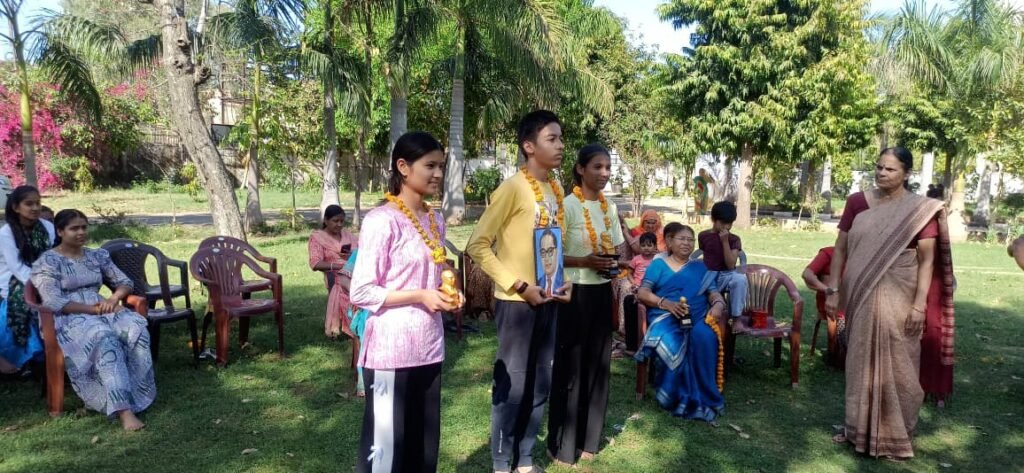
Winners of the sports activities were honoured with:
- mementos
- appreciation certificates
Such activities created a vibrant and engaging environment, encouraging women to actively participate in community programs.
Community Participation and Social Impact
One of the most encouraging aspects of the International Women’s Day 2026 Jaipur Celebration was the strong participation of the local community.
Hundreds of women and men attended the event, reflecting growing awareness about gender equality and social justice.
Community events like this help to:
- build awareness about women’s rights
- encourage social dialogue
- inspire young girls
- strengthen community networks
Globally, similar events are being organized to celebrate women’s achievements and address social issues affecting women.
Dr. B. R. Ambedkar’s Vision for Women Empowerment
The International Women’s Day 2026 Jaipur Celebration strongly reflected the ideology of Dr. B. R. Ambedkar, who believed that the progress of a society depends on the progress of its women.
Dr. Ambedkar played a crucial role in advocating women’s rights through constitutional provisions and social reforms.
His vision included:
- equal legal rights for women
- access to education
- economic independence
- social dignity and equality
His famous principle, “Educate, Organize, Agitate,” continues to inspire social movements across India.
Why Local Events Like This Matter for Gender Equality
While global movements play an important role, community-level initiatives like the International Women’s Day 2026 Jaipur Celebration are equally significant.
They create direct impact by:
- encouraging grassroots awareness
- empowering local women leaders
- building support networks
- promoting social change from the community level
Such initiatives also help bridge the gap between policy and practice by bringing awareness directly to the people.
A Step Towards Empowered Women in India
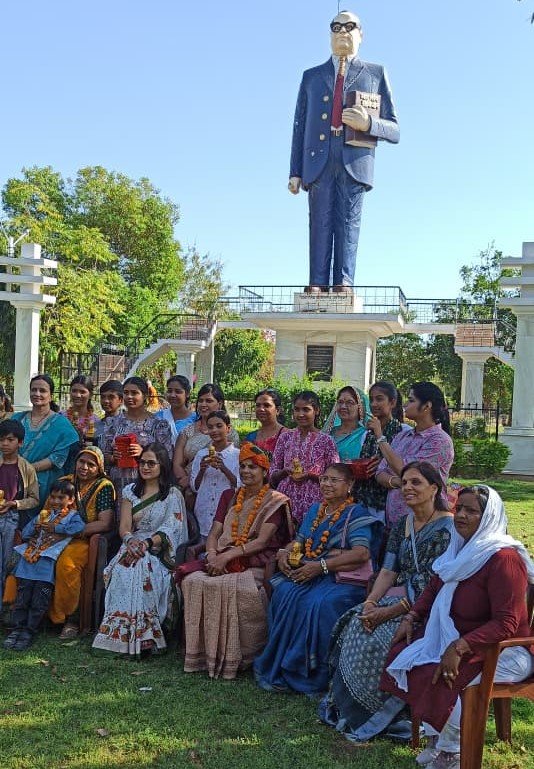
The International Women’s Day 2026 Jaipur Celebration organized by Dr. Ambedkar Memorial Welfare Society was more than just a ceremonial event. It was a powerful reminder that awareness, education, and collective action are essential for achieving gender equality.
Through inspiring speeches, community participation, and engaging activities, the program successfully highlighted the importance of women’s rights and empowerment.
As India continues to move toward inclusive development, initiatives like this serve as a strong foundation for building a society where women have equal opportunities, dignity, and leadership roles.
The message of the event was clear:
Educated and empowered women are the driving force behind a progressive society.
Breaking News
UGC Act 2026: 5 Powerful Demands Raised in Rajasthan to End Campus Discrimination
UGC Act 2026 demand grows stronger as social justice groups in Rajasthan submit a memorandum to the President seeking strict laws to stop caste discrimination in universities and ensure equal educational rights.
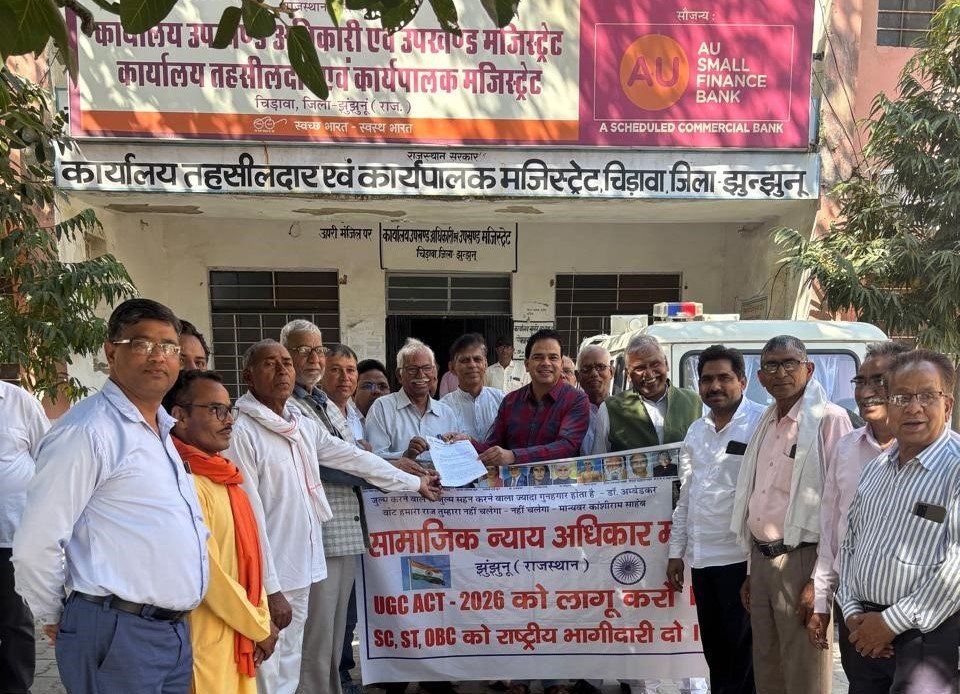
6 March, Chirawa | UGC Act 2026 has emerged as a powerful demand among social justice organizations and student rights groups across India. The proposed legislation is being seen as a crucial step toward addressing discrimination in higher education institutions and ensuring equal access to opportunities for historically marginalized communities.
In a significant development, members of the Dr. Ambedkar Anusuchit Jati Adhikari Karmachari Association (AJAK) & Samajik Nyay Adhikar Manch along with representatives of several social organizations in Chirawa subdivision of Jhunjhunu district, Rajasthan, submitted a memorandum addressed to the President of India through the Sub-Divisional Magistrate (SDM).
The delegation included Balveer Singh Kala, Advocate Vijay Gurava, President of the Bar Association, Advocate Suresh Dandia, Advocate Arvind Bhagat, Advocate Vedprakash, Babulal Councilor, Rohitash Mehrania, Anil Mehrania, Mahesh Mehrania, Jai Mal Siroha, Budhram Mehrania, Sitaram Panwar, Satyanarayan Dholpuria, Raghuveer Singh, Hanuman Singh Danodia, Sant Kumar, Hariram Maharia, Sajjan Maharia, Shiv Prasad Maharia, Vinod Mehrania, Anil Narnolia, Prahalad Singh and representatives of various social organizations.
The memorandum calls for the immediate enactment of the UGC Equity Regulations for 2026 and strict implementation of new University Grants Commission regulations to promote equality in higher education.
The demand reflects a growing national conversation about discrimination in educational institutions and the need for systemic reforms to protect the constitutional rights of students belonging to Scheduled Castes (SC), Scheduled Tribes (ST), and Other Backward Classes (OBC).
The demand for the Rohith Vemula Act 2026 stems from long-standing concerns regarding discrimination in universities and higher education institutions across India.
Many social justice organizations argue that despite constitutional guarantees of equality, students from historically marginalized communities continue to face barriers such as:
- Social exclusion
- Institutional discrimination
- Lack of grievance redressal mechanisms
- Underrepresentation in faculty positions
According to activists, a strong legal framework is necessary to ensure that educational institutions remain inclusive and equitable for all students.
Memorandum Submitted in Chirawa, Jhunjhunu
In Rajasthan’s Jhunjhunu district, the Dr. Ambedkar Anusuchit Jati Adhikari Karmachari Association (AJAK) & Samajik Nyay Adhikar Manch along with various community organizations submitted a memorandum urging the central government to enact the Rohith Vemula Act 2026 (UGC Equity Regulations for 2026).
The memorandum was submitted to the Sub-Divisional Magistrate (SDM) of Chirawa, who will forward it to the President of India.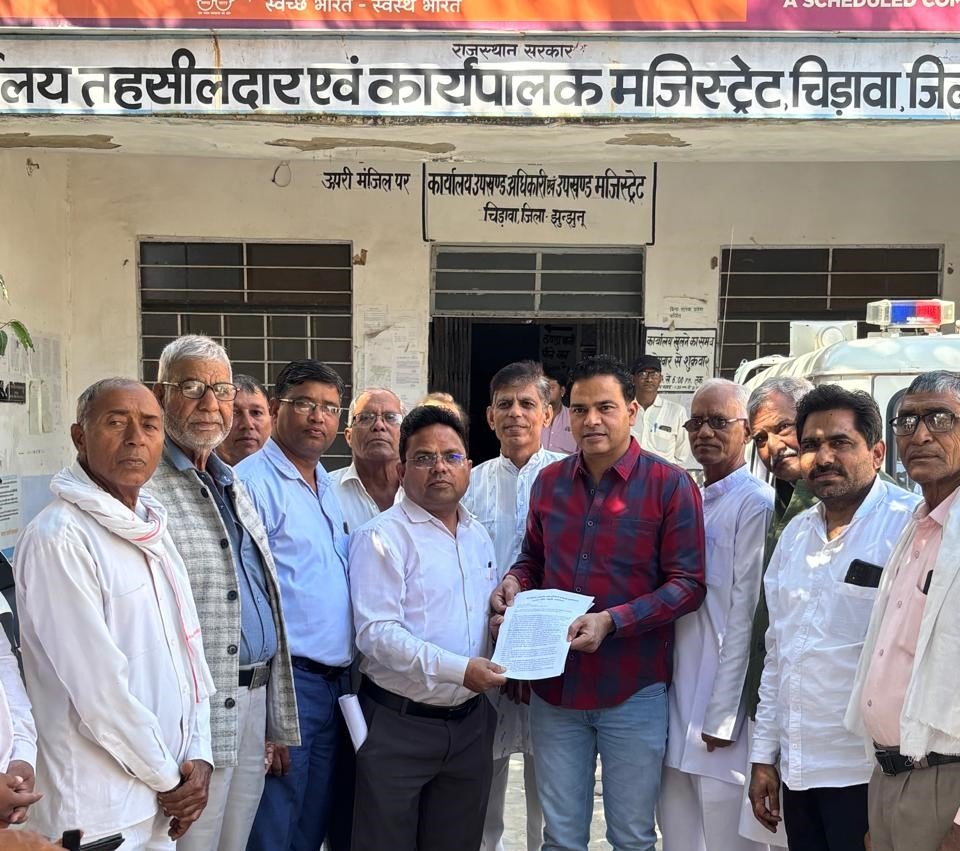
Representatives of several social organizations were present in the delegation, including community leaders, lawyers, and public representatives.
The delegation emphasized that historically marginalized communities have remained socially and educationally backward for centuries, and therefore require strong institutional protection to ensure equal participation in education.
Constitutional Provisions Supporting Educational Equality
The memorandum strongly referred to several provisions of the Constitution of India that guarantee equality and social justice.
Article 14 – Right to Equality
Article 14 ensures equality before the law and equal protection of laws to all citizens.
More details about constitutional equality provisions can be accessed through the official portal of the Government of India:
https://www.india.gov.in
Article 15 – Prohibition of Discrimination
Article 15 prohibits discrimination on the basis of religion, race, caste, sex, or place of birth.
It also allows the state to make special provisions for socially and educationally backward classes.
Article 16 – Reservation in Public Employment
Article 16(4) provides reservation in government jobs for SC, ST, and OBC communities to ensure fair representation.
Article 17 – Abolition of Untouchability
Article 17 declares untouchability as a punishable offense, reinforcing the principle of social equality.
Article 335 – Claims of SC/ST in Services
Article 335 mandates that the claims of SC/ST communities must be considered in public employment while maintaining administrative efficiency.
These constitutional provisions form the legal foundation behind the demand for the Rohith Vemula Act 2026.
Rohith Vemula Case and the National Debate on Campus Discrimination
The demand for the Rohith Vemula Act 2026 is closely linked to the death of Rohith Vemula, a PhD scholar at the University of Hyderabad whose suicide in January 2016 sparked nationwide protests and debates on caste discrimination in higher education.
His death triggered a broader discussion about institutional bias and the treatment of marginalized students within universities.
Civil society groups, student unions, and political leaders have repeatedly demanded stronger laws to prevent such incidents and ensure accountability within academic institutions.
Advocates for the legislation argue that such a law could act as a deterrent against discrimination and harassment.
Some political leaders and activists have also called for legal reforms to address cases similar to those of Rohith Vemula, Payal Tadvi, and other students who allegedly faced discrimination in educational institutions.
Key Demands Raised in the Memorandum
The memorandum submitted in Chirawa highlights several major demands related to the Rohith Vemula Act 2026 and educational reforms.
1. Enactment of Rohith Vemula Act 2026
The organizations demanded the enactment of a comprehensive law to prevent discrimination against SC, ST, and OBC students in universities.
2. Strict Implementation of UGC Regulations
The University Grants Commission should implement the Promotion of Equity in Higher Education Institutions Regulations 2026 strictly.
3. Equal Opportunity Helplines
Every higher education institution should establish a 24-hour equality helpline to address cases of discrimination.
4. National Monitoring Committee
The memorandum calls for a national monitoring committee to track discrimination complaints and ensure accountability.
5. Transparent Recruitment Processes
Universities should ensure that reserved positions are filled fairly and without prejudice.
UGC Equity Regulations 2026 and Institutional Responsibility
The University Grants Commission has introduced regulations aimed at preventing discrimination and promoting equity in higher education institutions.
These regulations were developed after directions from the Supreme Court and concerns raised in public interest litigations regarding caste discrimination in universities.
The regulations emphasize:
- Institutional grievance redressal systems
- Equal opportunity cells
- Monitoring mechanisms
- Protection of marginalized students
However, activists argue that stronger enforcement mechanisms are still required.
Vacant Reserved Posts in Universities: A Growing Concern
One of the major issues raised in the memorandum is the large number of vacant reserved posts in universities.
According to the representatives, many faculty positions reserved for SC, ST, and OBC candidates remain vacant due to various administrative practices.
These include:
- Selection boards declaring candidates “Not Found Suitable (NFS)”
- Low interview scores despite eligibility
- Delays in recruitment processes
Activists claim that such practices undermine the goal of fair representation in higher education institutions.
They have demanded that the government launch a special recruitment drive to fill reserved posts in universities across India.
National Protests and Student Movements
The debate around the Rohith Vemula Act 2026 has also led to protests and demonstrations in several universities.
Student groups and civil society organizations argue that discrimination in educational institutions can have severe psychological and social consequences for students from marginalized backgrounds.
Protests and discussions across campuses have highlighted the importance of building inclusive and safe academic environments.
Many activists believe that stronger legal safeguards are necessary to prevent discrimination and ensure equal opportunities for all students.
Why the Rohith Vemula Act 2026 Is Seen as a Landmark Reform
Supporters of the proposed Rohith Vemula Act 2026 believe that it could become a transformative step in India’s higher education system.
The law is expected to:
- Strengthen anti-discrimination mechanisms
- Protect the rights of marginalized students
- Improve representation in academic institutions
- Promote inclusive campus environments
Experts argue that the legislation could help create a more equitable education system that reflects the constitutional values of justice and equality.
The Road Ahead for Inclusive Higher Education in India
The demand raised in Chirawa reflects a broader national movement seeking structural reforms in higher education.
As discussions around the Rohith Vemula Act 2026 continue, policymakers, educational institutions, and civil society groups will need to work together to ensure that universities remain spaces of learning, equality, and dignity.
The debate also highlights a fundamental question for India’s education system:
How can universities ensure that every student — regardless of caste, background, or social status — has an equal opportunity to succeed?
The answer may lie in stronger laws, transparent institutional policies, and a renewed commitment to the constitutional ideals of equality and social justice.

The Aadhaar card, issued by the Unique Identification Authority of India (UIDAI), is a vital document for every Indian resident. It serves as proof of identity and is required for various services, such as obtaining a SIM card, opening a bank account, and applying for government subsidies. Given its importance, it’s crucial to keep your Aadhaar details accurate and up to date. But how many times can you change your Aadhaar card details? This guide will provide you with all the necessary information regarding updates to your Aadhaar card.
Understanding Aadhaar Updates
Aadhaar cardholders can update several personal details, including their name, date of birth, gender, and address. However, each type of detail has specific limitations on how often it can be changed.
Name Changes: Limitations and Process
Name Update Limit: You can change your name on your Aadhaar card twice during your lifetime. This limitation is enforced to prevent misuse and ensure the integrity of the Aadhaar system.Exceptional Circumstances: If you find yourself needing to change your name a third time, it is possible but requires special approval from UIDAI. You must submit a request to the regional UIDAI office along with valid documentation justifying the need for another change.Documentation Required: When requesting a name change, you will need to provide proof of the new name. This could include documents like:
- Marriage certificate (for women changing their surname)
- Court order
- Any other government-issued ID reflecting the new name
Date of Birth Updates: What You Need to Know
Limit on Date of Birth Changes: The date of birth can be updated only once in your lifetime. If you need to make a second update, it will be treated as an exceptional case and requires approval from UIDAI.Proof Required: To update your date of birth, you must present valid documentation that proves your new date of birth. Acceptable documents may include:
- Birth certificate
- School leaving certificate
- Passport
Gender Changes: Guidelines and Restrictions
Gender Update Limit: Gender details on the Aadhaar card can be updated once. Similar to name changes, if there’s a need for a second update, it must go through an exceptional process.Request Process: To initiate a gender change, visit an Aadhaar center and submit a request along with appropriate documentation that supports the change.
Address Updates: Unlimited Changes
Unlike other details, there is no limit on how many times you can update your address in the Aadhaar database. This flexibility allows individuals to keep their address current without facing restrictions.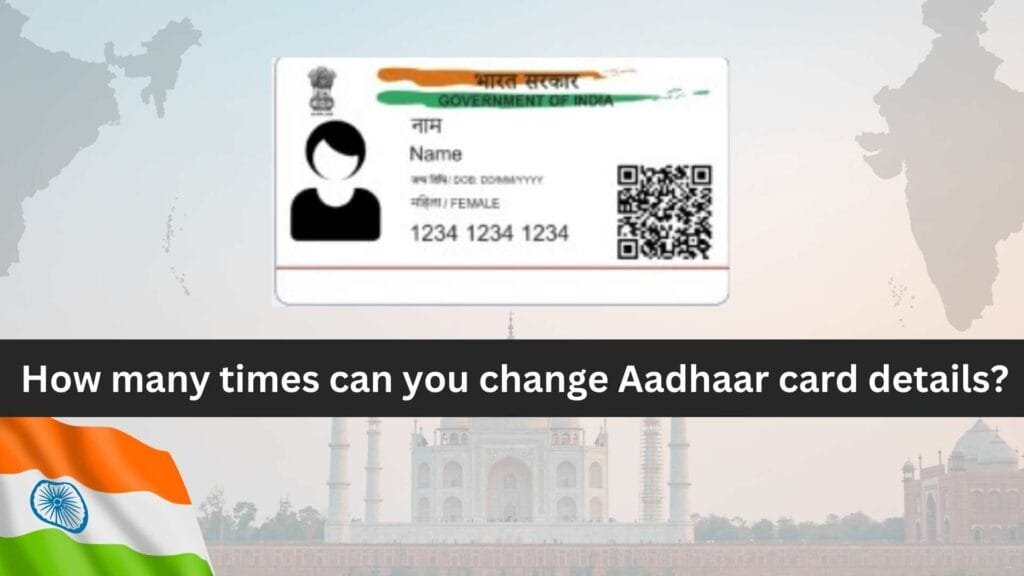
How to Update Your Aadhaar Details
- Online Updates:
- Visit the myAadhaar portal.
- Log in using your registered mobile number.
- Select the details you wish to update and upload the necessary documents.
- Pay any applicable fees (currently free until October 2024).
- Offline Updates:
- Visit the nearest Aadhaar Seva Kendra (ASK).
- Fill out the update form available at the center.
- Submit your documents and pay the fee of ₹50 for demographic updates.
Fees Associated with Updates
- Demographic Updates (Name, Date of Birth, Gender): ₹50 per update.
- Biometric Updates (Fingerprint/Retina): Free.
As per recent announcements by UIDAI, online updates through the myAadhaar portal are free until October 2024. After this period, fees will apply for online updates as well.
Importance of Keeping Your Aadhaar Updated
Maintaining accurate information on your Aadhaar card is essential for several reasons:
- Smooth Transactions: An updated Aadhaar ensures seamless transactions across various platforms.
- Identity Verification: Incorrect information can lead to delays or issues with identity verification.
- Compliance with Regulations: Regular updates help comply with UIDAI regulations and prevent potential fraud.
Also read:PM Modi’s 3-Nation Tour: Strengthening Global Alliances with Brazil, Nigeria, and Guyana

Credent International Desk, 08 Nov 2024 : Australia is set to implement a world-leading ban on social media access for children under the age of 16, a move aimed at safeguarding young Australians from the potential harms of online platforms. Prime Minister Anthony Albanese announced this pioneering legislation, which is expected to be introduced in Parliament soon.
Key Highlights of the Proposed Legislation
Strict Age Limit
- The proposed law will establish 16 years as the minimum age for social media use.
- There will be no exceptions, even with parental consent, ensuring a uniform application of the age restriction.
Responsibility on Social Media Platforms
- Social media companies will be tasked with demonstrating that they are taking reasonable measures to prevent access by users under 16.
- Platforms such as Meta’s Instagram and Facebook, TikTok, and Elon Musk’s X will be directly impacted by these regulations.
Timeline for Implementation
- The legislation is expected to be presented in Parliament during its final sessions this year, starting on November 18.
- If passed, the law will come into effect one year later, giving platforms time to adapt their systems.
Government’s Stance on Online Safety
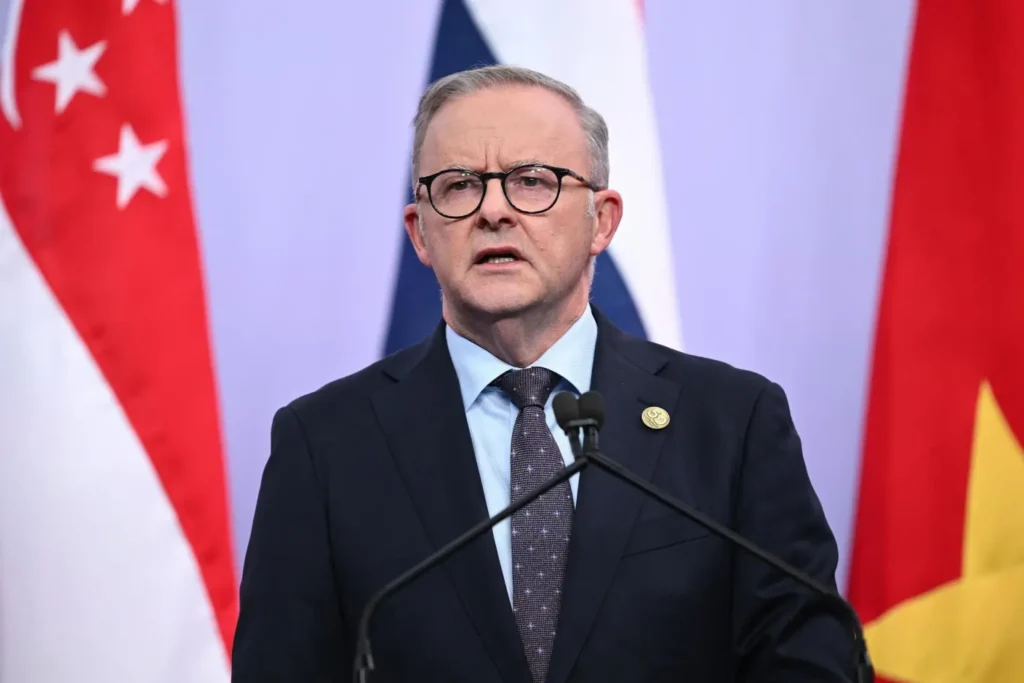
Prime Minister Albanese emphasized the government’s commitment to protecting children from the dangers posed by social media. He stated:
“Social media is harming our children, and it’s time to put an end to it.”
The government aims to alleviate concerns voiced by parents and guardians regarding online safety.
Read more on Metal Health
Potential Penalties for Non-Compliance
- Social media companies that fail to comply with the new regulations may face significant fines.
- Notably, minors and their parents will not incur penalties under this legislation.
Australia’s proposed ban on social media for those under 16 represents a significant step in addressing online safety concerns. As nations worldwide grapple with similar issues, Australia’s approach could serve as a model for other countries considering similar measures.

Subodh Public School Rambagh Holds Financial Literacy Session for Jaipur Teachers

SRN International School Maths Café, SRN International School Jagatpura

Dr Ambedkar Memorial Welfare Society Rajasthan Forms Permanent Council

Subodh Public School Rambagh Honours Sanitation Staff for Dedicated Service

Trump-Linked Powerus Plans Drone Production Partnership With Pakistan Army

October 2026 Rules: LPG Subsidy, SBI ATM and UPI Changes Explained

Priyansh Arya: The Six-Hitting Sensation of IPL 2025

Top 10 Most Searched Topics on YouTube: What’s Trending Now?

Preity Zinta Spotted with New Punjab Kings Hero Priyansh Arya in Viral Clip

Nag Panchami 2025: 7 Key Rituals and Puja Time to Eliminate Kaal Sarpa Dosha

Balen Shah, Kathmandu’s independent mayor, from rapper to political leader. Explore his rise amidst Nepal’s youth-led revolution-

Radhika Merchant: A New Chapter as Radhika Ambani

best career opportunities | Jaipur Career Fair | Credent TV | Dainik Navjyoti D2S03

what is reiki healing | Mental Health | Shiksha Sarokar, शिक्षा सरोकार, Sunil Narnaulia

DAV Centenary Public School, Vaishali Nagar, Jaipur hosts Successful ‘Mind Wars Quiz: A Battle of Wits and Knowledge’

 Election1 month ago
Rajasthan Municipal Election Results 2026 Live Updates
- Education1 month ago
OPT Fee Proposal Clears White House Review; $100,000 Figure Remains Unconfirmed
- Breaking News2 months ago
Savitribai Phule Award 2026 Honours 54 Women in Jaipur
- Breaking News1 month ago
India Bank Strike Today Over Five-Day Week, Branch Services Face Three-Day Disruption
- Accident1 month ago
Delhi High Court Orders MCD PG Audit After Satya Niketan Collapse
- Festival1 month ago
India Retail Inflation August 2026 Rises to 4.82% as Food Prices Climb
- International1 month ago
Houthi Drone Near Mecca: Saudi Arabia Intercepts UAV After Emergency Alert
- Breaking News1 month ago
Saudi Arabia Shuts East-West Oil Pipeline After Drone Attacks From Iraq