Connect with us

Delhi/NCR

Kejriwal’s ‘Sheesh Mahal’ Under Scrutiny: BJP Calls for Probe into Lavish Renovations

Published

on

kejriwal

Introduction

The residence of Arvind Kejriwal, commonly referred to as ‘Sheesh Mahal’, has recently come under intense scrutiny due to allegations concerning extensive and luxurious renovations. This controversy has elicited significant reactions from various political factions, particularly the Bharatiya Janata Party (BJP), which has called for a thorough investigation into the reported expenditures for the upgrades. This situation not only brings Kejriwal’s leadership under the microscope but also poses broader implications for the political dynamics within Delhi.

Despite Kejriwal’s assertions of transparency and frugality in governance, the extravagant nature of the renovations has prompted questions regarding the ethical use of public funds. Critics argue that the prioritization of lavish amenities in the Chief Minister’s official residence stands in stark contrast to the pressing socio-economic challenges faced by the residents of Delhi. This dichotomy has fueled public discourse, with supporters and opponents alike weighing in on the appropriateness of such spending amidst ongoing struggles with infrastructure, education, and healthcare.

Advertisement

Moreover, the BJP’s stance is emblematic of a larger strategy to undermine Kejriwal’s image by highlighting perceived contradictions within his governance approach. The political fallout from this controversy may provoke a reevaluation of public sentiments towards the Aam Aadmi Party (AAP) as well as impact the electoral landscape in future elections. It remains to be seen how this issue will evolve and whether it will alter public perception of Kejriwal, whose governance has previously been characterized by a commitment to transparency and accountability.

This controversy serves as a critical juncture, not only for Kejriwal as an individual leader but also for the larger political framework, as it raises fundamental questions about governmental priorities and the role of public figures in setting examples in times of economic challenge.

Background: Who is Arvind Kejriwal?

Arvind Kejriwal is a prominent figure in Indian politics, known for his role as the Chief Minister of Delhi and his leadership of the Aam Aadmi Party (AAP). Born on August 16, 1968, in Siwani, Haryana, Kejriwal pursued engineering at the Indian Institute of Technology (IIT) Kharagpur. His early career began in the Indian Revenue Service (IRS), where he served as a Joint Commissioner of Sales Tax in Delhi. However, the landmark moment that shaped his political career came when he became actively involved in the anti-corruption movement led by activist Anna Hazare in 2011, which resonated with a wide section of Indian society disenchanted with corruption in governance.
Advertisement
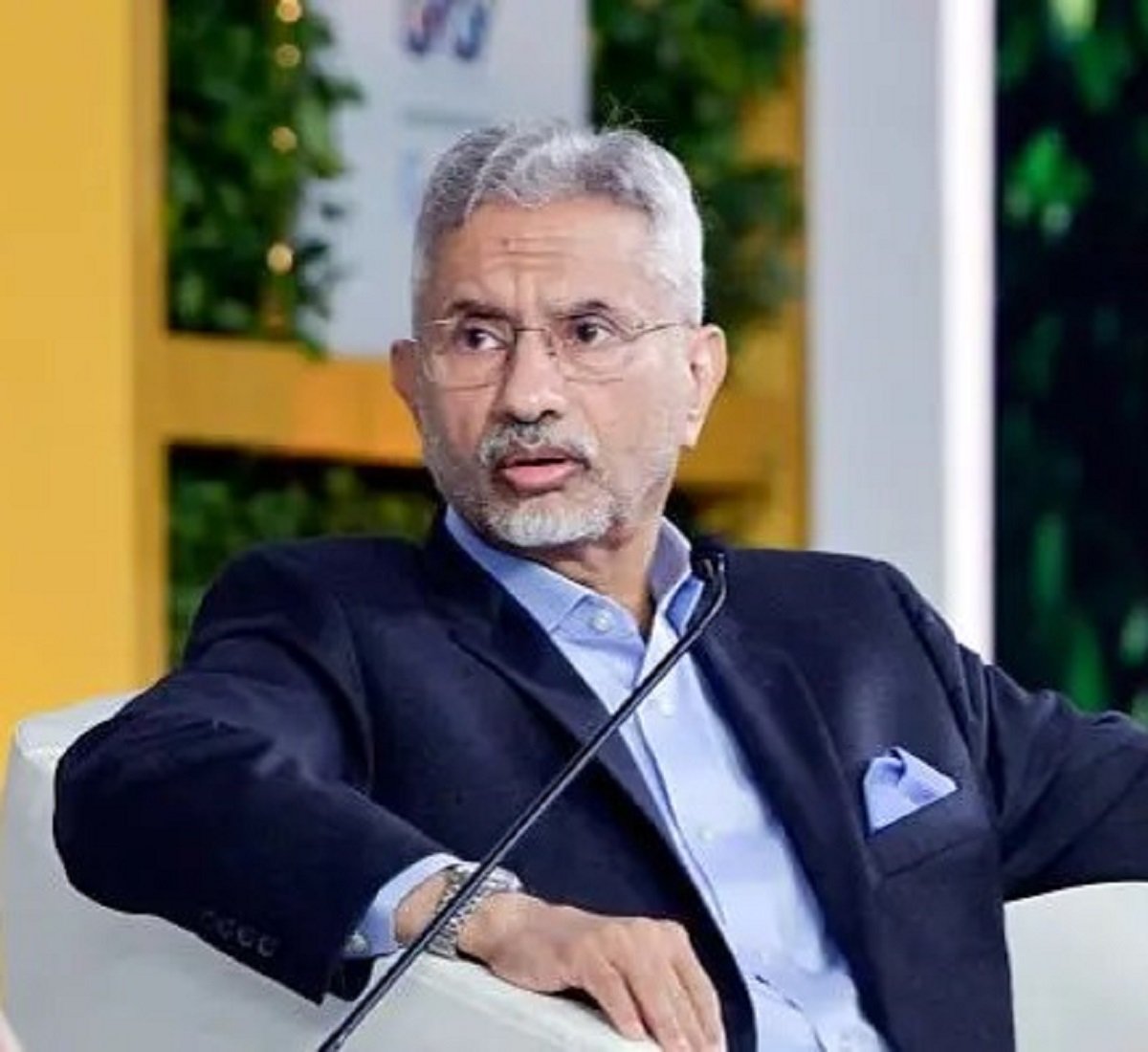
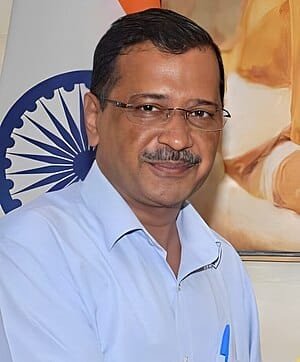
Arvind Kejriwal 2022 Official Portrail AI enhanced

In 2012, following the success of the anti-corruption demonstrations, Kejriwal founded the Aam Aadmi Party with a vision of creating an alternative political platform aimed at transparent governance and combating corruption. His rise in Indian politics was meteoric, leading to a significant victory in the 2013 Delhi Legislative Assembly elections, where AAP emerged as a major force, securing 28 of the 70 seats. Kejriwal’s initial tenure was, however, marred by challenges, resulting in his resignation after just 49 days due to an inability to pass a significant anti-corruption bill.

Despite this setback, Kejriwal returned to power in the 2015 elections with an overwhelming majority, winning 67 out of 70 seats. During this tenure, he implemented several policies focused on education, healthcare, and the provision of basic services, marking a shift in governance style towards transparency and citizen engagement. However, his tenure has not been without controversy. Issues such as his government’s confrontation with the central government, conflicts with the Delhi Police, and allegations of autocratic governance practices have sparked debates about his leadership. These facets of his career provide essential context as the scrutiny surrounding the recent lavish renovations of his residence unfolds.

The ‘Sheesh Mahal’: A Tour of the Residence

The ‘Sheesh Mahal’, the official residence of Delhi Chief Minister Arvind Kejriwal, has become synonymous with opulence and extravagance. Initially constructed as a relatively modest bungalow, it has transformed into a palatial structure, drawing attention for its luxurious features and significant renovations. The property, which occupies a prime location in the capital, is marked by its intricate design elements and luxurious materials that signify a departure from conventional government residences.
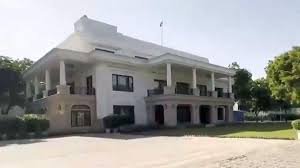
sheesh mahal

Upon entering the premises, one is greeted by expansive gardens adorned with carefully curated landscaping, featuring fountains and ornate sculptures. The façade of the Sheesh Mahal boasts high-end finishes, with elements reminiscent of royal architecture. This style is complemented by an impressive array of large, ornately designed windows that not only enhance aesthetic appeal but also create a connection to the lush surroundings.

Internally, the residence reveals treatments that are nothing short of spectacular. Many reports suggest the inclusion of custom-made furnishings, premium artworks, and imported materials—a stark contrast to the expectations of public officials’ residences. Lavish marble flooring accompanies wide staircases, potentially leading to personal and recreational spaces crafted for leisure and social gatherings.

Advertisement

Moreover, the proposed renovations reportedly include the installation of state-of-the-art amenities, which have not only sparked outrage among critics but have also amplified the juxtaposition between public service and personal indulgence. Such developments threaten to overshadow the chief minister’s governance agenda as they challenge the public’s perception of financial propriety. The term ‘Sheesh Mahal’ aptly captures the essence of the residence, symbolizing a blend of beauty and controversy that continues to dominate public discourse in Delhi.

BJP’s Allegations: The Call for a Probe

The Bharatiya Janata Party (BJP) has raised significant concerns regarding the recent renovations made to the Sheesh Mahal, an official residence utilized by Delhi Chief Minister Arvind Kejriwal. Central to the allegations are claims of excessive spending on opulent upgrades that appear to diverge from established protocols for public expenditures. The BJP contends that the financial resources allocated for these renovations require scrutiny to ensure adherence to fiscal accountability and transparency.

According to BJP officials, the renovations are not only lavish but also potentially misappropriated public funds. They argue that such extravagant spending, particularly during times of economic uncertainty, is unjustifiable and raises ethical questions about governance. The BJP has emphasized the need for a thorough investigation to assess the legality of the expenditure on the Sheesh Mahal and whether proper procedures were followed. They maintain that tax payer’s money should not be frittered away on luxury amenities when there are pressing issues, such as healthcare and education, demanding attention in the city.

Advertisement

The call for a probe has been met with a range of reactions; while some support the inquiry as a necessary step toward political accountability, others view it as a politically motivated campaign aimed at undermining the Kejriwal administration. The BJP’s insistence on investigating the alleged financial discrepancies carries weight in the backdrop of increasing calls for greater transparency from elected officials. The overarching objective of the BJP’s allegations is to ensure that public funds are utilized effectively and that government officials are held accountable for their financial decisions.

Public Reaction: Mixed Responses from Delhiites

The recent controversy surrounding Chief Minister Arvind Kejriwal’s ‘Sheesh Mahal’ has elicited a range of reactions from the residents of Delhi. On one hand, some citizens express outrage over the perceived opulence of the renovations, criticizing Kejriwal’s lifestyle as a stark contrast to the struggles faced by many in the capital. Virendra Singh, a local shopkeeper from Chandni Chowk, stated, “While the common man is making sacrifices, our leaders should not live in such luxury. It sends a wrong message about priority and accountability.” Such sentiments reflect a growing discontent among certain segments of society who view the lavish spending as a misuse of public funds.

On the contrary, a significant portion of the populace supports the Chief Minister, advocating that he deserves a comfortable residence as a public servant. Priya Mehta, an educator from South Delhi, expressed her views: “Kejriwal works tirelessly for the people of Delhi. It’s essential for leaders to have a conducive environment, which can enhance their performance. The focus should be on his governance, not the aesthetics of his home.” This perspective highlights the belief that the nature of political leadership might necessitate a higher standard of living.

Advertisement

Moreover, social media platforms have become a battleground for these diverging opinions. Many netizens have taken to Twitter and Facebook to share their thoughts, with hashtags related to Kejriwal and ‘Sheesh Mahal’ trending. While some posts criticize the Chief Minister for ‘flaunting wealth’, others commend him for his governance during the pandemic. Such polarized reactions emphasize the complex nature of public sentiment, as many Delhiites grapple with the balance between ruling authority and expectations of austerity.

Overall, the discourse surrounding Kejriwal’s home renovations reveals a broader dialogue on the expectations of public figures and the principles of governance that resonate among the citizens of Delhi.

Political Ramifications: Impact on AAP and Kejriwal’s Leadership

The recent scrutiny concerning the lavish renovations of Kejriwal’s residence, referred to as ‘Sheesh Mahal’, has significant political ramifications for both him and the Aam Aadmi Party (AAP). The perception of government officials’ spending in a time when the public is grappling with economic challenges can severely impact voter sentiment. AAP, which has built its image on a platform of transparency and anti-corruption, now faces the crucial task of managing the narrative surrounding these renovations.

Advertisement

As the opposition, particularly the BJP, calls for a thorough probe into the expenditures associated with the ‘Sheesh Mahal’, it casts doubt on AAP’s commitment to its foundational values. This political controversy can lead to a deterioration of public trust, particularly among AAP’s core demographic, which is sensitive to issues of corruption and fiscal responsibility. Voter support, which has often hinged on AAP’s advocacy for honesty in governance, may wane if these accusations resonate widely with the electorate.

Furthermore, the fallout can also influence Kejriwal’s leadership standing within AAP. Historically, leaders facing public backlash have had to contend with internal discontent, and the optics of opulence may position Kejriwal as disconnected from the everyday struggles of the citizens of Delhi. This could embolden dissent within the party ranks and trigger challenges to his authority as party leader.

In terms of future political strategy, AAP may be compelled to adopt a more transparent approach, emphasizing accountability to mitigate damage to their public image. The stakes are high, and how AAP navigates this controversy will be instrumental in shaping its electoral destiny in Delhi politics. As the situation evolves, the implications on party loyalty and voter perception remain critical to monitor in the upcoming political landscape.

Advertisement

Legal Implications: What a Probe Could Mean

The calls for a probe into Kejriwal’s lavish renovations, often dubbed as ‘Sheesh Mahal,’ could lead to significant legal implications. Should a formal investigation be initiated, it may involve several legal processes dictated by both state and national laws. Investigative bodies such as the Anti-Corruption Bureau (ACB) or the Central Bureau of Investigation (CBI) could take charge, depending on the jurisdiction and the gravity of the allegations pertaining to misuse of public funds.

If the investigation uncovers substantial evidence of misconduct, the legal ramifications for Kejriwal could be severe. Under the Prevention of Corruption Act, public officials who misuse their position for personal gain could face criminal charges. The law stipulates that if found guilty, the penalties may include imprisonment, significant fines, or both. Moreover, if Kejriwal is implicated in fraudulent activities or embezzlement, it could lead to more serious repercussions, potentially affecting his political career and public image.

Also read : Congress and Dr. B.R. Ambedkar: A History of Rejection and Political Tension

Advertisement

The process may also involve civil proceedings, wherein the government could seek recovery of the misappropriated funds. In such cases, Kejriwal might be required to repay the amount spent on unauthorized renovations. Alongside these legal consequences, if any finding establishes a misuse of authority, it could spark wider political implications, possibly leading to calls for resignations or even further investigations into other officials associated with the decision-making process.

Furthermore, a probe could ignite public outcry and activism, affecting not just governance but also the broader political landscape. The scrutiny could compel a re-examination of the processes through which public funds are utilized in the governance of state affairs, potentially leading to reforms aimed at enhancing transparency and accountability. Thus, the ramifications of a formal investigation into the ‘Sheesh Mahal’ renovations extend beyond individual accountability, touching upon core issues of governance and public trust.

Comparative Analysis: Other Political Figures and Their Luxurious Homes

The scrutiny of Arvind Kejriwal’s luxurious residence, often referred to as ‘Sheesh Mahal’, has spurred discussions about the lifestyles of other political figures in India. This phenomenon of extravagant living among politicians is not new and has been evident across various states and political parties. The current criticism directed towards Kejriwal aligns with a broader narrative where many politicians have faced allegations of misusing public resources to fund their opulent lifestyles.

Advertisement

Take, for instance, the case of former Uttar Pradesh Chief Minister Akhilesh Yadav, who was reported to have made significant modifications to his official residence while in power. The costs associated with maintaining and upgrading such luxurious accommodations drew heavy criticism from the public and political opponents alike. The debate around Yadav’s residence serves as another example of how politicians might prioritize their personal luxury over public service.

Similarly, in Maharashtra, the allegations against former Chief Minister Uddhav Thackeray regarding renovations to his official residence have highlighted the issue of politicians living lavishly. Critics argue that these types of expenditures signal a disconnect between elected officials and their constituents, who struggle with economic difficulties. Such patterns of behavior have led to growing public discontent regarding the perceived opulence of political leaders.

This comparison emphasizes a troubling trend where many leaders across India have faced allegations related to extravagant real estate decisions. The moral and ethical implications of living in luxury, especially when juxtaposed with the societal challenges faced by ordinary citizens, continually reignite discussions about accountability and the responsible use of public resources in governance. As the investigation into Kejriwal’s residence unfolds, it is likely that these broader discussions will continue, shedding light on potential patterns of behavior among political leaders in India.

Advertisement

Summary: The Future of the Sheesh Mahal Controversy

The Sheesh Mahal controversy surrounding Delhi Chief Minister Arvind Kejriwal has sparked a significant debate regarding political accountability in India. The allegations of lavish renovations funded by taxpayer money raise pertinent questions about transparency and ethical governance. As discussions unfold around this issue, it is crucial to analyze the implications it holds for both Kejriwal’s administration and broader political dynamics in the country.

The Bharatiya Janata Party (BJP) has been vocal in its demand for a thorough investigation into the purported extravagant spending on the Sheesh Mahal. Should such a probe come to fruition, it may establish a precedent for scrutinizing similar actions by public officials in the future. Given the complexity of political engagements in India, this controversy could serve as a catalyst for greater accountability in government expenditures. If the allegations are confirmed, the repercussions could adversely impact Kejriwal’s political career, possibly undermining the Aam Aadmi Party’s position in future elections.

Moreover, the inquiry could potentially lead to an increased awareness and advocacy for stricter regulations concerning public spending within political circles. In an environment where every decision made by a political leader is under the lens of public scrutiny, the outcomes of this situation will be observed closely by both supporters and critics. The narrative around the Sheesh Mahal may evolve further, influencing how political accountability is perceived in India.

Advertisement

Ultimately, the future of the Sheesh Mahal controversy is not merely a reflection of an individual leader’s actions but symbolizes the ongoing struggle for transparency and integrity within the nation’s political landscape. As the situation progresses, all parties involved must navigate these challenges carefully, balancing public expectation with political realities.


Advertisement

Geetika Sherstha is a passionate media enthusiast with a degree in Media Communication from Banasthali Vidyapith, Jaipur. She loves exploring the world of digital marketing, PR, and content creation, having gained hands-on experience at local startups like Vibrant Buzz and City Connect PR. Through her blog, Geetika shares insights on social media trends, media strategies, and creative storytelling, making complex topics simple and accessible for all. When she's not blogging, you’ll find her brainstorming new ideas or capturing everyday moments with her camera.

Continue Reading
Advertisement
Click to comment

Leave a Reply

Your email address will not be published. Required fields are marked *

Breaking News

15 Constitution Women Icons gave India a humane, progressive direction, yet their lessons are fading today-

Published

on

15 Constitution Women Icons played a historic role in shaping India’s democracy

New Delhi, Nov.26,2025:15 Constitution Women Icons played a historic role in shaping India’s democracy at a time when the nation was struggling with Partition, violence, and uncertainty. The Constitution was not merely a legal document—it was a moral compass meant to unite a broken society. These 15 Constitution Women Icons ensured that the document carried compassion, equality, and a lifelong commitment to justice.

Yet today, their names rarely appear in public discussions, school textbooks, or media debates. At a moment when India is continuously negotiating its identity, rights, and diversity, their insights have become more relevant than ever.

Advertisement

Why These 15 Women Matter Today

When modern India debates equality, representation, caste-based violence, women’s safety, religious polarisation, or the complexity of legal language, it is clear that several questions raised by the 15 Constitution Women Icons are still unanswered.

These women were

  • visionaries,
  • social reformers,
  • lawyers,
  • activists,
  • educators,
  • and freedom fighters.

Their combined vision ensured that the Constitution became not just a legal text but a humane framework for a diverse nation.

Hansa Jivraj Mehta’s Demand for Real Equality

Among the most influential 15 Constitution Women Icons, Hansa Jivraj Mehta stands out for questioning the very foundation of rights. She asked a bold question:
“Is the Constitution being written for citizens or for the already powerful?”

Advertisement

Her message was uncompromising

  • Equality is not charity.
  • It is a right that must reflect in every institution and social structure.
  • The state must actively remove barriers that limit women’s freedom.

Today, when India debates

  • workplace harassment,
  • digital bullying,
  • gender pay gap,
  • poor representation of women in leadership and politics,

Hansa Mehta’s concerns sound painfully familiar.

The 15 Constitution Women Icons were crystal clear that legal equality is meaningless without social acceptance. Yet, decades later, society still struggles to transform equality from law into lived reality.

Dakshayani Velayudhan and the Battle for Social Justice

Dakshayani Velayudhan, the only Dalit woman in the Constituent Assembly, brought unmatched courage and clarity to constitutional debates.

Advertisement

Her warning remains one of the most powerful insights from the 15 Constitution Women Icons

“Laws alone cannot change society. The mind must change first.”

She opposed separate electorates, believing that

Advertisement
  • Social separation breeds deeper discrimination.
  • True empowerment comes from shared democratic spaces.

Her words echo loudly even today, when

  • caste-based violence continues,
  • discrimination persists in workplaces, universities, and neighbourhoods,
  • social mobility still depends heavily on caste.

Dakshayani reminded the nation that the Constitution shows the direction,
but society must walk the path itself.

This message is more relevant in 2025 than it was in 1947.

Qudsia Aizaz Rasul on Citizenship Beyond Identity

Qudsia Aizaz Rasul, the only Muslim woman in the Constituent Assembly, spoke at a time when India was bleeding from Partition. Her courage shaped one of the most important principles of the Constitution

Advertisement

Citizenship must never be based on religion, community, identity, or fear.

Her core message among the 15 Constitution Women Icons was

  • Democracy must not discriminate.
  • Minorities must not depend on political concessions but on equal citizenship.
  • National unity grows from trust, not suspicion.

Today, when public debates frequently revolve around identity, religion, or “us vs them”, her words become a mirror to our times.

Ammu Swaminathan and the Need for Simple Legal Language

Ammu Swaminathan emphasised something surprisingly modern

The Constitution must speak in the language of the people.

Advertisement

Her belief

  • Complex legal jargon distances citizens from their own rights.
  • A Constitution is effective only when ordinary people can understand it.

Even today

  • legal procedures remain intimidating,
  • people struggle to understand policies,
  • citizens often feel disconnected from governance,
  • laws appear as government paperwork rather than public tools.

Ammu Swaminathan’s contribution among the 15 Constitution Women Icons highlights the urgent need for accessible governance.

Other Pioneering Women of the Constituent Assembly

The 15 Constitution Women Icons were not limited to four voices. Each contributed with brilliance and unwavering dedication

Durgabai Deshmukh

Advertisement

Focused on social welfare, education, and women’s legal rights.

Rajkumari Amrit Kaur

As independent India’s first Health Minister, she shaped public health policy and fought for women’s dignity.

Advertisement

Vijayalakshmi Pandit

Brought global diplomatic experience, strengthening India’s international democratic image.

Purnima Banerjee

Advertisement

Fought for civil liberties and grassroots participation.

Sucheta Kriplani

Later became India’s first woman Chief Minister; shaped debates on labour rights and civil services.

Advertisement

Leela Roy

Advocated for women’s education and political participation.

Malati Choudhury

Advertisement

Worked for tribal rights, rural empowerment, and social harmony.

Sarojini Naidu

A poetic force and political visionary who argued for universal equality.

Advertisement

Annie Mascarene

From Travancore, she championed labour reforms and state autonomy.

Each of these 15 Constitution Women Icons played a unique role in ensuring the Constitution remained progressive, inclusive, and deeply humane.

Advertisement

What India Is Forgetting Today

Despite their guidance, several lessons are fading

1. Equality is not a formality.

Advertisement

Hansa Mehta insisted that equality must shape everyday life, not just constitutional text.

2. Justice begins in society, not parliament.

Dakshayani Velayudhan warned that unless minds change, discrimination will survive every law.

Advertisement

3. Citizenship must be neutral and universal.

Qudsia Rasul championed identity-free citizenship.

4. Democracy must be understandable.

Advertisement

Ammu Swaminathan believed that rights must be easy to read, easy to claim.

5. Dignity cannot be selective.

The 15 Constitution Women Icons fought for dignity as a universal human right.

Advertisement

Lessons for the Present

India’s modern challenges—gender-based crimes, online harassment, caste inequalities, religious tensions, institutional complexities—prove that the warnings and wisdom of these 15 Constitution Women Icons still hold power.

Their teachings remind us

  • The Constitution is alive only when society practices its values.
  • Rights mean nothing without empathy.
  • Diversity is a strength, not a burden.
  • Justice requires active participation from every citizen.

These women gave India not just a framework, but a soul.

The 15 Constitution Women Icons were not background figures—they were architects of a humane, inclusive India. Their questions, warnings, and wisdom are not history lessons; they are present-day instructions for a more just and united nation.

Advertisement

If India understood and applied their teachings today, many of our current conflicts would look very different.

Advertisement
Continue Reading

Breaking News

Ethiopia volcano ash cloud India-How the Hayli Gubbi eruption is disrupting flights, air quality, and more across northern India-

Published

on

Ethiopia volcano ash cloud India is more than a dramatic news event —

Jaipur, Nov.25,2025:Ethiopia volcano ash cloud India is not just a worrying headline — it has quickly become a full-blown disruption for aviation, environment, and public safety in parts of northern India. The eruption of the Hayli Gubbi volcano in Ethiopia has sent up massive ash plumes, and they are now drifting thousands of kilometres, affecting airspace and prompting regulatory action.

The Hayli Gubbi Volcano Eruption

Early on Sunday, November 23, 2025, the Hayli Gubbi volcano in Ethiopia’s Afar region erupted explosively, spewing ash and gas high into the atmosphere. This is a shield volcano located in the Erta Ale Range, and according to geological records, it had shown no known eruption in the last ~12,000 years.

Advertisement

Satellite data from the Toulouse Volcanic Ash Advisory Centre confirmed a towering ash plume, reaching altitudes of up to 14 km, which is roughly 45,000 feet. Locals in nearby villages described the event as a massive explosion, with shock waves reverberating and a dense cloud of dust and ash coating their surroundings.

 First Eruption in Millennia

What makes this eruption particularly remarkable — and alarming — is that it’s likely the first recorded eruption of Hayli Gubbi in modern geological times. The Smithsonian Institution’s Global Volcanism Program suggests there was no known Holocene activity at this volcano until now.

The return of activity after a dormancy of around 12,000 years is a stark reminder of the unpredictability of geological phenomena, especially along tectonically active regions such as Ethiopia’s Rift Valley.

Advertisement

Reaching India

After the eruption, the ash cloud didn’t stay local — it began drifting east. According to the Toulouse advisory and multiple meteorological trackers, the ash has moved across the Red Sea, then over Yemen and Oman, before making its way toward parts of India and Pakistan.

The India Meteorological Department (IMD) and aviation authorities have been closely monitoring its path.

Advertisement

How Fast Is the Ash Moving

According to IMD-linked sources, the plume is traveling at a speed of 100–120 km/h, which is significant for an atmospheric event of this scale. The vertical spread is also notable: estimates suggest the ash cloud is dispersed between 15,000 feet and 45,000 feet in height, carrying not just volcanic ash but also sulphur dioxide and fine glass particles.

These conditions make the cloud particularly hazardous for aircraft, especially at high cruising altitudes.

 Impact on Indian Airways

The Ethiopia volcano ash cloud India crisis has already impacted airlines

Advertisement
  • Air India cancelled 11 flights on Monday and Tuesday as a precaution and to carry out inspections on aircraft that may have flown near the affected airspace.
  • Akasa Air cancelled its flights to and from the Gulf — specifically Jeddah, Kuwait, and Abu Dhabi — due to the risk posed by the ash cloud.
  • IndiGo, too, has reported disruptions.
  • KLM (the Dutch carrier) has also reportedly cancelled certain routes.

DGCA Issues Urgent Safety Advisory

In response to the ash threat, DGCA (Directorate General of Civil Aviation) has issued a high-priority advisory to all Indian airlines

  • Avoid regions and altitudes known to be affected by the ash cloud.
  • Adjust flight planning, routing, and fuel loads based on the latest data.
  • Immediately report any suspected ash encounter — including unusual engine behavior, cabin smoke, or foul odors.
  • Once back on ground, conduct post-flight inspections to check for ash-induced damage.
  • Airports are asked to inspect runways, taxiways, and aprons for ash contamination and suspend operations if needed.

This directive underscores how seriously aviation authorities are treating the situation.

 Ash-Related Risks to Aircraft

Why all the caution? Because volcanic ash is extremely dangerous for aircraft:

  • The tiny particles are highly abrasive; they can damage engines, erode surfaces, and compromise sensors.
  • When ingested into a jet engine, ash can melt inside due to the high temperatures, leading to internal coating, erosion or even engine failure.
  • The presence of sulphur dioxide and fine glass particles increases the risk of corrosion.

Aviation guidelines (including ones from ICAO) strongly advise avoidance of ash-contaminated regions — which is why DGCA’s alert is so critical.

 Regional and Health Consequences

Advertisement

Beyond aviation, the Ethiopia volcano ash cloud India connection could have wider environmental and health impacts:

  • The ash plume is expected to drift over parts of Gujarat, Rajasthan, Delhi-NCR, Haryana, Punjab, and potentially further toward Himalayan regions.
  • At ground or lower altitudes, the air may appear unusually hazy or dim, thanks to suspended ash.
  • Fine ash and sulfur dioxide can pose respiratory risks, especially for vulnerable populations (children, elderly, asthma patients).

While surface-level impact may be limited, the long-term deposition of ash could affect soil, water sources, and vegetation.

 Economic and Environmental Aftershocks

  • Livestock and Local Communities: In Ethiopia, local herders are already alarmed. Livestock grazing areas have been covered in ash, threatening food supply for animals.
  • Tourism: The Afar region, known for its unique landscapes and the Danakil Desert, has tourist communities that could face disruption.
  • Aviation Costs: Cancelled flights, aircraft inspections, and rerouting could impose significant expenses on airlines.

Moreover, if ash persists in the atmosphere, there could be climatic effects, impacting sunlight, temperature, and air quality over a broader region.

 Expert Insights and External Monitoring

  • The Toulouse Volcanic Ash Advisory Centre (VAAC) is central to tracking the ash plume. Their satellite-based alerts are guiding aviation authorities.
  • Geological experts have flagged the eruption’s rarity — Hayli Gubbi hasn’t been active in the Holocene until now.
  • The IMD is providing constant updates, leveraging meteorological models to predict the plume’s movement.

Forecast and Precaution

Based on current models

  • The ash cloud is expected to clear Indian airspace by later today (Tuesday), as per the IMD.
  • However, aviation authorities and airlines will continue to monitor satellite imagery, meteorological data, and real-time aircraft behaviour.
  • Airports in potentially affected regions have been advised to remain on alert and conduct inspections as needed.

What India Can Do

Given the unpredictable nature of volcanic fallout, here are some recommended steps for Indian authorities and the public

  1. Maintain Strict Flight Safety Protocols
    Airlines should continue to follow DGCA guidance rigorously. Avoidance of risky altitudes and constant aircraft monitoring is essential.
  2. Public Health Alerts
    Local governments in regions under the ash’s projected path should inform citizens about potential respiratory risks. Wearing masks, avoiding outdoor exposure when the ash is thick, and improving indoor air filtration could help.
  3. Ground Infrastructure Preparedness
    Airports must be ready to inspect surfaces and clean ash deposits from runways, taxiways, and aprons without significant delay.
  4. Long-Term Environmental Monitoring
    Coordinated efforts between meteorological, environmental, and geological agencies can help assess ash deposition on soil, vegetation, water bodies, and livestock areas.
  5. Communication & Transparency
    Real-time public updates via media, social platforms, and government channels will be crucial to keep people informed and safe.

Ethiopia volcano ash cloud India is more than a dramatic news event — it’s a serious risk matrix involving aviation safety, environmental health, and cross-border atmospheric dynamics. The unprecedented eruption of Hayli Gubbi volcano after thousands of years, coupled with fast-moving ash plumes, has jolted authorities into action. While immediate flight disruptions are being handled, the long-term implications on health, ecology, and climate remain uncertain. Vigilance, preparation, and coordinated response are key as India navigates this unusual but critical challenge.

Advertisement
Continue Reading

Breaking News

Sindh controversy deepens after Rajnath Singh’s comments on Sindh returning to India; Pakistan strongly-

Published

on

Sindh controversy has flared into a full diplomatic

New Delhi, Nov.24,2025:Sindh controversy has flared into a full diplomatic row after Indian Defence Minister Rajnath Singh made provocative remarks suggesting that Sindh, a province in Pakistan, “may return to India”. The comments have triggered a forceful backlash from Pakistan, which described them as dangerous and revisionist. Against the backdrop of history, identity, and geopolitics, this episode risks stirring deep-seated tensions.

 What Did Rajnath Singh Actually Say

In a speech at a Sindhi community event in New Delhi, Rajnath Singh invoked the writings of BJP veteran Lal Krishna Advani to emphasize the civilisational link between Sindh and India. He stated

Advertisement
  • “Today, the land of Sindh may not be a part of India, but civilisationally, Sindh will always be a part of India.”
  • He added provocatively: “Borders can change. Who knows, tomorrow Sindh may return to India.”
  • He also drew spiritual parallels, saying that many in Sindh revered the Indus (“Sindhu”) River as profoundly as Muslims revere Zamzam water.

Singh argued that many Sindhi Hindus of his generation continue to feel emotionally attached to their ancient homeland, never fully reconciling with its partition in 1947.

Pakistan’s Sharp Reaction

Pakistan’s Ministry of Foreign Affairs (FO) responded swiftly and strongly, condemning Singh’s remarks as “delusional and dangerously revisionist.” According to the FO

  • The comments reflect an expansionist Hindutva mindset challenging the inviolability of internationally recognised borders.
  • Such rhetoric is a violation of international law and Pakistan’s sovereignty.
  • Islamabad urged New Delhi to refrain from provocative statements that threaten regional peace and stability.
  • Instead, Pakistan argues, India should focus on protecting its own minority communities rather than make irredentist claims.

Sindh’s Civilisational Ties

To fully grasp why Singh’s comment caused such an uproar, one must understand Sindh’s historical and cultural significance

  • Sindh is deeply rooted in ancient civilization, being home to Mohenjo-daro, one of the major cities of the Indus Valley Civilization.
  • Over centuries, Sindh has witnessed Arab conquests (from 712 CE), Mughal rule, and native Sindhi dynasties.
  • The Indus River (Sindhu) holds profound spiritual resonance not just in Hindu tradition but also within the shared civilisational memory of the region. Singh’s remarks tapped precisely into this sentiment.

Sindh’s Demographics and Cultural Legacy

Understanding Sindh today

  • Sindh is a province in present-day Pakistan with over 5 crore (50+ million) people in its districts.
  • Religious demographics: According to recent data, 91% of Sindh’s population is Muslim, while around 6–8 % are Hindus.
  • The Umerkot district remains the only Hindu-majority district in Pakistan.
  • Sindh’s capital is Karachi, which also forms a major industrial and economic hub.

Sindh and the Indus Valley Civilisation

Mohenjo-daro, located in Sindh, was one of the most advanced cities of its time — planned with streets, drainage systems, and sophisticated urban architecture.
This archaeological heritage gives Sindh a special place in world history as part of the Indus Valley Civilization, contributing to its identity as a cradle of ancient civilisation.

Hindus in Sindh

The role and status of Hindus in Sindh are deeply intertwined with its past and present

Advertisement
  • Sindh has one of the highest Hindu populations in Pakistan.
  • According to the 2023 census, approximately 4.9 million Hindus live in Sindh, making up 8.8% of the province’s population.
  • Historically, many Sindhi Hindus trace their roots to the pre-partition era; figures like Lal Krishna Advani have spoken of their emotional and spiritual connection to Sindh.
  • Sindhi Hindus have preserved temples and festivals, such as the annual Ramapir Mela at the Shri Ramapir Temple in Tando Allahyar.

Minority Rights and Tensions

The Sindh controversy is not just about rhetoric — it highlights real, ongoing challenges for minorities in the province

  • There are reports and concerns about forced conversions, especially of Hindu girls in Sindh, raised by both Pakistani human rights bodies and international observers.
  • The minority population often feels politically marginalized, and their security remains a sensitive matter.
  • The diplomatic spat over Singh’s comments adds further strain, raising fears about how such rhetoric could influence domestic narratives and minority treatment.

Implications for India-Pakistan Relations

Rajnath Singh’s remarks and Pakistan’s outraged response have several broader implications

Regional Tensions: Such statements risk inflaming already precarious India–Pakistan relations, potentially undermining diplomatic trust.

Ideological Signals: By invoking a “civilisational claim” over Sindh, Singh’s rhetoric may stoke fears in Pakistan of irredentism rooted in ideological nationalism.

Advertisement

Domestic Audiences: For India, the remark resonates with a section of the Sindhi diaspora and Hindutva-aligned constituencies; for Pakistan, it becomes a rallying point to defend sovereignty.

International Norms: Pakistan’s response stressed that changing borders through rhetoric violates established international law and norms.

The Sindh controversy triggered by Rajnath Singh’s comments is far more than a rhetorical flare-up — it taps into deep historical memory, identity, and the fraught geopolitics of South Asia. While Singh framed his remarks in civilisational and emotional terms, Pakistan dismissed them as dangerously revisionist and expansionist. The incident underscores how the past continues to inform present-day geopolitics, and how symbolic geography can become a flashpoint in regional relations.

Advertisement

Continue Reading

Breaking News

Surya Kant becomes CJI today, marking a bold shift in India’s judiciary-

Published

on

Surya Kant becomes CJI of India

New Delhi, Nov.24,2025:Surya Kant becomes CJI of India, stepping into the role of the 53rd Surya Kant, Chief Justice of India, at a time when the highest court faces mounting challenges and expectations. His swearing-in marks a transition of leadership and sets the stage for reform, accountability, and judicial efficiency.

From Hisar to Rashtrapati Bhavan

Surya Kant becomes CJI after a distinguished legal trajectory: born on 10 February 1962 in Petwar village, Hisar district, Haryana, he completed his law degree at Maharishi Dayanand University in Rohtak and embarked on legal practice in 1984.

Advertisement

He advanced through roles including youngest Advocate General of Haryana (2000), Judge of the Punjab & Haryana High Court (2004), Chief Justice of Himachal Pradesh High Court (2018), and finally elevation to the Supreme Court in 2019.

His appointment as CJI followed the convention of seniority: his predecessor B. R. Gavai recommended his name, and the President of India administered his oath of office.

The Ceremony and Key Figures

Surya Kant becomes CJI in a formal ceremony held on 24 November 2025 at the Rashtrapati Bhavan, administered by President Draupadi Murmu. Attendees included Prime Minister Narendra Modi, Home Minister Amit Shah, Defence Minister Rajnath Singh, and many senior judicial and governmental figures.

Advertisement

He succeeds B. R. Gavai, who retired on 23 November 2025, and Surya Kant’s tenure is slated to last until 9 February 2027 — roughly 15 months.

What Chief Justice Surya Kant Aims to Achieve

With Surya Kant becomes CJI, his stated priorities include clearing the backlog of constitution-bench cases, reinforcing mediation as an alternative dispute resolution, and restoring faith in lower courts and tribunals by ensuring the Supreme Court does not become the first resort.

He has acknowledged that the Supreme Court has over 90,000 pending cases and emphasised the need to address systemic listing and institutional delays.

Advertisement

The Key Judgments & Legal Legacy

Surya Kant becomes CJI after playing pivotal roles in landmark judgments

  • He was part of the bench that upheld the abrogation of Article 370, which removed the special status of Jammu & Kashmir.
  • He contributed to the bench that held the colonial-era sedition law in abeyance, directing that no new cases be registered under Section 124A until the government completes a review.
  • He ordered the Election Commission of India to disclose details of nearly 65 lakh voters dropped in Bihar during the Special Intensive Revision (SIR), underlining transparency in electoral rolls.
  • He has also been a voice for gender equity in the legal fraternity, directing that one-third of seats in bar associations be reserved for women.

These rulings form a foundation for the kind of leadership he will bring as CJI.

 Leadership Style & Vision

When Surya Kant becomes CJI, the tone set is one of reform and institutional responsibility. He has stressed that courts are collective bodies, not just the sum of individual judges, and that discipline, consistency and efficiency are central to maintaining credibility.

Advertisement

By elevating mediation and alternate dispute resolution, he intends to reduce the burden on courts and make justice more accessible. His approach suggests a blend of administrative acuity, commitment to constitutional values and a vision for modernising judicial processes.

Case Backlog, Institutional Trust and Reform

Surya Kant becomes CJI just as the judiciary grapples with major structural challenges

  • The backlog of cases in the Supreme Court and lower courts remains daunting.
  • Litigants are increasingly bypassing high courts and heading directly to the top court, raising questions about the functioning of district and high courts.
  • Institutional trust is under pressure as citizens demand faster, fairer resolution of matters, and more accountability in judicial administration.
  • Coordinating across states, high courts and central agencies to enforce decisions, ensure compliance and maintain consistency across jurisdictions.

If he manages to advance reforms in these areas, Surya Kant becomes CJI could be more than symbolic — it could mark substantive change.

Impact on Judiciary, Governance & Citizens

Surya Kant becomes CJI carries significance well beyond the walls of the Supreme Court. For citizens, his tenure could determine how quickly justice is delivered, how transparent legal processes become, and how equitable institutions can be.

Advertisement

In governance terms, his priorities in constitutional benches may shape the interpretation of key laws, affect centre-state relations, and influence rights, liberties and regulatory frameworks.

For the judiciary itself, his leadership may usher in administrative reforms, embrace technology, alternative dispute resolution, and drive performance benchmarks.

A New Chapter Begins

Surya Kant becomes CJI at a moment of both challenge and opportunity. With a clear agenda, rich judicial experience, and a reform-oriented outlook, he steps into the role of Chief Justice of India ready to lead the Supreme Court through the evolving complexities of law, society and governance.

Advertisement

Continue Reading

Breaking News

Delhi air pollution protest turned chaotic as demonstrators allegedly used pepper spray on police, resulting in several arrests and injuries —

Published

on

The Delhi air pollution protest at India Gate last Sunday was more than a march

New Delhi, Nov.24,2025:Delhi air pollution protest turned into a heated and chaotic confrontation on Sunday, as demonstrators near India Gate allegedly used pepper spray on police personnel. The clash has ignited a fierce debate over both public health and civil rights, spotlighting the urgent demand for long-term solutions to Delhi’s toxic air.

Why the Demonstrators Took to India Gate

Protesters—including students, environmental activists, and concerned citizens—gathered at India Gate to draw attention to Delhi’s worsening air quality. According to the Delhi Coordination Committee for Clean Air, the situation is not just a seasonal problem: it’s a public health emergency.

Advertisement

Many protesters argued that the government is relying on superficial, temporary measures—like water sprinkling, cloud seeding, and localized spraying near AQI (Air Quality Index) monitoring stations—rather than implementing systemic, long-term reforms.

The Use of Pepper Spray and Police Response

Tensions escalated on Sunday when protesters allegedly sprayed chilli (pepper) spray at the police. According to Delhi Police, a scuffle broke out during the removal process, after demonstrators broke through barricades and sat down in the C-Hexagon area, blocking the road.

Deputy Commissioner of Police Devesh Kumar Mahla described the use of pepper spray as “very unusual” for a protest, noting that some officers suffered irritation in their eyes and face, and were treated at Ram Manohar Lohia (RML) Hospital.

Advertisement

Police also said that ambulances and medical personnel were stuck behind the barricade, which added to the urgency of clearing the site.

Injuries, Arrests, and Legal Fallout

  • Around 15 people were arrested in connection with the protest, charged with obstructing public servants, acting in common intention, and creating public danger.
  • An FIR (First Information Report) has been registered under multiple sections of the law: sections 132 (assault or criminal force to deter public servant), 221 (obstructing public servant), 3(5) (common intention), and 285 (danger or obstruction in public way).
  • According to the police, 3–4 personnel sustained injuries from the spray.
  • Legal action is ongoing as authorities promise a thorough investigation.

Protesters’ Message- Demanding Clean Data, Clean Air

The demonstrators weren’t just angry about pollution; they were raising serious concerns about transparency in air quality data. Many called for

  • Real-time, reliable AQI (Air Quality Index) data
  • An independent air regulator to hold the government accountable
  • Clear health advisories during pollution spikes
  • Accountability for environmental funds and long-term investment in cleaner infrastructure

One protester told the media, “We need clean air, not fake numbers. We’re living in hell.”

Another youth said, “The government must stop hiding the data. Unless they acknowledge the severity, how can change even begin?”

Political Reactions- Accusations and Counter-Accusations

The protest did not remain apolitical. Several political fault lines emerged

Advertisement
  • The Bharatiya Janata Party (BJP) raised strong objections over some protesters allegedly carrying posters of Maoist commander Madvi Hidma, who was recently killed in a police encounter.
  • BJP’s IT cell head, Amit Malviya, accused the demonstrators of staging a “show of concern” while glorifying a wanted insurgent.
  • AAP (Aam Aadmi Party), on the other hand, called it a national health emergency. AAP spokesperson Priyanka Kakkar demanded a joint meeting of all NCR chief ministers and environment ministers, accusing the central government of “manipulating data” and putting citizens’ health at risk.

Delhi’s Pollution Crisis

This protest didn’t emerge in a vacuum. Delhi’s air pollution has long been a seasonal yet deeply entrenched crisis. Key drivers include

  • Crop burning in neighbouring states
  • Vehicular emissions
  • Dust from construction
  • Industrial and construction activities
  • Weather conditions (low wind, temperature inversion) during winter

Despite recurring calls for reform, critics argue that many government interventions are short-term fixes. For instance,

  • Cloud seeding: expensive, but questioned on efficacy
  • Water sprinkling around AQI stations: seen by activists as superficial and potentially misleading
  • Suspension or turn-off of AQI monitors during peaks: activists have alleged manipulation.

What This Protest Means for Delhi’s Future

 A Turning Point in Civic Engagement

The Delhi air pollution protest signals a fresh wave of civic activism. What began as localized indignation over toxic air is now escalating into political confrontation, as citizens demand not just cleaner air but accountability.

 Rising Frustration With Symbolic Measures

Protesters’ frustration reveals a deeper distrust. They argue that government actions—like sprinklers, cloud seeding, or temporary bans—are symbolic gestures, not structural solutions. This distrust risks fueling further unrest unless authorities respond with concrete policy measures.

Advertisement

 The Risk of Polarization

The presence of controversial symbols—like posters of Madvi Hidma—has polarized the debate. For the BJP, it’s being used to question the protest’s legitimacy. For others, it amplifies the protest’s urgency: that air pollution is deeply interwoven with systemic neglect and political exploitation.

Institutional Reform vs Protests

Protesting is one thing; reform is another. For long-term change, experts argue that Delhi needs

Advertisement
  • A strong, independent regulator for air quality
  • Transparent real-time AQI data accessible to all
  • Enforceable emissions norms for vehicles and construction
  • Cross-border cooperation with neighbouring states to limit crop burning

If the movement sustains, it could force institutional reforms—or risk being dismissed as yet another flashpoint in India’s urban activism playbook.

Breathing Life Into the Debate

The Delhi air pollution protest at India Gate last Sunday was more than a march—it was a declaration. Citizens are demanding more than token measures; they want sustainable, structural change.

By turning the streets into a platform for their voices, protesters have reignited a national conversation: Can Delhi become more than just a capital city cloaked in smog? Will political leaders deliver beyond photo ops and sprinklers-

Advertisement
Continue Reading

Breaking News

India Russia oil import decline is reshaping geopolitical energy ties — explore how U.S. sanctions, trade deals, and strategic-

Published

on

India Russia oil import decline is making headlines right as Russian President Vladimir Putin prepares for a major diplomatic trip to New Delhi

New Delhi,Nov.20,2025:India Russia oil import decline is making headlines right as Russian President Vladimir Putin prepares for a major diplomatic trip to New Delhi. The timing has raised eyebrows, because energy ties—especially crude oil trade—have historically formed a core pillar of India-Russia relations. But in recent months, Indian oil imports from Russia have shown signs of strain.

This shift isn’t happening in a vacuum. It comes at a moment when geopolitical pressures, U.S. sanctions, and shifting energy markets are all colliding. That makes the decline not just a commercial matter, but a deeply strategic one — with implications for energy security, bilateral diplomacy, and India’s broader foreign-policy calculus.

Advertisement

Trends and Contradictions

 Tracking by Ship-Tracking Firms

Contrary to some narratives of a steady and sharp cut in Russian crude imports, ship-tracking data paints a more nuanced picture. According to Kpler and OilX, India’s crude imports from Russia in October 2025 were around 1.48 million barrels per day (bpd), up from 1.44 million bpd in September.

Likewise, other data sources picked up an 11% month-on-month increase in the same period.

Advertisement

Yet, while some outlets report a rebound in October after a summer dip, others note a longer-term decline: for instance, India’s first eight months of 2025 saw a 10% drop in total crude imports from Russia compared to prior averages.

This apparent contradiction—week-to-week uptick vs. year-on-year decline—suggests that the “decline” is not uniform, and strategic recalibration might be happening rather than a straightforward disengagement.

 Impact of U.S. Tariffs and Sanctions

A key factor behind the drop: U.S. sanctions targeting Russian oil majors Rosneft and Lukoil, with a deadline set for November 21 to wind down transactions. Several Indian refiners—including major players like Reliance, HPCL, and Mangalore Refinery—are reportedly reviewing contracts to avoid sourcing from the blacklisted companies.

Advertisement

On top of that, Donald Trump (former U.S. President) has repeatedly criticized India for its Russian oil purchases and even claimed that Prime Minister Modi pledged to halt imports in a phone call. While India’s foreign ministry denied knowledge of such a commitment, it underscores the political heat around this issue.

Strategic Reasons Behind the Decline

 Refiners’ Recalibration

Major Indian refiners are recalibrating their sourcing strategy. According to industry reports, private refiners such as Reliance Industries and Nayara Energy continue to buy Russian crude, but are increasingly wary of entities under U.S. sanctions.

Advertisement

State-run players are being even more cautious. They are scrutinizing loading documents, purchase agreements, and shipping bills to ensure they don’t indirectly trade with Rosneft or Lukoil. This kind of due diligence suggests a strategy of risk mitigation rather than a blanket shutdown.

 Energy Security vs. Geopolitics

India has long balanced its energy security needs with geopolitical imperatives. On one hand, discounted Russian crude has been economically attractive. On the other, geopolitical risks—from Western sanctions to diplomatic fallout—are becoming harder to ignore.

Advertisement

Some analysts argue that Indian refineries are now hedging: they are not completely cutting off Russian supply but reducing exposure to risky entities, while simultaneously scouting for alternate sources. This way, they can maintain affordable energy while reducing potential political fallouts.

The Effect on India-Russia Relations

The decline in oil imports could test the resilience of India-Russia ties, especially as Putin’s visit draws closer.

Historically, energy trade has cemented the partnership between the two nations. But now, the pressure to reduce oil ties could realign that relationship. Even as India seeks to reduce some engagement on oil, it may continue deep collaboration in strategic areas such as defense, space, and nuclear technology. Some experts believe that while oil was a major economic lever, it’s not the only one—and India and Russia might lean more on non-oil sectors going forward.

Advertisement

What This Means for India’s Future

 Alternative Suppliers & Diversification

In response to the decline of Russian oil imports, Indian refiners are actively looking for alternate crude sources. According to reports:

  • Middle East, Latin America, and West Africa are gaining attention as spot-market alternatives.
  • Indian Oil (IOC) has even called for 24 million barrels of crude from the Americas for Q1 2026.
  • Mangalore Refinery is replacing uncertain Russian volumes by importing Murban crude from Abu Dhabi.

These moves not only help manage geopolitical risk but also diversify India’s crude basket—a smart strategy for long-term energy security.

 Long-Term Geopolitical Risks

Advertisement

Scaling down oil dependence on Russia comes with its own geopolitical trade-offs. While India may ease its exposure to sanctioned Russian entities, this could potentially strain trust with Moscow—especially in energy diplomacy.

Moreover, a shift toward other countries for crude supply invites fresh dependencies: new political risks, different market dynamics, and even supply-chain vulnerabilities. So, while diversification is sensible, it opens a new chapter in India’s energy geopolitics.

Can India Balance Its Energy Needs and Diplomacy

India Russia oil import decline is not a simple story of capitulation or defiance. It’s a subtle recalibration. Indian refiners are reducing exposure to high-risk Russian entities—not because they are cutting ties entirely, but because they are hedging bets in a volatile geopolitical climate.

Advertisement

On one side, the U.S. sanctions and trade pressure are real, and they are forcing Indian companies to rethink how they source crude. On the other, energy security remains non-negotiable for India. The result is a carefully orchestrated balance: maintain enough Russian supply to stay cost-efficient, while reshaping the import portfolio to reduce diplomatic risk.

As Putin’s visit approaches, this dual-track strategy will likely be tested. The broader question remains

Advertisement
Continue Reading

Breaking News

Delhi Student Suicide Case exposes shocking claims of harassment, parental anguish, and alleged teacher misconduct-

Published

on

Delhi Student Suicide Case has sent shockwaves across the national capital

New Delhi, Nov.20,2025:Delhi Student Suicide Case has sent shockwaves across the national capital and ignited outrage among parents, students, and mental-health advocates. A 16-year-old Class 10 student allegedly died by suicide at Rajendra Place Metro Station, leaving behind a heartbreaking note blaming three teachers for “continuous harassment” and “public humiliation.”

What followed was chaos, anger, and a nationwide discussion on student safety, mental pressure, and teacher accountability.

Advertisement

This in-depth report covers every critical detail, bringing clarity to a case that has shaken the conscience of thousands.

Delhi Student Suicide Case Triggers Nationwide Outrage

The Delhi Student Suicide Case escalated rapidly after the teenager reportedly jumped from Platform-2 of Rajendra Place Metro Station, leading to instant death on the tracks. According to the police, a detailed suicide note was found inside his school bag — a note that changed the course of the investigation.

The case has now become symbolic of something larger:
 Student mental health
 School harassment claims
 Questions on administrative accountability
 Systemic pressure in academic institutions

Advertisement

 Family’s Devastating Reaction & Father’s First Statement

The student’s father, still in deep shock, made an emotional statement that went viral

“Jitna rona hai ro lo, mujhe koi fark nahi padta…”
— This is allegedly what a teacher told the boy hours before he died.

According to the father’s FIR, his son was suffering mental torture for over a year, often being mocked or insulted in front of classmates.

Advertisement

He claimed the school

  • Ignored complaints
  • “Protected” teachers
  • Threatened the family with expulsion if they complained further

This deepened the concerns surrounding the Delhi Student Suicide Case, raising questions about the school’s internal practices.

The Day of the Incident

On the day of the tragedy, the boy was participating in dance rehearsal for a school event.

According to the father

Advertisement
  • The child slipped from the stage
  • Instead of helping him, teachers allegedly scolded and humiliated him
  • He was reportedly told:

“Cry as much as you want, I don’t care.”

This line became the most disturbing part of the Delhi Student Suicide Case, shared widely on social media.

The student allegedly left the school shortly after the incident and travelled to Rajendra Place Metro Station, where the tragedy occurred.

 The Suicide Note

Police confirmed recovering a detailed note that included

Advertisement

 Accusations against three teachers

The boy blamed them directly for “emotional harassment.”

 Apology messages to family

Advertisement

To his brother

“Sorry bhaiya, for whenever I treated you badly.”

To his mother:

Advertisement

“Sorry mummy, this is the last time I’ll break your heart.”

 Wish for organ donation

This reveals extraordinary maturity — and unimaginable pain.

Advertisement

The Delhi Student Suicide Case has therefore become not just a police matter, but an emotional tragedy affecting every reader.

 Protests Erupt Outside the School

Two days after the incident, hundreds gathered outside the school, demanding

Advertisement
  • Suspension of accused teachers
  • Justice for the student
  • Transparent investigation

Parents held placards reading:

  • “Stop bullying in schools”
  • “Children deserve respect”
  • “Justice for Delhi boy”

Other students also came forward with claims of strictness, humiliation, and fear inside classrooms.

This protest became one of the most defining moments in the Delhi Student Suicide Case.

One Year of Harassment

According to the FIR filed by the father

  • His son had been mentally disturbed for nearly a year
  • Teachers allegedly mocked him during classes
  • Complaints were dismissed
  • The school administration reportedly threatened to “take action” against the family

These revelations deepen the seriousness of the Delhi Student Suicide Case.

The Trigger Point

Multiple students told HT and other news platforms that

Advertisement
  • The boy dreamed of becoming a dancer
  • Teachers allegedly scolded him often
  • One drama teacher reportedly “pushed or insulted him” on earlier occasions
  • On the last day, humiliation in front of classmates “broke him emotionally”

The Delhi Student Suicide Case shows how one moment can push a vulnerable child beyond endurance.

Why the Delhi Student Suicide Case Has Parents Across India Worried

This case has exploded discussions on

 Bullying by teachers

 Excessive academic pressure

Advertisement

 Lack of emotional sensitivity

 Failure of school counselling systems

Thousands of parents online are now questioning

Advertisement
  • How safe are children in “reputed schools”
  • Why do teachers still publicly insult students
  • Why is mental health still ignored?

 School Administration Under Fire

The school has maintained that

  • They are cooperating with the police
  • A fair investigation must be conducted

However, parents argue that:

  • There is a culture of fear
  • Teachers rarely face accountability
  • Complaints are handled with intimidation

This makes the Delhi Student Suicide Case a much larger reflection of the education system’s flaws.

 Why Student Mental Health Cannot Be Ignored

Mental-health experts emphasize

Advertisement
  • Harsh words affect teenagers deeply
  • Public humiliation is emotional violence
  • Schools must adopt zero-tolerance bullying policies

According to WHO,
India has one of the world’s highest youth suicide rates.

This makes cases like the Delhi Student Suicide Case extremely alarming.

What Indian Law Says

Under the POCSO Act & Juvenile Justice Act,
students are entitled to

Advertisement
  • Safety
  • Dignity
  • Emotional protection

Any teacher found guilty of harassment can face

  • Suspension
  • Criminal charges
  • Job termination

Police have formed multiple teams to investigate the Delhi Student Suicide Case, including analysis of:

  • CCTV footage
  • Witness statements
  • Teacher behaviour patterns

Investigation Status

Authorities revealed

  • Suicide note authenticity is confirmed
  • Teachers are under scrutiny
  • Statements of classmates being recorded
  • School administration questioned

The Delhi Student Suicide Case is being monitored by senior officers due to massive public outrage.

A Wake-Up Call for India

The Delhi Student Suicide Case is not just about one school or one student —
it is about a system that often ignores emotional distress.

This tragedy teaches us

Advertisement
  • Children need empathy, not humiliation
  • Schools must become safe emotional spaces
  • Teachers must be trained to avoid toxic behaviour
  • Families must listen to signs of distress

If ignored, more lives may be lost to silence.

Continue Reading

Breaking News

The Bharat Gaurav tourist train will run two luxurious heritage circuits, “Garvi Gujarat” and “Padharo Rajasthan”, from Delhi in January 2026 —

Published

on

Bharat Gaurav tourist train is set to make a grand return in January 2026

New Delhi, Nov.20,2025:Bharat Gaurav tourist train is set to make a grand return in January 2026, with Indian Railway Catering & Tourism Corporation (IRCTC) launching two major heritage circuits — Garvi Gujarat and Padharo Rajasthan — from Delhi’s Safdarjung Railway Station. This revival is part of a renewed focus on heritage, pilgrimage, and cultural tourism, positioning the train as a luxurious way to rediscover India’s rich past.

According to IRCTC-official updates and media reporting, the program offers a blend of royal architecture, spiritual sites, and vibrant traditions, all while traveling in state-of-the-art, fully air-conditioned heritage coaches.

Advertisement

Garvi Gujarat & Padharo Rajasthan

The Bharat Gaurav tourist train will run two distinct circuits in January 2026

  • Garvi Gujarat: A 10-day journey through Gujarat’s majestic heritage, temples, and historic sites.
  • Padharo Rajasthan: A 6-day, 5-night immersive tour of Rajasthan’s royal cities, forts, and desert landscapes.

IRCTC has officially confirmed both circuits, emphasizing an all-inclusive package for travellers seeking a culturally rich, comfortable rail experience.

Highlights of the Garvi Gujarat Route

The Garvi Gujarat circuit is being promoted as a deluxe AC heritage journey that connects key cultural and spiritual landmarks across Gujarat. Key stops and experiences include

  • Vadodara: A gateway to Gujarat’s royal past.
  • Champaner-Pavagadh Archaeological Park: A UNESCO World Heritage site, known for its historic monuments.
  • Statue of Unity (Kevadia): The world’s tallest statue, honoring Sardar Vallabhbhai Patel.
  • Somnath: A revered Jyotirlinga temple on the coast.
  • Dwarka: The sacred city linked to Lord Krishna.
  • Ahmedabad: Rich in history, architecture, and heritage.
  • Modhera: Famous for its Sun Temple.
  • Patan: Home to the famous Rani Ki Vav stepwell.
  • Vadnagar: A lesser-known but culturally significant location.

This route offers travellers a profound insight into Gujarat’s spiritual and architectural legacy.

Highlights of the Padharo Rajasthan Route

The Padharo Rajasthan circuit is billed as a royal and colorful journey through the heart of Rajasthan. Key destinations and experiences include

Advertisement
  • Jaipur: The Pink City, with its palaces, forts, and traditional bazaars.
  • Jaisalmer: Golden dunes, forts, and desert landscapes.
  • Jodhpur: The Blue City, with its massive Mehrangarh Fort and royal heritage.

Across these cities, visitors will get a taste of Rajasthan’s royal traditions, folk culture, architecture, and history, making this circuit a visually stunning and culturally immersive experience.

 Pricing & Package Details

IRCTC has announced tiered pricing for both circuits under the Bharat Gaurav tourist train program

Garvi Gujarat (10-day tour)

Advertisement
  1. AC First Class: ₹ 95,805 per person
  2. AC 2-tier: ₹ 88,230 per person
  3. AC 3-tier: ₹ 69,085 per person

Padharo Rajasthan (6-day, 5-night tour)

  1. AC First Class: ₹ 67,900 per person
  2. AC 2-tier: ₹ 59,180 per person
  3. AC 3-tier: ₹ 52,480 per person

Each package includes

  • Train fare on the tourist train
  • Accommodation in 3-star hotels
  • Vegetarian meals
  • Transfers in AC vehicles for sightseeing
  • Travel insurance
  • Services of an IRCTC tour manager

Luxury Meets Tradition

Travelers on the Bharat Gaurav tourist train will enjoy a premium, heritage-class experience designed to combine comfort with culture. Onboard amenities include

  • Two fine-dining restaurants
  • A modern, flameless kitchen
  • Shower cubicles in coaches
  • Sensor-based washrooms
  • Foot-massager devices for relaxation
  • CCTV cameras in common areas & security guards in each coach

These features aim to deliver a high-quality travel experience, making the journey itself a major part of the tour.

Cultural Tourism Gets a Big Lift

The reintroduction of the Bharat Gaurav tourist train with heritage circuits underscores several important trends and goals

Advertisement
  1. Boost to Heritage Tourism: By linking major heritage and spiritual sites, IRCTC is tapping into cultural tourism, encouraging domestic travelers to explore India’s rich history.
  2. Economic Impact: These circuits are likely to benefit local economies, especially in smaller towns along the route, by attracting tourists to less-visited sites.
  3. Sustainable Travel Alternative: A train journey is more eco-friendly than multiple road trips, and the all-inclusive package reduces logistical hassle for tourists.
  4. Revival of Luxury Rail Travel: The train’s luxurious features (like fine din­ing and AC coaches) revive the nostalgia of classic tourist trains while meeting modern expectations.
  5. Promoting “One India” Vision: Such tours foster pan-Indian understanding, by encouraging people to travel across states and discover their shared heritage.

 Challenges and Expectations

While the launch of these circuits is promising, several challenges remain

  • Booking Demand & Capacity: These tours are likely to attract high demand, but seats are limited, and IRCTC will need to manage bookings efficiently.
  • Cost Barrier: With fares in the high-end range, not all travelers may find this package affordable.
  • Operational Risks: Long train journeys can be vulnerable to schedule delays, maintenance issues, or weather-related disruptions.
  • Sustaining Interest: To make the programme viable long-term, IRCTC must maintain quality, expand routes, and possibly introduce more such circuits.
  • Local Infrastructure: Tourist spots along the route must be prepared to handle an influx of visitors — from accommodation to local transport.

Despite these risks, the potential rewards — culturally, economically, and socially — are substantial.

Government & IRCTC Strategy Behind the Move

The Bharat Gaurav tourist train initiative aligns with broader government objectives and IRCTC’s strategy

IRCTC previously ran Bharat Gaurav trains for religious and heritage circuits, such as Jyotirlinga tours.

Advertisement
  • The move dovetails with the government’s “Ek Bharat, Shreshtha Bharat” (One India, Best India) vision, promoting national integration through tourism.
  • By providing a well-managed, insured, and guided package, IRCTC reduces the uncertainty for travellers, especially for lengthy multi-state journeys.
  • The luxury train also serves an aspirational traveller segment: people ready to pay a premium for a curated cultural experience.

How to Book & Key Tips for Travelers

If you’re planning to travel on the Bharat Gaurav tourist train in January 2026, here is what you should know

  1. Booking Platform: Use the IRCTC Tourism website (IRCTCtourism.com) to check availability and book.
  2. Advance Planning: Given the premium nature of the tours, book early to secure your preferred class and dates.
  3. Travel Insurance: The package includes travel insurance, but check the policy details (coverage, exclusions) before you travel.
  4. Visa & ID Proofs: Carry government-issued ID; for foreign tourists, ensure your visa status is clear.
  5. Packing Tips: Travel light but bring comfortable clothes; some heritage sites may require modest dress.
  6. Health Precautions: Long train journeys can be tiring — stay hydrated, and if required, carry basic medicines.
  7. Local Excursions: Plan for local sightseeing with your tour manager, and account for extra personal time if you wish to explore more.

A Proud Step for Indian Heritage Tourism

The Bharat Gaurav tourist train revival with its Garvi Gujarat and Padharo Rajasthan circuits represents a bold, positive, and culturally rich investment in India’s heritage tourism. By blending luxury travel, curated sightseeing, and modern amenities, IRCTC is offering a train experience that is both nostalgic and contemporary.

Continue Reading

Breaking News

The 69000 Teacher Recruitment controversy reaches the Supreme Court-

Published

on

The 69000 Teacher Recruitment case is not just a bureaucratic fight —

New Delhi, Nov.19,2025:The 69000 Teacher Recruitment refers to a large-scale recruitment drive by the Uttar Pradesh government to appoint 69,000 assistant teachers via the Assistant Teachers Recruitment Examination (ATRE) in 2019.

However, the recruitment became embroiled in controversy when multiple candidates raised serious objections — particularly around how reservation provisions were applied.

Advertisement

By August 2024, these objections had gained traction in court: the Allahabad High Court ordered a fresh list of selected teachers, citing failure to properly respect reservation norms.

Now, the case has escalated to India’s highest court. The Supreme Court is scheduled to hear final arguments, with many hoping for a decisive judgment.

Allegations of Reservation Violations

Central to the 69000 Teacher Recruitment dispute are claims that the UP government failed to honor its legal obligations under reservation laws

Advertisement
  • Petitioners allege that the original selection lists hid “category-wise break-up of marks,” making it impossible to verify whether reserved-category candidates were treated fairly.
  • Specifically, they claim OBC representation was far below legal norms: only 3.86 % selected, instead of the mandated 27%.
  • Similar allegations arose about SC category: selections reportedly did not match the 21 % reservation required by law.
  • Critics argue that meritorious reserved-category candidates — those whose scores matched general category thresholds — were inappropriately placed only within reserved quotas, rather than being migrated to open-category seats as per Section 3(6) of the Reservation Act, 1994.
  • Further, procedural compliance was questioned: applicants say that promised horizontal reservation benefits (for sub-categories) were not respected properly.

The cumulative effect of these alleged lapses sparked protests, legal challenges, and ultimately, a chain of court rulings.

From High Court to the Supreme Court

The path of the 69000 Teacher Recruitment case in the courts has been long and complex

  1. Allahabad High Court Intervention (August 2024): A division bench directed the Uttar Pradesh government to redraw its selection list, following evidence that reservation rules had been misapplied.
  2. Court’s Order on Reservation Norms: The bench clarified that if a reserved-category candidate achieves the same merit as general-category candidates, they must be “migrated” into general (unreserved) posts, as required by law.
  3. Supreme Court Stay: Despite the High Court’s order, the Supreme Court reportedly stayed (put on hold) that directive, questioning the basis of re-preparing the lists.
  4. Missed Hearings & Delays: Several scheduled hearings in the Supreme Court were postponed. Notably, a hearing set for 28 October 2025 was noted by media, but past reports suggest delays and rescheduling.
  5. Court Documents & Petitions: Legal filings like Mahendra Pal & Ors. vs State of U.P. reveal the complexities of which vacancies count, reserved posts, and the total number of positions.

This legal tug-of-war has heightened uncertainty for affected candidates — many of whom have waited years for a resolution.

What’s at Stake in Today’s Hearing

With the 69000 Teacher Recruitment case back before the Supreme Court, several high-stakes issues hang in the balance

  • Final Justice for Reserved Candidates: Many candidates see this as their last chance to secure representation in line with reservation laws.
  • Redrawing of Selection Lists: If court upholds the High Court’s direction, a new merit list could be drawn — potentially affecting the employment status of thousands.
  • Impact on Already Appointed Teachers: Some teachers, selected under the previous lists, may face review or displacement depending on court orders.
  • Policy Implications: A ruling could set a legal precedent for how reservation is implemented in large public recruitments across India.
  • Political Ramifications: The case also carries political weight, with candidate protests targeting senior UP leaders, including Deputy CM Keshav Prasad Maurya.

Voices of Protest

The 69000 Teacher Recruitment drama has spilled from courtrooms to streets, with reserved-category candidates staging several protests

  • In August 2025, protestors surrounded Deputy CM Keshav Prasad Maurya’s residence, demanding justice and government accountability.
  • Demonstrators have handed over memorandums to the Basic Education Directorate, accusing authorities of ignoring court orders and violating reservation norms.
  • According to community leaders, thousands feel deeply frustrated: their decades-long struggle has turned legal, personal, and political.

These voices underline how the 69000 Teacher Recruitment is more than just a bureaucratic dispute — it’s a deeply emotional fight for fairness and representation.

Government’s Position & Claims

Facing pressure, the Uttar Pradesh government has defended its stance on several fronts

Advertisement
  • Officials claim 70% of selected candidates come from reserved categories, countering the allegations of underrepresentation.
  • According to Parliamentary Affairs Minister Suresh Khanna, 31,228 OBC candidates were selected — with 12,360 filling reserved posts and 18,598 chosen on merit.
  • The government argues that its approach complied with existing rules, and that protests and legal challenges are politically motivated.

However, for many petitioners, these claims do not erase what they see as systemic injustices.

 Challenges and Implications for Policy

The 69000 Teacher Recruitment case has broader policy implications beyond Uttar Pradesh

  • Reservation Law Integrity: If the court enforces stricter adherence to Section 3(6) of the Reservation Act, recruitment bodies across India may need to revisit how they migrate meritorious candidates.
  • Transparency in Recruitment: The allegations about non-declaration of category-wise marks raise concerns over how transparent public hiring is.
  • Precedent Setting: A Supreme Court judgment could shape future recruitment frameworks, especially for large-scale government hiring.
  • Trust & Social Equity: Prolonged delays and perceived injustice may erode trust among marginalized communities toward public institutions.
  • Political Fallout: Depending on the verdict, there could be political repercussions for leaders and parties involved, especially in UP.

Potential Outcomes of the Supreme Court Ruling

Here are some possible scenarios in what the Supreme Court might decide on the 69000 Teacher Recruitment case

  1. Order Fresh Selection Lists — Uphold the High Court’s directive, forcing UP to re-evaluate selections in line with reservation law.
  2. Modify Current Lists — Allow limited adjustments rather than a full overhaul, protecting current appointees but addressing disparities.
  3. Reject High Court Order — Side with the government, citing technical or procedural issues, which could undermine protestors’ claims.
  4. Set Guidelines — Provide clearer legal benchmarks for future recruitments, perhaps on how reserved-category merit migration should work.
  5. Compensatory Measures — Offer relief to affected candidates through alternate posts or financial compensation if reappointment proves unfeasible.

Each outcome carries weight and will deeply affect the lives of both successful and aggrieved candidates.

Why This Case Matters Wider Than Teachers

Though this is fundamentally a teachers’ recruitment dispute, the broader significance of the 69000 Teacher Recruitment case is profound

  • Social Justice: It highlights how reservation policy plays out in reality — and whether legal safeguards are honored.
  • Employment Equity: Large-scale recruitments of public servants must balance meritocracy with affirmative action; this case tests that balance.
  • Public Trust: Transparent and just hiring practices are essential for marginalized communities to trust governmental systems.
  • Legal Precedent: The Supreme Court’s reading of reservation law here could guide future litigation and recruitment policy.
  • Educational Impact: Teachers are the backbone of education; who gets selected — and how — affects the quality and equity of schooling across regions.

The 69000 Teacher Recruitment case is not just a bureaucratic fight — it embodies a struggle for dignity, rights, and equitable access to opportunity. With reserved-category candidates demanding fairness, and the UP government defending its decisions, the upcoming Supreme Court hearing is truly a turning point.

Today’s hearing could finally bring clarity, accountability, and perhaps justice to thousands who have waited years for resolution. Whether the court orders fresh selection, modifies the lists, or provides clear guidelines — its decision will ripple far beyond this case, shaping India’s approach to reservation, recruitment, and representation.

Advertisement

Continue Reading

Breaking News

Anmol Bishnoi extradition marks a major breakthrough-the gangster brother of Lawrence Bishnoi is flown from the US to India-

Published

on

Anmol Bishnoi is the younger brother of Lawrence Bishnoi

New Delhi,Nov.19,2025:Anmol Bishnoi is the younger brother of Lawrence Bishnoi, one of India’s most notorious gangsters. Over the years, Anmol has been implicated in a string of high-profile criminal cases, putting him at the heart of the Bishnoi crime syndicate.

He hails from Fazilka in Punjab and has allegedly used multiple identities — including a fake passport under the name “Bhanu” — to evade Indian authorities.

Advertisement

Anmol’s international exposure has made him a key player not just in domestic crime but in cross-border syndicate operations as well.

The Extradition

The Anmol Bishnoi extradition was finalized on November 18, 2025, when the U.S. Department of Homeland Security officially removed him from American soil, according to a government email shared with the family of Zeeshan Siddique, son of the slain NCP leader Baba Siddique.

He is expected to land in New Delhi around 10 a.m. shortly after his removal, where the NIA took him into formal custody.

Advertisement

Indian agencies had been laying the groundwork for this move for quite some time. The Mumbai Crime Branch kicked off extradition proceedings many months ago, using intelligence to confirm Anmol’s presence in the U.S.

Major Charges Against Him

Anmol faces multiple serious allegations in India. Key among them

  • Murder of Baba Siddique: Anmol is a prime accused in the October 2024 killing of the NCP leader.
  • Firing outside Salman Khan’s residence: In April 2024, gunmen reportedly fired at the actor’s house, and Anmol is alleged to have coordinated that from abroad.
  • Sidhu Moosewala’s killing: Investigators have linked him to the 2022 murder of the popular Punjabi singer, saying he provided “arms and logistical support” to the perpetrators.
  • Terror-related funding and extortion: Indian agencies have tied him to terror funding networks and other criminal operations run by the Bishnoi syndicate.

On top of this, the NIA had already named him among India’s most-wanted, and even announced a ₹10 lakh reward for credible information leading to his arrest.

His Role in the Bishnoi Network

The Anmol Bishnoi extradition isn’t just about arresting a fugitive — it’s about disrupting a sprawling gang infrastructure. According to law enforcement

Advertisement
  • From abroad (primarily the U.S. and Canada), Anmol — along with Goldy Brar — ran the Bishnoi syndicate, coordinating operations, recruitment, extortion, and even targeted killings.
  • He allegedly issued orders to shooters in India, managed money flows, and maintained a tight grip on the gang’s global networks.
  • Intelligence agencies believe that his overseas presence allowed the syndicate to expand its reach — not just within India but internationally.

This suggests that his arrest could cause serious disruptions in the Bishnoi gang’s command structure.

Why the Extradition Is a Big Deal

The Anmol Bishnoi extradition is being hailed by Indian authorities as a major victory in the fight against organized crime. Here’s why

Breaking a Cross-Border Crime Link
Bringing him back cuts off a key overseas node in the Bishnoi network. It weakens the gang’s international coordination.

  1. Key to Crucial Investigations
    His testimony—or the evidence gathered from him—could unlock answers in high-profile cases like the Baba Siddique murder, Moosewala’s killing, and the Salman Khan firing.
  2. Law Enforcement Credibility
    The successful extradition underscores India’s capability to pursue fugitives abroad, sending a strong message to other crime syndicates operating internationally.
  3. Political Repercussions
    For the Siddique family, his return means a chance for deeper accountability. Zeeshan Siddique has already called for intensive interrogation and insisted that Anmol’s role be fully explored.

What’s Next for Indian Agencies

With Anmol Bishnoi back on Indian soil, several key operations are likely to follow

  • Interrogation and Custodial Probes: The NIA will probably prioritize grueling questioning to extract his role in cross-border plots and internal gang command.
  • Evidence Consolidation: Agencies will try to match U.S.-gathered intelligence (such as communication logs) with domestic cases to strengthen prosecutions.
  • Prosecution Strategy: Given the severity of charges (murder, terror, extortion), Anmol could face a combination of sections including those for terrorism, organized crime, and contract killing.
  • Witness Protection & Family Security: High-profile cases often require protection of victims’ families. For instance, Zeeshan Siddique’s safety and cooperation could be vital.
  • International Cooperation: Keeping a close relationship with U.S. agencies will be important, especially for financial trail, communications, and possibly other fugitives.

 Potential Challenges Ahead

Capturing him is only the first step — several hurdles remain

Advertisement
  • Legal Pushback: Extradited criminals often challenge violations of their rights or due process in international custody or while transferring countries.
  • Evidence Gaps: While agencies may have phone records or chat logs, proving direct orders and criminal conspiracy can be legally complex.
  • Internal Gang Fallout: With Anmol gone, factions within the Bishnoi gang might either fracture or try to reassert control aggressively.
  • Retaliation Risks: Powerful crime syndicates sometimes respond violently when key leaders are arrested. There could be threats to operatives or even witnesses.
  • Political Pressure: High-profile cases attract media scrutiny and political pressure, which could influence how investigations or prosecutions proceed.

Broader Implications for Organized Crime

The Anmol Bishnoi extradition is not just a win for law enforcement—it signals a changing landscape in how India deals with transnational crime.

  • Tighter Cross-Border Policing: It could encourage stronger cooperation between India and countries like the U.S. and Canada to go after fugitives.
  • Greater Use of Extradition Treaties: This may set a precedent for using legal tools more aggressively to bring back crime lords.
  • Crackdown on Syndicates: With his arrest, the Bishnoi gang’s structure could weaken, offering agencies a rare chance to dismantle it from within.
  • Public Trust & Accountability: Successfully prosecuting someone like Anmol could rebuild some faith in law enforcement’s ability to tackle organized crime.

The Anmol Bishnoi extradition marks a pivotal moment in India’s fight against organized crime. By bringing him back to India under NIA custody, law enforcement agencies have not only scored a major tactical win, but also potentially opened the door to unraveling a deeply entrenched criminal network. What happens next—how effectively Anmol is interrogated, the strength of the evidence against him, and the prosecution’s ability to build airtight cases—will shape the future of the Bishnoi syndicate and send a strong signal to other underworld figures operating across borders.

Continue Reading

Trending Post