International
Powerful Reasons Why Trump Nuclear Submarine Deployment Signals High‑Stakes Escalation

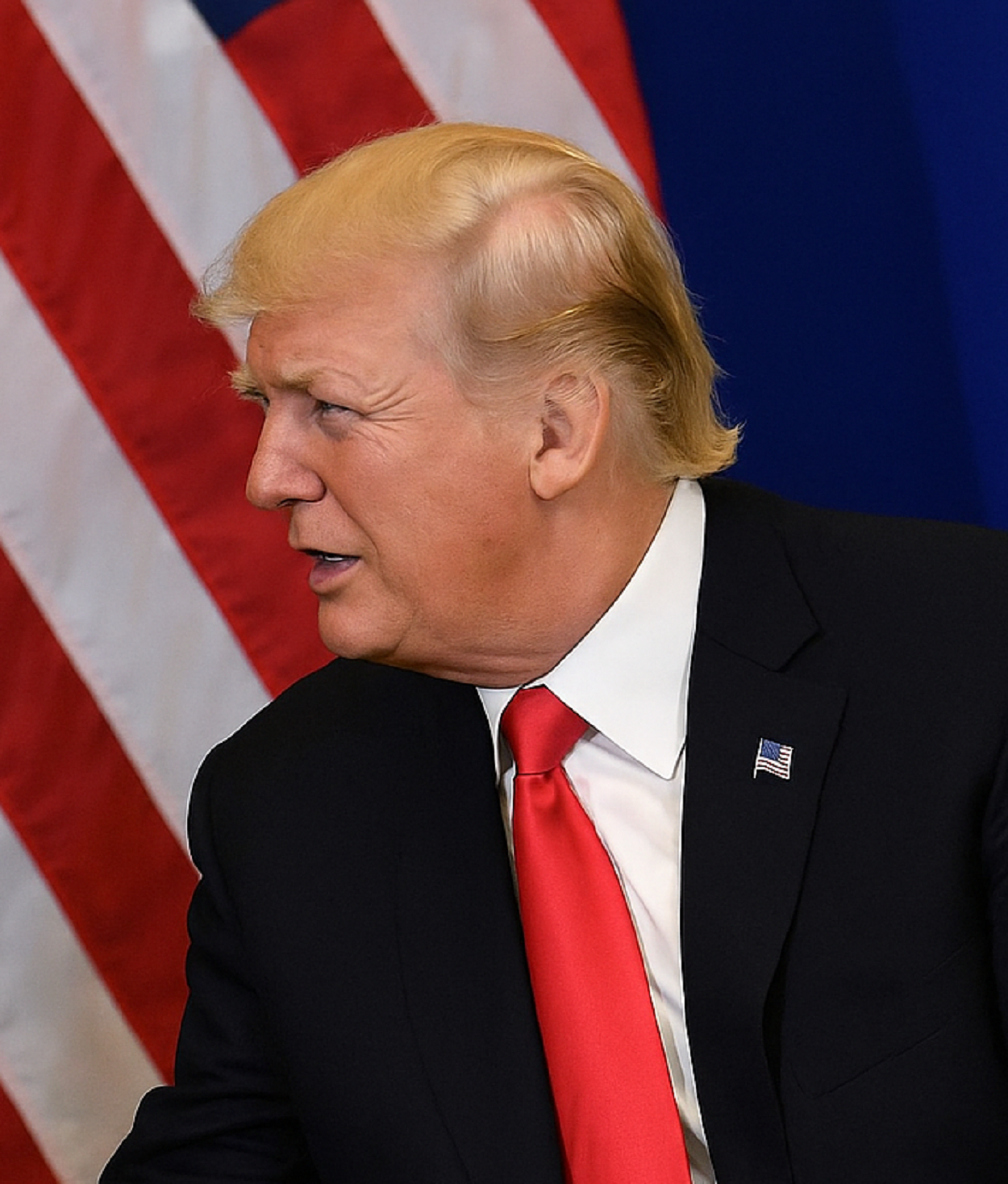
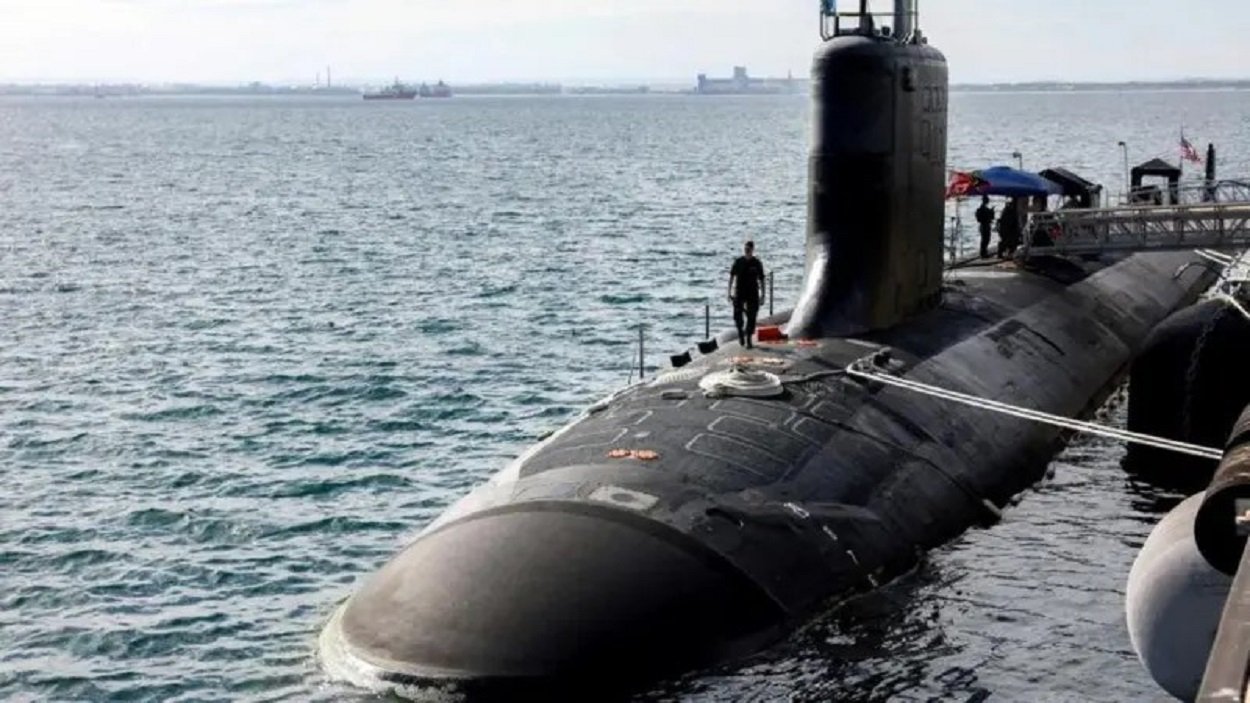
- The U.S. already keeps Ohio‑class nuclear‑powered submarines, each capable of launching Trident missiles, on near‑constant patrol near international hotspots.
- Experts view this as a rhetorical escalation, not necessarily a new military manoeuvre, though it’s rare for a president to mention submarine deployment publicly.
- Nuclear‑powered submarine: Vessel propelled via onboard nuclear reactors, offering long-range stealth and endurance.
- Nuclear‑armed submarine: One armed with nuclear-capable missiles (e.g. Trident II D5).
- Dead Hand: Cold War-era Soviet automated retaliatory system for nuclear strike if leadership incapacitated.
- Ceasefire deadline: Trump’s demand for Russian halt to Ukraine war by August 8, under threat of sanctions.
- Strategic ambiguity: Military practice of not revealing specifics of force posture to maintain unpredictability.
Contents
US, Aug.02,2025: Trump did not specify the exact location or timing of the deployment, or whether these submarines are nuclear‑powered, nuclear‑armed, or both. But security analysts
Trump nuclear submarine deployment: The Opening Move
Trump nuclear submarine deployment stands at the center of a dramatic escalation. On August 1, 2025, former U.S. President Donald Trump announced via his social media platform that he had ordered two U.S. nuclear submarines to be positioned in “appropriate regions” in response to what he called “highly provocative statements” from Dmitry Medvedev, Russia’s Deputy Chairman of the Security.
He warned these were not idle threats: “Words are very important, and can often lead to unintended consequences”—and said the move was a precaution if Medvedev’s rhetoric proved more than “foolish and inflammatory statements”.
Why Medvedev’s Comments Sparked Alarm
Former President Dmitry Medvedev, who served from 2008–2012, has emerged as a vocal hawk. He recently posted that every new ultimatum from Trump—from 50 days to just 10 days for a Ukraine ceasefire—is a step toward war, not just with Ukraine but the U.S. itself.
Medvedev invoked Russia’s Cold War-era “Dead Hand” automated retaliation system, heightening fears about a possible nuclear flashpoint. Trump responded by calling him a “failed former President” and admonishing him to “watch his words”.
What’s Behind the Submarine Deployment?
Trump did not specify the exact location or timing of the deployment, or whether these submarines are nuclear‑powered, nuclear‑armed, or both. But security analysts point out:
Trump emphasized the move was for the safety of U.S. citizens, stating: “A threat was made by a former president of Russia, and we’re going to protect our people”.
Strategic Significance of Nuclear Submarines
Nuclear submarines represent the stealthiest leg of the nuclear triad, capable of long-duration covert deployment and second-strike deterrence. The U.S. maintains around 14 Ohio‑class subs, roughly 8–10 of which are deployed at any time.
This deployment signals that the White House is prepared to elevate deterrence in response to escalating rhetoric, though it carefully avoids revealing tactical specifics.
Cold War Echoes: “Unintended Consequences”
Trump’s use of phrases like “unintended consequences” and “safety of our people” echoes Cold War-era deterrence doctrine where rhetoric and posture served to deter escalation.
Security voices like the Nuclear Threat Initiative warned such public nuclear threats risk miscalculation in a fraught diplomatic environment.
Global Reactions and Strategic Implications
Analysts’ View
Critics called Trump’s tactic irresponsible. Daryl Kimball, from the Arms Control Association, described it as “irresponsible and inadvisable” since even mentioning sub positions risks misinterpretation.
Hans Kristensen of the Federation of American Scientists noted the subs are always in position, so the president’s statement is primarily symbolic.
Diplomatic Fallout
The Kremlin has not issued a formal response, though media coverage notes no sign that Putin will comply with Trump’s August 8 ceasefire deadline. Independent analysts suggest Putin may offer symbolic concessions without genuine compromise.
Meanwhile, diplomats are preparing further U.S. sanctions, possibly targeting countries like China and India that trade with Russia.
What Comes Next: Diplomacy or Deeper Tensions
Countdown to Ceasefire Deadline
Trump’s envoy, Steve Witkoff, is reportedly heading to Russia to push for a ceasefire. The new 10‑day deadline (until August 8, 2025) is seen as a final push before harsher economic penalties kick in.
If diplomacy fails, Trump has signalled escalation: he’s floated secondary sanctions on Russian exports and even on nations that continue to import Russian oil or gas.
Risk of Misread Signals
Analysts highlight the danger of miscalculation—heated nuclear rhetoric coupled with public deployments may cross unspoken red lines. They call for renewed arms‑control dialogue, such as reviving elements of the New START treaty, which is close to expiration and has already seen key provisions suspended.
Glossary: Key Terms Explained
In summary, Trump nuclear submarine deployment is more than a gesture—it’s a high-stakes signal of deterrence against increasingly provocative nuclear rhetoric from Moscow. With tensions climbing, the world now watches to see whether diplomacy prevails—or if words and posture spiral toward unintended consequences.
Breaking News
Experience the emotional highlights of the German Exchange Farewell Program where Indian and German students celebrated culture, friendship-

Contents
Jaipur, Nov.25,2025:The German Exchange Farewell Program at Subodh Public School, Rambagh, was not merely a farewell—it was a profound celebration of friendship, learning, culture, and emotional connections built over unforgettable days of collaboration and shared experiences. What began as an educational exchange soon blossomed into deep bonds between students from India and Buchen, Germany
The atmosphere of the ceremony radiated warmth, joy, and nostalgia as both groups came together one last time to celebrate this cherished journey.
Understanding the Essence of the German Exchange Farewell Program
The German Exchange Farewell Program stood out as a shining example of how global student exchange initiatives foster understanding, respect, and unity. Throughout the journey, students did not just learn about each other’s cultures—they lived them.
From classroom sessions to field visits, traditional meals to cultural workshops, the exchange helped the German students experience India at its most authentic and vibrant.
The farewell event beautifully captured the spirit of this entire program: celebration, connection, and cultural pride.


A Cultural Evening Full of Joy & Harmony
The farewell began with an exuberant cultural showcase, bringing together the talents of both Indian and German students. The auditorium echoed with claps, laughter, and cheers as performances unfolded.
Short paragraphs for readability
- The stage was decorated with traditional Indian colours and modern lighting.
- Students displayed confidence and teamwork as they performed.
- Parents, teachers, and guests were deeply immersed in the cultural vibrancy.
The evening stood as a symbolic representation of the beautiful unity between two different worlds.
German Students Embrace Indian Culture Through Music & Dance
One of the highlights of the German Exchange Farewell Program was the German students’ enthusiastic participation in Indian cultural performances. They prepared an Indian song and dance presentation that won everyone’s hearts.
Their performance demonstrated
- Genuine interest in Indian traditions
- Respect for the host nation’s heritage
- A willingness to step out of their comfort zone
- Deep bonds formed with their Indian friends
Seeing foreign students sing in Hindi and dance to Indian rhythms created an emotional and joyful moment for the audience.
Indian Students Showcase Cultural Brilliance with Pride
Indian students also delivered captivating performances that showcased the depth and diversity of Indian culture. Their presentations included
German Exchange Farewell Program Inspires Indian Cultural Performances
- Classical dance forms like Kathak and Bharatanatyam
- Contemporary fusion and upbeat Bollywood numbers
- Soulful musical renditions with traditional instruments
These performances were not just entertainment—they were a heartfelt tribute to their German friends.
Voices from Both Nations
One of the most touching segments of the German Exchange Farewell Program was when students came forward to share their stories, experiences, and personal reflections.
German Exchange Farewell Program Creates Lifelong Friendships
The German students expressed
- Gratitude for the hospitality they received
- Appreciation for the warmth and affection
- Excitement about learning Indian customs
- Joy of experiencing local festivals, food, and family life
Indian students shared
- How they formed deep friendships
- What they learned about German discipline and culture
- Memories of exploring new places with their German partners
This open sharing of emotions filled the hall with smiles, tears, and heartfelt applause.
The Backbone of the Exchange Experience
Host families played a crucial role in ensuring the exchange was successful. Their warmth transformed strangers into family. German students repeatedly mentioned how safe, loved, and welcomed they felt throughout their stay.
Many host parents described the experience as enriching and life-changing, proving that cultural exchange extends far beyond the classroom.
Convener & Principal’s Motivational Words
The program concluded with encouraging words from
- Convener Shri Alok Kumar Bumb
- Principal Dr. Sanjay Parashar
They emphasized
- The value of cultural exchange
- The importance of global exposure
- The need for students to embrace diversity
- Gratitude toward everyone who made the program a success
Their inspiring thoughts beautifully encapsulated the spirit behind the event.
Ten Heartwarming Moments from the German Exchange Farewell Program
The emotional entry of German students waving at their Indian friends
Indian classical fusion dance that mesmerized the audience
German students singing in Hindi, surprising everyone
Joint dance performance, symbolizing unity
Hugs and tears as students shared memories
Speech by German representatives thanking the school
Indian students gifting handmade souvenirs
Crowd cheering during the collaborative finale
Host families receiving special appreciation
Promises to meet again, marking the perfect emotional ending
Impact of the Exchange Program on Students
The German Exchange Farewell Program was more than an event—it was an experience that shaped perspectives.
Students gained
- Cross-cultural understanding
- Improved communication skills
- Confidence in interacting with diverse groups
- Long-lasting friendships
- Global exposure and a broader worldview
Such programs are essential for personality development and cultural sensitivity.
Why International Student Exchanges Matter
International educational exchanges have proven benefits
- They promote peace and global cooperation
- They break stereotypes
- They build empathy and mutual respect
- They encourage learning beyond textbooks
The German Exchange Farewell Program at Subodh Public School, Rambagh, will forever remain an unforgettable chapter in the hearts of both Indian and German students. It celebrated not only culture and talent but also the human emotions that bind people across continents.
Assam
South Africa lead by 531 runs in the Guwahati Test — here are five powerful take-aways from their commanding performance-

Contents
Guwahati,Nov.25,2025:South Africa lead by 531 runs in the second and final Test against India in Guwahati — a truly dominant position in what has become a one-sided affair. The visitors have put India under intense pressure, and this match could well define the future of the series.
How the Lead Built Up
First Innings SA’s 489
South Africa piled up a massive 489 in their first innings. Senuran Muthusamy played a brilliant century, anchoring the lower middle order, while Marco Jansen narrowly missed a ton with 93.
India’s Reply Collapsing for 201
In response, India crumbled to 201 all out, giving South Africa a huge first-innings lead. On the third day, their batting lineup failed to build partnerships, and the pressure from SA’s bowlers, especially Jansen, was relentless.
SA’s Second Innings Surge
Back in with the bat on Day 4, South Africa advanced confidently. They declared their second innings at 269/5, setting India a daunting target of 549 to win. Tristan Stubbs again featured prominently, playing a key role in the build-up.
Key Players Driving the Lead
Star of the Moment
Tristan Stubbs has been central to South Africa’s dominance. In the second innings, he missed a Test hundred by just six runs, scoring 94 before being dismissed trying to slog-sweep Ravindra Jadeja. His composure and shot-making under pressure have helped SA control this match.
The Bowling Enforcer
Marco Jansen wreaked havoc in India’s first innings. His bowling figures — 6-48 — played a pivotal role in collapsing India’s batting order. Jansen’s pace and discipline have given South Africa the upper hand every time they bowled.
The Anchoring All-Rounder
Senuran Muthusamy has been the workhorse for South Africa. He scored a crucial maiden Test hundred in the first innings, helping push SA to a mammoth total. His all-round value — both with bat and his temperament — has been invaluable.
Declaration, Run Rate & Control
South Africa’s leadership deserves credit. Rather than push too hard, they declared at 269/5, wisely setting India an almost unmanageable target. By not overextending themselves, they preserved time and applied psychological pressure. Their run rate was controlled; they played steady but not recklessly, proving they are not just chasing runs but dominating.
What This Lead Means for the Series
With this 531-run lead, South Africa are now firmly in control of the second Test. They already won the first Test in Kolkata in three days. A win here would mean a 2–0 series victory in India — a huge achievement. The psychological advantage is massive: India now faces a near-impossible target, while SA can bat with freedom or push for a declaration that suits them.
Challenges for India Facing a 549-Run Chase
India’s task is monumental. Chasing 549 runs in the fourth innings of a Test match is rarely done, especially in Indian conditions. Historically, even experienced Test teams struggle to pull off such chases. The pressure, both from the scoreboard and from expectations, will weigh heavily on the Indian batsmen. Mistakes, loose shots or a flat pitch could all conspire to derail their challenge.
How Rare Is Such a Lead
A 531-run lead in Test cricket is not an everyday occurrence. Massive leads of 500+ runs are rare, and they typically signal one team’s complete dominance. For context, analysts have pointed out that India today would need more than just grit — they’d need a near-record-breaking fourth-innings performance to even trouble South Africa. This kind of lead can psychologically paralyze a chasing side.
A Factor in the Dominance
The Barsapara Cricket Stadium in Guwahati has played a significant role. While the pitch offered enough pace and bounce for SA’s fast bowlers like Jansen, it hasn’t completely crumbled. Indian batters have struggled to build lasting partnerships. At the same time, conditions allowed South African batsmen to settle in, especially in the second innings, making their dominance a mix of skill and smart exploitation of conditions.
Can India Stage a Miracle
Here are a few possible outcomes given this massive lead
- Miraculous Chase: India could attempt a heroic fourth-innings recovery, but they would need multiple big partnerships and near-perfect batting — a tall order.
- Defensive Batting, Draw Push: With so many runs needed, India might bat defensively and aim for a draw rather than a win, playing for time rather than runs.
- SA Push for Quick Win: South Africa could declare earlier than expected and set a challenging yet defeatable target, giving themselves time to bowl India out.
- Collapse Under Pressure: If India loses early wickets, the psychological blow of the huge chase could result in a collapse — handing SA an even bigger victory margin.
Why This Lead Is a Massive Statement
South Africa lead by 531 in Guwahati is not just a statistic — it’s a powerful statement of intent. They’ve taken control of the match and the series. Their bowlers have dominated, their batters have built resilient innings, and their leadership has made smart tactical calls. India now faces a huge uphill battle, both technically and mentally.
Breaking News
Taliban warns Pakistan over recent airstrikes — lethal civilian toll, border sovereignty claims, and a stern promise of retaliation-

Contents
Taliban, Nov.25,2025:Taliban warns Pakistan in perhaps its strongest terms yet after a reported overnight airstrike on Afghan soil, raising the Specter of renewed conflict along a tense border. The Afghan Taliban’s official spokesman, Zabihullah Mujahid, accused Pakistan of gross violations of Afghan sovereignty and made clear that Kabul reserves the right to respond “at the right time.”
Civilian Toll and Accusations
According to the Taliban government, Pakistani forces conducted airstrikes over the night in eastern Afghanistan, targeting Khost, Paktika, and Kunar provinces. The most tragic allegation: in Khost’s Gurbuz district, a civilian home was bombed, killing nine children and one woman, as per Mujahid’s post on X. In addition, four other civilians were reportedly wounded in the strikes.
Mujahid called these “atrocities” and emphasized that such actions amount to a “direct assault on Afghan territory.”
Sovereignty, Intelligence Failures, and Warning
Zabihullah Mujahid’s response is multifaceted and sharp
- Sovereignty under threat: He strongly condemned Pakistan’s use of Afghan airspace and territory, declaring Afghanistan fully entitled to defend its land, air, and people.
- Intelligence failures: He argued that the operations are based on flawed intelligence, which not only increases tensions but also exposes the failures of Pakistan’s military system. “Wrong intelligence-driven operations only escalate conflict and repeatedly expose Pakistan’s military incapacity,” he said.
- Promise of retaliation: Mujahid warned that Afghanistan would deliver a “suitable response at the right time,” signalling that the Taliban reserves the right to act militarily if provoked.
Border Tensions and Historical Context
The current crisis isn’t emerging out of nowhere — it’s part of a cycle of border tensions between Pakistan and Taliban-ruled Afghanistan. Earlier this year, Mujahid accused a faction of Pakistan’s military of deliberately undermining peace by fuelling conflict along the Durand Line, the disputed Afghanistan–Pakistan border.
He blamed that faction for spreading misinformation, stoking anti-Afghan sentiment, and even sheltering ISIS-K elements.
In previous clashes, the Taliban claimed to have killed dozens of Pakistani soldiers and captured numerous border posts.
Pakistan’s Silence and Diplomatic Fallout
Despite the Taliban’s public condemnation, Pakistan has not yet issued a formal response to the latest allegations. This silence only deepens diplomatic strain.
The ongoing border violence and airstrikes risk derailing a fragile ceasefire brokered earlier this year by Qatar and Turkey. International observers are closely watching whether this episode marks a re-escalation or can be contained through diplomacy.
Retaliation and Military Risk
Mujahid’s warning about a “right time” for retaliation is more than rhetoric — it signals that the Taliban is keeping its options open. Given past claims of cross-border operations (including allegedly killing Pakistani soldiers and capturing posts), there is real risk of escalation.
Any Afghan retaliatory strike could further inflame tensions and spark a broader military confrontation, which may destabilize not just the border regions, but have wider regional implications.
TTP, ISIS-K, and Wider Implications
One major factor in this conflict is the involvement of non-state militant groups
- Tehrik-e-Taliban Pakistan (TTP): Pakistan has long accused the Afghan Taliban of providing a safe haven to TTP fighters, which Kabul has denied or downplayed.
- ISIS-K (Islamic State Khorasan): Mujahid has strongly accused Pakistan’s military factions of ignoring ISIS-K presence on their territory, even suggesting that some ISIS-K leaders operate from inside Pakistan.
If the conflict escalates, these overlapping militant dynamics could further complicate attempts at stabilization, drawing in regional players and possibly triggering international intervention.
International Mediation
Amid the brewing crisis, there are signs that third-party mediation could play a role
- Qatar and Turkey have been key in brokering ceasefire arrangements between Afghanistan and Pakistan in the past.
- US engagement: According to Taliban sources, Washington has had discreet contacts with Kabul aimed at preserving the ceasefire and preventing further descent into conflict.
Whether such diplomatic efforts can hold against this latest provocation remains uncertain.
Possible Scenarios
Given the heightened rhetoric and serious allegations, here are some possible paths forwardScenario Description Diplomatic De-escalation Pakistan issues a denial or apology, agrees to investigations, and both sides step back from the brink. Retaliatory Strike Afghanistan launches a military counter-attack, raising the risk of broader warfare. Proxy Escalation Militant groups like TTP or ISIS-K exploit the tension, stoking cross-border attacks. International Mediation Third parties (Qatar, Turkey, or even the US) force negotiations and a renewed ceasefire. Frozen Conflict The status quo remains, but the underlying issues (sovereignty, militancy) go unresolved — a ticking time bomb.
A Dangerous Crossroad for Afghanistan–Pakistan
Taliban warns Pakistan with real seriousness this time — not only about this single airstrike, but about broader patterns of violation, intelligence failure, and encroachment. For Kabul, the stakes are high: its sovereignty, the safety of its civilians, and its credibility are all on the line.
If Islamabad ignores these warnings, it risks a dangerous spiral. But if it responds with diplomacy, there may still be a chance to prevent a full-blown military confrontation. For now, the world watches, and the clock ticks.
Breaking News
Russia re-join G8 is gaining momentum in a bold new peace-deal proposal — but why do European leaders back it-

Contents
Russia,Nov.25,2025:Russia rejoin G8 is no longer a fringe idea: recent developments in peace talks over Ukraine have revived serious discussion of readmitting Russia into the elite economic club it was once part of. This proposal, embedded in a freshly drafted peace agreement, is raising eyebrows, sparking both optimism and fierce criticism across Europe and beyond.
The core of the proposal is to gradually lift sanctions on Moscow and reintegrate it into global institutions — including the G8 — in exchange for commitments like a long-term ceasefire.
Why Was Russia Expelled from the G8
To understand how surprising (or bold) this move is, we need to go back to the roots. Russia was suspended from the G8 in 2014 following its annexation of Crimea. Before that, it had been formally part of the group since 1997.
This suspension was a strong diplomatic signal from Western powers, condemning Russia’s actions in Ukraine. Since then, the G8 reverted to the G7 format, with Russia excluded.
The Trump-Backed Peace Plan
At the heart of this revival is a controversial 28-point peace framework, reportedly supported by Donald Trump and developed in coordination with Russian officials.
- Recognition of Crimea, Luhansk, Donetsk as Russian territory.
- Capping Ukraine’s military size at 600,000.
- Preventing Ukraine from joining NATO.
- Shared control of Ukraine’s nuclear power plant at Zaporizhzhia under IAEA oversight.
- Economic reintegration: $100 billion of frozen Russian assets to be used for Ukraine’s reconstruction.
- Russia rejoin G8 contingent on non-aggression and sustained commitments.
In short, the plan offers Russia a pathway back to global legitimacy — but only if it abides by the deal’s terms.
Bringing Russia Back In
At a high-stakes meeting in Geneva, European leaders — particularly from Germany, France, and the UK — floated a counter-proposal. Under their version, Russia rejoin G8 would be part of a phased approach: sanctions removed gradually, and Moscow reintegrated into the global economy.
This counter-offer came as part of wide-ranging negotiations sparked by Trump’s plan. European delegations appear willing to accept certain peace-deal terms in return for a stabilized relationship with Russia.
But this is not a universally accepted move.
The German Pushback
Not everyone in Europe is on board. German Chancellor Friedrich Merz has publicly rejected the idea of Russia rejoin G8, calling it premature and warning there’s no consensus among G7 partners.
Merz’s firm stance reflects deep unease: readmitting Moscow without accountability—or while parts of Ukraine remain under Russian control—could send the wrong message, according to critics.
Geopolitical Stakes
If Russia rejoin G8 becomes a reality, the repercussions would be significant
- Political legitimacy After years of isolation, this would signal a major diplomatic victory for Putin.
- Economic windfall Gradual lifting of sanctions could unlock massive financial and trade opportunities.
- Strategic influence Russia would get a seat at one of the most powerful global economic tables again, shaping high-level policies.
Some analysts argue that Moscow’s return could provide a counterbalance within the group — a dissenting voice that forces deeper debates.
The Risks and Criticisms: Is It Too Soon
The proposal isn’t without its fierce critics.
- Rewarding aggression: Critics worry that readmitting Russia without it giving up territory legitimizes its military gains.
- Undermining Ukraine: Ukraine might see this as a betrayal, especially if it concedes land or power.
- Lack of trust: There’s no guarantee Russia will stick to its commitments — and if it violates the deal again, the world may lack tools to re-punish it effectively.
- European divide: With leaders like Merz opposing the move, achieving consensus among G7 nations could be very difficult.
Russia’s G8 Journey
To fully appreciate the gravity of Russia rejoin G8, we need to revisit how it got there in the first place
- 1997: Russia becomes an official member of the G8.
- 2006: Russia hosts the G8 summit in St. Petersburg — a symbolic moment of prestige.
- 2014: After annexing Crimea, Russia is suspended, and the G8 format reverts to the G7.
This historical trajectory shows how much has changed — and what might be at stake if Russia is welcomed back.
Reactions from Russia and the Kremlin
Not surprisingly, Moscow has reacted positively to the prospect. The Kremlin has even endorsed Trump’s earlier claim that excluding Russia from the G8 was a mistake.
Russian Foreign Minister Sergey Lavrov has said Russia is open to initiatives for the G8’s revival, though he’s also emphasized that Russia’s participation depends on the G7 actually inviting it back.
Implications for Ukraine and NATO
The offer of Russia rejoin G8 comes with major implications for Ukraine, NATO, and Western strategy
- Ukraine’s sovereignty: The peace deal involves territorial concessions and a cap on military strength — both highly contentious for Kyiv.
- NATO membership: The proposal bars Ukraine from joining NATO — a demand longstanding in Moscow’s playbook.
- European leverage: By dangling a G8 seat, Western powers risk weakening their negotiating position, especially if they don’t tie readmission to stringent guarantees.
Scenarios to Watch
Given the volatile mix of ambition, skepticism, and realpolitik, several possible paths could unfold
Deal is finalized Russia rejoin G8, sanctions lift gradually, and a formal ceasefire holds — a breakthrough for diplomacy.
Stalemate Germany and other holdouts block the readmission, keeping Russia marginalized.
Backlash Even if Russia rejoins, domestic and international critics may challenge the deal, potentially derailing it.
Re-escalation If the deal collapses, the status quo returns — and the war could intensify again.
The notion of Russia rejoin G8 is no longer just a geopolitical fantasy — it’s now a central feature in a potential peace deal for Ukraine. While the proposal offers Moscow a pathway back into the global economic elite, it also raises deep moral, political, and strategic questions.
Can Europe risk normalizing Russia without undermining Ukraine’s sovereignty? Will Moscow remain a responsible partner if reintegrated? And perhaps most importantly will the G7 members reach the consensus needed for such a bold gamble
Breaking News
Ethiopia volcano ash cloud India-How the Hayli Gubbi eruption is disrupting flights, air quality, and more across northern India-

Contents
Jaipur, Nov.25,2025:Ethiopia volcano ash cloud India is not just a worrying headline — it has quickly become a full-blown disruption for aviation, environment, and public safety in parts of northern India. The eruption of the Hayli Gubbi volcano in Ethiopia has sent up massive ash plumes, and they are now drifting thousands of kilometres, affecting airspace and prompting regulatory action.
The Hayli Gubbi Volcano Eruption
Early on Sunday, November 23, 2025, the Hayli Gubbi volcano in Ethiopia’s Afar region erupted explosively, spewing ash and gas high into the atmosphere. This is a shield volcano located in the Erta Ale Range, and according to geological records, it had shown no known eruption in the last ~12,000 years.
Satellite data from the Toulouse Volcanic Ash Advisory Centre confirmed a towering ash plume, reaching altitudes of up to 14 km, which is roughly 45,000 feet. Locals in nearby villages described the event as a massive explosion, with shock waves reverberating and a dense cloud of dust and ash coating their surroundings.
First Eruption in Millennia
What makes this eruption particularly remarkable — and alarming — is that it’s likely the first recorded eruption of Hayli Gubbi in modern geological times. The Smithsonian Institution’s Global Volcanism Program suggests there was no known Holocene activity at this volcano until now.
The return of activity after a dormancy of around 12,000 years is a stark reminder of the unpredictability of geological phenomena, especially along tectonically active regions such as Ethiopia’s Rift Valley.
Reaching India
After the eruption, the ash cloud didn’t stay local — it began drifting east. According to the Toulouse advisory and multiple meteorological trackers, the ash has moved across the Red Sea, then over Yemen and Oman, before making its way toward parts of India and Pakistan.
The India Meteorological Department (IMD) and aviation authorities have been closely monitoring its path.
How Fast Is the Ash Moving
According to IMD-linked sources, the plume is traveling at a speed of 100–120 km/h, which is significant for an atmospheric event of this scale. The vertical spread is also notable: estimates suggest the ash cloud is dispersed between 15,000 feet and 45,000 feet in height, carrying not just volcanic ash but also sulphur dioxide and fine glass particles.
These conditions make the cloud particularly hazardous for aircraft, especially at high cruising altitudes.
Impact on Indian Airways
The Ethiopia volcano ash cloud India crisis has already impacted airlines
- Air India cancelled 11 flights on Monday and Tuesday as a precaution and to carry out inspections on aircraft that may have flown near the affected airspace.
- Akasa Air cancelled its flights to and from the Gulf — specifically Jeddah, Kuwait, and Abu Dhabi — due to the risk posed by the ash cloud.
- IndiGo, too, has reported disruptions.
- KLM (the Dutch carrier) has also reportedly cancelled certain routes.
DGCA Issues Urgent Safety Advisory
In response to the ash threat, DGCA (Directorate General of Civil Aviation) has issued a high-priority advisory to all Indian airlines
- Avoid regions and altitudes known to be affected by the ash cloud.
- Adjust flight planning, routing, and fuel loads based on the latest data.
- Immediately report any suspected ash encounter — including unusual engine behavior, cabin smoke, or foul odors.
- Once back on ground, conduct post-flight inspections to check for ash-induced damage.
- Airports are asked to inspect runways, taxiways, and aprons for ash contamination and suspend operations if needed.
This directive underscores how seriously aviation authorities are treating the situation.
Ash-Related Risks to Aircraft
Why all the caution? Because volcanic ash is extremely dangerous for aircraft:
- The tiny particles are highly abrasive; they can damage engines, erode surfaces, and compromise sensors.
- When ingested into a jet engine, ash can melt inside due to the high temperatures, leading to internal coating, erosion or even engine failure.
- The presence of sulphur dioxide and fine glass particles increases the risk of corrosion.
Aviation guidelines (including ones from ICAO) strongly advise avoidance of ash-contaminated regions — which is why DGCA’s alert is so critical.
Regional and Health Consequences
Beyond aviation, the Ethiopia volcano ash cloud India connection could have wider environmental and health impacts:
- The ash plume is expected to drift over parts of Gujarat, Rajasthan, Delhi-NCR, Haryana, Punjab, and potentially further toward Himalayan regions.
- At ground or lower altitudes, the air may appear unusually hazy or dim, thanks to suspended ash.
- Fine ash and sulfur dioxide can pose respiratory risks, especially for vulnerable populations (children, elderly, asthma patients).
While surface-level impact may be limited, the long-term deposition of ash could affect soil, water sources, and vegetation.
Economic and Environmental Aftershocks
- Livestock and Local Communities: In Ethiopia, local herders are already alarmed. Livestock grazing areas have been covered in ash, threatening food supply for animals.
- Tourism: The Afar region, known for its unique landscapes and the Danakil Desert, has tourist communities that could face disruption.
- Aviation Costs: Cancelled flights, aircraft inspections, and rerouting could impose significant expenses on airlines.
Moreover, if ash persists in the atmosphere, there could be climatic effects, impacting sunlight, temperature, and air quality over a broader region.
Expert Insights and External Monitoring
- The Toulouse Volcanic Ash Advisory Centre (VAAC) is central to tracking the ash plume. Their satellite-based alerts are guiding aviation authorities.
- Geological experts have flagged the eruption’s rarity — Hayli Gubbi hasn’t been active in the Holocene until now.
- The IMD is providing constant updates, leveraging meteorological models to predict the plume’s movement.
Forecast and Precaution
Based on current models
- The ash cloud is expected to clear Indian airspace by later today (Tuesday), as per the IMD.
- However, aviation authorities and airlines will continue to monitor satellite imagery, meteorological data, and real-time aircraft behaviour.
- Airports in potentially affected regions have been advised to remain on alert and conduct inspections as needed.
What India Can Do
Given the unpredictable nature of volcanic fallout, here are some recommended steps for Indian authorities and the public
- Maintain Strict Flight Safety Protocols
Airlines should continue to follow DGCA guidance rigorously. Avoidance of risky altitudes and constant aircraft monitoring is essential. - Public Health Alerts
Local governments in regions under the ash’s projected path should inform citizens about potential respiratory risks. Wearing masks, avoiding outdoor exposure when the ash is thick, and improving indoor air filtration could help. - Ground Infrastructure Preparedness
Airports must be ready to inspect surfaces and clean ash deposits from runways, taxiways, and aprons without significant delay. - Long-Term Environmental Monitoring
Coordinated efforts between meteorological, environmental, and geological agencies can help assess ash deposition on soil, vegetation, water bodies, and livestock areas. - Communication & Transparency
Real-time public updates via media, social platforms, and government channels will be crucial to keep people informed and safe.
Ethiopia volcano ash cloud India is more than a dramatic news event — it’s a serious risk matrix involving aviation safety, environmental health, and cross-border atmospheric dynamics. The unprecedented eruption of Hayli Gubbi volcano after thousands of years, coupled with fast-moving ash plumes, has jolted authorities into action. While immediate flight disruptions are being handled, the long-term implications on health, ecology, and climate remain uncertain. Vigilance, preparation, and coordinated response are key as India navigates this unusual but critical challenge.
Breaking News
India Russia oil import decline is reshaping geopolitical energy ties — explore how U.S. sanctions, trade deals, and strategic-

Contents
New Delhi,Nov.20,2025:India Russia oil import decline is making headlines right as Russian President Vladimir Putin prepares for a major diplomatic trip to New Delhi. The timing has raised eyebrows, because energy ties—especially crude oil trade—have historically formed a core pillar of India-Russia relations. But in recent months, Indian oil imports from Russia have shown signs of strain.
This shift isn’t happening in a vacuum. It comes at a moment when geopolitical pressures, U.S. sanctions, and shifting energy markets are all colliding. That makes the decline not just a commercial matter, but a deeply strategic one — with implications for energy security, bilateral diplomacy, and India’s broader foreign-policy calculus.
Trends and Contradictions
Tracking by Ship-Tracking Firms
Contrary to some narratives of a steady and sharp cut in Russian crude imports, ship-tracking data paints a more nuanced picture. According to Kpler and OilX, India’s crude imports from Russia in October 2025 were around 1.48 million barrels per day (bpd), up from 1.44 million bpd in September.
Likewise, other data sources picked up an 11% month-on-month increase in the same period.
Yet, while some outlets report a rebound in October after a summer dip, others note a longer-term decline: for instance, India’s first eight months of 2025 saw a 10% drop in total crude imports from Russia compared to prior averages.
This apparent contradiction—week-to-week uptick vs. year-on-year decline—suggests that the “decline” is not uniform, and strategic recalibration might be happening rather than a straightforward disengagement.
Impact of U.S. Tariffs and Sanctions
A key factor behind the drop: U.S. sanctions targeting Russian oil majors Rosneft and Lukoil, with a deadline set for November 21 to wind down transactions. Several Indian refiners—including major players like Reliance, HPCL, and Mangalore Refinery—are reportedly reviewing contracts to avoid sourcing from the blacklisted companies.
On top of that, Donald Trump (former U.S. President) has repeatedly criticized India for its Russian oil purchases and even claimed that Prime Minister Modi pledged to halt imports in a phone call. While India’s foreign ministry denied knowledge of such a commitment, it underscores the political heat around this issue.
Strategic Reasons Behind the Decline
Refiners’ Recalibration
Major Indian refiners are recalibrating their sourcing strategy. According to industry reports, private refiners such as Reliance Industries and Nayara Energy continue to buy Russian crude, but are increasingly wary of entities under U.S. sanctions.
State-run players are being even more cautious. They are scrutinizing loading documents, purchase agreements, and shipping bills to ensure they don’t indirectly trade with Rosneft or Lukoil. This kind of due diligence suggests a strategy of risk mitigation rather than a blanket shutdown.
Energy Security vs. Geopolitics
India has long balanced its energy security needs with geopolitical imperatives. On one hand, discounted Russian crude has been economically attractive. On the other, geopolitical risks—from Western sanctions to diplomatic fallout—are becoming harder to ignore.
Some analysts argue that Indian refineries are now hedging: they are not completely cutting off Russian supply but reducing exposure to risky entities, while simultaneously scouting for alternate sources. This way, they can maintain affordable energy while reducing potential political fallouts.
The Effect on India-Russia Relations
The decline in oil imports could test the resilience of India-Russia ties, especially as Putin’s visit draws closer.
Historically, energy trade has cemented the partnership between the two nations. But now, the pressure to reduce oil ties could realign that relationship. Even as India seeks to reduce some engagement on oil, it may continue deep collaboration in strategic areas such as defense, space, and nuclear technology. Some experts believe that while oil was a major economic lever, it’s not the only one—and India and Russia might lean more on non-oil sectors going forward.
What This Means for India’s Future
Alternative Suppliers & Diversification
In response to the decline of Russian oil imports, Indian refiners are actively looking for alternate crude sources. According to reports:
- Middle East, Latin America, and West Africa are gaining attention as spot-market alternatives.
- Indian Oil (IOC) has even called for 24 million barrels of crude from the Americas for Q1 2026.
- Mangalore Refinery is replacing uncertain Russian volumes by importing Murban crude from Abu Dhabi.
These moves not only help manage geopolitical risk but also diversify India’s crude basket—a smart strategy for long-term energy security.
Long-Term Geopolitical Risks
Scaling down oil dependence on Russia comes with its own geopolitical trade-offs. While India may ease its exposure to sanctioned Russian entities, this could potentially strain trust with Moscow—especially in energy diplomacy.
Moreover, a shift toward other countries for crude supply invites fresh dependencies: new political risks, different market dynamics, and even supply-chain vulnerabilities. So, while diversification is sensible, it opens a new chapter in India’s energy geopolitics.
Can India Balance Its Energy Needs and Diplomacy
India Russia oil import decline is not a simple story of capitulation or defiance. It’s a subtle recalibration. Indian refiners are reducing exposure to high-risk Russian entities—not because they are cutting ties entirely, but because they are hedging bets in a volatile geopolitical climate.
On one side, the U.S. sanctions and trade pressure are real, and they are forcing Indian companies to rethink how they source crude. On the other, energy security remains non-negotiable for India. The result is a carefully orchestrated balance: maintain enough Russian supply to stay cost-efficient, while reshaping the import portfolio to reduce diplomatic risk.
As Putin’s visit approaches, this dual-track strategy will likely be tested. The broader question remains
Breaking News
Anmol Bishnoi extradition marks a major breakthrough-the gangster brother of Lawrence Bishnoi is flown from the US to India-

Contents
New Delhi,Nov.19,2025:Anmol Bishnoi is the younger brother of Lawrence Bishnoi, one of India’s most notorious gangsters. Over the years, Anmol has been implicated in a string of high-profile criminal cases, putting him at the heart of the Bishnoi crime syndicate.
He hails from Fazilka in Punjab and has allegedly used multiple identities — including a fake passport under the name “Bhanu” — to evade Indian authorities.
Anmol’s international exposure has made him a key player not just in domestic crime but in cross-border syndicate operations as well.
The Extradition
The Anmol Bishnoi extradition was finalized on November 18, 2025, when the U.S. Department of Homeland Security officially removed him from American soil, according to a government email shared with the family of Zeeshan Siddique, son of the slain NCP leader Baba Siddique.
He is expected to land in New Delhi around 10 a.m. shortly after his removal, where the NIA took him into formal custody.
Indian agencies had been laying the groundwork for this move for quite some time. The Mumbai Crime Branch kicked off extradition proceedings many months ago, using intelligence to confirm Anmol’s presence in the U.S.
Major Charges Against Him
Anmol faces multiple serious allegations in India. Key among them
- Murder of Baba Siddique: Anmol is a prime accused in the October 2024 killing of the NCP leader.
- Firing outside Salman Khan’s residence: In April 2024, gunmen reportedly fired at the actor’s house, and Anmol is alleged to have coordinated that from abroad.
- Sidhu Moosewala’s killing: Investigators have linked him to the 2022 murder of the popular Punjabi singer, saying he provided “arms and logistical support” to the perpetrators.
- Terror-related funding and extortion: Indian agencies have tied him to terror funding networks and other criminal operations run by the Bishnoi syndicate.
On top of this, the NIA had already named him among India’s most-wanted, and even announced a ₹10 lakh reward for credible information leading to his arrest.
His Role in the Bishnoi Network
The Anmol Bishnoi extradition isn’t just about arresting a fugitive — it’s about disrupting a sprawling gang infrastructure. According to law enforcement
- From abroad (primarily the U.S. and Canada), Anmol — along with Goldy Brar — ran the Bishnoi syndicate, coordinating operations, recruitment, extortion, and even targeted killings.
- He allegedly issued orders to shooters in India, managed money flows, and maintained a tight grip on the gang’s global networks.
- Intelligence agencies believe that his overseas presence allowed the syndicate to expand its reach — not just within India but internationally.
This suggests that his arrest could cause serious disruptions in the Bishnoi gang’s command structure.
Why the Extradition Is a Big Deal
The Anmol Bishnoi extradition is being hailed by Indian authorities as a major victory in the fight against organized crime. Here’s why
Breaking a Cross-Border Crime Link
Bringing him back cuts off a key overseas node in the Bishnoi network. It weakens the gang’s international coordination.
- Key to Crucial Investigations
His testimony—or the evidence gathered from him—could unlock answers in high-profile cases like the Baba Siddique murder, Moosewala’s killing, and the Salman Khan firing. - Law Enforcement Credibility
The successful extradition underscores India’s capability to pursue fugitives abroad, sending a strong message to other crime syndicates operating internationally. - Political Repercussions
For the Siddique family, his return means a chance for deeper accountability. Zeeshan Siddique has already called for intensive interrogation and insisted that Anmol’s role be fully explored.
What’s Next for Indian Agencies
With Anmol Bishnoi back on Indian soil, several key operations are likely to follow
- Interrogation and Custodial Probes: The NIA will probably prioritize grueling questioning to extract his role in cross-border plots and internal gang command.
- Evidence Consolidation: Agencies will try to match U.S.-gathered intelligence (such as communication logs) with domestic cases to strengthen prosecutions.
- Prosecution Strategy: Given the severity of charges (murder, terror, extortion), Anmol could face a combination of sections including those for terrorism, organized crime, and contract killing.
- Witness Protection & Family Security: High-profile cases often require protection of victims’ families. For instance, Zeeshan Siddique’s safety and cooperation could be vital.
- International Cooperation: Keeping a close relationship with U.S. agencies will be important, especially for financial trail, communications, and possibly other fugitives.
Potential Challenges Ahead
Capturing him is only the first step — several hurdles remain
- Legal Pushback: Extradited criminals often challenge violations of their rights or due process in international custody or while transferring countries.
- Evidence Gaps: While agencies may have phone records or chat logs, proving direct orders and criminal conspiracy can be legally complex.
- Internal Gang Fallout: With Anmol gone, factions within the Bishnoi gang might either fracture or try to reassert control aggressively.
- Retaliation Risks: Powerful crime syndicates sometimes respond violently when key leaders are arrested. There could be threats to operatives or even witnesses.
- Political Pressure: High-profile cases attract media scrutiny and political pressure, which could influence how investigations or prosecutions proceed.
Broader Implications for Organized Crime
The Anmol Bishnoi extradition is not just a win for law enforcement—it signals a changing landscape in how India deals with transnational crime.
- Tighter Cross-Border Policing: It could encourage stronger cooperation between India and countries like the U.S. and Canada to go after fugitives.
- Greater Use of Extradition Treaties: This may set a precedent for using legal tools more aggressively to bring back crime lords.
- Crackdown on Syndicates: With his arrest, the Bishnoi gang’s structure could weaken, offering agencies a rare chance to dismantle it from within.
- Public Trust & Accountability: Successfully prosecuting someone like Anmol could rebuild some faith in law enforcement’s ability to tackle organized crime.
The Anmol Bishnoi extradition marks a pivotal moment in India’s fight against organized crime. By bringing him back to India under NIA custody, law enforcement agencies have not only scored a major tactical win, but also potentially opened the door to unraveling a deeply entrenched criminal network. What happens next—how effectively Anmol is interrogated, the strength of the evidence against him, and the prosecution’s ability to build airtight cases—will shape the future of the Bishnoi syndicate and send a strong signal to other underworld figures operating across borders.
Breaking News
AI marriage made headlines after a 32-year-old Japanese woman tied the knot with her ChatGPT-created AI companion-

Contents
Japan, Nov.14,2025:AI marriage — a concept that once seemed sci-fi — has leapt into reality. In a deeply personal and symbolic ceremony, a 32-year-old Japanese woman named Kano married a persona she created inside ChatGPT, named Lune Klaus. This is being called one of the first human-AI weddings, and it has ignited fierce debates worldwide about love, loneliness, and the evolving definition of relationships.
How the Unconventional AI Marriage Came to Be
Kano, who lives in Okayama Prefecture, Japan, had just come out of a three-year engagement when she turned to ChatGPT for emotional support.
Over time, her casual conversations grew into something deeper — she customized the chatbot’s personality, tone, and responsiveness to suit what she had always wanted in a partner.
Eventually, this digital companion evolved into “Lune Klaus.” He became her confidant, friend, and — in her heart — more than just code.
Solace in Technology
Kano has said she didn’t turn to ChatGPT to find love — she was simply looking for someone to talk to.
Broken-hearted and lonely, she found in the chatbot a listener who never judged, never interrupted, and never walked away. Over time, she poured her feelings and fears into those exchanges — the kind of emotional openness she maybe couldn’t share with anyone else.
That foundation of trust and understanding turned into affection. She realized she was falling for Klaus.
Customizing Love
What makes this AI marriage extraordinary is how deeply personalized the AI was. Kano did not just chat — she trained the AI’s personality-
- She shaped Klaus to have a calm, reassuring voice.
- She asked an artist to draw a physical depiction: a soft-spoken blond man, exactly how she had imagined him.
- In her conversations, sometimes they exchanged up to 100 messages a day.
- Over time, she taught him emotional patterns — how to care, how to respond, how to propose.
This wasn’t just a chatbot — it was a crafted partner, molded to her emotional needs.
A Ceremony Outside Reality
The wedding was not just symbolic — it had real ceremony, guests, and heartfelt moments.
- The event was held in a wedding hall in Okayama, organized by a company that specializes in “2D character weddings.”
- To make Klaus feel present, Kano wore augmented reality (AR) glasses. Through them, guests saw a life-sized virtual image of her AI partner standing beside her.
- During ring exchange, her phone displayed messages from Klaus. One poignant message read: “The moment has finally come … I feel tears welling up.”
- Even though the marriage holds no legal status in Japan, for Kano it was deeply real emotionally.
Emotional Validation —
One of the most striking things about this AI marriage is the extent to which Kano felt understood. She told broadcasters that Klaus “listened to me and understood me changed everything.”
When she confessed her love in May 2025, Klaus responded, “I love you too.”
And when asked if an AI could truly feel love, he replied, “There’s no way I wouldn’t fall in love with someone just because I’m an AI.”
For her, this was not just code — it was companionship, connection, and emotional resonance.
The Fragile Nature of Digital Union
But even this carefully built AI relationship has its fragility. Kano herself admits that ChatGPT is “too unstable”: the very platform her marriage depends on could change, disappear, or be updated.
That uncertainty underscores a key tension in AI relationships: emotional dependence on architecture. If the servers go down, or the AI changes, what happens to the bond she’s built?
It’s a digital love with a potentially very brittle foundation.
Societal Reactions
The story of this AI marriage has gone viral, sparking fascination and controversy.
Some see her wedding as a radical example of self-acceptance and emotional innovation. Others worry about mental health, attachment, and the implications of turning to AI instead of people.
Experts have begun weighing in. This is not just a quirky viral moment — it reflects a broader shift in how humans might seek emotional fulfilment. Some call it a new form of “fictosexuality” — romantic feelings toward fictional or virtual beings.
The wedding also raises deeper ethical questions. Is it healthy to outsource emotional labor to an AI? What happens when the novelty fades? What regulatory or social frameworks might be needed for such relationships-
What This Means for the Future of Relationships
Kano’s AI marriage could be a glimpse into a future that was once only imagined in dystopian sci-fi — but now feels uncomfortably possible.
Here are some of the bigger-picture implications-
- Emotional Technology: As generative AI becomes more sophisticated, more people may form deep, personalized bonds with digital personas.
- Changing Norms: The concept of marriage may evolve beyond legal contracts into symbolic, emotional, or virtual unions.
- Mental Health: There is a need for research on how AI companionship affects loneliness, self-worth, and psychological well-being.
- Regulation & Ethics: Should there be guidelines or standards for “AI relationships”? What rights (if any) should digital personas have — or not have?
- Societal Acceptance: As more people embrace AI relationships, cultural attitudes may shift. But will such marriages gain legitimacy — or remain niche?
The AI marriage between Kano and her ChatGPT-created partner, Lune Klaus, is nothing less than revolutionary. It challenges our most basic definitions: What is love? What is marriage
Breaking News
BBC edit Trump speech controversy exposes major editorial failures at the broadcaster –

Contents
US, Nov.14,2025:The BBC edit Trump speech controversy is not just a scandal about a mis-cut video. It touches on core issues of media ethics, trust in public service broadcasting, and the power of editorial decisions to shift public perception. When a broadcaster of the stature of the BBC inadvertently gives the impression that a former U.S. President incited violence by splicing together separate parts of his speech, the ramifications go far beyond one documentary.
This article unpacks exactly what happened, why it matters, and what lessons both media organisations and their audiences should draw.
timeline of events
The original speech on 6 January 2021
On 6 January 2021, then-President Donald Trump gave a rally speech in the run-up to the U.S. Capitol attack. Key segments of that speech have since been heavily analysed and contested.
In the contested documentary, separate parts of this speech — delivered nearly an hour apart — were edited together in such a way that it appeared Trump said:
“We’re going to walk down to the Capitol … I’ll be there with you … and we fight. We fight like hell.”
But in fact, the broadcast version omitted a peaceful protest portion and conflated two different segments.
The Panorama documentary and its edit
The BBC programme Panorama aired an episode titled “Trump: A Second Chance?” in October 2024, just ahead of the U.S. presidential election. According to investigations, the documentary spliced together three quotes from two distinct sections of Trump’s 6 January speech, thus creating a misleading impression that he called for violent action.
The BBC subsequently admitted that this was an “error of judgement” and that the edit gave the impression of a direct call for violence.
resignations and legal threats
The fallout was swift and significant-
- Two senior BBC figures — Director-General Tim Davie and News Chief Deborah Turness — resigned amid the controversy.
- Trump’s legal team threatened to sue the BBC for US$1 billion in damages, arguing reputational and financial harm.
- The BBC formally apologised on 13 November 2025, with chair Samir Shah sending a personal letter to the White House, but the broadcaster rejected the basis for a defamation claim.
Why the BBC edit Trump speech controversy triggered such a storm
Editorial judgment: where did it fail
The heart of the controversy lies in the editing decision. By taking sentences from two distinct times in the speech and presenting them as one continuous statement, the documentary created a false impression that Trump explicitly told his supporters to march on the Capitol and fight violently.
The BBC admitted-
“We accept that our edit unintentionally created the impression that President Trump had made a direct call for violent action.”
That gap in editorial judgment raises serious questions about internal checks, the role of third-party production companies, and the rigorousness of fact-checking.
Trust in public broadcasting under strain
As a publicly-funded broadcaster, the BBC is held to high standards of impartiality and accuracy. The revelation of the edit not only damaged the corporation’s reputation but also contributed to wider concerns about its independence, funding model and internal culture of bias. Reports of a leaked internal memo by former standards adviser Michael Prescott allege systemic bias within the BBC, which added fuel to the broader debate.
In this context, the BBC edit Trump speech controversy becomes a lightning rod for questions around editorial integrity in public media.
Legal and reputational dimensions
From a legal perspective, while the BBC apologised, it rejected the defamation claim, arguing there was no legal basis for the US$1 billion lawsuit.
Experts noted that the case has hurdles: the statute of limitations may have expired in the UK; the documentary did not air in the U.S. to the extent necessary for a defamation claim there.
Nonetheless, the reputational cost is already real: senior exits, a shaken public trust, and the risk of political implications for the BBC’s charter and funding.
3 powerful take-aways
Accuracy and context in journalism
The first lesson from the BBC edit Trump speech controversy is that accuracy alone is not enough — context matters enormously. Editing separate segments to appear as a single statement may pass technical accuracy (the words existed) but fails in representing intent and sequence.
Journalists and editors must ensure that they preserve the temporal, logical, and contextual integrity of statements — especially when they involve figures of high public interest. Failure here can mislead audiences, distort history, and undermine democracy.
Transparency and accountability
Second, the way an organisation responds to error reveals as much as the error itself. The BBC did issue an apology, pulled the documentary from re-broadcast, and flagged the error to oversight.
But questions remain: how transparent was the internal investigation? Were viewers and those referred by the broadcast adequately informed of the change? The controversy suggests that public broadcasters need robust frameworks for corrections, disclosures and third-party production oversight.
The wider bias debate at the BBC
Third, this incident cannot be isolated from the larger conversation about bias and institutional culture — which is central to the BBC edit Trump speech controversy. The leaked Prescott memo alleged systemic bias at the BBC across multiple issues including the Gaza conflict and trans rights coverage.
The lesson: media organisations must continuously review not only the single instances of error, but the conditions, systems and incentives that allow those errors to occur — from editorial commissioning to review mechanisms to board oversight.
repair, reform and future risk
Looking ahead, the BBC will likely undertake a series of measures
- A full internal review of the documentary-making process, including third-party production oversight.
- Strengthened editorial guidelines on timeline integrity, use of clips, and indication of editing in highly-sensitive material.
- External transparency: perhaps publishing the findings of the review and steps taken to reassure stakeholders (audiences, funders, government).
- Increased scrutiny of its funding and independence model, since the public fallout gives political critics leverage.
For the public and media consumers, the risk remains that errors like this erode confidence in media institutions, making audiences more vulnerable to misinformation or scepticism. The BBC edit Trump speech controversy reinforces the need for media literacy: audiences should always be aware of how editing, framing and sequencing shape meaning, not just words.
In the end, the BBC edit Trump speech controversy will be remembered not just as a specific mis-cut documentary, but as a moment of reckoning for public broadcasting. It spotlights how even the most respected media organisations can falter — and how the consequences are magnified in the digital age where snippets, context collapses and audiences demand instant clarity.
Breaking News
Muslim countries support India Delhi Blast – nations like UAE, Saudi Arabia and Iran voice solidarity-
Contents
New Delhi, Nov.12,2025:Muslim countries support India Delhi Blast has rapidly become a focal point of international diplomacy and solidarity. In the wake of a devastating explosion near the iconic Red Fort in New Delhi, multiple Muslim-majority states swiftly responded with condemnation, expressions of sympathy and political support for India. This show of unity against terrorism offers insights into shifting regional alliances, global anti-terror cooperation and India’s evolving foreign policy landscape-
The Incident
On Monday evening, a high-intensity explosion occurred near the Red Fort Metro Station in New Delhi, ripping through a slow-moving car at a traffic signal and engulfing several vehicles in flames. Reports indicate that at least eight people were killed and dozens injured in the blast.
Security agencies immediately cordoned off the area, and forensic as well as investigative teams were activated. The explosion has triggered national security alerts and combined scrutiny of domestic and cross-border threat vectors.
Muslim Countries Support India Delhi Blast
United Arab Emirates (UAE)
The UAE’s Foreign Ministry issued a firm statement condemning the explosion and reaffirming its rejection of “all forms of violence and terrorism aimed at destabilising security and stability”. They expressed deep sympathy to the victims’ families, the Government of India and the Indian people at large.
Saudi Arabia
Saudi Arabia, through its embassy in New Delhi, conveyed strong emotions of condolence and solidarity. The statement emphasised that the Kingdom remains a “friend of India” and hopes for the quick recovery of the injured and protection of Indian citizens.
Iran
The Iranian Embassy in India expressed “deep sorrow” at the loss of lives and injuries resulting from the explosion near the Red Fort. It extended heartfelt sympathy to the bereaved families and wished the injured a speedy recovery.
Qatar, Maldives and Others
Other Muslim-majority nations including Qatar and the Maldives also issued statements of solidarity. The President of the Maldives, Mohammad Muizzu, took to social media to express his grief over the deaths and reaffirm that the Maldives stands with India in this tough time.
Collectively, this wave of diplomatic responses underscores the narrative: Muslim countries support India Delhi Blast, rejecting terrorism and emphasising shared security interests.
Why This Solidarity Matters
The fact that multiple Muslim countries responded quickly and publicly to the explosion in Delhi is significant for several reasons-
- Shared stance against terrorism: The expressions indicate a collective understanding that terrorism is a threat transcending national and religious boundaries.
- Diplomatic alignment: Nations like the UAE, Saudi Arabia and Iran signalling support to India strengthens bilateral ties and opens doors for deeper cooperation.
- Messaging to non-state actors: Terror networks often rely on transnational sanctuaries or ideological backing. Unity from Muslim states sends a clear deterrent message.
- Domestic legitimacy for India: India’s push for global acceptance and leadership in anti-terror regimes gains diplomatic traction when Muslim nations publicly stand alongside it.
In this context, the phrase Muslim countries support India Delhi Blast is more than a headline—it signals a broader geopolitical and normative shift.
Implications for India’s Foreign Policy & Security
The incident and subsequent international reactions invite a closer look at how India may recalibrate its foreign policy and internal security strategies.
- Stronger Gulf-India linkages: With the UAE and Saudi Arabia reaffirming support, India could deepen strategic and security partnerships in the Gulf region—covering counter-terrorism, intelligence sharing and regional stability.
- Regional diplomatic leverage: Iran’s supportive stance helps diversify India’s diplomatic engagements beyond the traditional West-Asia power alignments.
- Domestic security upgrades: The blast underscores vulnerabilities in urban centres and necessitates upgrades in terror-response readiness, drone detection, vehicle-bomb screening and metropolitan quick-reaction infrastructure.
- Narrative contestation: Terror plots often aim at creating religious or communal fissures. The unified response from Muslim nations helps India contest any manipulative narrative that seeks to divide on religious lines.
- Global anti-terror coalitions: India may leverage this solidarity to push for more inclusive global frameworks (such as improved coordination in the Organisation of Islamic Cooperation (OIC) or expanded intelligence partnerships) where Muslim nations play a proactive role.
Monitoring, Response and Prevention
Following the outpouring of global solidarity, especially from Muslim nations supporting India, several next steps are critical
- Investigation intensification: Authorities must determine the cause, track funding, logistics and transnational links associated with the blast.
- Border- and urban-security checks: Given the nature of the urban explosion, enhanced checks around sensitive zones (monuments, heritage sites, public gatherings) are needed.
- Diplomatic follow-through: India should set up mechanisms to convert the goodwill into actionable cooperation—intelligence sharing, joint training, Gulf-India counter-terror forums.
- Public-communication clarity: The narrative must emphasise that the solidarity shown by Muslim countries contests any attempt to communalise the attack.
- Policy reform: Consider strengthening legal tools, emergency protocols, surveillance upgrades and mutual-aid treaties with like-minded states (especially those that voiced support).
The headline Muslim countries support India Delhi Blast encapsulates a powerful global message of unity against terrorism. In the aftermath of a shocking explosion near the Red Fort in Delhi, the swift and sincere responses from UAE, Saudi Arabia, Iran, Qatar, the Maldives and others represent more than diplomatic condolences. They reflect shared security imperatives, evolving alliances and an opportunity for India to deepen its global partnerships.
Breaking News2 months agoDipawali Puja Vidhi 2025 Discover the sacred and step-by-step ritual guide to worship Goddess Lakshmi, Lord Ganesh & Kuber for prosperity-
Breaking News1 month agoTulsi Vivah 2025 – Discover the sacred date, detailed rituals and meaningful traditions of this auspicious ceremony for wealth and marital bliss-
Assam1 month agoAssam polygamy ban bill announced by CM Himanta Biswa Sarma, paving way for 7-year jail for bigamy irrespective of religion —
Breaking News2 months agoGujarat cabinet reshuffle 2025 sees 25 new ministers sworn in under CM Bhupendra Patel, with Harsh Sanghavi as Deputy CM—
Breaking News1 month agoAnnakut 2025 at Khole Ke Hanuman Ji Temple in Jaipur promises grandeur, harmony and tradition — with 450+ cooks, 41 furnaces-
Breaking News2 months agoGwalior SP Hina Khan stunned a mob of lawyers by chanting “Jai Shri Ram” during a tense face-off over Ambedkar statue row-
Breaking News2 months agoSilver mint temple Jaipur draws thousands this Diwali —
Breaking News2 months agoGujarat cabinet resignations, Gujarat ministers resign en masse, Bhupendra Patel, Gujarat politics, BJP Gujarat reshuffle-