Breaking News
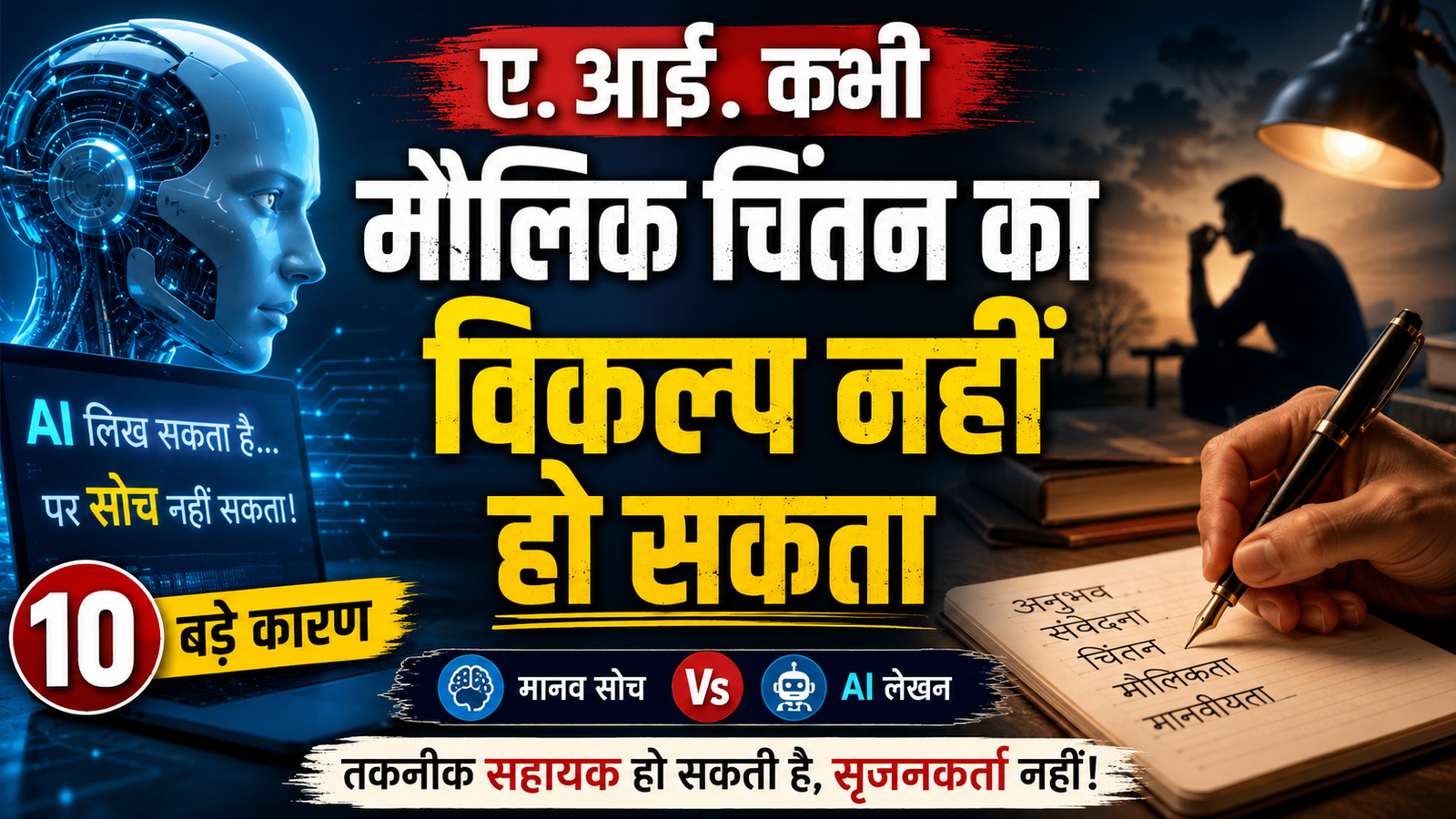
AI and Original Writing Crisis: 10 Powerful Reasons Why Artificial Intelligence Can Never Replace Human Creativity
AI and Original Writing remain at the center of a global debate as technology transforms content creation. Discover why artificial intelligence can assist writers but can never replace human creativity, emotions, independent thinking, and authentic storytelling.

- Personal experiences
- Emotional intelligence
- Independent thinking
- Cultural understanding
- Ethical judgment
- Creative imagination
- Likes
- Shares
- Comments
- Followers
- Viral reach
- Emotional experiences
- Personal memories
- Moral conflicts
- Cultural identity
- Intuition
- Imagination
- Breaking news alerts
- Social media updates
- Short-form videos
- Online debates
- Viral trends
- Reading deeply
- Reflecting carefully
- Questioning assumptions
- Evaluating evidence
- Intellectual honesty
- Creative effort
- Academic integrity
- Professional credibility
- Vocabulary
- Grammar
- Structure
- Style
- Nuance
- Propaganda
- Misinformation
- Echo chambers
- Manipulation
- Groupthink
- Independent blogs
- Digital magazines
- Online newsletters
- Social media platforms
- Self-publishing services
- Critical thinking
- Debate
- Creativity
- Research skills
- Problem-solving
- Verify information
- Credit sources
- Avoid plagiarism
- Conduct original research
- Drafting
- Editing
- Fact organization
- Language refinement
- Accuracy
- Depth
- Insight
- Originality
Contents
3 June, Credent TV | In an era dominated by digital innovation, AI and Original Writing have become two of the most discussed topics in journalism, education, publishing, and creative industries. Artificial intelligence is now capable of generating articles, poems, speeches, marketing campaigns, and even fictional stories within seconds. While these technological advancements have undoubtedly transformed the writing landscape, a crucial question remains unanswered: Can AI truly replace original human thinking and creativity?
Veteran independent journalist Nafees Afridi believes the answer is clear. According to him, artificial intelligence may become a valuable writing assistant, but it can never become a substitute for authentic human thought, emotional depth, and lived experience.
As the world races toward an AI-driven future, the debate surrounding originality, creativity, and intellectual integrity has become more relevant than ever.
The Digital Revolution and the Rise of AI Writing
The digital age has democratized communication in unprecedented ways. Today, a smartphone and internet connection are often enough to reach millions of readers worldwide.
Blogs, websites, social media platforms, podcasts, and digital publications have eliminated many of the barriers that once restricted publishing opportunities. Every individual now has the potential to become a creator.
At the same time, artificial intelligence has entered the writing process. Advanced AI tools can summarize information, generate headlines, produce essays, draft speeches, and create social media content almost instantly.
Major technology companies continue investing billions in AI development, reflecting the growing significance of machine-generated content. According to reports from the official websites of organizations such as OpenAI and UNESCO, the integration of AI into education, communication, and content creation is expected to expand significantly in the coming years.
Yet this transformation has sparked concerns about the future of authentic expression.
Understanding AI and Original Writing
AI and Original Writing represent two fundamentally different approaches to content creation.
Artificial intelligence operates by analyzing vast amounts of existing data, identifying patterns, and predicting the most likely sequence of words. Its strength lies in processing information quickly and efficiently.
Original writing, however, emerges from a person’s experiences, emotions, memories, observations, struggles, and imagination.
A machine can imitate style.
A human creates meaning.
A machine can organize information.
A human interprets life.
This distinction forms the heart of the debate.
Why Original Writing Matters
Original writing is much more than arranging words on a page.
It reflects:
Great literature, impactful journalism, and transformative speeches have historically emerged from individuals who challenged conventional thinking.
The works of George Orwell, Rabindranath Tagore, and Premchand continue to resonate because they were born from lived realities rather than algorithmic prediction. Authentic writing has the power to inspire change because it originates from genuine human experience.
AI and Original Writing in the Age of Social Media
Social media has dramatically altered how content is consumed and evaluated. Today, many creators measure success through:
As a result, attention-grabbing content often receives greater visibility than thoughtful analysis. The pressure to remain relevant in fast-moving digital environments has encouraged shorter, faster, and more reactive forms of communication.
Many writers find themselves optimizing for algorithms rather than audiences. This shift creates a significant challenge for AI and Original Writing because originality often requires patience, reflection, research, and intellectual discipline. Viral content may capture attention for a moment. Meaningful content influences society for years.
Can AI Truly Be Creative?
One of the most fascinating questions surrounding AI and Original Writing is whether machines can genuinely be creative. AI systems can produce impressive outputs because they learn patterns from enormous datasets. However, creativity involves more than generating combinations of words. Human creativity includes:
A novelist writing about grief often draws from personal loss. A poet describing love may be expressing lived emotions. A journalist investigating injustice frequently relies on empathy and ethical commitment. Artificial intelligence does not experience any of these realities. It can simulate language about emotions, but it does not feel them. This distinction explains why human-created stories continue to carry emotional resonance that machines struggle to replicate authentically.
Information Overload and the Decline of Deep Thinking
Modern society is surrounded by an endless stream of information. Every minute brings:
While access to information has expanded dramatically, the ability to process it thoughtfully has not necessarily kept pace. Many people now react to headlines without reading full articles. Opinions are often formed before facts are fully understood. This environment can weaken the foundation required for original thinking. Independent thought requires:
Without these habits, originality becomes increasingly difficult to sustain.
AI and Original Writing Versus Plagiarism
Another major challenge facing the digital world is plagiarism. The internet contains an enormous volume of accessible content. As a result, copying and repackaging existing ideas has become easier than ever. Many creators intentionally or unintentionally reproduce material without proper attribution.
This practice undermines:
When originality loses value, society risks rewarding shortcuts instead of genuine contribution. For journalism, education, and literature, this trend poses a serious concern. The long-term health of knowledge creation depends on recognizing and protecting original work.
Language Quality in the Digital Era
Language itself is undergoing transformation. Digital communication often favors speed over precision. Abbreviations, emojis, and shortened expressions have become common forms of interaction. While these tools improve convenience, they can also reduce linguistic richness. Strong writing depends on:
When language becomes increasingly simplified, opportunities for sophisticated expression may decline. Original writing requires not only original ideas but also the ability to communicate those ideas effectively. Language remains one of humanity’s most powerful creative tools.
The Social Impact of Declining Originality
The consequences of weakened originality extend far beyond literature. Independent thinking plays a vital role in healthy democracies and informed societies. Original writers challenge dominant narratives, expose misinformation, and encourage critical discussion. Without original voices, public discourse can become vulnerable to:
History demonstrates that societies progress when individuals question assumptions and present fresh perspectives. The protection of original writing is therefore not merely a literary issue—it is a civic necessity.
Opportunities Created by Technology
Despite these concerns, technology should not be viewed solely as a threat. Digital platforms have created extraordinary opportunities for emerging writers. Talented individuals from small towns and rural communities can now reach global audiences without relying exclusively on traditional publishing systems. Many successful creators have built careers through:
Technology can amplify creativity when used responsibly. The problem lies not in technological advancement itself but in how it is utilized. When AI supports research, organization, editing, and productivity, it can strengthen human creativity rather than replace it.
Protecting AI and Original Writing in the Future
To preserve originality in the digital age, several actions are necessary.
Encourage Independent Thinking
Educational institutions should prioritize:
Students must be encouraged to ask questions rather than memorize answers.
Promote Ethical Content Creation
Writers and creators should:
Ethical standards remain essential regardless of technological advancement.
Use AI as a Tool, Not a Replacement
Artificial intelligence can assist with:
However, human judgment should remain central to the creative process.
Reward Quality Over Virality
Readers, publishers, and media organizations should prioritize:
When audiences support meaningful work, creators are more likely to invest in quality content.
The Future of AI and Original Writing
The future will likely involve collaboration rather than competition. Artificial intelligence will continue becoming more sophisticated. Writers will increasingly integrate AI tools into their workflows. However, the defining characteristics of human creativity—emotion, empathy, intuition, and lived experience—will remain uniquely human. Technology may accelerate production. It cannot replicate consciousness. Technology may generate text. It cannot experience life. This distinction will continue to shape the relationship between AI and Original Writing for decades to come. AI and Original Writing represent one of the defining conversations of the modern digital era.
Artificial intelligence has revolutionized content creation, offering unprecedented speed, efficiency, and accessibility. Yet originality remains rooted in qualities that technology cannot genuinely reproduce: human emotion, personal experience, moral reflection, imagination, and independent thought.
As independent journalist Nafees Afridi argues, AI may assist writers, but it cannot replace authentic human creativity. The challenge facing society is not whether technology should exist, but how it should be used.
The future of writing depends on maintaining a balance between digital innovation and human originality. If writers continue to engage deeply with life, think independently, and express genuine experiences, original writing will remain alive and influential.
In a world overflowing with information, the greatest challenge is not producing more words—it is preserving the human voice behind them.

Author: Nafees Afridi
Independent Journalist
B-70, Raj Villa, Pragati Path, Bajaj Nagar, Jaipur – 302015, Rajasthan, India.
Contact: +91 93515 97376














New Delhi | 14 Sep 2026
Home loan and other floating-rate borrowers could face higher borrowing costs if the Reserve Bank of India raises the repo rate in the coming months, as advocated by SBI Research. Its latest Ecowrap report has called for a 25-basis-point increase in October followed by another 25-bps rise in December, citing crude oil prices above $100 a barrel, external shocks and growing inflation risks.
SBI Research advocates RBI repo rate hike in October and December
SBI Research has recommended that the RBI raise the policy repo rate by 25 basis points at the next Monetary Policy Committee meeting and consider another 25-bps increase in December. If both increases are implemented, the cumulative rise would be 50 basis points, or 0.50 percentage point.
The recommendation is not an RBI decision. The central bank has kept the repo rate unchanged at 5.25% for four consecutive policy reviews, including its August 2026 meeting. The next MPC meeting is scheduled for 5-7 October.
“We strongly advocate a 25-bps rate hike in the upcoming October policy.”— SBI Research, Ecowrap report
SBI Research said the economic environment had changed significantly over the past month, with elevated energy prices and wider inflationary pressures increasing the case for monetary tightening.
What an RBI rate hike could mean for home loan EMIs
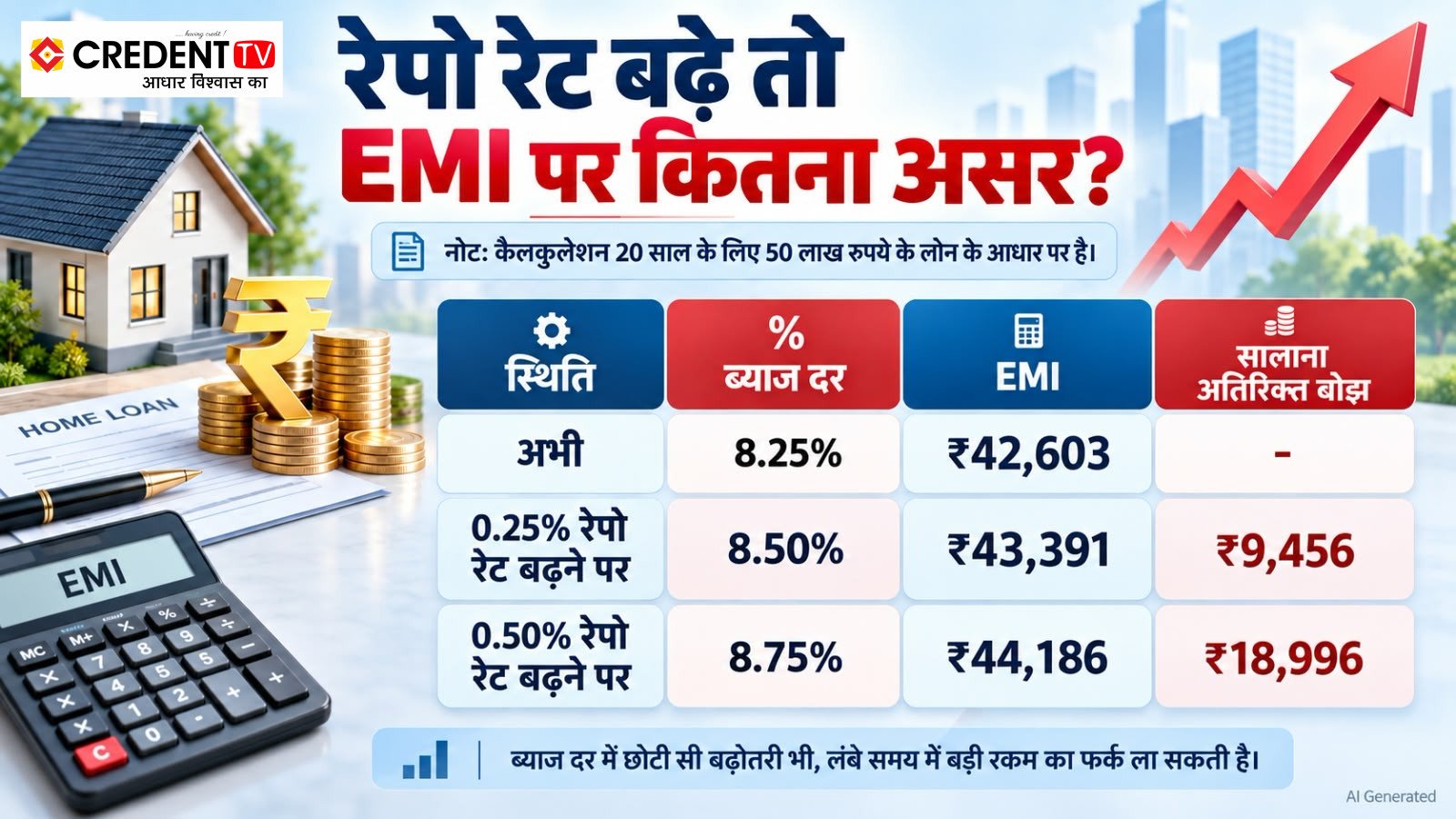
A higher repo rate can eventually make loans more expensive, particularly for borrowers whose floating-rate loans are linked to an external benchmark such as the RBI repo rate.
If banks transmit a higher policy rate to customers, borrowers could see their lending rates revised at the applicable reset date. Depending on the loan agreement and lender policy, this may result in a higher monthly EMI, a longer repayment tenure or a combination of the two.
The impact would not necessarily be immediate or identical for every borrower. Fixed-rate loans and loans linked to other benchmarks may respond differently.
Crude oil above $100 raises inflation concerns
The SBI Research assessment comes as international crude oil prices have moved above $100 a barrel amid heightened geopolitical uncertainty. India, which imports most of its crude oil requirements, is particularly sensitive to prolonged increases in global energy prices.
Higher crude prices can affect transportation, fuel, manufacturing and logistics costs, potentially feeding into consumer inflation. They can also put pressure on the rupee and India’s current account position.
SBI Research said one of its models indicated crude prices could reach $123 a barrel over a 15-day period under a higher-risk scenario, while another model projected an average closer to $105 a barrel. These are estimates rather than confirmed future prices.
Inflation outlook puts October RBI MPC meeting in focus
SBI Research said inflationary pressure was showing signs of becoming more broad-based, including in areas such as crude petroleum and natural gas, beverages, pharmaceuticals and electronics.
The report estimated that if crude oil prices remain elevated, inflation in October and November could move towards 6.5% or higher. The trajectory of food prices, energy costs, the rupee and global financial conditions will therefore remain important ahead of the October RBI policy decision.
RBI Governor Sanjay Malhotra has meanwhile maintained that the prevailing monetary policy remains appropriate, while the central bank continues to monitor inflation, liquidity and external risks.
RBI has not announced a 0.50% repo rate increase
Borrowers should note that the proposed increases are recommendations from SBI Research and not a confirmed RBI decision. The Monetary Policy Committee will independently decide the repo rate after evaluating inflation, economic growth and financial conditions.
If the RBI ultimately follows the two-step path suggested by SBI Research, the repo rate would rise from the current 5.25% to 5.50% after a 25-bps increase and to 5.75% after a further 25-bps rise. Such a move could raise borrowing costs for eligible floating-rate home, vehicle and personal loans, subject to individual banks’ transmission and reset mechanisms.
RBI repo rate hike, RBI repo rate 2026, SBI Research repo rate, home loan EMI increase, loan EMI hike, RBI MPC October 2026, crude oil price India, India inflation 2026, home loan interest rate
#RBIRepoRate #HomeLoanEMI #RBI #SBIResearch #Inflation

Breaking News
BRICS Summit 2026 Backs Local-Currency Trade as India Clarifies Common Currency Position


New Delhi | 11 Sep 2026
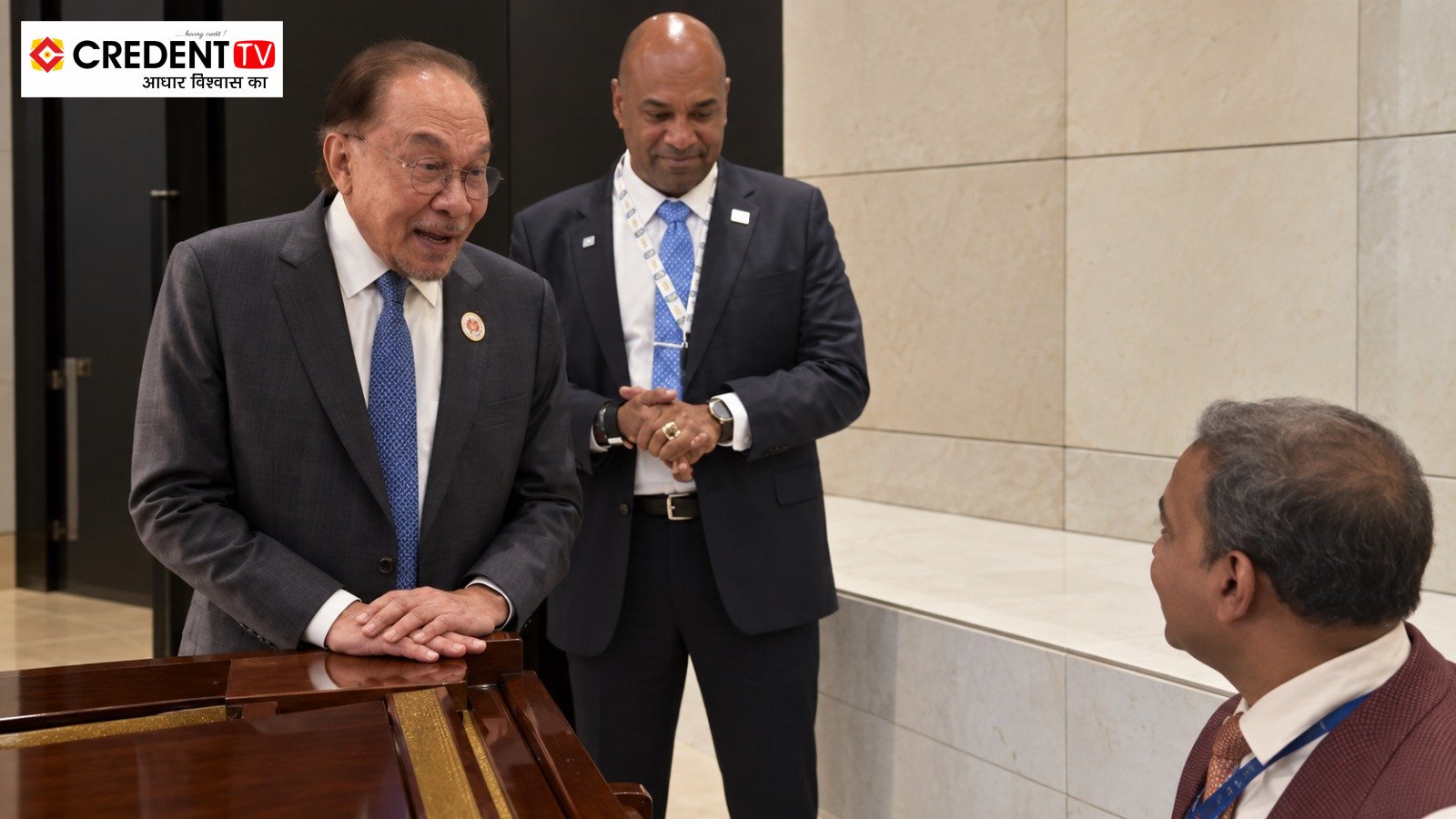
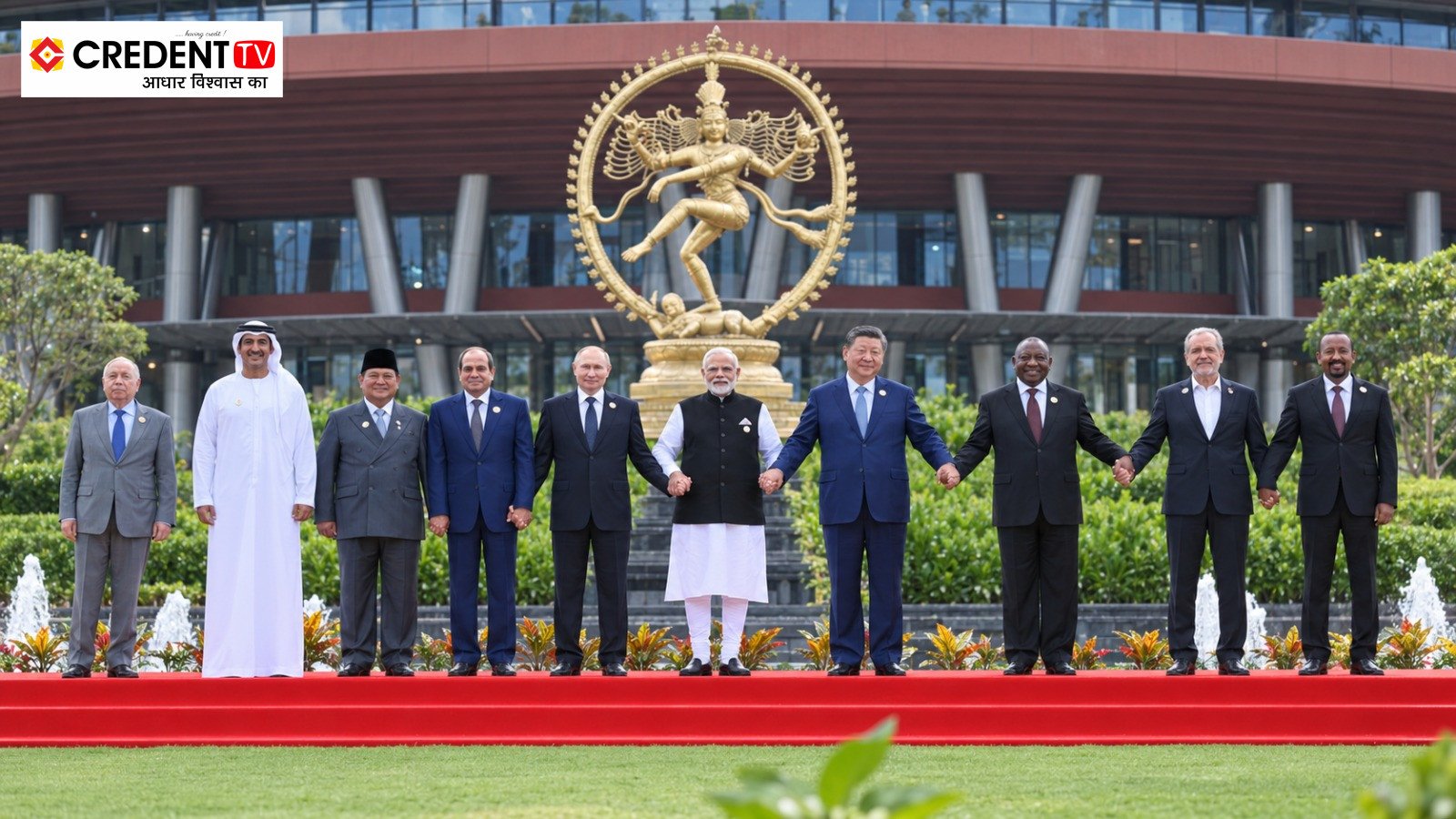
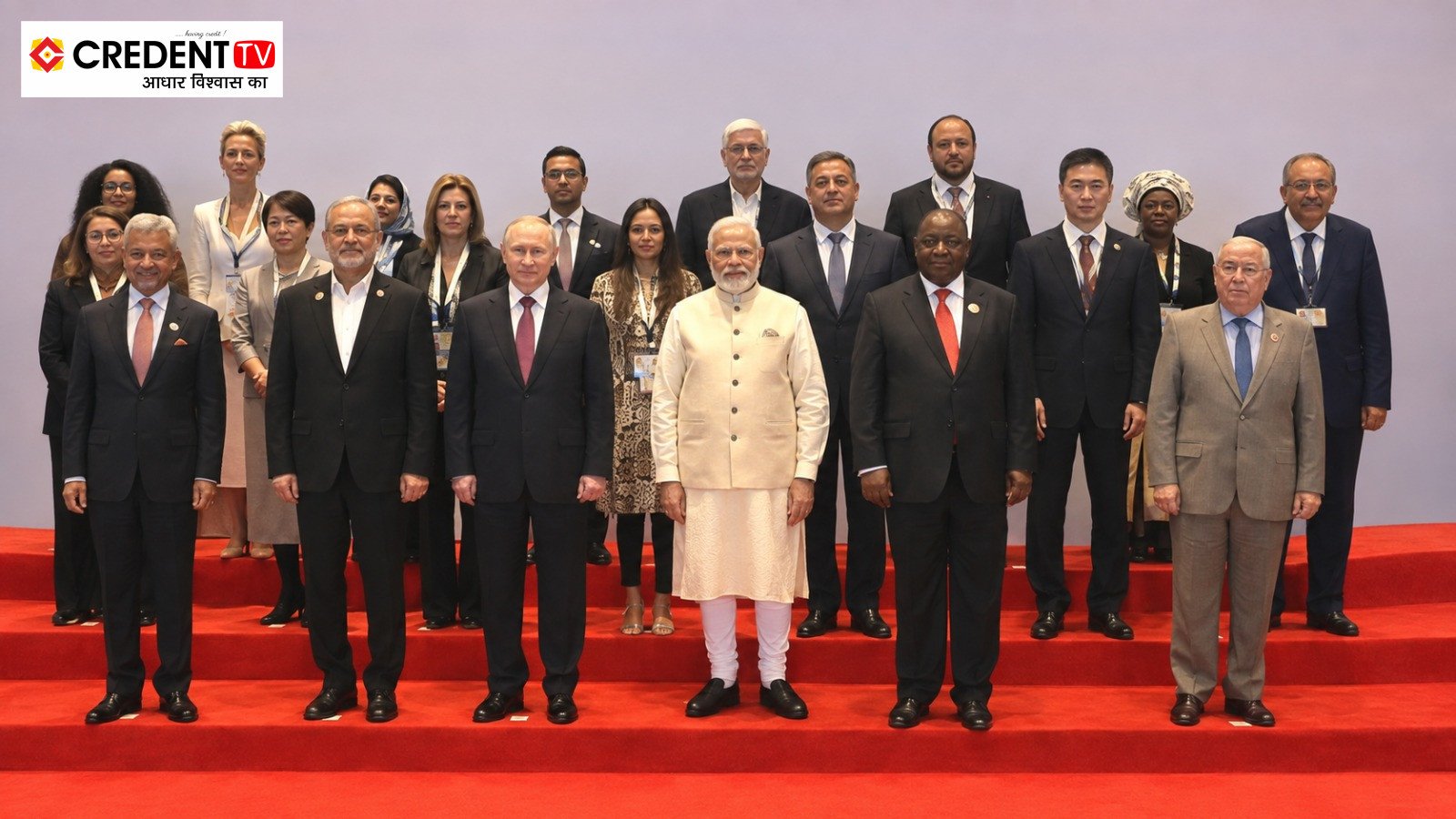
Prime Minister Narendra Modi and Russian President Vladimir Putin held bilateral talks in New Delhi on Friday, reviewing cooperation in trade, energy, defence and technology ahead of the 18th BRICS Summit.
The meeting covered the broader India-Russia strategic partnership, including civil nuclear energy, fertilisers, critical minerals, manufacturing, railways and steel. Defence proposals involving the Su-57 fighter aircraft, S-400 air-defence system and BrahMos missile programme were also expected to feature in the discussions.
Modi-Putin meeting puts defence cooperation in focus
Russia has proposed supplying its Su-57 fifth-generation fighter aircraft to India and has expressed readiness to discuss technology sharing and domestic production. India had not announced any purchase or production agreement at the time of reporting.
The two sides were also expected to review the remaining S-400 deliveries and long-term maintenance arrangements. A proposed upgrade of India’s Su-30MKI fleet and future cooperation on advanced air-defence systems have formed part of wider defence discussions.
India and Russia are separately examining improvements to the jointly developed BrahMos supersonic cruise missile. The proposed BrahMos-NG would be lighter than the existing system and designed for integration with a wider range of aircraft, including the Tejas fighter.
Trade, energy and Ukraine discussed
Modi and Putin discussed expanding bilateral trade and developing reliable payment and transport mechanisms. India and Russia have explored greater use of national currencies while seeking solutions to the imbalance created by India’s substantially higher imports from Russia.
Energy remains central to the relationship. India has defended its purchases of Russian oil by citing the need for secure, affordable and dependable supplies for its population and economy.
Modi reiterated India’s position that the conflict in Ukraine should be resolved through dialogue and diplomacy. New Delhi has said it supports credible efforts aimed at achieving peace while continuing its economic engagement with Moscow.
Civil nuclear cooperation, including existing Russian involvement at the Kudankulam Nuclear Power Plant and the possibility of additional projects, was also expected to receive attention.
BRICS Business Forum draws more than 2,000 delegates
Commerce and Industry Minister Piyush Goyal said more than 2,000 business leaders and delegates from BRICS member and partner countries attended the BRICS Business Forum. Discussions covered non-tariff barriers, global value chains, agriculture, services, women-led enterprises and the digital economy.
International delegations arrive in New Delhi
Nigerian Vice-President Kashim Shettima arrived in India to participate in the BRICS Summit, joining leaders and senior representatives from member, partner and invited countries.
United Nations Secretary-General António Guterres also arrived in New Delhi and was received at the airport by Union Minister Sukanta Majumdar.
Foreign ministers hold bilateral consultations
External Affairs Minister S. Jaishankar met Brazilian Foreign Minister Mauro Vieira at Hyderabad House. Their discussions covered bilateral relations and international issues ahead of the summit.
Modi also presented Putin with a Russian translation of the Thirukkural, the classical Tamil work attributed to poet-philosopher Thiruvalluvar, during their engagement in New Delhi.
Indian cuisine and millets feature in summit hospitality
Hotels accommodating BRICS delegates prepared Indian menus featuring millet-based dishes. Amit Biswas, executive sous chef at The Lalit New Delhi, said the menu was designed to promote millets while serving the requirements of international guests.
The BRICS leaders’ summit is scheduled for 12 and 13 September at Bharat Mandapam. Leaders are expected to discuss economic cooperation, global governance, trade, financial coordination, sustainable development and current international conflicts.


Subodh Public School Rambagh Honours Sanitation Staff for Dedicated Service

Trump-Linked Powerus Plans Drone Production Partnership With Pakistan Army

October 2026 Rules: LPG Subsidy, SBI ATM and UPI Changes Explained

Yemen conflict escalation: हिंसा बढ़ने से हैजा-खसरे के फैलाव का खतरा

DRC Ebola outbreak: WHO says early care and oxygen can improve survival

8.3 Million Refugees Risk Losing Vital Assistance Amid Funding Cuts

Priyansh Arya: The Six-Hitting Sensation of IPL 2025

Top 10 Most Searched Topics on YouTube: What’s Trending Now?

Preity Zinta Spotted with New Punjab Kings Hero Priyansh Arya in Viral Clip

Nag Panchami 2025: 7 Key Rituals and Puja Time to Eliminate Kaal Sarpa Dosha

Radhika Merchant: A New Chapter as Radhika Ambani

Balen Shah, Kathmandu’s independent mayor, from rapper to political leader. Explore his rise amidst Nepal’s youth-led revolution-

best career opportunities | Jaipur Career Fair | Credent TV | Dainik Navjyoti D2S03

what is reiki healing | Mental Health | Shiksha Sarokar, शिक्षा सरोकार, Sunil Narnaulia

DAV Centenary Public School, Vaishali Nagar, Jaipur hosts Successful ‘Mind Wars Quiz: A Battle of Wits and Knowledge’

 Election3 weeks ago
Rajasthan Municipal Election Results 2026 Live Updates
- Breaking News1 month ago
Vaibhav Sooryavanshi’s Two-Wicket Duleep Trophy Spell Powers East Zone into Semi-finals
- Education3 weeks ago
OPT Fee Proposal Clears White House Review; $100,000 Figure Remains Unconfirmed
- Breaking News1 month ago
Savitribai Phule Award 2026 Honours 54 Women in Jaipur
- Breaking News1 month ago
SRN Ad-to-Pitch Challenge Tests Young Entrepreneurs in Jaipur
- Breaking News1 month ago
Reports Claim Pakistan Deployed Bayraktar TB2 Drones Near LoC
- Festival3 weeks ago
India Retail Inflation August 2026 Rises to 4.82% as Food Prices Climb
- International3 weeks ago
Houthi Drone Near Mecca: Saudi Arabia Intercepts UAV After Emergency Alert