Crime and Law Enforcement
Major Drug Bust in Delhi: ₹ 2,000 Crore Cocaine Seized Amidst Growing Concerns

Contents
Overview of the Recent Drug Bust in Delhi
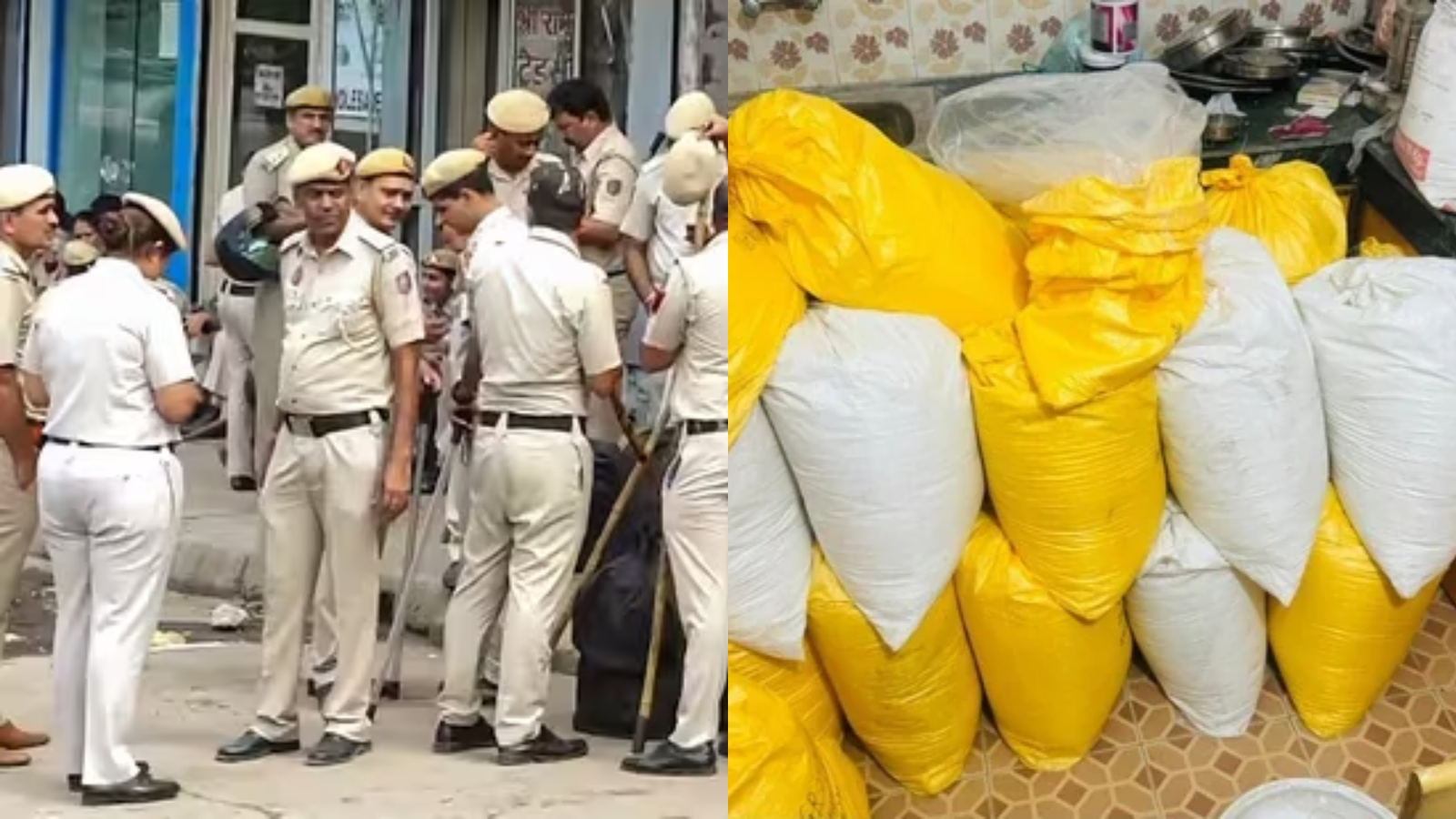
In a significant operation, law enforcement authorities in Delhi have successfully seized a staggering ₹ 2,000 crore worth of cocaine. This massive drug bust is not only alarming due to the enormous quantity of the illegal substance but also because it marks the second substantial seizure within just a week. The scale of this operation underscores the escalating drug trafficking issue in the region and raises critical questions regarding the effectiveness of current law enforcement strategies.
According to official reports, the cocaine was discovered during a covert operation aimed at disrupting a notorious drug trafficking network that has been operating within the national capital. The seizure is believed to be one of the largest in recent years, highlighting the ever-growing concerns regarding the influx of drugs into the city. This cocaine seizure is particularly valuable for its potential impact on the drug market, as its removal is expected to significantly disrupt supply lines that serve various segments of illicit drug users.
The implications of such a seizure extend beyond merely disrupting trafficking operations; they signal a larger, systemic issue related to drug abuse and its associated societal challenges. As authorities continue to grapple with the complexities of drug enforcement, this incident serves as a stark reminder of the urgent need for stronger measures and collaboration among agencies to counteract the rising tide of drug-related activities. The dual occurrences of major drug seizures in such close proximity also suggest that these criminal networks may be utilizing more sophisticated methods for transportation and distribution, posing additional challenges for law enforcement.
This situation calls for a holistic approach, integrating community awareness, preventive measures, and a fortified legal framework to combat the ongoing drug crisis effectively.
The Role of Delhi Police’s Special Cell
The Special Cell of the Delhi Police is a crucial component in the fight against organized crime, particularly drug trafficking. Over recent years, the unit has enhanced its operational strategies, employing various investigatory techniques to combat the increasing prevalence of narcotics in the city. A prime example of these innovative methods is the use of GPS tracking devices, which have proven instrumental in tracing the movements of suspected drug traffickers. This technology allows officers to monitor routes and identify key locations associated with illegal drug activities.
In the case of the recent ₹ 2,000 crore cocaine seizure, the Special Cell’s employment of high-tech surveillance methods played a vital role in identifying the drug supplier located in Ramesh Nagar. Using real-time GPS data, officers were able to analyze the behavior of individuals suspected of being engaged in illicit activities. This meticulous attention to detail enabled them to anticipate movements and coordinate an effective operation against the drug network.
Collaboration has also emerged as a significant factor in the Special Cell’s success. Working closely with other law enforcement agencies, both at the national and local levels, the unit has created a comprehensive framework for information sharing and joint operations. This network of communication helps to bolster intelligence gathering, ultimately leading to the apprehension of criminals operating within these organized crime networks.
The efforts of the Special Cell not only highlight their commitment to dismantling illegal operations but also serve as a critical deterrent to drug traffickers. By significantly disrupting drug supply chains and arresting key players in the trade, they aim to reduce the prevalence of narcotics in the capital and ensure the safety of its residents. The recent successes of the unit underline the importance of adaptive strategies in law enforcement against evolving drug trafficking methods.
International Drug Smuggling Networks Exposed
The recent drug bust in Delhi, which resulted in the seizure of ₹ 2,000 crore worth of cocaine, underscores a growing and alarming trend: the intricate connections between domestic drug syndicates and established international crime networks. Investigations revealed that Indian traffickers, specifically those linked to notorious figures like Jitendra Pal Singh and Virendra Basoya, are part of a broader web of organized crime that extends beyond Indian borders, reaching into regions such as the United Kingdom and Dubai. These connections are crucial to understanding the mechanisms of drug trafficking and the challenges faced by law enforcement agencies globally.
Drug trafficking networks often rely on a diverse range of associates spread across multiple countries to facilitate the smuggling process. In this case, the Indian syndicates use these international ties to source cocaine from South America and distribute it through well-established routes. The role of intermediaries, operating from cities like Dubai, cannot be understated, as they often handle logistics, including transportation and money laundering, which complicate law enforcement efforts. Such networks are not only adept at avoiding detection but are also skilled in adapting their operations in response to law enforcement actions.
The involvement of figures like Jitendra Pal Singh and Virendra Basoya signifies an alarming trend where crime syndicates transcend local limitations, fostering a collaborative environment in which drug cartels share resources and intelligence. This cross-border collaboration presents significant obstacles for authorities, particularly in harmonizing legal frameworks and investigative strategies across jurisdictions. Consequently, the complexity of international drug trafficking necessitates a concerted and well-coordinated approach among nations to dismantle these syndicates and mitigate their impact on society. Understanding the operational frameworks of these networks is essential for effective law enforcement responses and for addressing the pervasive issue of drug abuse that arises from such illicit activities.










Breaking News
UGC Act 2026: 5 Powerful Demands Raised in Rajasthan to End Campus Discrimination
UGC Act 2026 demand grows stronger as social justice groups in Rajasthan submit a memorandum to the President seeking strict laws to stop caste discrimination in universities and ensure equal educational rights.
6 March, Chirawa | UGC Act 2026 has emerged as a powerful demand among social justice organizations and student rights groups across India. The proposed legislation is being seen as a crucial step toward addressing discrimination in higher education institutions and ensuring equal access to opportunities for historically marginalized communities.
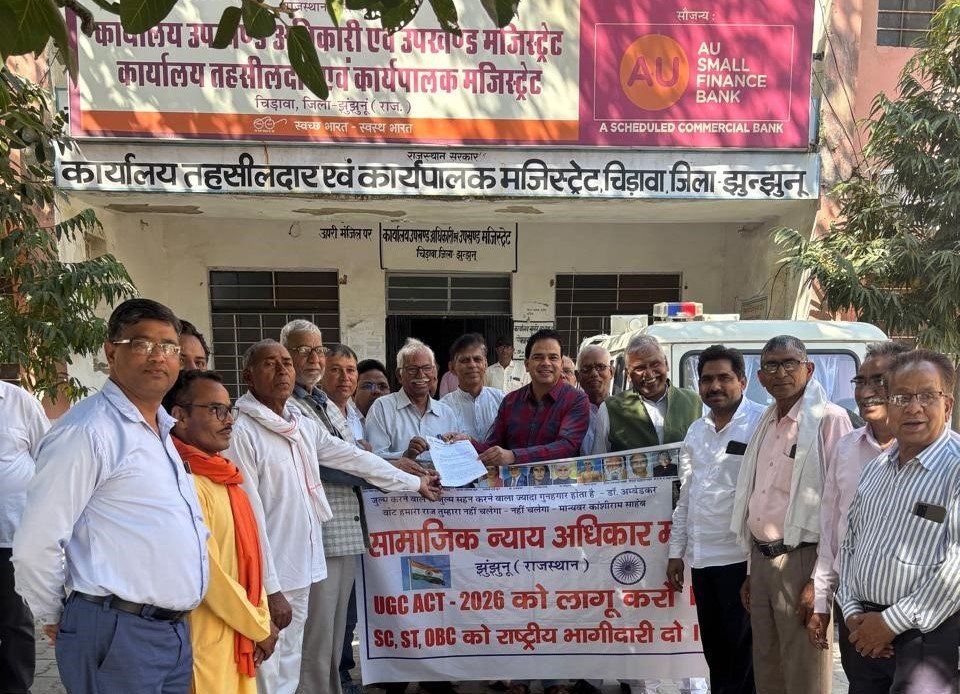
In a significant development, members of the Dr. Ambedkar Anusuchit Jati Adhikari Karmachari Association (AJAK) & Samajik Nyay Adhikar Manch along with representatives of several social organizations in Chirawa subdivision of Jhunjhunu district, Rajasthan, submitted a memorandum addressed to the President of India through the Sub-Divisional Magistrate (SDM).
The delegation included Balveer Singh Kala, Advocate Vijay Gurava, President of the Bar Association, Advocate Suresh Dandia, Advocate Arvind Bhagat, Advocate Vedprakash, Babulal Councilor, Rohitash Mehrania, Anil Mehrania, Mahesh Mehrania, Jai Mal Siroha, Budhram Mehrania, Sitaram Panwar, Satyanarayan Dholpuria, Raghuveer Singh, Hanuman Singh Danodia, Sant Kumar, Hariram Maharia, Sajjan Maharia, Shiv Prasad Maharia, Vinod Mehrania, Anil Narnolia, Prahalad Singh and representatives of various social organizations.
The memorandum calls for the immediate enactment of the UGC Equity Regulations for 2026 and strict implementation of new University Grants Commission regulations to promote equality in higher education.
The demand reflects a growing national conversation about discrimination in educational institutions and the need for systemic reforms to protect the constitutional rights of students belonging to Scheduled Castes (SC), Scheduled Tribes (ST), and Other Backward Classes (OBC).
The demand for the Rohith Vemula Act 2026 stems from long-standing concerns regarding discrimination in universities and higher education institutions across India.
Many social justice organizations argue that despite constitutional guarantees of equality, students from historically marginalized communities continue to face barriers such as:
- Social exclusion
- Institutional discrimination
- Lack of grievance redressal mechanisms
- Underrepresentation in faculty positions
According to activists, a strong legal framework is necessary to ensure that educational institutions remain inclusive and equitable for all students.
Memorandum Submitted in Chirawa, Jhunjhunu
In Rajasthan’s Jhunjhunu district, the Dr. Ambedkar Anusuchit Jati Adhikari Karmachari Association (AJAK) & Samajik Nyay Adhikar Manch along with various community organizations submitted a memorandum urging the central government to enact the Rohith Vemula Act 2026 (UGC Equity Regulations for 2026).
The memorandum was submitted to the Sub-Divisional Magistrate (SDM) of Chirawa, who will forward it to the President of India.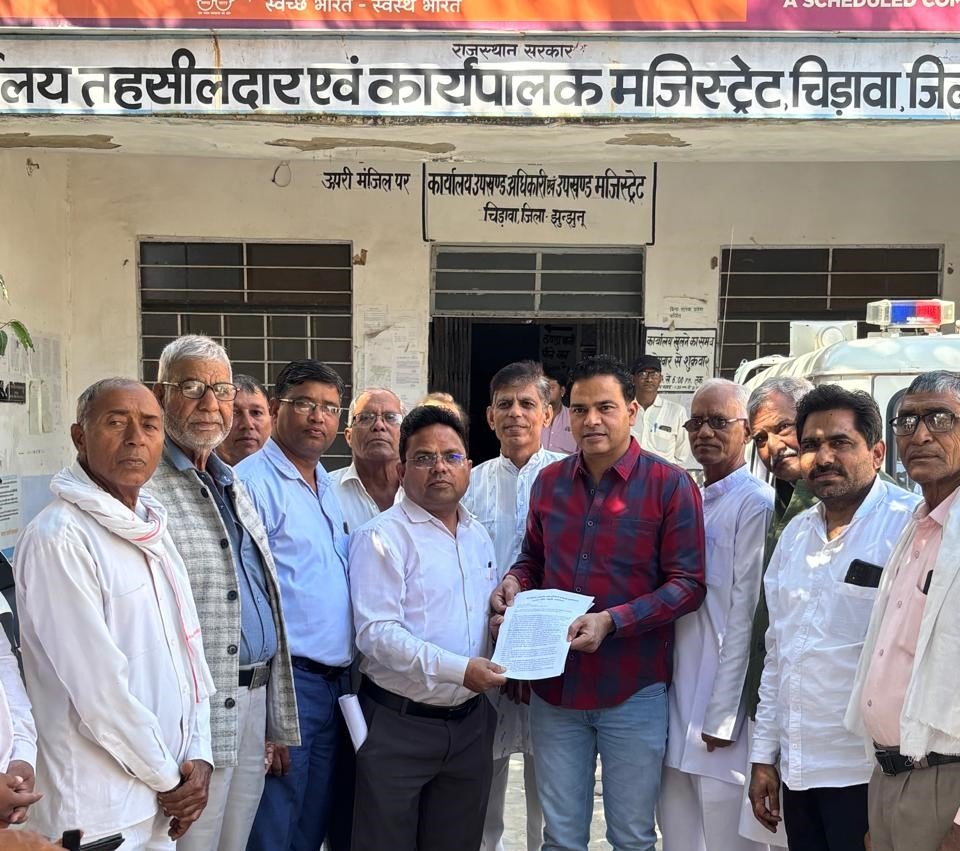
Representatives of several social organizations were present in the delegation, including community leaders, lawyers, and public representatives.
The delegation emphasized that historically marginalized communities have remained socially and educationally backward for centuries, and therefore require strong institutional protection to ensure equal participation in education.
Constitutional Provisions Supporting Educational Equality
The memorandum strongly referred to several provisions of the Constitution of India that guarantee equality and social justice.
Article 14 – Right to Equality
Article 14 ensures equality before the law and equal protection of laws to all citizens.
More details about constitutional equality provisions can be accessed through the official portal of the Government of India:
https://www.india.gov.in
Article 15 – Prohibition of Discrimination
Article 15 prohibits discrimination on the basis of religion, race, caste, sex, or place of birth.
It also allows the state to make special provisions for socially and educationally backward classes.
Article 16 – Reservation in Public Employment
Article 16(4) provides reservation in government jobs for SC, ST, and OBC communities to ensure fair representation.
Article 17 – Abolition of Untouchability
Article 17 declares untouchability as a punishable offense, reinforcing the principle of social equality.
Article 335 – Claims of SC/ST in Services
Article 335 mandates that the claims of SC/ST communities must be considered in public employment while maintaining administrative efficiency.
These constitutional provisions form the legal foundation behind the demand for the Rohith Vemula Act 2026.
Rohith Vemula Case and the National Debate on Campus Discrimination
The demand for the Rohith Vemula Act 2026 is closely linked to the death of Rohith Vemula, a PhD scholar at the University of Hyderabad whose suicide in January 2016 sparked nationwide protests and debates on caste discrimination in higher education.
His death triggered a broader discussion about institutional bias and the treatment of marginalized students within universities.
Civil society groups, student unions, and political leaders have repeatedly demanded stronger laws to prevent such incidents and ensure accountability within academic institutions.
Advocates for the legislation argue that such a law could act as a deterrent against discrimination and harassment.
Some political leaders and activists have also called for legal reforms to address cases similar to those of Rohith Vemula, Payal Tadvi, and other students who allegedly faced discrimination in educational institutions.
Key Demands Raised in the Memorandum
The memorandum submitted in Chirawa highlights several major demands related to the Rohith Vemula Act 2026 and educational reforms.
1. Enactment of Rohith Vemula Act 2026
The organizations demanded the enactment of a comprehensive law to prevent discrimination against SC, ST, and OBC students in universities.
2. Strict Implementation of UGC Regulations
The University Grants Commission should implement the Promotion of Equity in Higher Education Institutions Regulations 2026 strictly.
3. Equal Opportunity Helplines
Every higher education institution should establish a 24-hour equality helpline to address cases of discrimination.
4. National Monitoring Committee
The memorandum calls for a national monitoring committee to track discrimination complaints and ensure accountability.
5. Transparent Recruitment Processes
Universities should ensure that reserved positions are filled fairly and without prejudice.
UGC Equity Regulations 2026 and Institutional Responsibility
The University Grants Commission has introduced regulations aimed at preventing discrimination and promoting equity in higher education institutions.
These regulations were developed after directions from the Supreme Court and concerns raised in public interest litigations regarding caste discrimination in universities.
The regulations emphasize:
- Institutional grievance redressal systems
- Equal opportunity cells
- Monitoring mechanisms
- Protection of marginalized students
However, activists argue that stronger enforcement mechanisms are still required.
Vacant Reserved Posts in Universities: A Growing Concern
One of the major issues raised in the memorandum is the large number of vacant reserved posts in universities.
According to the representatives, many faculty positions reserved for SC, ST, and OBC candidates remain vacant due to various administrative practices.
These include:
- Selection boards declaring candidates “Not Found Suitable (NFS)”
- Low interview scores despite eligibility
- Delays in recruitment processes
Activists claim that such practices undermine the goal of fair representation in higher education institutions.
They have demanded that the government launch a special recruitment drive to fill reserved posts in universities across India.
National Protests and Student Movements
The debate around the Rohith Vemula Act 2026 has also led to protests and demonstrations in several universities.
Student groups and civil society organizations argue that discrimination in educational institutions can have severe psychological and social consequences for students from marginalized backgrounds.
Protests and discussions across campuses have highlighted the importance of building inclusive and safe academic environments.
Many activists believe that stronger legal safeguards are necessary to prevent discrimination and ensure equal opportunities for all students.
Why the Rohith Vemula Act 2026 Is Seen as a Landmark Reform
Supporters of the proposed Rohith Vemula Act 2026 believe that it could become a transformative step in India’s higher education system.
The law is expected to:
- Strengthen anti-discrimination mechanisms
- Protect the rights of marginalized students
- Improve representation in academic institutions
- Promote inclusive campus environments
Experts argue that the legislation could help create a more equitable education system that reflects the constitutional values of justice and equality.
The Road Ahead for Inclusive Higher Education in India
The demand raised in Chirawa reflects a broader national movement seeking structural reforms in higher education.
As discussions around the Rohith Vemula Act 2026 continue, policymakers, educational institutions, and civil society groups will need to work together to ensure that universities remain spaces of learning, equality, and dignity.
The debate also highlights a fundamental question for India’s education system:
How can universities ensure that every student — regardless of caste, background, or social status — has an equal opportunity to succeed?
The answer may lie in stronger laws, transparent institutional policies, and a renewed commitment to the constitutional ideals of equality and social justice.
Crime and Law Enforcement
No Action Taken on FIR Filed by Lecturer Against School Principal for Abuse, 13 Days After Incident
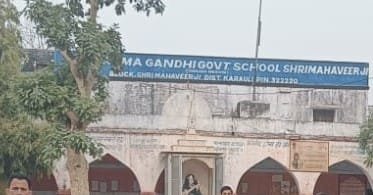
Biology teacher at Mahatma Gandhi Government School alleges abuse and harassment by the principal; seeks justice after no response from authorities
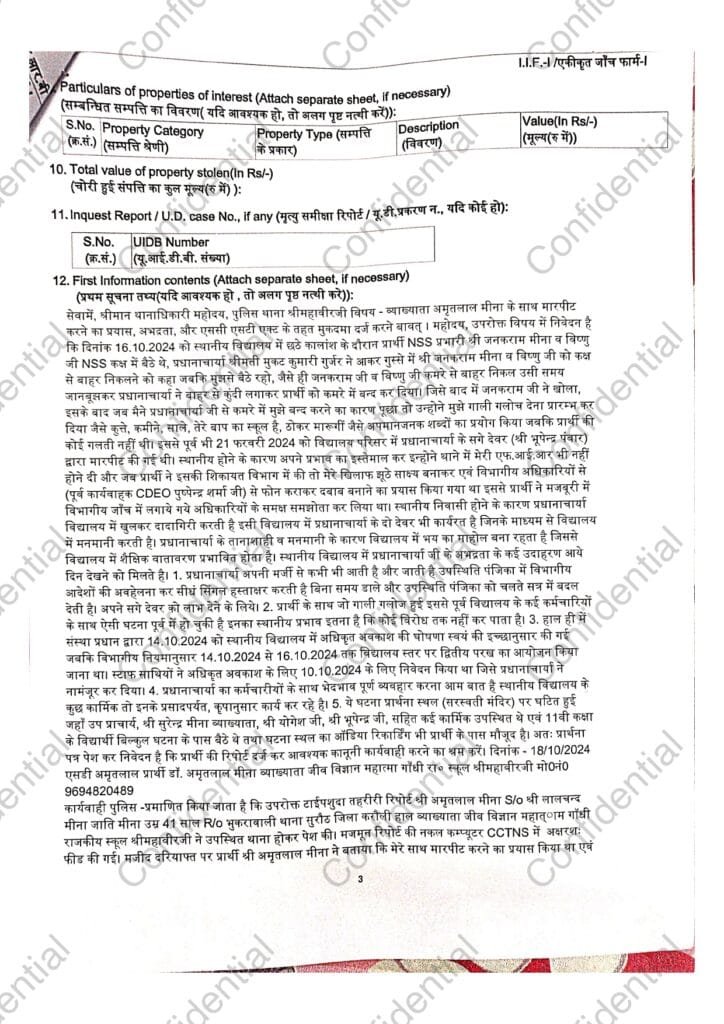
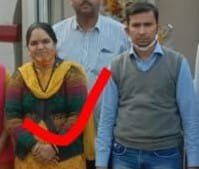
Karauli, Rajasthan, 29 October 2024 – Despite filing an FIR on October 18, 2024, alleging abuse and caste-based discrimination, Amritlal Meena, a biology lecturer at Mahatma Gandhi Government School in Shri Mahaveerji, Karauli, reports that no action has been taken against the accused principal even 13 days after the incident. Meena’s complaint claims that he faced threats, verbal abuse, and confinement by the school principal, Mukut Kumari Gurjar, who reportedly has political influence in the local community.
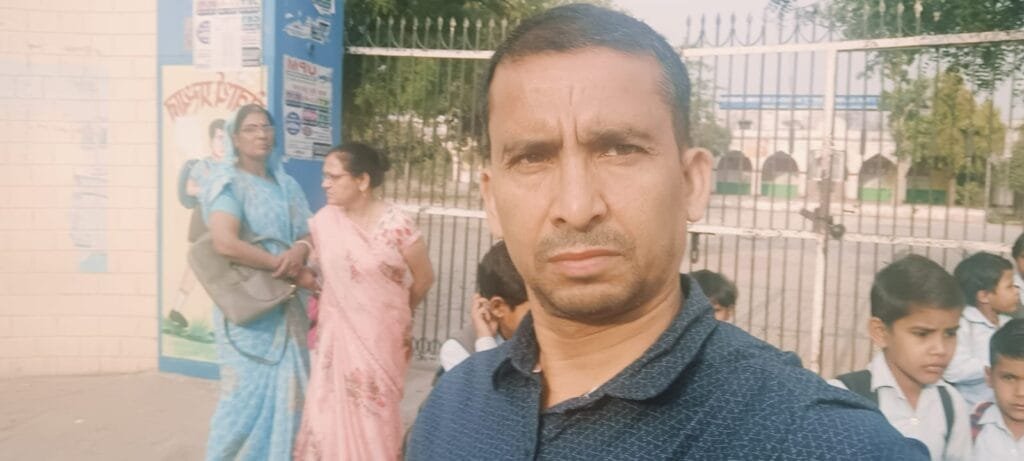
The incident, which reportedly took place on October 16, 2024, involved the principal allegedly locking Meena in a classroom, using caste-based slurs, and threatening him. An audio recording of the incident was made by Meena to support his claims, which he submitted along with the complaint to the district collector of Karauli. However, Meena claims that due to the principal’s political connections, no action has been taken by the authorities or the school administration to address the matter.
Pattern of Harassment and Abuse
According to the FIR, Meena stated that this was not the first instance of abuse by the principal. Earlier, on February 21, 2024, he had allegedly faced physical assault by the principal’s brother-in-law, Bhupendra Panwar, within school premises. Attempts to file a complaint at that time were reportedly suppressed due to local influence. Meena also alleged that when he escalated the matter to higher officials, pressure was exerted on him to settle, and he was forced to withdraw his complaint under duress.
Accusations of Favoritism and Misconduct
The FIR further describes a pattern of alleged misconduct, favoritism, and improper management within the school. Meena claimed that the principal exercises undue influence in school matters, often disregarding school rules to benefit family members employed at the institution. The complaint outlines instances of unauthorized leave declarations, discriminatory treatment of staff, and even arbitrary alteration of attendance logs, creating a “hostile work environment” that has instilled fear among the teaching staff and negatively impacted the school’s educational atmosphere.
Call for Justice
Meena has requested immediate action from the authorities to address the abuse, harassment, and caste-based discrimination that he and other faculty members reportedly face at Mahatma Gandhi Government School. He has urged the administration to ensure the safety and dignity of all employees by taking firm measures against the alleged misconduct.
Legal Proceedings and Investigation Status
The case has been filed under Sections 134, 351(2), and 352 of the Indian Penal Code (BNS) 2023. However, despite the submission of audio evidence and multiple witness testimonies, no official steps have been taken so far, and Meena remains hopeful that justice will be served.
Community Reaction
The alleged abuse and lack of administrative response have raised concerns within the local community and among educators about the accountability of school authorities and the need for fair treatment in government institutions. The situation underscores the importance of safeguarding teachers from workplace harassment, caste-based discrimination, and misuse of power.
Amritlal Meena’s case has brought to light the challenges faced by educators in seeking justice amid local political influence. As Meena continues to pursue his case, educational and civic groups are calling for a transparent investigation to ensure that educational spaces remain safe, respectful, and conducive to learning.

SRN International School Maths Café, SRN International School Jagatpura

Dr Ambedkar Memorial Welfare Society Rajasthan Forms Permanent Council

Subodh Public School Rambagh Honours Sanitation Staff for Dedicated Service

Trump-Linked Powerus Plans Drone Production Partnership With Pakistan Army

October 2026 Rules: LPG Subsidy, SBI ATM and UPI Changes Explained

Yemen conflict escalation: हिंसा बढ़ने से हैजा-खसरे के फैलाव का खतरा

Priyansh Arya: The Six-Hitting Sensation of IPL 2025

Top 10 Most Searched Topics on YouTube: What’s Trending Now?

Preity Zinta Spotted with New Punjab Kings Hero Priyansh Arya in Viral Clip

Nag Panchami 2025: 7 Key Rituals and Puja Time to Eliminate Kaal Sarpa Dosha

Balen Shah, Kathmandu’s independent mayor, from rapper to political leader. Explore his rise amidst Nepal’s youth-led revolution-

Radhika Merchant: A New Chapter as Radhika Ambani

best career opportunities | Jaipur Career Fair | Credent TV | Dainik Navjyoti D2S03

what is reiki healing | Mental Health | Shiksha Sarokar, शिक्षा सरोकार, Sunil Narnaulia

DAV Centenary Public School, Vaishali Nagar, Jaipur hosts Successful ‘Mind Wars Quiz: A Battle of Wits and Knowledge’

 Election1 month ago
Rajasthan Municipal Election Results 2026 Live Updates
- Education1 month ago
OPT Fee Proposal Clears White House Review; $100,000 Figure Remains Unconfirmed
- Breaking News1 month ago
Savitribai Phule Award 2026 Honours 54 Women in Jaipur
- Breaking News2 months ago
Rajasthan Police Arrest ₹25,000-Reward Accused Over Alleged Pakistan-Linked SIM Network
- Festival1 month ago
India Retail Inflation August 2026 Rises to 4.82% as Food Prices Climb
- International1 month ago
Houthi Drone Near Mecca: Saudi Arabia Intercepts UAV After Emergency Alert
- Accident1 month ago
Delhi High Court Orders MCD PG Audit After Satya Niketan Collapse
- Breaking News1 month ago
Apple Launches iPhone Duo and iPhone 18 Pro, Foldable Starts at ₹299,900