
Breaking News
Career Guidance as a Human Right should be accessible to everyone —

- develop self-awareness about abilities, weaknesses, interests, and values;
- explore a wide range of career options — not just traditional or familiar ones — including emerging fields;
- plan realistic and achievable education/career pathways, including internships, skill development, and job search strategies;
- build confidence, reduce anxiety around career decisions, and stay motivated;
- Who Needs It
- Students and young people, at the point of choosing streams, courses or higher education, when decisions can have lifelong impact.
- Early-career individuals or fresh graduates, needing guidance to align their education with market realities, prepare for job applications, and understand evolving trends.
- Adults undergoing career changes or upskilling, especially in a world where automation, globalization and sectoral shifts are common.
- Marginalized or disadvantaged groups — people from low socio-economic backgrounds, underrepresented communities, or rural areas, who often lack access to reliable career information and mentoring.
- In this way, career guidance isn’t a luxury — it’s a foundational support system that everyone should have access to, at different stages of life.
- Personalized support helps students from all backgrounds understand the full range of career options, even those they might never have considered due to social or economic barriers. This includes exposure to non-traditional or emerging fields, breaking stereotypes around “elite jobs.”
- Bridging knowledge gaps: Providing up-to-date, accurate labour-market information, required qualifications, skill demands — essential for making sound career decisions, especially for those lacking access to informal networks.
- Building social and cultural capital: Through mentoring, internships, exposure visits, job fairs, and employer engagement — which are especially effective when public employment services or schools partner with employers and community groups.
- Encouraging lifelong adaptability: As the job market evolves rapidly, career guidance equips individuals to reskill or pivot — preventing skill mismatches and unemployment traps.
- Introduce structured career education and counselling as a core part of school curricula starting from secondary school (or even before).
- Ensure sufficient number of trained career counsellors per school — globally accepted ratios (e.g. counsellor to student) should guide policy
- Provide equal access across rural and urban schools, ensuring marginalized communities are included.
- Extend guidance services beyond school — offer them at community centres, public employment services, and adult education platforms.
- Develop systems that allow for reskilling and career transitions, especially in sectors facing disruption or automation.
- Encourage collaboration between schools/colleges and employers to offer internships, job-shadowing, industry talks and mentoring. This helps bridge the gap between theoretical education and real-world demands
- Maintain updated labour-market information so counselling is grounded in current and future demands — not outdated assumptions.
- Pro-actively target underrepresented/marginalized groups — low-income, rural, gender minorities, migrants — to ensure they receive guidance and support.
- Design customised, culturally-sensitive guidance programmes.
- Train counsellors not just in traditional career advice but also in labour-market intelligence, cultural mediation, psychological assessment, and lifelong learning strategies.
- Monitor and evaluate guidance programmes to ensure they deliver real value — increased employability, better career outcomes, social mobility.
Contents
Bengaluru,Dec.09,2025: “Career Guidance as a Human Right” is not just a slogan — it’s a vision that recognizes the fundamental importance of informed career planning in shaping individuals’ lives and societies at large. In a world changed by rapid technological shifts, evolving job markets, and widening social inequalities, giving everyone access to high-quality career guidance is not optional — it’s essential.
Career guidance empowers individuals to understand themselves, their strengths, their values, and align them with opportunities that lead to sustained personal and professional growth. When accessible to all — regardless of background — it can help bridge the gap between potential and opportunity, turning aspirations into meaningful careers and reducing inequality in the process.
What Is Career Guidance — And Who Benefits
Definition and Goals
Career guidance refers to structured advice, counselling, and support provided to individuals to help them make informed decisions about their education, training, and career paths. According to international frameworks, its purpose is to help people: understand their strengths and interests, realistically examine labour market opportunities, adapt to changing work environments, and make decisions that reflect both personal aspirations and market demand.
Career guidance helps individuals
Inequality, Social Mobility and Career Guidance
The Inequality Challenge
Across the world, individuals from low socio-economic status (SES) backgrounds face disproportionate barriers when transitioning from education to work. Even if they have equivalent qualifications, lack of social and cultural capital — like access to networks, role models, or labour-market insight — often prevents them from converting potential into opportunity.
Research from OECD (2024) confirms that students from disadvantaged backgrounds engage less in career development activities than their peers, leading to social inequality and limited upward mobility.
Meanwhile, for many countries — including India — the availability of trained career counsellors is far below what is considered standard globally. For instance, a widely cited estimate suggests that India would need over 1.4 million counsellors to meet global norms, yet the actual ratio remains far lower, leaving most students without structured guidance.
How Career Guidance Can Mitigate Inequality
Implementing equitable career guidance systems — especially in schools and community centres — can significantly level the playing field
By embedding career guidance into public policy and education systems — and ensuring it reaches underserved communities — societies can take a concrete step toward equal opportunity and social mobility.
Career Guidance Over the Lifespan
While guidance early in life is crucial, the reality of the modern world demands support across one’s working life.
For Adults and Career Changers
According to OECD data, many adults seek career advice later in life — for job changes, upskilling or adapting to shifting labour markets.
But ironically, those who might need it most — lower-educated adults, people in high-automation risk occupations, or rural workers — are least likely to access guidance.
Ensuring career guidance as a human right means making services accessible across age groups: supporting mid-career transitions, retraining efforts, or navigating uncertain job markets.
For Organizations and the Economy
Quality career guidance doesn’t just serve individuals — it strengthens institutions and economies. Businesses benefit from employees whose skills and aspirations are aligned with their roles; societies benefit from a workforce that is adaptable, motivated, and engaged.
Providing lifelong career guidance promotes continuous learning and flexibility — essential traits in an era of automation, globalization, and fast-changing demands.
Economic Growth, Inclusion and Purpose
Recognizing career guidance as a human right isn’t just beneficial for individuals — it carries wide societal benefits.
1. Reducing Skill Mismatch and Boosting Employment
By aligning individuals’ interests, strengths, and training with actual labour-market demands, career guidance reduces skill mismatches, lowers unemployment/underemployment, and ensures a more efficient labour supply.
This not only improves job prospects for individuals but also helps economies meet labour demand, increase productivity, and foster sustainable growth.
2. Promoting Social Equity and Mobility
When career guidance is accessible across socio-economic, gender, and geographic divides, it becomes a tool for social justice. It ensures that people from disadvantaged backgrounds have equal access to information, opportunities, mentorship and pathways — helping them rise based on merit rather than privilege.
3. Encouraging Purpose, Well-being and Stability
Beyond financial outcomes, guided career decisions can lead to greater job satisfaction, personal fulfillment, and a sense of purpose. People who work in fields aligned with their values and strengths tend to be more engaged, motivated, and mentally healthier.
This not only benefits individuals — but also helps build more stable, cohesive and hopeful societies.
How to Make Career Guidance a Right
Turning “Career Guidance as a Human Right” from ideal into reality requires coordinated action across stakeholders: governments, educational institutions, employers, and communities. Here’s a roadmap:
Embed Career Guidance in School Curricula
Invest in Continuous, Lifelong Guidance
Engage Employers, Industry and Social Partners
Prioritize Equity and Inclusion
Ensure Quality, Professionalism and Accountability
Unlocking Futures Begins with Access
Recognizing Career Guidance as a Human Right is not just a moral imperative — it is a practical necessity in today’s rapidly changing world. It gives individuals clarity, purpose, and a fair shot at success — regardless of background. It strengthens societies by promoting equity, mobility, and economic resilience.
When career guidance is available to all — from students in remote villages to adults seeking career pivots — we unlock the immense, often untapped human potential. We pave the way for more inclusive growth, meaningful work, and real opportunity.
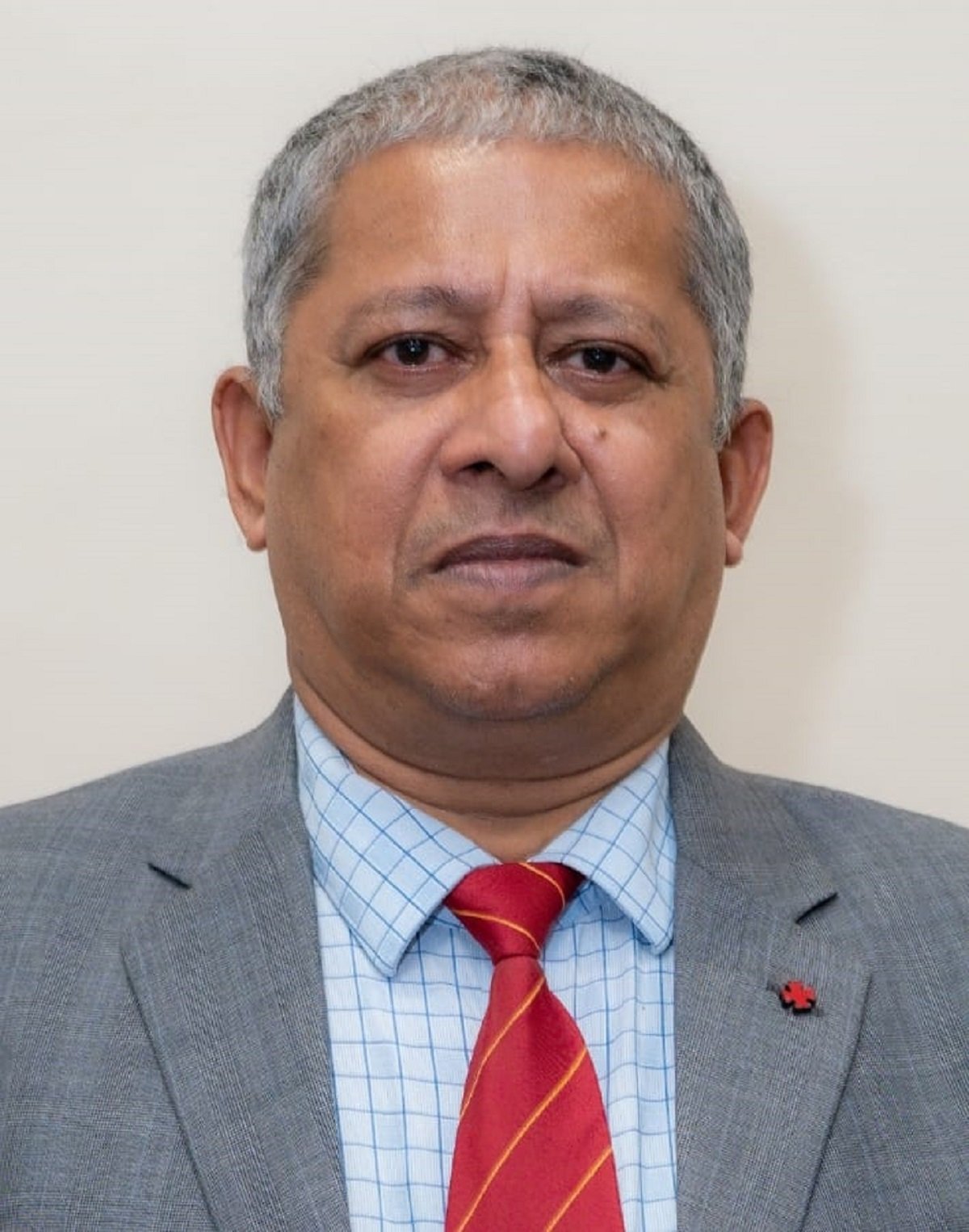
Prof Suvasish Mukhopadhyay
Contact no. : +91 98232 93641
Mail Id : pr**********@********il.com









Kharge and Rahul Gandhi Urge Modi to Scrap Caste Census Questionnaire
New Delhi | 25 Aug 2026
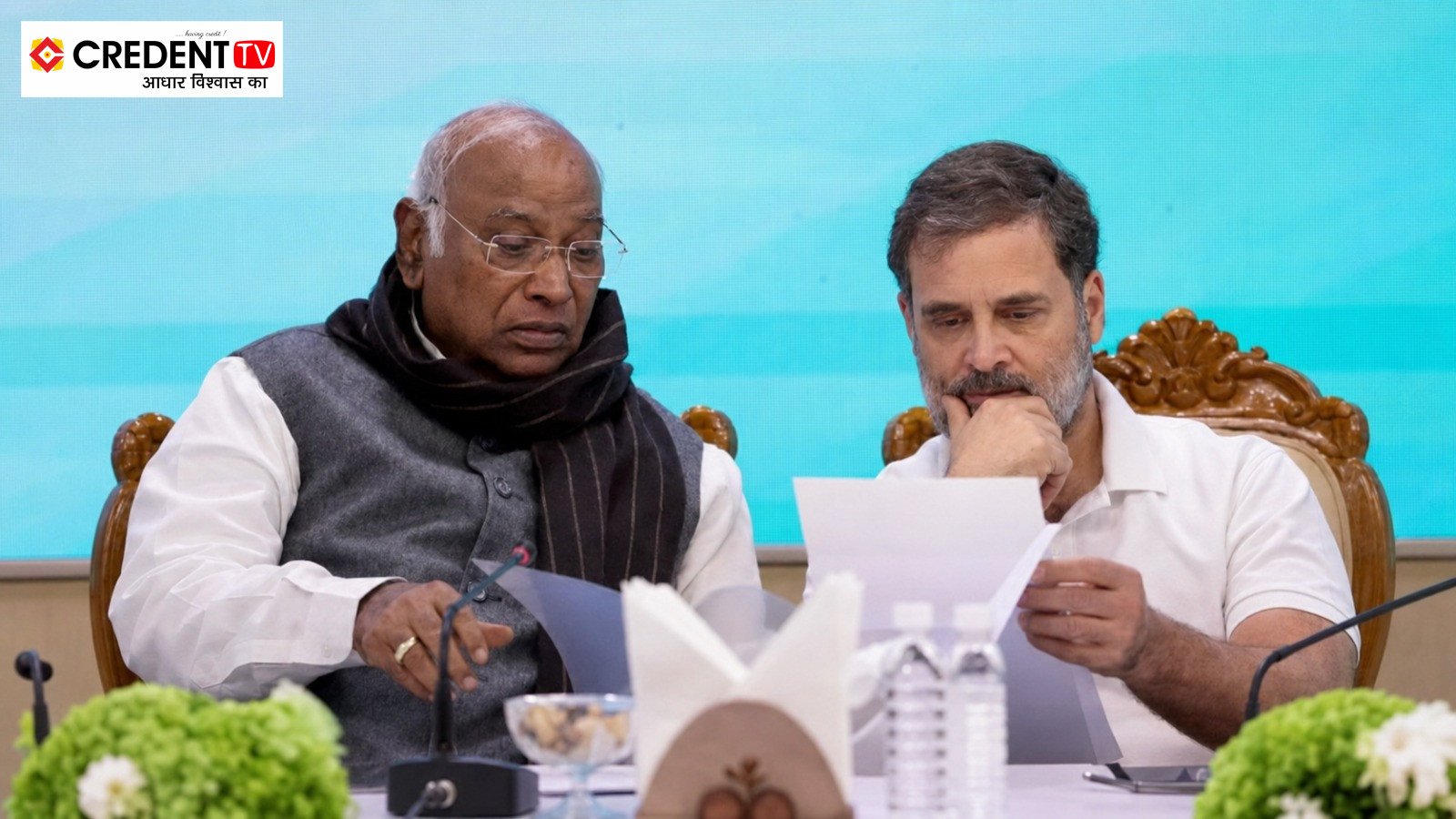
Congress president Mallikarjun Kharge and Lok Sabha Opposition leader Rahul Gandhi have urged Prime Minister Narendra Modi to withdraw the existing caste census questionnaire, warning that its proposed format could produce fragmented and inaccurate data.
In a joint letter dated 20 August and made public on Tuesday, the leaders called for a revised questionnaire based on a standardised caste list prepared after consultations with political parties, experts and the public.
Why Congress Opposes the Caste Census Questionnaire
Kharge and Gandhi said the government had chosen an open-ended format under which the caste name provided by each respondent would be recorded. They argued that this method could classify members of the same community under multiple names, sub-castes, spellings and linguistic variations.
Data Quality Concerns
Kharge and Gandhi’s Objection
“Your government has opted for an open-ended question format to record caste details in the census, which is misleading.”
— Mallikarjun Kharge and Rahul Gandhi, in their joint letter to the prime minister
The Congress leaders said variations in caste names could divide one community across thousands of entries, preventing an accurate assessment of its population and socio-economic position.
They maintained that unreliable data could affect decisions concerning education, employment, welfare programmes and social justice policies. They also argued that the absence of the term “Backward Class” from the notified questions could prevent the exercise from establishing the total Other Backward Classes population.
Leaders Propose a Standardised Caste List
Kharge and Gandhi proposed using a standardised drop-down list of castes instead of allowing unrestricted entries. They said a comparable system was already used to enumerate Scheduled Castes and Scheduled Tribes.
Proposal Based on Government Lists
The leaders said the proposed list could be compiled from existing official records, including government lists of Socially and Educationally Backward Classes and information maintained by the Anthropological Survey of India.
They cited the caste surveys conducted in Telangana and Bihar as practical examples. Copies of the caste lists used for the Telangana Caste Survey 2024 and Bihar Caste Survey 2022 were enclosed with their letter.
The letter asked the government to consult political parties, specialists and members of the public before finalising a replacement questionnaire intended to produce comparable data across states and regions.
Census 2027 Questionnaire and Timeline
The Registrar General of India notified 40 questions for the Population Enumeration phase of Census 2027 on 14 August. The schedule includes separate entries concerning Scheduled Caste or Scheduled Tribe status and caste identity, alongside questions on demographic, educational, economic, migration and disability-related information.
The Union government decided on 30 April 2025 to include comprehensive caste enumeration in Census 2027. The exercise will be India’s first national census since Independence to enumerate castes beyond the continuing collection of Scheduled Caste and Scheduled Tribe data.
Population enumeration in Ladakh and designated snow-bound areas of Jammu and Kashmir, Himachal Pradesh and Uttarakhand is scheduled from 1 to 30 September 2026, with 1 October 2026 as the reference date. The reference date for the rest of India is 1 March 2027.
Government Response Awaited
Congress Position
Jairam Ramesh
Congress general secretary Jairam Ramesh said: The communication was the third letter sent by the Congress leadership to the prime minister on caste enumeration. He said earlier letters sent in 2023 and on 5 May 2025 had not received replies.
No response from the Union government to the latest letter had been announced at the time of publication. The notified questionnaire therefore remains in place ahead of the Population Enumeration exercise in the designated snow-bound regions.
caste census questionnaire, Rahul Gandhi Kharge letter to Modi, Census 2027 caste enumeration, OBC caste census data, India caste census questions, open-ended caste question, Telangana caste survey model, Bihar caste survey model
#CasteCensus #Census2027 #RahulGandhi #MallikarjunKharge #NarendraModi


Breaking News
Vaibhav Sooryavanshi’s Two-Wicket Duleep Trophy Spell Powers East Zone into Semi-finals



Kuku Kohli Dies at 77; ‘Phool Aur Kaante’ Director Launched Ajay Devgn

Anil Chauhan Says Politics and War Are Inseparable in Operation Sindoor Address

Trump Considers Renaming Lake Ontario ‘Lake America’ as Canada Trade Dispute Escalates

Northern Cyprus Seeks IVF Patients After Donor Concerns Affect 30 Children

Kriti Sanon Defends Raksha Bandhan Ad, Rejects Clothing Criticism

US Air Force C-17 Lands in Moscow; Flight’s Purpose Remains Unclear

Priyansh Arya: The Six-Hitting Sensation of IPL 2025

Top 10 Most Searched Topics on YouTube: What’s Trending Now?

Preity Zinta Spotted with New Punjab Kings Hero Priyansh Arya in Viral Clip

Nag Panchami 2025: 7 Key Rituals and Puja Time to Eliminate Kaal Sarpa Dosha

Radhika Merchant: A New Chapter as Radhika Ambani

Balen Shah, Kathmandu’s independent mayor, from rapper to political leader. Explore his rise amidst Nepal’s youth-led revolution-

best career opportunities | Jaipur Career Fair | Credent TV | Dainik Navjyoti D2S03

what is reiki healing | Mental Health | Shiksha Sarokar, शिक्षा सरोकार, Sunil Narnaulia

DAV Centenary Public School, Vaishali Nagar, Jaipur hosts Successful ‘Mind Wars Quiz: A Battle of Wits and Knowledge’

 Credent TV4 weeks ago
Panja Dangal Season 1: Lakshya Narwani Wins Jaipur Arm-Wrestling Championship
- Breaking News19 hours ago
SRN Ad-to-Pitch Challenge Tests Young Entrepreneurs in Jaipur
- Breaking News17 hours ago
Kharge and Rahul Gandhi Urge Modi to Scrap Caste Census Questionnaire
- Breaking News18 hours ago
Vaibhav Sooryavanshi’s Two-Wicket Duleep Trophy Spell Powers East Zone into Semi-finals
- Breaking News14 hours ago
Nitin Gadkari Clarifies Younger Generation Remark Was About Trust, Not Politics
- Bihar18 hours ago
Patna BPSC Protest: Water Cannons Deployed, Aspirants Detained
- Breaking News13 hours ago
US Air Force C-17 Lands in Moscow; Flight’s Purpose Remains Unclear
- Bollywood13 hours ago
Kriti Sanon Defends Raksha Bandhan Ad, Rejects Clothing Criticism


