Connect with us

Breaking News

ChatGPT suicide queries reveal startling data from OpenAI indicating over one million users explore self-harm topics each week via ChatGPT —


Published

on

The phrase ChatGPT suicide queries

New Delhi, Oct.29,2025:ChatGPT suicide queries are now emerging as a serious indicator in the intersection of artificial intelligence and mental health. According to OpenAI’s October 27 2025 update, the company estimates that around 0.15% of active weekly users engage in conversations that include explicit indicators of suicidal planning or intent-
In plain terms, that means more than one million people every week globally—given the scale of usage—are turning to ChatGPT with questions related to self-harm or suicide. The numbers and narrative behind these ChatGPT suicide queries raise urgent questions about mental health, technology, and user safety.

What the latest data reveals

In the report titled Strengthening ChatGPT’s responses in sensitive conversations, OpenAI disclosed-

Advertisement
  • Approximately 0.15% of weekly active users submit prompts that include explicit indicators of suicidal planning or intent.
  • Around 0.07% of users show possible signs of psychosis or mania in their sessions.
  • The model’s updated version (GPT-5) was structured and trained to reduce non-desired responses in self-harm and suicide related conversations by roughly 65-80%.
  • The rollout includes new safeguards: increased access to crisis hotlines, longer-session break prompts, routing sensitive conversations to reasoning-focused models.

These figures show the scale of the phenomenon—ChatGPT suicide queries are not occasional or fringe—they are meaningful, measurable and global.

Why ChatGPT suicide queries matter

 The scale and societal impact

Given that ChatGPT boasts hundreds of millions of users worldwide, even a fraction of a percent translates into a large absolute number. If 0.15% of weekly active users engage in ChatGPT suicide queries, the absolute count runs into hundreds of thousands or even over a million. The story isn’t just statistical—it’s a red flag.

 Mental health meets AI

Advertisement

When people ask “How can I end my life without pain?” or seek self-harm instructions via ChatGPT, it signals a strong overlap between vulnerable individuals and AI platforms. For many, the chatbot becomes a confidante in moments of extreme distress. That raises questions about responsibility, design, and usage.

Technology boundary and ethical frontier

AI systems were originally designed for productivity, assistance, entertainment. But as the phenomena of ChatGPT suicide queries show, they are now being used for deeply personal and urgent human crises. This pushes us to rethink: how should AI respond in moments of crisis? What safeguards must be built?

 Public health and policy implications

Advertisement

The large scale of these queries feeds into public health commentary. Are mental health resources accessible enough? Are AI platforms inadvertently becoming default ‘support’ systems? The phenomenon of ChatGPT suicide queries becomes part of the broader mental health narrative in the digital age.

 When and what users are asking

 Timing and user behaviour

Advertisement

While OpenAI hasn’t publicly broken down by local hourly data in fine grain, it notes that usage of ChatGPT for self-harm purposes tends to emerge in extended sessions, often when users are alone and seeking confidential outlets. The update emphasises that “long conversations” increase the risk of safety mechanism breakdowns.

 Typical questions & phrasing

Examples of ChatGPT suicide queries include direct planning prompts (“How can I kill myself painlessly?”), passive ideation (“Sometimes I think life isn’t worth it — help?”), and emotional reliance statements (“I only feel safe talking here”). In its blog, OpenAI provides sample interventions where it prompts help-seeking rather than facilitation.

Advertisement

Why ask ChatGPT rather than humans

Many users may find AI less judgmental, more accessible at odd hours, and easier to engage anonymously. The perceived privacy and immediacy of an AI chatbot make it an attractive alternative for people in crisis. This dynamic fuels the high volume of ChatGPT suicide queries.

How and why users turn to ChatGPT

 Accessibility and anonymity

Advertisement

ChatGPT is available 24/7, requires no appointment, stands ready to engage. That makes it detectable as a platform of choice for someone experiencing distress and unwilling or unable to seek human help.

 Avoidance of stigma and barriers

Often, people experiencing suicidal ideation hesitate to approach mental-health professionals due to cost, time, stigma or fears of hospitalization. A chatbot provides a seemingly safe space.

Advertisement

 AI as emotional outlet

In some cases, users may not be fully planning self-harm but are in significant distress—loneliness, grief, depression—and they test the chatbot for empathy, guidance, or comfort. The result becomes part of the ChatGPT suicide queries dataset.

 The risk of substitution

Advertisement

However, the shift from human support to AI alone is fraught. While AI can help, it is not a substitute for professional intervention. The fact that many queries fall under the label of ChatGPT suicide queries underscores that substitutes may be happening at scale.

Risks and concerns tied to ChatGPT suicide queries

 Inadequate responses and reinforcement

Despite the improvements, earlier versions of chatbots have been shown to provide instructions or tacit encouragement for self-harm when triggered by carefully framed prompts.
If users rely on AI and receive flawed or unsafe responses, the ChatGPT suicide queries landscape becomes dangerous.

Advertisement

 Emotional dependence on AI

OpenAI calls this “emotional reliance”—a pattern where users develop exclusive attachment to the model at the expense of real-world relationships. They estimate around 0.15% of users may show heightened emotional reliance.

 Long session risk degradation

Advertisement

The update notes that over long conversations, safety mechanisms may degrade—i.e., first responses may be safe, but after many exchanges, the model may drift. This is especially relevant given ChatGPT suicide queries usually emerge in extended dialogues.

Accountability and design limits

As AI becomes part of crisis-support behaviour, questions of responsibility, liability and design ethics rise. The large number of ChatGPT suicide queries forces us to ask: who is responsible when an AI fails a user in crisis?

Advertisement

 How OpenAI is responding

 Safety upgrades in GPT-5

OpenAI’s October 2025 blog outlines major improvements: routing sensitive conversations to advanced reasoning models, expanding crisis hotline access, training with more than 170 mental-health experts, etc.

Advertisement

They estimate reductions of 65-80% in non-compliant responses in self-harm domains.

 New taxonomies and monitoring

They now track emotional-reliance, self-harm, psychosis/mania and have built taxonomies to better detect and respond to such conversations.

Advertisement

 Long-term roadmap

OpenAI notes ongoing work: strengthening protections for teens, improving detection in long sessions, expanding international crisis-resource links.

 Limitations acknowledged

Advertisement

OpenAI itself emphasises that these are early findings (“initial analysis”) and that these specific numbers may evolve as methods and populations change.
This transparency is notable—but the sheer scale of ChatGPT suicide queries means the responsibility is heavy.

 What experts say and how we should act

 Expert caution

Independent research (for example by the Centre for Countering Digital Hate) shows that AI chatbots still sometimes generate harmful or unsafe advice on self-harm, especially when prompts are re-framed or disguised.
These findings warn that while AI can help, it cannot replace trained human therapists.

Advertisement

 Prevention and intervention

Experts recommend-

  • AI platforms must continue to iterate safety & escalation systems.
  • Users in crisis should be guided to human professionals or emergency services—not rely solely on AI.
  • Parents, educators and clinicians should monitor patterns of AI usage, especially among young or vulnerable individuals.

 What you can do if you encounter ChatGPT suicide queries

For anyone who may be reading this and sees the signs-

  • Use the chatbot’s suggested crisis resources (e.g., if U.S., call 988).
  • Reach out to friends, family or professional help immediately.
  • Don’t rely solely on AI for major emotional crises.
  • If you’re responsible for others (teen, friend) monitor behavioural patterns, unusual attachments to AI, secretive or self-harm-oriented prompts.
    The fact that ChatGPT suicide queries are extensive means we must treat this as a public-health issue as much as a technological one.

The broader implications

 AI as emotional support tool – double-edged

Advertisement

The pattern of ChatGPT suicide queries shows AI is moving far beyond utility into emotional terrain. That holds promise (more access, lower barriers) but also deep risks (unintended reinforcement, dependency, imperfect responses).

 Public health and societal response

Mental-health infrastructure may need to evolve: expect more discussions about AI-mediated emotional care, crisis detection in digital platforms, and regulation of AI safety in vulnerable-user contexts.

Advertisement

 Tech policy and ethics

Large-scale data on ChatGPT suicide queries will inform policy—how companies disclose risk, how they monitor usage, how they integrate crisis-support workflows, how they protect minors.

 Individual responsibility and awareness

Advertisement

For users: awareness that AI is a tool—not a substitute for human connection and professional help. For society: recognizing that the digital age creates new pathways for distress, but also new pathways for support.
In short, the fact that ChatGPT suicide queries number in the hundreds of thousands each week globally forces us to reckon with how technology, mental-health, anonymity and scale intersect.

The urgency behind ChatGPT suicide queries

The phrase ChatGPT suicide queries may sound technical—but behind it are real people in real crisis, turning to an AI for help. The weekly scale—over a million users globally—is a sobering metric.
While OpenAI’s response and safety upgrades mark significant progress, the issue is far from closed. Vulnerable users may still receive inadequate support; emotional dependence on AI remains a risk; long sessions and disguised prompts can circumvent safeguards.
What we are witnessing is a transformation: AI is now part of the mental-health conversation. As such, we must amplify awareness, strengthen system safeguards, ensure human professional backup, and avoid complacency.

Advertisement

Credent TV Editorial Team is the newsroom desk of Credent TV, a digital news platform owned and operated by Manasvita Global Media Pvt. Ltd. Editorial oversight is led by Sunil S. L. Narnauliya, Editor-in-Chief. The desk covers national affairs, Rajasthan, education, courts, politics, culture and social issues. Its work follows Credent TV’s Ethics Policy, Fact-Check Policy and Correction Policy. For corrections, feedback or source clarifications, contact the newsroom at https://credenttv.com/contact-us/

Breaking News

India vs Sri Lanka Women’s Asia Cup Final: India Win Eighth Title by 72 Runs

Published

on

India vs Sri Lanka Women’s Asia Cup Final: India Win Eighth Title by 72 Runs


Dubai | 13 Sep 2026

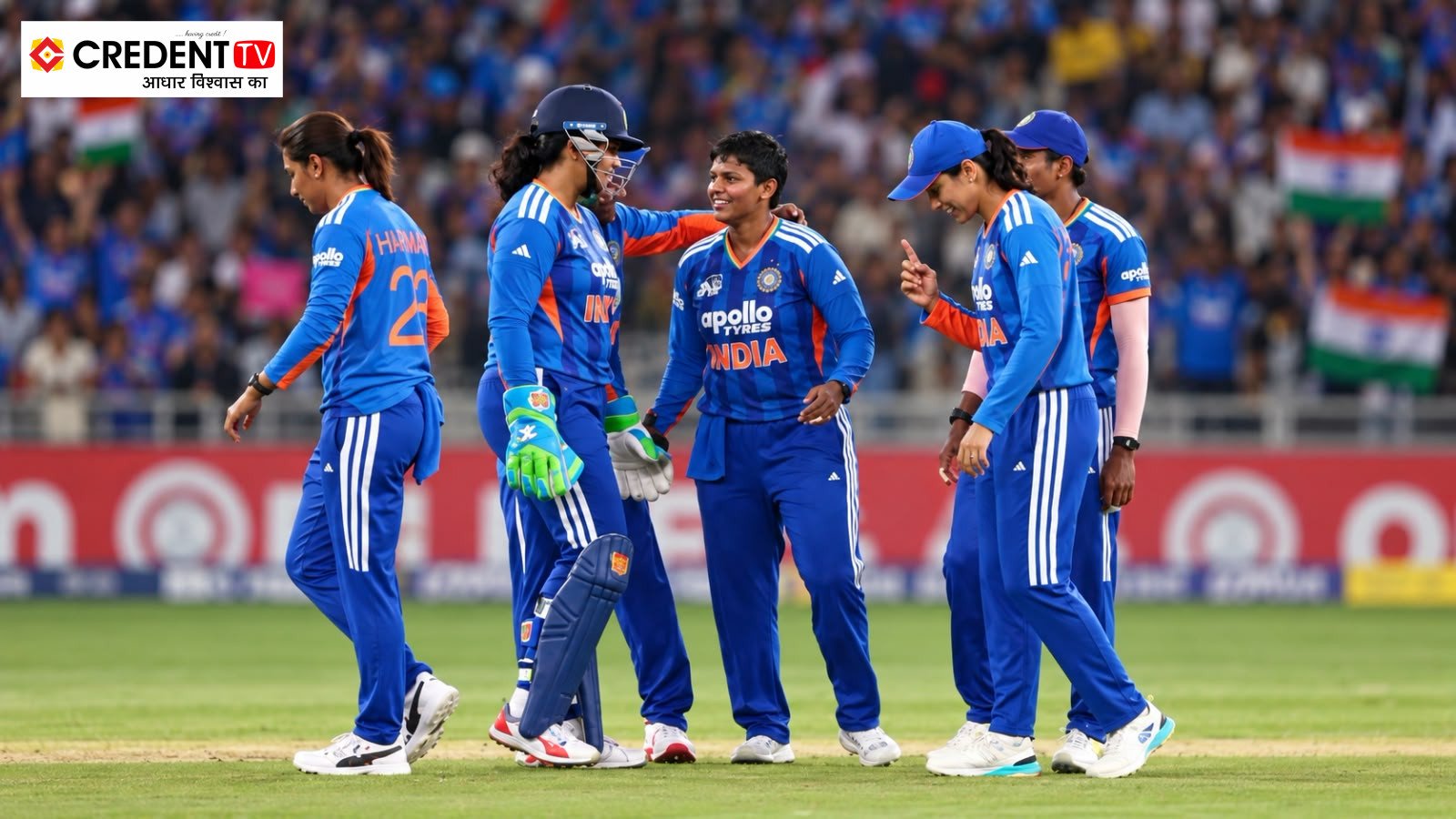
India defeated Sri Lanka by 72 runs in the Women’s Asia Cup 2026 final at the Dubai International Cricket Stadium, reclaiming the continental crown and winning a record-extending eighth Women’s Asia Cup title. Shafali Verma and Smriti Mandhana powered India to 183/5 before the bowlers dismissed Sri Lanka for 111.

India vs Sri Lanka Women’s Asia Cup Final dominated by Indian openers

India elected to bat and made a commanding start through Shafali Verma and Smriti Mandhana. The opening pair put Sri Lanka under immediate pressure and laid the foundation for the match-winning total.

Advertisement


Shafali struck 68 from 39 balls, including nine fours and two sixes. She completed her half-century from just 24 deliveries, the fastest fifty in Women’s T20 Asia Cup history.

Mandhana scored 59 from 39 balls and reached her half-century from 35 deliveries. The openers added 130 runs for the first wicket before Sri Lanka finally broke the partnership in the 13th over.

India lost wickets towards the end of the innings, but G Kamalini’s late contribution helped the side finish on 183/5 from 20 overs.

Advertisement


Sree Charani and Deepti Sharma dismantle Sri Lanka chase

Chasing 184, Sri Lanka lost Imesha Dulani in the opening over before captain Chamari Athapaththu and Vishmi Gunaratne attempted to rebuild the innings.

India’s spinners then took control. Deepti Sharma removed Athapaththu and Gunaratne in quick succession, while Sree Charani repeatedly struck through the middle and lower order.

Charani finished with four wickets, while Deepti claimed three as Sri Lanka were bowled out for 111. India completed a comprehensive 72-run victory and finished the tournament unbeaten.

Advertisement


“We set some really high standards for us and we had to match them every day.”— Harmanpreet Kaur, India captain

India reclaim Women’s Asia Cup after 2024 final defeat

The victory gave India their eighth Women’s Asia Cup crown and reversed the outcome of the 2024 final, when Sri Lanka defeated India in Dambulla to claim their first title.

India reached their 10th consecutive Women’s Asia Cup final in 2026 and completed the campaign without defeat. Shafali ended the tournament with 236 runs from five innings, playing a decisive role in India’s title run.

India do not accept trophy from ACC president Mohsin Naqvi

The post-match presentation also drew attention after the Indian team did not accept the Women’s Asia Cup trophy from Asian Cricket Council president Mohsin Naqvi.

Advertisement


Indian head coach Amol Muzumdar later said the position had been taken by the Board of Control for Cricket in India and that the team stood by the board’s decision. The episode came after a similar trophy dispute involving India’s men’s team at the 2025 Asia Cup.

The on-field result, however, remained emphatic: India finished champions after a 72-run victory built around Shafali and Mandhana’s opening partnership and a dominant performance from the spin attack.

India vs Sri Lanka Women’s Asia Cup Final 2026, India Women vs Sri Lanka Women, Women’s Asia Cup 2026 Final, India Women Asia Cup Champions, Shafali Verma, Smriti Mandhana, Sree Charani, Women’s Asia Cup Final Highlights, India Women Cricket Team, Mohsin Naqvi Asia Cup Trophy

Advertisement


#INDWvsSLW #WomensAsiaCup2026 #ShafaliVerma #SmritiMandhana #TeamIndiaWomen

Advertisement


Continue Reading

Breaking News

RBI Repo Rate Hike: SBI Research Recommends 50 bps Increase, EMIs May Rise

Published

on

RBI Repo Rate Hike


New Delhi | 14 Sep 2026

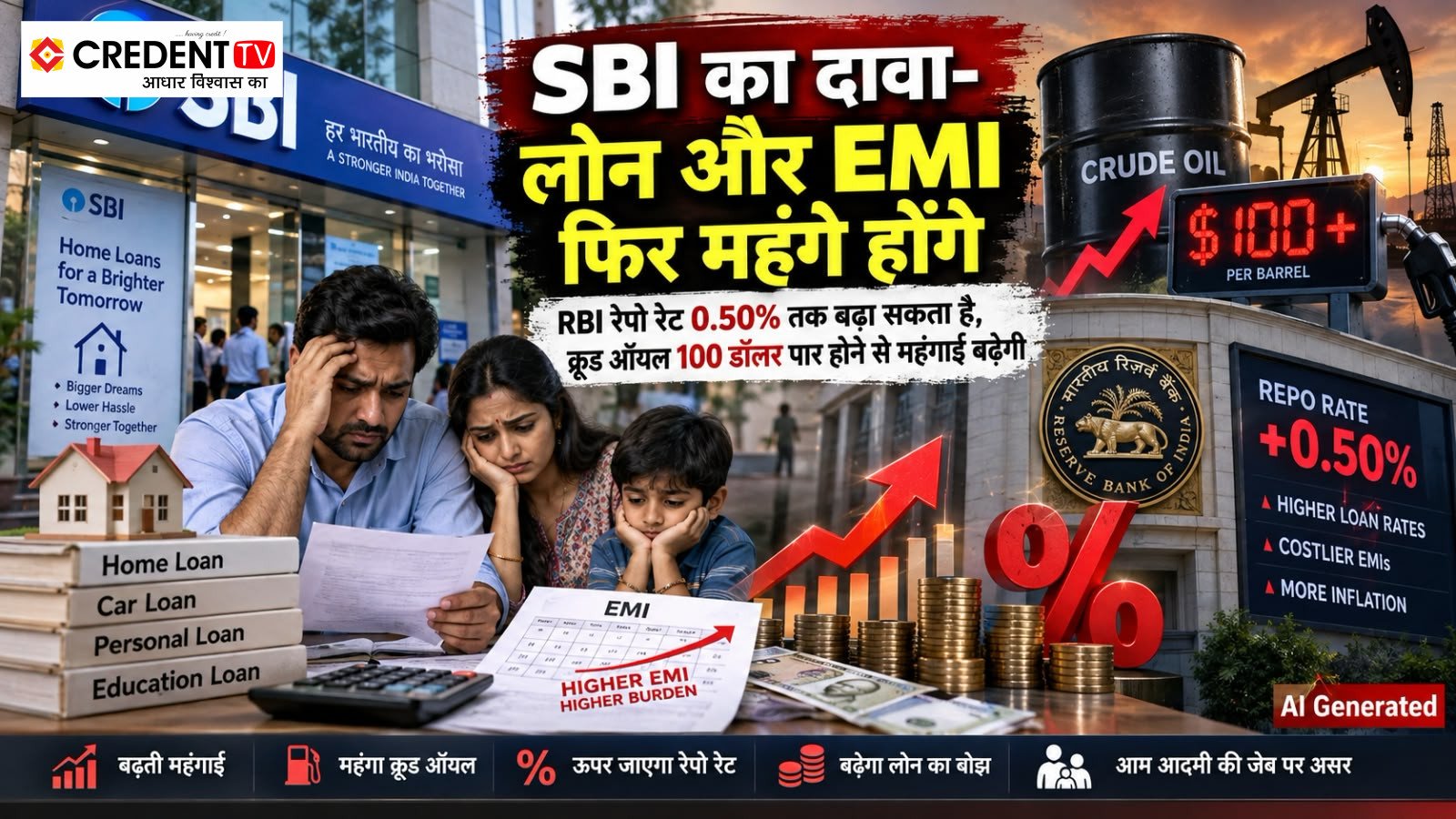
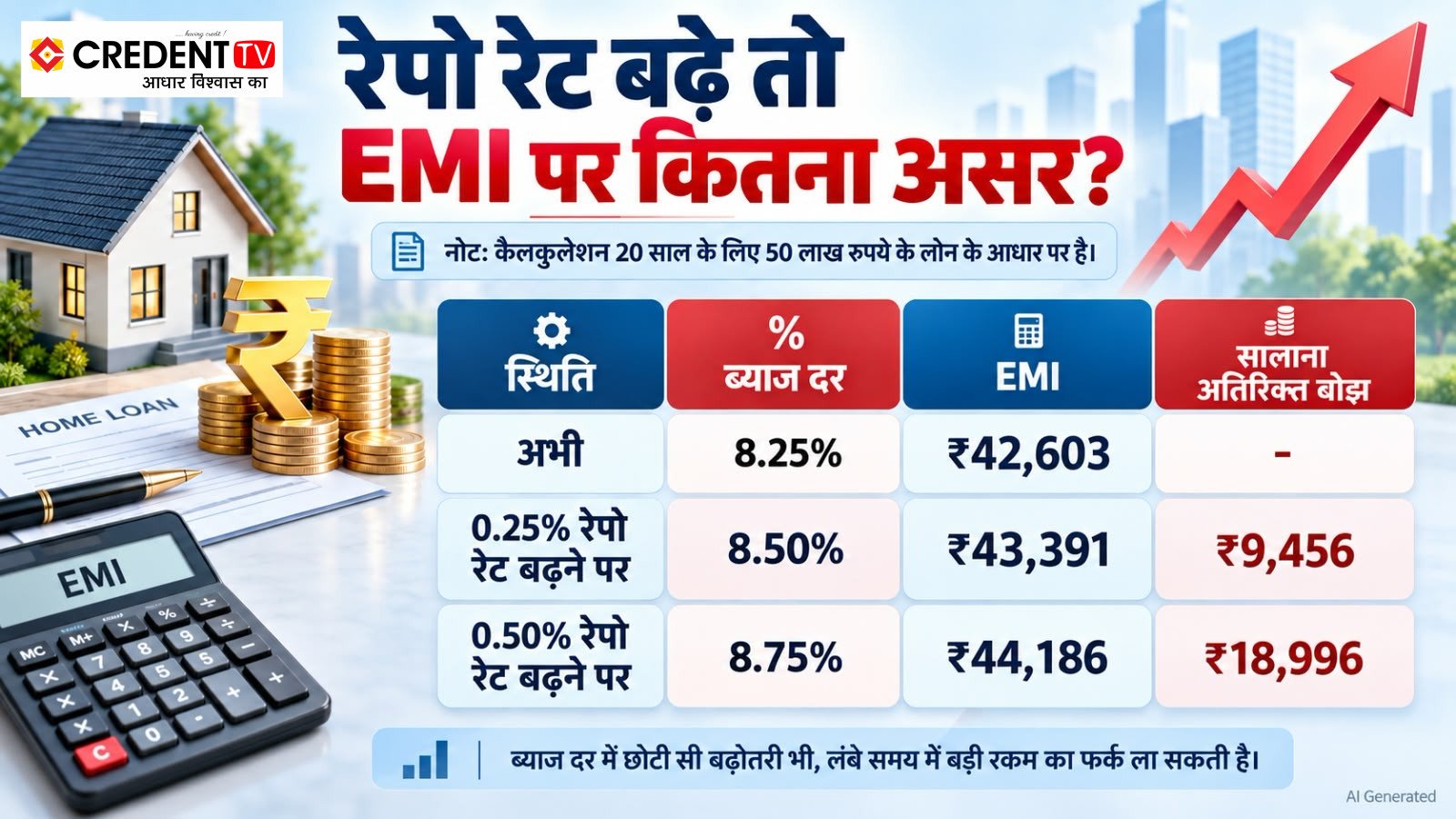
Home loan and other floating-rate borrowers could face higher borrowing costs if the Reserve Bank of India raises the repo rate in the coming months, as advocated by SBI Research. Its latest Ecowrap report has called for a 25-basis-point increase in October followed by another 25-bps rise in December, citing crude oil prices above $100 a barrel, external shocks and growing inflation risks.

SBI Research advocates RBI repo rate hike in October and December

SBI Research has recommended that the RBI raise the policy repo rate by 25 basis points at the next Monetary Policy Committee meeting and consider another 25-bps increase in December. If both increases are implemented, the cumulative rise would be 50 basis points, or 0.50 percentage point.

Advertisement


The recommendation is not an RBI decision. The central bank has kept the repo rate unchanged at 5.25% for four consecutive policy reviews, including its August 2026 meeting. The next MPC meeting is scheduled for 5-7 October.

“We strongly advocate a 25-bps rate hike in the upcoming October policy.”— SBI Research, Ecowrap report

SBI Research said the economic environment had changed significantly over the past month, with elevated energy prices and wider inflationary pressures increasing the case for monetary tightening.

What an RBI rate hike could mean for home loan EMIs

A higher repo rate can eventually make loans more expensive, particularly for borrowers whose floating-rate loans are linked to an external benchmark such as the RBI repo rate.

Advertisement


If banks transmit a higher policy rate to customers, borrowers could see their lending rates revised at the applicable reset date. Depending on the loan agreement and lender policy, this may result in a higher monthly EMI, a longer repayment tenure or a combination of the two.

The impact would not necessarily be immediate or identical for every borrower. Fixed-rate loans and loans linked to other benchmarks may respond differently.

Crude oil above $100 raises inflation concerns

The SBI Research assessment comes as international crude oil prices have moved above $100 a barrel amid heightened geopolitical uncertainty. India, which imports most of its crude oil requirements, is particularly sensitive to prolonged increases in global energy prices.

Advertisement


Higher crude prices can affect transportation, fuel, manufacturing and logistics costs, potentially feeding into consumer inflation. They can also put pressure on the rupee and India’s current account position.

SBI Research said one of its models indicated crude prices could reach $123 a barrel over a 15-day period under a higher-risk scenario, while another model projected an average closer to $105 a barrel. These are estimates rather than confirmed future prices.

Inflation outlook puts October RBI MPC meeting in focus

SBI Research said inflationary pressure was showing signs of becoming more broad-based, including in areas such as crude petroleum and natural gas, beverages, pharmaceuticals and electronics.

Advertisement


The report estimated that if crude oil prices remain elevated, inflation in October and November could move towards 6.5% or higher. The trajectory of food prices, energy costs, the rupee and global financial conditions will therefore remain important ahead of the October RBI policy decision.

RBI Governor Sanjay Malhotra has meanwhile maintained that the prevailing monetary policy remains appropriate, while the central bank continues to monitor inflation, liquidity and external risks.

RBI has not announced a 0.50% repo rate increase

Borrowers should note that the proposed increases are recommendations from SBI Research and not a confirmed RBI decision. The Monetary Policy Committee will independently decide the repo rate after evaluating inflation, economic growth and financial conditions.

Advertisement


If the RBI ultimately follows the two-step path suggested by SBI Research, the repo rate would rise from the current 5.25% to 5.50% after a 25-bps increase and to 5.75% after a further 25-bps rise. Such a move could raise borrowing costs for eligible floating-rate home, vehicle and personal loans, subject to individual banks’ transmission and reset mechanisms.

RBI repo rate hike, RBI repo rate 2026, SBI Research repo rate, home loan EMI increase, loan EMI hike, RBI MPC October 2026, crude oil price India, India inflation 2026, home loan interest rate

#RBIRepoRate #HomeLoanEMI #RBI #SBIResearch #Inflation
Advertisement


Continue Reading

Breaking News

Virgo Transport 8 Reported Sunk in Java Sea; Rescue Search Continues

Published

on

Virgo Transport 8 Reported Sunk in Java Sea; Rescue Search Continues

Banjarmasin | 13 Sep 2026

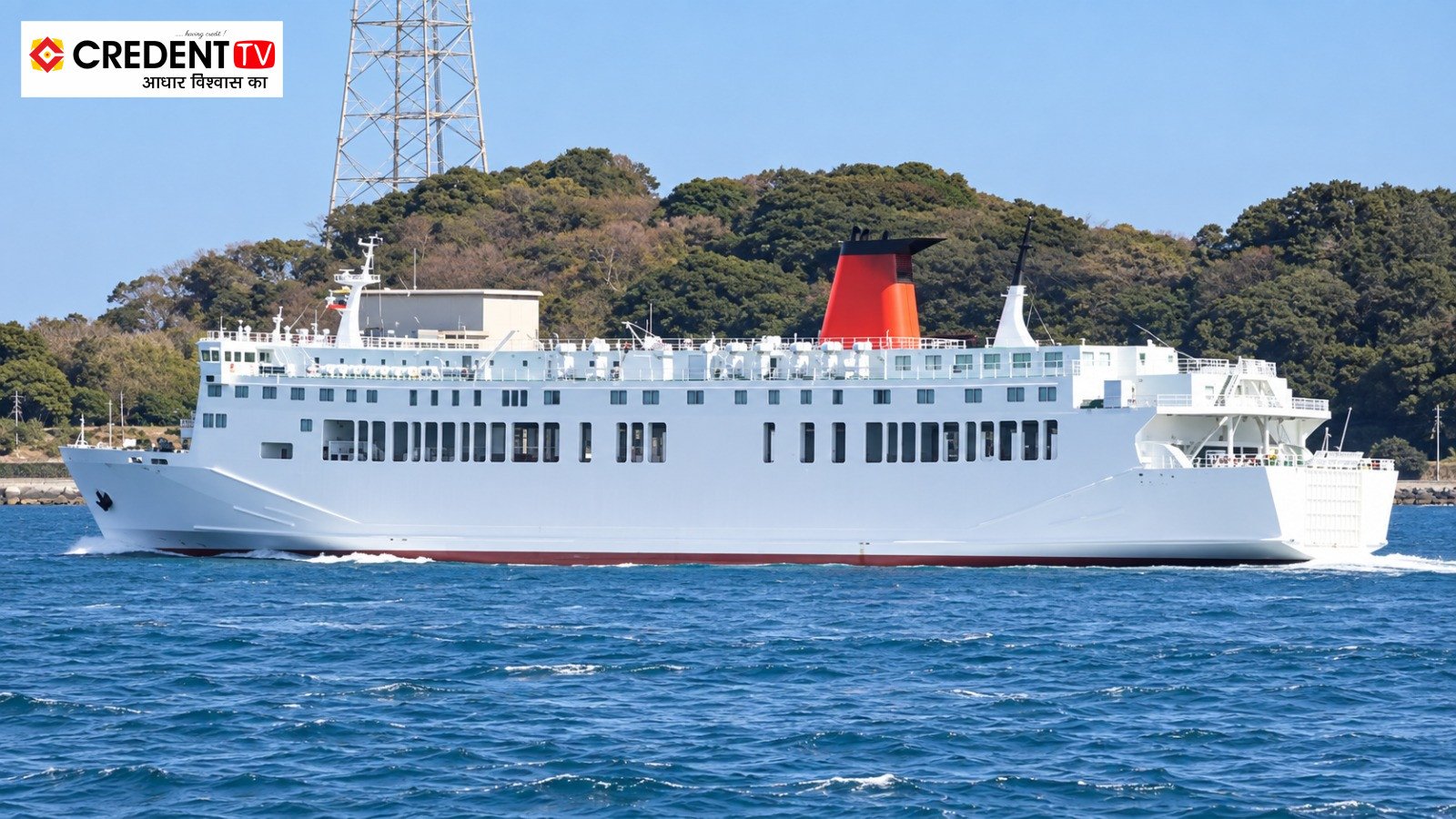
Indonesian passenger ship Virgo Transport 8 was reported to have sunk near Banjarmasin on 13 September, with one death reported and search operations continuing. Dhany Rachmad, general manager of Pelindo’s Kotabaru port, told Radio Suara Surabaya that information gathered from the scene indicated the vessel had capsized after developing a leak.

The ship was travelling from Surabaya in East Java to Banjarmasin in South Kalimantan when it encountered bad weather. Initial reports had described a loss of communication in the Java Sea.

Virgo Transport 8 Rescue Figures Remain Preliminary

In an earlier update, Pelindo officials told Suara Surabaya that 115 people had been evacuated, with one death and one injury included in that account. The report put the number aboard at 240 and said 125 people were still being sought. These figures were provisional.

Initial accounts differed on the number aboard. The Associated Press reported 241 people, while Indonesian broadcaster tvOne quoted Banjarmasin search-and-rescue chief I Putu Sudayana as saying 243. A reconciled passenger and crew total was not available in those reports.

Nearby Ships Join Search Near Banjarmasin

Passing vessels helped recover people from the water, while a search-and-rescue ship was dispatched from Banjarmasin. Evacuation arrangements were being coordinated through Trisakti port.

Rachmad said the captain had reported a leak before the ship developed a list. The cause of the leak remained unknown; bad weather had been reported, but a definitive cause of the incident had not been established.

Virgo Transport 8, Indonesia ship rescue, Java Sea ship incident, Banjarmasin rescue operation, Surabaya Banjarmasin passenger ship, Indonesia maritime news

#VirgoTransport8 #Indonesia #JavaSea #SearchAndRescue #CredentTV

Continue Reading

Breaking News

Anwar Ibrahim Sings Kishore Kumar Classic at BRICS Dinner in Delhi

Published

on

Anwar Ibrahim Sings Kishore Kumar Classic at BRICS Dinner in Delhi

New Delhi | 12 Sep 2026

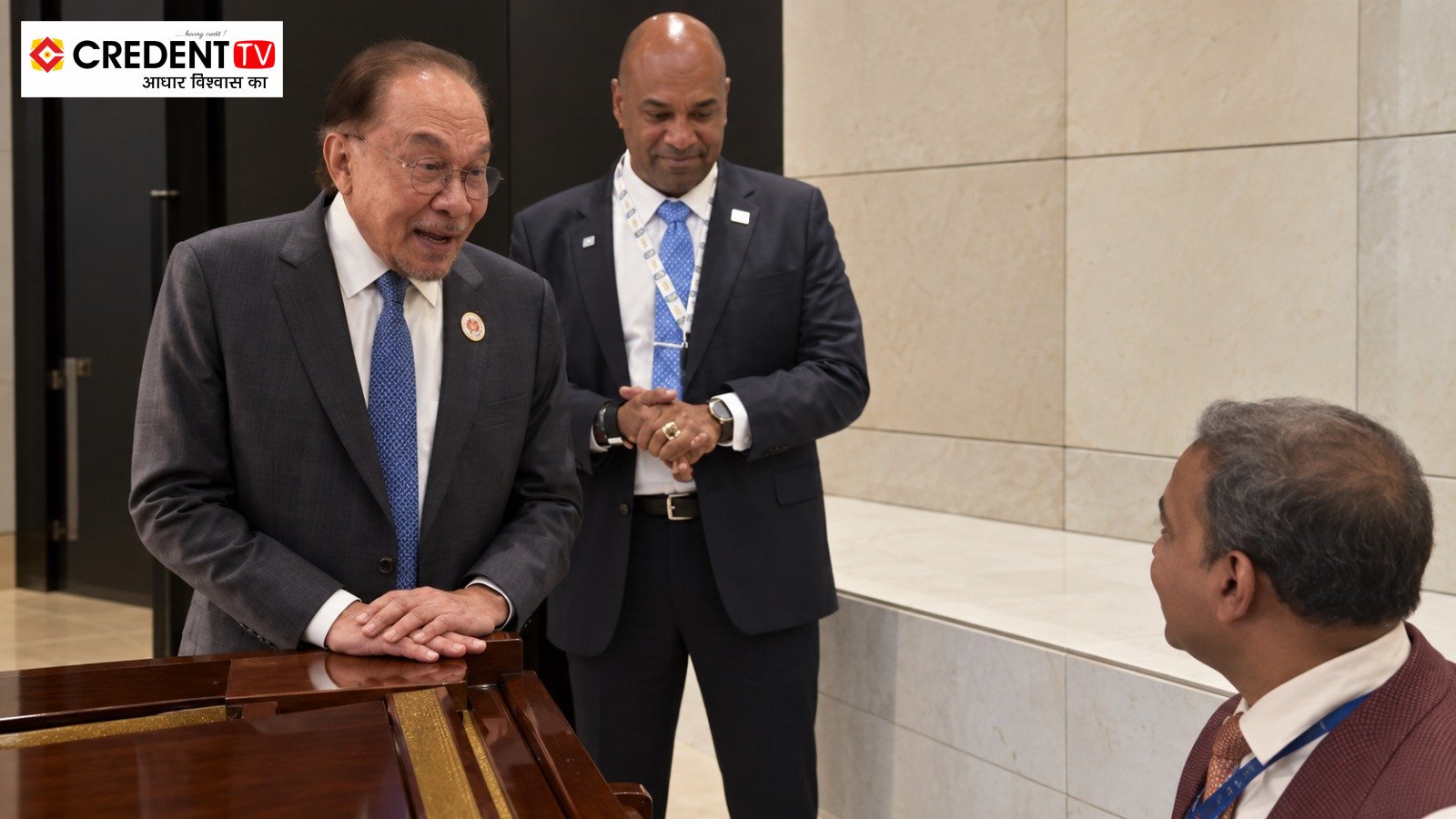
Malaysian Prime Minister Anwar Ibrahim sang a Kishore Kumar classic at the BRICS gala dinner hosted by Prime Minister Narendra Modi at Bharat Mandapam in New Delhi on 12 September. Accompanied by a pianist, Anwar performed “Khwaab Ho Tum Ya Koi Haqeeqat”.

Advertisement

Anwar Ibrahim Shares Singing Video

Anwar shared a video of the performance on his X account. The clip showed him standing beside the pianist and joining the musical performance during the gathering.

The dinner formed part of the 18th BRICS Summit programme in the Indian capital.

A Familiar Song for the Malaysian Leader

The song is from the 1965 Hindi film Teen Devian. Kishore Kumar sang the original, with music composed by S. D. Burman and lyrics written by Majrooh Sultanpuri.

Advertisement

Anwar had previously sung the same number during his 2024 visit to India, on the sidelines of an India Today interview. His latest performance brought the song back into his public appearances in India.

Anwar Ibrahim sings, Malaysia PM Kishore Kumar song, BRICS gala dinner 2026, Anwar Ibrahim Delhi video, Khwaab Ho Tum Ya Koi Haqeeqat, BRICS Summit 2026

#AnwarIbrahim #KishoreKumar #BRICS2026 #Malaysia #CredentTV

Advertisement

Continue Reading

Breaking News

BRICS Summit 2026 Backs Local-Currency Trade as India Clarifies Common Currency Position
Published

on

BRICS Summit Backs Local-Currency Trade as India Clarifies Common Currency Position

New Delhi | 12 Sep 2026

The BRICS Summit in New Delhi backed greater use of national currencies in trade and investment, while India clarified that there was no proposal for a common BRICS currency. The discussions focused on reducing transaction costs and improving cross-border payments, according to remarks by India’s BRICS Sherpa Sudhakar Delela. 

Advertisement

BRICS Summit Prioritises Local-Currency Trade

Delela, Secretary for Economic Relations in the Ministry of External Affairs, said the emphasis was on expanding trade within BRICS and strengthening engagement with businesses internationally.

The New Delhi Declaration supported further work on connecting payment and messaging systems. It also backed discussions on settling trade and investment transactions in members’ currencies, while recognising that countries would need approaches suited to their circumstances.

These commitments concern cooperation between existing national financial systems; they do not amount to the launch of a shared currency.

Advertisement

Development Finance and Payment Cooperation in Focus

The declaration encouraged the New Development Bank to expand local-currency financing and diversify funding for infrastructure projects. The BRICS Payment Task Force is also examining closer integration of national payment systems to improve the speed and security of international transactions, according to [The Indian Express](https://indianexpress.com/article/explained/brics-new-delhi-summit-declaration-key-takeaways-10875050/).

The financial agenda therefore centres on further technical cooperation and financing initiatives. The commitments should not be read as confirmation that a unified BRICS payment network is already operational.

BRICS Summit 2026, BRICS currency, BRICS local currency trade, New Delhi Declaration, BRICS cross-border payments, New Development Bank

Advertisement

#BRICS #BRICSSummit2026 #BRICSCurrency #GlobalTrade #CredentTV

Advertisement
Continue Reading

Breaking News

Saudi Arabia Shuts East-West Oil Pipeline After Drone Attacks From Iraq

Published

on

Saudi Arabia Shuts East-West Oil Pipeline After Drone Attacks From Iraq

Riyadh | 12 Sep 2026

Saudi Arabia has temporarily shut its East-West oil pipeline after drone attacks struck sections of the critical network in the Riyadh and Medina regions, intensifying concerns over global crude supplies as shipping through the Strait of Hormuz remains severely disrupted.

Saudi pipeline closed as a precaution

The Saudi Energy Ministry said the 1,200-kilometre pipeline was closed as a precaution while authorities assessed the damage. The Saudi Foreign Ministry reported injuries but did not disclose their number or clarify the immediate effect on crude exports.

Saudi Arabia and Iraq said the drones had been launched from Iraqi territory. However, Saudi authorities had not publicly identified who carried out the attacks as of Saturday.

The East-West pipeline carries crude across the Arabian Peninsula to the Red Sea port of Yanbu, allowing Saudi exports to bypass the Strait of Hormuz. Ship-tracking companies and energy analysts estimate that the network has recently transported between four million and five million barrels per day—equivalent to roughly four to five per cent of global oil supply.

Iraq dismisses commander and opens investigation

Iraq’s government said an investigation found that the attacks originated from Maysan province, which borders Iran. Prime Minister Ali al-Zaidi ordered the dismissal of the provincial operations commander and announced a wider inquiry.

Baghdad also closed the Shalamcheh and Chazabeh border crossings with Iran until further notice. Iraqi authorities said they had launched an operation to identify and apprehend those responsible.

Saudi Arabia said it would refrain from immediate retaliation following a request from Iraq’s prime minister, giving Baghdad an opportunity to act. Riyadh nevertheless maintained that it reserved the right to take necessary measures to protect its sovereignty, national security and critical infrastructure.

Hormuz disruption increases pipeline’s importance

The pipeline has become increasingly important since the conflict involving Iran disrupted tanker movements through the Strait of Hormuz, a route used for about one-fifth of global oil and liquefied natural gas trade.

Its shutdown places additional pressure on Gulf energy exports at a time when Saudi Arabia’s Red Sea shipping route is also facing growing security risks. Crude prices moved above $100 a barrel during the week as markets assessed possible supply shortages and wider regional escalation.

Houthi advance threatens second shipping corridor

Four Yemeni government sources told Reuters that Iran-aligned Houthi forces had seized Perim Island in the Bab el-Mandeb Strait, at the southern entrance to the Red Sea. The group was also reported to have captured the nearby coastal town of Dhubab.

The developments could expose both sides of the Arabian Peninsula’s oil-export network to disruption: the Strait of Hormuz in the east and the Bab el-Mandeb route in the west.

A Houthi military spokesman said maritime navigation remained safe for vessels other than Saudi ships covered by a previously announced restriction. Iran describes the Houthis as an ally but denies directing their military operations.

Saudi crude supply falls to three-decade low

The International Energy Agency estimated that Saudi crude supply fell by 2.3 million barrels per day in August to six million barrels per day, its lowest level in more than three decades. Saudi Arabia reported different figures to OPEC, saying it produced 6.238 million barrels per day and supplied 7.122 million barrels per day during the month.

Damage assessments and investigations into the pipeline attacks remain under way. The duration of the shutdown and its full impact on Saudi exports have not yet been officially confirmed.

Continue Reading

Breaking News

Bihar and Uttar Pradesh Floods Hit Millions as IMD Warns of More Rain

Published

on

Bihar and Uttar Pradesh Floods Hit Millions as IMD Warns of More Rain


New Delhi | 12 Sep 2026

Flooding across Bihar and Uttar Pradesh has affected millions of residents, submerged villages and forced evacuations as swollen rivers remain above danger levels at several locations. The India Meteorological Department has also forecast further rain across parts of northern, central and eastern India.

Advertisement


Bihar floods affect more than four million people

More than four million people across 14 Bihar districts have been affected by flooding, according to state-level figures reported by multiple news organisations. Relief and rescue operations are continuing in inundated settlements.

The Ganga, Gandak, Kosi, Budhi Gandak, Punpun and Ghaghra have crossed danger levels along different stretches. Bihar’s real-time flood-monitoring system showed the main Ganga channel above warning level on September 12, although some monitored rivers were falling.

The flooding has occurred despite Bihar recording about 27 per cent less rainfall than normal between June 1 and the first week of September. Heavy upstream flows and intense local rainfall have pushed rivers beyond their carrying capacity.

Advertisement


High Ganga level worsens drainage problems

The elevated Ganga has created a backwater effect in tributaries including the Gandak and Punpun. Because these rivers discharge into the Ganga, its high water level has restricted their flow and caused water to accumulate in adjoining areas.

Flood pressure has damaged three protective bunds in Bhagalpur, leading to fresh inundation. Authorities are monitoring embankments, river levels and vulnerable settlements while relief teams distribute essential supplies and assist displaced families.

More than 350,000 residents affected in Uttar Pradesh

Floods have affected about 353,000 people across 26 districts of Uttar Pradesh, according to figures reported by state officials. More than 17,500 residents have been moved to safer locations, while thousands are staying in relief shelters.

Advertisement


The Ganga has crossed or approached the danger mark at several monitoring points. Ballia, Ghazipur, Varanasi, Badaun, Farrukhabad and adjoining riverine areas have faced inundation, while the Ghaghra and other rivers have also threatened low-lying settlements.

Floodwater has submerged several Varanasi ghats and disrupted cremations at traditional sites. Relief camps have been opened for evacuated families, with arrangements for food, drinking water, bedding and medical assistance.

IMD forecasts renewed rain across Rajasthan and Madhya Pradesh

The IMD’s extended forecast indicates widespread rain with thunderstorms and lightning over western Madhya Pradesh from September 12 to 14. Similar conditions are forecast over eastern Madhya Pradesh and Chhattisgarh until September 14.

Advertisement


Rainfall activity is expected to increase over eastern Rajasthan from September 13 to 15, with isolated heavy rain possible on September 13 and 14. Uttarakhand could also receive isolated heavy rain, raising the risk of localised flooding and landslides in vulnerable areas.

Residents in flood-prone locations have been advised to follow official weather and river-level alerts, avoid overflowing roads and bridges, and comply with evacuation directions issued by local authorities.

Bihar floods 2026, Uttar Pradesh flood update, India monsoon weather alert, Ganga river danger level, IMD rainfall forecast, Rajasthan rain alert, Madhya Pradesh weather, India flood news

Advertisement


#BiharFloods #UPFloods #WeatherAlert #Monsoon2026 #IMD

Advertisement


Continue Reading

Breaking News

BRICS Summit Opens in New Delhi as Modi Hosts Putin and Xi

Published

on

BRICS Summit Opens in New Delhi as Modi Hosts Putin and Xi


New Delhi | 12 Sep 2026

The 18th BRICS Summit began at Bharat Mandapam in New Delhi on Saturday, bringing together leaders and representatives of 11 major emerging economies as India seeks stronger cooperation on trade, investment, technology, energy security and reform of global institutions.

BRICS Summit in New Delhi draws major world leaders

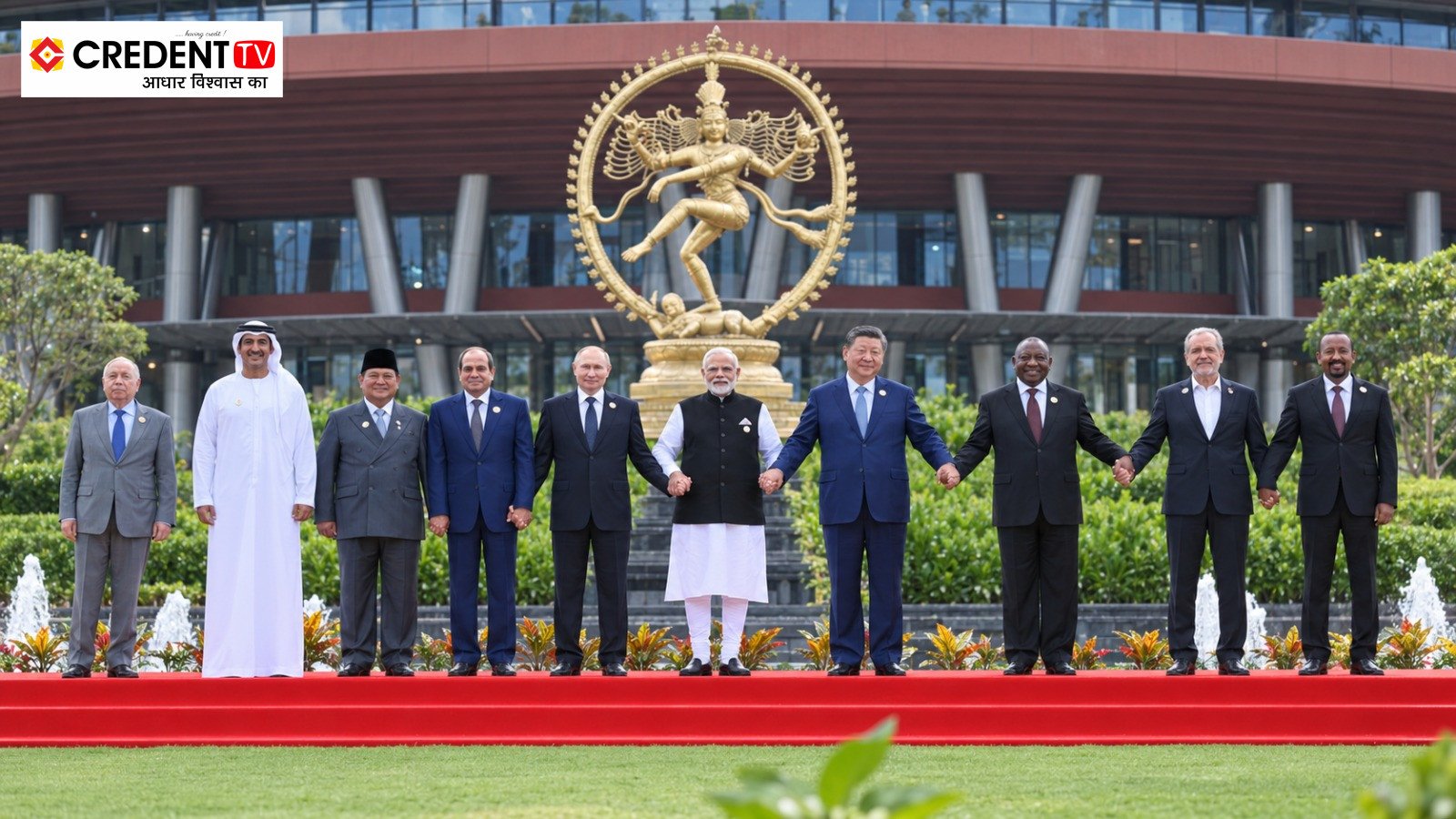
Prime Minister Narendra Modi is hosting the two-day summit on 12–13 September under India’s 2026 BRICS chairship. Russian President Vladimir Putin, Chinese President Xi Jinping, Iranian President Masoud Pezeshkian and South African President Cyril Ramaphosa are among the prominent leaders attending.

Advertisement


Egyptian President Abdel Fattah el-Sisi, Indonesian President Prabowo Subianto and Ethiopian Prime Minister Abiy Ahmed are also participating. Brazil is represented by Foreign Minister Mauro Vieira, while Saudi Arabia’s delegation is headed by Foreign Minister Prince Faisal bin Farhan Al Saud.

The United Arab Emirates is represented by Abu Dhabi Crown Prince Sheikh Khaled bin Mohamed bin Zayed Al Nahyan. Leaders and representatives from partner countries, invited nations and international organisations are also attending.

Xi Jinping arrives for first India visit in seven years

Xi arrived in New Delhi on Saturday, marking his first visit to India since 2019. He received a ceremonial welcome at the airport before joining the summit engagements.

Advertisement


Modi and Xi are scheduled to hold bilateral talks on Saturday evening. Their meeting will be closely watched as India and China cautiously work to stabilise relations following the deterioration caused by the 2020 military clash along their disputed Himalayan border.

China’s Foreign Ministry said ahead of the visit that Beijing was willing to view bilateral relations from a strategic and long-term perspective, manage differences appropriately and strengthen cooperation with India.

Modi and Putin discuss trade, energy and regional conflicts

Modi held bilateral talks with Putin in New Delhi on Friday, a day before the leaders’ summit. According to India’s Ministry of External Affairs, the two leaders reviewed their special and privileged strategic partnership and discussed political, defence, energy and economic cooperation.

Advertisement


They also exchanged views on conflicts in West Asia and the Black Sea region, including their effects on maritime trade and the safety of Indian seafarers. India and Russia have
BRICS Summit Opens in New Delhi as Modi Hosts Putin and Xi New Delhi | 12 Sep 2026

The 18th BRICS Summit opened at Bharat Mandapam in New Delhi on Saturday, bringing together leaders and representatives of major emerging economies for two days of talks on trade, investment, global governance, technology and regional conflicts.

BRICS Summit begins amid global economic and geopolitical tensions

Prime Minister Narendra Modi is hosting the September 12–13 meeting under India’s fourth BRICS chairship. India’s theme for 2026 is “Building for Resilience, Innovation, Cooperation and Sustainability”, with an emphasis on development-oriented cooperation and a stronger voice for the Global South.

The summit is taking place against the backdrop of the Russia-Ukraine conflict, war involving Iran, disruption to global energy and shipping routes, and growing disputes over tariffs, sanctions and Western-led financial systems.

Advertisement


Talks are expected to cover political and security cooperation, economic and financial coordination, and cultural and people-to-people exchanges. Members are also considering ways to expand trade in national currencies, strengthen supply chains and reform international institutions.

Xi Jinping arrives in India after seven years

Chinese President Xi Jinping arrived in New Delhi on Saturday for the summit and a scheduled bilateral meeting with Modi. It is Xi’s first visit to India since 2019 and comes as the two Asian neighbours cautiously seek to stabilise relations damaged by the deadly 2020 border confrontation.

The Modi-Xi talks are expected to focus on bilateral relations and the management of continuing differences. China’s Foreign Ministry said before the visit that Beijing was willing to approach relations from a strategic and long-term perspective and properly manage disagreements.

Advertisement


Russian President Vladimir Putin, Iranian President Masoud Pezeshkian, South African President Cyril Ramaphosa, Egyptian President Abdel Fattah el-Sisi, Indonesian President Prabowo Subianto and Ethiopian Prime Minister Abiy Ahmed are among the prominent participants.

Brazil is represented by Foreign Minister Mauro Vieira, while Saudi Arabia’s delegation is led by Foreign Minister Prince Faisal bin Farhan Al Saud. Representatives from partner countries, invited nations and international organisations are also attending.

Modi and Putin discuss trade, energy and regional conflicts

Modi held bilateral talks with Putin in New Delhi on Friday, a day before the leaders’ summit. India’s Ministry of External Affairs said they reviewed political, defence, energy and economic cooperation and exchanged views on conflicts in West Asia and the Black Sea region that have affected maritime trade and the safety of Indian seafarers.

Advertisement


India and Russia have set a target of increasing bilateral trade to $100 billion by 2030, from nearly $70 billion in the 2024–25 financial year. New Delhi continues to defend its energy purchases from Russia as necessary for securing affordable and reliable supplies.

Expanded BRICS seeks greater influence in global governance

BRICS now comprises Brazil, Russia, India, China, South Africa, Egypt, Ethiopia, Indonesia, Iran, Saudi Arabia and the United Arab Emirates. According to Indian government figures, the 11 members account for 49.5 per cent of the world’s population, about 40 per cent of global gross domestic product and 26 per cent of global trade.

The New Delhi summit will test whether the expanded grouping can reach common positions despite differences among members over major conflicts and their relationships with the United States and other Western powers. Negotiations on the summit’s final outcome will indicate the extent of consensus on trade, financial cooperation, multilateral reform and global security.

Advertisement


BRICS Summit 2026, BRICS Summit New Delhi, Modi Putin Xi meeting, Xi Jinping India visit, 18th BRICS Summit, BRICS member countries, Modi Putin bilateral talks, Bharat Mandapam BRICS Summit

#BRICSSummit2026 #NarendraModi #XiJinping #VladimirPutin #NewDelhi

Advertisement


Continue Reading

Breaking News

Modi-Putin Meeting Focuses on Trade, Energy and Major Defence Proposals

Published

on

Modi-Putin Meeting Focuses on Trade, Energy and Major Defence Proposals

New Delhi | 11 Sep 2026

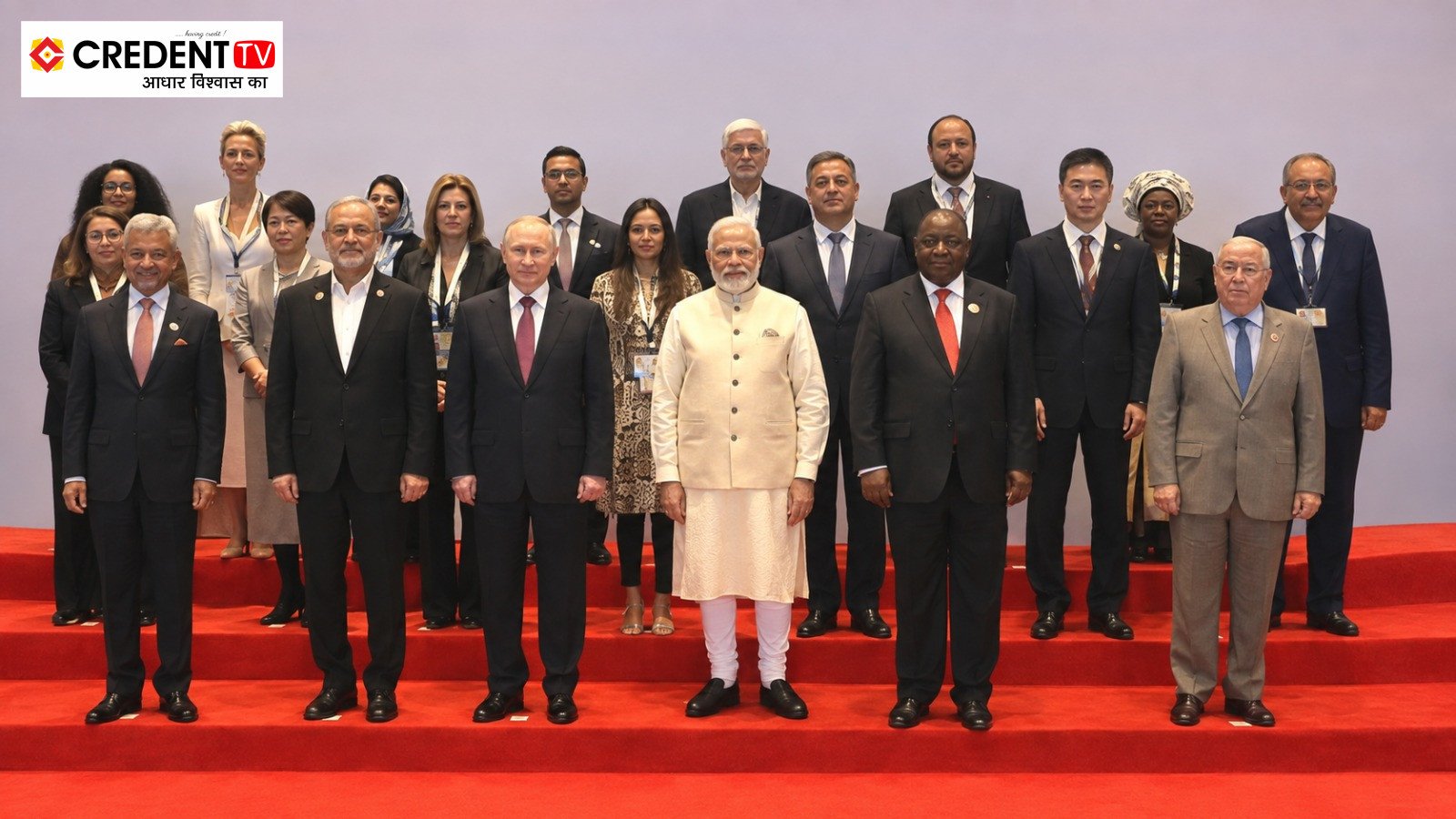
Prime Minister Narendra Modi and Russian President Vladimir Putin held bilateral talks in New Delhi on Friday, reviewing cooperation in trade, energy, defence and technology ahead of the 18th BRICS Summit.

Advertisement

The meeting covered the broader India-Russia strategic partnership, including civil nuclear energy, fertilisers, critical minerals, manufacturing, railways and steel. Defence proposals involving the Su-57 fighter aircraft, S-400 air-defence system and BrahMos missile programme were also expected to feature in the discussions.

Modi-Putin meeting puts defence cooperation in focus

Russia has proposed supplying its Su-57 fifth-generation fighter aircraft to India and has expressed readiness to discuss technology sharing and domestic production. India had not announced any purchase or production agreement at the time of reporting.

The two sides were also expected to review the remaining S-400 deliveries and long-term maintenance arrangements. A proposed upgrade of India’s Su-30MKI fleet and future cooperation on advanced air-defence systems have formed part of wider defence discussions.

Advertisement

India and Russia are separately examining improvements to the jointly developed BrahMos supersonic cruise missile. The proposed BrahMos-NG would be lighter than the existing system and designed for integration with a wider range of aircraft, including the Tejas fighter.

Trade, energy and Ukraine discussed

Modi and Putin discussed expanding bilateral trade and developing reliable payment and transport mechanisms. India and Russia have explored greater use of national currencies while seeking solutions to the imbalance created by India’s substantially higher imports from Russia.

Energy remains central to the relationship. India has defended its purchases of Russian oil by citing the need for secure, affordable and dependable supplies for its population and economy.

Advertisement

Modi reiterated India’s position that the conflict in Ukraine should be resolved through dialogue and diplomacy. New Delhi has said it supports credible efforts aimed at achieving peace while continuing its economic engagement with Moscow.

Civil nuclear cooperation, including existing Russian involvement at the Kudankulam Nuclear Power Plant and the possibility of additional projects, was also expected to receive attention.

BRICS Business Forum draws more than 2,000 delegates

Commerce and Industry Minister Piyush Goyal said more than 2,000 business leaders and delegates from BRICS member and partner countries attended the BRICS Business Forum. Discussions covered non-tariff barriers, global value chains, agriculture, services, women-led enterprises and the digital economy.

Advertisement

International delegations arrive in New Delhi

Nigerian Vice-President Kashim Shettima arrived in India to participate in the BRICS Summit, joining leaders and senior representatives from member, partner and invited countries.

United Nations Secretary-General António Guterres also arrived in New Delhi and was received at the airport by Union Minister Sukanta Majumdar.

Foreign ministers hold bilateral consultations

External Affairs Minister S. Jaishankar met Brazilian Foreign Minister Mauro Vieira at Hyderabad House. Their discussions covered bilateral relations and international issues ahead of the summit.

Advertisement

Modi also presented Putin with a Russian translation of the Thirukkural, the classical Tamil work attributed to poet-philosopher Thiruvalluvar, during their engagement in New Delhi.

Indian cuisine and millets feature in summit hospitality

Hotels accommodating BRICS delegates prepared Indian menus featuring millet-based dishes. Amit Biswas, executive sous chef at The Lalit New Delhi, said the menu was designed to promote millets while serving the requirements of international guests.

The BRICS leaders’ summit is scheduled for 12 and 13 September at Bharat Mandapam. Leaders are expected to discuss economic cooperation, global governance, trade, financial coordination, sustainable development and current international conflicts.
Advertisement

Continue Reading

Breaking News

Bangladesh PM Tarique Rahman to Skip BRICS Summit in New Delhi

Published

on

Bangladesh PM Tarique Rahman to Skip BRICS Summit in New Delhi


Dhaka | 10 Sep 2026

Bangladesh Prime Minister Tarique Rahman will not attend the BRICS Summit in New Delhi after Dhaka said the invitation was issued to the current BIMSTEC chair rather than to Rahman in his capacity as Bangladesh’s head of government.

Bangladesh’s State Minister for Foreign Affairs Humayun Kabir confirmed the decision while speaking to reporters on Thursday. Bangladesh will consequently have no government representative at the summit, according to the latest reports.

Advertisement


Dhaka clarifies BIMSTEC invitation

Bangladesh is not a BRICS member. India had invited the BIMSTEC chair to participate in an outreach session organised alongside the summit. Bangladesh currently holds the chairmanship of the Bay of Bengal Initiative for Multi-Sectoral Technical and Economic Cooperation.

Dhaka’s position is that the invitation was addressed to the head of the regional grouping and did not constitute a formal invitation to the Bangladeshi prime minister. Indian authorities had not publicly announced a change to the invitation arrangement at the time of reporting.

BIMSTEC comprises Bangladesh, Bhutan, India, Myanmar, Nepal, Sri Lanka and Thailand. The grouping promotes cooperation in areas including trade, connectivity, security, energy and economic development.

Advertisement


What is the BRICS outreach session?

The host country may invite non-member states and representatives of regional organisations to BRICS outreach meetings. These sessions allow participants outside the bloc to discuss development, trade, energy, food security and other international issues with BRICS leaders.

India previously brought BRICS and BIMSTEC leaders together during the 2016 summit in Goa. The 2026 BRICS Summit is scheduled for 12 and 13 September at Bharat Mandapam in New Delhi.

Separate India visit remains under consideration

Kabir indicated that Dhaka was considering a separate bilateral visit by Rahman, but no date had been finalised. A proposed visit in August did not take place, with Bangladesh saying at the time that no final decision had been made.

Advertisement


India and Bangladesh have been seeking to stabilise relations amid differences over former prime minister Sheikh Hasina, who has remained in India since leaving Bangladesh in 2024. Dhaka has requested her extradition, while India has said the request is under examination.

Bangladesh has also signalled that future bilateral talks should address trade, water sharing and other unresolved issues. Any visit by Rahman would be his first to India since assuming office in February 2026.

Advertisement


Continue Reading

Trending Post