
Delhi/NCR
Flight Operations Disrupted in Delhi as Dust Storm Hits City – Red Alert Issued


Contents
Introduction to the Dust Storm in Delhi
Recently, a significant dust storm swept through Delhi, triggering widespread disruptions across various sectors, particularly in aviation. This event occurred suddenly, with meteorological forecasts failing to predict the intensity and scale of the storm in advance. Such unexpected occurrences can often be attributed to a combination of local climatic conditions and broader atmospheric patterns prevalent across the region.
The dust storm originated from the Thar Desert, where increased surface winds contributed to the lifting of sand and dust particles into the atmosphere. These winds are typically driven by contrasting air pressures, which become more pronounced during transitional seasons. In this case, the intermix of hot air from the desert and cool air from surrounding areas led to the rapid development of a dust-laden front that ultimately invaded Delhi. The swift advent of this storm caught many residents off guard, prompting immediate precautions and alerts from local authorities.
Encroaching dust storms are not an isolated phenomenon but rather a manifestation of climate variability exacerbated by changing weather patterns. Various studies have indicated that such storms may be becoming increasingly common due to extended dry spells and irregular rainfall, linked to broader climate change trends. The impact of these storms extends beyond immediate air quality issues; they can disrupt daily life, affecting transportation and health conditions.
Throughout history, Delhi has experienced intermittent dust storms; however, the frequency and intensity of these events are a growing concern for meteorologists and city planners alike. As such atmospheric conditions continue to evolve, understanding the origins and implications of dust storms is crucial for both the residents of Delhi and the surrounding regions. The necessity for robust preparedness measures and adaptive strategies cannot be overstated, particularly in light of the evolving climate scenario.
Impact on Air Travel and Flight Operations
The recent dust storm that swept through Delhi has significantly disrupted flight operations, leading to numerous cancellations, delays, and diversions. Authorities at Indira Gandhi International Airport reported that as the storm intensified, visibility dropped substantially, often falling below the safe operational threshold for aircraft. In response, a red alert was issued, prompting immediate action from airlines and airport management.
Statistics from airport authorities indicate that over 50 flights were cancelled as airlines prioritized safety amid the deteriorating weather conditions. Additionally, approximately 40 flights were diverted to alternate airports due to difficulties landing in Delhi. This situation has forced many travelers to face unexpected disruptions in their travel plans, exacerbating the stress associated with air travel.
In terms of delays, many incoming flights experienced wait times of over two hours. Passengers reported confusion and frustration due to the lack of timely updates from airlines about their flight statuses. Airlines have been working to accommodate travelers whose flights were affected, offering rebooking options and assistance for affected passengers. However, the sheer volume of cancellations and delays has strained resources, leading to longer wait times for customer service.
Real-time updates from the airport continue to be essential as the situation evolves. Travelers are encouraged to monitor their flight statuses closely and remain in contact with their respective airlines for the most current information. The dust storm serves as a stark reminder of how weather conditions can impact air travel and flight operations. The hope is that conditions will improve swiftly to restore normalcy at the airport and ensure the safety of all passengers and crew.
The Red Alert: What It Means for Residents
In light of the recent dust storm that has swept through Delhi, a red alert has been issued by local meteorological departments. A red alert signifies a severe weather warning, indicating hazardous conditions that could pose serious risks to public safety. It serves as a crucial communication tool to inform residents about the imminent dangers associated with the weather event. Residents are urged to take immediate precautions as the storm can lead to reduced visibility, dangerous air quality, and other health hazards.
The authorities have recommended several safety measures for the public to follow during the red alert period. First and foremost, individuals are advised to stay indoors whenever possible, particularly during peak hours of the storm. This precaution helps mitigate exposure to the dust and other particulate matter that may aggravate respiratory conditions, especially among vulnerable populations such as the elderly and children. The use of masks is encouraged for those who must venture outside, as it can help filter out harmful pollutants in the air.
Furthermore, local authorities are on high alert, working diligently to manage the situation as effectively as possible. Emergency services are prepared to respond to any incidents that may arise due to the dust storm. Public transport services may also be adjusted to ensure safety and efficiency during this weather event. Residents are urged to stay informed by monitoring updates from local news outlets and official channels, allowing them to make informed decisions during this critical time. By adhering to these guidelines and maintaining vigilance, residents can better protect themselves and their families amid the challenges posed by the current severe weather conditions.
Meteorological Explanations: Why Dust Storms Occur
Dust storms are a meteorological phenomenon often observed in arid and semi-arid regions, characterized by strong winds lifting large quantities of dust into the atmosphere, significantly reducing visibility and impacting air quality. The formation of a dust storm involves a complex interplay of environmental factors, including temperature fluctuations, wind patterns, and the prevailing dry conditions that characterize the region. Understanding these elements not only explains why such storms occur but also highlights the increasing frequency of these events in regions like Delhi.
Temperature fluctuations play a crucial role in the formation of dust storms. During the daytime, the sun heats the surface substantially, causing a rise in temperature. In contrast, nighttime brings a drop in temperature, leading to a differential thermal environment. This fluctuation can create conditions conducive to high winds, particularly when the temperature gradient is steep. These winds can pick up loose, dry soil and sand, rendering the ground susceptible to erosion and, eventually, to large-scale dust transport.
Wind patterns are another essential factor contributing to the development of dust storms. In regions prone to such events, prevailing winds often originate from arid deserts or dry landscapes, where vegetation cover is scarce. As these winds sweep over open, unprotected surfaces, they have the potential to lift particulates into the atmosphere. Additionally, intense convective currents can develop, further enhancing wind speeds and helping to mobilize dust over vast distances.
Dry conditions prevalent in the region serve as the final piece of the puzzle. High evaporation rates due to high temperatures decrease soil moisture levels, making it easier for strong winds to displace loose particles. With climate change contributing to prolonged droughts in several areas, the capability of the environment to support dust storm formation has increased. Such meteorological insights reveal why dust storms have become more frequent and increasingly disruptive, especially in highly populated urban centers like Delhi.
Historical Context: Previous Dust Storms in Delhi
Delhi, the bustling capital of India, has a long history of experiencing dust storms, particularly in the pre-monsoon months of March to June. These natural phenomena are typically characterized by strong winds that lift vast amounts of dust and sand from the arid regions surrounding the city. Over the decades, several noteworthy dust storms have significantly impacted the urban landscape and the lives of its residents.
One of the most memorable dust storms occurred in the 1960s, when a severe storm swept through the city, causing widespread disruption and damage. Buildings were reported to have suffered structural damage, and visibility dropped drastically, leading to numerous traffic accidents. Such events have made residents aware of the potential dangers associated with dust storms, prompting the city authorities to improve their emergency response systems.
The latest occurrences have drawn attention to the threat posed by these dust storms, not only in terms of immediate disruption but also concerning longer-term health effects caused by increased air pollution. Particular matters of concern include respiratory issues among the population and the economic implications for businesses relying on stable weather conditions. As global climate patterns shift, understanding the historical context of dust storms in Delhi is essential in developing strategies to manage their impact effectively.
Health Risks Associated with Dust Storms
Dust storms, often resulting from extreme weather conditions, can pose significant health risks to individuals exposed to the turbulent air filled with particulate matter. The fine dust particles suspended in the atmosphere can lead to various respiratory issues, including asthma exacerbations, chronic obstructive pulmonary disease (COPD) flare-ups, and other pulmonary complications. According to health experts, the inhalation of these particles can irritate the airways, leading to increased coughing, wheezing, and shortness of breath.
Moreover, allergies can be markedly worsened during dust storms. Pollen and other allergens often become trapped within the dust, creating a potent mix that can trigger allergic reactions in sensitive individuals. Symptoms may include sneezing, nasal congestion, and even eyes becoming itchy and inflamed. Individuals with pre-existing allergies should be particularly cautious during such adverse weather conditions.
The health implications of dust storms extend beyond respiratory concerns. Perturbations in air quality can also affect cardiovascular health. Studies indicate that high levels of airborne particulate matter can lead to increased heart rates and can strain the cardiovascular system, particularly in vulnerable populations, such as the elderly and those with underlying heart conditions.
To mitigate the health risks associated with dust storms, it is crucial for individuals to take preventive measures. During such events, it is advisable to remain indoors with windows and doors closed to minimize exposure to dust. Utilizing air purifiers and wearing masks designed to filter out fine particles can further enhance protection from harmful dust exposure. Additionally, those with existing respiratory conditions should have an action plan in place and consult healthcare professionals for personalized strategies to manage their health effectively during these tumultuous weather events.
Government and Emergency Services Response
The recent dust storm that swept through Delhi prompted an immediate and coordinated response from various governmental bodies and emergency services. In recognition of the severe impact of the storm, which led to reduced visibility and hazardous air quality, the Delhi Disaster Management Authority (DDMA) activated emergency protocols to address the situation effectively. This involved the deployment of emergency personnel and resources to assess and manage ground conditions across the city.
As part of the response strategy, the State Government initiated a series of measures to ensure public safety. These measures included the provision of timely information about the storm’s severity and expected duration. Announcements were made through multiple channels, including social media platforms, local news broadcasts, and community alert systems, ensuring that residents remained well-informed. Additionally, public advisories were released instructing individuals to stay indoors and minimize outdoor activities during the height of the storm.
Emergency services, including fire and ambulance units, were placed on high alert to respond to any incidents that may arise due to the storm’s impacts. The Delhi Police increased patrols to assist citizens in distress and manage traffic disruptions caused by the uprooting of trees and damaged infrastructure. In collaboration with local authorities, the police ensured that essential services remained operational and that evacuation protocols could be swiftly implemented if necessary.
Moreover, the government organized outreach programs to educate residents on the health implications associated with exposure to dust storms. Medical teams were dispatched to ensure access to healthcare for individuals suffering from respiratory issues exacerbated by the poor air quality. This multi-faceted approach to the emergency underscored the commitment of governmental and emergency entities to safeguard the wellbeing of Delhi’s citizens during this environmental crisis.
Looking Ahead: Weather Forecast and Future Expectations
As Delhi grapples with the aftermath of the recent dust storm, many residents and stakeholders are eager to understand what lies ahead. Meteorological experts are closely monitoring weather patterns in the region, and preliminary forecasts suggest a varied climatological outlook for the coming days. According to reports from the India Meteorological Department (IMD), the possibility of further dust storms remains. These storms are typically influenced by local wind patterns, which, during this time of year, can be particularly volatile due to the transitional weather associated with the changing seasons.
Also read :PM Modi Inaugurates Multiple Projects in Varanasi: Highlights and Political Undercurrents
Expectations for the subsequent days indicate that while some respite from the immediate effects of this dust storm may be experienced, the atmospheric conditions could allow for more occurrences. The IMD has forecasted another spike in temperatures, along with strong winds, which are conducive to the formation of dust storms. Additionally, fluctuations in humidity levels can contribute to the severity of these weather events. Residents are urged to stay informed through reputable weather channels and alerts, as changes in wind direction and velocity can rapidly alter the local weather landscape.
Aside from dust storms, temperatures are predicted to rise above normal, resulting in an uncomfortable atmosphere that may lead to health advisories. The combination of high temperatures and gusty winds can exacerbate health concerns for vulnerable populations, particularly those with respiratory issues. It is advisable for residents to take necessary precautions such as staying indoors during peak hours of dust activity and ensuring that they have access to clean water and air filtration systems. As we proceed into the week, the potential for extreme weather events remains a key factor to monitor. Keeping abreast of updates can aid in making informed decisions to mitigate the impacts of such unpredictable weather conditions.
Summary: Lessons Learned and Future Preparedness
The recent dust storm that struck Delhi serves as a critical reminder of the vulnerabilities faced by urban environments in the face of extreme weather events. As noted, flight operations experienced substantial disruptions, highlighting the need for enhanced weather preparedness strategies. One of the key takeaways from this incident is the necessity for robust early warning systems. These systems can provide timely alerts that enable both authorities and residents to prepare adequately, thus minimizing the impact of such severe weather conditions on daily life.
Furthermore, urban planning and infrastructure resilience must be prioritized. Authorities should consider developing green spaces and vegetation buffers, which have the potential to reduce dust and improve air quality during dust storms. The introduction of stricter building codes that ensure structures can withstand such natural occurrences can also contribute to a safer urban environment. Residents should be educated about the specific health risks associated with dust storms, including respiratory issues, and advised on appropriate protective measures—such as the use of masks and staying indoors during severe events.
Community engagement plays a vital role in future preparedness. Establishing local support networks can aid in disseminating information quickly and help residents respond more effectively to emerging threats. Emergency response protocols that are regularly revisited and practiced can enhance the readiness of both individuals and local authorities. In conclusion, as cities face increasing variability in weather patterns, a collective approach toward preparedness and resilience can significantly mitigate the negative repercussions of future dust storms and other extreme weather events. By integrating lessons learned from recent experiences, urban dwellers and management alike can foster environments that are not only proactive but also better equipped to handle natural adversities.


Breaking News
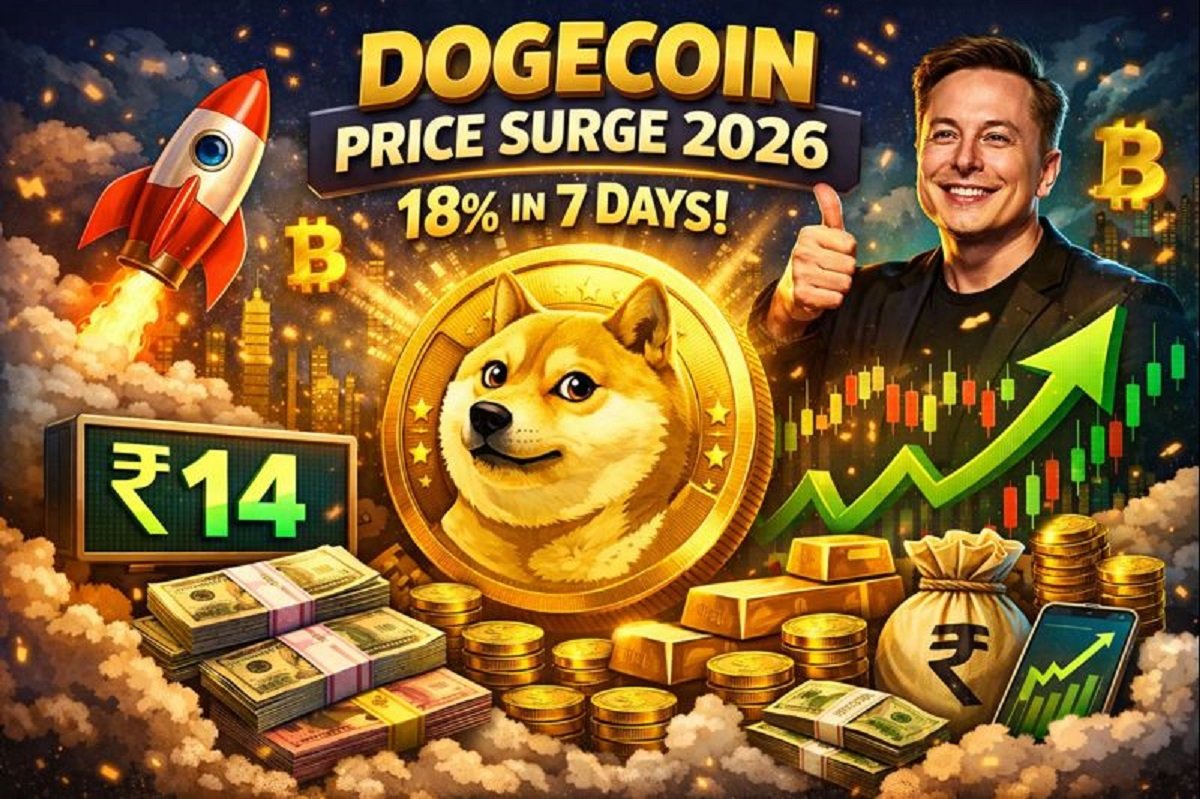
Dogecoin Price Surge 2026 has stunned investors as the ₹14 meme coin jumps over 18% in just 7 days-

Contents
Jan.05,2026:Dogecoin Price Surge 2026 marks one of the strongest early-year rebounds in the crypto market. At a time when global investors are cautiously optimistic about digital assets, Dogecoin’s sudden rise has captured attention due to its low price, massive community support, and historical potential for explosive returns.
Unlike many speculative tokens, Dogecoin carries a unique blend of humor, celebrity influence, and real-world adoption, making its price movements especially emotional—and sometimes irrational.
Dogecoin’s 7-Day Performance Explained
Over the past week, Dogecoin Price Surge 2026 has delivered returns exceeding 18%, climbing from $0.1268 to $0.1503.
Despite a minor 1% dip in the last 24 hours, investor interest remains strong. Trading volumes have increased steadily, suggesting that this rally is supported by genuine market participation rather than a single speculative spike.
Dogecoin Price Surge 2026 Since January 1
The momentum behind Dogecoin Price Surge 2026 becomes even clearer when looking at year-to-date performance.
- December 31, 2025: $0.1178
- January 5, 2026: $0.1503
This represents a nearly 28% gain in just five days, an exceptional move for a large-cap cryptocurrency.
Such rapid appreciation often signals a shift in market sentiment, especially after a prolonged bearish phase.
Why Dogecoin Collapsed in 2025
To understand Dogecoin Price Surge 2026, it’s essential to revisit 2025—a painful year for Dogecoin investors.
During 2025
- Dogecoin lost over 60% of its value
- Prices fell below $0.1100 in late December
- Investor confidence eroded amid global crypto uncertainty
High interest rates, regulatory fears, and reduced retail participation all contributed to Dogecoin’s sharp decline.
The Millionaire-Making History of Dogecoin
One reason Dogecoin Price Surge 2026 is generating buzz is its unforgettable past.
In December 2020, Dogecoin traded near $0.0045 (₹0.41). By May 2021, it skyrocketed to $0.6358 (₹57)—a staggering 14,000% return in just five months.
An investment of ₹1 lakh during that phase could have grown to ₹1.4 crore, cementing Dogecoin’s reputation as a “crorepati coin.”
Elon Musk and His Impact on Dogecoin Price
No discussion of Dogecoin Price Surge 2026 is complete without mentioning Elon Musk.
The world’s richest entrepreneur has repeatedly endorsed Dogecoin through
- Tweets
- Public interviews
- Integration with Tesla merchandise payments
Although Musk has been relatively quiet in early 2026, historical patterns suggest that even subtle signals from him can trigger massive Dogecoin rallies.
Market Sentiment Behind Dogecoin Price Surge 2026
Crypto market sentiment in early 2026 has turned cautiously bullish. Bitcoin’s stability above key levels has encouraged capital rotation into altcoins—especially high-recognition tokens like Dogecoin.
Social media engagement, Google search trends, and on-chain activity all indicate growing interest in Dogecoin once again.
Technical Indicators and On-Chain Signals
From a technical standpoint, Dogecoin Price Surge 2026 is supported by
- Breakout above short-term resistance
- Rising Relative Strength Index (RSI)
- Increasing wallet activity
However, analysts warn that Dogecoin remains volatile and prone to sharp corrections.
Comparison with Bitcoin and Other Cryptos
While Bitcoin has gained modestly in early 2026, Dogecoin has outperformed most major cryptocurrencies on a percentage basis.
This highlights Dogecoin’s speculative appeal—but also underlines its higher risk profile compared to fundamentally driven assets like Bitcoin and Ethereum.
Risks Investors Must Not Ignore
Despite the excitement around Dogecoin Price Surge 2026, risks remain
Extreme volatility
- Heavy reliance on sentiment
- Limited technological innovation
Dogecoin lacks a capped supply, which may restrict long-term price growth unless demand rises consistently.
Expert Opinions on Dogecoin Price Surge 2026
Crypto analysts remain divided.
Some believe Dogecoin could retest $0.25–$0.30 if bullish momentum continues. Others caution that without strong utility development, the rally may fade.
Most experts agree on one point: Dogecoin is best suited for high-risk, short- to medium-term strategies.
Can Dogecoin Really Create Crorepatis Again
The big question surrounding Dogecoin Price Surge 2026 is whether it can repeat its 2021 miracle.
While another 14,000% rally seems unlikely, even a move toward previous highs could deliver substantial returns for early investors—especially given its current ₹14 price.
Long-Term Outlook for Dogecoin
Dogecoin’s future depends on
- Broader crypto adoption
- Integration into payment systems
- Community-driven development
If these factors align, Dogecoin may continue surprising skeptics.
Opportunity or Trap
Dogecoin Price Surge 2026 has undeniably revived investor excitement. Its low price, strong brand recognition, and historical performance make it one of the most watched cryptocurrencies today.
However, investors should balance optimism with caution. Dogecoin has made millionaires before—but it has also inflicted heavy losses.
Smart strategy, risk management, and timing will determine whether this ₹14 crypto becomes a dream-maker—or a disappointment.
Breaking News
Gold Silver Rate Today 5 January 2026 shows a sharp fall in gold and silver prices across major Indian cities-

Contents
New Delhi, Jan.05,2026:The Gold Silver Rate Today 5 January 2026 reflects a temporary pullback after one of the strongest bull runs in decades. Throughout 2025, gold prices soared by nearly 76% domestically, while international gold prices surged almost 70%, marking their strongest annual performance since 1979.
Silver outperformed even gold, registering an astonishing 140% rise in both domestic and global markets last year.
However, early 2026 has started with price consolidation, giving consumers a breather.
Gold Prices Fall After 2025’s Record Surge
The fall in gold prices today does not indicate weakness but rather profit booking and market stabilization.
Bullion traders say that investors who accumulated gold during 2025’s rally are now locking in gains, resulting in short-term price softness.
Despite today’s dip, gold continues to trade at historically elevated levels.
Silver Rate Today 5 January 2026
The Silver Rate Today 5 January 2026 mirrors gold’s decline. Silver is trading at ₹2,40,900 per kilogram across major Indian cities.
Silver prices often experience sharper swings due to
- Industrial demand fluctuations
- Investor speculation
- Lower liquidity compared to gold
Experts note that silver’s earlier explosive growth made a correction inevitable.
Gold Price Today 24, 22 & 18 Carat Rates
As per the Gold Silver Rate Today 5 January 2026, here are the latest national benchmark prices:Gold / Silver Price (₹) 24 Carat Gold ₹1,35,960 22 Carat Gold ₹1,24,640 18 Carat Gold ₹1,02,010 Silver ₹2,40,900
Prices may vary slightly due to local taxes and jeweller margins.
City-Wise Gold Rates Across India
24 Carat Gold Rate Today (Per 10 Grams)
| City | 24 Carat (₹) | 22 Carat (₹) | 18 Carat (₹) |
| Lucknow | 1,35,960 | 1,24,640 | 1,02,010 |
| Jaipur | 1,35,960 | 1,24,640 | 1,02,010 |
| Delhi | 1,35,960 | 1,24,640 | 1,02,010 |
| Patna | 1,35,860 | 1,24,540 | 1,01,910 |
| Mumbai | 1,35,810 | 1,24,490 | 1,01,860 |
| Ahmedabad | 1,35,860 | 1,24,540 | 1,01,910 |
| Pune | 1,35,810 | 1,24,490 | 1,01,860 |
| Kolkata | 1,35,810 | 1,24,490 | 1,01,860 |
| Meerut | 1,35,960 | 1,24,640 | 1,02,010 |
| Ludhiana | 1,35,960 | 1,24,640 | 1,02,010 |
City-Wise Silver Rate Today
Silver Rate Today 5 January 2026 (Per Kg)City Silver Rate (₹) Lucknow 2,40,900 Jaipur 2,40,900 Delhi 2,40,900 Patna 2,40,900 Mumbai 2,40,900 Ahmedabad 2,40,900 Pune 2,40,900 Kolkata 2,40,900 Meerut 2,40,900 Ludhiana 2,40,900
Why Gold Silver Rate Today 5 January 2026 Declined
Several global and domestic factors influenced the dip in the Gold Silver Rate Today 5 January 2026
- Profit booking after massive 2025 gains
- Short-term strengthening of the US dollar
- Reduced safe-haven buying
- Cooling geopolitical tensions
However, the long-term outlook remains positive.
Central Banks and Global Demand Impact
One of the strongest drivers behind last year’s rally was aggressive gold buying by central banks, especially in emerging markets.
Even with today’s dip, central banks continue to accumulate gold as a hedge against currency volatility.
US Federal Reserve Rate Cut Expectations
Expectations of interest rate cuts by the US Federal Reserve had fueled gold prices throughout 2025.
As markets reassess the timing and scale of future rate cuts, gold prices have temporarily softened.
Lower interest rates generally support gold, as the metal yields no interest.
Geopolitical Factors Affecting Gold and Silver
Gold and silver thrive during uncertainty.
- Global trade tariffs
- Middle East tensions
- Currency instability
had boosted prices earlier. Reduced immediate risk perception has eased prices marginally today.
ETF Investments and Market Volatility
Strong inflows into Gold and Silver ETFs pushed prices higher last year. Any slowdown in ETF buying tends to cause short-term corrections like the one seen in the Gold Silver Rate Today 5 January 2026.
Domestic vs International Gold Price Trends
- Domestic gold prices rose nearly 76% in 2025
- International gold prices surged around 70%
- Silver prices jumped approximately 140%
Today’s decline is minor compared to the magnitude of last year’s rally.
Is This the Right Time to Buy Gold
Experts believe the dip in the Gold Silver Rate Today 5 January 2026 offers a strategic buying opportunity, especially for
- Wedding purchases
- Long-term investors
- Portfolio diversification
Staggered buying is advised to manage volatility.
Expert Outlook for 2026
Market analysts forecast
- Continued volatility
- Strong long-term fundamentals
- Possible new highs if global uncertainty resurfaces
Gold is expected to remain a preferred asset for wealth preservation.
What Buyers and Investors Should Know
The Gold Silver Rate Today 5 January 2026 signals a healthy correction, not a collapse. After an extraordinary year, prices are stabilizing—creating opportunities rather than risks.
For investors, discipline and patience remain key. For buyers, today’s softer rates may be the chance they were waiting for.
Breaking News
Jaishankar Ayaz Sadiq Handshake-Shocking Signals That Sparked South Asia’s Diplomatic Storm-

Contents
New Delhi,Jan.03,2026:Jaishankar Ayaz Sadiq Handshake has become one of the most talked-about diplomatic moments in South Asia as 2026 began. What appeared to be a brief, routine exchange of pleasantries in Dhaka has now evolved into a full-blown geopolitical debate stretching across India, Pakistan, and Bangladesh.
At the centre of this controversy is India’s External Affairs Minister Dr. S. Jaishankar and Pakistan National Assembly Speaker Sardar Ayaz Sadiq, who unexpectedly shook hands during a solemn state event in Bangladesh.
This single gesture has raised uncomfortable questions:
Was it a thaw in frozen relations
Was it a calculated political signal
Or merely diplomatic etiquette exaggerated by media optics
Dhaka Visit That Changed the Narrative
Dr. Jaishankar ended 2025 with a brief Dhaka visit to attend the state funeral of former Bangladeshi Prime Minister Begum Khaleda Zia on December 31. Representatives from multiple South Asian nations, including Pakistan, Maldives, Nepal, Bhutan, and Bangladesh, were present.
The visit was officially non-political. Yet, the Jaishankar Ayaz Sadiq Handshake overshadowed every other diplomatic engagement during the trip.
Interestingly, while Jaishankar shared details of his Bangladesh visit on social media, he made no mention of the handshake, whereas Pakistan’s National Assembly actively posted images and statements highlighting the encounter.
The Handshake That Shocked South Asia
The now-viral images show Dr. Jaishankar walking toward Ayaz Sadiq in a parliamentary waiting room and initiating a handshake. According to Pakistan’s official narrative, the Indian minister approached first.
This matters deeply because it came months after intense military escalation in May 2025, when India and Pakistan witnessed their most serious confrontation in years.
Given the diplomatic freeze, the Jaishankar Ayaz Sadiq Handshake was immediately framed as a potential breakthrough—or at least a symbolic crack in the ice.
Ayaz Sadiq Calls Jaishankar a “Clever Politician”
Speaking to Geo News, Sardar Ayaz Sadiq offered a detailed account of the meeting.
He revealed that Jaishankar entered the waiting room where South Asian delegates were already present, greeted others, and then deliberately walked toward him.
“He knew exactly what he was doing,” Sadiq said.
“Jaishankar is a clever politician who understands the importance of timing and optics.”
According to Sadiq, cameras were present, making it clear that this interaction would be recorded and widely reported.
This statement alone intensified speculation that the Jaishankar Ayaz Sadiq Handshake was anything but accidental.
Optics, Cameras, and Calculated Diplomacy
Diplomatic experts emphasize that optics matter as much as policy in modern geopolitics.
Ayaz Sadiq noted that everyone in the room was watching the interaction closely. The presence of official cameras, he argued, suggested a deliberate decision rather than coincidence.
Such calculated visibility aligns with Jaishankar’s reputation as a strategist who uses symbolism effectively, particularly in multilateral settings.
Pakistan’s Media Frenzy vs India’s Strategic Silence
Pakistan’s National Assembly amplified the moment by posting images and statements on X (formerly Twitter), claiming India initiated the contact.
In contrast, India’s Ministry of External Affairs remained silent.
This asymmetry further fuelled the narrative war. Pakistani media hailed the Jaishankar Ayaz Sadiq Handshake as the first high-level contact since the May clashes, while Indian outlets largely downplayed it as routine protocol.
Is Dialogue Really Returning Between India and Pakistan
Former Pakistani Ambassador to the US Maleeha Lodhi dismissed the significance of the handshake.
Speaking on Geo TV, she stated
“A handshake does not break deadlock. It was neither planned nor meaningful.”
She also reminded audiences that India and Pakistan have continued routine exchanges, such as sharing lists of nuclear installations, for decades—even during periods of extreme tension.
According to Lodhi, the relationship remains stuck in a ‘no war, no peace’ zone.
Nuclear Lists, Prisoners, and Routine Diplomacy
Pakistan’s Express Tribune reported that both countries recently exchanged lists of nuclear facilities and prisoners, a long-standing confidence-building measure.
The paper linked these routine actions to the Dhaka meeting but emphasized that no policy shift had occurred.
Jaishankar’s “Bad Neighbour” Remark Fuels Tensions
Just days after returning from Bangladesh, Jaishankar delivered a sharp statement at IIT Madras.
Referring to India’s Neighbourhood First Policy, he said
“Some neighbours are bad neighbours. Unfortunately, we have them to the west.”
He accused Pakistan of continuously supporting terrorism and asserted India’s right to defend its citizens.
This statement significantly weakened any optimism generated by the Jaishankar Ayaz Sadiq Handshake.
Expert Opinions
Al Jazeera Perspective
Foreign policy analyst Mustafa Haider Sayed called the handshake “welcome” but cautioned against over-interpretation.
“Respect and greetings between officials should be normal. Sadly, war has made even this unusual.”
Former Ambassador Sardar Masood Khan
He suggested such a move would be impossible without approval from India’s top leadership.
“This is good for the region, but there are many ifs and buts.”
Indian Media View
Hindustan Times foreign affairs editor Rezaul H Laskar described the event as unavoidable protocol, stressing that India did not release the images.
Why This Handshake Doesn’t Mean Peace
Despite the noise, reality remains unchanged
- No formal talks announced
- No backchannel diplomacy confirmed
- No softening of official rhetoric
- No relaxation of security posture
Even sporting relations remain frozen. During the Asia Cup 2025, Indian cricketers famously refused to shake hands with Pakistani players—highlighting how deep the divide still runs.
Gesture, Gamble, or Global Optics
The Jaishankar Ayaz Sadiq Handshake was undeniably powerful in symbolism but limited in substance.
It exposed how fragile and frozen India-Pakistan relations have become—where even a basic diplomatic courtesy becomes headline news.

Contents
New Delhi,The confirmation of Rehan Vadra Engagement is more than a celebrity relationship update. It is a moment that blends public curiosity, political legacy, and personal happiness. As the son of a senior Congress leader and a member of India’s most influential political family, Rehan Vadra has largely stayed away from active politics, choosing instead a private and creative life.
His engagement symbolizes a generational shift—where personal choices are shared openly, yet thoughtfully, in the digital age.
Rehan Vadra Engagement Announcement on Social Media
The Rehan Vadra Engagement was officially announced through Instagram, where Rehan and Aviva shared warm, understated photographs confirming their commitment.
The caption mentioned that the engagement took place on December 29, 2025, instantly making the post viral. Within hours, the images were shared across social platforms, news portals, and television debates.
Unlike grand political announcements, the tone was personal, minimal, and sincere.
Robert Vadra’s Emotional Message for His Son
Businessman Robert Vadra also shared the engagement photos, adding an emotional message that resonated widely.
“My son has grown up and found his life partner. May happiness always stay in Rehan’s life.”
The message reflected a father’s pride rather than a public figure’s statement, reinforcing the personal nature of the Rehan Vadra Engagement.
A Brief Profile
Rehan Vadra is the younger child of Priyanka Gandhi Vadra and Robert Vadra. Unlike many members of political dynasties, Rehan has consciously remained away from electoral politics.
Known for his creative interests, Rehan has often been spotted at cultural events, exhibitions, and family gatherings rather than political rallies. The Rehan Vadra Engagement brings him briefly into the spotlight, though his life largely remains private.
Career, Creativity, and Vision
Aviva Beg, now Rehan Vadra’s fiancée, is a well-known creative professional with a strong background in media, communication, and photography.
She has worked across multiple platforms and is respected for her artistic vision. Her professional identity stands independently, adding depth to the Rehan Vadra Engagement narrative.
A 7-Year Love Story
The couple has been in a relationship for seven years, a fact confirmed by family sources and close friends.
Their long journey together, rooted in shared interests—especially photography and art—adds authenticity to the Rehan Vadra Engagement. Friends describe them as creative partners who value privacy and mutual respect.
Engagement Date, Ceremony, and Privacy
The engagement ceremony on December 29, 2025, was reportedly a private affair, attended only by close family members.
Despite belonging to a high-profile family, the couple chose intimacy over extravagance, keeping the Rehan Vadra Engagement away from media glare until they were ready to share it themselves.
Media Reports and PTI Confirmation
On December 30, news agency PTI cited sources confirming the engagement. This report quickly circulated, prompting speculation before the official Instagram announcement.
Once the post went live, it validated the PTI report, lending credibility and ending rumors surrounding the Rehan Vadra Engagement.
Ranthambore Trip After Engagement
Following their engagement, Rehan and Aviva travelled with the Gandhi-Vadra family to Ranthambore, Rajasthan.
The family spent four days at the wildlife destination, where the couple enjoyed a tiger safari. Photographs showed Rehan and Aviva wearing caps, blending into the serene surroundings—symbolic of their grounded lifestyle even after the Rehan Vadra Engagement.
Aviva Beg’s Professional Journey in Media & Art
Aviva Beg has built an impressive résumé
- Junior Project Manager at PROPAGANDA, a content platform
- Marketing Intern at Art Chain India
- Editor-in-Chief of The Journal, published by I-Parliament
- Internships with Verve Magazine India and Creative IMAGE Magazine
Her professional independence adds credibility and substance to the Rehan Vadra Engagement story.
Aviva Beg’s Family Background and Social Links
Aviva comes from a respected business family in Delhi.
- Father: Imran Beg, businessman
- Mother: Nandita Beg, renowned interior designer
Nandita Beg notably designed the interiors of Indira Bhawan, the Congress headquarters—an interesting connection often highlighted after the Rehan Vadra Engagement.
Longstanding Bond Between the Gandhi and Beg Families
Media reports suggest that Priyanka Gandhi Vadra and Nandita Beg have been long-time friends.
This personal bond between families lends warmth and familiarity to the Rehan Vadra Engagement, making it less of a political alliance and more of a natural personal union.
Public Reaction to Rehan Vadra Engagement
The announcement triggered a wave of reactions across social media.
Supporters praised the couple’s simplicity, while political observers noted how the Gandhi-Vadra family continues to balance public life with personal privacy. The Rehan Vadra Engagement trended across news platforms within hours.
Political Families and Personal Milestones
In India, personal milestones of political families often attract intense scrutiny. However, the Rehan Vadra Engagement stands out for its restraint and dignity.
There were no grand press conferences or political messaging—only a simple announcement reflecting modern values.
Why This Engagement Reflects a Changing India
The Rehan Vadra Engagement reflects a broader societal shift
- Emphasis on long-term companionship
- Respect for professional independence
- Balanced public and private life
It resonates with India’s younger generation, who see relationships as partnerships rather than public spectacles.
A Personal Moment Beyond Politics
The Rehan Vadra Engagement is ultimately a story of commitment, maturity, and quiet celebration. Beyond political lineage and public attention, it marks a deeply personal moment for two individuals choosing to move forward together.
In an era of instant visibility, Rehan and Aviva’s announcement stands out for its simplicity—proving that even under the brightest spotlight, personal happiness can remain grounded and authentic.
Breaking News
Aadhaar Property ID Linking Delhi-Powerful Changes That Could Transform MCD House Tax System Forever-

Contents
Delhi, Jan.03,2026:Aadhaar Property ID Linking Delhi is not just another administrative tweak—it represents a structural overhaul of Delhi’s property tax ecosystem. For years, civic authorities have struggled with tax evasion, outdated records, and under-reporting of properties.
By linking Aadhaar with the Unique Property Identification Code (UPIC), MCD aims to create a single, verifiable identity for every taxable property in Delhi.
What Is Aadhaar Property ID Linking Delhi
Under the Aadhaar Property ID Linking Delhi initiative, every property owner’s Aadhaar number will be linked with their property’s UPIC. This UPIC acts as a digital fingerprint for residential and commercial properties registered with MCD.
Once linked, citizens will be able to
- View property details using Aadhaar
- Pay house tax directly through Aadhaar authentication
- Track outstanding dues
- Update ownership and transfer records online
Why MCD Decided to Link Aadhaar with Property ID
According to senior municipal officials, the primary motivation behind Aadhaar Property ID Linking Delhi is to bring speed, accountability, and transparency to house tax payments.
Currently, thousands of properties remain unregistered or under-assessed. Aadhaar integration eliminates anonymity and ensures every property is mapped to a verified individual.
When Will Aadhaar Property ID Linking Delhi Start
MCD officials have confirmed that the new system will be rolled out within 2026.
Key timeline highlights
- January 2026: Inter-departmental meetings
- Mid-January: Draft notification proposal
- Post-notification: Aadhaar-UPIC linking begins citywide
Once the official government notification is issued, implementation will begin immediately.
Role of NIC and Delhi Government
The National Informatics Centre (NIC) has already granted technical approval for Aadhaar Property ID Linking Delhi. NIC will support backend integration, data security, and system scalability.
The Delhi government will issue the formal notification enabling MCD to proceed legally and operationally.
How the New System Will Work
After Aadhaar Property ID Linking Delhi is activated
- Property owner enters Aadhaar number on MCD portal
- Aadhaar is authenticated securely
- Linked UPIC details appear
- House tax dues, history, and payment options become visible
The entire process is designed to be paperless and user-friendly.
Direct Benefits for Homeowners and Property Buyers
The biggest advantage of Aadhaar Property ID Linking Delhi is convenience.
Key Benefits
- Faster tax payments
- Reduced paperwork
- Transparent ownership records
- Easier property verification before purchase
Buyers can now verify tax compliance before investing in a property.
Impact on House Tax Collection and Transparency
At present, Delhi has around 13 lakh registered house tax payers. With Aadhaar Property ID Linking Delhi, this number is expected to rise to over 50 lakh properties.
This will significantly boost MCD revenue while ensuring fair taxation.
How Aadhaar Property ID Linking Delhi Will Increase Tax Payers
MCD plans to integrate electricity consumption data from power distribution companies.
Properties consuming electricity but not paying tax will automatically come under scrutiny, ensuring no taxable property remains invisible.
Commercial vs Residential Properties: What Changes?
Aadhaar Property ID Linking Delhi applies to
- Residential properties
- Commercial establishments
- Mixed-use buildings
Commercial properties, often under-declared, will now face accurate assessment.
Property Transfer and Record Updates Made Easy
Another major reform under Aadhaar Property ID Linking Delhi is simplified property transfer.
Buyers and sellers can update ownership records digitally, reducing disputes and delays.
Data Integration with Power Discoms
By cross-verifying data with electricity providers, MCD will identify
- Unregistered properties
- Vacant but powered buildings
- Misclassified usage types
This ensures accurate taxation and planning.
Privacy and Data Security Concerns
Officials have clarified that Aadhaar Property ID Linking Delhi will follow strict data protection protocols.
Only minimal data will be accessed, and Aadhaar authentication will comply with UIDAI security norms.
Expert Opinions on Aadhaar Property ID Linking Delhi
Urban governance experts view this move as long overdue.
According to policy analysts, Aadhaar integration will
- Reduce corruption
- Improve civic trust
- Enable data-driven urban planning
Challenges MCD May Face
Despite its promise, Aadhaar Property ID Linking Delhi may face hurdles such as
- Public awareness gaps
- Data mismatches
- Technical load during rollout
MCD plans phased implementation to manage challenges.
How This Reform Aligns with Digital India
This initiative aligns perfectly with
- Digital India Mission
- Smart Cities Framework
- E-Governance reforms
It positions Delhi as a leader in urban digital governance.
A Defining Moment for Delhi’s Urban Governance
Aadhaar Property ID Linking Delhi marks a bold, transformative step toward transparency, efficiency, and fairness in municipal administration.
By leveraging Aadhaar-based verification, MCD is not only strengthening revenue collection but also empowering citizens with easier access to services and cleaner property records.

Contents
New Delhi,Jan02,2026:Swiggy-Zomato डिलीवरी बॉयज़ को मिलेगा सरकारी कर्मचारी जैसा सुरक्षा कवच-अब भारत में एक नई हकीकत बनती जा रही है। केंद्र सरकार ने गिग इकॉनॉमी में काम करने वाले लाखों डिलीवरी बॉयज़, कैब ड्राइवर्स और प्लेटफॉर्म वर्कर्स को सामाजिक सुरक्षा के दायरे में लाने की दिशा में बड़ा और ऐतिहासिक कदम उठा लिया है-
इस फैसले के बाद Swiggy, Zomato, Blinkit, Uber और Ola जैसे प्लेटफॉर्म्स पर काम करने वाले वर्कर्स को वह सुविधाएं मिलेंगी, जो अब तक सिर्फ सरकारी या बड़ी प्राइवेट कंपनियों के कर्मचारियों को मिलती थीं।
Gig Workers Social Security India क्यों है इतना अहम
पिछले कुछ वर्षों में भारत की गिग इकॉनॉमी बेहद तेजी से बढ़ी है। करोड़ों लोग आज अपनी रोज़ी-रोटी ऐप आधारित कामों से चला रहे हैं, लेकिन अब तक इनके पास न तो बीमा था, न पेंशन और न ही सामाजिक सुरक्षा।
सरकारी आंकड़ों के मुताबिक, भारत में इस समय लगभग 77 लाख गिग वर्कर्स हैं, और 2030 तक यह संख्या 2.3 करोड़ तक पहुंच सकती है।
ऐसे में Gig Workers Social Security India इन वर्कर्स के लिए एक सुरक्षा कवच बनकर सामने आया है।
गिग वर्कर और प्लेटफॉर्म वर्कर कौन होते हैं
नए सोशल सिक्योरिटी कोड के अनुसार, गिग वर्कर वे लोग हैं जो डिजिटल प्लेटफॉर्म्स के जरिए अल्पकालिक या टास्क-आधारित काम करते हैं।
इसमें शामिल हैं
- Swiggy, Zomato, Blinkit के डिलीवरी पार्टनर
- Uber, Ola, Rapido के ड्राइवर
- वेयरहाउस और लॉजिस्टिक्स डिलीवरी स्टाफ
- ऐप आधारित सर्विस प्रोवाइडर
नया सोशल सिक्योरिटी कोड क्या है
केंद्र सरकार द्वारा लागू किया गया Social Security Code भारत के कई श्रम कानूनों को एक साथ जोड़ता है। इसमें पहली बार गिग वर्कर्स और प्लेटफॉर्म वर्कर्स को औपचारिक रूप से शामिल किया गया है।
सरकार ने इसके लिए ड्राफ्ट नियम जारी कर दिए हैं, जिससे Gig Workers Social Security India को जमीन पर लागू किया जा सके।
रजिस्ट्रेशन अनिवार्य- आधार और ई-श्रम पोर्टल
सरकार ने पारदर्शिता बनाए रखने के लिए गिग वर्कर्स का रजिस्ट्रेशन अनिवार्य कर दिया है।
मुख्य शर्तें
- 16 वर्ष से अधिक आयु का हर गिग वर्कर रजिस्ट्रेशन करेगा
- आधार कार्ड से लिंक अनिवार्य
- डेटा ई-श्रम पोर्टल पर दर्ज होगा
- हर वर्कर को एक यूनिक पहचान संख्या मिलेगी
- डिजिटल पहचान पत्र जारी किया जाएगा
यह व्यवस्था पीएफ नंबर की तरह काम करेगी।
90 दिन और 120 दिन का नियम क्या है
Gig Workers Social Security India का लाभ पाने के लिए न्यूनतम कार्यदिवस तय किए गए हैं।
नियम
- एक ही प्लेटफॉर्म पर काम करने वाले वर्कर: 90 दिन
- एक से अधिक प्लेटफॉर्म पर काम करने वाले वर्कर: 120 दिन
अगर कोई वर्कर एक ही दिन में तीन अलग-अलग कंपनियों के लिए काम करता है, तो उसे तीन दिन गिना जाएगा।
गिग वर्कर्स को कौन-कौन सी सुविधाएं मिलेंगी
नए नियमों का मकसद गिग वर्कर्स को संगठित क्षेत्र जैसी सुरक्षा देना है।
प्रस्तावित सुविधाएं
- स्वास्थ्य बीमा
- जीवन बीमा
- दुर्घटना बीमा
- आयुष्मान भारत योजना से जुड़ाव
- भविष्य में पेंशन योजना
स्वास्थ्य और दुर्घटना बीमा का लाभ
डिलीवरी और ड्राइविंग जैसे कामों में जोखिम अधिक होता है। इसे देखते हुए सरकार:
- मुफ्त या रियायती स्वास्थ्य बीमा देगी
- काम के दौरान दुर्घटना पर बीमा कवर
- स्थायी विकलांगता या मृत्यु पर मुआवजा
आयुष्मान भारत से जुड़ेंगे गिग वर्कर्स
श्रम मंत्रालय गिग वर्कर्स को आयुष्मान भारत – प्रधानमंत्री जन आरोग्य योजना से जोड़ने की प्रक्रिया में है।
इसके फायदे
- सालाना ₹5 लाख तक मुफ्त इलाज
- सरकारी और निजी अस्पतालों में इलाज
पेंशन योजना पर भी काम जारी
हालांकि पेंशन योजना अभी प्रस्तावित चरण में है, लेकिन सरकार एक कंट्रीब्यूटरी पेंशन मॉडल पर विचार कर रही है।
संभावित मॉडल
- वर्कर का योगदान
- प्लेटफॉर्म कंपनी का योगदान
- सरकार की भागीदारी
यह Gig Workers Social Security India को और मजबूत बना सकता है।
कौन होगा पात्र और कौन नहीं
पात्र
- 16 से 59 वर्ष आयु के रजिस्टर्ड गिग वर्कर
- न्यूनतम कार्यदिवस पूरे करने वाले
अपात्र
- 60 वर्ष से अधिक आयु
- साल में तय दिन काम न करने वाले
हर साल पात्रता बनाए रखना जरूरी होगा।
Swiggy-Zomato जैसी कंपनियों की जिम्मेदारी
नए नियमों के तहत एग्रीगेटर कंपनियों को
- अपने सभी वर्कर्स का रजिस्ट्रेशन कराना होगा
- डेटा नियमित रूप से अपडेट करना होगा
- थर्ड-पार्टी वर्कर्स को भी शामिल करना होगा
बनेगा नेशनल सोशल सिक्योरिटी बोर्ड
सरकार एक राष्ट्रीय सामाजिक सुरक्षा बोर्ड बनाने जा रही है।
इसमें शामिल होंगे
- सरकार के प्रतिनिधि
- श्रमिक संगठनों के 5 सदस्य
- कंपनियों के 5 प्रतिनिधि
जिम्मेदारियां
- गिग वर्कर्स की संख्या तय करना
- नई कल्याणकारी योजनाएं बनाना
- शिकायतों का समाधान
भारत की गिग इकॉनॉमी पर असर
विशेषज्ञ मानते हैं कि Gig Workers Social Security India से
- वर्कर्स का भरोसा बढ़ेगा
- रोजगार की गरिमा सुधरेगी
- प्लेटफॉर्म इकॉनॉमी ज्यादा स्थिर बनेगी
गिग वर्कर्स के लिए नया युग
Gig Workers Social Security India सिर्फ एक योजना नहीं, बल्कि करोड़ों मेहनतकश लोगों को पहचान और सुरक्षा देने का कदम है।
Swiggy-Zomato डिलीवरी बॉयज़ और कैब ड्राइवर्स के लिए यह फैसला भविष्य को सुरक्षित बनाने वाला साबित हो सकता है।

Contents
New Delhi, Jan.02,2026:The Karnataka EVM Trust Survey was conducted by the Karnataka Monitoring and Evaluation Authority (KMEA), which operates under the state’s Planning and Statistics Department.
The survey covered 5,100 voters across multiple constituencies and focused on voters’ knowledge, attitude, and behaviour related to elections, democratic participation, and trust in the voting process.
One of its most striking findings was the high level of public confidence in Electronic Voting Machines.
Karnataka EVM Trust Survey
According to the survey report
- 85% of respondents expressed trust in EVMs
- A large majority described the 2024 Lok Sabha elections as free and fair
- Most voters rejected the idea that elections in India are systematically manipulated
These numbers directly contradict claims made by some opposition leaders questioning the integrity of the electoral process.
The Karnataka EVM Trust Survey thus emerged as a politically sensitive document in the post-election environment.
Why the Survey Matters After the 2024 Lok Sabha Elections
The timing of the survey has added to its significance.
Following the BJP-led National Democratic Alliance’s strong performance in the 2024 general elections, Congress leader Rahul Gandhi repeatedly alleged that elections were influenced by “institutional bias” and “vote manipulation.”
Against this backdrop, the Karnataka EVM Trust Survey has been projected by the BJP as public validation of the Election Commission’s credibility.
BJP’s Sharp Attack on Rahul Gandhi
The BJP wasted no time in weaponising the survey.
State BJP president B.Y. Vijayendra took to social media platform X to celebrate the findings, declaring that Congress’s “vote theft theory” had once again been exposed.
“The Karnataka government’s published survey clearly shows that the people of India trust the electoral process,” Vijayendra wrote.
He described the survey as a direct rebuttal to Rahul Gandhi, accusing him of refusing to accept electoral defeats and instead choosing to undermine democratic institutions.
“Vote Theft Theory Exposed”
Vijayendra, son of former Chief Minister B.S. Yediyurappa, went further by calling Rahul Gandhi’s campaign against the Election Commission “reckless and irresponsible.”
According to BJP leaders, the Karnataka EVM Trust Survey proves that public faith in democracy remains intact despite repeated attempts to cast doubt on it.
This line of attack has now become a central BJP talking point nationwide.
Congress Government Distances Itself from the Survey
Faced with growing political pressure, the Congress-led Karnataka government moved quickly to clarify its position.
State IT and Rural Development Minister Priyank Kharge categorically denied that the survey was commissioned, approved, or ordered by the state government.
He stressed that the Karnataka EVM Trust Survey should not be portrayed as a Congress endorsement of EVMs.
Priyank Kharge Questions Survey Design and Agency
Priyank Kharge raised several concerns
- Who designed the survey framework?
- Which agency conducted it?
- Is a sample size of 5,100 voters sufficient across 110+ assembly constituencies?
He claimed the Election Commission had sought assistance from a non-governmental organisation, reportedly run by individuals named Balakrishnan or Balasubramaniam, raising transparency questions.
Allegations of ‘Vote Theft’ in Kalaburagi and Aland
Kharge reignited controversy by alleging irregularities in Kalaburagi and Aland constituencies.
He echoed Rahul Gandhi’s earlier claims that
- Voter names were removed from electoral rolls
- There was collusion between the BJP and Election Commission
- The alleged manipulation occurred before the 2023 Karnataka Assembly elections and the 2024 Lok Sabha polls
These claims remain disputed, with no official confirmation from the Election Commission.
Role of Karnataka Monitoring and Evaluation Authority
The Karnataka Monitoring and Evaluation Authority, though a state-linked body, operates independently for policy evaluation.
This institutional grey area has allowed both BJP and Congress to selectively interpret the Karnataka EVM Trust Survey to suit their narratives.
Political analysts say the lack of clear ownership has fuelled confusion and controversy.
Broader Debate on EVM Credibility in India
EVMs have been used in Indian elections for decades and have repeatedly passed judicial scrutiny.
The Supreme Court and Election Commission have consistently rejected allegations of tampering, citing technical safeguards and VVPAT verification.
Election Commission’s Stand on EVM Trust
The Election Commission has maintained that
- EVMs are tamper-proof
- VVPAT audits ensure transparency
- Allegations are often politically motivated
The Karnataka EVM Trust Survey indirectly reinforces this institutional stance.
Political Impact on Karnataka and National Politics
The controversy has widened political fault lines in Karnataka, where Congress governs but faces aggressive opposition messaging.
Nationally, the issue adds fuel to the ongoing debate about democratic credibility, institutional trust, and opposition strategy post-2024.
What the Karnataka EVM Trust Survey Signals Going Forward
The Karnataka EVM Trust Survey highlights a critical reality
Despite political noise, public confidence in India’s electoral system remains strong.
Whether this dampens opposition allegations or sharpens political rhetoric remains to be seen—but the survey has undeniably reshaped the narrative.
At its core, the Karnataka EVM debate is less about machines and more about trust.
Trust in institutions.
Trust in democracy.
Trust in outcomes.
And for now, the Karnataka EVM Trust Survey suggests that the Indian voter still believes in the system—even as political parties continue to battle over its interpretation.
Contents
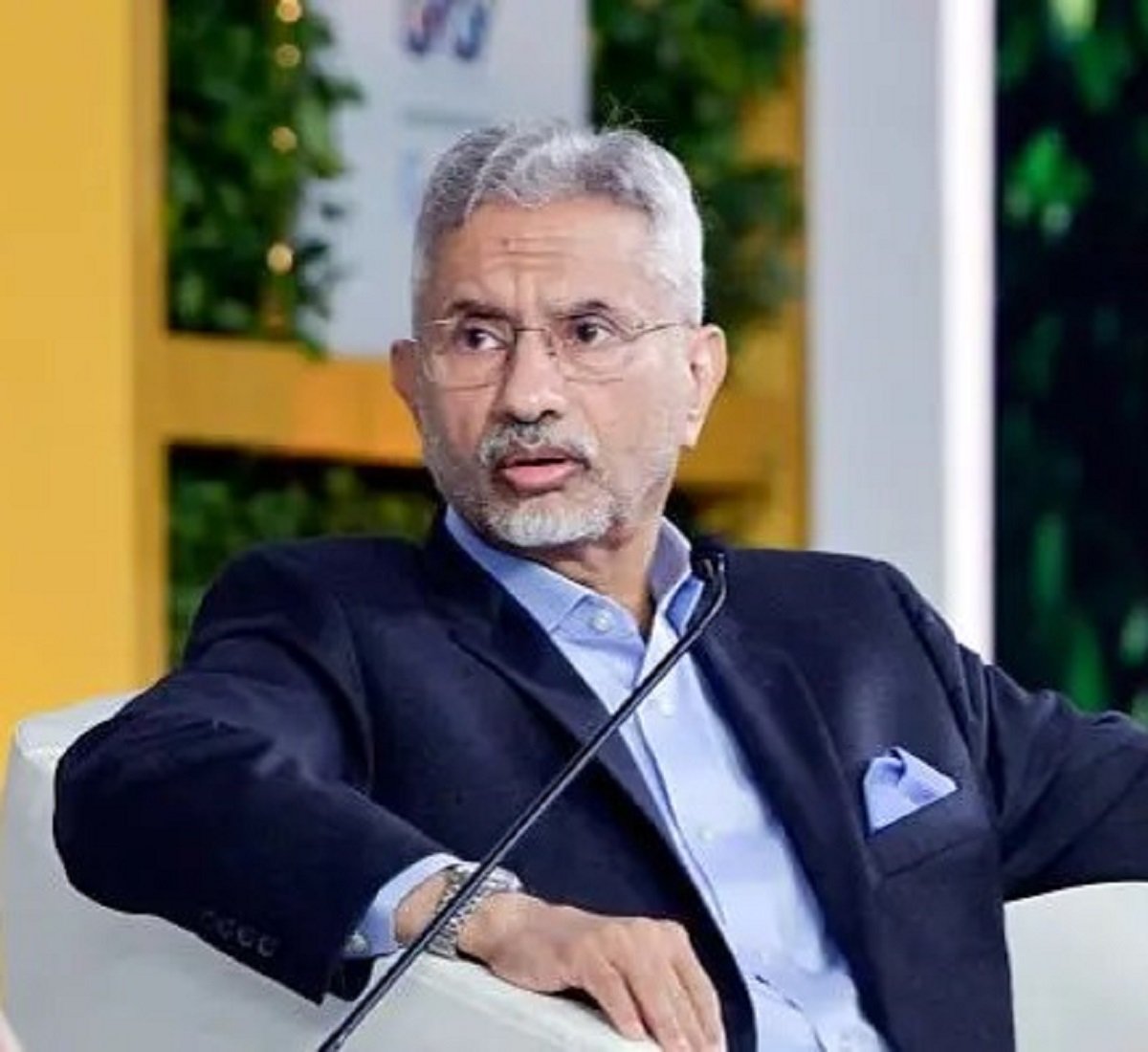
NewDelhi, Jan.02,2026:S Jaishankar’s comments came soon after his return from Dhaka, where he represented India at memorial events following the passing of Khaleda Zia, a towering figure in Bangladeshi politics.
The visit was diplomatically significant. India and Bangladesh share one of South Asia’s most complex yet cooperative bilateral relationships—covering trade, water sharing, border management, and security coordination.
Against this backdrop, S Jaishankar Neighbourhood First Policy was not a theoretical concept but a lived diplomatic experience.
S Jaishankar Neighbourhood First Policy Explained
When asked about India’s relations with neighbouring countries, Jaishankar offered a simple yet powerful analogy:
“We have different kinds of neighbours. If your neighbour treats you well and does not harm you, you naturally cooperate.”
This philosophy lies at the heart of the S Jaishankar Neighbourhood First Policy—a doctrine that rewards cooperation but refuses to tolerate hostility.
India, he said, helps neighbours who choose peace, development, and mutual respect.
Jaishankar’s Core Message
Jaishankar stressed that good neighbourhoods are built on trust, not entitlement.
“Good neighbours help their neighbours. That is what we are doing as a country.”
This statement reinforces India’s long-standing approach of providing development aid, infrastructure support, and humanitarian assistance to friendly neighbours such as Bangladesh, Nepal, Sri Lanka, and Bhutan.
The Unspoken Reference to Pakistan and Terrorism
Without naming Pakistan directly, Jaishankar delivered one of his sharpest remarks yet.
“If you look to the west, there is one neighbour that continuously promotes terrorism.”
The implication was unmistakable. Under the S Jaishankar Neighbourhood First Policy, terrorism is a deal-breaker.
India, he said, has every right to defend its citizens.
Why India Rejects One-Sided Cooperation
One of the most striking lines of the speech addressed a long-standing grievance
“You cannot expect us to share water with you while you continue to export terrorism into our country.”
This statement reflects a growing consensus within India’s strategic community: cooperation cannot be unconditional.
Security, sovereignty, and mutual respect are non-negotiable pillars of the S Jaishankar Neighbourhood First Policy.
Water, Security, and Sovereignty
Water-sharing agreements in South Asia are deeply sensitive. Jaishankar’s remarks suggest that India views such cooperation as part of a broader trust ecosystem.
If trust breaks down, cooperation becomes impossible.
This signals a tougher, more transactional phase of Indian diplomacy.
Bangladesh’s Role in India’s Regional Vision
During his Bangladesh visit, Jaishankar said he consciously conveyed a positive message
“If India develops, its neighbours will develop with it.”
Bangladesh is often cited as a model partner within the S Jaishankar Neighbourhood First Policy framework—demonstrating how cooperation yields tangible benefits for both sides.
Trade growth, connectivity projects, and security coordination have all improved significantly.
India’s Development-Led Neighbourhood Strategy
Jaishankar’s comments highlighted a core belief: India’s growth is contagious.
Infrastructure corridors, energy cooperation, and digital connectivity are being positioned as shared regional assets—not zero-sum gains.
This approach contrasts sharply with coercive diplomacy seen elsewhere.
How Neighbourhood First Policy Has Evolved
Originally launched under Prime Minister Narendra Modi, the policy has matured under Jaishankar’s stewardship.
Today, S Jaishankar Neighbourhood First Policy emphasizes
- Security before symbolism
- Development before dependency
- Cooperation with accountability
This evolution reflects India’s rising global confidence.
Strategic Message to South Asia and Beyond
Jaishankar’s speech was not just for domestic audiences.
It sent a clear signal to South Asia, China, and Western partners: India will be fair, firm, and forward-looking—but not naïve.
Neighbours must choose whether they want partnership or confrontation.
Expert Reactions and Diplomatic Signals
Foreign policy analysts see the speech as a continuation of India’s realist turn.
Many believe Jaishankar’s candid tone resonates internationally because it aligns values with action—an increasingly rare combination in global diplomacy.
What This Means for India’s Future Diplomacy
The takeaway is clear.
S Jaishankar Neighbourhood First Policy is no longer just about goodwill—it is about clear expectations.
India will help those who help themselves and respect regional peace.
Those who do not should not expect business as usual.
S Jaishankar’s remarks after his Bangladesh visit underline a defining moment in Indian foreign policy.
The message is simple, strong, and strategic
Good neighbours are partners.
Bad neighbours face consequences.
In a turbulent region, clarity may be India’s strongest diplomatic weapon.
Breaking News
China mediation claim India Pakistan ceasefire triggers sharp backlash as AIMIM chief Asaduddin Owaisi calls it an insult to India-
Contents
New Delhi, Jan.01,2026:China mediation claim India Pakistan ceasefire has triggered a sharp political and diplomatic debate in India, with strong reactions cutting across party lines. The controversy erupted after China’s Foreign Minister Wang Yi publicly claimed that Beijing played a mediating role in easing tensions between India and Pakistan.
For India, which has consistently rejected third-party involvement in its bilateral issues with Pakistan, the claim struck at the core of national sovereignty and diplomatic principle.
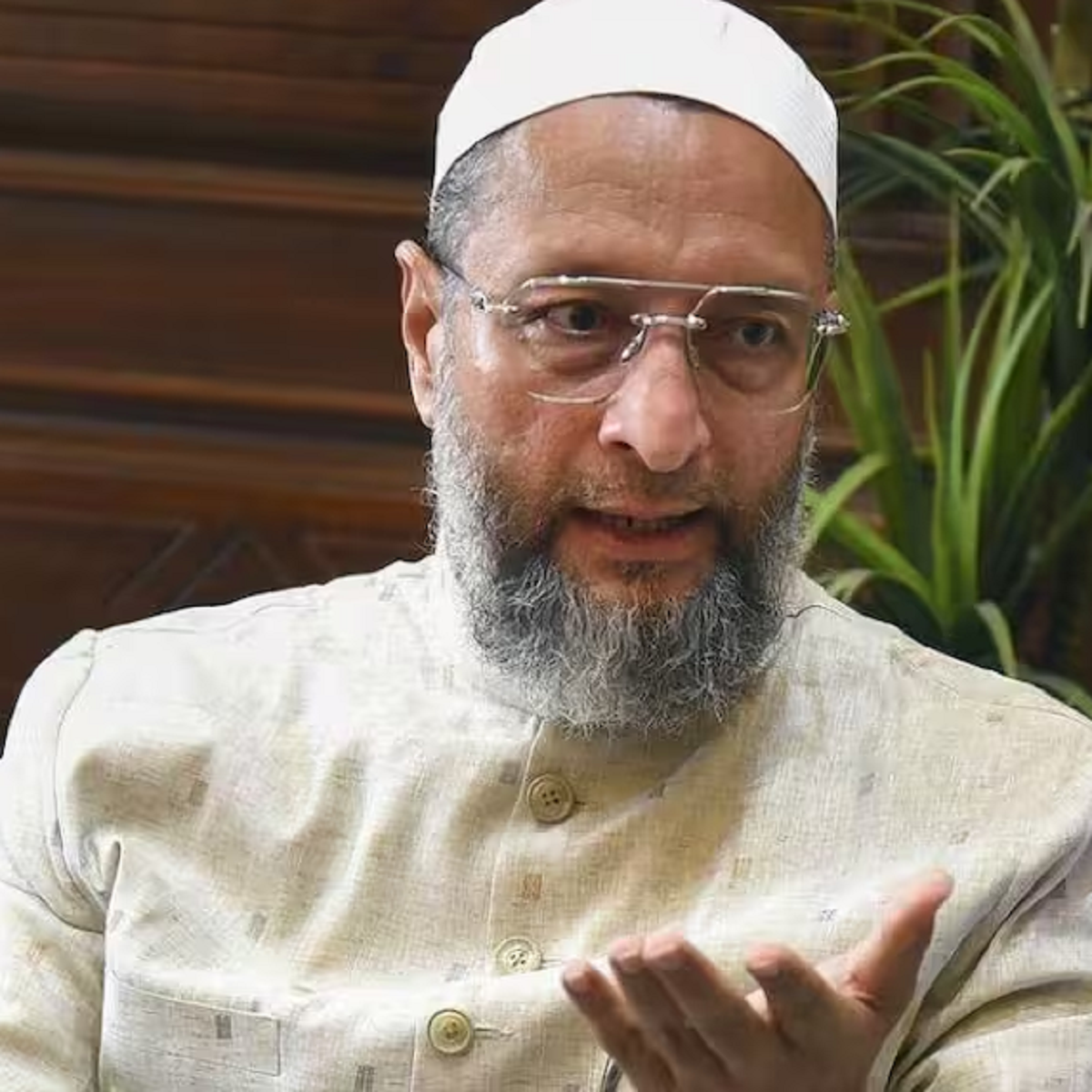
Owaisi Reacts Strongly to China Mediation Claim India Pakistan Ceasefire
AIMIM chief and Hyderabad MP Asaduddin Owaisi emerged as one of the most vocal critics of the China mediation claim India Pakistan ceasefire. Taking to social media platform X, Owaisi questioned why India should remain silent when foreign powers publicly assert a role that New Delhi has repeatedly denied.
He demanded a clear and official rebuttal from the Modi government, warning that silence could be interpreted as acceptance.
“This Is an Insult to India”
Owaisi described the Chinese claim as nothing short of an insult to India’s dignity and sovereignty.
He argued that allowing China to portray itself as a peace broker places India and Pakistan on the same diplomatic footing—something India has always opposed.
“Improving relations with China cannot come at the cost of India’s honour and sovereignty,” Owaisi said, calling on Prime Minister Narendra Modi to respond firmly.
India-Pakistan Ceasefire and Global Claims
The China mediation claim India Pakistan ceasefire follows earlier assertions by former US President Donald Trump, who had also claimed credit for de-escalating tensions through trade pressure.
India had categorically rejected Trump’s claims at the time, reiterating that all issues with Pakistan are strictly bilateral.
China’s Strategic Motive Behind the Mediation Claim
Analysts suggest that China’s mediation narrative is part of a broader attempt to project itself as a dominant power in South Asia.
By claiming a role in India-Pakistan peace, Beijing seeks to
- Elevate its diplomatic stature
- Normalize Pakistan’s position globally
- Undercut India’s independent foreign policy
This makes the China mediation claim India Pakistan ceasefire geopolitically significant.
Operation Sindoor and Owaisi’s Diplomatic Experience
Owaisi’s criticism carries additional weight as he was part of an Indian delegation sent abroad after Operation Sindoor, aimed at explaining India’s stance on terrorism and regional security.
Drawing from that experience, Owaisi warned that China’s claim undermines India’s diplomatic outreach and messaging.
Why India Rejects Third-Party Mediation on Pakistan
India’s stance against third-party mediation is long-standing and rooted in
- The Simla Agreement
- The Lahore Declaration
- Sovereignty principles
The Ministry of External Affairs has repeatedly stated that no external power has a role in India-Pakistan matters
What Exactly Did Chinese Foreign Minister Wang Yi Say
Chinese Foreign Minister Wang Yi, in a public address, claimed that China adopted a “fair and impartial” approach by addressing both symptoms and root causes of the conflict.
He asserted that China’s diplomatic engagement helped reduce tensions between India and Pakistan—remarks that sparked immediate controversy in New Delhi.
Centre Rejects China Mediation Claim India Pakistan Ceasefire
On December 31, 2025, the Indian government officially rejected the China mediation claim India Pakistan ceasefire.
Government sources clarified that
- No third-party mediation took place
- India’s policy remains unchanged
- Claims by foreign leaders are inaccurate
Officials reiterated that India does not accept mediation by any country, including China or the US.
Comparison With Trump’s Earlier Ceasefire Claims
The situation mirrors former US President Donald Trump’s repeated assertions of having brokered peace between India and Pakistan.
India had dismissed those claims firmly, maintaining consistency in its foreign policy—something critics say must be repeated with equal clarity in response to China.
India–China–Pakistan Triangle
The China mediation claim India Pakistan ceasefire adds strain to already complex India-China relations, which remain fragile after border tensions along the Line of Actual Control (LAC).
China’s closeness to Pakistan further complicates the triangular dynamic.
Expert Views on Sovereignty and Strategic Signalling
Foreign policy experts argue that silence on such claims can
- Weaken India’s diplomatic messaging
- Encourage future narrative manipulation
- Undermine strategic autonomy
How This Impacts India’s Global Standing
India positions itself as an independent global power, not a passive regional actor. The China mediation claim India Pakistan ceasefire, if left unchallenged, could
- Dilute India’s leadership image
- Confuse global audiences
- Strengthen rival narratives
Political Reactions and Public Discourse in India
The issue has ignited debate across political parties and social media. Many agree with Owaisi that national interest transcends party lines.
Public discourse reflects concern that India’s diplomatic clarity must match its strategic ambitions.
A Test of India’s Diplomatic Resolve
The China mediation claim India Pakistan ceasefire is more than a diplomatic footnote—it is a test of India’s resolve to defend its sovereignty and narrative on the global stage.
As global powers compete for influence, India’s response will shape how the world perceives its strategic independence.
Breaking News
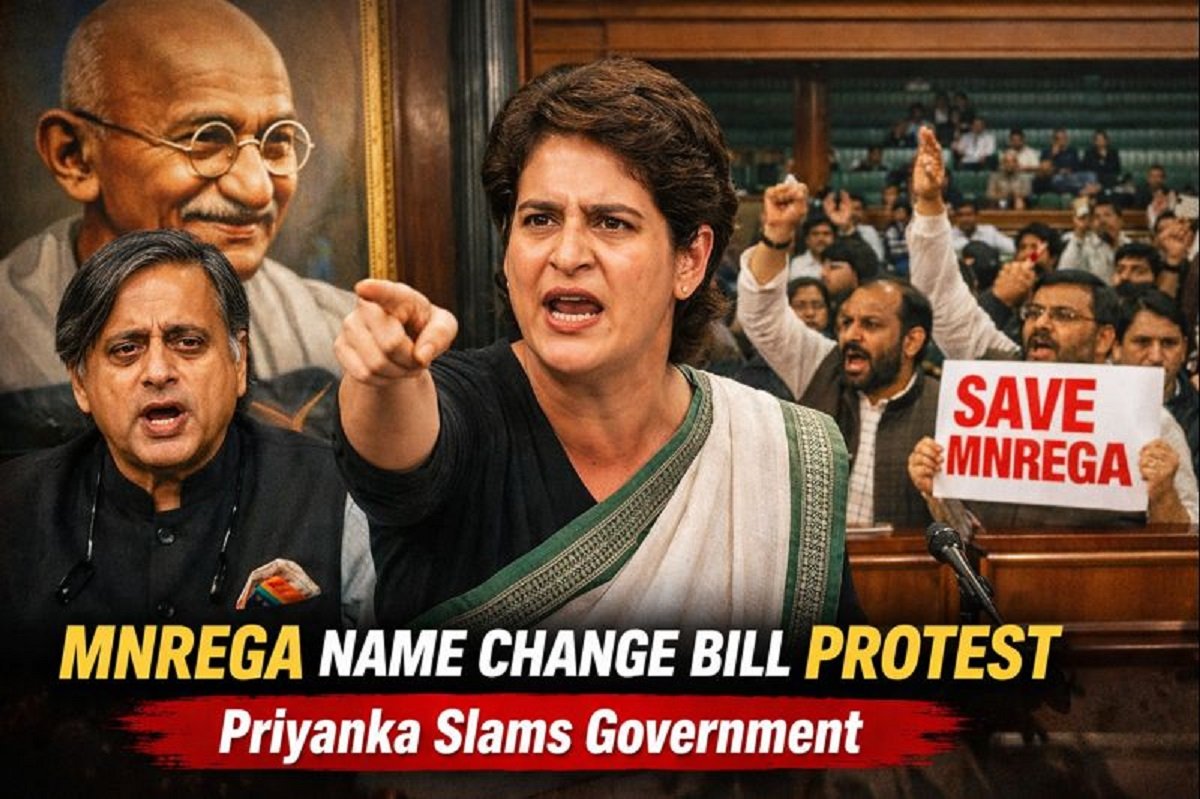
The MNREGA Name Change Bill Protest intensifies as Priyanka Gandhi and Shashi Tharoor slam the government in Parliament-
Contents
New Delhi,Dec.16,2025:The MNREGA Name Change Bill Protest is not merely about altering the title of a welfare scheme; it represents a larger ideological and constitutional conflict over decentralisation, workers’ rights, and federal responsibility. Introduced without extensive consultation, the proposed law seeks to repeal MNREGA and replace it with a new framework, triggering widespread outrage among opposition parties.
What Is MNREGA and Why It Matters
Launched in 2005, MNREGA guarantees 100 days of wage employment to every rural household willing to do unskilled manual work. It is the world’s largest employment guarantee programme, reaching millions of families annually.
According to official data from the Ministry of Rural Development
MNREGA has played a crucial role in
- Reducing rural poverty
- Preventing distress migration
- Strengthening village infrastructure
- Empowering women and marginalised communities
Priyanka Gandhi’s Emotional Speech in Parliament
During the MNREGA Name Change Bill Protest, Priyanka Gandhi reminded the House that the Act was passed with near-unanimous support across political parties.
She stated that MNREGA transformed rural India by providing dignity of labour and legal employment rights to the poorest citizens.
“This law was revolutionary when it was passed. It gave the poorest Indian a legal guarantee of work,” she asserted.
“Mahatma Gandhi Is Not My Family, But He Belongs to the Nation”
One of the most powerful moments of the MNREGA Name Change Bill Protest came when Priyanka Gandhi addressed the removal of Mahatma Gandhi’s name from the scheme.
“Mahatma Gandhi is not from my family, but he is like family to the entire nation,” she said, drawing loud desk-thumping from opposition benches.
Her statement resonated beyond Parliament, echoing public sentiment that Gandhi’s legacy transcends political ownership.
Constitutional Concerns and the 73rd Amendment
Priyanka Gandhi strongly argued that the new bill violates the 73rd Constitutional Amendment, which empowers Panchayati Raj institutions.
Under MNREGA
- Funds are demand-driven
- Employment is legally guaranteed
- Gram Sabhas play a central role
The new law, she warned, allows the Centre to pre-determine budgets, undermining local self-governance.
Impact on Gram Sabhas and Local Governance
A major highlight of the MNREGA Name Change Bill Protest was the allegation that Gram Sabha powers are being diluted.
According to Priyanka Gandhi
- Decision-making is being centralised
- Local participation is weakened
- The spirit of grassroots democracy is threatened
She described the move as contrary to the Constitution’s core philosophy of empowering citizens at the lowest level.
Financial Burden on States
Currently, MNREGA is funded with 90% central assistance. The proposed law reduces this share to 60% for certain states, shifting the burden to state governments.
This change, critics argue, could
- Strain already fragile state finances
- Reduce employment generation
- Create regional inequalities
Employment Days Increased, Wages Ignored
While the government claims to increase employment from 100 to 125 days, Priyanka Gandhi highlighted a glaring omission during the MNREGA Name Change Bill Protest—no increase in wages.
With inflation rising, stagnant wages could
- Nullify benefits of additional workdays
- Push workers deeper into poverty
- Reduce programme effectiveness
Shashi Tharoor Calls Name Change “Unethical”
Senior Congress MP Shashi Tharoor strongly criticised the renaming of MNREGA.
“Removing Mahatma Gandhi’s name from this historic scheme is unethical,” he said.
Tharoor emphasised that Gandhi symbolises moral leadership, non-violence, and inclusive development—values deeply embedded in MNREGA’s philosophy.
Political Reactions and Opposition Unity
The MNREGA Name Change Bill Protest has united opposition parties, cutting across ideological differences.
Several MPs demanded
- Withdrawal of the bill
- Wider consultation
- Standing Committee review
Political analysts note that MNREGA remains one of the few policies with enduring bipartisan relevance.
Why MNREGA Is Considered Revolutionary
MNREGA is unique because
- It is a rights-based law, not a scheme
- Employment is legally enforceable
- Transparency is ensured through social audits
The International Labour Organization has praised employment guarantee programmes as effective social safety nets
Public Sentiment and Rural India’s Concerns
Ground reports and public reactions indicate strong rural opposition to changes perceived as weakening MNREGA.
Many beneficiaries fear
- Delays in payments
- Reduced work availability
- Loss of legal safeguards
The MNREGA Name Change Bill Protest has thus become a voice for rural anxieties.
Expert Opinions on the New Bill
Policy experts warn that converting MNREGA into a budget-driven scheme could:
- Reduce accountability
- Increase discretion
- Undermine transparency
Think tanks like NITI Aayog have previously acknowledged MNREGA’s stabilising role during economic crises
Global Perspective on Employment Guarantee Schemes
Countries like Argentina and South Africa have explored employment guarantees inspired partly by India’s MNREGA model.
Diluting such a globally recognised framework could damage India’s reputation as a leader in social welfare innovation.
Demand for Bill Withdrawal
Opposition leaders, civil society groups, and labour unions are urging the government to:
- Withdraw the bill
- Initiate nationwide consultations
- Present a revised proposal
The MNREGA Name Change Bill Protest is expected to intensify both inside and outside Parliament.
A Defining Moment for Indian Democracy
The MNREGA Name Change Bill Protest is more than a parliamentary clash—it is a defining moment for India’s democratic and constitutional values.
As Priyanka Gandhi and Shashi Tharoor underscored, the debate is not about political credit, but about preserving a lifeline for rural India and respecting Mahatma Gandhi’s enduring legacy.
Whether the government reconsiders its stance will determine not just the future of MNREGA, but the direction of India’s welfare state itself.

International Women’s Day 2026: 7 Powerful Highlights from the Inspiring Jaipur Celebration by Dr. Ambedkar Memorial Welfare Society

UGC Act 2026: 5 Powerful Demands Raised in Rajasthan to End Campus Discrimination

UKG Graduation Ceremony at St. Xavier’s School Nevta: 7 Heartwarming & Inspiring Moments from a Grand Spiritual Celebration

Indian Art History Congress 2026: 5 Powerful Insights from Dr. Renu Shahi’s Groundbreaking Satire Art Research in Bengaluru

ICU Patient Attack Case exposes disturbing police retaliation as the High Court cancels an FIR against a critically injured victim-

Indian Woman Murder in Maryland exposes a chilling cross-border crime as a 27-year-old Indian woman is found dead-

Priyansh Arya: The Six-Hitting Sensation of IPL 2025

Preity Zinta Spotted with New Punjab Kings Hero Priyansh Arya in Viral Clip

Nag Panchami 2025: 7 Key Rituals and Puja Time to Eliminate Kaal Sarpa Dosha

Radhika Merchant: A New Chapter as Radhika Ambani

Balen Shah, Kathmandu’s independent mayor, from rapper to political leader. Explore his rise amidst Nepal’s youth-led revolution-

Kanya Pujan 2025 Step-by-Step Rituals, Timings, and Powerful Benefits Explained-

best career opportunities | Jaipur Career Fair | Credent TV | Dainik Navjyoti D2S03

what is reiki healing | Mental Health | Shiksha Sarokar, शिक्षा सरोकार, Sunil Narnaulia

DAV Centenary Public School, Vaishali Nagar, Jaipur hosts Successful ‘Mind Wars Quiz: A Battle of Wits and Knowledge’

 Breaking News2 weeks ago
UGC Act 2026: 5 Powerful Demands Raised in Rajasthan to End Campus Discrimination
- Credent TV4 weeks ago
UKG Graduation Ceremony at St. Xavier’s School Nevta: 7 Heartwarming & Inspiring Moments from a Grand Spiritual Celebration
- Breaking News2 weeks ago
International Women’s Day 2026: 7 Powerful Highlights from the Inspiring Jaipur Celebration by Dr. Ambedkar Memorial Welfare Society
- Art4 weeks ago
Indian Art History Congress 2026: 5 Powerful Insights from Dr. Renu Shahi’s Groundbreaking Satire Art Research in Bengaluru


