
India
Vice President Jagdeep Dhankhar Discharged from AIIMS-Delhi: A Medical Overview

Published
2 years agoon

Contents
Introduction to the Health Situation
Vice President Jagdeep Dhankhar’s recent health issues have garnered considerable public attention, particularly following his admission to the All India Institute of Medical Sciences (AIIMS), New Delhi. The circumstances that led to this hospitalization raise significant concerns about the health of prominent political figures and their capacity to perform official duties. On arrival at AIIMS, the Vice President Jagdeep Dhankhar was reported to be in need of specialized medical evaluation, suggesting the seriousness of his condition, even if initial details remained limited.
While the exact nature of his health issues was not immediately disclosed, it was understood that a series of tests would be undertaken by the medical team to ascertain the underlying causes contributing to his condition. Health crises in public figures often lead to heightened scrutiny and speculation, reflecting the intersection of health and politics in contemporary governance. The Vice President’s role as a key constitutional authority in India adds layers to this public interest, as citizens express concern over the wellbeing of their leaders.
Reports indicated that his admission was prompted by potential symptoms that could be broadly categorized, yet specific information remained guarded by medical confidentiality norms. Officials from the Vice President’s Jagdeep Dhankhar office urged caution against speculation, emphasizing that the primary focus should be on ensuring he receives adequate medical care. As the situation evolved, updates from medical professionals at AIIMS became crucial, guiding both public sentiment and governmental communications. This event encapsulates the delicate balance between the health of individuals in public life and the responsibility they bear towards their constituents.
Details of the Medical Condition
The recent health condition of Vice President Jagdeep Dhankhar has drawn significant attention, prompting a detailed medical evaluation at AIIMS-Delhi. Reports emerging from his medical examination indicate that he faced several health challenges, warranting a comprehensive diagnostic approach. The primary symptoms reported included persistent chest discomfort, mild shortness of breath, and occasional palpitations. These manifestations raised concerns about his cardiovascular health, leading to a series of tests to determine the root cause.
Healthcare professionals conducted an array of investigations including an electrocardiogram (ECG), echocardiogram, and blood tests to evaluate the functioning of his heart and overall metabolic status. The elaborate tests revealed no significant abnormalities in his cardiac structure, though a transient increase in blood pressure was noted during the initial evaluation. This encouraged the medical team to monitor his vitals closely and adjust his treatment plan accordingly.
In addition to cardiovascular monitoring, it was essential to rule out respiratory issues. A thorough assessment focused on his pulmonary capacity, which included spirometry tests. These tests confirmed that his breathing was within normal limits, alleviating earlier concerns regarding potential respiratory complications.
The consensus among the medical staff was that while Vice President Dhankhar’s symptoms were alarming, they were not indicative of any severe underlying health condition. His discharge from AIIMS-Delhi signifies a positive turn in his health status. Ensuring a balanced lifestyle and adhering to prescribed medications are vital steps that the Vice President is expected to undertake following this medical episode.
Through this comprehensive evaluation, the healthcare professionals aimed to provide not only immediate care but also preventative strategies to safeguard against future health incidents. The focus remains on regular monitoring and maintaining a healthy lifestyle to ensure his well-being going forward.
Treatment and Care Procedures
During Vice President Jagdeep Dhankhar’s stay at AIIMS-Delhi, a comprehensive treatment plan was implemented to address his medical needs. The approach to his care included a combination of medication management, therapeutic interventions, and continuous monitoring. Upon his admission, a thorough diagnostic evaluation was conducted, allowing medical professionals to tailor the treatment strategies effectively.
The medical team initiated a regimen of prescribed medications aimed at managing symptoms and enhancing recovery. These medications were carefully selected based on their efficacy and the specific condition being treated. Commonly used drugs in such scenarios may include anti-inflammatories, pain management medications, and possibly antibiotics if an infection was present. Close attention was paid to dosage and administration frequency to minimize any potential side effects.
In addition to pharmacological treatment, if deemed necessary, surgical interventions may have been considered. Surgeries are typically reserved for cases where non-invasive treatments fail to provide the desired outcome. Such decisions are made collaboratively between specialists and based on individual assessments of patient health and recovery prognosis.
Therapies such as physical rehabilitation or counseling may also play a crucial role in recovery. These therapies aim to restore functional capabilities and psychological well-being, promoting optimal recovery. Experts in physical therapy would offer tailored exercises and routines adapted to the patient’s condition, encouraging mobility and strength. The involvement of multidisciplinary teams, comprising doctors, nurses, and therapists, ensures that all aspects of Vice President Dhankhar’s health are addressed holistically.
The protocols and procedures employed at AIIMS-Delhi reflect best practices recognized in the medical field, underscoring the importance of personalized care. Continuous evaluation of his progress would allow clinicians to adjust treatment as needed, ensuring that the Vice President received the most effective care possible during his stay.
Recovery Progress
Vice President Jagdeep Dhankhar recently underwent a significant medical procedure, prompting his admission to AIIMS-Delhi for recovery. His healing journey began with extensive medical evaluation and personalized care, which included assessments from a team of esteemed physicians who closely monitored his health status. Throughout his hospital stay, Mr. Dhankhar displayed admirable resilience, which became a key highlight in his recovery process.
During the initial days post-surgery, he experienced some typical challenges associated with recovery. These included fluctuations in vital signs and responses to prescribed medication, which necessitated continuous observation and adjustment of treatment plans. Jagdeep Dhankhar healthcare providers adopted a proactive approach, ensuring that any concerns were swiftly addressed. Regular updates from attending physicians indicated that although certain moments were demanding, Vice President Dhankhar remained in good spirits, exhibiting a positive mindset that significantly contributed to his recovery.
As the days progressed, tangible improvements were noted. Jagdeep Dhankhar physical therapy sessions commenced promptly, focusing on gradual mobility enhancement, which is vital for overall recuperation. The therapeutic exercises aimed not only at restoring physical strength but also at reducing discomfort and boosting morale. By initiating these sessions early on, medical personnel facilitated a smoother transition from hospital care to outpatient rehabilitation.
Furthermore, family support played an influential role in his recovery. Visits and messages from loved ones offered emotional nourishment, reinforcing his determination to rebound. In the latter stages of his hospitalization, physicians reported that Vice President Dhankhar had regained substantial mobility and was poised for discharge, marking a pivotal milestone in his recovery journey. This positive trajectory demonstrates not only the efficiency of medical interventions but also the essential interplay of mental and emotional well-being in the healing process.
Official Statements and Reactions
Following the discharge of Vice President Jagdeep Dhankhar from AIIMS-Delhi, a variety of official statements have been issued by government officials, health experts, and prominent political figures. The Vice President’s Dhankhar health status has been a topic of considerable interest and concern among the public and political circles alike. Various government representatives have expressed their relief at his recovery and have publicly acknowledged the professionalism of the medical staff who contributed to his treatment.
Also read : Tulsi Gabbard’s Visit to India: Insights from the U.S. Director of National Intelligence
Health experts have emphasized the importance of timely medical intervention, noting that Dhankhar’s recovery serves as an encouraging example of effective healthcare provision in the nation. They have reiterated the significance of regular health check-ups, particularly for prominent figures whose well-being can impact national affairs. The medical team involved has been commended for their dedication and expertise, reinforcing public confidence in the healthcare system.
Public reactions have been overwhelmingly positive, with many citizens expressing their wishes for a speedy recovery and good health for the Vice President. Social media platforms have been awash with supportive messages, reflecting a sense of collective relief. Political leaders from various parties have also taken a moment to convey their best wishes, showcasing unity across party lines in matters of health and well-being. Such reactions highlight the respect and care that fellow politicians have for their colleagues, emphasizing the relational aspects of political life beyond their public personas.
In addition, several messages of support have emerged from various civic organizations and community leaders, reinforcing the notion that health transcends political affiliations. This outpouring of concern showcases the profound connectivity among citizens, fostering a spirit of togetherness during challenging times. The Vice President’s health journey stands as a reminder of the importance of empathy and support within the political landscape and among the public.
Significance of Leadership Health in Politics
The health of political leaders holds significant importance, impacting not only their decision-making abilities but also the governance of their respective nations. A healthy leader is generally expected to make sound judgments and provide stable leadership, while health issues can raise concerns among the public regarding their capability to fulfill such duties. When leaders face health challenges, it can lead to unpredictability in governance, which can in turn affect national stability and public trust.
Historically, health crises associated with political figures have had profound implications. The case of President Franklin D. Roosevelt, for example, is notable; his struggle with polio was largely kept hidden from the public eye. However, as his health deteriorated, the nation grappled with concerns over his capability to lead during World War II. This situation underscored the importance of transparency concerning a leader’s health, as it can bolster or erode public confidence in government, especially during crises.
Moreover, the deterioration in health of a leader often creates a vacuum, leading to speculation about succession plans, authority, and leadership capability. Instances like these raise questions about the stability of the political landscape and the effectiveness of governance. Furthermore, as societies progress, the expectation from leaders to be transparent regarding health has increased, given that modern communication allows for swift dissemination of information. Citizens now demand to understand the health status of their leaders to gauge their ability to perform essential functions.
In essence, the health of political leaders is not solely a personal matter; it carries vast implications for governance, public perception, and the political climate at large. Ensuring that leaders maintain good health and communicate transparently about health matters can foster trust and stability within the governance framework, facilitating effective leadership in times of need.
Future Implications for Vice President Dhankhar
The recent discharge of Vice President Jagdeep Dhankhar from AIIMS-Delhi has raised various questions regarding his health and the potential implications for his responsibilities as the second-highest constitutional authority in India. Post-discharge recuperation will likely play a pivotal role in determining how swiftly he can resume his full duties. Medical professionals typically advise a period of rehabilitation following hospital stays, which in the case of Vice President Dhankhar, could lead to a gradual resumption of activities.
Experts note that the timeline for recovery can vary significantly based on the nature of the health issue he faced. Depending on his overall wellbeing, Vice President Dhankhar may need to modify his schedule temporarily. This might involve fewer public engagements and a concentration on activities that require less physical strain. Adjustments could also include delegating certain responsibilities to ensure continuity in governance, thereby mitigating the impact of any recovery-related downtime.
Moreover, the Vice President’s health could affect his participation in high-stakes decision-making processes. Given the demanding nature of the role, any lingering health issues could complicate his ability to engage fully with legislative and diplomatic functions. The political landscape necessitates that leaders maintain a certain level of visibility and vigor, traits that may be diminished during recovery periods. Consequently, Vice President Dhankhar and his team might need to navigate public perception and media scrutiny closely during this transition.
Ultimately, the implications of his health incident extend beyond personal recovery; they encapsulate the challenges of ensuring a stable and effective leadership presence in the government. Emphasis on thorough rehabilitation will be essential not only for his wellbeing but also for the seamless functioning of his office moving forward.
Public Health Reflection
The recent discharge of Vice President Jagdeep Dhankhar from AIIMS-Delhi has reignited discussions surrounding the state of public health and the healthcare system in India. This incident underscores the importance of medical institutions that serve as pillars of the country’s health infrastructure, particularly in times of need. AIIMS-Delhi, recognized for its advanced facilities and expertise, exemplifies the critical role that such establishments play in delivering high-quality healthcare services.
Public health is a multi-faceted domain that goes beyond treating illnesses, encompassing preventive care, health education, and the management of healthcare systems. The hospitalization of a figure as prominent as the Vice President highlights the healthcare challenges faced by both political leaders and ordinary citizens alike. Despite advancements in medical technology and care, significant gaps remain in equitable healthcare access. This is evident in rural areas where healthcare facilities may be limited or under-resourced.
Moreover, the pandemic has exposed weaknesses in the existing healthcare infrastructure, prompting calls for a more robust public health strategy that prioritizes the wellbeing of the population as a whole. Investment in healthcare training, innovative medical research, and improved healthcare policies is essential for a more resilient system. The incident involving Vice President Dhankhar serves as a reminder of the importance of high-quality care and the need for continual improvements in public health preparedness. As the nation reflects on these events, the need for a comprehensive healthcare approach that bridges the gap between urban and rural health outcomes becomes increasingly critical.
In maintaining a focus on public health, it is essential that institutions like AIIMS-Delhi continue to lead by example, contributing to the growing discourse on healthcare improvement and accessibility across the country.
Summary and Best Wishes
In summary, Vice President Jagdeep Dhankhar’s recent discharge from AIIMS-Delhi marks a significant milestone in his recovery journey. Throughout this blog post, we have explored the circumstances surrounding his hospitalization and the medical treatments he underwent. Notably, the collaborative efforts of healthcare professionals ensured the Vice President received prompt and effective care, which reflects the high standards of medical attention available in India. The swift recovery observed is a testament to his resilience and the dedication of the medical staff involved.
The Vice President plays a crucial role in the governance of the nation, representing both the government and the people of India. His leadership and steadfast commitment to public service are invaluable during challenging times. As he continues to recuperate, it is essential that we extend our support and best wishes for his ongoing health and well-being. Society benefits from the commitment and focus of its leaders, and seeing Vice President Dhankhar return to his duties will undoubtedly be reassuring for the populace.
The public sentiment during his time in the hospital has illustrated a strong sense of unity and concern for his health, emphasizing the respect and admiration he holds among citizens. As we reflect on the importance of Vice President Jagdeep Dhankhar’s work, let us all remain hopeful for his complete recovery and return to serving the nation. The collective goodwill and encouragement from the citizens can foster a conducive environment for his healing, reinforcing the bond between leaders and the people they serve. Ultimately, we wish him a swift recuperation and continued strength in the pursuit of his responsibilities as Vice President.

Geetika Sherstha is a passionate media enthusiast with a degree in Media Communication from Banasthali Vidyapith, Jaipur. She loves exploring the world of digital marketing, PR, and content creation, having gained hands-on experience at local startups like Vibrant Buzz and City Connect PR. Through her blog, Geetika shares insights on social media trends, media strategies, and creative storytelling, making complex topics simple and accessible for all. When she's not blogging, you’ll find her brainstorming new ideas or capturing everyday moments with her camera.

You may like
Breaking News
BRICS Summit 2026 Backs Local-Currency Trade as India Clarifies Common Currency Position

Published
3 hours agoon
September 13, 2026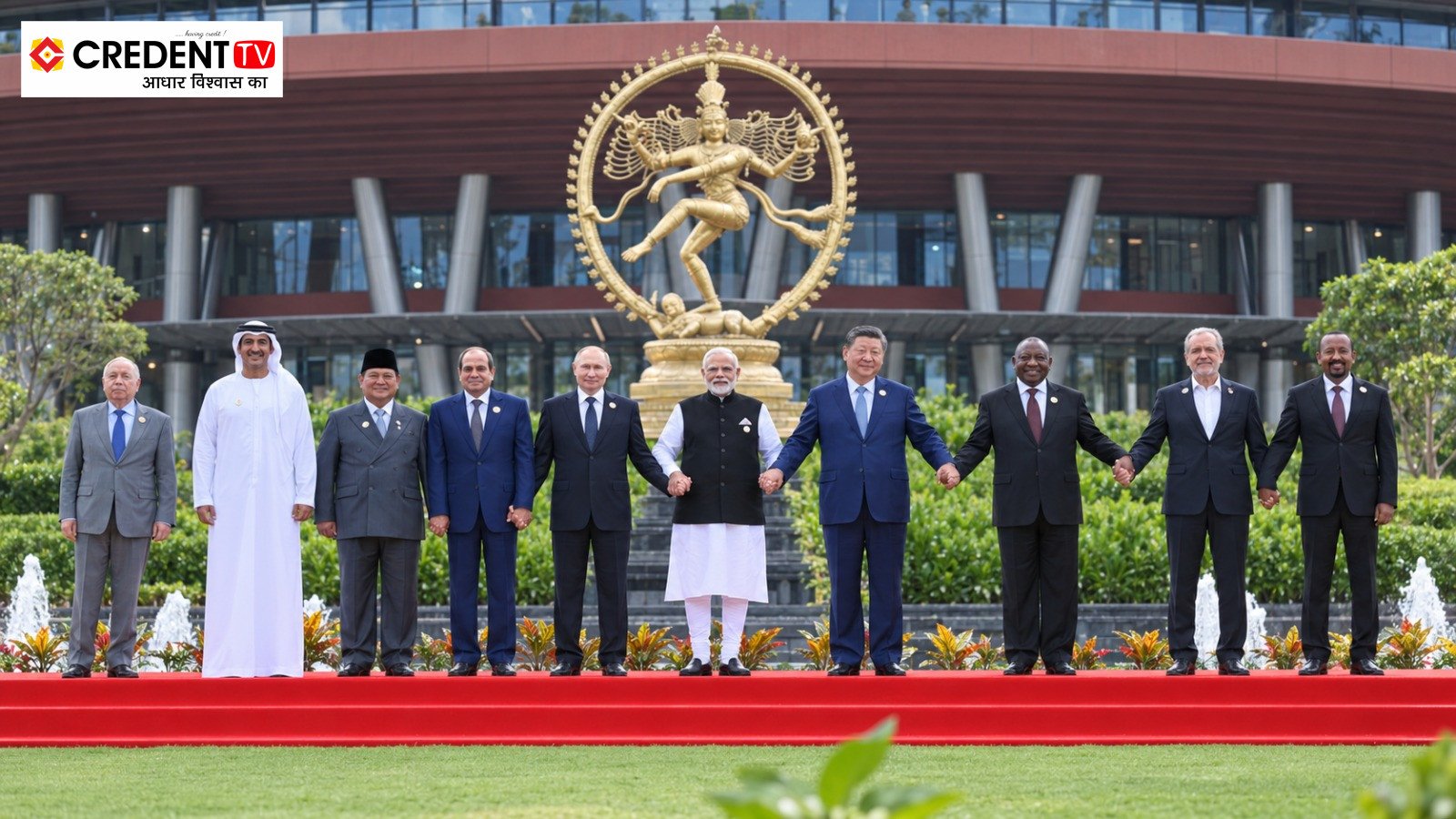
New Delhi | 12 Sep 2026
The BRICS Summit in New Delhi backed greater use of national currencies in trade and investment, while India clarified that there was no proposal for a common BRICS currency. The discussions focused on reducing transaction costs and improving cross-border payments, according to remarks by India’s BRICS Sherpa Sudhakar Delela.
BRICS Summit Prioritises Local-Currency Trade
Delela, Secretary for Economic Relations in the Ministry of External Affairs, said the emphasis was on expanding trade within BRICS and strengthening engagement with businesses internationally.
The New Delhi Declaration supported further work on connecting payment and messaging systems. It also backed discussions on settling trade and investment transactions in members’ currencies, while recognising that countries would need approaches suited to their circumstances.
These commitments concern cooperation between existing national financial systems; they do not amount to the launch of a shared currency.
Development Finance and Payment Cooperation in Focus
The declaration encouraged the New Development Bank to expand local-currency financing and diversify funding for infrastructure projects. The BRICS Payment Task Force is also examining closer integration of national payment systems to improve the speed and security of international transactions, according to [The Indian Express](https://indianexpress.com/article/explained/brics-new-delhi-summit-declaration-key-takeaways-10875050/).
The financial agenda therefore centres on further technical cooperation and financing initiatives. The commitments should not be read as confirmation that a unified BRICS payment network is already operational.
BRICS Summit 2026, BRICS currency, BRICS local currency trade, New Delhi Declaration, BRICS cross-border payments, New Development Bank
#BRICS #BRICSSummit2026 #BRICSCurrency #GlobalTrade #CredentTV
Breaking News
Satya Niketan PG Collapse: Fifth Arrest Made as MCD Begins Demolition
Published
4 days agoon
September 9, 2026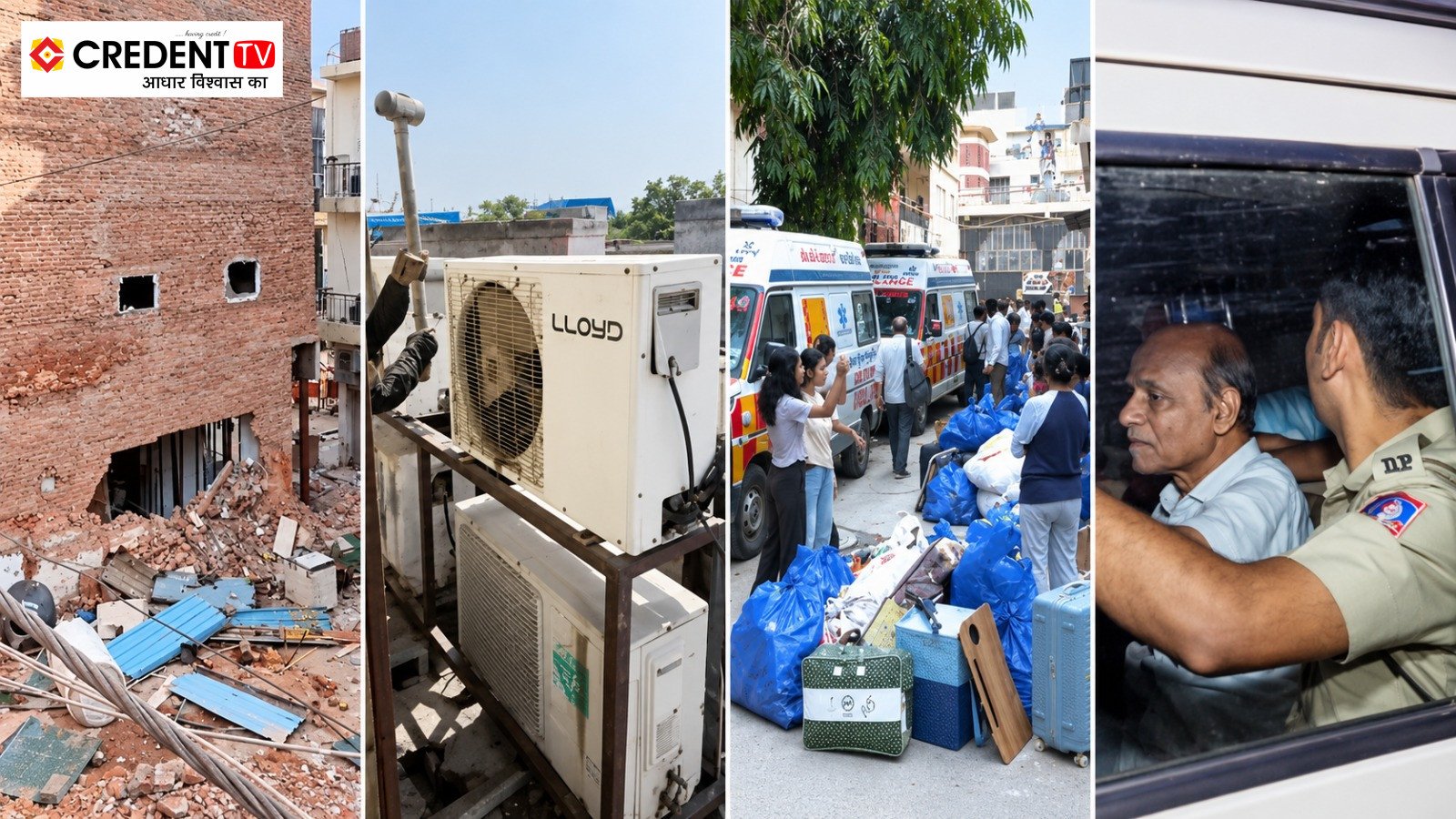
New Delhi | 09 Sep 2026
Delhi Police arrested paying guest accommodation operator Sudhanshu on Wednesday in connection with the Satya Niketan PG collapse that killed seven people, including five students. The arrest took the number of people held in the case to five as civic authorities began demolishing an unsafe adjoining building.
Fifth arrest in Satya Niketan PG collapse investigation
Police said Sudhanshu and his business partner, Shubham Tyagi, had leased the building in August 2025 and operated the student accommodation under the name “Hostel Daze”. Tyagi remained untraced at the time of reporting.
The other arrested people are building owners Hariram Gupta and Urmila Gupta, their son Mahesh Gupta, and labour contractor Sanoj. Hariram and Urmila were remanded to 14 days’ judicial custody, while Mahesh was questioned in police custody.
Investigators are examining the roles of the owners, operators and workers connected with repairs reportedly being conducted in the basement and on the ground floor. The precise cause of the collapse has not yet been officially established.
MCD begins demolition of unsafe adjoining building
The Municipal Corporation of Delhi began a controlled, phased demolition of the building adjoining the collapsed structure after declaring it dilapidated and unsafe. Its occupants had previously been evacuated and the property sealed.
Delhi Chief Minister Rekha Gupta directed the MCD to inspect PG accommodations across the capital and act against unauthorised construction. She also ordered scrutiny of building records to determine when the violations occurred and which officials had jurisdiction at the time.
Five MCD officials from the South Zone have been suspended pending an inquiry into possible administrative lapses. The suspensions do not constitute findings of guilt, and the investigation remains under way.
Delhi plans licensing and safety rules for PG facilities
The Delhi government is preparing draft legislation to regulate private hostels and PG accommodation. The proposals include municipal licences, police verification, structural and fire-safety clearances, unique registration numbers and a central public portal for registered properties and complaints.
The Delhi High Court also issued notices to the Centre, the Delhi government and Delhi University on Wednesday over a petition seeking a time-bound hostel development policy. The matter is scheduled to be heard again on 25 September alongside another petition seeking an independent investigation and regulations for hostels and PG facilities.
The Supreme Court is separately expected to consider the wider issue of regulatory compliance for unsafe and unauthorised buildings after the Satya Niketan tragedy was mentioned before it.
Accident
Delhi High Court Orders MCD PG Audit After Satya Niketan Collapse
Published
5 days agoon
September 8, 2026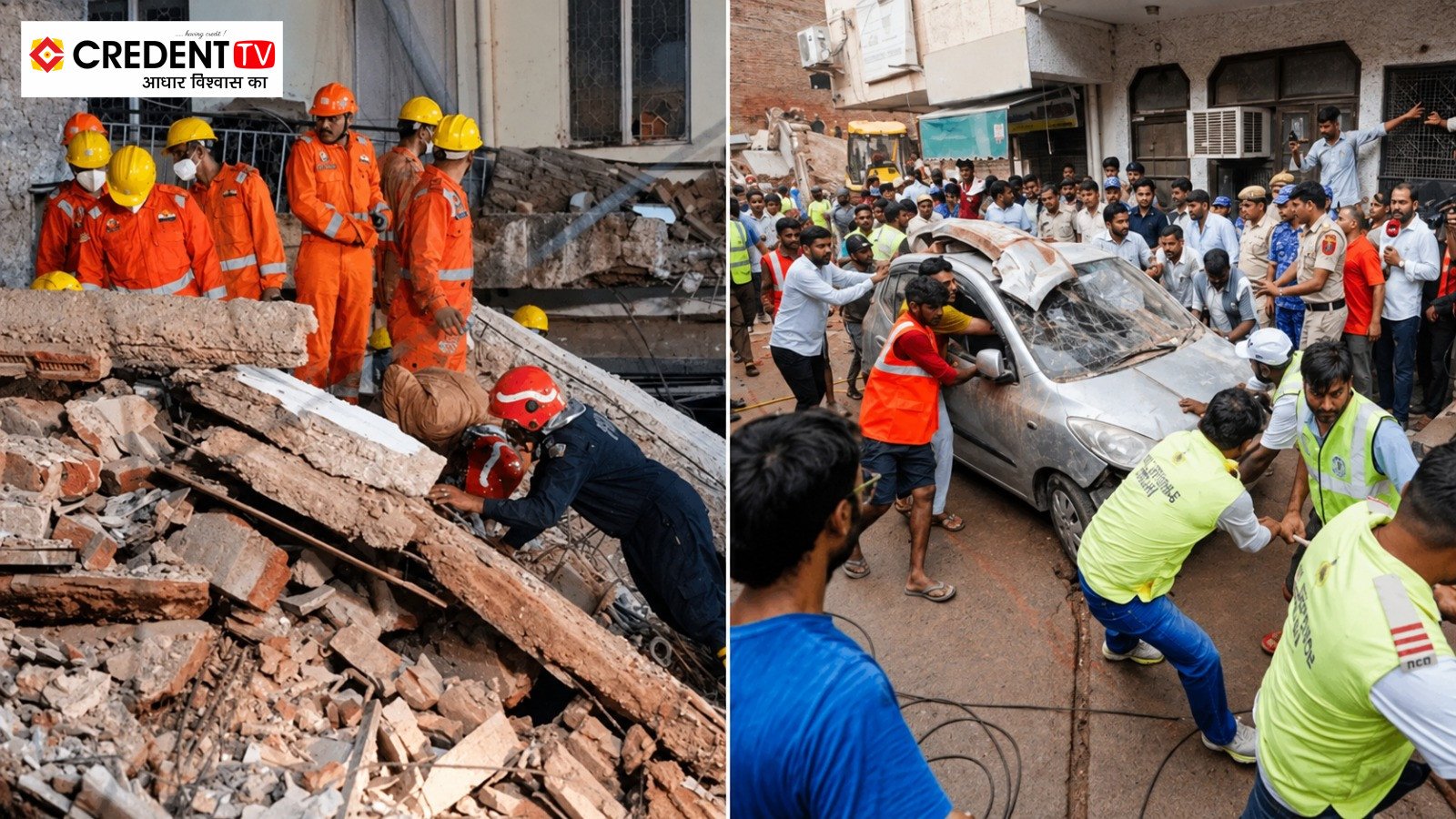
New Delhi | 8 Sep 2026
The Delhi High Court has ordered the Municipal Corporation of Delhi to inspect paying guest accommodations and private hostels across its jurisdiction within a week after the Satya Niketan building collapse killed seven people and exposed possible gaps in the capital’s building-safety system.
Court orders high-level inquiry into Satya Niketan collapse
A bench comprising Chief Justice D.K. Upadhyaya and Justice Tejas Karia directed the MCD to investigate at its highest executive level whether the collapsed building was constructed and operated with the required permissions.
The civic body must examine compliance with building bye-laws, identify officials responsible for any regulatory failure and disclose the action proposed or taken against them. The inspection report must also record the number of students living in each PG accommodation.
“The responsibility, prima facie, in our opinion, for such mishaps do not lie solely on the owner.”— Delhi High Court
The court sought responses from the Delhi government, MCD, Delhi University and Delhi Police within 10 days. Delhi University was asked to disclose the number of outstation students enrolled in its affiliated colleges and the hostel capacity available to them. The case is scheduled to be heard again on 25 September.
MCD building survey comes under scrutiny
The collapse has raised questions about the effectiveness of the MCD’s annual pre-monsoon survey of dangerous buildings. Civic data reported in June showed that approximately 27.84 lakh properties had been inspected against a target of about 32.55 lakh, but only 19 buildings were classified as dangerous.
Updated figures reported by 2 July indicated that around 29.94 lakh buildings had been covered. Twenty-seven were declared unsafe, while 125 others were identified as requiring repairs.
It remains unclear whether the collapsed Satya Niketan property was inspected during the 2026 exercise and, if so, what condition was recorded. An annual visual survey is also different from a detailed structural audit, which can examine foundations, load-bearing components, internal alterations and other weaknesses that may not be visible from outside.
The Delhi High Court’s directions now require a more targeted assessment of properties operating as PGs and hostels, including their permissions, construction status, occupancy and compliance with applicable building regulations.
MCD says building exceeded permitted floors
The five-storey structure, located on a plot measuring about 55 square yards, was being used as a boys’ PG near Delhi University’s South Campus when it collapsed at about 1.30 pm on 6 September.
The MCD said the building was a ground-plus-four structure in a resettlement colony where construction was permitted only up to the ground and first floors. Investigators are examining renovation and excavation work allegedly underway in the basement, but the precise cause of the collapse has not yet been conclusively established.
Authorities rescued 12 people from the debris. Seven deaths were subsequently confirmed.
The MCD suspended five South Zone officials, including Deputy Commissioner Rakesh Kumar, as inquiries began into possible enforcement failures. The other suspended personnel included engineering officials responsible for the area.
Three family members arrested in collapse case
Delhi Police arrested Hariram Gupta, his wife Urmila Gupta and their son Mahesh Gupta in connection with the collapse. Police records cited in court proceedings showed that the property was registered in Urmila Gupta’s name, while Mahesh allegedly managed its day-to-day PG operations.
A Delhi court remanded Hariram and Urmila Gupta to 14 days’ judicial custody. Mahesh Gupta was sent to police custody for two days. The allegations against them have not been adjudicated, and the criminal investigation remains underway.
The case was registered at South Campus police station under provisions of the Bharatiya Nyaya Sanhita covering culpable homicide not amounting to murder, negligent conduct during building repair or construction, and acts endangering human life.
Delhi plans structural audits and new safety policy
Following a review chaired by Lieutenant Governor Taranjit Singh Sandhu, the Delhi government announced plans for structural audits in student PG hubs, including Satya Niketan. Chief Minister Rekha Gupta’s office said it was also working on a policy requiring periodic structural audits and safety certification for public-use premises such as PG accommodations, schools and nursing homes.
The government is examining whether vacant MCD and Delhi Development Authority buildings can be used for student accommodation. Officials have also been asked to prepare medium- and long-term plans to expand hostel capacity.
The MCD has issued notices for adjoining structures assessed as dangerous. Property number 13, next to the collapsed building, was evacuated and ordered to be demolished or secured under the Delhi Municipal Corporation Act. Further action will depend on structural inspections, the High Court-ordered audit and the findings of the criminal and administrative inquiries.
Breaking News
Sagar Spurious Liquor Deaths Rise to 12; Police Arrest 14 in Cross-Border Probe
Published
6 days agoon
September 7, 2026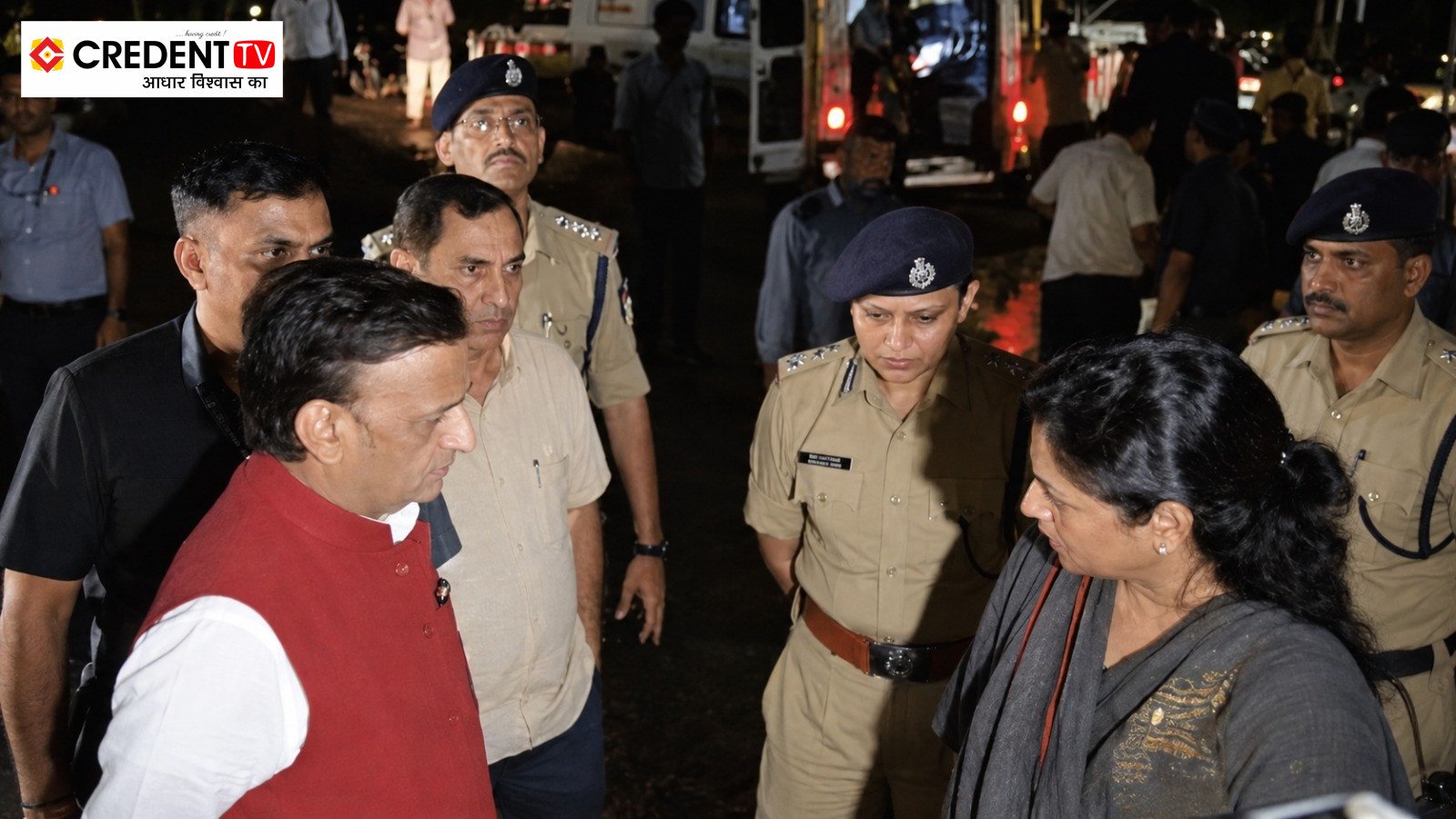
Sagar | 7 Sep 2026 At least 12 people have died after allegedly consuming spurious liquor in Madhya Pradesh’s Sagar district, while police have arrested 14 suspects and named about 30 people in three FIRs as investigators examine a suspected supply network extending into Uttar Pradesh.
Sagar spurious liquor investigation traces suspected Lalitpur link
The deaths followed the consumption of suspected counterfeit liquor on Saturday in villages under Banda tehsil, around 30 kilometres from Sagar city. Nauraj and Gogra were among the areas most severely affected.
Sagar Superintendent of Police Anurag Sujaniya said the preliminary investigation had identified a Lalitpur-based group previously accused of manufacturing counterfeit liquor resembling brands sold in Madhya Pradesh. Investigators believe the consignment involved in the Sagar deaths may have originated from this network.
The suspected liquor was allegedly filled in bottles carrying labels, caps and QR codes designed to resemble genuine products. Officials are investigating whether it was subsequently distributed through people associated with licensed liquor outlets, leaving customers unaware that they were buying counterfeit alcohol.
Licensed liquor contractors Siddharth Kushwaha and Yashwant Thakur have been named among the accused, according to reports citing the police complaint. Their inclusion in an FIR constitutes an allegation, and the investigation remains under way.
Three FIRs registered as police expand raids
Police registered three FIRs at two police stations after receiving complaints from the victims’ families. By Monday morning, about 30 people had been named and 14 arrested, according to the latest police information.
Police, Excise Department and revenue teams are conducting raids to locate the remaining accused and recover any suspected liquor still in circulation. Officials and village representatives have also carried out door-to-door searches in affected areas to identify residents who may have consumed the liquor or retained unopened bottles.
Seven liquor shops in the Banda-Shahgarh area were sealed as a precaution, and samples were collected for examination. A magisterial inquiry has also been ordered to determine the source of the liquor and identify possible regulatory failures.
Five officials suspended over alleged enforcement lapses
Three Excise Department officials and two police personnel were suspended following the tragedy. The Excise Department’s area deputy commissioner was removed from Sagar and attached to the department’s headquarters in Gwalior.
The action covered the Banda police station house officer, an outpost in-charge, Sagar Assistant Excise Commissioner Kirti Dubey, Additional District Excise Officer Dilip Kandaka and Sub-Inspector Roshani Urathi. The suspensions are administrative measures pending further examination and do not by themselves establish criminal liability.
Medical screening continues in affected villages
Dozens of residents reported symptoms including vomiting, dizziness, headache and blurred vision after allegedly consuming the liquor. Patients requiring advanced treatment were referred to Bundelkhand Medical College and other hospitals in Sagar.
District authorities urged anyone who had consumed liquor in the affected area and developed symptoms to seek medical attention immediately. Health teams were deployed in villages to screen residents and identify further cases.
Chief Minister Mohan Yadav ordered an immediate investigation and directed officials to take stringent action against those responsible.
“I have instructed the minister in charge and directed the officials to act promptly, take the strictest possible action and conduct a thorough investigation.”— Mohan Yadav, Chief Minister of Madhya Pradesh
Investigators are now working to establish where the suspected liquor was manufactured, how it crossed the Madhya Pradesh–Uttar Pradesh border and whether any licensed distribution channel was misused. The accused remain entitled to due process, and criminal responsibility will be determined through the investigation and subsequent judicial proceedings.
Breaking News
Swatantra Bhardwaj Detained After CJP March to Parliament Street Police Station
Published
1 week agoon
September 4, 2026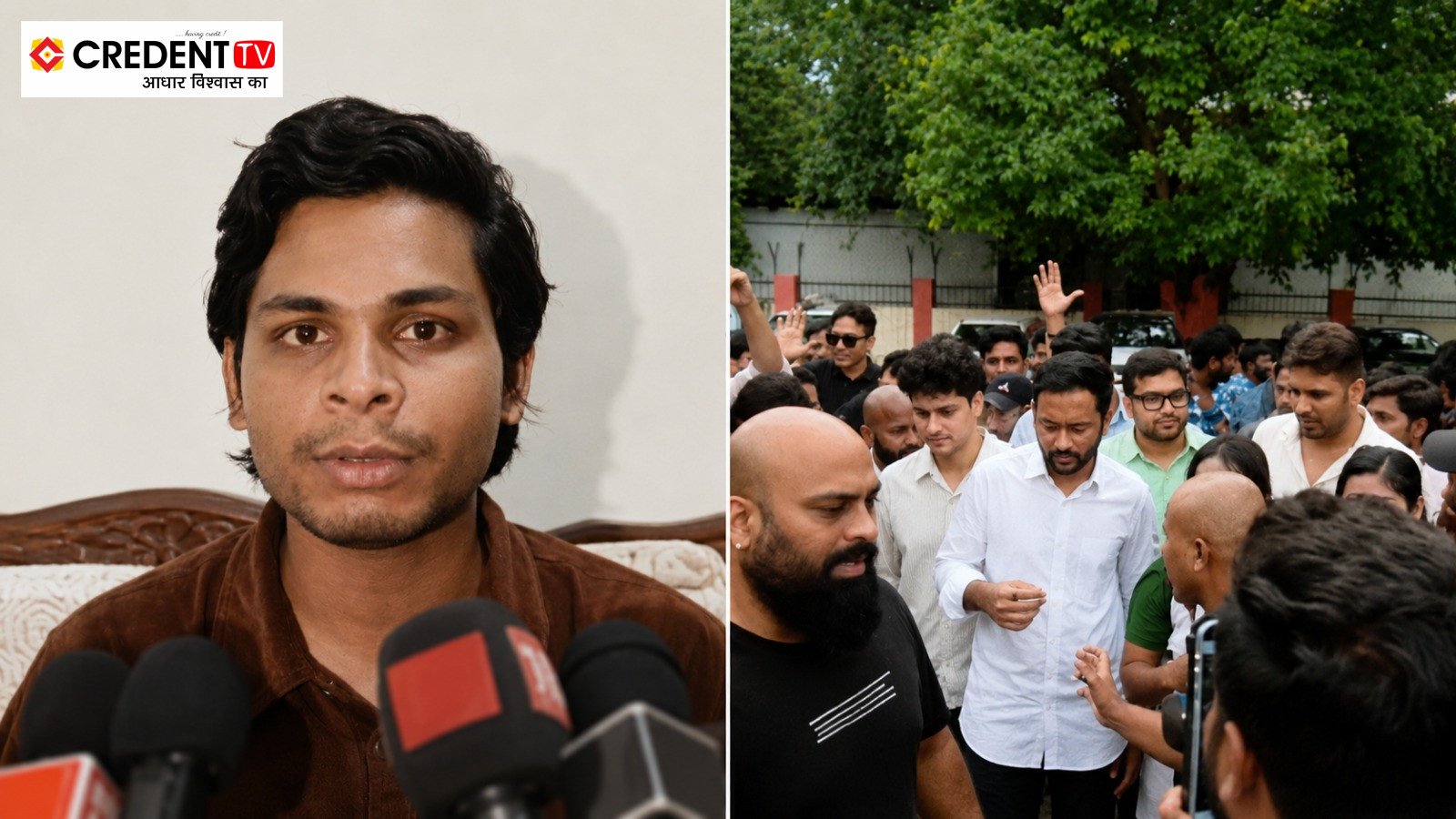
New Delhi | 04 Sep 2026
Delhi Police detained Swatantra Bhardwaj in Uttar Pradesh’s Bulandshahar on Friday, hours after CJP leaders and supporters marched to Parliament Street Police Station demanding action over the alleged assault on activist Nishu Azad’s father, Sanjay Kumar. Bhardwaj is an accused in the 23 June incident at a CJP protest at Jantar Mantar and has denied deliberately attacking Kumar, saying he acted in self-defense.
CJP leaders march to Parliament Street Police Station
CJP leaders Saurav Das and Ashutosh Ranka reached Parliament Street Police Station on Friday morning with supporters seeking what they described as stronger police action in the case. The demonstration followed renewed attention to the June incident after a video clip from a podcast featuring Bhardwaj circulated widely on social media.
ANI shared visuals of Das and Ranka arriving at the police station as the protest began.
Das questioned why the accused had remained free and called on Delhi Police to explain the action taken in the case.
Before the march, Das had announced on X that CJP members would gather at Parliament Street Police Station at 10 am to demand justice for Sanjay Kumar and his daughter.
Chandrashekhar Azad joins delegation
Azad Samaj Party MP Chandrashekhar Azad also reached Parliament Street Police Station and joined those supporting Nishu and her father. The delegation sought tougher legal provisions in the case and action against Bhardwaj.
CJP’s official X account also posted an update from the police station during the demonstration.
Nishu Azad appeals for action over father’s assault
The dispute stems from a confrontation during a CJP protest at Jantar Mantar on 23 June. According to Delhi Police, Sanjay Kumar, 38, suffered head injuries during a scuffle. Police said Suraj Kumar and Swatantra Bhardwaj were detained at the site, served notices and questioned during the investigation.
Nishu Azad later posted a video on X appealing for justice and said she hoped Leader of Opposition Rahul Gandhi would support her fight.
Rahul Gandhi backs Nishu Azad and questions police action
Rahul Gandhi responded publicly to Nishu on X, saying he stood with her and that the campaign for justice would continue. He also accused Union Home Minister Amit Shah and Delhi Police of protecting the accused. Those allegations were subsequently rejected by Delhi Police, which said the investigation had been conducted in accordance with law.
Delhi Police rejects claims of political interference
In an official statement, the Deputy Commissioner of Police, New Delhi, said Sanjay Kumar sustained a head injury from a kada worn by one of the alleged assailants during the scuffle. Police said doctors at Ram Manohar Lohia Hospital classified the injuries as simple and rejected social-media claims that Kumar had suffered a skull crack.
Police also said a case had been registered under relevant provisions of the Bharatiya Nyaya Sanhita and maintained that allegations of political influence or interference were unfounded. The force said legal action had been taken and a chargesheet would be filed before the competent court.
Following Friday’s meeting with the CJP delegation, reports said relevant provisions of the Scheduled Castes and Scheduled Tribes (Prevention of Atrocities) Act were invoked, while a demand for an attempt-to-murder charge was to be assessed on the basis of expert medical opinion.
Bhardwaj says June incident was self-defence
Bhardwaj has disputed allegations that he deliberately assaulted Sanjay Kumar. Speaking to ANI before his detention, he said he had acted in self-defence after being surrounded during the confrontation and claimed there had been no intention to attack anyone. He also disputed the interpretation of remarks from the podcast clip that triggered renewed criticism.
Swatantra Bhardwaj detained in Bulandshahr
The case took a significant turn later on Friday when Delhi Police detained Bhardwaj near Dhamra Nara village in Bulandshahr, Uttar Pradesh. The development came hours after the Parliament Street demonstration and amid mounting demands for police action.
His detention does not amount to a finding of guilt. The allegations against him remain subject to investigation and any subsequent judicial proceedings.
Breaking News
Krishna Janmashtami 2026: Mathura-Vrindavan Packed, Jaipur Celebrates as Mumbai Readies Dahi Handi
Published
1 week agoon
September 4, 2026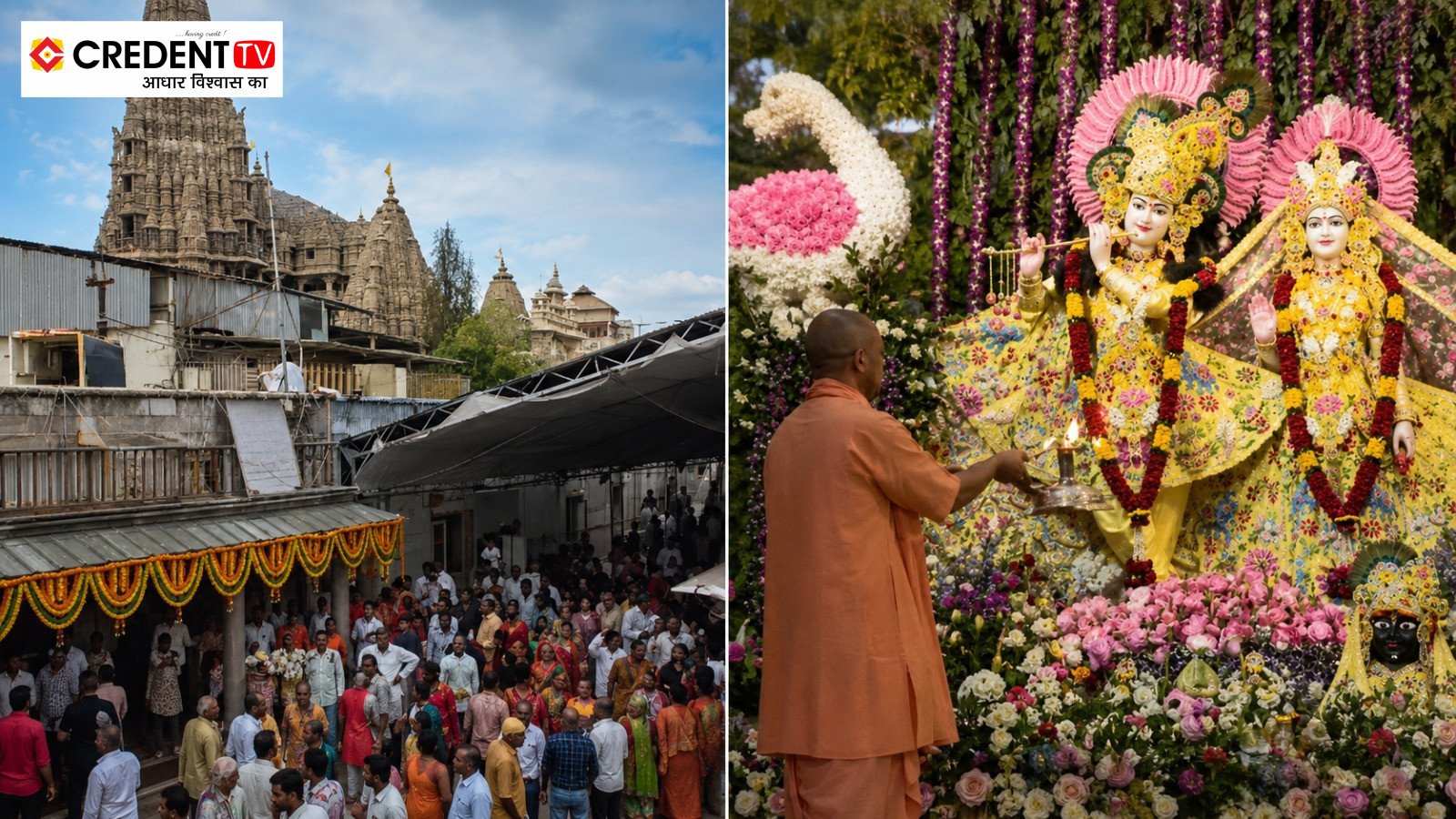
Mathura | 04 Sep 2026
Krishna Janmashtami 2026 is being celebrated across India on Friday, 4 September, with major temples in Mathura, Vrindavan and Jaipur drawing large numbers of devotees for special prayers, aartis and midnight rituals. In Maharashtra, preparations are also under way for Dahi Handi celebrations scheduled for Saturday, 5 September.
Krishna Janmashtami 2026 draws devotees to Mathura and Vrindavan
Mathura, regarded by Hindus as the birthplace of Lord Krishna, remained at the centre of the celebrations. Devotees began arriving at Shri Krishna Janmabhoomi from early morning as the temple complex held Mangala Aarti and special prayers.
The celebrations are scheduled to culminate around midnight with rituals marking Krishna’s birth. Extensive crowd-management and security arrangements have been put in place around the temple complex and other major religious sites in the Braj region.
Mangala Aarti at Shri Krishna Janmabhoomi
Press Trust of India shared footage from Mathura showing the Janmashtami celebrations beginning with Mangala Aarti at the Krishna Janmabhoomi Bhagwat Bhawan.
Yogi Adityanath offers prayers at Krishna Janmabhoomi
Uttar Pradesh Chief Minister Yogi Adityanath visited Shri Krishna Janmabhoomi in Mathura and offered prayers during the Janmashtami celebrations. His visit came as thousands of devotees gathered across Mathura and neighbouring Vrindavan.
Another ANI video showed the Chief Minister offering prayers at the temple during the festival.
Devotees gather at Vrindavan ISKCON Temple
Vrindavan also witnessed a steady flow of devotees. The ISKCON temple was among the major centres of celebration, with worshippers arriving for darshan and devotional programmes.
Festive atmosphere intensifies at Krishna Janmabhoomi
By evening, the number of visitors at Shri Krishna Janmabhoomi had increased further as devotees gathered ahead of the principal night-time ceremonies. ANI shared visuals showing the crowd at the temple on Janmashtami.
Jaipur’s Govind Dev Ji Temple holds special Janmashtami darshan
In Jaipur, the historic Shri Govind Dev Ji Temple emerged as the focal point of Janmashtami celebrations. According to the temple’s official programme, special darshan began with the Mangala Jhanki from 4 am on 4 September, followed by a series of jhankis and religious ceremonies through the day.
The temple scheduled special night-time rituals around the birth celebration, while Nandotsav and a Shobha Yatra are listed for 5 September. Authorities introduced special entry, exit, traffic and crowd-management arrangements around the City Palace and Jaleb Chowk area because of the expected influx of devotees.
Mumbai prepares for Dahi Handi on 5 September
While temples across Mumbai are observing Janmashtami on Friday, the city’s high-profile Dahi Handi celebrations will take place on Saturday, 5 September. Govinda pathaks are expected to form human pyramids at events across Mumbai, its suburbs and neighbouring Thane.
Mumbai Traffic Police have announced temporary restrictions around some major Dahi Handi venues. Traffic curbs are scheduled in parts of Bandra, while a section of the Andheri-Ghatkopar Link Road will also remain closed for specified periods on 5 September because of large public gatherings.
PM Modi extends Janmashtami greetings
Prime Minister Narendra Modi extended Janmashtami greetings through his official X account, referring to Lord Krishna’s message of selfless action and expressing hope that the festival would bring positive energy and strength to people’s lives.
In a separate post, the Prime Minister shared the Sanskrit verse beginning “Vasudevasutam Devam”, paying homage to Lord Krishna.
Celebrations continue through the night
Janmashtami observances are continuing at temples across the country with bhajans, kirtans, special decorations and midnight worship. The principal celebrations on 4 September will be followed by Nandotsav in several temples and Dahi Handi events in Maharashtra on 5 September.
Breaking News
Rajasthan Police Arrest ₹25,000-Reward Accused Over Alleged Pakistan-Linked SIM Network
Published
2 weeks agoon
August 29, 2026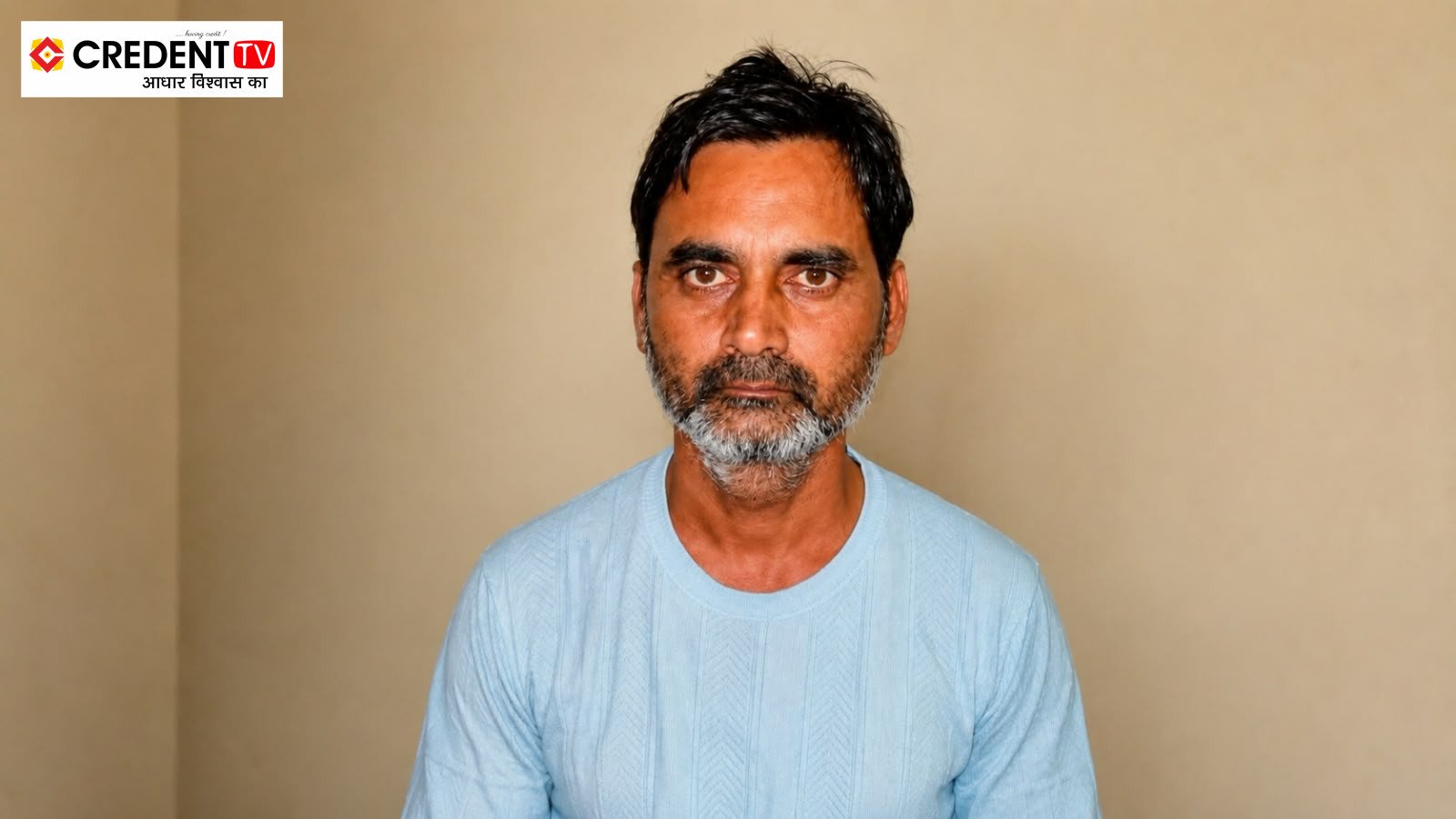
Sri Ganganagar | 29 Aug 2026
Rajasthan Police, working with CID Intelligence, have arrested a 45-year-old man carrying a ₹25,000 reward over an alleged Pakistan-linked SIM network in the border region of Sri Ganganagar. Police allege that Balwinder Singh alias Bindra supplied Indian SIM cards to Pakistan-based handlers and helped activate WhatsApp accounts in Pakistan using Indian mobile numbers.
Police Probe Alleged Pakistan-Linked SIM Network
Police identified the accused as Balwinder Singh alias Bindra, son of Pritam Singh and a resident of village 27-A in the Anupgarh area. Sri Ganganagar Superintendent of Police Hari Shankar Yadav said the arrest followed intelligence gathering in the border region over suspected activities involving Pakistan-based handlers.
According to police, Balwinder allegedly procured SIM cards registered to Indian citizens and facilitated their transfer to handlers across the border. Investigators allege that OTP verification was then used to activate WhatsApp accounts in Pakistan while retaining Indian mobile numbers.
Police said eight Indian SIM cards were allegedly supplied to Pakistan-based handlers. Investigators suspect the numbers were subsequently used to communicate with people in India and seek sensitive or strategic information.
The allegations remain under investigation and have not been proven in court.
Police Register BNS Case, Examine Mobile Phone
Anupgarh Police registered Case No. 452/2026 against Balwinder under Sections 318(4), 152 and 61(2) of the Bharatiya Nyaya Sanhita, according to police. He has been arrested and is being questioned about his alleged contacts and the wider network.
Investigators are also conducting a forensic examination of his mobile phone. Police allege that preliminary findings indicate he remained in contact with Pakistan-based handlers through WhatsApp.
The investigation is now focused on establishing how the SIM cards allegedly reached Pakistan, identifying the people who obtained or registered them and determining whether other individuals were involved.
Accused Was Wanted in Separate Heroin Smuggling Case
Police said Balwinder was already wanted in Jaitsar Police Station Case No. 102/2026, registered under provisions of the Narcotic Drugs and Psychotropic Substances Act and the Bharatiya Nyaya Sanhita. A ₹25,000 reward had been announced for information leading to his arrest in that case.
The narcotics investigation concerns the alleged cross-border smuggling of about 10.5 kg of heroin, estimated by police to be worth around ₹55 crore, after the consignment was allegedly dropped inside India using a drone from Pakistan.
Investigators are examining whether there is any connection between the alleged SIM-card operation, Pakistan-based contacts and the narcotics trafficking case. Police have not yet announced any conclusion establishing such a link.
Police Search for Other Suspected Network Members
The operation involved Anupgarh Police and CID Intelligence personnel. Police said questioning of the arrested accused and examination of digital evidence are continuing to identify other people who may have participated in the alleged network.
No conviction has been recorded against Balwinder in the Pakistan-linked SIM case, and the accusations against him remain subject to investigation and judicial proceedings.
Breaking News
Mamata Banerjee Slams Kolkata Police at Raksha Bandhan Rally After 13 Arrests
Published
2 weeks agoon
August 28, 2026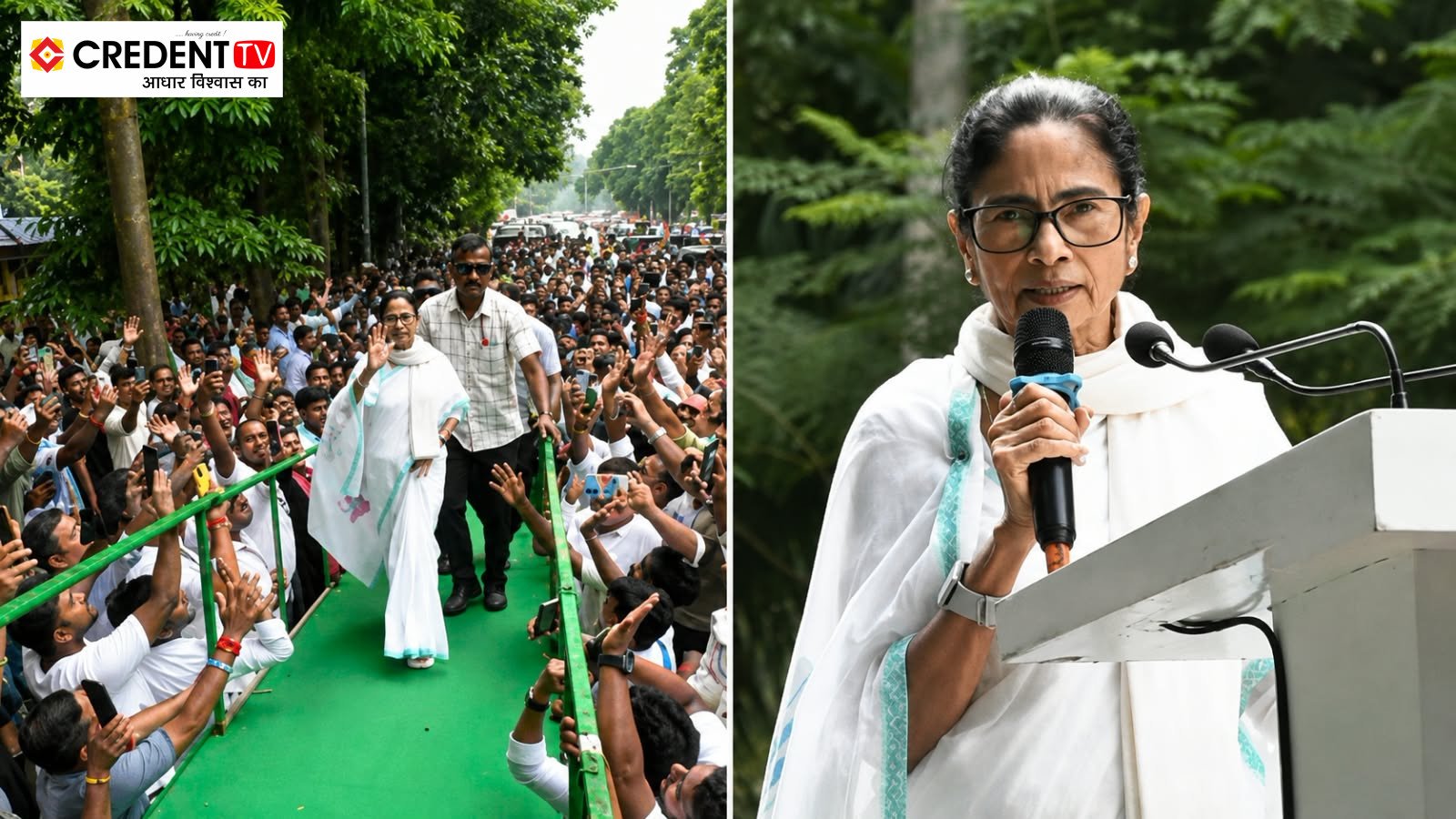
Kolkata | 28 Aug 2026
Trinamool Congress chief and former West Bengal Chief Minister Mamata Banerjee sharply criticised Kolkata Police on Friday during the Trinamool Chhatra Parishad foundation day programme in Kolkata, held on Raksha Bandhan, a day after a confrontation at Abhishek Banerjee’s Camac Street office led to three FIRs and the arrest of 13 people.
Mamata Banerjee targets Kolkata Police over TMC office action
Addressing supporters at Cathedral Road, Banerjee accused the police of acting unfairly against her party and questioned the police action at Abhishek Banerjee’s office on Thursday. She alleged that officers had entered the premises forcibly and that TMC workers were subsequently arrested.
Banerjee contrasted the present police administration with the force she had worked with during her 15 years as chief minister, alleging that its conduct had changed after the change of government. Her remarks were political allegations against the present administration and police; Kolkata Police has separately defended its action through the cases registered over Thursday’s confrontation.
Banerjee also announced that she would begin touring districts to stand with party workers and people she described as deprived. She said that even if police permission was not granted for her political programmes, she would continue her outreach, including travelling on foot where necessary.
Three FIRs filed, 13 arrested after Abhishek Banerjee office clash
Kolkata Police said three cases were registered following Thursday’s confrontation involving police personnel, Kolkata Municipal Corporation officials and TMC members at Abhishek Banerjee’s office on Camac Street. Thirteen people were arrested.
TMC national general secretary Abhishek Banerjee, Rajya Sabha MP Derek O’Brien and other party figures were named in cases arising from allegations that officials were obstructed while attempting to enter a common area of the building and remove an allegedly unauthorised billboard.
According to the authorities, the Kolkata Municipal Corporation had received a complaint concerning the billboard and its officials went to the site accompanied by police. The police alleged that party supporters and private security personnel obstructed officials and that a confrontation followed.
The TMC has disputed that account. Abhishek Banerjee alleged that civic and police personnel entered the office without proper authority and pushed or heckled party leaders and workers. His faction has indicated that it will pursue legal remedies over the action.
TMCP foundation day coincides with Raksha Bandhan
The confrontation with police became a major theme at Friday’s TMCP foundation day gathering, which coincided with Raksha Bandhan. Banerjee had earlier called for the occasion to carry a message of harmony because the student organisation’s annual foundation day fell on the festival this year.
The gathering itself was held under restrictions imposed by the Calcutta High Court after rival TMC factions sought permission to organise separate TMCP programmes at the traditional Mayo Road venue.
The court did not allow either faction to use Mayo Road. Mamata Banerjee’s faction was permitted to hold its programme on Cathedral Road, while the rival group led by Ritabrata Banerjee was allotted Rani Rashmoni Road.
High Court capped attendance and ordered traffic lane to remain open
The Calcutta High Court fixed the timing of both programmes between noon and 3 pm and imposed an attendance ceiling of 1,500 people for each gathering. Each faction was also directed to provide Kolkata Police with the contact details of 15 volunteers to help coordinate security arrangements.
The court further ordered that the programmes be restricted to one lane at their respective venues while the other lane remained available for traffic.
There was significant crowding around the Cathedral Road event after Banerjee arrived. Local reports said several vehicles became caught near the gathering and an ambulance was also temporarily affected. Banerjee was seen directing party workers to allow vehicles to pass and asking supporters to cooperate with police before the political speeches continued.
Mamata says political and legal fight will continue
At the programme, Banerjee also renewed her challenge to the BJP-led West Bengal government over the 2026 Assembly election. She alleged that the BJP had secured its victory through unfair means and said her party would continue its legal fight. The allegation has not been established as fact and remains part of the political dispute between the two sides.
The BJP came to power in West Bengal in the May 2026 Assembly election, ending 15 years of Mamata Banerjee-led government. Since that defeat, the TMC has also been hit by an internal split, with competing factions claiming organisational legitimacy.
Friday’s simultaneous student-wing programmes, the dispute with Kolkata Police and the Camac Street cases have therefore added another layer to an already intensifying political and legal confrontation in West Bengal.
Breaking News
Raksha Bandhan 28 Aug. 2026, Today: Rakhi Muhurat Ends at 9:48 AM on Shravan Purnima
Published
2 weeks agoon
August 28, 2026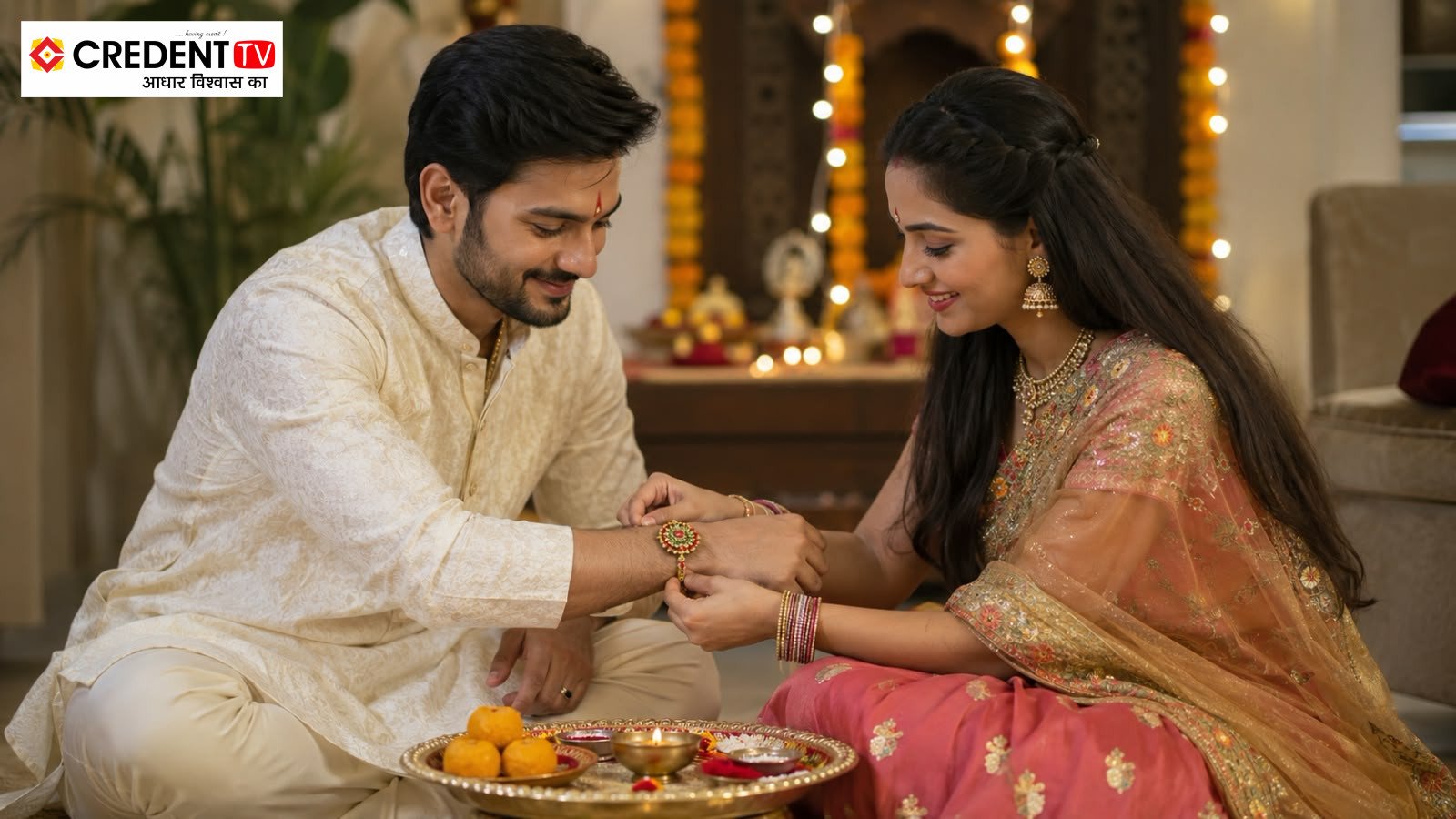
India | 28 Aug 2026
Raksha Bandhan 2026 is being celebrated across India on Friday, 28 August, with Shravan Purnima continuing until about 9:48 am. Panchang calculations place the principal Rakhi-tying window after sunrise and before the Purnima Tithi ends, while the exact starting time varies slightly by location.
Raksha Bandhan 2026 Shubh Muhurat and Purnima timings
According to Drik Panchang, the Purnima Tithi began at 9:08 am on 27 August and ends at 9:48 am on 28 August. It lists Raksha Bandhan on 28 August and says the Bhadra period had ended before sunrise.
Because sunrise differs from city to city, the morning Rakhi window is not identical across India. For Jaipur, Rajasthan, Drik Panchang gives the Raksha Bandhan thread ceremony time as approximately 6:04 am to 9:48 am, a duration of about three hours and 43 minutes.
People following a traditional Panchang should therefore check timings for their own city rather than applying one nationwide sunrise-based time. The end of Purnima, however, is listed at about 9:48 am in the referenced calculations.
Why Raksha Bandhan is celebrated on Shravan Purnima
Raksha Bandhan, also known as Rakhi or Rakhi Purnima, is traditionally observed on the full-moon day of the Hindu month of Shravan. The ceremony is centred on a sacred thread tied as a symbol of affection, protection, trust and responsibility.
In its most familiar form, a sister applies tilak and ties a Rakhi on her brother’s wrist while praying for his well-being. The occasion is also widely understood today as a broader celebration of mutual care and responsibility among siblings and families.
The Ministry of Tourism’s Incredible India platform links the festival with several traditions and mythological narratives, including stories associated with Goddess Lakshmi and King Bali. Other widely told traditions connect the idea of a protective thread with figures such as Krishna and Draupadi. These accounts belong to religious and cultural tradition rather than a single independently established historical origin for the modern festival.
President Murmu highlights trust and mutual responsibility
President Droupadi Murmu, in an official message issued by the President’s Secretariat on 27 August, described Raksha Bandhan as an integral part of India’s culture and tradition and said its meaning now extends beyond the ritual itself to warmth, respect and mutual responsibility.
“This festival reminds us that every relationship rests on the pillars of trust, sensitivity and mutual cooperation.”— Droupadi Murmu, President of India
Lok Sabha Speaker Om Birla also greeted people on the eve of the festival, describing Raksha Bandhan as a celebration of love, affection, trust, respect and the commitment to stand by one another.
Partial lunar eclipse falls on Raksha Bandhan, but not visible from India
A deep partial lunar eclipse also occurs on 28 August 2026. NASA’s lunar-eclipse catalogue lists the partial phase as lasting about three hours and 18 minutes, with visibility across the eastern Pacific, the Americas, Europe and Africa.
India is not included in NASA’s listed visibility region for the eclipse. This is significant because several reports have generated confusion over whether the eclipse can be seen from India. Astronomically, the eclipse does not provide a visible lunar-eclipse event for observers in India during the listed circumstances.
Religious rules concerning eclipse-related observances or Sutak vary by tradition and should be distinguished from the astronomical question of visibility. The confirmed astronomical position is that the 28 August partial lunar eclipse is not listed by NASA as visible from India.
Rakhi ritual reflects a wider message of family bonds
Customs differ among families and regions, but the common Raksha Bandhan ritual typically includes a prayer or puja, tilak, tying of the Rakhi and exchange of sweets or gifts. The central theme remains affection, protection and mutual responsibility rather than the material value of the thread or gift.
Government and cultural institutions have increasingly described the festival in broader social terms, emphasising harmony, dignity, family bonds and responsibility. That wider interpretation has helped Raksha Bandhan retain its cultural prominence while practices continue to vary across communities.
Breaking News
NLSIU Cancels 2026 Convocation Amid Opposition to CJI Surya Kant, BCI Chief
Published
2 weeks agoon
August 27, 2026
Bengaluru | 27 Aug 2026
National Law School of India University (NLSIU), Bengaluru, has cancelled its 34th Annual Convocation for the graduating Class of 2026, which had been proposed for 12 September. The university cited “unavoidable circumstances” and said students would instead receive their degrees in absentia. The decision comes after hundreds of students and alumni opposed the proposed participation of Chief Justice of India Surya Kant and Bar Council of India Chairman Manan Kumar Mishra.
NLSIU Says Degrees Will Be Conferred in Absentia
NLSIU informed graduating students on 27 August that the physical convocation would not be held. The university’s Academic Administration team had earlier told students on 3 August that the annual ceremony was proposed for 12 September.
“Despite our collective best efforts, due to unavoidable circumstances, we are unable to hold the 34th Annual Convocation.”— National Law School of India University notice
The university said degrees would be conferred in absentia after the required approvals from its governing bodies. Graduates will be given the option of receiving their certificates by courier or collecting them from the NLSIU campus.
NLSIU has not publicly stated that the student protests or objections to the proposed guests caused the cancellation. Its official communication attributed the decision only to “unavoidable circumstances”.
Students Opposed CJI Surya Kant and BCI Chairman’s Proposed Participation
The cancellation follows an open letter signed by 165 students from NLSIU’s graduating Class of 2026, 409 current students and 128 alumni. The signatories opposed the proposed presence of CJI Surya Kant and BCI Chairman Manan Kumar Mishra at the convocation.
The statement was issued amid a wider dispute involving NALSAR University of Law in Hyderabad and the Bar Council of India.
“Offensive, humiliating, and a mockery of students and their struggles.”— NLSIU students and alumni, in their joint statement
The NLSIU signatories also expressed solidarity with NALSAR students and faculty and sought an unconditional apology from the BCI over its action against NALSAR’s 2026 graduating batch.
NALSAR Dispute Triggered Wider Law-School Protests
The controversy intensified after a section of NALSAR students opposed the proposed participation of CJI Surya Kant at their convocation. On 13 August, the Bar Council of India initially directed state bar councils not to enrol graduates from NALSAR’s 2026 batch while seeking information about those involved in the campaign.
The BCI withdrew the enrolment restriction within hours following criticism. Later that night, Chairman Manan Kumar Mishra said proceedings against the graduating batch had been closed and no further action against the students was required.
The reversal did not end the controversy. NLSIU students and alumni subsequently questioned the proposed participation of both Mishra and the Chief Justice of India at their own convocation.
What Happens Next for NLSIU’s 2026 Graduates
Although the ceremonial event has been called off, graduating students will still receive their degrees after approval by the university’s governing bodies. NLSIU is expected to communicate the procedure for choosing between campus collection and courier delivery of degree certificates.
As of 27 August, the university has not announced a replacement date for the 34th Annual Convocation or indicated that the ceremony will be rescheduled.

Virgo Transport 8 Reported Sunk in Java Sea; Rescue Search Continues

Anwar Ibrahim Sings Kishore Kumar Classic at BRICS Dinner in Delhi

BRICS Summit 2026 Backs Local-Currency Trade as India Clarifies Common Currency Position

Saudi Arabia Shuts East-West Oil Pipeline After Drone Attacks From Iraq

Bihar and Uttar Pradesh Floods Hit Millions as IMD Warns of More Rain

BRICS Summit Opens in New Delhi as Modi Hosts Putin and Xi

Priyansh Arya: The Six-Hitting Sensation of IPL 2025

Top 10 Most Searched Topics on YouTube: What’s Trending Now?

Preity Zinta Spotted with New Punjab Kings Hero Priyansh Arya in Viral Clip

Nag Panchami 2025: 7 Key Rituals and Puja Time to Eliminate Kaal Sarpa Dosha

Radhika Merchant: A New Chapter as Radhika Ambani

Balen Shah, Kathmandu’s independent mayor, from rapper to political leader. Explore his rise amidst Nepal’s youth-led revolution-

best career opportunities | Jaipur Career Fair | Credent TV | Dainik Navjyoti D2S03

what is reiki healing | Mental Health | Shiksha Sarokar, शिक्षा सरोकार, Sunil Narnaulia

DAV Centenary Public School, Vaishali Nagar, Jaipur hosts Successful ‘Mind Wars Quiz: A Battle of Wits and Knowledge’
Trending Post

 Credent TV2 months ago
Panja Dangal Season 1: Lakshya Narwani Wins Jaipur Arm-Wrestling Championship
- Breaking News3 weeks ago
Vaibhav Sooryavanshi’s Two-Wicket Duleep Trophy Spell Powers East Zone into Semi-finals
- Breaking News3 weeks ago
SRN Ad-to-Pitch Challenge Tests Young Entrepreneurs in Jaipur
- Breaking News3 weeks ago
Kharge and Rahul Gandhi Urge Modi to Scrap Caste Census Questionnaire
- Breaking News3 weeks ago
Nitin Gadkari Clarifies Younger Generation Remark Was About Trust, Not Politics
- Bihar3 weeks ago
Patna BPSC Protest: Water Cannons Deployed, Aspirants Detained
- Breaking News3 weeks ago
Reports Claim Pakistan Deployed Bayraktar TB2 Drones Near LoC
- Breaking News7 days ago
Savitribai Phule Award 2026 Honours 54 Women in Jaipur


