Connect with us

India

Bharat’s Sovereignty: Jaishankar Emphasizes No Veto on Choices

Published

on

jaishankar

Introduction to Bharatiya Foreign Policy

Bharat’s foreign policy framework is foundational to its position as a sovereign nation on the global stage. At the heart of this framework is the principle of sovereignty, which asserts that India retains the right to make decisions that reflect its national interests without external influence or pressure. This stance has been particularly emphasized by Indian leaders, including External Affairs Minister S. Jaishankar, who argue that the choices made within India’s foreign policy must represent the values, aspirations, and strategic priorities of the nation, without any form of veto imposed by foreign entities.

Non-interference is another cornerstone of the Bharatiya foreign policy. This principle stems from India’s own historical experiences, promoting the idea that nations should refrain from intervening in the internal matters of others. This policy not only fosters stronger bilateral relations but also encourages a sense of mutual respect among nations. By adhering to the principle of non-interference, India seeks to create a conducive environment for dialogue and collaboration, thereby enhancing regional stability and cooperation.

Advertisement

Moreover, the importance of independent strategic choices cannot be overstated. India recognizes that in an increasingly multipolar world, the ability to make decisions free from external dictates is crucial for its national security and economic development. This perspective is particularly relevant in the context of global challenges such as climate change, terrorism, and economic fluctuations, where strategic autonomy allows India to navigate complex international waters effectively. The recognition of this independent path is an essential aspect of Bharatiya foreign policy, shaping not only current international relations but also the future trajectory of India’s global engagement.

Who is S. Jaishankar?

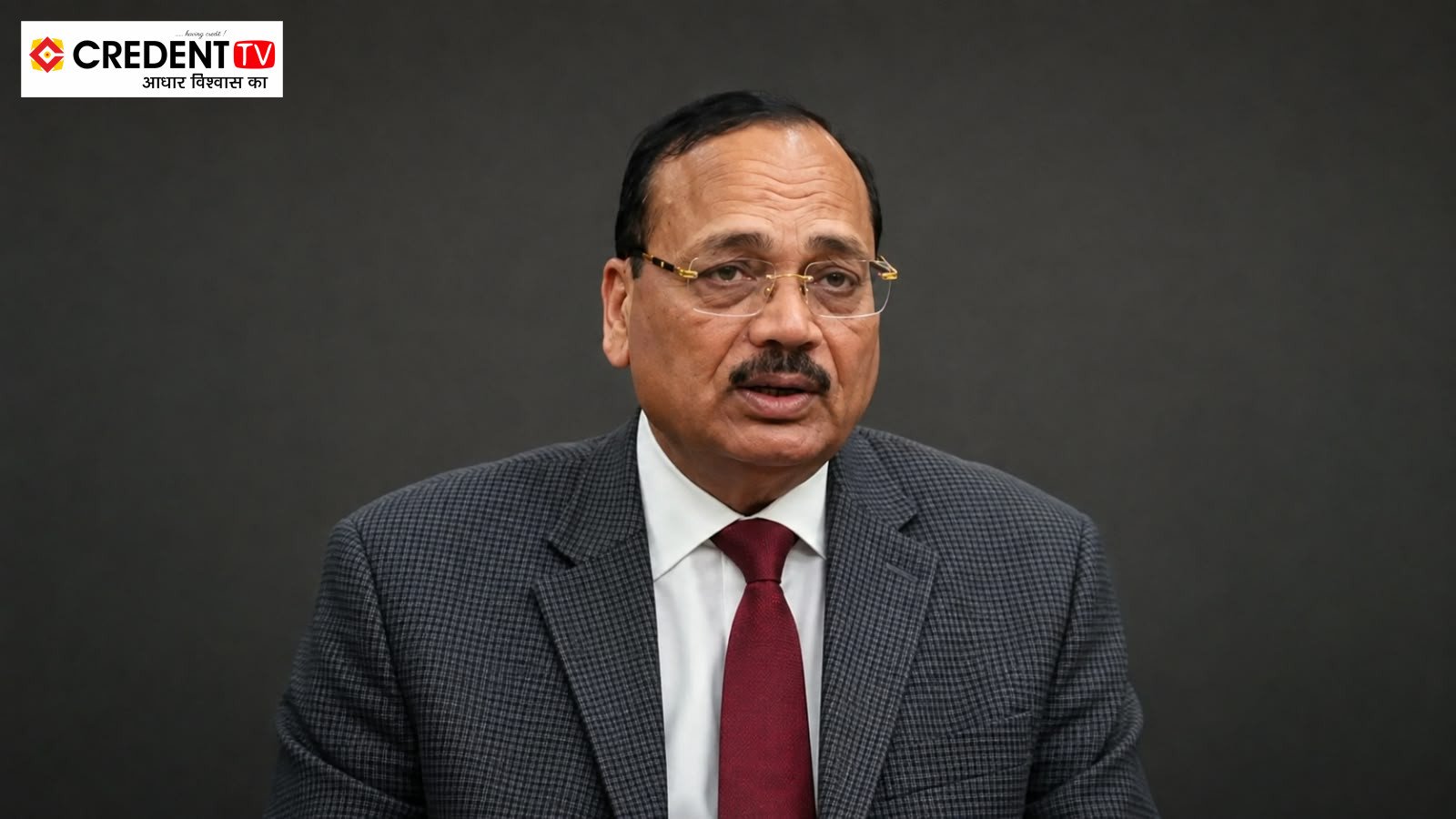
Subrahmanyam Jaishankar, commonly known as S. Jaishankar, has played a pivotal role in shaping India’s foreign policy in recent years. Born on February 9, 1955, Jaishankar hails from a distinguished family in New Delhi, where his diplomatic inclinations were nurtured from an early age. Jaishankar pursued his higher education at Stanford University, obtaining a Master’s degree and a Ph.D. in International Relations. His academic background laid a strong foundation for his subsequent career in diplomacy.

jaishankaar

Jaishankar joined the Indian Foreign Service in 1977, where he has since held various key positions, both at home and abroad. He served as the Indian Ambassador to the United States from 2013 to 2015 and held the position of Secretary (Economic Relations) in the Ministry of External Affairs. His vast experience includes assignments in countries such as China and Singapore, contributing to his understanding of international relations and regional dynamics.

In May 2019, he was appointed as India’s External Affairs Minister, a position from which he has continued to influence India’s foreign policy and international relations significantly. Jaishankar’s tenure has been marked by a focus on strengthening bilateral ties with major global powers, addressing challenges posed by geopolitics, and promoting India’s role in multilateral forums. His approach emphasizes India’s strategic autonomy, as evidenced by his recent statements underscoring that India will make its own choices without seeking approval from external entities.

Advertisement

As a seasoned diplomat, Jaishankar has advocated for a foreign policy that balances India’s national interests while engaging constructively with the world. His contributions to India’s international relations reflect his commitment to advancing India’s position on the global stage and navigating complex geopolitical landscapes effectively.

The Context of Jaishankar’s Statement

Recent geopolitical dynamics have underscored the significance of S. Jaishankar’s remarks concerning India’s sovereignty and decision-making autonomy. In an increasingly multipolar world, nations face mounting pressures from various global powers that may strive to influence their internal and external policies. India’s strategic positioning, given its historical non-alignment and current aspirations for greater global influence, necessitates a careful navigation through this complex landscape.

The backdrop for Jaishankar’s assertions can be traced to several international developments that have tested India’s diplomatic resilience. For instance, the ongoing tensions between major powers, such as the United States and China, have compelled India to reassess its foreign policy approach. As a key actor in the Indo-Pacific region, India finds itself at the crossroads of competing interests, which often leads to a reevaluation of its bilateral relationships. Furthermore, India has faced unsolicited pressures regarding its stance on contentious global matters, such as trade policies, climate change, and human rights initiatives, prompting officials like Jaishankar to reaffirm the country’s commitment to independent decision-making.

Advertisement

Moreover, India’s strategic partnerships, notably with the Quad nations—Australia, Japan, and the United States—present both opportunities and challenges. While these alliances aim to enhance regional stability and cooperation, they also come with expectations that may conflict with India’s sovereign interests. Jaishankar’s statement serves as a reminder that the country will not acquiesce to external pressures that compromise its national integrity. In light of these considerations, his emphasis on India’s sovereignty reflects a broader narrative in which the nation seeks to assert its agency on the global stage, navigating a complex interplay of diplomacy and national interests.

Understanding the Concept of Veto Power

Veto power is a significant aspect of international relations, primarily defined as the ability of a country to unilaterally stop an official action, particularly in the context of governing bodies such as the United Nations Security Council (UNSC). In practice, veto power is usually held by the five permanent members of the UNSC: the United States, the United Kingdom, France, Russia, and China. This capability allows these nations to block the passage of substantive resolutions, providing them with considerable influence over international decision-making processes.

statement

When a permanent member exercises its veto, it raises various implications for global governance and international cooperation. This mechanism often leads to allegations of unilateralism, whereby a single state can halt collective action in response to global crises, which can fuel tensions among countries that may feel marginalized by the decision. Moreover, the use of veto power can contribute to paralysis within the UNSC, as seen during critical situations such as the Syrian civil war, where differing interests among veto-wielding nations resulted in an inability to reach consensus on action measures.

India’s position regarding veto power is particularly noteworthy in the contemporary geopolitical landscape. As a burgeoning global power, India has consistently advocated for a reformed UNSC that reflects the current realities of international relations and provides a voice to emerging economies. India’s stance emphasizes the necessity for a more democratic approach to global governance, where the arbitrary exercise of veto power does not hinder the sovereign choices of nations. By asserting that no state should possess a veto over the decisions of others, India aims to promote a multipolar world that recognizes the rights and sovereignty of diverse countries on the global stage.

Advertisement

Jaishankar’s Perspective on Sovereignty

Dr. S. Jaishankar, India’s External Affairs Minister, has articulated a robust stance on the concept of sovereignty, emphasizing that India’s choices should remain unencumbered by external pressures. In numerous speeches, he has stressed that every nation has the right to determine its own course without facing a veto from other countries. This attitude reflects a deeper historical context rooted in India’s long struggle for independence, a period that shaped its commitment to preserving national integrity and autonomy in the global forum.

Addressing the complexity of international relations, Jaishankar has often highlighted how sovereignty is increasingly threatened by external interventions. He points out that for India, a nation with a rich historical heritage and a diverse population, the ability to make independent choices is not merely a policy preference—it is an essential aspect of its national identity. According to him, “Our sovereignty is our security.” This assertion echoes a belief that India’s decisions should stem from its own values and aspirations rather than being swayed by geopolitical shifts or foreign influences.

Also read : Prime Minister Modi’s Two-Day Visit to Kuwait: A Landmark Step in Strengthening Bilateral Relations

Advertisement

Furthermore, Jaishankar’s perspective is closely intertwined with contemporary geopolitical dynamics. In his addresses, he posits that current international frameworks must evolve to respect individual sovereignty rather than impose hegemonic norms. He articulates that the quest for a multipolar world is fundamentally linked to the recognition of sovereign rights, aligning with India’s desire for a balanced global governance system. By advocating for a revival of respect for sovereignty, Jaishankar mirrors the aspirations of a rising India that seeks to assert its position on the world stage while honoring its commitments to regional stability and global cooperation.

In sum, Dr. Jaishankar’s views on sovereignty encapsulate a comprehensive understanding of India’s unique historical journey and its modern ambitions, reinforcing the idea that national choices must remain free from external vetoes. This principled stand is crucial for fostering greater respect and cooperation among nations, ultimately shaping a more equitable international order.

India’s Position on Global Issues

India’s stance on various global issues reflects its commitment to sovereignty and independent decision-making, particularly in areas such as climate change, trade, security, and human rights. Under the leadership of External Affairs Minister S. Jaishankar, India has consistently articulated its perspectives on these critical issues, underscoring that external entities should not impose their views on the country’s policy choices.

Advertisement

In the context of climate change, India advocates for sustainable development while balancing its growth objectives. The nation recognizes the urgent need to address environmental challenges, yet it firmly believes that developed countries bear a historical responsibility to lead in emissions reductions and provide financial assistance to developing nations. This position exemplifies India’s approach in seeking equitable solutions that do not compromise its developmental priorities.

Trade is another area where India’s actions demonstrate a clear assertion of choice. The government has adopted a strategic approach toward trade agreements, emphasizing the importance of benefits to the domestic economy. In recent years, India has refrained from joining certain global trade pacts when it perceives potential adverse impacts on its local industries and jobs. This careful consideration signals a steadfast commitment to prioritizing national interests and economic sovereignty.

Security remains a paramount concern for India, particularly regarding regional stability and counter-terrorism efforts. The country’s position reflects a need for a comprehensive and collaborative framework, yet it simultaneously stresses the importance of self-reliance in securing its interests. India seeks partnerships based on mutual respect rather than accepting external dictates regarding its security policy.

Advertisement

Finally, on the issue of human rights, India champions a nuanced dialogue that respects cultural differences, asserting that human rights standards should not be unilaterally imposed. This stance affirms Jaishankar’s assertion that external pressures do not shape India’s policy, allowing the nation to navigate global issues while preserving its sovereignty and democratic values.

Challenges Faced by India in the International Arena

India’s position on the global stage is increasingly complex, marked by a multitude of challenges arising from both traditional adversaries and emergent threats. The geopolitical landscape is continuously evolving, demanding that India navigate a fine line between its strategic autonomy and international pressures. One significant traditional adversary is Pakistan, which poses a myriad of security concerns, notably in the realm of cross-border terrorism and regional instability. The enduring conflict regarding Kashmir exacerbates tensions, prompting India to bolster its defensive measures while also engaging in diplomatic efforts to quell hostilities.

Moreover, China presents a multifaceted challenge, characterized by its growing assertiveness in the Indo-Pacific region. The Sino-Indian border disputes remain a point of contention, complicating bilateral relations. The implications of China’s Belt and Road Initiative further extend regional competitiveness, compelling India to enhance its strategic partnerships with other countries to counterbalance Chinese influence.

Advertisement

Emerging threats also pose significant challenges to India’s sovereignty. Cybersecurity has become a paramount concern, as the frequency and sophistication of cyberattacks continue to rise. These cyber threats can destabilize vital information networks, compromising national security and economic stability. Additionally, the advent of non-state actors and global terrorism complicates India’s security dynamics, requiring a holistic approach that encompasses military preparedness, intelligence sharing, and international cooperation.

The intricate web of alliances and partnerships further complicates India’s quest for strategic autonomy. As global powers exert influence, India must carefully evaluate its relationships, weighing the merits of multilateral cooperation against the necessity of preserving its own agency in decision-making. This balancing act is crucial in safeguarding national interests while fostering a stable international environment. In conclusion, India faces a myriad of traditional and emerging challenges that necessitate a comprehensive strategy to maintain its sovereignty in an increasingly interconnected world.

The Importance of Regional Partnerships

In the contemporary geopolitical landscape, regional partnerships play a crucial role in enhancing the sovereignty of nations. For India, strengthening its ties within South Asia and extending its reach beyond this region is vital for bolstering its security and economic interests. The approach taken by India focuses not only on forging alliances but also on fostering collaborative initiatives that reflect mutual respect and shared objectives.

Advertisement

India’s commitment to regional partnerships is evident in its engagement with neighboring countries through various platforms. Initiatives such as the South Asian Association for Regional Cooperation (SAARC) and the ongoing dialogues with the Association of Southeast Asian Nations (ASEAN) serve as significant frameworks for enhancing connectivity, trade, and security. By actively participating in these regional forums, India aims to promote collective stability and prosperity while maintaining its independent stance on national decisions.

The security environment in South Asia is marked by various challenges, including territorial disputes and cross-border terrorism. In response, India has taken strategic steps to engage collaboratively with its neighbors. This involves not only addressing security concerns but also enhancing economic ties through trade agreements and development projects. Investment in infrastructure and technology transfer has become a focal point of such partnerships, creating interdependencies that benefit all parties involved.

Furthermore, India’s engagement extends to multilateral institutions, where it seeks to play a proactive role in regional security dialogues. Through initiatives like the Indian Ocean Rim Association (IORA) and participation in joint military exercises, India emphasizes the value of collaboration in addressing shared challenges while ensuring that its sovereignty remains uncompromised. By reinforcing regional partnerships, India projects itself as a reliable partner committed to the stability and growth of the entire South Asian region.

Advertisement

Summary: The Future of India’s Global Standing

In light of recent statements made by External Affairs Minister S. Jaishankar, it is evident that India is asserting its sovereignty in international relations, emphasizing the importance of making independent choices. The focus on autonomy in policymaking resonates strongly as India navigates its growing role on the global stage. Jaishankar’s remarks underscore a pivotal shift in how the nation approaches its foreign relations, affirming that decisions made by India will reflect its own aspirations rather than succumbing to external pressures or expectations.

This commitment to sovereignty has significant implications for India’s future as a key player in global governance. By rejecting any notion of a veto on its choices from other nations, India signals its determination to carve out a unique path that prioritizes national interests. Such assertions resonate particularly in a multipolar world where emerging powers are increasingly seeking a voice in shaping international norms and frameworks.

Moreover, Jaishankar’s emphasis on independent choice illustrates the nation’s preparedness to engage cooperatively while maintaining its integrity. This balance is essential for fostering relationships with other nations, where mutual respect and recognition of sovereignty become critical components. As India continues to expand its diplomatic footprint, the established principles outlined by Jaishankar will guide its interactions, ensuring that India’s interests are prioritized in any bilateral or multilateral engagement.

Advertisement

The future of India’s global standing is thus not only about asserting choices but also about fostering partnerships built on respect and shared goals. As India moves forward, the implications of these declarations will likely influence the trajectory of international relations in the years to come.


Advertisement

Geetika Sherstha is a passionate media enthusiast with a degree in Media Communication from Banasthali Vidyapith, Jaipur. She loves exploring the world of digital marketing, PR, and content creation, having gained hands-on experience at local startups like Vibrant Buzz and City Connect PR. Through her blog, Geetika shares insights on social media trends, media strategies, and creative storytelling, making complex topics simple and accessible for all. When she's not blogging, you’ll find her brainstorming new ideas or capturing everyday moments with her camera.

Continue Reading
Advertisement
Click to comment

Leave a Reply

Your email address will not be published. Required fields are marked *

Credent TV

Ekatva Annual Function 2025: A Grand Celebration of Talent, Unity & Learning at Maheshwari Public School, Kalwar Road

Ekatva Annual Function 2025 at Maheshwari Public School, Kalwar Road, showcased powerful performances, women empowerment themes, NEP-inspired skits, and student achievements during a grand celebration.

Published

on

Ekatva Annual Function 2025

Jaipur, 28 Nov. | Maheshwari Public School, Kalwar Road, hosted the Ekatva Annual Function 2025 with remarkable grandeur on November 28, 2025. The theme “EKATVA – Learning Together, Growing Together” set the perfect tone for a day dedicated to unity, collective progress, and holistic development. This year’s annual celebration emerged not only as an academic and cultural milestone but also as a testament to the school’s commitment to national values, women empowerment, and progressive education.

Ekatva Annual Function 2025: A Celebration of Collective Growth

The Ekatva Annual Function 2025 marked a vibrant display of Maheshwari Public School’s vision of education rooted in collaboration, inclusivity, and continuous growth. The theme emphasized that true learning happens when students, teachers, parents, and the community evolve together—an idea deeply aligned with modern educational philosophies and the core principles of NEP 2020.

Advertisement

From cultural presentations to thought-provoking performances, the function encapsulated the school’s dedication to nurturing responsible, confident, and value-driven individuals.


Grand Inauguration with Traditional Rituals

The ceremony began with the auspicious lighting of the ceremonial lamp, accompanied by Vedic mantras, invoking divine blessings for knowledge, wisdom, and prosperity. The solemnity of the ritual established a spiritual foundation for the day’s events, reminding everyone that tradition and modernity can harmoniously coexist.

The school orchestra followed, delivering a mesmerizing performance that captivated the audience. Their symphony of classical and contemporary melodies added an energetic pulse to the event, setting a lively and celebratory atmosphere.

Advertisement

Student Performances That Brought the Theme to Life

The heart of the Ekatva Annual Function 2025 lay in the stunning performances by the students. Each performance was carefully conceptualized to reflect unity, shared learning, and social harmony.

Key Highlights:

  • Vibrant group dances symbolizing togetherness
  • Thematic skits showcasing community values
  • Folk and contemporary fusion performances
  • Inspirational narrations by young learners

The students’ confidence, discipline, and creativity stood out. Parents and guests applauded every act, especially the ones portraying teamwork and emotional connection.


Ekatva Annual Function 2025 Highlights NEP 2020 & Women Empowerment

One of the most powerful segments of the evening was the students’ presentation on the National Education Policy (NEP) 2020. Through engaging skits, dramatic sequences, and choreographed movements, the students depicted key elements of NEP such as:

  • holistic development
  • experiential learning
  • flexibility in subject selection
  • vocational exposure
  • integration of art and sports

Another compelling act showcased women empowerment—a theme that resonated deeply with the audience. Students celebrated the strength, determination, and resilience of women through expressive dance sequences, poetry recitations, and visual storytelling.

The audience praised the school for encouraging its students to address socially relevant themes through education and art.

Advertisement

Recognizing Excellence: Prize Distribution Ceremony

The Prize Distribution Ceremony honored students who exhibited outstanding performance across academics, sports, and co-curricular activities. Awards were presented to:

  • Academic toppers
  • Sports achievers
  • Art & cultural performers
  • Students demonstrating leadership & discipline

The school emphasized that each award represented not just personal success but the spirit of Ekatva, where teachers, parents, and peers play a collective role in shaping student achievements.


Distinguished Guests Who Graced the Occasion

The presence of esteemed dignitaries elevated the prestige of the event.

Chief Guest

  • Hon’ble Deputy Chief Minister of Rajasthan, Ms. Diya Kumari

Guest of Honour

  • Retd. Deputy Inspector General of Police (ACB), Shri Lalit Maheshwari

Special Guests

  • Shri Bajrang Jakhotiya, Former President, ECMS Jaipur
  • Shri Ashok Baheti, Renowned Businessman & Social Worker

Other Key Attendees

  • Chairman: Shri Umesh Soni
  • Vice Chairman: Shri Nirmal Dargar
  • General Secretary (Education): Shri Kamal Somani
  • Treasurer: Shri Arun Kumar Maloo
  • Honorary Secretary: Shri Ashish Mantri
  • Building Secretary: Shri Ravi Periwal

The dignitaries praised the students for their talent and applauded the school for its progressive and value-based educational approach.


Inspiring Messages by School Leadership

Message from Honorary Secretary Shri Ashish Mantri

He encouraged the students to focus not only on their academics but also on co-curricular activities, emphasizing that holistic development includes:

Advertisement
  • mental and physical growth
  • character building
  • teamwork and discipline
Ekatva Annual Function

Vote of Thanks by Building Secretary Shri Ravi Periwal

He expressed gratitude to the guests, faculty, parents, and students for making the event a grand success.

Annual Report Presented by Principal Dr. Sunita Vashishtha

The Principal highlighted:

  • the school’s year-long achievements
  • academic excellence
  • sports accomplishments
  • new initiatives towards skill development and holistic learning

Her speech reflected the institution’s dedication to shaping future-ready learners.


Why Ekatva Annual Function 2025 Stands Out

The Ekatva Annual Function 2025 was more than just a cultural event—it was a reflection of the school’s educational philosophy. Several elements made the day special:

Integration of cultural and educational values

Themes like NEP 2020 and women empowerment gave depth and relevance to the performances.

Advertisement

Strong community participation

Teachers, parents, committee members, and students worked together, embodying the spirit of Ekatva.

Focus on holistic development

From music to theatre, from sports awards to academic excellence—every aspect of student growth was recognized.

Maheshwari Public School

Presence of renowned dignitaries

Their motivational words encouraged students to dream big and work harder.

Professional-level stage performances

The choreography, scripting, and stage design were executed with finesse, offering an entertainment experience of high quality.

Advertisement

The Ekatva Annual Function 2025 at Maheshwari Public School, Kalwar Road, was a resounding success—an event that beautifully blended tradition, education, culture, and social awareness. With inspiring performances, meaningful themes, and appreciation of talent, the event truly embodied the idea of “Learning Together, Growing Together.”

As the school continues to invest in the holistic development of its students, programs like this reinforce its vision of shaping confident, responsible, and compassionate future citizens.

Advertisement

Continue Reading

Breaking News

Rajasthan Rain Alert — Expect chill winds and possible rain across seven districts of Rajasthan as Western Disturbance hits-

Published

on

Rajasthan Rain Alert is active —

Jaipur, Nov.27,2025:Rajasthan Rain Alert is active — northern winds from the hills have brought a sharp drop in temperatures across many parts of the state. Residents are being warned that weather conditions will change in several districts, with the possibility of light rain or drizzle and chilly winds expected over the next 24–48 hours.

According to latest updates from meteorological offices, the sudden shift in weather is being driven by a fresh atmospheric system. This sudden turn has jolted parts of Rajasthan into colder weather, with some areas already experiencing record low early-morning temperatures.

Advertisement

For many, this means layering up warm clothes again, keeping an umbrella or raincoat handy — as the skies may remain cloudy, and isolated showers can catch people unaware.

The Science Behind It

The current weather alert is linked to a new Western Disturbance moving into the region. These disturbances — extratropical storms originating from the Mediterranean — often bring moisture, cloud cover, and precipitation to northwestern parts of India during winters.

As the Western Disturbance interacts with local weather dynamics, it causes a cold north-westerly wind to sweep in from the hills, pushing down temperatures and bringing cloud cover. This combination increases chances of rain or drizzle, even in parts of Rajasthan that usually remain dry.

Advertisement

Meteorological centres have pointed out that such disturbances are crucial for winter rainfall in northwest India. While snowfall is common in mountainous regions, plains and semi-arid areas like Rajasthan might see light rains — enough to change the local temperature, increase humidity, and reduce daytime warmth.

Which Districts Are Under Rain Alert

Under the Rajasthan Rain Alert issued today, the following seven districts are expected to be most impacted

  • Jaipur — capital region experiencing cold winds and possibility of light rain.
  • Bikaner — parts of the division facing cold wave due to north-westerly winds.
  • Bharatpur division areas — forecast suggests clouds and isolated showers.
  • Other nearby districts in the broader region under advisory.

Local weather updates highlight that residents across these areas should expect chilly mornings, cloudy afternoons, and a chance of light rain or drizzle — even if for short durations.

Temperature Drop and Cold Wave

The cold wave grip on Rajasthan has strengthened. Some parts of the state have recorded early-morning temperatures dropping below 5 °C, especially in Shekhawati and other northern belts.

Advertisement

In recent 24 hours, residents of multiple towns woke up to sharp chills. The dip in temperature has made mornings and late evenings particularly harsh, with a clear contrast between daytime warmth and nighttime cold.

Meteorologists warn that this drop isn’t temporary — with sustained cold winds expected, nightly lows could get even colder over coming days. People are being urged to take precautions, especially the elderly, children, and those susceptible to cold-related illnesses.

Safety & Preparedness Tips

With Rajasthan Rain Alert in effect and cold conditions settling in, here are some key precautions residents should consider

Advertisement
  • Stay warm & dress appropriately — Use layers, wear warm clothes especially during early mornings and evenings.
  • Carry rain gear — Light showers can occur unpredictably; having an umbrella or raincoat handy helps.
  • Keep updated with forecasts — Weather can change quickly; follow trusted local updates from meteorological sources.
  • Protect vulnerable groups — Children, elderly and those with health conditions should avoid prolonged exposure to cold.
  • Ensure safe driving & commuting — Cold winds and drizzle may reduce visibility; exercise caution on the roads.
  • Home safety — moisture & heating — Cold winds can cause dampness; ensure proper ventilation, and use heaters responsibly.

Agriculture, Daily Life and Health

The arrival of rain and cold could bring some relief for farmers. The precipitation — even if light — can help with soil moisture levels, benefitting upcoming Rabi crops. Western disturbances, though infrequent, often contribute to winter precipitation necessary for farming in arid and semi-arid Rajasthan.

On the flip side, cold and damp conditions can increase the risk of respiratory illnesses and seasonal health issues, especially if people fail to take precautions. Public health advisories may be needed if cold continues.

Daily routines may also be disrupted — early morning commutes, outdoor vendors, daily-wage workers, and those without proper shelter could face discomfort due to the cold wave.

Urban areas with poor drainage might face minor flooding or waterlogging if rain intensifies. Even light rain could impact traffic, markets, and everyday activities.

Advertisement

Rajasthan Rain Alert marks the beginning of a chilly phase for the state. While the coming days may bring some much-needed rain and a dip in temperature, the shift also demands caution and preparedness from residents.

This weather change is a reminder of the power of atmospheric systems like Western Disturbances — often seen as a blessing for agriculture, but also a challenge for daily life.

Advertisement
Continue Reading

Breaking News

Jaipur murder wife lover — A deeply disturbing crime in Jaipur where a man was brutally killed by his own wife and her lover-

Published

on

Jaipur murder wife lover —

Jaipur, Nov.27,2025:Jaipur murder wife lover — these four words now send shivers down spines in the capital of Rajasthan. In a ghastly incident that has shaken the city, a 40-year-old night guard, Bhup Singh, was found dead under suspicious circumstances in the quiet locality of Narayan Vihar, Jaipur-

On the night of November 22, locals and eventually the police believed that Bhup Singh’s death might have been a suicide or an accident. However, what unfolded was far darker — a premeditated murder involving his own wife and her secret lover. The horrifying truth emerged after forensic evidence and police investigation exposed the brutality and betrayal behind the crime.

Advertisement

The Hidden Affair and Growing Suspicion

Bhup Singh, who worked as a guard in a factory in Jaipur, had a rural background — his wife, Asha, lived in a village, while he resided in the city due to his job.

As per police findings, Asha had developed an illicit relationship with a man, Yogesh Sharma. Over time, their affair deepened — calls and secret meetings became frequent. Police suspect that during this period, conversations between Asha and Yogesh grew more intense, and they began to see Bhup Singh merely as an obstacle between them.

Witnesses reported suspicious behavior around that time, but nothing was concrete until Bhup Singh’s untimely death triggered a full-scale investigation. The police say the affair was the motive, and it laid the groundwork for a calculated plan.

Advertisement

The Brutal Murder Plan and Crime Scene

According to the investigators, the crime was not impulsive but coldly premeditated. On that fateful night, under the cover of darkness, the duo executed their plan.

  • First, “regulator strike”: Yogesh allegedly struck Bhup Singh on the head with a gas-pipe regulator — a heavy blow meant to incapacitate him.
  • Then came the final, horrifying act — strangulation. Using a gas-cylinder pipeline (or an attached pipe), they strangled Bhup Singh to death.
  • To mislead the investigators, they initially tried to stage the scene as a suicide (or at least a natural death). But the forensic analysis and subsequent scrutiny shattered their façade.

The crime scene reportedly bore signs of a struggle — which contradicted the suicide narrative. The arrival of forensic team (FSL) was pivotal in gathering evidence and reconstructing the murder sequence.

Arrests, Police Investigation and Evidence

Once suspicions arose, the local police moved swiftly. They arrested Asha and Yogesh on charges of murder, and the case turned from mysterious death to confirmed homicide.

During interrogation, inconsistencies in Yogesh’s initial statements came to light. Call detail records, forensic findings, and other investigative leads all pointed to the couple’s involvement.

Advertisement

The police have stated that more evidence — including digital records and forensics — is being examined to build a watertight case. As of now, both accused are in custody, and interrogation continues.

Social Shock, Implications and Public Outcry

The revelation of this crime has sent shockwaves across Jaipur and beyond. A man — trusted husband and provider — betrayed by the very person he lived with, meeting a brutal end at the hands of his wife and her lover. The horrifying details have reignited debates about extramarital affairs, domestic trust, and moral decay in relationships.

Local communities, neighbours of Narayan Vihar, are in utter disbelief. Many express sorrow, anger and a demand for swift justice. The case is not just being seen as one more crime, but as a grim example of how personal relationships — when tainted by betrayal — can lead to catastrophic consequences.

Advertisement

Social media discussions are rife with condemnation. People are questioning how such relationships go unnoticed, what signs were ignored, and what systemic failures (social, moral or judicial) allow such tragedies to unfold.

A Broader Perspective

While the immediate focus is on the gruesome crime and the arrested suspects, this incident underscores deeper societal issues

  • The vulnerability of individuals working away from home — often trusting distant relationships, facing emotional isolation.
  • The dangers of secret extramarital affairs, which, when exposed, can turn deadly.
  • Importance of early detection — behavioural changes, emotional distance, suspicion — by relatives or community; maybe intervention could prevent such tragedies.
  • The critical role of swift and meticulous police investigation and forensic science — which transformed what looked like a potential “suicide” into a solved murder case.

Moreover, this case acts as a grim warning: when trust is broken and deceit enters marital relationships, the consequences can be fatal, not just emotionally but physically.

Jaipur murder wife lover — the phrase now etched in headlines reflects more than a crime. It reflects betrayal, desperation, and the darkest side of human relationships. The tragic death of Bhup Singh serves as a brutal reminder that love tainted with deceit and lust can lead to irreversible consequences.

Advertisement

As the legal proceedings unfold, one hopes that justice will be served swiftly and firmly. And perhaps, society — friends, families, communities — will wake up to signs of hidden betrayal, giving timely intervention rather than standing by until it’s too late.

Advertisement
Continue Reading

Bollywood

Bigg Boss 19 Voting Trends reveal the most shocking elimination warnings as finale nears-

Published

on

The Bigg Boss 19 Voting Trends reveal a house alive with tension, strategies

Mumbai, Nov.27,2025:Bigg Boss 19 Voting Trends are setting the stage for perhaps the most unpredictable finale the show has seen yet. As the final episodes draw near, buzz around vote counts, bottom-threat lists, and possible eliminations has spiked exponentially. The audience is more polarized than ever — every vote seems capable of swinging a contestant’s fate-

Recent updates from reliable media report that in this week’s voting cycle, three contestants have emerged clearly at the bottom of public preference, making them the prime targets for elimination.

Advertisement

With high stakes and rising tension, these Bigg Boss 19 Voting Trends have turned into a cliff-hanger for fans and contestants alike.

Which Contestants Are at Risk

As per the latest Bigg Boss 19 Voting Trends, three names are drawing maximum concern for elimination this week. According to a report, Ashnoor Kaur, Tanya Mittal, and Shehbaz Badesha are hovering at the bottom-three of the voting chart.

The article highlights that the competition has intensified, and the margin is razor-thin. With the finale approaching, even small dips in fan votes or last-minute surges could seal a contestant’s eviction.

Advertisement

This uncertain scenario has triggered widespread speculation among fans — many are debating whether these bottom contestants can still rally support, or if an eviction is imminent.

Top Performers and Fan Favourites

While some are fighting to survive, others seem to have gained a firm hold in the race to the trophy. According to recent popularity rankings for Week 13, Farrhana Bhatt, Gaurav Khanna, Pranit More, Amaal Malik, and Ashnoor Kaur are among the front-runners based on public support.

Particularly, Farrhana Bhatt has repeatedly topped the charts this week.

Advertisement

On the other hand, Gaurav Khanna’s steady fan base and consistent gameplay have also kept him in strong contention for the top position.

But as the Bigg Boss 19 Voting Trends show — past lead doesn’t guarantee safety. The volatile nature of voting and changing alliances keep the outcome uncertain till the final vote tally.

Alliances, Strategies & Drama

The internal dynamics of the house are playing a huge role in influencing Bigg Boss 19 Voting Trends. As the endgame approaches, alliances and strategies are shifting rapidly:

Advertisement
  • Contestants are aligning to secure support, but betrayals and shifting loyalties are common — raising tension.
  • Some participants are trying social-game strategies: emotional appeals, forging bonds, and avoiding confrontation to win audience empathy.
  • Others rely on bold personalities, strong opinions or controversies to stay visible and stay in the limelight — hoping visibility converts into votes.

Because of this mixture of diplomacy, emotion, strategy and drama — the final weeks are especially unpredictable. Even previously “safe” contestants can find themselves in danger if their strategy backfires or fan mood swings.

Finale Stakes & Fan Power

The Bigg Boss 19 Voting Trends are more than just numbers — they reflect the shifting sentiment of viewers and highlight how much influence audience loyalty wields. A few key reasons why these trends matter

  • Final chance for contestants to stay With the finale near, this week’s elimination could drastically reshape the final lineup.
  • Public opinion as game-changer: Contestants’ behaviour, performances, and public perception will decide their fate — not just their in-house gameplay.
  • Psychology of momentum and panic votes Trailing contestants might suffer from downward spiral if fans lose hope; at the same time, frontrunners can become complacent.
  • Media influence and social media buzz Social media, fan pages, polls — all amplify voting trends, and can influence undecided voters or mobilize support at the last minute.

Hence, Bigg Boss 19 Voting Trends offer a real-time pulse of what viewers think — and who might be next out of the house.

What Contestants and Fans Should Watch

With Bigg Boss 19 on the verge of its finale, what lies ahead could shape the ultimate outcome. Some key things to watch

  • Last-minute rallies or fan campaigns Bottom-three contestants might try to stir up public support outside to avoid eviction.
  • Final tasks & Weekend Ka Vaar episodes Strong performances or controversial clashes could alter public sentiment and voting direction.
  • Wildcard twists or surprises by makers As seen often in Bigg Boss history — unexpected saves, wildcard entries, or rule changes — could throw predictions off.
  • Shifts in alliances & internal house politics How contestants behave now — in final tasks or interactions — could influence both in-house game and external perception.

For fans, this means staying updated, casting votes thoughtfully — because every vote now counts more than ever.

The Bigg Boss 19 Voting Trends reveal a house alive with tension, strategies, hope, and fear. With bottom-three contestants teetering on elimination and frontrunners pushing for votes, every update feels like a turning point.

Advertisement

As the finale draws near, uncertainty looms large. Will the underdogs survive a last-minute surge? Will fan favourites lose steam.

Advertisement
Continue Reading

Breaking News

Rajasthan Murder in Pokaria village shocks the community as a drunken husband brutally beats his wife to death —

Published

on

This Rajasthan Murder case becomes a grim yet vital reminder

Rajsamand, Nov.27,2025:Rajasthan Murder struck the small village of Pokaria in Rajsamand district when a drunken husband brutally beat his wife to death after a heated argument. The horrifying incident occurred late Tuesday night in Pokaria village under the jurisdiction of Kelwara Police Station. According to police reports, the couple had been drinking together when a casual disagreement escalated into a violent altercation. The husband, in a fit of rage, assaulted his wife relentlessly — leading to her death on the spot.

Such a horrifying crime has shaken the entire village and ignited outrage and grief among local residents. The police swiftly responded to the call and arrested the accused, signaling that swift justice might follow.

Advertisement

Victim and Accused

  • The victim, a 26-year-old woman named Lahri Bai, was allegedly beaten to death by her husband.
  • The accused husband has been identified as Bhanwarlal Bhil, resident of Aantari. He had come to his in-laws’ home (sasural) when the tragic incident occurred.
  • Reports indicate that both husband and wife had consumed alcohol before the altercation began.

At this moment, Bhanwarlal Bhil is in police custody under suspicion of murder. His exact motive — beyond the immediate drinking and argument — is still under scrutiny.

From Drink to Death

Late-Night Drinking and Dispute

According to preliminary reports, the couple consumed alcohol together. In such intoxicated state, a minor disagreement quickly escalated. The husband and wife began arguing. What might have started as a simple quarrel, took a dark turn as tempers flared and control was lost.

Brutal Violence Erupts

Advertisement

In a fit of rage, the husband reportedly started hitting his wife repeatedly. The beating was so severe that the woman succumbed to her injuries within minutes — she died on the spot.

Immediate Police Response and Arrest

As soon as local residents informed authorities, a police team from Kelwara police station rushed to the crime scene. They secured the area, interrogated those present, and arrested Bhanwarlal Bhil on the spot. The victim’s body was taken to the local health center for postmortem.

Advertisement

Initial Findings and Ongoing Investigation

Preliminary investigations suggest the incident is a result of domestic dispute exacerbated by alcohol. However, police are not ruling out other possibilities — they are investigating to see whether any third party or other contributing factors were involved.

Police Action and Investigation Status

  • The Kelwara police promptly registered a murder case as per section related to homicide. The accused is in custody. Local authorities have launched a detailed investigation.
  • The victim’s body has been sent for autopsy at the local community health center, and forensic evidence — including the scene of crime, statements from villagers — is being collected.
  • The police have indicated that they will explore all angles: whether the crime was purely a result of a domestic spat under intoxication or has deeper roots (e.g. prior abuse, third-party involvement).

As of now, the case remains under active investigation. Local communities — shocked and grieving — are demanding swift and strict legal action to bring justice to the victim.

Shock, Grief and Questions Raised

The news of this Rajasthan Murder has sent shockwaves across Pokaria village and neighbouring areas.

Advertisement
  • Residents are reeling from disbelief: what seemed like a normal domestic evening ended in a tragic fatality.
  • There is anger and grief over the loss of a young life — Lahri Bai, just 26, presumed to have had her entire life ahead of her.
  • Many are calling out the pervasive problem of alcohol-fueled violence, especially domestic violence, which often goes unreported until it takes a tragic turn.
  • Local social activists and women’s rights advocates are demanding better awareness, stricter enforcement of laws against domestic violence, and support systems for at-risk women.
  • For many, this incident is not isolated — rather, a grim reminder of underlying social challenges in rural communities: lack of awareness, weak support systems, and perhaps societal acceptance of alcohol-related aggression.

In short, the tragedy has sparked mourning — but also urgent conversations about prevention, safety, and social justice.

Domestic Violence and Alcohol in Rajasthan

This tragic case of Rajasthan Murder is unfortunately not isolated. Across the state, there have been multiple reports of domestic violence, often exacerbated by alcohol consumption. For instance

  • In another recent case in Rajasthan’s Jhalawar district, a woman allegedly strangled her live-in partner late at night due to complaints over his heavy drinking habit.
  • Earlier in 2025, police in Rajasthan cracked down on a case where a wife, with the help of her lover, had plotted and carried out her husband’s murder.

These patterns point to broader problems: domestic tensions, lack of strong social support or intervention for couples struggling with addiction or violence, and a systemic failure to address early warning signs.

Such incidents underline the need for stronger community vigilance, social awareness campaigns, and accessible resources for victims of domestic abuse — especially in rural areas where stigma and fear of retribution often silence voices.

Why This Rajasthan Murder Case Matters

The Pokaria murder isn’t just another crime story — it highlights deeper societal challenges and has important implications

Advertisement

Urgent Need for Awareness & Intervention: Situations like alcohol-fueled domestic disputes require early intervention. Community leaders, local NGOs, and law-enforcement agencies need to collaborate to identify at-risk households.

Strengthening Legal & Social Support for Women: Women vulnerable to domestic violence must have secure avenues for escape — shelters, legal aid, counseling. This is especially critical in rural settings where social stigma and lack of access can trap victims.

Reevaluating Alcohol Regulation & Education: Alcohol abuse plays a recurring role in many domestic violence cases. There is a need for stricter regulation, access to rehabilitation programs, and social awareness campaigns about dangers of excessive drinking.

Advertisement

Community Sensitization & Reporting Mechanisms: Villagers must be encouraged to report early signs of violence or frequent abuse. Social acceptance of domestic aggression must end. Community vigilance can prevent tragedies.

Accountability & Swift Justice: Quick arrests and transparent investigations, as in this case, are crucial for public trust in the justice system. It sends a message that violence — especially domestic violence — will not be tolerated.

This Rajasthan Murder case becomes a grim yet vital reminder- violence at home, under the influence of alcohol, is a social disease — demanding collective action, empathy, and systemic reform.

Advertisement

The tragic death of Lahri Bai in Pokaria stands as a somber warning about the deadly consequences of alcohol-fueled domestic disputes. While the arrest of the accused and initial police action bring some hope for justice, the real task lies ahead: ensuring such incidents never repeat.

Local communities must rise — to support victims, to intervene early, to condemn violence. Authorities must ensure justice is delivered swiftly, and policies are strengthened to curtail alcohol-related abuse. Civil society must work towards awareness, support systems, and social change.

This Rajasthan Murder — painful, shocking, avoidable — must not fade into statistics. It must become a call for empathy, for responsibility, for urgent action.

Advertisement

Continue Reading

Breaking News

Rajasthan OPS Update brings major relief for state government employees — here’s how the new order secures Old Pension Scheme benefits-

Published

on

Rajasthan OPS Update offers stability and clarity —

Jaipur, Nov.27,2025:Rajasthan OPS Update — a fresh and revised directive from the state’s finance department — has delivered what many government employees across Rajasthan saw as long-awaited relief. The new order clarifies once and for all which government-affiliated institutions will continue with the Old Pension Scheme (OPS), and under what conditions. As of the latest directive, institutions where OPS was active by 31 October 2023 will continue to provide OPS-based pension benefits.

This update marks a significant shift from the uncertainty and anxiety that gripped many boards, corporations, universities, and autonomous bodies. With OPS secured for many, those concerned about sudden shifts to other pension structures like the National Pension System (NPS) now have partial assurance — though the update also lays out clear conditions for others.

Advertisement

Why Was There Confusion Over OPS vs NPS

To understand the significance of the Rajasthan OPS Update, one must look at the backdrop of pension reforms

  • Traditionally, OPS — a defined-benefit pension scheme — was the standard for many state employees across India. Under OPS, retirees receive a pension based on their last drawn pay, along with Dearness Allowances, among other benefits.
  • However, since 2004, the Union government replaced OPS with the NPS for central employees, shifting to a defined-contribution scheme.
  • In 2023, the previous administration in Rajasthan restored OPS for many employees — a move welcomed widely. But with financial constraints, some institutions—particularly loss-making boards, corporations, and autonomous bodies — struggled to maintain pension liabilities. This led to confusion and anxiety when another order (dated 9 October 2025) seemed to allow or encourage a shift back to NPS or other pension/benefit systems.
  • Employees and pensioners feared that OPS might be rolled back, jeopardizing pension stability. The 9 October order triggered unrest among staff and pensioners, prompting demands and protests from various associations.

In this context, the latest Rajasthan OPS Update — clarifying continuation of OPS for many — has come as a relief, though with caveats.

Which Institutions Will Continue OPS

The Rajasthan OPS Update spells out clearly which institutions are covered

  • All state government boards, corporations, undertakings, autonomous bodies, and universities where OPS (or the GPF-linked pension scheme) was already active by 31 October 2023 will continue under OPS.
  • This means that for employees working in these institutions — whether currently serving or future retirees — pension benefits under OPS will not be withdrawn or replaced, as long as the institution maintains OPS in its books.
  • Even in cases where institutions had earlier collected “option letters” from staff (for switching pension schemes), but had not yet implemented alternative systems, the OPS will continue — once funds are deposited and obligations met, benefits will be restored.

In short: If OPS was legitimate, active, and implemented by 31 Oct 2023 — that institution is safe from pension scheme disruptions.

What Happens to Institutions That Opted for NPS or CPF/EPF

The update also addresses institutions that, due to financial constraints, chose to shift out of OPS

Advertisement
  • The finance department had earlier allowed institutions classified as “financially weak or loss-making” — boards, corporations, universities, autonomous bodies — to opt out of OPS or GPF-linked pension, and move to NPS or CPF/EPF, with proper approval.
  • For such institutions, the obligation to finance pension or retirement benefits now rests with the institution itself, rather than the state government as a whole.
  • Importantly, the updated order clarifies that the state government will not provide financial aid to these institutions for OPS — if they choose to continue it independently, they must mobilize resources themselves.
  • If such institutions had already shifted employees (or new employees) to NPS, or were allowed to implement NPS after the 9 October directive, then pension benefits will follow NPS rules — not OPS.

Thus, while OPS is preserved for many, the update leaves room for divergence — depending on the institution’s financial health and prior steps taken.

Reaction from Employee Bodies and Pensioners

The Rajasthan OPS Update was widely welcomed — but not without caution.

  • The state’s employee union, Akhil Rajasthan Rajya Karmchari Sanyukt Mahasangh, hailed the order as a victory of their long-drawn struggle. The union had vehemently opposed the 9 October directive that seemed to push institutions toward NPS.
  • However, some pensioners’ associations and academic-staff bodies remain skeptical. For example, Rajasthan Finance Corporation Pensioners Association and Rajasthan University Teachers’ Association (RUTA) criticized the government’s earlier move as “dictatorial” and warned that this update, while a relief, may just be a temporary retreat — not a guarantee for long-term pension security.
  • These groups argue that pushing the financial burden onto individual institutions undermines the spirit of restoring OPS statewide. There’s concern that future financial difficulties could again jeopardize pensions, especially for smaller or weaker institutions.

In short, while many view the update as a big win, others remain wary — calling for stronger guarantees and transparency.

What the Old Pension Scheme Means, and Why It Matters for Employees

To appreciate the importance of the Rajasthan OPS Update, it helps to understand what OPS actually entailed, and why its restoration had been significant.

  • Under OPS, pensioners receive a guaranteed defined-benefit pension, calculated on the basis of their “last pay drawn” at retirement, along with allowances like Dearness Allowance (DA).
  • This model provides financial security and predictability: retirees know what their pension will be, and can plan their post-retirement life accordingly. For many employees — especially those with moderate salaries — this benefit is crucial.
  • By contrast, NPS is a defined-contribution scheme: contributions are invested (in market-linked funds), and pension benefits depend on accumulated corpus and market performance. This introduces uncertainty and risk — not ideal for many employees looking for stable retirement income.
  • Given rising inflation, increasing costs of living, and economic uncertainty, OPS offers psychological and financial assurance. The assurance of a reliable pension — not depending on market performance — has historically been a major reason why employees preferred OPS.

Thus, reinstating OPS — at least for eligible institutions — reinstates a sense of security and fairness for many government employees in Rajasthan.

The Rajasthan OPS Update brings a breath of relief to many — but also leaves some questions open. Here’s a quick take

Advertisement
  • Employees of boards, corporations, autonomous bodies and universities where OPS was active by 31 Oct 2023 need not worry: OPS will continue for them.
  • Institutions that opted out or were financially weak may shift to NPS or other schemes — and pensions for their employees will depend on those schemes. The state will not foot the bill.
  • Employee unions and pensioners’ associations have welcomed the update — but are demanding firmer guarantees. They insist that pension must remain a basic right, not subject to institutional financial health.
  • Going forward, employees should watch for: official circulars, institution-wise implementation, and transparency in pension fund health. Those in weaker institutions may need to stay alert if financial stress resurfaces.

For now, this Rajasthan OPS Update offers stability and clarity — a much-needed respite after months of uncertainty.

Continue Reading

Breaking News

God-Shiv Temple Controversy JDA’s notice to “Bhagwan Shiv” at Vaishali Nagar reveals deep legal and civic turmoil —

Published

on

The God-Shiv Temple Controversy is more than a local dispute

Jaipur, Nov.27,2025:On 21 November 2025, JDA pasted an eviction notice on the boundary wall of a Shiva temple located on Gandhi Path, Vaishali Nagar-

  • The notice was addressed to Bhagwan Shiv — not to any temple trust or managing committee.
  • It demanded a response within 7 days. The notice gave a date of 28 November 2025 for the temple to present documents proving legitimacy.
  • The reason cited: under a plan to widen Gandhi Path to 100 feet (as per High Court petition no. 658/2024), the temple’s boundary wall allegedly intrudes 1.59 meters into the road-alignment.

To many, this sounded like a Kafkaesque error — how can a sacred shrine receive a legal notice addressed directly to a deity

 What Exactly Did JDA Claim

According to JDA’s “PT survey report (Zone-7),” the temple’s boundary wall falls inside the demarcated line for Gandhi Path. The 1.59 meter “encroachment” forms the sole basis for the notice.

Advertisement

JDA officials argue their hands are tied: under legal mandate and enforcement orders (likely guided by a recent directive from the Rajasthan High Court), any unauthorized structure within the road-expansion corridor must be issued a notice — regardless of religious or historical significance. The same drive has targeted dozens of houses, shops, and informal encroachments across Vaishali Nagar and other areas.

That said, JDA reportedly did not address the notice to any temple trust, committee, or managing body, nor did it mention the temple’s history or heritage status. This cold-text, “paper-only” approach has triggered widespread criticism.

Outrage, Confusion, Fear

The reaction among locals has been swift and intense.

Advertisement
  • Many residents and devotees say the temple is decades — if not centuries — old, built with the support of local community and earlier JDA-linked efforts. They argue that labelling it as “illegal encroachment” is absurd and insensitive.
  • Some feel their religious sentiments have been insulted: issuing a notice directly to a deity is almost sacrilegious in popular understanding. “Notice to God?” — the question echoes among social media posts.
  • The broader public, even those not directly connected to the temple, fear a precedent: if a religious site can be served eviction, could historic, heritage-bearing or community spaces be next

At least 70 other houses and shops along Gandhi Path already got eviction notices on 21 November, which adds to the sense of mass uprooting.

As of now, locals say they plan to protest — possibly outside JDA offices — and some are mobilizing legal support.

Wider Eviction Drive by JDA

The God-Shiv temple case did not arise in isolation. It is part of a broader crackdown by JDA across Jaipur to remove unauthorized constructions and encroachments.

Earlier in November 2025, the JDA began issuing eviction notices in several areas including Loha Mandi, Vaishali Nagar, Queen’s Road and Gandhi Path, especially after a tragic accident on 3 November that claimed 15–16 lives — reportedly linked to congested roads and encroachments.

Advertisement
  • The eviction drive is said to be in compliance with a High Court order that emphasises adherence to the city’s master plan (likely Master Plan 2025), which defines mandatory road widths and prohibits unauthorized structures along major roads.
  • JDA has previously bulldozed illegal colonies, removed encroachments and reclaimed government land across multiple zones of Jaipur — showing that the persuasion is structural, not personal.

So technically, JDA may argue they are simply following directives and enforcing urban planning norms — but the blunt application in case of a temple invites serious questions about sensitivity, heritage, and civic consent.

Legal, Civic & Social Fallout

Given the gravity of the situation, multiple outcomes are possible.

  • Legal challenge: Locals and devotees — perhaps along with temple’s managing body if one exists — may approach the High Court or another competent court, arguing that issuing notice to a deity, ignoring heritage, and failing to treat the temple as a matter of public faith violates constitutional rights.
  • Public protest and backlash: Already, social media campaigns using hashtags like #SaveShivMandir and #JDAvsBhagwan are trending in Jaipur. People may gather outside JDA offices or hold peaceful demonstrations demanding that the notice be withdrawn and respect for religious sentiments be restored.
  • Policy discussion: This controversy may trigger wider debate on whether civic authorities should treat religious/spiritual structures differently — taking heritage value, faith, community dependence into account rather than mechanical encroachment rules.
  • Precedent risk: If JDA proceeds with demolition, it may set a precedent that even longstanding religious structures are vulnerable — leading to anxiety among communities across the city (and perhaps beyond) about the safety of their temples, mosques, churches or shrines.

Why the God-Shiv Temple Controversy Matters to Every Jaipur Citizen

  • Urban planning vs sentiment: The case pits civic-planning imperatives (road widening, traffic safety) against faith, heritage, and people’s emotional connection to religious places.
  • Rule of law vs compassion: While JDA may be bound by law, the question is: should laws be applied with rigid uniformity or with empathy when long-established religious/spiritual institutions are involved?
  • Risk of alienation: If religious sites are not treated sensitively, it risks alienating communities — especially if decisions are seen as disrespectful or insensitive to faith.
  • Transparency and procedure: The fact that the notice was not addressed to a temple trust or committee raises serious concerns about procedural fairness and administrative sensitivity.

What Locals & Believers Are Asking

  • Who built the temple originally — was it planted by the community, local trust, or under a JDA-supported initiative? If JDA itself participated, how can they now call it encroachment?
  • Why was no prior survey or heritage-assessment done before shifting the project plan?
  • If the temple’s boundary truly falls on proposed road-line, why was there no attempt to negotiate alternate alignment or re-survey the road plan in heritage zones?
  • For villagers and residents who accepted the temple as part of their social fabric for years — is uprooting it justifiable?

To many, the God-Shiv Temple Controversy isn’t just about a wall or encroachment — it’s about respect for faith, memories and identity.

Image 5
  • Read the original report of JDA’s notices and local reaction from the news article “जयपुर में ‘भगवान शिव’ ने किया अवैध कब्जा! JDA ने थमाया नोटिस; कोर्ट में हाजिर होने का दिया आदेश.”
  • For background on JDA’s city-wide eviction drive and loop-in with the High Court Master Plan directives.

The God-Shiv Temple Controversy is more than a local dispute; it’s a mirror reflecting how urban development, civic enforcement, heritage and faith intersect — often uneasily. As Jaipur strides toward modernization and orderly civic infrastructure, the challenge remains: can the city uphold legal norms without trampling the delicate tapestry of communal faith and heritage 

Advertisement
Continue Reading

Breaking News

Children’s Parliament Arguments at Subodh Public School created powerful, thought-provoking debates on Constitution Day 2025-

Published

on

Children’s Parliament Arguments played a central role in transforming Constitution Day 2025

Jaipur, Nov.27,2025: Children’s Parliament Arguments played a central role in transforming Constitution Day 2025 into a moment of intense learning and responsibility at Subodh Public School, Rambagh. This year’s celebration wasn’t merely ceremonial — it was a result-driven educational experience designed to make students understand, question, and apply the principles of the Constitution in real-life scenarios-

Held on November 26, 2025, the event immersed students in debates on rights, duties, democracy, and justice. The young participants took the floor like seasoned leaders, making arguments, counter-arguments, and resolutions based on constitutional values.

Advertisement

What unfolded was a vibrant, intellectually charged demonstration of democratic engagement — the kind that builds the future of India.

A Powerful Constitution Day Celebration

From the very beginning, the focus was on ensuring that Children’s Parliament Arguments reflected real-world political dynamics. Students played the roles of Members of Parliament, ministers, and opposition leaders. The energy inside the auditorium matched the spirit of an actual legislative assembly — filled with passion, discipline, and curiosity.

This program was organized under the joint guidance of

Advertisement
  • Rajasthan State Legal Services Authority (RSLSA)
  • District Legal Services Authority (DLSA) Jaipur Metropolitan II

Their involvement ensured legal accuracy, authenticity, and meaningful engagement.

Chief Guests Who Elevated the Event

The event was chaired by

• Additional District Judge — Smt. Pallavi Sharma Chairperson

A respected legal authority, she inaugurated the Children’s Parliament by explaining the essentials of the Constitution — Fundamental Rights, Fundamental Duties, Directive Principles, and the need to uphold democratic values.

Advertisement
Childrens Parliament Arguments played a central role in transforming Constitution Day 2025 2

• District Coordination Officer — Shri Janardan Kumar Atre Chief Guest

He elaborated on how youth participation in democratic conversations contributes to nation-building.

Both dignitaries emphasized that today’s students are tomorrow’s decision-makers, and understanding the Constitution is not optional — it is essential.

How the Children’s Parliament Was Conducted

School Convener Shri Alok Kumar Bamb and Principal Dr. Sanjay Parashar welcomed the guests and highlighted the school’s consistent efforts to bring meaningful civic activities into education.

Advertisement

As the Children’s Parliament session commenced

  • Students were divided into ruling and opposition benches.
  • Rules of parliamentary procedure were followed.
  • Speakers were allotted fixed times for arguments.
  • Every statement had to be backed by constitutional principles.

This format ensured discipline, structure, and fairness — just like in the Lok Sabha.

Key Children’s Parliament Arguments on National Issues

The heart of the event lay in the heated yet constructive debates on issues that shape modern India. Each argument was packed with references to Articles of the Constitution, fundamental duties, and real-world policy challenges.

 Children’s Parliament Arguments on Tribal Community Development

Advertisement

Students passionately debated

  • Lack of education infrastructure
  • Connectivity issues in tribal regions
  • Protection of tribal culture and identity
  • Right to equality under Article 14
  • Right to education under Article 21A

Speakers argued that true development must be inclusive and humane, not merely statistical.

 Children’s Parliament Arguments on Vote Theft & Electoral Integrity

One of the most intense debates focused on vote theft, a major threat to democracy.

Students discussed

Advertisement
  • Strengthening EVM security
  • Legal provisions under the Representation of People Act
  • Need for strict action against political corruption
  • The responsibility of citizens to vote ethically

The depth of this debate showcased impressive political maturity.

 Children’s Parliament Arguments on Digital India Challenges

Digital India was praised for

Boosting connectivity

Advertisement
  • Expanding digital payments
  • Reducing manual paperwork

But students also raised concerns:

  • Cybersecurity threats
  • Digital literacy gaps
  • Privacy issues
  • Article 21 and the Right to Privacy
  • Rural-urban digital divide

The balanced argument established how progress must always accompany safety.

Children’s Parliament Arguments on Vacant Teaching Posts

Students raised strong objections to the increasing number of vacant teacher positions across government schools.

They highlighted

  • The impact on literacy rates
  • Increased student-teacher ratio
  • Need to implement Right to Education guidelines strictly
  • Importance of quality teaching in shaping future India

This debate made it clear that educational reforms must be immediate and systematic.

Impact of the Event on Students

The Children’s Parliament had a transformative effect

Advertisement
  • Students learned to research issues critically.
  • Confidence in public speaking increased.
  • They demonstrated leadership, teamwork, and discipline.
  • They understood the practical value of constitutional knowledge.
  • A sense of responsibility toward rights and duties was strengthened.

Teachers noted that students were more aware, more articulate, and more committed to social issues after participating.

Online Constitution Quiz for Classes 8 to 11

To further deepen constitutional awareness, an online quiz was organized for

  • Class 8
  • Class 9
  • Class 10
  • Class 11

The quiz included:

  • Articles of the Constitution
  • Amendments
  • Important historical events
  • Rights and duties

This digital activity ensured that students across grades engaged meaningfully with Constitution Day.

Why Events Like Children’s Parliament Matter

Programs like this are essential because they

  • Promote democratic awareness
  • Build critical thinking
  • Encourage respectful disagreements
  • Strengthen civic participation
  • Foster leadership skills

In a time when misinformation and political polarization are widespread, training young citizens to think clearly and debate responsibly becomes crucial.

The Children’s Parliament Arguments at Subodh Public School made Constitution Day 2025 a memorable milestone. Students didn’t just celebrate — they participated, questioned, and understood the very foundation of Indian democracy.

Advertisement

With guidance from legal authorities and the dedicated leadership of Principal Dr. Sanjay Parashar, the school successfully nurtured informed, responsible, and empowered young citizens.

This event stands as a reminder that the future of India lies not only in classrooms but also in conscious civic dialogue — and these young leaders proved they are ready for that responsibility.

Advertisement
Continue Reading

Breaking News

15 Constitution Women Icons gave India a humane, progressive direction, yet their lessons are fading today-

Published

on

15 Constitution Women Icons played a historic role in shaping India’s democracy

New Delhi, Nov.26,2025:15 Constitution Women Icons played a historic role in shaping India’s democracy at a time when the nation was struggling with Partition, violence, and uncertainty. The Constitution was not merely a legal document—it was a moral compass meant to unite a broken society. These 15 Constitution Women Icons ensured that the document carried compassion, equality, and a lifelong commitment to justice.

Yet today, their names rarely appear in public discussions, school textbooks, or media debates. At a moment when India is continuously negotiating its identity, rights, and diversity, their insights have become more relevant than ever.

Advertisement

Why These 15 Women Matter Today

When modern India debates equality, representation, caste-based violence, women’s safety, religious polarisation, or the complexity of legal language, it is clear that several questions raised by the 15 Constitution Women Icons are still unanswered.

These women were

  • visionaries,
  • social reformers,
  • lawyers,
  • activists,
  • educators,
  • and freedom fighters.

Their combined vision ensured that the Constitution became not just a legal text but a humane framework for a diverse nation.

Hansa Jivraj Mehta’s Demand for Real Equality

Among the most influential 15 Constitution Women Icons, Hansa Jivraj Mehta stands out for questioning the very foundation of rights. She asked a bold question:
“Is the Constitution being written for citizens or for the already powerful?”

Advertisement

Her message was uncompromising

  • Equality is not charity.
  • It is a right that must reflect in every institution and social structure.
  • The state must actively remove barriers that limit women’s freedom.

Today, when India debates

  • workplace harassment,
  • digital bullying,
  • gender pay gap,
  • poor representation of women in leadership and politics,

Hansa Mehta’s concerns sound painfully familiar.

The 15 Constitution Women Icons were crystal clear that legal equality is meaningless without social acceptance. Yet, decades later, society still struggles to transform equality from law into lived reality.

Dakshayani Velayudhan and the Battle for Social Justice

Dakshayani Velayudhan, the only Dalit woman in the Constituent Assembly, brought unmatched courage and clarity to constitutional debates.

Advertisement

Her warning remains one of the most powerful insights from the 15 Constitution Women Icons

“Laws alone cannot change society. The mind must change first.”

She opposed separate electorates, believing that

Advertisement
  • Social separation breeds deeper discrimination.
  • True empowerment comes from shared democratic spaces.

Her words echo loudly even today, when

  • caste-based violence continues,
  • discrimination persists in workplaces, universities, and neighbourhoods,
  • social mobility still depends heavily on caste.

Dakshayani reminded the nation that the Constitution shows the direction,
but society must walk the path itself.

This message is more relevant in 2025 than it was in 1947.

Qudsia Aizaz Rasul on Citizenship Beyond Identity

Qudsia Aizaz Rasul, the only Muslim woman in the Constituent Assembly, spoke at a time when India was bleeding from Partition. Her courage shaped one of the most important principles of the Constitution

Advertisement

Citizenship must never be based on religion, community, identity, or fear.

Her core message among the 15 Constitution Women Icons was

  • Democracy must not discriminate.
  • Minorities must not depend on political concessions but on equal citizenship.
  • National unity grows from trust, not suspicion.

Today, when public debates frequently revolve around identity, religion, or “us vs them”, her words become a mirror to our times.

Ammu Swaminathan and the Need for Simple Legal Language

Ammu Swaminathan emphasised something surprisingly modern

The Constitution must speak in the language of the people.

Advertisement

Her belief

  • Complex legal jargon distances citizens from their own rights.
  • A Constitution is effective only when ordinary people can understand it.

Even today

  • legal procedures remain intimidating,
  • people struggle to understand policies,
  • citizens often feel disconnected from governance,
  • laws appear as government paperwork rather than public tools.

Ammu Swaminathan’s contribution among the 15 Constitution Women Icons highlights the urgent need for accessible governance.

Other Pioneering Women of the Constituent Assembly

The 15 Constitution Women Icons were not limited to four voices. Each contributed with brilliance and unwavering dedication

Durgabai Deshmukh

Advertisement

Focused on social welfare, education, and women’s legal rights.

Rajkumari Amrit Kaur

As independent India’s first Health Minister, she shaped public health policy and fought for women’s dignity.

Advertisement

Vijayalakshmi Pandit

Brought global diplomatic experience, strengthening India’s international democratic image.

Purnima Banerjee

Advertisement

Fought for civil liberties and grassroots participation.

Sucheta Kriplani

Later became India’s first woman Chief Minister; shaped debates on labour rights and civil services.

Advertisement

Leela Roy

Advocated for women’s education and political participation.

Malati Choudhury

Advertisement

Worked for tribal rights, rural empowerment, and social harmony.

Sarojini Naidu

A poetic force and political visionary who argued for universal equality.

Advertisement

Annie Mascarene

From Travancore, she championed labour reforms and state autonomy.

Each of these 15 Constitution Women Icons played a unique role in ensuring the Constitution remained progressive, inclusive, and deeply humane.

Advertisement

What India Is Forgetting Today

Despite their guidance, several lessons are fading

1. Equality is not a formality.

Advertisement

Hansa Mehta insisted that equality must shape everyday life, not just constitutional text.

2. Justice begins in society, not parliament.

Dakshayani Velayudhan warned that unless minds change, discrimination will survive every law.

Advertisement

3. Citizenship must be neutral and universal.

Qudsia Rasul championed identity-free citizenship.

4. Democracy must be understandable.

Advertisement

Ammu Swaminathan believed that rights must be easy to read, easy to claim.

5. Dignity cannot be selective.

The 15 Constitution Women Icons fought for dignity as a universal human right.

Advertisement

Lessons for the Present

India’s modern challenges—gender-based crimes, online harassment, caste inequalities, religious tensions, institutional complexities—prove that the warnings and wisdom of these 15 Constitution Women Icons still hold power.

Their teachings remind us

  • The Constitution is alive only when society practices its values.
  • Rights mean nothing without empathy.
  • Diversity is a strength, not a burden.
  • Justice requires active participation from every citizen.

These women gave India not just a framework, but a soul.

The 15 Constitution Women Icons were not background figures—they were architects of a humane, inclusive India. Their questions, warnings, and wisdom are not history lessons; they are present-day instructions for a more just and united nation.

Advertisement

If India understood and applied their teachings today, many of our current conflicts would look very different.

Advertisement
Continue Reading

Breaking News

Jaipur murder news – a shocking crime in Narayan Vihar shakes the city as police expose that a wife and her lover murdered her husband-

Published

on

The recent Jaipur murder news from Narayan Vihar —

Jaipur, Nov.26,2025:Jaipur murder news has once again rocked the capital as authorities revealed a chilling crime from the Narayan Vihar area. According to the police, a man named Bhup Singh — employed as a guard in a factory — was brutally murdered by his own wife and her lover after the husband allegedly opposed their illicit relationship.

The incident has rattled local residents and triggered a fresh wave of fear and anger in the community. The police, led by local officers, swiftly intervened and arrested the accused — bringing this heinous crime into public spotlight. The case underscores the dangerous consequences of unbridled passion and betrayal.

Advertisement

Allegations, motive & secret affair

Police allege that the murder was not a spontaneous act, but rather a premeditated conspiracy fuelled by the wife’s extramarital affair. As per the investigation, Bhup Singh’s wife, Asha, had been in contact with a man named Yogen for some time. She had repeatedly ignored calls to come to Jaipur — citing objections from her husband.

Tension escalated when Asha’s lover allegedly kept pressuring her to meet him. According to police sources, the couple decided that the husband — being the main obstacle — had to be eliminated to sustain their relationship. This horrifying decision led to a chilling and cold-blooded murder, transforming what might have been a domestic dispute into a full-blown criminal act.

The motive — a clandestine affair that the husband disapproved — adds a disturbing psychological layer to the crime: love, jealousy, and betrayal combined in a deadly cocktail.

Advertisement

Police investigation & arrests

Immediately after receiving information, the local police team from the Narayan Vihar area launched an intense probe. Officers interrogated neighbors, checked call records, and went through the everyday movement of the suspected couple. Within a short span, they arrested the wife Asha and her lover Yogen.

While official statements about forensic evidence, weapon recovery, or the precise mode of murder remain sparse in public domain so far, law-enforcement officials have confirmed that the crime scene was thoroughly inspected and a formal case has been lodged. The speed of arrests has been highlighted as a strong message by authorities — a deterrent against such conspiracies in the future.

This swift action also reflects increasing capability and responsiveness of local police when tipped with credible information and community cooperation.

Advertisement

Pattern of similar murders in Jaipur

This case is sadly not unique. Over recent months, several incidents in and around Jaipur have revealed a disturbing pattern — wives (or partners) along with lovers conspiring to kill husbands, often fuelled by extra-marital relationships. For example

  • In a 2025 case, a woman and her lover murdered her husband, stuffed his body in a sack, carried it on a bike via CCTV-captured route, and attempted to burn the body to destroy evidence.
  • In another recent case, a woman confessed that she studied crime web-series to plan her husband’s murder — illustrating the extreme lengths some go to cover up their affair.

These recurring cases highlight a dangerous trend: personal relationships gone wrong leading to gruesome violence. Many of these murders follow a similar pattern — suspicion, confrontation, betrayal, followed by attack and evidence disposal.

The emerging trend raises urgent questions: Are relationships becoming more volatile? Is there growing impunity for domestic crimes Is society and policing prepared to tackle this surge in lethal betrayal-driven crimes?

Love, betrayal, and rising crime in urban Rajasthan

The latest Jaipur murder news brings into sharp focus deeper social issues — trust, commitment, marital discord, moral decay, and the risks of clandestine relationships. In many cases, the underlying problem seems to be lack of open dialogue, fear of confrontation, and willingness to resolve issues through violence rather than communication.

Advertisement

Moreover, when illicit relationships are secretive, agents of clarity — family, friends, community — get sidelined. This isolation allows conspirators to plan heinous crimes without checks. The result: peaceful neighbourhoods get shattered, and innocent families are destroyed.

For society, especially in urban Rajasthan, but broadly anywhere — this wave of crimes demands renewed introspection: on marriage, trust, fidelity, conflict resolution, and the importance of social fabric.

Authorities too have a role: stronger policing, better support for troubled families, effective counselling services, awareness of domestic-violence risks — all can help deter such tragedies.

Advertisement

What this means for law and society

The Narayan Vihar murder case and other similar incidents carry lessons for both legal authorities and citizens.

  • Swift legal action & investigation: The quick arrest by police in this case sends a strong deterrent message: crime born of betrayal will not go unpunished.
  • Need for social support: Couples in crisis must seek counseling, mediation instead of resorting to extreme steps. Communities must encourage open dialogue and mutual respect.
  • Public awareness & moral responsibility: Cheating, clandestine affairs, and secret liaisons trigger distrust — when these become private tragedies, consequences can be tragic for all involved.
  • Strengthening policing & community vigilance: Regular data-sharing, neighbourhood watch, and encouraging community members to flag suspicious behaviour can help detect conspiracies early.

Beyond punishment, there is a need for reform and prevention — because once trust is broken, the fallout can destroy lives, families, and communities.

Why this Jaipur murder news must wake us up

The recent Jaipur murder news from Narayan Vihar — where a husband was killed by his wife and her lover — is not just a crime story. It is a grim mirror reflecting betrayal, broken relationships, and social breakdown.

Such crimes shatter lives and spread fear, but they also offer a chance for society to introspect: about values, responsibility, empathy, and the sanctity of commitment.

Advertisement

Unless we act — through policing, social awareness, and human empathy — such haunting stories will keep repeating.

This crime should not fade with headlines. Instead, let it galvanize communities, spark conversations, strengthen accountability — so that love does not lead to death, but builds respect, trust, and safety.

Advertisement
Continue Reading

Trending Post