International
Naval Collision: India Summons Pakistan Envoy After Arabian Sea Incident
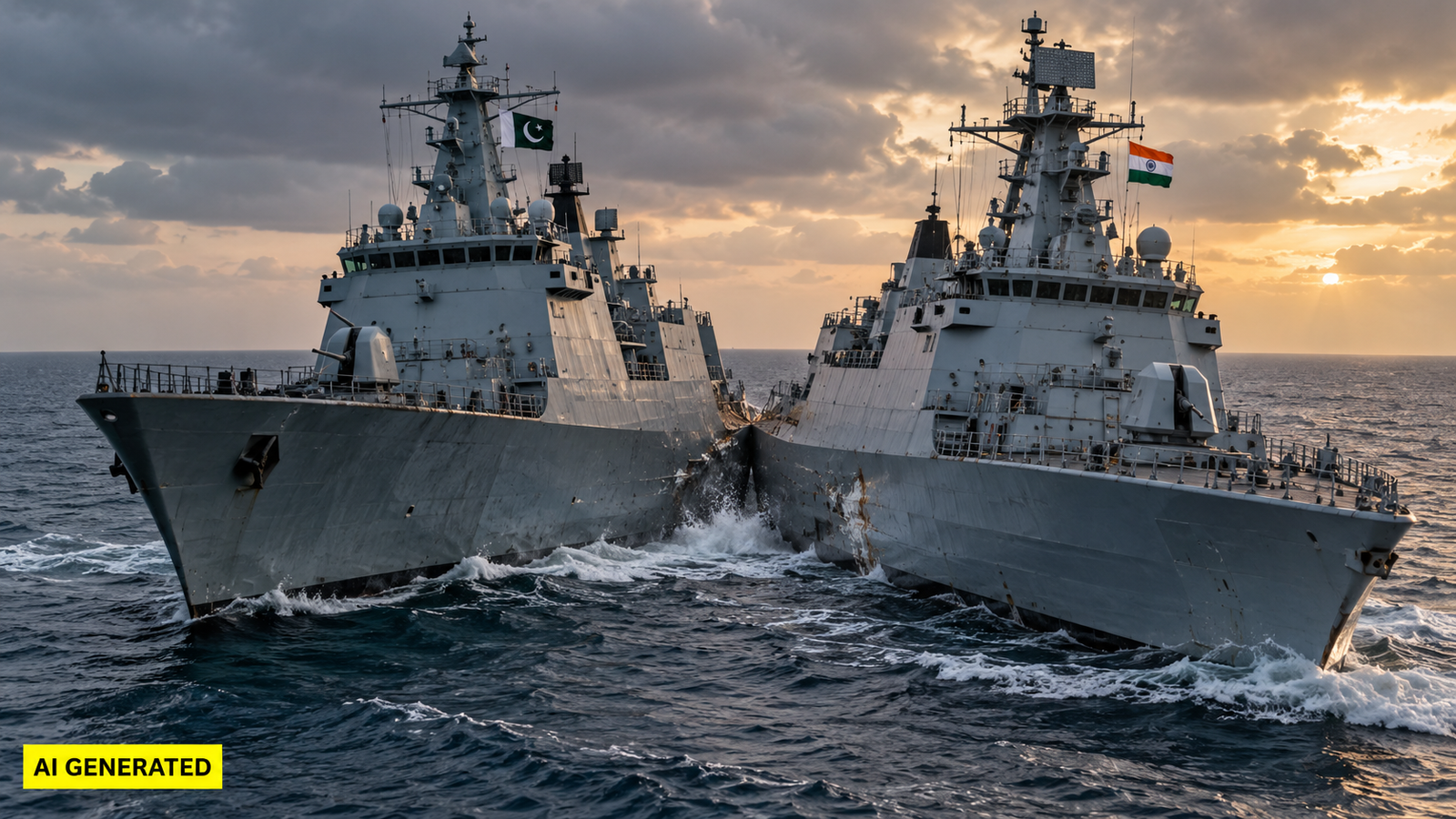
India has lodged a strong protest with Pakistan after a reported naval collision in international waters, citing unsafe conduct and the 1991 bilateral military agreement. No major damage was reported, while Pakistan’s immediate public response remained unavailable in the reviewed reports.
Published
2 hours agoon

- India summons Pakistan envoy over naval collision, lodges strong protest — The New Indian Express
- India summons Pakistan’s top diplomat after a naval collision in international waters — Associated Press
- India, Pakistani naval ships collide in international waters; MEA calls conduct ‘unprofessional’ — The Times of India
- Damage to INS Godavari — Press Information Bureau, Government of India
Contents
NEW DELHI | September 16, 2026
India summoned Pakistan’s chargé d’affaires on September 16, 2026, after a reported naval collision in international waters. New Delhi said the incident caused no major damage but called the Pakistani naval conduct unacceptable and unprofessional, while also alleging a breach of the 1991 India-Pakistan military agreement.
India summons Pakistan envoy after naval collision
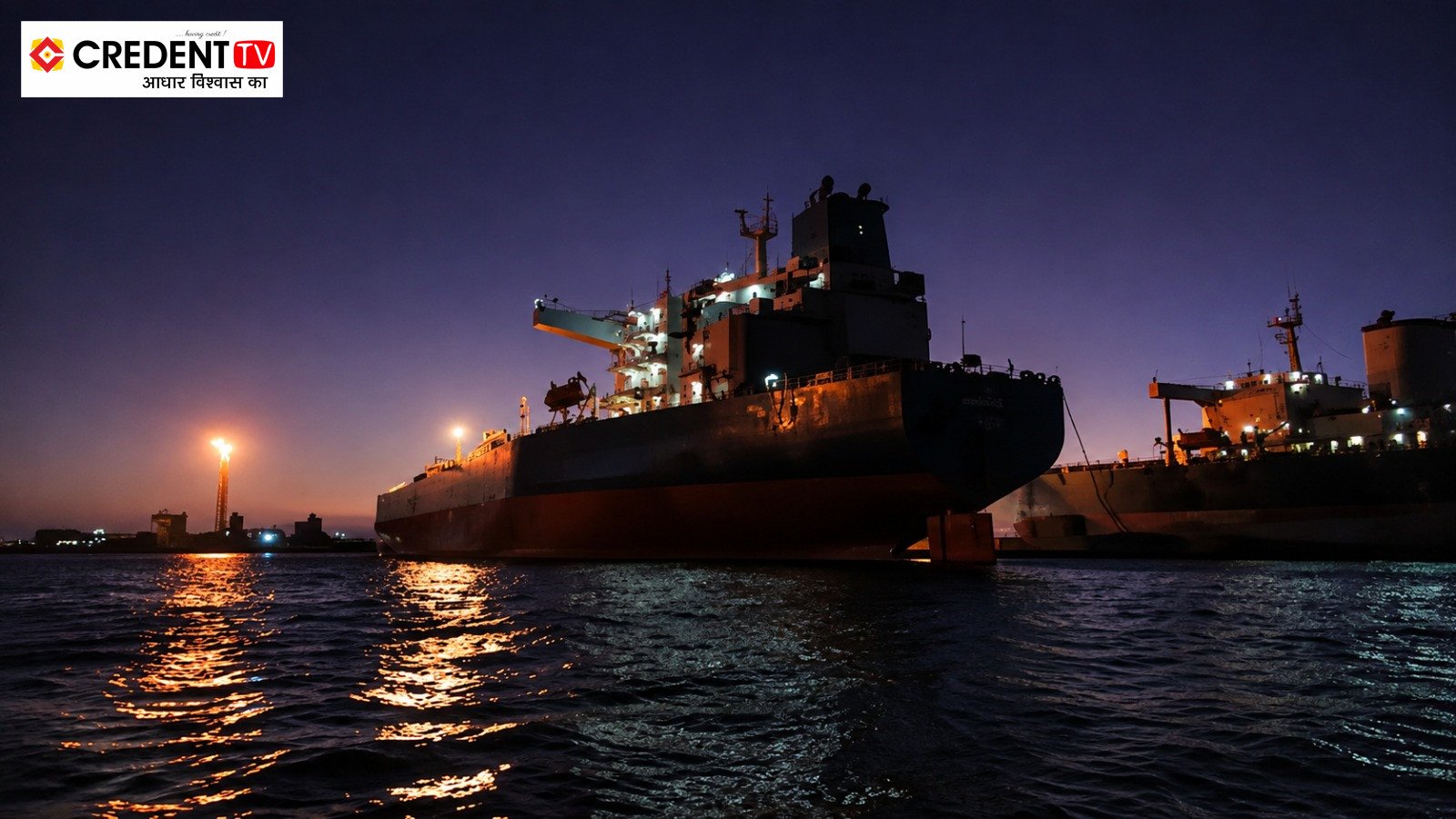
India summoned Pakistan’s chargé d’affaires in New Delhi on Wednesday, September 16, 2026, and lodged a formal protest after Pakistani naval units collided with an Indian Navy vessel in international waters, according to India’s Ministry of External Affairs (MEA). The collision reportedly took place on Tuesday in the northern Arabian Sea. The MEA said the incident did not cause any major damage.
New Delhi described the conduct of the Pakistani naval units as unacceptable and unprofessional. It asked Pakistan to ensure that its military units exercise due care and comply with relevant bilateral commitments so that similar incidents are not repeated. India also instructed its chargé d’affaires in Islamabad to lodge a similar protest with Pakistan’s Foreign Ministry.
What India says the 1991 agreement means
The central issue raised by India is the 1991 Agreement between India and Pakistan on Advance Notice on Military Exercises, Manoeuvres and Troop Movements. The MEA said the conduct of the Pakistani naval ship was in direct contravention of Article 10 of that agreement. The reports reviewed for this verification do not provide the full official text of the provision or an independent assessment establishing which vessel was at fault. That attribution should therefore remain an Indian government allegation, not a settled finding.
The agreement is part of a wider set of confidence-building measures intended to reduce the possibility of misunderstanding between the two militaries. Reporting on the agreement indicates that its naval provisions address certain large-scale exercises and movements, including specified situations involving warships near the other country’s exclusive economic zone. The available reports do not establish that the agreement itself was designed as a general collision-liability rule.
What is confirmed—and what is not
The immediate verified sequence is clear: the reported collision occurred on Tuesday, September 15, 2026; India issued its protest and summoned Pakistan’s chargé d’affaires on Wednesday, September 16; and New Delhi said its diplomat in Islamabad would deliver a parallel protest. The MEA said there was no major damage.
Pakistan’s government had not issued an immediate public response in the Associated Press report reviewed for this article. Claims appearing in some reports about the speed, manoeuvres, identity of the exact ships, or the precise circumstances of contact require additional official or technical confirmation and are not presented here as established facts.
Why the 2011 precedent matters
This is not the first publicly documented India-Pakistan naval contact to trigger a diplomatic protest. In 2011, India’s Press Information Bureau said Pakistani warship PNS Babur touched INS Godavari during an anti-piracy operation and caused marginal damage to a helicopter-deck safety net. India said it protested the alleged navigational-safety violation through Pakistan’s High Commission. The 2011 episode provides useful context, but it does not by itself prove that the 2026 incident followed the same pattern.
The main significance of the present episode is diplomatic rather than physical damage: both sides are using established channels to register objections, while the absence of a publicly reported Pakistani response leaves the factual account incomplete. Further naval, foreign-ministry or investigative statements would be needed before drawing conclusions about responsibility or escalation. This is an assessment based on the verified sequence and the currently available reporting.
How to read the official claims
Readers should distinguish between three separate claims: that a collision occurred, which is supported by the MEA account and independent reports; that the incident caused no major damage, which is the position reported by India; and that Pakistani conduct violated the 1991 agreement, which is India’s official characterization and has not been independently adjudicated in the material reviewed.
Sources
Related Credent TV coverage
Sunil Narnaulia is the Chief Editor at Credent TV, a journalist known for his insightful coverage and dedication to meaningful storytelling. With a deep commitment to providing unbiased news, he brings years of experience in the field, focusing on topics that impact society and drive change. His work spans various domains, from education to culture, aiming to inform, inspire, and empower audiences. Passionate about authenticity and accuracy, Sunil leads with a vision to elevate journalistic standards and make Credent TV a trusted source for reliable information.

You may like
Education
OPT Fee Proposal Clears White House Review; $100,000 Figure Remains Unconfirmed
Published
3 hours agoon
September 16, 2026
Washington | 16 Sep 2026
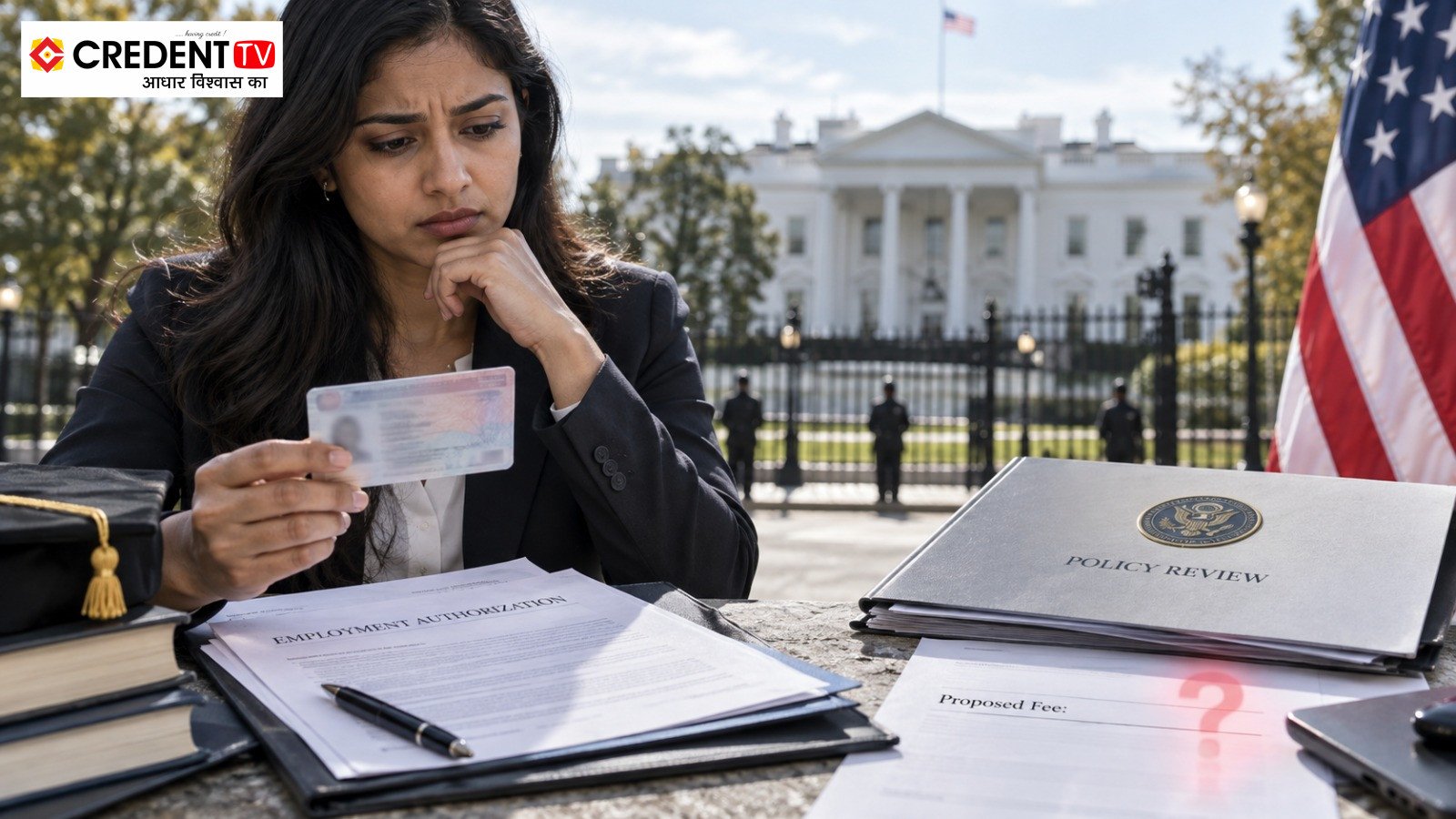
A proposed US OPT fee rule affecting post-study work authorisation for international graduates has cleared White House regulatory review. However, the widely reported $100,000 charge—about ₹88 lakh—has neither been officially confirmed nor implemented.
US OPT fee proposal awaits public release
The Department of Homeland Security’s US Immigration and Customs Enforcement submitted the proposed rule, titled “Optional Practical Training Fees”, to the White House Office of Information and Regulatory Affairs on 20 August 2026.
The official OIRA record shows that the review concluded on 11 September with the designation “Consistent with Change”. The proposal is classified as economically significant and remains at the proposed-rule stage.
The government has not yet disclosed the proposed fee, who would be required to pay it, which OPT applications it would cover, possible exemptions or an implementation date. The OIRA record also does not list a date for publication in the Federal Register.
Reports that the Trump administration is considering a $100,000 fee originated before the regulatory review was completed. Until the proposed rule is published, the figure should be treated as a reported possibility rather than an approved government charge.
What the US OPT fee proposal means for Indian students
Optional Practical Training allows eligible F-1 students to obtain temporary employment directly related to their field of study. Standard post-completion OPT generally provides up to 12 months of work authorisation, while eligible science, technology, engineering and mathematics graduates may seek a 24-month STEM extension.
The programme is particularly important for Indian graduates. According to the 2025 Open Doors report, 363,019 Indian students were enrolled at US institutions during the 2024–25 academic year. ICE data for 2024 also showed that students from India accounted for 48% of STEM OPT participants.
However, claims that the proposal will automatically affect about four lakh Indian students are premature. Not every Indian student applies for OPT, and the rule’s scope, payment responsibility and treatment of existing participants remain undisclosed.
Is the reported $100,000 OPT fee effective?
No new $100,000 OPT fee is currently in force. Completion of the White House review does not itself create a charge or change the existing application process.
The next expected step is publication of the proposed rule in the Federal Register. That document should disclose the proposed amount and eligibility conditions. A public-comment period would ordinarily follow before the administration could consider issuing a final rule and setting an effective date.
Students, universities and employers should therefore continue following the existing OPT requirements and rely on official DHS, ICE, USCIS and Federal Register announcements before making financial or academic decisions.
US OPT fee proposal, $100,000 OPT fee, OPT fee for Indian students, Trump OPT fee plan, Optional Practical Training, F-1 student visa, STEM OPT extension, US student visa news
#USOPTFee #IndianStudents #OptionalPracticalTraining #USVisaNews #TrumpAdministration
International
Houthi Drone Near Mecca: Saudi Arabia Intercepts UAV After Emergency Alert
Published
11 hours agoon
September 16, 2026
Mecca, Saudi Arabia | 16 September 2026: Saudi Arabia says its air defences intercepted and destroyed a Houthi drone south of Mecca before it entered restricted airspace around Islam’s holiest city. The interception followed emergency warnings issued in Mecca, Jeddah and Taif amid an escalation in missile and drone attacks on the kingdom.
What happened to the Houthi drone near Mecca?
The Saudi-led coalition said the drone was launched by Yemen’s Houthi movement and was destroyed south of Mecca before it could enter the city’s restricted airspace.
Major General Turki Al-Malki, spokesperson for the coalition, said Saudi forces would take necessary measures to protect the holy sites, civilians and pilgrims. Saudi authorities have described the security of Mecca and the kingdom’s religious sites as a critical national security priority.
The Houthis have denied targeting Mecca or other Islamic holy sites, even as the group has acknowledged carrying out attacks on other Saudi targets during the latest escalation.
Why was an emergency alert issued in Mecca?
Saudi Civil Defense issued a warning of “potential danger” for Mecca on 15 September through the National Early Warning Platform for Emergencies. Similar alerts were activated for Jeddah and Taif.
Authorities initially did not specify the precise nature of the threat. Residents were advised to move indoors, stay away from windows, balconies and open areas, and follow instructions from official channels.
The warnings were lifted after a short period when Civil Defense announced that the immediate danger had passed.
Was this the first Mecca emergency warning during the current escalation?
The alert was reported as the first such warning issued for Mecca since the latest phase of the regional conflict and Houthi attacks on Saudi Arabia intensified.
The warning drew particular attention because Mecca is home to the Grand Mosque and the Kaaba and receives Muslim pilgrims from around the world throughout the year.
Are the Houthis attacking Saudi Arabia with missiles and drones?
Saudi authorities say Houthi forces have intensified cross-border missile and drone attacks against Saudi territory in recent days.
According to the Saudi-led coalition, attacks on Khamis Mushait, Abha and Taif on 14 September injured 13 civilians. Seven homes and two vehicles were also damaged. The injuries were described as minor to moderate.
The coalition has said it will respond to further attacks while protecting Saudi sovereignty, civilians and infrastructure.
Did a Houthi missile or drone hit Mecca?
No strike inside Mecca has been confirmed in the latest incident. Saudi Arabia says the Houthi drone was intercepted south of the city before entering restricted airspace.
This distinction is important: the earlier emergency alert warned of a potential danger, while the subsequent Saudi military statement confirmed the interception of a drone approaching the Mecca area. There has been no confirmed report of the drone striking the Grand Mosque, the Kaaba or another site inside Mecca.
Why are Saudi Arabia and the Houthis fighting again?
The latest incidents are part of a renewed escalation involving Saudi Arabia and Yemen’s Iran-aligned Houthi movement. Missile and drone attacks, Saudi military operations in Yemen and growing tensions around Red Sea shipping routes have increased regional security concerns.
The Houthis have also expanded their presence around strategic Red Sea areas, including locations close to the Bab Al-Mandab Strait, an important international shipping route connecting the Red Sea with the Gulf of Aden.
Could the Saudi-Houthi escalation affect oil and Red Sea shipping?
Further escalation could increase risks for commercial shipping and energy supplies through the region. The Bab Al-Mandab Strait is a major global trade and energy route, while attacks on Saudi energy infrastructure have already added to concerns in international oil markets.
Authorities in Saudi Arabia continue to advise residents to rely on Civil Defense and other official channels for emergency information as the security situation develops.
Houthi drone near Mecca, Mecca emergency alert, Saudi Arabia Houthi attack, Houthi drone attack Saudi Arabia, Mecca drone attack, Saudi Arabia emergency alert, Houthi missile attack, Saudi Arabia news, Red Sea Houthi conflict, Mecca latest news
#Mecca #SaudiArabia #Houthi #HouthiDrone #MiddleEast
Cricket
India vs Afghanistan 2nd T20I Today: Varun Out, Ravi Bishnoi in Line for Chance
Published
1 day agoon
September 15, 2026
New Delhi | 15 Sep 2026
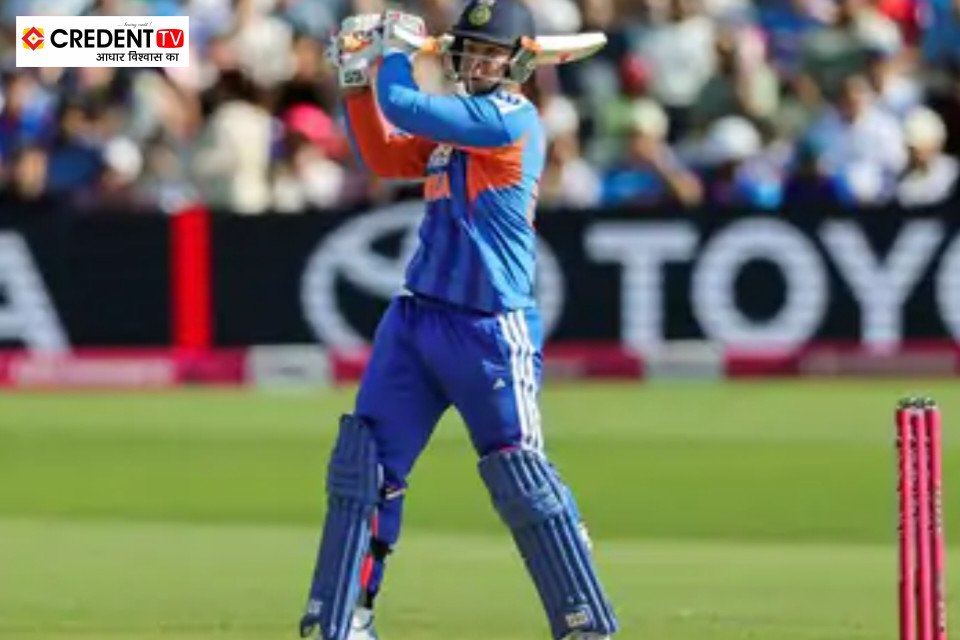
India vs Afghanistan 2nd T20I will be played at Delhi’s Arun Jaitley Stadium on Tuesday evening, with India aiming to seal the three-match series after taking a 1-0 lead. India will be without spinner Varun Chakaravarthy, who has been ruled out of the remaining matches with a fresh side strain, potentially opening the door for Ravi Bishnoi.
What time is India vs Afghanistan 2nd T20I today?
The second T20I between India and Afghanistan is scheduled to begin at 7:30 pm IST on 15 September at the Arun Jaitley Stadium in New Delhi. The toss is expected at 7 pm.
All three matches of the T20I series are being played in Delhi, with Afghanistan designated as the host. The third and final T20I is scheduled for 17 September at the same venue.
Why is Varun Chakaravarthy not playing India vs Afghanistan 2nd T20I?
Varun Chakaravarthy has been ruled out of the remaining Afghanistan T20Is after reporting a fresh side strain following the opening match. His availability for the Asian Games in Japan is also uncertain and will depend on further medical assessment.
The setback comes soon after Chakaravarthy returned from a hamstring injury. He delivered an economical spell of 1/16 from four overs in the first T20I before suffering the latest fitness problem.
Will Ravi Bishnoi play in India vs Afghanistan 2nd T20I?
Ravi Bishnoi is a leading option to replace Chakaravarthy in India’s playing XI because he is already part of the T20I squad as a specialist spinner. However, India had not officially confirmed their final XI ahead of the toss.
India could also consider Washington Sundar depending on the balance captain Shreyas Iyer and the team management want for the Delhi surface. The final combination will be confirmed only at the toss.
What could be India’s playing XI for the 2nd T20I?
India have little reason to make major changes after comfortably winning the opening match, but Chakaravarthy’s injury forces at least one bowling decision. The team must also decide how to address its fifth-bowler combination after Shivam Dube proved expensive late in Afghanistan’s innings in the first game.
A possible India XI is: Abhishek Sharma, Sanju Samson, Ishan Kishan, Shreyas Iyer (captain), Tilak Varma, Shivam Dube, Nitish Kumar Reddy, Axar Patel, Ravi Bishnoi, Jasprit Bumrah and Arshdeep Singh.
The combination remains provisional. Vaibhav Sooryavanshi and Washington Sundar are among the other options available to India.
Will Sanju Samson or Vaibhav Sooryavanshi play today?
Sanju Samson retained a place in the first T20I but managed only 10 runs, while Vaibhav Sooryavanshi was left out of the playing XI. Abhishek Sharma’s match-winning innings has strengthened his position at the top, leaving the team management with a selection call over the remaining batting combination.
No official announcement had been made before the toss on whether Sooryavanshi would replace Samson or another batter in the second match.
Who won the first India vs Afghanistan T20I?
India won the opening T20I by seven wickets to take a 1-0 lead in the series. Afghanistan scored 156/8 before India chased down the target in just 13.4 overs.
Abhishek Sharma led the chase with an explosive 82 from 32 balls, while Ishan Kishan scored 42. Earlier, Arshdeep Singh was India’s most successful bowler with 3/19.
Afghanistan had recovered from early wickets through Azmatullah Omarzai, who remained unbeaten on 64, and veteran Mohammad Nabi, but their total proved insufficient against India’s aggressive batting line-up.
Where to watch India vs Afghanistan 2nd T20I live?
The India vs Afghanistan T20I series is being televised in India on the Sony Sports Network. FanCode is carrying the live digital stream of the second T20I.
Viewers should check the relevant television channel or streaming platform close to match time for the latest broadcast availability and subscription requirements.
What is the India vs Afghanistan T20I series score?
India lead the three-match series 1-0. A victory in the second T20I would give Shreyas Iyer’s side an unassailable 2-0 advantage, while Afghanistan need a win to keep the series alive going into the final match on 17 September.
For Afghanistan, captain Ibrahim Zadran, Rahmanullah Gurbaz, Rashid Khan, Mohammad Nabi and Azmatullah Omarzai will be central to their attempt to level the series after India dominated the opening encounter.
India vs Afghanistan 2nd T20I: What will decide the match?
India’s biggest selection question surrounds Chakaravarthy’s replacement and the fifth-bowler role. Afghanistan, meanwhile, need a stronger start with the bat after losing early wickets in the series opener.
Abhishek Sharma’s form, India’s pace combination of Bumrah and Arshdeep, and Afghanistan’s spin attack led by Rashid Khan could be decisive as India chase a series-clinching victory in Delhi.
India vs Afghanistan 2nd T20I, IND vs AFG 2nd T20I, India vs Afghanistan live score, India vs Afghanistan playing 11, India vs Afghanistan live streaming, Varun Chakaravarthy injury, Ravi Bishnoi, Abhishek Sharma, Sanju Samson, India Afghanistan T20 2026
#INDvsAFG #INDvsAFG2ndT20I #TeamIndia #RaviBishnoi #AbhishekSharma
Breaking News
BRICS Summit 2026 Backs Local-Currency Trade as India Clarifies Common Currency Position
Published
3 days agoon
September 13, 2026
New Delhi | 12 Sep 2026
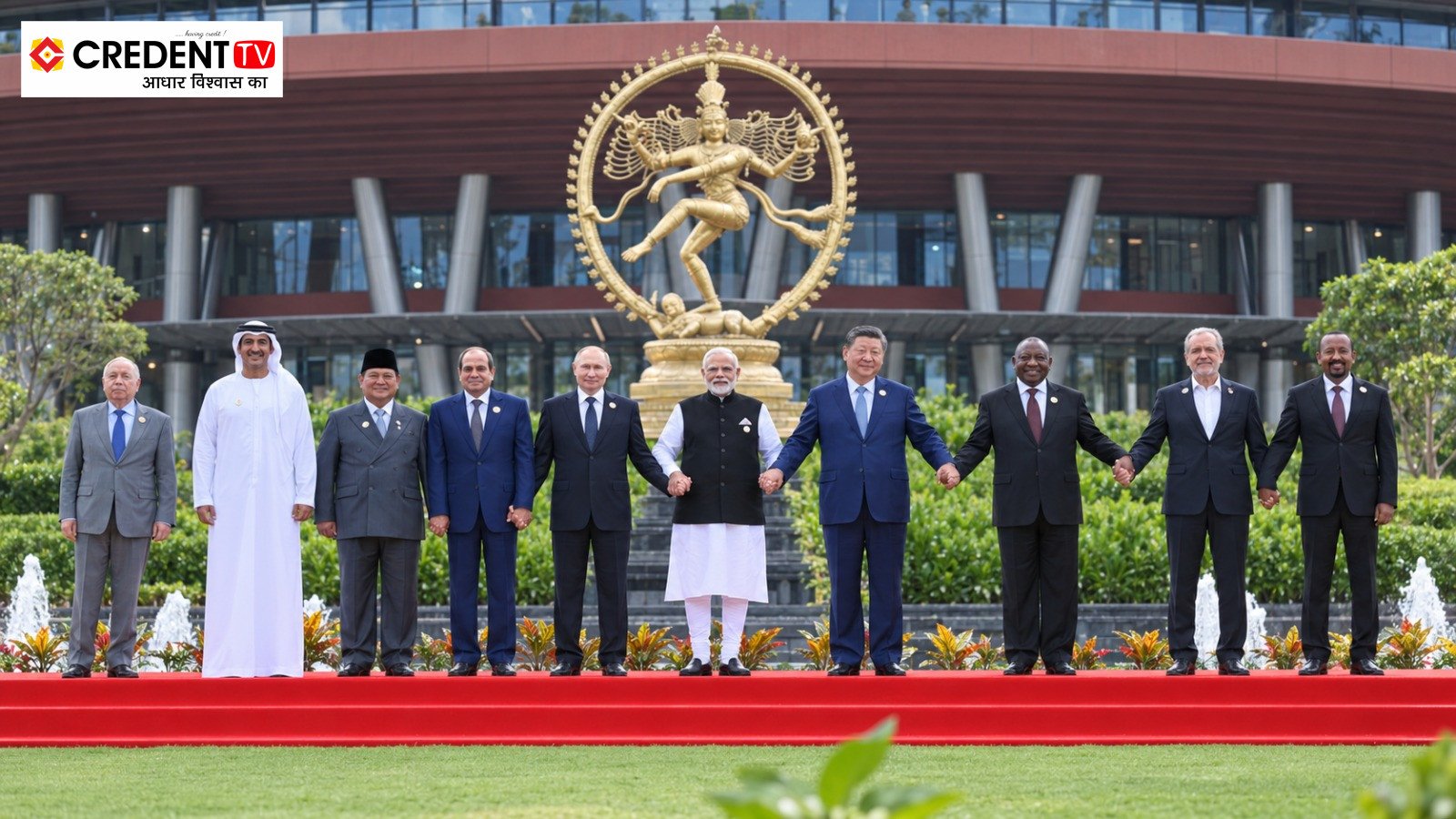
The BRICS Summit in New Delhi backed greater use of national currencies in trade and investment, while India clarified that there was no proposal for a common BRICS currency. The discussions focused on reducing transaction costs and improving cross-border payments, according to remarks by India’s BRICS Sherpa Sudhakar Delela.
BRICS Summit Prioritises Local-Currency Trade
Delela, Secretary for Economic Relations in the Ministry of External Affairs, said the emphasis was on expanding trade within BRICS and strengthening engagement with businesses internationally.
The New Delhi Declaration supported further work on connecting payment and messaging systems. It also backed discussions on settling trade and investment transactions in members’ currencies, while recognising that countries would need approaches suited to their circumstances.
These commitments concern cooperation between existing national financial systems; they do not amount to the launch of a shared currency.
Development Finance and Payment Cooperation in Focus
The declaration encouraged the New Development Bank to expand local-currency financing and diversify funding for infrastructure projects. The BRICS Payment Task Force is also examining closer integration of national payment systems to improve the speed and security of international transactions, according to [The Indian Express](https://indianexpress.com/article/explained/brics-new-delhi-summit-declaration-key-takeaways-10875050/).
The financial agenda therefore centres on further technical cooperation and financing initiatives. The commitments should not be read as confirmation that a unified BRICS payment network is already operational.
BRICS Summit 2026, BRICS currency, BRICS local currency trade, New Delhi Declaration, BRICS cross-border payments, New Development Bank
#BRICS #BRICSSummit2026 #BRICSCurrency #GlobalTrade #CredentTV
Breaking News
Saudi Arabia Shuts East-West Oil Pipeline After Drone Attacks From Iraq
Published
4 days agoon
September 12, 2026
Riyadh | 12 Sep 2026
Saudi Arabia has temporarily shut its East-West oil pipeline after drone attacks struck sections of the critical network in the Riyadh and Medina regions, intensifying concerns over global crude supplies as shipping through the Strait of Hormuz remains severely disrupted.
Saudi pipeline closed as a precaution
The Saudi Energy Ministry said the 1,200-kilometre pipeline was closed as a precaution while authorities assessed the damage. The Saudi Foreign Ministry reported injuries but did not disclose their number or clarify the immediate effect on crude exports.
Saudi Arabia and Iraq said the drones had been launched from Iraqi territory. However, Saudi authorities had not publicly identified who carried out the attacks as of Saturday.
The East-West pipeline carries crude across the Arabian Peninsula to the Red Sea port of Yanbu, allowing Saudi exports to bypass the Strait of Hormuz. Ship-tracking companies and energy analysts estimate that the network has recently transported between four million and five million barrels per day—equivalent to roughly four to five per cent of global oil supply.
Iraq dismisses commander and opens investigation
Iraq’s government said an investigation found that the attacks originated from Maysan province, which borders Iran. Prime Minister Ali al-Zaidi ordered the dismissal of the provincial operations commander and announced a wider inquiry.
Baghdad also closed the Shalamcheh and Chazabeh border crossings with Iran until further notice. Iraqi authorities said they had launched an operation to identify and apprehend those responsible.
Saudi Arabia said it would refrain from immediate retaliation following a request from Iraq’s prime minister, giving Baghdad an opportunity to act. Riyadh nevertheless maintained that it reserved the right to take necessary measures to protect its sovereignty, national security and critical infrastructure.
Hormuz disruption increases pipeline’s importance
The pipeline has become increasingly important since the conflict involving Iran disrupted tanker movements through the Strait of Hormuz, a route used for about one-fifth of global oil and liquefied natural gas trade.
Its shutdown places additional pressure on Gulf energy exports at a time when Saudi Arabia’s Red Sea shipping route is also facing growing security risks. Crude prices moved above $100 a barrel during the week as markets assessed possible supply shortages and wider regional escalation.
Houthi advance threatens second shipping corridor
Four Yemeni government sources told Reuters that Iran-aligned Houthi forces had seized Perim Island in the Bab el-Mandeb Strait, at the southern entrance to the Red Sea. The group was also reported to have captured the nearby coastal town of Dhubab.
The developments could expose both sides of the Arabian Peninsula’s oil-export network to disruption: the Strait of Hormuz in the east and the Bab el-Mandeb route in the west.
A Houthi military spokesman said maritime navigation remained safe for vessels other than Saudi ships covered by a previously announced restriction. Iran describes the Houthis as an ally but denies directing their military operations.
Saudi crude supply falls to three-decade low
The International Energy Agency estimated that Saudi crude supply fell by 2.3 million barrels per day in August to six million barrels per day, its lowest level in more than three decades. Saudi Arabia reported different figures to OPEC, saying it produced 6.238 million barrels per day and supplied 7.122 million barrels per day during the month.
Damage assessments and investigations into the pipeline attacks remain under way. The duration of the shutdown and its full impact on Saudi exports have not yet been officially confirmed.
Breaking News
US-Iran Conflict Pushes Oil Above $100, Raises India Fuel-Cost Risks
Published
7 days agoon
September 9, 2026
New Delhi | 09 Sep 2026
Brent crude climbed above $100 a barrel on Wednesday as escalating US-Iran attacks threatened shipping and energy supplies near the Strait of Hormuz, increasing pressure on India’s oil-import bill and raising the risk of higher petrol, diesel and LPG costs.
US-Iran conflict drives Brent crude above $100
Brent crude rose about 3% to trade above $100 a barrel for the first time in nearly six weeks, while US West Texas Intermediate crude advanced beyond $95. Prices increased after attacks involving tankers and other vessels intensified concerns about further disruption to Gulf energy shipments.
The Strait of Hormuz remains central to the market’s concerns. The International Energy Agency estimates that about 25% of global seaborne oil trade passed through the waterway in 2025, while alternative export routes have limited capacity.
Indian crude basket rises above $106
India’s Petroleum Planning and Analysis Cell placed the Indian crude basket at $106.26 a barrel on 7 September. Its September average up to that date was $100.75, compared with $90.19 in August and $82.04 in July.
The increase raises costs for Indian refiners and places additional pressure on the country’s import bill. A weaker rupee compounds that burden because crude purchases are largely settled in US dollars. The rupee closed at 95.1050 against the dollar on Wednesday amid rising oil prices and wider market uncertainty.
Will petrol and diesel prices rise in India?
The crude oil surge does not automatically result in an immediate or proportionate increase in retail petrol and diesel prices. Pump prices also depend on international refined-product rates, the rupee-dollar exchange rate, freight, dealer margins, central excise duty and state taxes.
Oil marketing companies and the government may absorb part of a temporary increase through marketing margins or tax adjustments. However, if crude prices remain elevated for an extended period, pressure could build either for higher pump prices, lower taxes or financial support for fuel retailers.
No nationwide increase in Indian petrol or diesel prices had been officially announced in response to Wednesday’s market movement at the time of reporting.
LPG and inflation risks for India
India depends substantially on imported LPG, making domestic cooking-gas costs vulnerable to sustained increases in international prices and disruptions to Gulf shipping. The final retail effect would depend on import costs, government subsidy decisions and the pricing policies of oil companies.
Prolonged high crude prices could also increase transport, aviation, manufacturing and logistics costs, feeding into broader inflation. The scale of the impact will depend on how long the conflict continues, whether tanker traffic faces further restrictions and whether additional global supplies can offset losses from the region.
Breaking News
Modi-Putin Meeting Focuses on Ukraine Peace and BRICS Summit Invitation
Published
2 weeks agoon
August 31, 2026
Bishkek, Kyrgyzstan | 31 Aug 2026
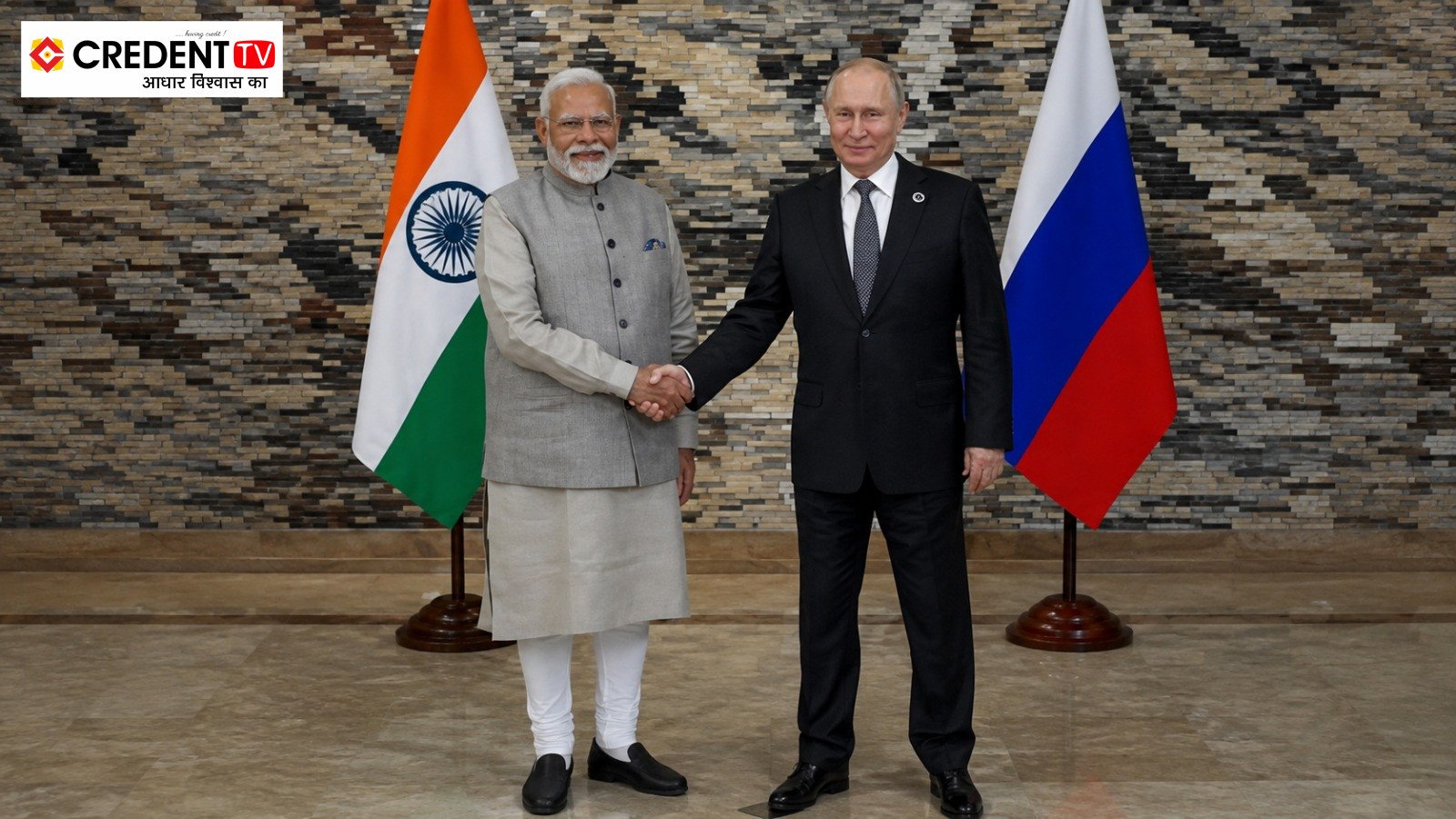
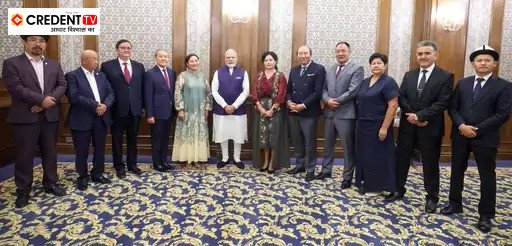
Prime Minister Narendra Modi called for an end to prolonged conflicts during talks with Russian President Vladimir Putin in Bishkek on Monday, reaffirming India’s support for a peaceful resolution of the Russia-Ukraine war and inviting Putin to the BRICS Summit in New Delhi.
Modi-Putin meeting focuses on ending Russia-Ukraine war
Modi and Putin held bilateral talks on the sidelines of the 26th Shanghai Cooperation Organisation Summit after exchanging a warm greeting. During their publicly televised remarks, Modi said every day of war pushed humanity backwards and that the international community must move from managing prolonged wars towards ending them.
The prime minister reiterated that India supported efforts to resolve disputes through peaceful means. The remarks were consistent with New Delhi’s stated position that dialogue and diplomacy should be used to secure a lasting settlement of the Russia-Ukraine war.
Putin said India-Russia relations continued to strengthen under their Special and Privileged Strategic Partnership. No new bilateral agreement was immediately announced following the meeting.
The talks followed the 23rd India-Russia Annual Summit held during Putin’s state visit to New Delhi in December 2025. India and Russia maintain extensive cooperation in energy, defence, trade, fertilisers, education and multilateral forums, including the SCO, BRICS and the G20.
Putin invited to September BRICS Summit in New Delhi
Modi invited Putin and the Russian delegation to attend the BRICS Summit scheduled to be held in New Delhi on 12 and 13 September 2026. The two leaders are expected to continue discussions on bilateral and international issues during the gathering.
The Kremlin had confirmed before the Bishkek meeting that the leaders would review the broader India-Russia relationship. Modi’s invitation came as India holds the BRICS presidency for 2026.
Modi holds talks with leaders of Iran, Kyrgyzstan and Armenia
Modi also met Iranian President Masoud Pezeshkian on the sidelines of the SCO Summit. According to the Indian Prime Minister’s Office, they reviewed bilateral ties and discussed the conflict in West Asia.
Modi expressed concern over regional tensions and reiterated India’s position that disputes should be settled through dialogue and diplomacy. He also called for protecting freedom of navigation and commerce and said civilians, commercial vessels, seafarers and civilian infrastructure must not be harmed.
During separate talks with Kyrgyz President Sadyr Zhaparov, the two leaders reviewed their countries’ strategic partnership and agreed to strengthen economic, commercial and people-to-people cooperation, including student exchanges and cultural collaboration.
Modi also met Armenian Prime Minister Nikol Pashinyan. Their discussions covered defence, pharmaceuticals, mining, education, culture and economic cooperation. Pashinyan briefed Modi on the implementation of the Armenia-Azerbaijan peace agreement, according to the PMO.
Modi pays tribute at Mahatma Gandhi Memorial in Bishkek
Before his diplomatic meetings, Modi laid a floral tribute at the Mahatma Gandhi Memorial in Bishkek and interacted with members of the Indian community. The ANI video of the visit can be viewed below.
<a href="https://
“>View ANI’s video from the Mahatma Gandhi Memorial in Bishkek
SCO Summit brings leaders of 10 member countries together
The Bishkek summit marks the 25th anniversary of the Shanghai Cooperation Organisation. The group comprises India, China, Russia, Pakistan, Iran, Belarus, Kazakhstan, Kyrgyzstan, Tajikistan and Uzbekistan.
Founded in 2001 as a regional security forum, the SCO has expanded its agenda to include counterterrorism, economic cooperation, connectivity, energy and cultural engagement. India became a full member in 2017.
Modi is expected to present India’s priorities of security, connectivity and opportunity during the summit. He is also scheduled to attend the opening ceremony of the sixth World Nomad Games in Kyrgyzstan.
Breaking News
Nepal Flood Death Toll Tops 800 as Mass Burials Begin, China Data Questions Emerge
Published
2 weeks agoon
August 31, 2026
Chitwan | 30 Aug 2026
The Nepal flood disaster has killed more than 800 people across Nepal and Tibet, while more than 3,000 remain missing as authorities begin temporary mass burials of unidentified victims. The catastrophe has also renewed scrutiny of cross-border early-warning systems after Nepali officials said they had sought broader glacier and river data from China months before the August 26 disaster, while Beijing maintains that it shared available warnings in a timely manner.
Nepal Flood Mass Burials Begin After Morgues Are Overwhelmed
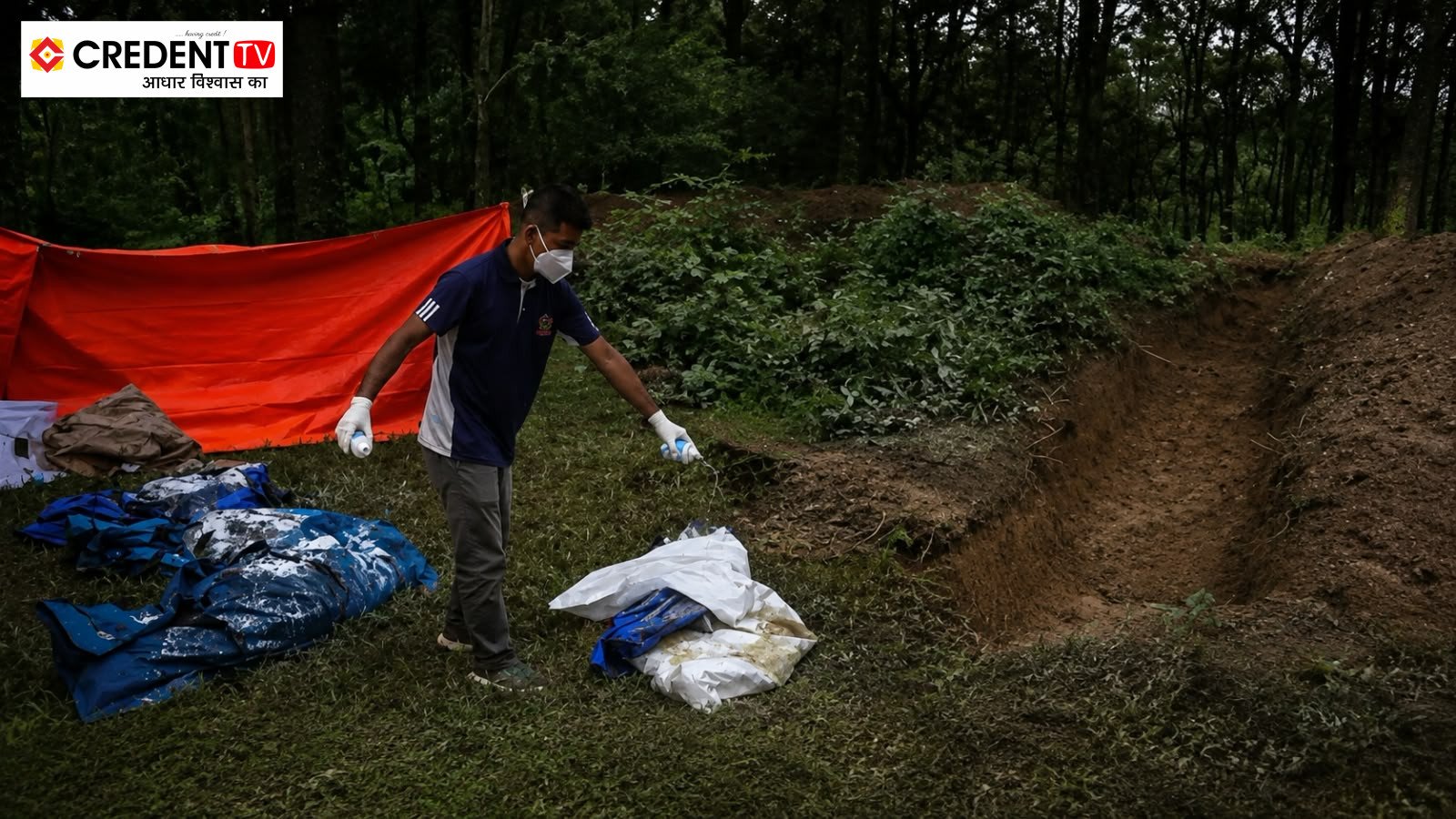
Authorities have dug hundreds of graves in the Devghat forest in Chitwan district, nearly 200 kilometres downstream from the worst-hit valleys of Rasuwa, after floodwaters carried bodies far from the original disaster zone.
Officials began temporarily burying unidentified victims after taking DNA samples, photographs and other forensic records that could allow bodies to be identified and exhumed later if relatives establish a match.
Ninety-six unidentified bodies were buried on Saturday, with authorities preparing to bury more than 100 additional victims as recovery teams continued finding bodies in rivers and debris.
Many remains are severely decomposed after spending several days in floodwaters. Bharatpur Hospital and temporary facilities in Chitwan have struggled with numbers far beyond their normal mortuary capacity.
Nepal Police records also show numerous unidentified bodies recovered in connection with the Rasuwa disaster being held in facilities around Bharatpur for identification.
More Than 800 Dead Across Nepal and Tibet
The disaster struck on August 26 after a massive collapse of ice and rock near the Nepal-Tibet border sent a torrent of water, mud, boulders and debris through Himalayan valleys and downstream river systems.
By late Sunday, Nepal Police had reported close to 800 bodies recovered on the Nepalese side alone, while Chinese authorities reported 16 deaths in Tibet. Taken together, the confirmed toll had risen above 800 and remained subject to further revision as recovery operations continued.
Nepal’s National Disaster Risk Reduction and Management Authority said about 2,500 people remained missing in Nepal. Chinese authorities separately reported more than 500 people missing in Tibet, taking the number unaccounted for across the affected border region above 3,000.
Hundreds of foreign nationals are among those still missing. Rescue teams from Nepal have been joined by specialists from India, China and other countries as authorities search devastated settlements and hydropower facilities.
Hundreds of Hydropower Workers Still Unaccounted For
Hydropower projects along the flood corridor remain a major focus of rescue operations. Nepalese authorities have reported hundreds of project workers missing, with rescuers attempting to reach people feared trapped inside tunnels blocked by mud and debris.
Heavy equipment, cameras, oxygen supplies and specialist tunnel-rescue personnel have been deployed. Poor weather, unstable slopes, debris and renewed flood risks have repeatedly complicated operations.
Nepal Had Sought More Glacier and River Data From China
The disaster has brought new attention to an earlier Nepal-China meeting on disaster monitoring. Officials and experts from both countries met in Kathmandu on May 27, about three months before the catastrophe, to discuss floods, weather hazards, glaciers and cross-border disaster preparedness.
According to Nepali officials involved in the discussions, Nepal sought more detailed and frequent information about glacier movements, river levels, avalanches and other hazards originating in Tibet. They said the information-sharing arrangements that followed did not provide all the data Nepal wanted.
Chinese representatives at the May meeting did not have authority to sign the proposed formal arrangement and indicated that further discussions would be required.
However, there is no verified evidence that inadequate Chinese data-sharing caused the August 26 disaster, and experts have cautioned against drawing that conclusion. Preliminary assessments indicate that the catastrophe was triggered by a large ice-and-rock collapse in an extremely difficult-to-monitor Himalayan area.
China Says Warnings and Information Were Shared
China has rejected suggestions that it failed to provide warnings. The Chinese Embassy in Nepal said the two countries had remained in close contact and made substantial progress on cross-border disaster information sharing.
Chinese authorities had also warned Nepal about a period of enhanced rainfall before the catastrophe. An email sent to Nepali officials about 12 days before the disaster warned that heavy rainfall could produce secondary hazards including landslides and flash floods.
Nepali hydrologists have said China was already sharing heavy-rain forecasts, but Nepal wanted more detailed information on water levels, avalanches, landslides and glacier movement.
Nepal Seeks Faster Cross-Border Early-Warning System
Nepal now plans to pursue a more formal data-sharing arrangement with China that could provide much more frequent information on precipitation and river conditions.
Officials have indicated that Nepal wants data at intervals as short as 10 minutes, similar to mechanisms used in other cross-border river-monitoring arrangements, to increase the time available to warn downstream communities.
The need for faster alerts was underlined by the speed of the August 26 disaster. Nepalese officials said monitoring stations were damaged or stopped transmitting as the flood moved downstream, limiting the flow of real-time information during the emergency.
The torrent destroyed bridges, roads, homes and hydropower infrastructure, while fresh rainfall and newly formed lakes and landslide dams have continued to pose additional risks.
Fresh Flood Threat Keeps Rescue Teams on Alert
Nepal’s disaster authorities warned again on Sunday after water levels rose in the Bhotekoshi River. Residents and rescue personnel in vulnerable areas were advised to remain cautious.
China has also provided Nepal with hydrological and meteorological information following the disaster, including information about newly formed water bodies and conditions upstream. Beijing has supplied emergency financial assistance and deployed specialist rescue support.
Nepal’s government says locating missing people and rescuing those who may still be trapped remain its immediate priorities. Casualty and missing-person figures are expected to continue changing as teams reach previously inaccessible locations and forensic identification progresses.
Breaking News
Mohan Bhagwat New York Speech: Hinduism Cannot Exclude Muslims, Diversity Is Strength
Published
2 weeks agoon
August 30, 2026
New York | 29 Aug 2026
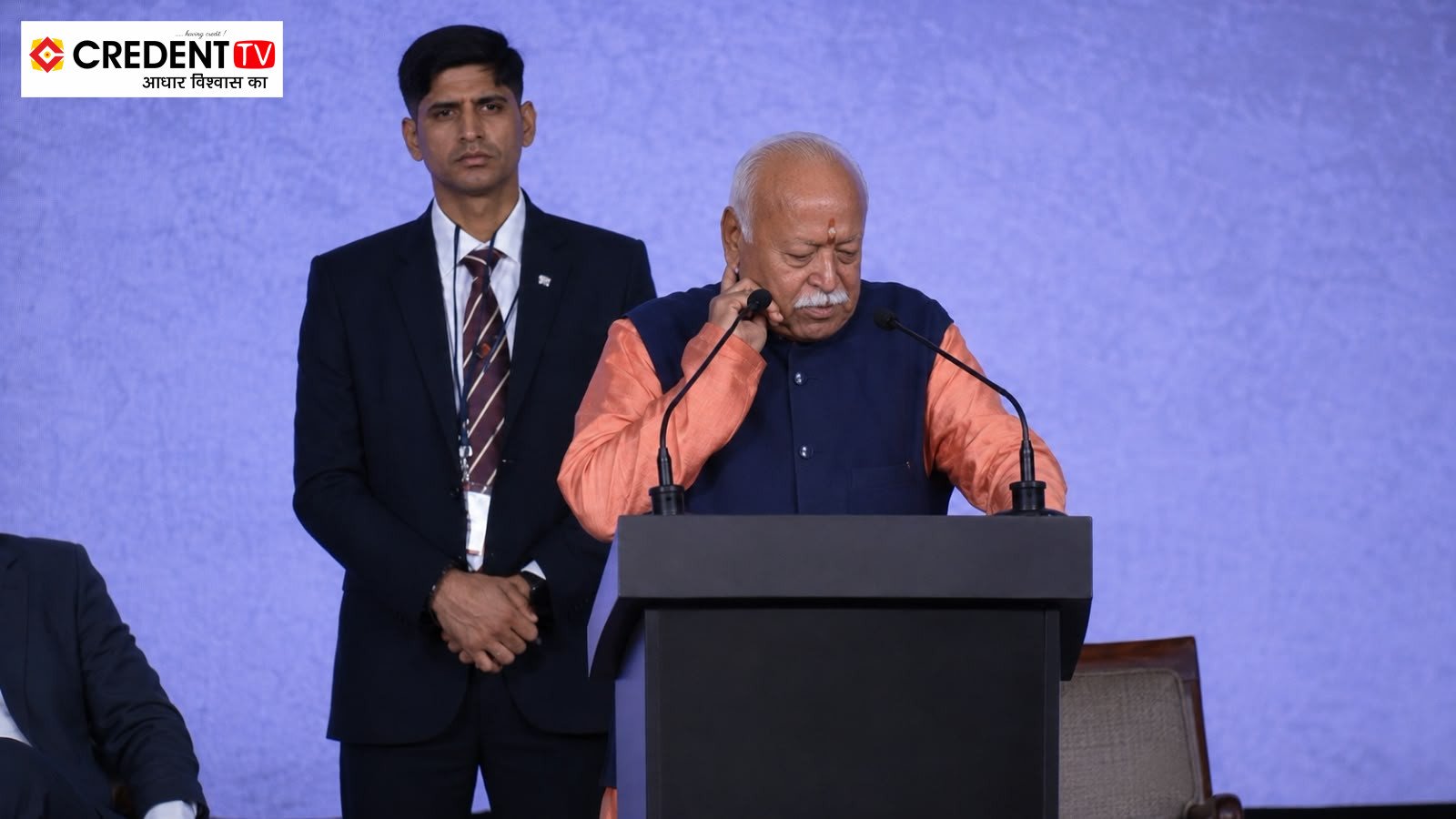
Rashtriya Swayamsevak Sangh chief Mohan Bhagwat said in New York on Saturday that Hindu identity cannot be based on excluding Muslims and argued that India’s defining civilisational principle is “unity in diversity”. His remarks came during engagements with faith leaders and later at the Universal Oneness Celebration at Madison Square Garden, against the backdrop of protests and debate over the RSS and its ideology.
Mohan Bhagwat New York Speech Stresses Unity in Diversity
Addressing the Universal Oneness Celebration at Madison Square Garden, Bhagwat contrasted the American idea of pluralism with what he described as Bharat’s tradition of unity in diversity. He said diversity did not weaken an underlying sense of oneness and should instead be celebrated and respected.
“Diversity has to be celebrated, has to be respected, has to be accepted.”— Mohan Bhagwat, RSS chief
Bhagwat said every nation had a purpose and argued that Bharat’s role was to understand this underlying unity and periodically remind the world that differences could coexist with a shared human bond. He also urged members of the Indian diaspora to remain loyal and responsible citizens of the United States, which he described as their “karma bhumi”, while retaining a connection with their “janmabhumi”.
The gathering was organised by the American Hindus for Engagement and Dialogue, or AHEAD Forum. The organiser said more than 5,000 people were expected and that over 250 partner organisations were supporting the event, which was held around the theme of universal oneness and the principle of “Vasudhaiva Kutumbakam” — the world is one family.
Bhagwat Says Hindu Identity Cannot Be Based on Excluding Muslims
In a separate faith leaders’ conference in New York ahead of the Madison Square Garden programme, Bhagwat addressed questions surrounding Hindu Rashtra and the place of Muslims in India. Recalling a discussion from his 2018 lecture series, he said removing Muslims from the country was not consistent with his understanding of Hindutva.
“If any Hindu thinks there should be no Muslims in India, he will not remain Hindu.”— Mohan Bhagwat, RSS chief
He said a person calling themselves Hindu must recognise the dignity of every human being and accept that different spiritual paths can lead towards the same ultimate goal. Bhagwat also said diversity must be protected alongside one’s own identity, describing diversity as a feature of nature and unity as the underlying truth.
Bhagwat Calls for Dialogue and Society-Led Change
Bhagwat argued that lasting social change should begin within society rather than through political institutions. He said politics had become a “game of self-interest” and maintained that dialogue and service were necessary to build trust between communities.
He referred to discussions initiated with Muslim and Christian representatives after his earlier public lectures and said such engagement needed to continue even when immediate results were not visible. Bhagwat argued that public opinion ultimately influences politics in a democracy and that stronger social understanding could therefore shape policy over time.
New York Event Proceeds Despite Protests and Criticism
Bhagwat’s visit drew opposition from a coalition of interfaith, civil-rights and secular organisations in the United States. New York City Mayor Zohran Mamdani also criticised the RSS, describing its ideology as exclusionary, while saying he was unsure whether the city had authority to cancel a privately organised event.
The RSS rejected that characterisation of the gathering. Senior RSS functionary Sunil Ambekar described the Universal Oneness Celebration as an interfaith event intended for dialogue with a diverse, multicultural and multi-faith audience. AHEAD Forum similarly presented the programme as an initiative centred on unity, mutual respect and civic responsibility.
The Madison Square Garden programme went ahead as scheduled on August 29. Bhagwat’s United States visit forms part of a wider overseas outreach during the RSS centenary period, with engagements also planned in Canada and the United Kingdom.
Breaking News
Trump Announces US-Venezuela Oil Deal Covering 65 Billion Barrels
Published
3 weeks agoon
August 29, 2026
Washington | 28 Aug 2026
US President Donald Trump announced a US-Venezuela oil deal on Friday that he said would give the United States majority control over more than 65 billion barrels of Venezuela’s proven reserves. However, the agreement’s legal structure, participating companies and implementation timetable have not been publicly disclosed.
US-Venezuela oil deal covers 17 fields
Trump said Secretary of State Marco Rubio and Defence Secretary Pete Hegseth negotiated the agreement with Venezuela’s interim President Delcy Rodríguez and private businesses. He claimed the arrangement would impose no cost on American taxpayers.
“The United States of America has just entered into an Agreement with the Country of Venezuela on, THE BIGGEST OIL DEAL IN WORLD HISTORY!”— Donald Trump, US President
Rodríguez’s government said the agreement covered the development of 17 strategic oilfields with proven potential of 65 billion barrels. An unnamed US official told the Associated Press that the plan envisaged a new company involving the United States and a private operator, with the US receiving 55 per cent of its effective output through ownership and rights to purchase crude at cost.
The official said the company would receive 100-year development rights. Neither government had published the full agreement or identified the private operator by Saturday.
Venezuela projects $100 billion in private investment
The Venezuelan government said the agreement could attract nearly $100 billion in private investment and generate more than $209 billion in tax revenue. Rodríguez said it would help modernise the country’s oil industry, increase production and support economic growth.
Rubio said the arrangement would provide the United States with stable, lower-cost oil while creating jobs and investment in Venezuela. Oil purchased through the proposed company could also be used for the US Strategic Petroleum Reserve and military requirements, according to the US official cited by the Associated Press.
Legal and infrastructure questions remain unresolved
Venezuela holds an estimated 303 billion barrels of crude reserves, among the largest proven holdings globally, but produces about 1.25 million barrels per day after years of underinvestment, sanctions and deteriorating infrastructure.
Energy analysts cautioned that Venezuela’s constitutional and petroleum laws could complicate any arrangement giving a foreign government operational control over oilfields. Trump did not explain how majority control would be exercised or whether the agreement required further legislative or regulatory approval.
A rapid reduction in US fuel prices is also uncertain. Venezuela’s heavy crude requires specialised production, transport and refining infrastructure, and a substantial increase in output could take years and require significant capital.
The announcement expands an energy arrangement introduced in January, when Washington began facilitating sales of Venezuelan crude and selectively easing sanctions covering trade and transportation. Existing sanctions on crude production were not fully removed under that earlier authorisation.

Naval Collision: India Summons Pakistan Envoy After Arabian Sea Incident

OPT Fee Proposal Clears White House Review; $100,000 Figure Remains Unconfirmed

Houthi Drone Near Mecca: Saudi Arabia Intercepts UAV After Emergency Alert

India Retail Inflation August 2026 Rises to 4.82% as Food Prices Climb

India vs Afghanistan 2nd T20I Today: Varun Out, Ravi Bishnoi in Line for Chance

SRN International School Celebrates Ganesh Chaturthi with Cultural Performances

Priyansh Arya: The Six-Hitting Sensation of IPL 2025

Top 10 Most Searched Topics on YouTube: What’s Trending Now?

Preity Zinta Spotted with New Punjab Kings Hero Priyansh Arya in Viral Clip

Nag Panchami 2025: 7 Key Rituals and Puja Time to Eliminate Kaal Sarpa Dosha

Radhika Merchant: A New Chapter as Radhika Ambani

Balen Shah, Kathmandu’s independent mayor, from rapper to political leader. Explore his rise amidst Nepal’s youth-led revolution-

best career opportunities | Jaipur Career Fair | Credent TV | Dainik Navjyoti D2S03

what is reiki healing | Mental Health | Shiksha Sarokar, शिक्षा सरोकार, Sunil Narnaulia

DAV Centenary Public School, Vaishali Nagar, Jaipur hosts Successful ‘Mind Wars Quiz: A Battle of Wits and Knowledge’
Trending Post
Election2 days agoRajasthan Municipal Election Results 2026 Live Updates
Breaking News3 weeks agoVaibhav Sooryavanshi’s Two-Wicket Duleep Trophy Spell Powers East Zone into Semi-finals
Breaking News3 weeks agoSRN Ad-to-Pitch Challenge Tests Young Entrepreneurs in Jaipur
Breaking News3 weeks agoKharge and Rahul Gandhi Urge Modi to Scrap Caste Census Questionnaire
Breaking News3 weeks agoReports Claim Pakistan Deployed Bayraktar TB2 Drones Near LoC
Breaking News3 weeks agoNitin Gadkari Clarifies Younger Generation Remark Was About Trust, Not Politics
Breaking News1 week agoSavitribai Phule Award 2026 Honours 54 Women in Jaipur
Bihar3 weeks agoPatna BPSC Protest: Water Cannons Deployed, Aspirants Detained