India
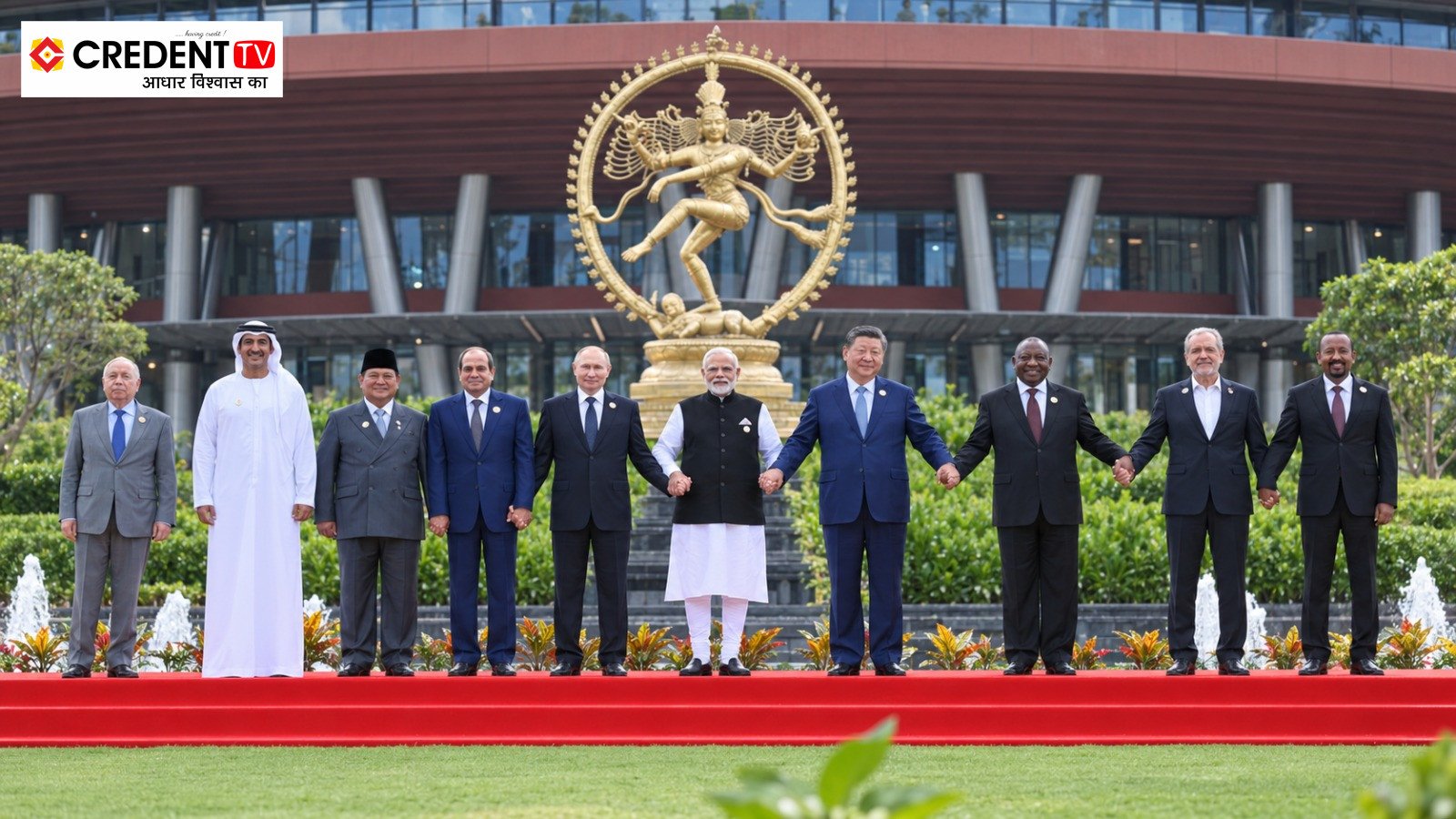
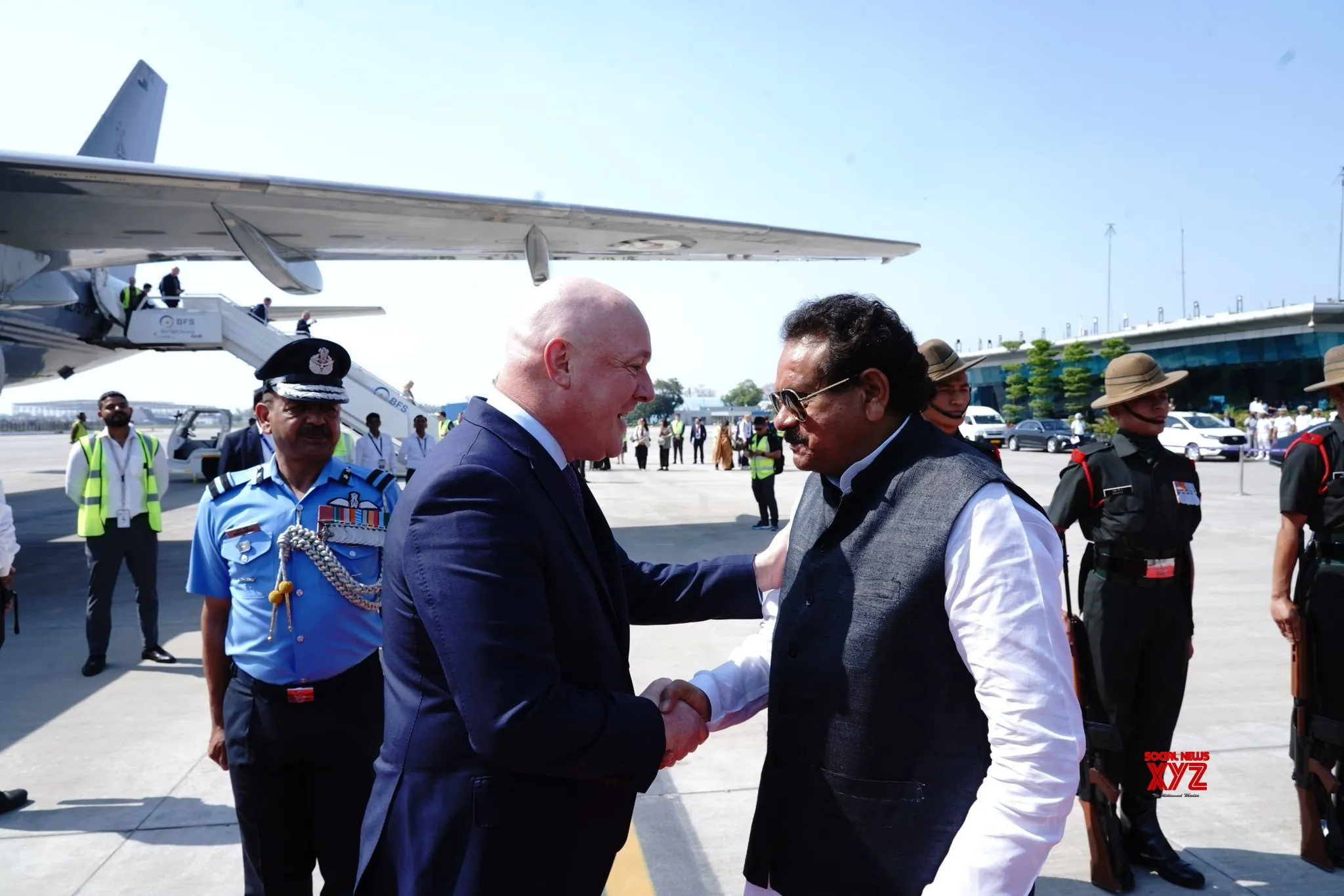
New Zealand PM Arrives in Delhi for Raisina Dialogue: Meeting with PM Modi and President Murmu

Contents
Introduction to the Raisina Dialogue
The Raisina Dialogue stands as a pivotal global platform dedicated to discussing pressing issues in geopolitics and geoeconomics. Organized annually by the Observer Research Foundation (ORF) in New Delhi, this international conference has gained notable recognition for bringing together decision-makers, academics, and thought leaders from various nations. It serves as a forum for dialogue on complex global challenges, fostering collaboration and innovative solutions among diverse participants.
Since its inception in 2016, the Raisina Dialogue has evolved into a significant event, drawing esteemed guests, including heads of state, prominent political figures, and influential intellectuals. This year, the participation of New Zealand’s Prime Minister is particularly noteworthy, reflecting the increasing importance of New Zealand in the context of global affairs. The conference not only highlights India’s role on the world stage but also provides an opportunity for New Zealand to contribute its unique perspective to the discourse.
The themes explored during the Raisina Dialogue vary each year, encompassing a wide range of topics that reflect the changing dynamics of international relations and economic landscapes. From security concerns to climate change, the issues addressed are multifaceted and call for comprehensive strategies that can be achieved through international cooperation. This year’s discussions are anticipated to center around the challenges posed by geopolitical tensions and the pathways to sustainable economic development.
Moreover, leaders and experts gather to explore the intersection of technology, trade, and diplomacy, ensuring that the dialogue remains relevant and impactful. The significance of this event lies not only in addressing immediate global dilemmas but also in fostering long-term partnerships that can lead to more resilient global governance structures. The participation of nations like New Zealand underscores the collective commitment to engage in collaborative dialogue, enhancing the potential for shared solutions and mutual understanding.
Profile of New Zealand’s Prime Minister
New Zealand’s Prime Minister, Chris Hipkins, was appointed as the leader of the Labour Party and subsequently assumed the role of Prime Minister in January 2023. Born in Wellington in 1978, he pursued his higher education at Victoria University of Wellington, where he earned a degree in politics and government. His early career included significant roles in public policy and management, notably becoming a senior advisor to then-Prime Minister Helen Clark, which laid the foundation for his political pathway.
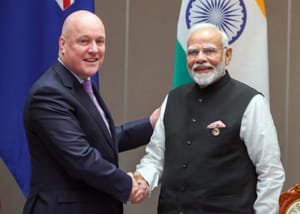
Throughout his political journey, Hipkins has been an advocate for social justice, economic reform, and environmental sustainability. He served as the Minister of Health, where he played a pivotal role in managing New Zealand’s response to the COVID-19 pandemic, focusing on public health policies and vaccination efforts. His leadership during the crisis has been a crucial aspect of his political identity, garnering respect from both supporters and critics alike.
As Prime Minister, Hipkins has emphasized the importance of unity and collaborative governance. His administration seeks to implement policies aimed at enhancing education, improving health services, and addressing climate change. The Prime Minister’s political ideologies are rooted in a commitment to equity and inclusion, striving to ensure that all New Zealanders have access to essential services and opportunities for advancement.
In addition to his domestic policies, Hipkins has articulated a vision for New Zealand’s role on the global stage, promoting diplomatic relations and international cooperation. His attendance at significant international forums such as the Raisina Dialogue signals his commitment to addressing pressing global issues, including trade relations and security matters. Chris Hipkins’ leadership style, characterized by pragmatism and responsiveness, will undoubtedly shape his country’s future as he navigates complex international landscapes.
Importance of India-New Zealand Relations
The diplomatic and economic relationship between India and New Zealand has evolved significantly over the years, rooted in shared values and mutual interests. Both countries have established a framework that highlights cooperation in various sectors, thereby enabling them to address global challenges collaboratively. Historical connections trace back to early migration patterns and cultural exchanges, which have laid the foundation for a lasting partnership.
In recent years, trade relations between India and New Zealand have intensified, with a focus on sectors such as agriculture, education, and information technology. Both nations have actively sought to expand their economic engagement, recognizing the potential for each to benefit from increased trade flow and investment opportunities. India, with its rapidly growing economy, presents a significant market for New Zealand’s exports, particularly in dairy products, wine, and manufactured goods. Conversely, New Zealand offers India access to high-quality agricultural technology and educational services, essential for India’s development objectives.
Also read : India and New Zealand Announce Launch of FTA Negotiations
Culturally, the two nations have developed strong ties that enhance their bilateral relationship. Educational exchanges, tourism, and collaborations in sports have fostered people-to-people connections, facilitating greater understanding and appreciation of each nation’s unique heritage. These cultural interactions play a crucial role in strengthening bilateral ties and promoting goodwill between the two countries.
Moreover, in light of evolving global geopolitics, it is imperative for India and New Zealand to reinforce their strategic partnerships. Issues such as climate change, regional security, and economic stability necessitate a unified approach, emphasizing the importance of collaboration on multilateral platforms. By strengthening their diplomatic and economic ties, India and New Zealand are well-positioned to navigate the complexities of today’s international landscape, ensuring mutual growth and stability.
Agenda for the Meeting with PM Modi
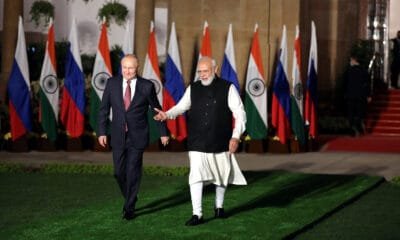
As Prime Minister of New Zealand, Chris Hipkins’ visit to Delhi for the Raisina Dialogue marks a significant step towards strengthening bilateral relations with India. During his meeting with Indian Prime Minister Narendra Modi, several key agenda items are anticipated to be discussed. Foremost among these topics is the potential enhancement of trade agreements, which could significantly bolster economic ties between the two nations.
Both countries stand to benefit from exploring new trade agreements and revising existing ones, thereby promoting mutual economic growth. India serves as a promising market for New Zealand’s agricultural products, while New Zealand presents opportunities for India in sectors such as technology and services. This dialogue will aim to expand these trade avenues, ensuring that both nations see tangible benefits from their economic collaboration.
Another vital area on the agenda is cooperation in technology and education. As both nations prioritize innovation, discussions are expected to focus on collaborative initiatives in research and development. Promoting partnerships between educational institutions could enhance knowledge exchange, fostering a skilled workforce capable of addressing future challenges. This focus on technology aligns with India’s aspiration to emerge as a global player in the tech industry.
Regional security issues will also be a priority during the discussions. Given the changing geopolitical landscape, both Prime Minister Modi and PM Hipkins are likely to address concerns about regional stability and security cooperation. Collaborative efforts in counter-terrorism and maritime security could be key components of their dialogue, reinforcing the importance of a stable Indo-Pacific region.
The meeting promises to be a crucial platform for discussing these multifaceted topics, which are instrumental in advancing the partnership between New Zealand and India. Through open dialogue and shared objectives, both leaders aim to navigate challenges while exploring new pathways for collaboration.
Meeting with President Murmu: Symbolism and Context
The meeting between New Zealand Prime Minister Chris Hipkins and Indian President Droupadi Murmu signifies a notable aspect of diplomatic relations between the two nations. Presidential meetings often serve as pivotal touchpoints that underscore the importance of high-level interactions in fostering international partnerships. President Murmu, as the ceremonial head of state, plays a crucial role in representing India’s ethos and values in the global arena. Her engagement with the New Zealand PM reflects a commitment to strengthening bilateral ties and enhancing cooperation in various sectors including trade, defense, and technology.
This meeting is not merely a formality; it embodies the larger strategic interests shared by both countries. The symbolic nature of this dialogue goes beyond traditional diplomacy; it sends a strong message regarding mutual respect and the willingness to collaborate on shared challenges. For instance, both nations have expressed interest in addressing issues such as climate change, with New Zealand’s proactive stance on environmental sustainability aligning well with India’s growing initiatives in this arena.
Moreover, high-profile visits often catalyze deeper discussions regarding policy frameworks and joint endeavors. The engagement with President Murmu allows Prime Minister Hipkins to understand India’s perspectives firsthand, which is vital for informed decision-making. This dialogue is expected to pave the way for future collaborations that will not only enhance bilateral relations but also bolster regional stability.
In essence, this meeting symbolizes a commitment to mutual growth and development, resonating with both nations’ aspirations for collaborative progress. The strengthening of ties between India and New Zealand can lead to broader benefits, encompassing economic interests and cultural exchanges, thus creating a more resilient partnership that extends beyond mere political discourse.
Key Topics of Discussion at the Raisina Dialogue
The Raisina Dialogue, an eminent geopolitical event held annually in India, is set to tackle several urgent global issues this year, reflecting the increasing complexity of international relations. One of the primary topics on the agenda is climate change, a pressing challenge that affects nations across the globe. Discussions are expected to focus on innovative solutions to mitigate climate impact and enhance cooperation between countries, with particular emphasis on how developed nations like New Zealand can support vulnerable states in their adaptation efforts.
Another significant theme will be digital governance. As technology rapidly evolves, the implications of digital transformation for governance and citizen engagement are critical. Policymakers, including New Zealand’s Prime Minister, are anticipated to exchange insights on best practices in digital regulation, data privacy, and the responsible use of technology to foster democratic values. The dialogue will highlight the need for a collaborative approach to ensure equitable access to digital tools and resources, allowing all nations to thrive in an increasingly interconnected world.
Health security presents yet another focal point for discussion. The COVID-19 pandemic underscored the fragile nature of global health systems and the necessity for robust frameworks to tackle health crises. It is expected that leaders will deliberate on the lessons learned from the pandemic, the importance of vaccine equity, and strategies for enhancing preparedness against future health challenges. New Zealand’s role in global health initiatives will likely be a key part of this discourse, showcasing its commitment to improving health outcomes worldwide.
In conclusion, the 2023 Raisina Dialogue promises to address these pivotal issues while fostering international collaboration and understanding. The participation of global leaders, including New Zealand’s Prime Minister, underscores the importance of these discussions in shaping a sustainable and secure world for future generations.
Potential Outcomes of the New Zealand PM’s Visit
The arrival of the New Zealand Prime Minister in Delhi for the Raisina Dialogue signifies a pivotal moment in international diplomacy, particularly for relations between New Zealand and India. The Raisina Dialogue, a prominent geopolitical conference, serves as an ideal platform for leaders to engage in meaningful dialogue, fostering stronger bilateral ties. This visit presents numerous opportunities for potential agreements and collaborations that could define the future trajectory of bilateral relations.
Firstly, negotiations may revolve around trade agreements aimed at enhancing economic cooperation. Both nations stand to benefit from increased trade, with New Zealand looking to expand its export markets for goods such as dairy and wine, while India seeks to strengthen its import avenues for agricultural products and technology services. A comprehensive trade agreement could significantly boost economic engagement and provide a robust framework for future interactions.
In addition to trade, climate change is likely to be a key discussion priority. Both leaders may explore collaborative initiatives focused on sustainable development, renewable energy projects, and other environmental strategies. Given that New Zealand has established a strong reputation in environmental stewardship, this visit could catalyze partnerships that align with global sustainability goals, reinforcing both nations’ commitment to combating climate change.
Cultural and educational exchanges are also expected to be on the agenda. By fostering educational partnerships, New Zealand and India can cultivate stronger ties through student exchange programs and collaborative research projects. This facet of the visit would not only enhance mutual understanding but also strengthen people-to-people connections, thereby fostering goodwill.
Overall, the outcomes of the New Zealand Prime Minister’s visit have the potential to reshape the diplomatic landscape between New Zealand and India. Positive agreements and cooperative statements may set the foundation for an enduring partnership that extends beyond mere economic interests, nurturing a holistic relationship built on shared values and objectives.
Media Coverage and Public Reception
The recent arrival of New Zealand’s Prime Minister in Delhi for the Raisina Dialogue has garnered significant attention from various media outlets, both in India and New Zealand. Coverage has been extensive, with reports highlighting the significance of this diplomatic engagement and the discussions surrounding key geopolitical issues. Indian media, particularly, has focused on the implications of bilateral ties between India and New Zealand, emphasizing collaborative opportunities in trade, climate change, and regional security. New Zealand media has mirrored this interest, accentuating the potential for stronger partnerships in the Indo-Pacific region.
In the context of the Raisina Dialogue, a premier conference on international relations and geopolitics, the discussions led by PM Modi and the New Zealand Prime Minister are being portrayed as reflective of an evolving strategic framework in which both nations seek to navigate global challenges collaboratively. The dialogue serves as an important platform for articulating shared values and aspirations, which has resonated positively in public discourse.
Public and political reception of the meeting has also been notably active on social media platforms. Twitter and Facebook discussions reflect a wide range of sentiments, from optimism regarding trade agreements to concerns about balancing foreign relations amid global tensions. Hashtags associated with the visit have trended, revealing a keen interest from the public in the outcomes of these meetings. The engagement rates on these platforms demonstrate an eagerness for updates, suggesting that both young and older demographics are invested in the development of India’s foreign policy and its interaction with New Zealand.
Overall, the media coverage and public reaction indicate a high level of engagement and anticipation surrounding the potential outcomes of the Raisina Dialogue. As both countries continue to solidify their partnership, the continued reporting will likely shed light on important developments in the months ahead.
Summary: The Path Forward for Indo-New Zealand Relations
The recent visit of New Zealand Prime Minister to Delhi for the Raisina Dialogue underscores the significance of fostering strong bilateral relations between India and New Zealand. This engagement demonstrates a mutual commitment to delve deeper into collaborative avenues that not only enrich both nations but also contribute to stability in the broader region. During the discussions, various sectors, including trade, climate change, and technology diplomacy, were prioritized, showcasing the versatile nature of Indo-New Zealand relations.
Future partnerships between India and New Zealand hold immense potential. Both countries can leverage their strengths; for instance, India’s established role as a growing economy and New Zealand’s prowess in agricultural technology and environmental sustainability. Such collaboration could yield innovative solutions to global challenges that transcend geographical borders. Moreover, the enhancement of people-to-people connectivity could further bolster these ties, nurturing cultural exchange and mutual understanding.
High-level meetings, such as the one witnessed during the Raisina Dialogue, play a pivotal role in shaping global diplomacy. They not only facilitate discussions on pressing issues but also set the stage for long-term strategic partnerships. The emphasis on continuous dialogue is imperative, as it cultivates trust and enables both nations to navigate complexities together. As India and New Zealand chart their course forward, it will be vital to remain focused on shared interests and aspirations, fostering an inclusive approach to emerging global challenges.
In conclusion, the path forward for Indo-New Zealand relations lies in sustained engagement and collaboration across diverse sectors. By fostering strong partnerships, both countries can enhance their roles on the global stage, addressing the multifaceted challenges of the future together.
Breaking News
Subodh Public School Annual Sports Meet 2025 Jaipur witnessed 600+ students compete with passion-

Contents
Jaipur, Dec.13,2025:Subodh Public School Annual Sports Meet 2025 Jaipur began with unmatched energy and enthusiasm as the prestigious institution hosted its much-awaited Annual Sports Meet on December 13, 2025, at its Rambagh campus in Jaipur. The event stood as a powerful reminder that sports are not merely extracurricular activities but a cornerstone of holistic education.
With nearly 600 students from Classes 6 to 12 participating, the school campus transformed into a vibrant arena of discipline, determination, and dreams. The Subodh Public School Annual Sports Meet 2025 Jaipur reflected the institution’s long-standing commitment to nurturing physically fit, mentally strong, and socially responsible citizens.
Grand Opening Ceremony Sets the Tone
The opening ceremony of the Subodh Public School Annual Sports Meet 2025 Jaipur was both dignified and inspiring. The event commenced with traditional flag hoisting and lamp lighting by the school’s Convenor, Shri Alok Kumar Bamb, and Principal, Dr. Sanjay Parashar.
Addressing the gathering, Dr. Sanjay Parashar delivered a motivating speech, encouraging students to give their best while upholding the values of fairness and respect. His words resonated deeply, setting a positive and powerful tone for the day-long celebration of sports.
Participation on a Massive Scale
One of the most remarkable aspects of the Subodh Public School Annual Sports Meet 2025 Jaipur was the scale of participation. Approximately 600 students actively competed across a wide range of events, making it one of the most inclusive sporting events hosted by the school in recent years.
From seasoned athletes to first-time participants, every student was given an opportunity to showcase their talent, reinforcing the school’s belief that sports are for everyone.
Inter-House Rivalry and Competitive Spirit
The Subodh Public School Annual Sports Meet 2025 Jaipur featured an exciting inter-house competition among the school’s eight houses. Each house displayed remarkable unity, strategic planning, and team spirit.
Healthy rivalry fuelled the atmosphere, pushing students to outperform their limits while maintaining respect for opponents. The cheers, chants, and collective enthusiasm from house members added an unforgettable vibrancy to the event.
Track and Field Events Showcase Athletic Excellence
Track and field events formed the backbone of the Subodh Public School Annual Sports Meet 2025 Jaipur. Students competed in sprints, middle-distance races, relays, long jump, high jump, shot put, and other athletic disciplines.
Each event highlighted not just physical strength but also discipline, focus, and perseverance. The meticulous planning and smooth execution ensured that every competition was conducted fairly and professionally.
Field Events and Victory Stand Celebrations
Winners of the field events were honoured at the Victory Stand during the Subodh Public School Annual Sports Meet 2025 Jaipur. The expressions of joy, pride, and accomplishment on the students’ faces captured the true essence of sports.
Medals and applause were not just rewards for victory but symbols of hard work, resilience, and commitment. Even those who did not secure top positions earned admiration for their courage and sportsmanship.

Leadership, Motivation, and the Spirit of Sportsmanship
A defining moment of the Subodh Public School Annual Sports Meet 2025 Jaipur was the administration of the sportsmanship oath. The school’s Head Girl and Head Boy led all participants in pledging to compete with integrity, honesty, and respect.
This moment reinforced the idea that true victory lies not only in winning medals but in developing character and values that last a lifetime.
Musical Chair and Cycle Race
Adding a delightful twist to the Subodh Public School Annual Sports Meet 2025 Jaipur, a musical chair game involving the principal, parents, and teachers became the main attraction of the program.
The laughter and excitement created a warm, inclusive atmosphere. Additionally, a cycle race for students and teachers brought everyone together, proving that sports can unite generations through shared joy and enthusiasm.
Role of Teachers and Parents in Subodh Public School Annual Sports Meet 2025 Jaipur
Teachers and parents played a crucial role in the success of the Subodh Public School Annual Sports Meet 2025 Jaipur. Teachers acted as mentors, coordinators, and motivators, ensuring smooth conduct of events.
Parents, on the other hand, cheered enthusiastically from the sidelines, providing emotional support that boosted students’ confidence and morale.
Promoting Holistic Education Through Sports
The Subodh Public School Annual Sports Meet 2025 Jaipur clearly demonstrated how sports contribute to holistic education. Physical activities enhance concentration, teamwork, leadership, and emotional well-being.
Such initiatives align with national educational goals that emphasize balanced development, as highlighted by programs like Khelo India and CBSE Sports Initiatives.
Voices from the Leadership
Shri Alok Kumar Bamb, Convenor of the school, expressed heartfelt gratitude to students, teachers, parents, and staff for making the Subodh Public School Annual Sports Meet 2025 Jaipur a grand success.
Principal Dr. Sanjay Parashar reiterated that sports will continue to remain an integral part of the school’s vision, helping students grow into confident and responsible individuals.

Why Subodh Public School Annual Sports Meet 2025 Jaipur Matters
In an era dominated by digital screens and academic pressure, the Subodh Public School Annual Sports Meet 2025 Jaipur stands as a powerful reminder of the importance of physical fitness and social interaction.
The event not only identified emerging athletic talent but also strengthened bonds within the school community.
A Celebration of Energy, Unity, and Excellence
The Subodh Public School Annual Sports Meet 2025 Jaipur concluded on a high note, leaving behind memories of inspiration, determination, and collective achievement.
It was more than a sports event—it was a celebration of youth, unity, and the enduring spirit of excellence that defines Subodh Public School.
Breaking News
Sophia Senior Secondary School Kindergarten Annual Function 2025 celebrated with grand performances-

Contents
Jaipur, Dec.13,2025:Sophia Senior Secondary School Kindergarten Annual Function 2025 was celebrated with immense joy, warmth, and cultural vibrancy on 12 December 2025 at the school campus in Lalarpura, Jaipur. The event marked a significant milestone in the school’s academic calendar, reflecting its unwavering commitment to nurturing creativity, confidence, and holistic development among young learners.
The annual function transformed the school premises into a colourful cultural arena where innocence met discipline, and talent blended seamlessly with enthusiasm. Parents, teachers, and guests gathered in large numbers to witness the spectacular performances by kindergarten students who confidently showcased their abilities on stage.
Grand Inauguration and Distinguished Presence
The Sophia Senior Secondary School Kindergarten Annual Function 2025 commenced with a traditional lamp-lighting ceremony, symbolizing knowledge, wisdom, and enlightenment. The ceremony was gracefully inaugurated by the Chief Guest, Rev. Father Edward Oliveira, whose presence added dignity and inspiration to the occasion.
Rev. Father Oliveira applauded the efforts of the school management and educators for creating a nurturing environment that encourages early childhood development. In his address, he emphasized the importance of moral values, creativity, and joyful learning during the formative years of a child’s life.
Colourful Performances by Kindergarten Students
The highlight of the Sophia Senior Secondary School Kindergarten Annual Function 2025 was undoubtedly the delightful performances presented by the tiny tots. Dressed in vibrant costumes, the children captivated the audience with their charm, rhythm, and confidence.
Key Performances Included
- Prayer Song that spread a message of peace and gratitude
- Prayer Dance blending devotion with graceful movements
- Mickey Mouse Act, bringing smiles and laughter
- “Colors Box” Theme Dance, celebrating creativity and imagination
Each performance reflected meticulous preparation, teamwork, and the dedicated guidance of teachers. The children’s expressive gestures and fearless stage presence filled the auditorium with applause and admiration.
Parents’ Reactions and Community Engagement
Parents expressed immense pride and happiness while watching their children perform at the Sophia Senior Secondary School Kindergarten Annual Function 2025. Many parents appreciated the school’s emphasis on confidence-building and value-based education from an early age.
The event also strengthened the bond between the school and the parent community, fostering trust and mutual appreciation. Such celebrations serve as a platform for parents to witness the academic and cultural growth of their children first-hand.
Importance of Cultural Programs in Early Education
Cultural events like the Sophia Senior Secondary School Kindergarten Annual Function 2025 play a vital role in early childhood education. According to educational experts, participation in stage activities enhances:
- Communication skills
- Emotional expression
- Social interaction
- Self-confidence
Role of Teachers and School Leadership
Behind the success of the Sophia Senior Secondary School Kindergarten Annual Function 2025 was the tireless dedication of teachers and staff. From choreography to costume design and rehearsal coordination, educators worked relentlessly to ensure every child felt confident and included.
The leadership team ensured a well-organized event, maintaining discipline, safety, and inclusivity throughout the program.
Message from the Principal and School Management
At the conclusion of the event, Sister Josita, representing the school management, expressed heartfelt gratitude to the Chief Guest, parents, teachers, and staff members. She highlighted that cultural programs are not just celebrations but essential tools for shaping a child’s personality.
She reiterated the school’s mission to provide a balanced education that nurtures academic excellence alongside cultural awareness and moral values.
Sophia Senior Secondary School’s Vision for Holistic Education
Sophia Senior Secondary School, Lalarpura, has consistently focused on holistic education. Events like the Sophia Senior Secondary School Kindergarten Annual Function 2025 reflect the institution’s broader vision of developing responsible, confident, and compassionate individuals.
External Perspectives on Early Childhood Development
Educational research consistently highlights the importance of early exposure to arts and cultural activities. According to the National Education Policy (NEP 2020), experiential learning in early years lays a strong foundation for lifelong learning.
Such initiatives align perfectly with the objectives of the Sophia Senior Secondary School Kindergarten Annual Function 2025, reinforcing the value of creativity in education.
A Celebration of Innocence, Talent, and Hope
The Sophia Senior Secondary School Kindergarten Annual Function 2025 concluded on a joyful and inspiring note, leaving lasting memories for children, parents, and educators alike. The event beautifully showcased how structured cultural exposure can nurture young minds and in still confidence at an early age.
With its seamless organization, heart-warming performances, and strong educational message, the annual function stood as a testament to the school’s commitment to excellence in early childhood education.
Breaking News
Jain Education Presentation Program at Subodh Public School Inspires Students and Community-

Contents
Jaipur,Dec.12,2025:Jain Education Presentation Program took centre stage at Subodh Public School, one of Jaipur’s leading CBSE-affiliated schools founded under the Shri S.S. Jain Subodh Shiksha Samiti. The institution, renowned for combining academic excellence with moral culture, hosted this event on 11th December 2025 to foster deeper awareness of Jain philosophy and values among youth.
The program was attended by an enthusiastic audience that included over 300 participating students, about 350 parents, and 50 teachers — making it an extraordinary community-wide celebration. The Jain Education Presentation Program created a meaningful platform that blended education, culture, religion, and artistic expression.

Jain Education Presentation Program
Right from the beginning of the event, the Jain Education Presentation Program emphasized core Jain values such as compassion, non-violence (Ahimsa), self-discipline, knowledge, and respect for all beings.
Purpose of the Program
The main objective was clear
- To increase awareness of Jain philosophy and values among students
- To promote moral education and cultural appreciation
- To encourage young minds to adopt and practice ethical living principles
Through this program, Subodh Public School aimed to nurture not only intellectual excellence but also emotional and spiritual growth in its students.
Student Performances That Stole the Show
The heart of the Jain Education Presentation Program was the student performances, crafted around Jain literature, values, and philosophy.
Navakar Mantra and Chanting
The event began with students reciting the Navakar Mantra, the most sacred prayer in Jainism — a profound act of devotion and meditation central to Jain belief. Their disciplined expression conveyed respect and sincerity.
Presentations on 24 Tirthankaras
Students delivered informative speeches and recitations of the names of 24 Tirthankaras, honouring the enlightened teachers in Jain tradition.
Musical and Cultural Performances
- Musical instruments accompanied several pieces, highlighting devotion and introspection.
- Bhajans (devotional songs) brought spiritual resonance and united the audience in cultural reverence.
- Dance performances based on Jain literature added aesthetic beauty and emotional impact.
Each performance was structured not just for entertainment, but to reflect core ethical teachings, making the Jain Education Presentation Program powerful and memorable for everyone present.

Significant Highlights and Guest Appearances
The event received strong support from religious leaders and educational dignitaries, elevating its reach and influence.
Chief Guests and Officials Present
Among notable attendees
- Shri S.S., Secretary of Jain Subodh Education Committee
- Mr. Sumer Singh Ji Bothra, Chief Guest
- R.C. Jain Sahab, Vice President
- Shri Alok Kumar Ji Bamb, School Convenor
- Principal Dr. Sanjay Parashar
- Shri Sunil Ji Kothari
- Nipun Ji Daga
- Mrs. Sunita Ji Daga
These influential figures brought attention to the value of cultural education and applauded the school’s commitment to integrating moral teachings into student life.
“Jain Sanskar Ki Or” by Sunita Ji Daga
One of the most notable moments of the Jain Education Presentation Program was the launch of the book “Jain Sanskar Ki Or” written by Mrs. Sunita Ji Daga.
This publication adds a significant resource to Jain educational literature and encourages readers — especially young learners — to deeply understand and practice Jain ethical principles. Books like this help broaden philosophical perspectives and enrich moral education beyond the classroom.

Why This Event Matters for Education Today
The Jain Education Presentation Program was not just a school event — it was a milestone in value-based education.
Building Emotional and Moral Intelligence
Teaching children to think deeply about compassion, self-discipline, and community care contributes to emotional intelligence, which is increasingly recognized as essential in modern education. Education experts agree that fostering moral understanding alongside academic instruction builds better citizens.
Promoting Cultural Respect
In today’s multicultural world, cultural education helps students communicate with respect, embrace diversity, and uphold tradition. Tying ancient Jain values with contemporary schooling enables students to connect heritage with global citizenship.
Community and Cultural Impact
With over 350 parents in attendance, the Jain Education Presentation Program influenced not just students but the entire family community.
Parents appreciated the school’s efforts to blend academic rigour with deep moral understanding. Teachers also expressed pride in student participation and noted how such events strengthen community bonds, encourage family involvement, and help students practice leadership and public speaking.
The Jain Education Presentation Program at Subodh Public School was a clear success — a celebration that brought together students, families, educators, and religious scholars around shared values of peace and ethical living.
Events like this are essential in nurturing future generations who are not only academically proficient but also morally grounded. As schools increasingly adopt value-centric programs, it is hopeful that similar initiatives will continue influencing young minds across India’s educational landscape.
Breaking News
Jaipur Gold Silver Price Today: Get the latest 24K, 22K & 18K gold and silver rates in Jaipur —

Contents
Jaipur, Dec.11,2025:Jaipur Gold Silver Price Today is back in news headlines, as both gold and silver rates witnessed a fresh upsurge in local markets. The volatility, which has been a hallmark of recent weeks, is especially relevant now — with the wedding season in full swing and many people looking to buy precious metals for jewellery or investment. Reports suggest that prices in Jaipur have again climbed, shaking off the brief slump observed just days ago.
As of today (11 December 2025), residents of Jaipur are once again scanning local jewellery shops and checking online portals before deciding to buy — largely to avoid paying more than necessary.
Why Are Gold & Silver Prices Rising Again in Jaipur
Several factors are contributing to the renewed uptick
- Global market dynamics: After the recent interest-rate cut by the Federal Reserve (Fed) in the US, precious metals have become more attractive globally, prompting demand and pushing up prices of gold and silver.
- Investor sentiment: With economic uncertainty and inflation concerns, investors tend to move toward safe-haven assets like gold and silver — particularly in India, which has strong cultural affinity for physical metals.
- Local demand surge: Jaipur — being a city renowned for jewellery craftsmanship and known as a hub for wedding jewellery — sees increased demand during the wedding season. Many people buy gold and silver to gift, invest, or add to their personal jewellery collections. That demand spike pushes rates upward locally.
- Supply and global commodity trends: International supply constraints, shifting demand, and global macroeconomic forces influence domestic bullion rates, which in turn reflect in city-level rates like Jaipur.
Because of these converging factors, Jaipur Gold Silver Price Today has registered upward movement — catching the attention of buyers and investors alike.
Current Rates in Jaipur (24K / 22K / 18K Gold + Silver)
Here is the latest snapshot of precious-metal prices in Jaipur as reported by leading price-tracker portalsMetal / Purity Rate (per gram / per kg) – Approx (as of 11 Dec 2025) 24 Carat Gold ₹ 13,035 / gram 22 Carat Gold ₹ 11,950 / gram 18 Carat Gold ₹ 9,780 / gram Silver (999) ~₹ 199.83 / gram (≈ ₹ 1,998.28 per 10 g)
Important: These rates represent the live bullion rates. Actual jewellery prices may be higher due to making charges, GST, labour cost, design complexity, and other shop-specific margins.
What This Means for Buyers, Investors and Wedding Shoppers
For Jewellery Buyers
- Timing is critical — Buying at a local peak can add unnecessary cost. With steep rise lately, some buyers may regret not checking rates a week ago.
- Check making charges & purity — Since jewellery involves craftsmanship, always ask for total cost (metal + making + taxes) and purity certificate before purchasing.
- Budget smartly — For 24K or 22K jewellery, small weight savings can reduce total spend significantly when gram-rate is high.
For Investors & Silver Buyers
- Silver is breaking records — As per recent reports, silver has soared to all-time highs, reflecting robust industrial demand and investor shift to safer assets after Fed’s rate cuts.
- Gold remains a hedge — Gold continues to be seen as a hedge against inflation and economic uncertainty, especially in markets like Jaipur where physical purchase is common.
For Wedding & Festive Shoppers
- Seasonal demand increases price — Wedding season always drives demand — and with global cues pushing bullion prices, local demand magnifies that effect. Buying early could save big.
- Consider alternatives — If prices are too high, 22K jewellery (instead of 24K) or silver items might be a more affordable choice without compromising on tradition or look.
Tips Before You Buy Gold or Silver in Jaipur
- Always check live metal rates on trusted portals or ask multiple local jewellers — don’t buy based on last-known rate.
- Compare total cost (metal + making + taxes) rather than only gram-rate.
- If buying jewellery for long-term investment, consider simpler designs (less making charge) and smaller quantities to reduce overall expenditure.
- For silver: since prices are very volatile, consider buying after dips or investing in small quantities.
- If for gifting (weddings/festivals), track market for a few days — sometimes delaying 2–3 days can save you a few hundred per gram.
Jaipur Gold Silver Price Today stands as a reminder — in the world of precious metals, timing and market awareness matter. Whether you are investing, buying jewellery for yourself, or gift shopping for weddings, keeping an eye on live rates, global market cues, and local demand trends can make a big difference.
Breaking News
Career Guidance as a Human Right should be accessible to everyone —

Contents
Bengaluru,Dec.09,2025: “Career Guidance as a Human Right” is not just a slogan — it’s a vision that recognizes the fundamental importance of informed career planning in shaping individuals’ lives and societies at large. In a world changed by rapid technological shifts, evolving job markets, and widening social inequalities, giving everyone access to high-quality career guidance is not optional — it’s essential.
Career guidance empowers individuals to understand themselves, their strengths, their values, and align them with opportunities that lead to sustained personal and professional growth. When accessible to all — regardless of background — it can help bridge the gap between potential and opportunity, turning aspirations into meaningful careers and reducing inequality in the process.
What Is Career Guidance — And Who Benefits
Definition and Goals
Career guidance refers to structured advice, counselling, and support provided to individuals to help them make informed decisions about their education, training, and career paths. According to international frameworks, its purpose is to help people: understand their strengths and interests, realistically examine labour market opportunities, adapt to changing work environments, and make decisions that reflect both personal aspirations and market demand.
Career guidance helps individuals
- develop self-awareness about abilities, weaknesses, interests, and values;
- explore a wide range of career options — not just traditional or familiar ones — including emerging fields;
- plan realistic and achievable education/career pathways, including internships, skill development, and job search strategies;
- build confidence, reduce anxiety around career decisions, and stay motivated;
- Who Needs It
- Students and young people, at the point of choosing streams, courses or higher education, when decisions can have lifelong impact.
- Early-career individuals or fresh graduates, needing guidance to align their education with market realities, prepare for job applications, and understand evolving trends.
- Adults undergoing career changes or upskilling, especially in a world where automation, globalization and sectoral shifts are common.
- Marginalized or disadvantaged groups — people from low socio-economic backgrounds, underrepresented communities, or rural areas, who often lack access to reliable career information and mentoring.
- In this way, career guidance isn’t a luxury — it’s a foundational support system that everyone should have access to, at different stages of life.
Inequality, Social Mobility and Career Guidance
The Inequality Challenge
Across the world, individuals from low socio-economic status (SES) backgrounds face disproportionate barriers when transitioning from education to work. Even if they have equivalent qualifications, lack of social and cultural capital — like access to networks, role models, or labour-market insight — often prevents them from converting potential into opportunity.
Research from OECD (2024) confirms that students from disadvantaged backgrounds engage less in career development activities than their peers, leading to social inequality and limited upward mobility.
Meanwhile, for many countries — including India — the availability of trained career counsellors is far below what is considered standard globally. For instance, a widely cited estimate suggests that India would need over 1.4 million counsellors to meet global norms, yet the actual ratio remains far lower, leaving most students without structured guidance.
How Career Guidance Can Mitigate Inequality
Implementing equitable career guidance systems — especially in schools and community centres — can significantly level the playing field
- Personalized support helps students from all backgrounds understand the full range of career options, even those they might never have considered due to social or economic barriers. This includes exposure to non-traditional or emerging fields, breaking stereotypes around “elite jobs.”
- Bridging knowledge gaps: Providing up-to-date, accurate labour-market information, required qualifications, skill demands — essential for making sound career decisions, especially for those lacking access to informal networks.
- Building social and cultural capital: Through mentoring, internships, exposure visits, job fairs, and employer engagement — which are especially effective when public employment services or schools partner with employers and community groups.
- Encouraging lifelong adaptability: As the job market evolves rapidly, career guidance equips individuals to reskill or pivot — preventing skill mismatches and unemployment traps.
By embedding career guidance into public policy and education systems — and ensuring it reaches underserved communities — societies can take a concrete step toward equal opportunity and social mobility.
Career Guidance Over the Lifespan
While guidance early in life is crucial, the reality of the modern world demands support across one’s working life.
For Adults and Career Changers
According to OECD data, many adults seek career advice later in life — for job changes, upskilling or adapting to shifting labour markets.
But ironically, those who might need it most — lower-educated adults, people in high-automation risk occupations, or rural workers — are least likely to access guidance.
Ensuring career guidance as a human right means making services accessible across age groups: supporting mid-career transitions, retraining efforts, or navigating uncertain job markets.
For Organizations and the Economy
Quality career guidance doesn’t just serve individuals — it strengthens institutions and economies. Businesses benefit from employees whose skills and aspirations are aligned with their roles; societies benefit from a workforce that is adaptable, motivated, and engaged.
Providing lifelong career guidance promotes continuous learning and flexibility — essential traits in an era of automation, globalization, and fast-changing demands.
Economic Growth, Inclusion and Purpose
Recognizing career guidance as a human right isn’t just beneficial for individuals — it carries wide societal benefits.
1. Reducing Skill Mismatch and Boosting Employment
By aligning individuals’ interests, strengths, and training with actual labour-market demands, career guidance reduces skill mismatches, lowers unemployment/underemployment, and ensures a more efficient labour supply.
This not only improves job prospects for individuals but also helps economies meet labour demand, increase productivity, and foster sustainable growth.
2. Promoting Social Equity and Mobility
When career guidance is accessible across socio-economic, gender, and geographic divides, it becomes a tool for social justice. It ensures that people from disadvantaged backgrounds have equal access to information, opportunities, mentorship and pathways — helping them rise based on merit rather than privilege.
3. Encouraging Purpose, Well-being and Stability
Beyond financial outcomes, guided career decisions can lead to greater job satisfaction, personal fulfillment, and a sense of purpose. People who work in fields aligned with their values and strengths tend to be more engaged, motivated, and mentally healthier.
This not only benefits individuals — but also helps build more stable, cohesive and hopeful societies.
How to Make Career Guidance a Right
Turning “Career Guidance as a Human Right” from ideal into reality requires coordinated action across stakeholders: governments, educational institutions, employers, and communities. Here’s a roadmap:
Embed Career Guidance in School Curricula
- Introduce structured career education and counselling as a core part of school curricula starting from secondary school (or even before).
- Ensure sufficient number of trained career counsellors per school — globally accepted ratios (e.g. counsellor to student) should guide policy
- Provide equal access across rural and urban schools, ensuring marginalized communities are included.
Invest in Continuous, Lifelong Guidance
- Extend guidance services beyond school — offer them at community centres, public employment services, and adult education platforms.
- Develop systems that allow for reskilling and career transitions, especially in sectors facing disruption or automation.
Engage Employers, Industry and Social Partners
- Encourage collaboration between schools/colleges and employers to offer internships, job-shadowing, industry talks and mentoring. This helps bridge the gap between theoretical education and real-world demands
- Maintain updated labour-market information so counselling is grounded in current and future demands — not outdated assumptions.
Prioritize Equity and Inclusion
- Pro-actively target underrepresented/marginalized groups — low-income, rural, gender minorities, migrants — to ensure they receive guidance and support.
- Design customised, culturally-sensitive guidance programmes.
Ensure Quality, Professionalism and Accountability
- Train counsellors not just in traditional career advice but also in labour-market intelligence, cultural mediation, psychological assessment, and lifelong learning strategies.
- Monitor and evaluate guidance programmes to ensure they deliver real value — increased employability, better career outcomes, social mobility.
Unlocking Futures Begins with Access
Recognizing Career Guidance as a Human Right is not just a moral imperative — it is a practical necessity in today’s rapidly changing world. It gives individuals clarity, purpose, and a fair shot at success — regardless of background. It strengthens societies by promoting equity, mobility, and economic resilience.
When career guidance is available to all — from students in remote villages to adults seeking career pivots — we unlock the immense, often untapped human potential. We pave the way for more inclusive growth, meaningful work, and real opportunity.
Prof Suvasish Mukhopadhyay
Contact no. : +91 98232 93641
Mail Id : pr**********@********il.com
Breaking News
Ambedkar Memorial Welfare Society Constitutional Crisis-

Contents
Jaipur,Dec.08,2025:Ambedkar Memorial Welfare Society Constitutional Crisis has emerged as one of the most alarming organisational conflicts in Rajasthan’s social sector in recent years. What began as a routine election year suddenly transformed into a full-scale governance challenge, raising profound questions about democracy, transparency and institutional discipline within one of the state’s most respected organisations.
The dispute intensified when allegations surfaced regarding interference in the ongoing election process, the abrupt removal of the appointed election officer, and the controversial locking of the election office. These actions triggered widespread unrest among life members, former presidents, district heads, office bearers and senior guardians of the society.
Ambedkar Memorial Welfare Society Constitutional Crisis Takes a Serious Turn
On 7 November 2025, the Jaipur premises of the Dr. Ambedkar Memorial Welfare Society witnessed an unprecedented gathering of thousands of stakeholders. The General Assembly, called on an urgent basis, met with the sole purpose of examining what members described as a “serious constitutional breakdown” within the society.
Members expressed grave concern that the constitutional processes enshrined to protect the democratic character of the institution were allegedly being overridden by arbitrary decisions of certain individuals within the current executive committee.
General Assembly Confronts Growing Disorder
Several participants highlighted the rapidly deteriorating governance environment, accusing the working committee of:
- Violating established constitutional norms
- Acting without procedural legitimacy
- Creating unhealthy precedents for election interference
- Undermining democratic values the society is built upon
The Assembly identified that the Ambedkar Memorial Welfare Society Constitutional Crisis was no longer just an internal dispute—it had escalated into an institutional emergency requiring immediate corrective action.
7 Major Resolutions Passed Unanimously
In a rare show of unity, thousands of members passed seven powerful resolutions, all unanimously
1. Immediate Reinstatement of Election Officer J.P. Vimal (Retd. IAS)
The Assembly declared the removal of Shri J.P. Vimal “illegal, unjustified and against democratic ethos.”
His reinstatement is expected to restore trust in the election process.
2. Opening of the Locked Election Office
The house demanded the immediate unlocking of the election office to ensure transparency and prevent tampering.
3. Permission for the Election Officer to Resume Duties
The Assembly resolved that J.P. Vimal and his committee must be allowed to carry out the ongoing election process without interference.
4. Immediate Cancellation of the Appointment of Chhagan Beniwal as New Election Officer
Members termed his appointment unconstitutional and improper.
5. Restoration of Respect and Authority of the Original Election Committee
To secure institutional dignity, the members called for uninterrupted functioning of the original committee.
6. Full Inquiry Into the Ajmer Membership Dispute
Over 11,630 Ajmer members were at the centre of a heated debate. The Assembly instructed that a fair and impartial inquiry be conducted under the supervision of the reinstated election officer.
7. Acceptance of Inquiry Committee Decisions as Final
The Assembly declared that the final decision of the election officer, based on the inquiry report, shall be binding upon all parties.
These resolutions were not only unanimous but also highly charged, marking a stunning turning point in the Ambedkar Memorial Welfare Society Constitutional Crisis.
Ajmer Membership Controversy
The disputed inclusion of 11,630 Ajmer district members in the electoral rolls had triggered confusion and allegations of manipulation.
To address this
- A neutral fact-finding committee will be set up
- Supervised directly by Retd. IAS J.P. Vimal
- Its final report will guide voter list corrections
- No party will be allowed to challenge the outcome
This move aims to ensure transparency and restore credibility.
Proposed Consensus Formula for Stability
Senior members of the society proposed an extraordinary compromise formula to prevent prolonged conflict
- Elect Retd. IAS Hanuman Prasad unopposed as President
- Both contesting candidates,
- Former IPS Satveer Singh
- Former IPS Dr. Ravi Prakash Mehrada,
should withdraw their nominations
Many elders praised this formula as the “best coordination-based solution” to resolve the Ambedkar Memorial Welfare Society Constitutional Crisis peacefully.
Members Raise Objections on Key Decisions
Members severely criticised recent actions of the current executive, calling them
- Unconstitutional
- Arbitrary
- Society-damaging
- Undemocratic
The objected actions included
- Illegal removal of senior office bearers
- Filing FIRs against 17 members
- Appointment of a president without following due procedure
- Removal of the established election officer
- Forceful locking of the election office
Every point of objection was followed by a formal resolution demanding corrective measures.
Security of Election Material Strengthened
Given rising tensions, the General Assembly directed that an additional security lock be placed over the existing lock on the election office.
This dual-lock system ensures:
- Safety of ballot papers
- Protection of official records
- Prevention of unauthorised access
- Assurance of tamper-proof elections
This decision was received with strong approval.
Key Signatories Supporting the Assembly’s Decisions
The landmark resolutions were approved and countersigned by senior leaders, including
- Banwari Lal Bairwa (President / Senior Vice President)
- Dayanand Sakkarwal (Treasurer)
- Dr. Bhajan Lal Rolan (Former President)
- Retd. IAS Shriram Chordia
- Retd. IAS B.L. Naval
- And thousands of attending members
Their signatures mark an institutional affirmation of the Assembly’s authority.
Why This Crisis Matters for Democratic Integrity
The Ambedkar Memorial Welfare Society Constitutional Crisis is not merely an internal organisational issue.
It raises larger questions
- How can democratic values be protected in social institutions?
- What safeguards are needed to prevent election manipulation?
- How can transparency be ensured in membership procedures?
- What corrective steps should be institutionalised to prevent future crises?
This event may shape future governance models across many social organisations in India.
The Ambedkar Memorial Welfare Society Constitutional Crisis has exposed deep fissures within one of Rajasthan’s most respected institutions. Yet, the overwhelming unity shown by thousands of members at the General Assembly signals a strong commitment to transparency, constitutional discipline, and democratic procedures.
Whether the reinstatement of the election officer and the inquiry process help restore stability will determine the society’s future direction. One thing is clear—the members are unwilling to compromise on constitutional values, and their actions today may set a powerful precedent for organisational democracy across India.
Breaking News
Nrityanjali National Festival 2025 showcased India’s classical dance brilliance with Kathak, Bharatanatyam-

Contents
Ajmer,,Dec.08,2025:The Nrityanjali National Festival 2025 stood out this year as one of Ajmer’s most culturally enriching events, radiating the power and purity of Indian classical dance. The festival successfully showcased a blend of bhaav, raag, and taal, bringing audiences closer to the emotional essence of traditional dance forms.
The festival’s central theme revolved around devotion, discipline, and artistic excellence—values deeply connected to the life and teachings of the legendary Kathak exponent Dr. Nupur Roy.


A Heartfelt Tribute to Dr. Nupur Roy
The opening moments of the Nrityanjali National Festival 2025 were deeply emotional as artists, students, and dignitaries paid homage to Late Dr. Nupur Roy on her 83rd birth anniversary.
A floral tribute before her portrait marked the beginning of the event.
Dr. Roy founded Vividha Kala Evam Sanskritik Sanstha in 1998 with the sole purpose of nurturing classical art forms among children and youth.
Her legacy continues to inspire thousands who learned Kathak under her guidance, making the festival not only a cultural event but also a celebration of her lifelong dedication to Indian classical dance.
Grand Inauguration Graced by Eminent Personalities
The Nrityanjali National Festival 2025 had a prestigious opening as several distinguished guests inaugurated the event by lighting the ceremonial lamp.
Among the dignitaries were
- Rajasthan Legislative Assembly Speaker Prof. Vasudev Devnani
- Editor-in-Chief of Dainik Navjyoti Shri Dinbandhu Chaudhary
- Swami Shivjyotishanand Maharaj of Sanyas Ashram
- Ajmer City Congress President Rajkumar Jaipal
- Kota University Vice Chancellor Shri B.P. Saraswat
- Former Vice Chancellor Prof. Naresh Dadheech
- ND Mathur from Vivekananda Global University, Jaipur
- BJP District President Shri Ramesh Soni
Their presence added prestige and recognition to the cultural significance of the festival.
Kathak, Bharatanatyam & Bollywood Classical Fusion Enthrall Audience
The Nrityanjali National Festival 2025 opened with a spiritually uplifting performance of Durga Stuti and Shiv Stuti, presented by students of Ajmer Kathak Kala Kendra under the guidance of vocalist Karuna Gaur.
The festival’s dance presentations reflected excellence in Indian classical traditions
- Kathak performances highlighted graceful spins, rhythmic footwork, and expressive storytelling.
- Bharatanatyam presentations brought alive the precision and sculpturesque beauty of the dance form.
- Bollywood-style classical fusions added a contemporary flavor while maintaining classical roots.
Audiences described the performances as “magnetic, soulful, and spiritually elevating,” setting the tone for the rest of the evening.
Students from Ajmer Schools and Colleges Illuminate the Stage
One of the major attractions of the Nrityanjali National Festival 2025 was the enthusiastic participation from various schools and colleges across Ajmer. Students presented group dances representing diverse cultural themes.
Their energetic and synchronized performances highlighted
- Youthful talent
- Cultural diversity
- Strong classical training
- Growth of performing arts in Ajmer
Parents, teachers, and audience members applauded the students’ dedication and stage confidence.
Special Performances by Renowned Artists Elevate Nrityanjali National Festival 2025
The highlight of the evening was the outstanding performance by Drishti Roy, President of Vividha Sanstha and a noted Kathak dancer.
Her soulful rendition of the Krishna Bhajan “Piya Tose Laga Jo Ye Man” left the audience spellbound.
Additionally, two accomplished dancers trained at the Delhi Kathak Kendra—
- Neha Vashistha
- Vishakha Tiwari Mishra
—presented mesmerizing Kathak recitals that showcased impeccable technique, rhythmic mastery, and expressive elegance.
Their contribution added artistic depth to the event, making it a memorable cultural showcase.

Legacy of Vividha Sanstha and Ajmer Kathak Kala Kendra
The Nrityanjali National Festival 2025 reflects the long-lasting commitment of Vividha Kala Evam Sanskritik Sanstha and Ajmer Kathak Kala Kendra, both affiliated with the Rajasthan Sangeet Natak Akademi.
Key highlights of the institution’s legacy
- Founded on 8 May 1998 by Late Dr. Nupur Roy
- Non-profitable society dedicated to art education
- Trained thousands of young girls in Kathak over 27 years
- Regularly organizes classical dance and music programs
- Provides performance platforms to emerging artists
- Promotes Indian classical music and dance among the masses
Their mission is to ensure that future generations remain rooted in India’s cultural values through classical arts.
Cultural Impact and Vision of Nrityanjali National Festival 2025
The festival played a vital role in promoting cultural awareness and artistic sensitivity among the youth. Through performances, workshops, and public events, the festival emphasized
- Importance of classical training
- Preservation of traditional dance forms
- Encouraging young artists
- Cultural bonding in the community
Such festivals help strengthen India’s cultural fabric while ensuring that classical arts continue to flourish.
Organizing Team and Vote of Thanks
The success of Nrityanjali National Festival 2025 was made possible by the dedicated team members of Vividha Sanstha, including
- K.K. Gaur
- Kiran Puri
- Govind Rotela
- Uttam Sharma
- Mahesh Balaheri
At the conclusion of the event,
Dr. Bandana Chakravarty,
President & Director Drishti Roy, and
Cultural Secretary Kalpana Kaswa
extended heartfelt gratitude to all dignitaries, dancers, parents, media representatives, and guests for their support.
Breaking News
School Level Painting Competition 2025 celebrated energy conservation through creativity-

Contents
Jaipur,Dec.08,2025:The School Level Painting Competition 2025 was designed to spark environmental consciousness through creativity. By encouraging students to express their understanding of energy efficiency through art, the competition empowered young minds to think critically about the planet’s future.
India’s dependence on clean, renewable energy has grown significantly in recent years. With increasing global concerns over climate change, initiatives like this competition help spread vital messages among future generations.
The Ministry of Power and BEE (Bureau of Energy Efficiency) have consistently worked to integrate creative programmes into national awareness campaigns. This competition stands as a leading example of how education, art, and sustainability can come together to create long-term impact.
Objectives Behind the School Level Painting Competition 2025
The primary goals of the School Level Painting Competition 2025 were
- To promote awareness about energy efficiency
- To encourage students to adopt sustainable habits
- To foster creativity through environmental themes
- To prepare young ambassadors of energy conservation
- To support the government’s national mission for a greener India
The competition highlighted the fact that small actions—switching off lights, using star-rated appliances, reducing electricity wastage—can have massive positive effects when adopted collectively.
Themes of the School Level Painting Competition 2025
Students were asked to create artwork based on two powerful, thought-provoking themes
“SAVE ENERGY, SAVE EARTH”
This universal message emphasised
- Reducing electricity consumption
- Choosing eco-friendly lifestyle habits
- Protecting natural resources
- Creating a sustainable planet for future generations
Children illustrated windmills, solar panels, green cities, and responsible behaviours that reflect a world powered by clean energy.
“BE A STAR – USE BEE STAR APPLIANCES”
This theme focused on the BEE Star Rating, which helps consumers choose energy-efficient appliances.
Students depicted
- Energy-saving refrigerators
- Star-rated ACs
- LED lighting
- Eco-conscious homes
This theme connected real-world decisions with environmental impact, showing how households can save both electricity and money.
Massive Participation in the School Level Painting Competition 2025
The scale of the competition was extraordinary
- 280 schools participated at the state-level event.
- 38,000+ students submitted paintings across categories.
- Participants were divided into:
Group A: Classes 5–7
Group B: Classes 8–10
These numbers reflect the growing interest in environmental learning among children.
Such enthusiastic participation demonstrates that young citizens are ready to take the lead in climate responsibility when given the right platform.
A Grand Venue for a Grand Cause
The State Level event was held on
24 November 2025 (Monday)
Rajasthan International Centre, Jhalana Doongri, Jaipur
10 AM – 12 Noon
The Rajasthan International Centre offered a professional, vibrant environment suited for an event of this scale. The hall was filled with colour, creativity, and meaningful artistic expression from students across the state.
Teachers, parents, coordinators, and officials from BEE were present to guide and support the young participants. The atmosphere was buzzing with excitement, inspiration, and a strong sense of purpose.
Winners Announced at the School Level Painting Competition 2025
One of the most heart-warming highlights of the School Level Painting Competition 2025 was the spectacular performance of students from DAV Centenary Public School, Jaipur.
Three young artists brought immense pride to the institution by securing top positions:
Manasvi Naruka – First Prize (Group A)
Cash Prize: ₹50,000
Her artwork beautifully captured the essence of sustainable living and responsible energy use.
Himanshi Modi – Second Prize (Group B)
Cash Prize: ₹30,000
Her painting stood out for its powerful message and artistic technique.
Kanchan Saini – Consolation Prize
Cash Prize: ₹9,500
Her artwork reflected creativity, imagination, and a strong awareness of energy conservation.
These achievements highlight the school’s excellence in nurturing creative talent and socially aware citizens.
Cash Prizes and Recognition under the School Level Painting Competition 2025
The large cash prizes offered by BEE demonstrate the government’s commitment to motivating young artists and environmental ambassadors.
Students not only gained recognition but also developed
- A deeper understanding of energy efficiency
- Confidence in their artistic abilities
- Motivation to pursue higher levels of creative excellence
Teachers and parents expressed pride as the winners received their awards with applause and encouragement.
Selection for the National Level Round in New Delhi
An exciting announcement accompanied the results
The first and second prize winners from both groups were selected to represent Rajasthan in the National Level Painting Competition, scheduled for:
14 December 2025
New Delhi
This national platform will allow students to showcase their vision among participants from all Indian states and union territories.
The journey from state-level victory to a national stage stands as an important milestone in their artistic and academic growth.
Role of Schools in Promoting Energy Awareness
The School Level Painting Competition 2025 once again proved that schools play a crucial role in
- Environmental education
- Creative expression
- Behavioural awareness
- Sustainable living habits
By encouraging participation, teachers help students transform knowledge into action.
DAV Centenary Public School’s Principal, Mr. A. K. Sharma, praised the winners and encouraged all students to continue participating in awareness-based competitions to support the nation’s sustainability mission.
Why Painting Competitions Matter in Sustainability Education
Art has the power to communicate emotions and ideas that words alone cannot express. Painting competitions play a unique role in
- Engaging students visually and creatively
- Simplifying complex issues like energy efficiency
- Encouraging independent thinking
- Spreading environmental messages through impactful visuals
Creative contests allow children to become ambassadors of sustainable living, influencing families and communities in meaningful ways.
A Bright and Sustainable Future Begins with Young Minds
The School Level Painting Competition 2025 was a resounding success, uniting thousands of young voices under the powerful message of energy conservation. With themes that combined creativity and environmental awareness, this initiative proved that children are not just learners—they are leaders of change.
DAV Jaipur’s outstanding winners added pride to the event, and their selection for the National Level competition reflects the school’s unwavering commitment to excellence.
Breaking News
Cyber Safety & Security Celebrations at DAV Centenary Public School Jaipur featured a powerful week of digital safety awareness-

Contents
Jaipur,Dec.08,2025:The Cyber Safety & Security Celebrations were held across multiple dates in November 2025, beginning with Intra-House competitions on 18 November, followed by Inter-House competitions on 20 November and 26 November for different class groups.
Students from Classes VI to XII participated with enthusiasm, creativity, and deep interest, proving that the new generation is keen to understand the complexities of the digital age.
The events were meticulously structured to ensure both fun and learning, blending art, research, technical skills, real-life case studies, and practical safety knowledge.
Objective Behind Cyber Safety & Security Celebrations
The core purpose of the Cyber Safety & Security Celebrations was to promote
- Safe and responsible use of digital devices
- Awareness of cybercrimes and prevention
- Emotional well-being in relation to online behaviour
- Digital literacy across the entire school community
The school aimed to empower students not just as consumers of technology but as responsible digital citizens, capable of navigating online environments with confidence, caution, and clarity.
Highlights of Competitions During Cyber Safety & Security Celebrations
The events during the week were rich, diverse, and skill-enhancing. Below are the major activities
Poster-Making Competition
Students designed visually striking posters addressing issues such as
- Cyberbullying
- Digital addiction
- Identity theft
- Strong password creation
- Safe social media behaviour
The creativity displayed underscored the emotional and intellectual understanding students possess regarding cyber threats.
PPT Presentations and Demonstrations
Participants showcased
- Case studies of real cybercrime incidents
- Ways hackers exploit weak passwords
- Demonstrations of phishing attacks
- The importance of multi-factor authentication
These presentations helped students understand practical scenarios and early signs of cyber threats.
Quiz Competitions
Interactive quizzes tested knowledge on
- Cyber laws
- Types of malware
- Online fraud techniques
- Smart digital habits
This competitive format encouraged deep learning while keeping energy levels high.
Awareness Programmes and Role Plays
Students enacted real-life digital scenarios to demonstrate
- Safe chat practices
- Dangers of oversharing
- Social media traps
- Online gaming risks
These role plays made cyber safety relatable and memorable.
Core Themes Covered During Cyber Safety & Security Celebrations
The celebrations covered a wide spectrum of cyber safety themes including
Protection from Cybercrimes
Students learned about
- Phishing
- Online fraud
- Scams targeting minors
- Financial cybercrime attempts
Safe Access to ICT Tools
Participants were taught how to use
- School devices
- Personal smartphones
- Laptops and tablets
…in a secure and structured manner.
Digital Privacy & Data Protection
Key lessons included
- Importance of strong passwords
- Not revealing personal information
- Avoiding suspicious links
- Using secure Wi-Fi connections
Combatting Cyberbullying
One of the crucial segments focused on
Recognising emotional harm
- Identifying signs of bullying
- Reporting unsafe behaviour
- Showing empathy online

Understanding Identity Theft
Students learned
- How fake profiles work
- Methods attackers use to steal details
- Steps to verify authentic accounts
Special Workshops Under Cyber Safety & Security Celebrations
The programme wasn’t only for students; it involved the entire school ecosystem.
Workshops for Students – Responsible Digital Citizenship
Students were sensitised about
- Healthy screen time
- Smart digital footprints
- Safe communication tools
- Emotional impacts of online misuse
These sessions were interactive, real-world, and tailored to different age groups.
Workshops for Parents – Monitoring & Guiding Children Online
Parents learned about
- Modern cyber threats
- Parental control tools
- Recognizing risky behaviour
- Maintaining open communication
- Safe apps for children
They also received guidance on how to support children without invading their privacy.
Workshops for Teachers – Strengthening Digital Literacy
Teachers were trained to
- Identify red flags of unsafe online activity
- Educate students through real examples
- Guide digital assignments safely
- Encourage cyber-responsible classroom culture
These sessions helped bridge the gap between teaching and tech-awareness.
Leadership Role of Principal Shri A.K. Sharma
The Cyber Safety & Security Celebrations were conducted under the strong leadership and supervision of Principal Shri A.K. Sharma, whose guidance ensured that the programme was meaningful, impactful, and smoothly executed.
His vision emphasized that
- Digital education is incomplete without cyber ethics
- Students must be prepared for global digital challenges
- Schools should play a proactive role in cyber safety awareness
The success of the entire event stands as a testament to his commitment.
Why Cyber Safety Education Matters Today
The relevance of a programme like Cyber Safety & Security Celebrations grows with each passing year, as students get access to
- Smartphones at an early age
- Multiple social media platforms
- Online gaming environments
- E-learning platforms
While these tools are empowering, they carry risks that can affect
- Mental health
- Academic performance
- Emotional stability
- Financial safety
- Identity protection
DAV’s initiative aligns with these global standards and reinforces the need for proactive digital education.
A Powerful Step Toward Digital Empowerment
The Cyber Safety & Security Celebrations at DAV Centenary Public School were not only a week of activities—they were a transformative step toward nurturing digitally aware and empowered citizens of tomorrow. The school successfully united students, parents, and teachers under a shared mission: to embrace the digital world wisely, safely, and responsibly.
Through competitions, awareness workshops, real-world case studies, and collaborative learning, the event strengthened essential digital life skills that will protect young minds for years to come. With visionary leadership and collective participation, DAV Jaipur set an inspiring example for educational institutions across India.
Credent TV
Ekatva Annual Function 2025: A Grand Celebration of Talent, Unity & Learning at Maheshwari Public School, Kalwar Road
Ekatva Annual Function 2025 at Maheshwari Public School, Kalwar Road, showcased powerful performances, women empowerment themes, NEP-inspired skits, and student achievements during a grand celebration.

Contents
Jaipur, 28 Nov. | Maheshwari Public School, Kalwar Road, hosted the Ekatva Annual Function 2025 with remarkable grandeur on November 28, 2025. The theme “EKATVA – Learning Together, Growing Together” set the perfect tone for a day dedicated to unity, collective progress, and holistic development. This year’s annual celebration emerged not only as an academic and cultural milestone but also as a testament to the school’s commitment to national values, women empowerment, and progressive education.
Ekatva Annual Function 2025: A Celebration of Collective Growth
The Ekatva Annual Function 2025 marked a vibrant display of Maheshwari Public School’s vision of education rooted in collaboration, inclusivity, and continuous growth. The theme emphasized that true learning happens when students, teachers, parents, and the community evolve together—an idea deeply aligned with modern educational philosophies and the core principles of NEP 2020.
From cultural presentations to thought-provoking performances, the function encapsulated the school’s dedication to nurturing responsible, confident, and value-driven individuals.
Grand Inauguration with Traditional Rituals
The ceremony began with the auspicious lighting of the ceremonial lamp, accompanied by Vedic mantras, invoking divine blessings for knowledge, wisdom, and prosperity. The solemnity of the ritual established a spiritual foundation for the day’s events, reminding everyone that tradition and modernity can harmoniously coexist.
The school orchestra followed, delivering a mesmerizing performance that captivated the audience. Their symphony of classical and contemporary melodies added an energetic pulse to the event, setting a lively and celebratory atmosphere.
Student Performances That Brought the Theme to Life
The heart of the Ekatva Annual Function 2025 lay in the stunning performances by the students. Each performance was carefully conceptualized to reflect unity, shared learning, and social harmony.
Key Highlights:
- Vibrant group dances symbolizing togetherness
- Thematic skits showcasing community values
- Folk and contemporary fusion performances
- Inspirational narrations by young learners
The students’ confidence, discipline, and creativity stood out. Parents and guests applauded every act, especially the ones portraying teamwork and emotional connection.
Ekatva Annual Function 2025 Highlights NEP 2020 & Women Empowerment
One of the most powerful segments of the evening was the students’ presentation on the National Education Policy (NEP) 2020. Through engaging skits, dramatic sequences, and choreographed movements, the students depicted key elements of NEP such as:
- holistic development
- experiential learning
- flexibility in subject selection
- vocational exposure
- integration of art and sports
Another compelling act showcased women empowerment—a theme that resonated deeply with the audience. Students celebrated the strength, determination, and resilience of women through expressive dance sequences, poetry recitations, and visual storytelling.
The audience praised the school for encouraging its students to address socially relevant themes through education and art.
Recognizing Excellence: Prize Distribution Ceremony
The Prize Distribution Ceremony honored students who exhibited outstanding performance across academics, sports, and co-curricular activities. Awards were presented to:
- Academic toppers
- Sports achievers
- Art & cultural performers
- Students demonstrating leadership & discipline

The school emphasized that each award represented not just personal success but the spirit of Ekatva, where teachers, parents, and peers play a collective role in shaping student achievements.
Distinguished Guests Who Graced the Occasion
The presence of esteemed dignitaries elevated the prestige of the event.
Chief Guest
- Hon’ble Deputy Chief Minister of Rajasthan, Ms. Diya Kumari
Guest of Honour
- Retd. Deputy Inspector General of Police (ACB), Shri Lalit Maheshwari
Special Guests
- Shri Bajrang Jakhotiya, Former President, ECMS Jaipur
- Shri Ashok Baheti, Renowned Businessman & Social Worker
Other Key Attendees
- Chairman: Shri Umesh Soni
- Vice Chairman: Shri Nirmal Dargar
- General Secretary (Education): Shri Kamal Somani
- Treasurer: Shri Arun Kumar Maloo
- Honorary Secretary: Shri Ashish Mantri
- Building Secretary: Shri Ravi Periwal
The dignitaries praised the students for their talent and applauded the school for its progressive and value-based educational approach.
Inspiring Messages by School Leadership
Message from Honorary Secretary Shri Ashish Mantri
He encouraged the students to focus not only on their academics but also on co-curricular activities, emphasizing that holistic development includes:
- mental and physical growth
- character building
- teamwork and discipline

Vote of Thanks by Building Secretary Shri Ravi Periwal
He expressed gratitude to the guests, faculty, parents, and students for making the event a grand success.
Annual Report Presented by Principal Dr. Sunita Vashishtha
The Principal highlighted:
- the school’s year-long achievements
- academic excellence
- sports accomplishments
- new initiatives towards skill development and holistic learning
Her speech reflected the institution’s dedication to shaping future-ready learners.
Why Ekatva Annual Function 2025 Stands Out
The Ekatva Annual Function 2025 was more than just a cultural event—it was a reflection of the school’s educational philosophy. Several elements made the day special:
Integration of cultural and educational values
Themes like NEP 2020 and women empowerment gave depth and relevance to the performances.
Strong community participation
Teachers, parents, committee members, and students worked together, embodying the spirit of Ekatva.
Focus on holistic development
From music to theatre, from sports awards to academic excellence—every aspect of student growth was recognized.
Presence of renowned dignitaries
Their motivational words encouraged students to dream big and work harder.
Professional-level stage performances
The choreography, scripting, and stage design were executed with finesse, offering an entertainment experience of high quality.
The Ekatva Annual Function 2025 at Maheshwari Public School, Kalwar Road, was a resounding success—an event that beautifully blended tradition, education, culture, and social awareness. With inspiring performances, meaningful themes, and appreciation of talent, the event truly embodied the idea of “Learning Together, Growing Together.”
As the school continues to invest in the holistic development of its students, programs like this reinforce its vision of shaping confident, responsible, and compassionate future citizens.
Breaking News1 month agoTulsi Vivah 2025 – Discover the sacred date, detailed rituals and meaningful traditions of this auspicious ceremony for wealth and marital bliss-
Assam2 months agoAssam polygamy ban bill announced by CM Himanta Biswa Sarma, paving way for 7-year jail for bigamy irrespective of religion —
Breaking News1 month agoDairy Adulteration Raid exposes thousands of litres of fake milk and ghee in Rajasthan —
Breaking News2 months agoRajasthan VDO Exam 2025 is scheduled for 2 November with 850 vacancies —
Accident2 months agoKurnool bus fire investigation- A devastating blaze in Andhra Pradesh sparks questions after 234 smartphones-
Breaking News1 month agoMaharana-Pratap-tourist-circuit-development-Rajasthan-
Breaking News2 months ago24 Kosi Parikrama Sambhal- After 46 years, the ancient pilgrimage is back in Sambhal under bold restoration efforts—
Breaking News2 months agoJaipur gold silver prices today reveal key drops in gold and silver –