Connect with us

India

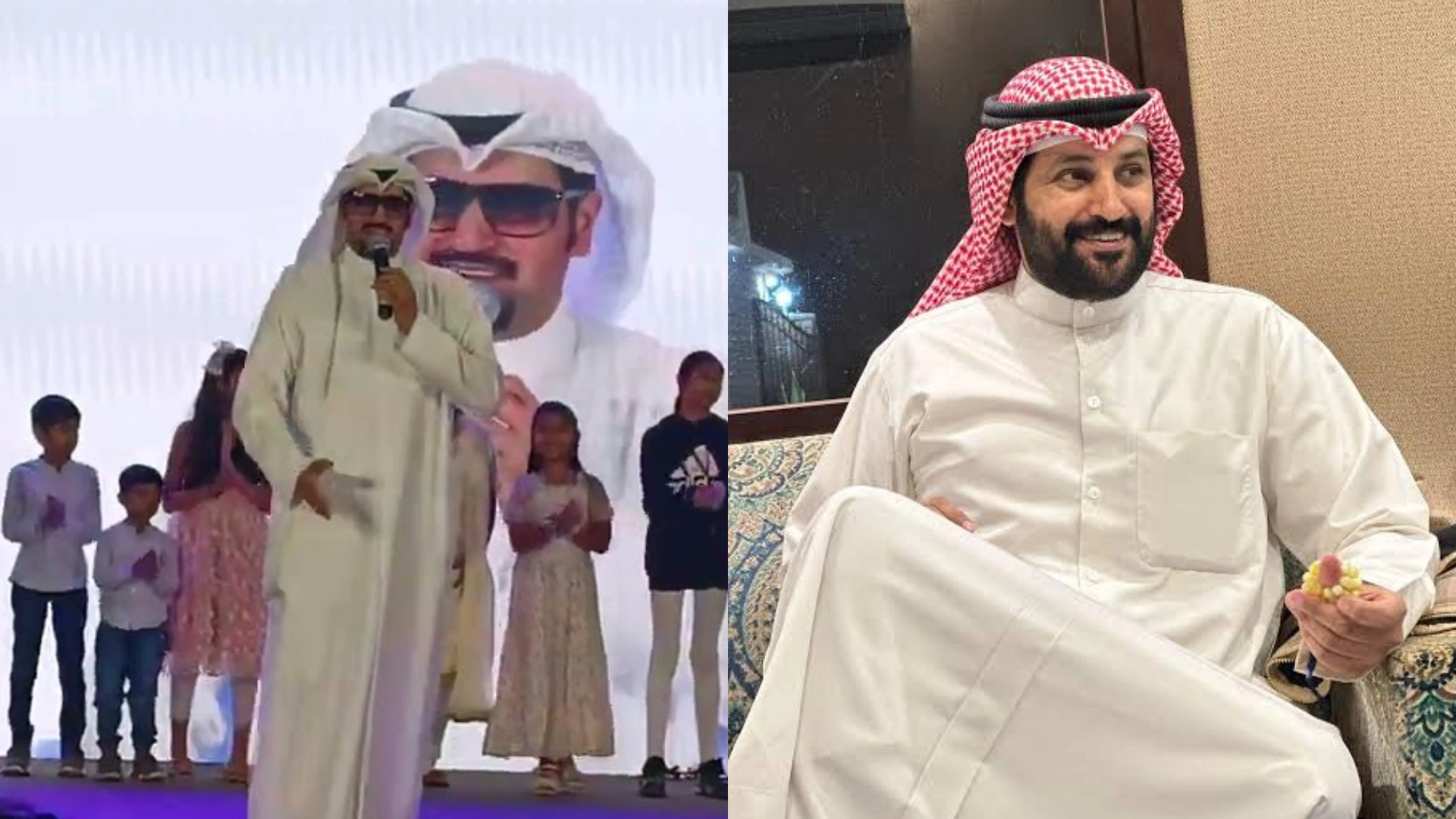
Mubarak Al Rashed’s Soulful Tribute: ‘Saare Jahaan Se Achha’ at PM Modi’s Event in Kuwait

Published

on

kuwait

Introduction to the Event

The recent community event held in Kuwait, hosted by Indian Prime Minister Narendra Modi, marked a significant occasion that celebrated cultural ties and fostered stronger connections between India and the expatriate community in Kuwait. The gathering attracted a diverse audience, including Indian nationals, local dignitaries, and cultural enthusiasts, all united to commemorate the shared values and history of the two nations. This event served not only as a platform for showcasing Indian culture but also as an opportunity to reinforce diplomatic and social relations.

Set against the backdrop of Kuwait’s vibrant multicultural environment, the event was designed to highlight the contributions of the Indian community to the country’s socio-economic landscape. The presence of Prime Minister Modi underscored the Indian government’s commitment to its diaspora and celebrated the achievements of Indians living abroad. Moreover, it served as a forum for discussing meaningful collaborations that enhance bilateral relations across various sectors, including trade, education, and cultural exchange.

Advertisement

Mubarak Al Rashed’s performance of the beloved patriotic song ‘Saare Jahaan Se Achha’ became a focal point of the celebration, bringing a transcendent emotional depth that resonated with the audience. The event was not just a display of artistic talent but also a heartfelt tribute to the enduring spirit of unity amidst diversity. As attendees immersed themselves in the performance, it became clear that this occasion was more than just a cultural showcase; it represented the ongoing commitment to strengthen relationships and celebrate shared heritage. Thus, the event was instrumental in bridging gaps between cultures, fostering mutual respect, and reinforcing the bonds of friendship between India and Kuwait.

Mubarak Al Rashed: A Brief Biography

Mubarak Al Rashed is a renowned figure in the Arabic music industry, celebrated for his melodic voice and impactful contributions to the culture. Born in 1960 in Kuwait, he emerged as one of the country’s most prominent artists, captivating audiences with his lyrical richness and authentic style. His early passion for music developed during his formative years, influenced heavily by Gulf musical traditions and the diverse sounds of the wider Arab world.
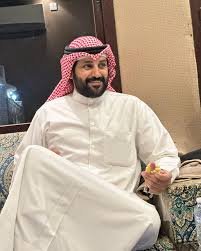
kuwait
Source : google

Al Rashed began his career in the 1980s, quickly making a name for himself with his distinctive musical style that combines classical Arabic music elements with contemporary influences. Over the years, he has released numerous albums and hit songs that have become staples in the Arabic music repertoire. His ability to infuse modern rhythms while remaining true to traditional melodies has resonated with listeners across generations, establishing him as an icon of Arabic music.

Notable achievements pepper his career, including several prestigious awards that acknowledge his artistic excellence and cultural impact. Al Rashed’s artistry is not confined to just performing; he is also a skilled songwriter and composer. His profound understanding of poetic lyrics and musical arrangement allows him to craft songs that explore deep themes of love, patriotism, and social issues, thus enhancing the cultural narrative within the Arabian Peninsula.

Advertisement

Additionally, Mubarak Al Rashed has played a pivotal role in promoting Arabic music on global platforms. His collaborations with various artists and participation in international music festivals have helped usher in a new era of appreciation for Arabic art forms. Through his work, he has not only enriched the musical landscape but also contributed significantly to the cultural exchange between the Arab world and other regions.

Significance of ‘Saare Jahaan Se Achha’

‘Saare Jahaan Se Achha’ is a revered song that holds immense significance in the cultural and historical landscape of India. Written by the celebrated poet Allama Iqbal in 1904, this patriotic anthem not only expresses deep love for the motherland but also encapsulates a universal message of unity and harmony. The song emerged during a tumultuous period when India was grappling with colonial rule, serving as a beacon of hope and resilience for the people. Iqbal’s poignant lyrics evoke a sense of pride and encourage a collective consciousness among Indians, transcending regional, religious, and linguistic divides.

The song’s stirring verses resonate with a profound emotional depth that continues to inspire generations. The imagery created in the lyrics paints a vivid picture of the Indian landscape, while simultaneously invoking feelings of patriotism and camaraderie. By emphasizing the diversity of India and celebrating its beauty, ‘Saare Jahaan Se Achha’ has secured its position as an enduring anthem that transcends mere nationalism. It invites listeners to appreciate the rich tapestry of cultures that coexist within the nation, thereby reinforcing the idea that unity in diversity is a cornerstone of Indian identity.

Advertisement

Particularly during significant events such as PM Modi’s gathering in Kuwait, the song’s overarching message is especially relevant. It serves as a reminder of the shared heritage and aspirations of the Indian diaspora, fostering a sense of belonging and connection to the homeland. The emotional resonance of ‘Saare Jahaan Se Achha,’ combined with its historical context, positions it as not just a song, but a significant cultural artifact that reflects the ethos of India. Therefore, its inclusion at such events not only celebrates patriotism but also strengthens the emotional bond among Indians, irrespective of their geographical location.

The Performance: Setting the Stage

Mubarak Al Rashed’s rendition of the iconic patriotic song ‘Saare Jahaan Se Achha’ unfolded in a meticulously crafted setting, perfectly tailored to honor the theme of unity between nations. The event, held in a grandeur-filled venue in Kuwait, was alive with a palpable sense of anticipation, as both Indian and Kuwaiti attendees gathered to witness a performance that not only celebrated cultural ties but also highlighted the essence of shared values. The ambiance, enriched with vibrant decorations symbolizing both nations, showcased a harmonious blend of Indian and Kuwaiti artistry.

As the lights dimmed and the first notes reverberated through the venue, an electric atmosphere enveloped the audience. Mubarak Al Rashed, with his emotive voice and heartfelt expression, captured the hearts of those present. The resonance of his performance echoed beyond the physical space, leaving a mark on the emotional landscape of the attendees. Observers noted the intensity with which the audience engaged with the performance; eyes glistened with pride and nostalgia, creating a bridge between the cultures being celebrated.

Advertisement

The stirring rendition of ‘Saare Jahaan Se Achha’ not only resonated deeply with the Indian community but also evoked a sense of curiosity and admiration among Kuwaiti attendees. As the song’s message of love for one’s homeland and communal harmony unfolded, it fostered an environment of shared appreciation. The ovation that followed was a testament to the performance’s profound impact, showcasing that music transcends linguistic and cultural barriers. In essence, the atmosphere during Mubarak Al Rashed’s tribute was one of heartfelt connection, exemplifying the power of music to unify diverse audiences under a common sentiment.

Reactions from the Audience

The recent performance of ‘Saare Jahaan Se Achha’ by Mubarak Al Rashed at the event hosted by Prime Minister Narendra Modi in Kuwait received an overwhelming response from the audience. This poignant rendition resonated deeply with attendees, who included community leaders, diplomats, and various guests representing diverse backgrounds. Many expressed their admiration for how the performance celebrated the rich tapestry of culture shared between India and Kuwait.

One prominent Kuwait-based Indian community leader stated, “Mubarak Al Rashed’s voice brought tears to my eyes. It is a reminder of our shared roots and our commitment to harmony among cultures. This song has always held a special place in our hearts, and seeing it performed live was truly a magical experience.” The emotional impact of the performance was further highlighted by a senior diplomat attending the event, who remarked, “The tribute was more than just a musical performance; it was a heartfelt expression of unity. In today’s world, music transcends boundaries and connects us in ways that words often cannot.”

Advertisement

Many audience members took to social media to share their reactions, with comments flowing in about how the performance evoked a sense of nostalgia and pride. A guest noted, “Listening to ‘Saare Jahaan Se Achha’ at such a prestigious gathering reaffirmed my belief in the power of music to bridge divides and promote understanding. It was a beautiful tribute to our shared aspirations for peace and coexistence.” The performance added a profound layer to the event, enriching the spirit of camaraderie among attendees. Overall, the reactions underscored the enduring emotional heritage that music can evoke, reminding everyone of the cultural connections that bind diverse communities.

The Cultural Exchange Between India and Kuwait

The recent tribute of ‘Saare Jahaan Se Achha’ performed by Mubarak Al Rashed at Prime Minister Modi’s event in Kuwait stands as a remarkable example of the cultural ties that bind India and Kuwait. Music, fundamentally a universal language, plays a pivotal role in fostering cultural exchange and understanding between diverse communities. Events such as these not only celebrate artistic expression but also serve as a medium for deeper engagement among nations.

In the context of Indian-Kuwaiti relations, music and art have proven to be effective conduits that transcend linguistic barriers. The performance of this iconic Indian patriotic song by a prominent Kuwaiti artist not only illustrates respect for Indian culture but also showcases the potential for collaboration and solidarity among different cultures. Such gestures celebrate the shared values of freedom and unity while promoting mutual understanding.

Advertisement

The resonance of ‘Saare Jahaan Se Achha’ within Kuwait symbolizes an acknowledgment of India’s rich heritage and its global influence, enhancing goodwill between the two nations. This tribute highlights the importance of music as a bridge that connects diverse communities, allowing for a richer appreciation of each other’s traditions and values. Furthermore, musical exchanges can pave the way for cultural diplomacy, strengthening political and economic ties alongside cultural ones.

Through initiatives like these, India and Kuwait can reinforce their commitment to cultural diversity and inclusiveness. By embracing each other’s art forms, they demonstrate a collective appreciation for shared human experiences. In conclusion, the soulful tribute by Mubarak Al Rashed serves not just as entertainment but as a significant step towards solidifying the cultural relationship between India and Kuwait, setting a precedent for future collaborations in the arts. This vibrant cultural exchange is crucial in promoting peace and understanding in an increasingly interconnected world.

PM Modi’s Vision and Engagement with the Diaspora

Prime Minister Narendra Modi has consistently emphasized the importance of engaging with the Indian diaspora, viewing it as an essential component of India’s global identity. His vision is rooted in fostering connections that not only promote economic ties but also celebrate the rich cultural heritage of India. Through various initiatives and events, PM Modi has sought to create platforms where members of the diaspora can come together to connect, collaborate, and contribute to India’s growth story.

Advertisement

One of the prime factors driving Modi’s engagement strategy is to ensure that the Indian diaspora remains integral to the country’s progress. He believes that the approximately 32 million Indians living abroad play a pivotal role in shaping India’s narrative on the global stage. His administration has implemented a range of policies aimed at enhancing the relationship with these communities. Events like the one held in Kuwait, where Mubarak Al Rashed delivered a soulful tribute with ‘Saare Jahaan Se Achha’, showcase how cultural engagements serve not only to honor heritage but also to strengthen bonds between India and its citizens living overseas.

Furthermore, PM Modi’s outreach efforts include regular visits and meetings with Indian expatriates across various nations, thus manifesting a commitment to understanding their needs and aspirations. This two-way engagement has proved necessary for building trust and ensuring that the diaspora feels connected to the motherland. The Prime Minister’s initiatives have highlighted the significance of community involvement in national development, reinforcing the notion that every Indian, irrespective of their location, plays an important role in advocating for and representing India’s interests abroad.

By embracing such a dynamic and inclusive approach, PM Modi not only celebrates cultural ties but also underlines the need for ongoing dialogue between the Indian government and its citizens abroad, ensuring that the diaspora continues to contribute meaningfully to India’s progress.

Advertisement

Also read : PM Modi Attends Opening Ceremony of Arabian Gulf Cup and Meets Kuwaiti Emir

Media Coverage and Public Response

The performance of Mubarak Al Rashed, delivering a soulful rendition of ‘Saare Jahaan Se Achha’ at Prime Minister Modi’s recent event in Kuwait, drew widespread media coverage and provoked a diverse array of public reactions. Major news outlets across India and the Middle East highlighted the event, providing extensive narratives that emphasized the significance of cultural diplomacy between the two nations. Publications showcased the emotional depth of Al Rashed’s performance, reflecting not only musical talent but also an artistic homage to shared values and resonances between Indians and Kuwaitis.

Social media platforms became a fertile ground for discussions surrounding the tribute, with hashtags related to the event trending prominently. Users expressed an array of sentiments, from nostalgia for the iconic song to appreciation for the collaborative spirit encapsulated by the performance. Videos and snippets of the event circulated rapidly, garnering millions of views on platforms such as Twitter, Facebook, and Instagram. Influencers and prominent figures contributed to the discourse, sharing their viewpoints on the event’s significance and its role in fostering cross-cultural understanding.

Advertisement

Public discussions further expanded to include various analyses of the implications of such artistic exchanges. Many observers noted the potential for cultural performances like Al Rashed’s to improve bilateral relations by bridging gaps and creating mutual respect between diverse communities. Commentary from experts in cultural studies highlighted how music serves as a universal language, capable of transcending political differences. News reports frequently cited audience reactions during the event, noting moments of emotional engagement and the audience’s enthusiastic applause, which underscored the event’s success in resonating with attendees.

In summary, the media’s extensive coverage and vibrant public discourse surrounding Mubarak Al Rashed’s tribute juxtaposed art with diplomacy, showcasing its power to create dialogue and forge connections across borders.

Summary

Mubarak Al Rashed’s rendition of ‘Saare Jahaan Se Achha’ at the event hosted by Prime Minister Modi in Kuwait is a poignant reminder of the profound influence music holds in uniting diverse communities. This performance not only celebrated a significant cultural moment but also symbolized the enduring ties between India and Kuwait. The song, a patriotic Indian anthem, resonates with themes of appreciation and belonging, capturing the essence of unity amidst diversity. Its delivery by Al Rashed, a respected figure in the Arab world, showcased how music transcends regional boundaries, creating a shared space for emotional connection and understanding.

Advertisement

Music has long been a potent force for fostering community spirit and dialogue. Events such as this highlight its ability to bridge cultural divides, allowing individuals from distinct backgrounds to come together, appreciate each other’s traditions, and foster goodwill. When presented in a multi-national context, like at this gathering, a performance can invoke a sense of collective identity among the audience, regardless of their geographical roots. It acts as a universal language—one that conveys emotions and narratives that can resonate on personal and communal levels.

By participating in such significant occasions, artists like Mubarak Al Rashed not only infuse the event with a sense of celebration but also reinforce the message that music is a vital component in nurturing international relationships. As communities grow increasingly interconnected, the role of music will undoubtedly remain central, forging bonds that withstand the test of time and promote peaceful coexistence among nations.


Advertisement

Geetika Sherstha is a passionate media enthusiast with a degree in Media Communication from Banasthali Vidyapith, Jaipur. She loves exploring the world of digital marketing, PR, and content creation, having gained hands-on experience at local startups like Vibrant Buzz and City Connect PR. Through her blog, Geetika shares insights on social media trends, media strategies, and creative storytelling, making complex topics simple and accessible for all. When she's not blogging, you’ll find her brainstorming new ideas or capturing everyday moments with her camera.

Continue Reading
Advertisement
Click to comment

Leave a Reply

Your email address will not be published. Required fields are marked *

Breaking News

Mamata Banerjee Slams Kolkata Police at Raksha Bandhan Rally After 13 Arrests

Published

on

Mamata Banerjee Slams Kolkata Police at Raksha Bandhan Rally After 13 Arrests


Kolkata | 28 Aug 2026

Trinamool Congress chief and former West Bengal Chief Minister Mamata Banerjee sharply criticised Kolkata Police on Friday during the Trinamool Chhatra Parishad foundation day programme in Kolkata, held on Raksha Bandhan, a day after a confrontation at Abhishek Banerjee’s Camac Street office led to three FIRs and the arrest of 13 people.

Mamata Banerjee targets Kolkata Police over TMC office action

Addressing supporters at Cathedral Road, Banerjee accused the police of acting unfairly against her party and questioned the police action at Abhishek Banerjee’s office on Thursday. She alleged that officers had entered the premises forcibly and that TMC workers were subsequently arrested.

Advertisement


Banerjee contrasted the present police administration with the force she had worked with during her 15 years as chief minister, alleging that its conduct had changed after the change of government. Her remarks were political allegations against the present administration and police; Kolkata Police has separately defended its action through the cases registered over Thursday’s confrontation.

Banerjee also announced that she would begin touring districts to stand with party workers and people she described as deprived. She said that even if police permission was not granted for her political programmes, she would continue her outreach, including travelling on foot where necessary.

Three FIRs filed, 13 arrested after Abhishek Banerjee office clash

Kolkata Police said three cases were registered following Thursday’s confrontation involving police personnel, Kolkata Municipal Corporation officials and TMC members at Abhishek Banerjee’s office on Camac Street. Thirteen people were arrested.

Advertisement


TMC national general secretary Abhishek Banerjee, Rajya Sabha MP Derek O’Brien and other party figures were named in cases arising from allegations that officials were obstructed while attempting to enter a common area of the building and remove an allegedly unauthorised billboard.

According to the authorities, the Kolkata Municipal Corporation had received a complaint concerning the billboard and its officials went to the site accompanied by police. The police alleged that party supporters and private security personnel obstructed officials and that a confrontation followed.

The TMC has disputed that account. Abhishek Banerjee alleged that civic and police personnel entered the office without proper authority and pushed or heckled party leaders and workers. His faction has indicated that it will pursue legal remedies over the action.

Advertisement


TMCP foundation day coincides with Raksha Bandhan

The confrontation with police became a major theme at Friday’s TMCP foundation day gathering, which coincided with Raksha Bandhan. Banerjee had earlier called for the occasion to carry a message of harmony because the student organisation’s annual foundation day fell on the festival this year.

The gathering itself was held under restrictions imposed by the Calcutta High Court after rival TMC factions sought permission to organise separate TMCP programmes at the traditional Mayo Road venue.

The court did not allow either faction to use Mayo Road. Mamata Banerjee’s faction was permitted to hold its programme on Cathedral Road, while the rival group led by Ritabrata Banerjee was allotted Rani Rashmoni Road.

Advertisement


High Court capped attendance and ordered traffic lane to remain open

The Calcutta High Court fixed the timing of both programmes between noon and 3 pm and imposed an attendance ceiling of 1,500 people for each gathering. Each faction was also directed to provide Kolkata Police with the contact details of 15 volunteers to help coordinate security arrangements.

The court further ordered that the programmes be restricted to one lane at their respective venues while the other lane remained available for traffic.

There was significant crowding around the Cathedral Road event after Banerjee arrived. Local reports said several vehicles became caught near the gathering and an ambulance was also temporarily affected. Banerjee was seen directing party workers to allow vehicles to pass and asking supporters to cooperate with police before the political speeches continued.

Advertisement


At the programme, Banerjee also renewed her challenge to the BJP-led West Bengal government over the 2026 Assembly election. She alleged that the BJP had secured its victory through unfair means and said her party would continue its legal fight. The allegation has not been established as fact and remains part of the political dispute between the two sides.

The BJP came to power in West Bengal in the May 2026 Assembly election, ending 15 years of Mamata Banerjee-led government. Since that defeat, the TMC has also been hit by an internal split, with competing factions claiming organisational legitimacy.

Friday’s simultaneous student-wing programmes, the dispute with Kolkata Police and the Camac Street cases have therefore added another layer to an already intensifying political and legal confrontation in West Bengal.

Advertisement


Continue Reading

Breaking News

Raksha Bandhan 28 Aug. 2026, Today: Rakhi Muhurat Ends at 9:48 AM on Shravan Purnima

Published

on

Raksha Bandhan 28 Aug. 2026, Today: Rakhi Muhurat Ends at 9:48 AM on Shravan Purnima


India | 28 Aug 2026

Raksha Bandhan 2026 is being celebrated across India on Friday, 28 August, with Shravan Purnima continuing until about 9:48 am. Panchang calculations place the principal Rakhi-tying window after sunrise and before the Purnima Tithi ends, while the exact starting time varies slightly by location.

Raksha Bandhan 2026 Shubh Muhurat and Purnima timings

According to Drik Panchang, the Purnima Tithi began at 9:08 am on 27 August and ends at 9:48 am on 28 August. It lists Raksha Bandhan on 28 August and says the Bhadra period had ended before sunrise.

Advertisement


Because sunrise differs from city to city, the morning Rakhi window is not identical across India. For Jaipur, Rajasthan, Drik Panchang gives the Raksha Bandhan thread ceremony time as approximately 6:04 am to 9:48 am, a duration of about three hours and 43 minutes.

People following a traditional Panchang should therefore check timings for their own city rather than applying one nationwide sunrise-based time. The end of Purnima, however, is listed at about 9:48 am in the referenced calculations.

Why Raksha Bandhan is celebrated on Shravan Purnima

Raksha Bandhan, also known as Rakhi or Rakhi Purnima, is traditionally observed on the full-moon day of the Hindu month of Shravan. The ceremony is centred on a sacred thread tied as a symbol of affection, protection, trust and responsibility.

Advertisement


In its most familiar form, a sister applies tilak and ties a Rakhi on her brother’s wrist while praying for his well-being. The occasion is also widely understood today as a broader celebration of mutual care and responsibility among siblings and families.

The Ministry of Tourism’s Incredible India platform links the festival with several traditions and mythological narratives, including stories associated with Goddess Lakshmi and King Bali. Other widely told traditions connect the idea of a protective thread with figures such as Krishna and Draupadi. These accounts belong to religious and cultural tradition rather than a single independently established historical origin for the modern festival.

President Murmu highlights trust and mutual responsibility

President Droupadi Murmu, in an official message issued by the President’s Secretariat on 27 August, described Raksha Bandhan as an integral part of India’s culture and tradition and said its meaning now extends beyond the ritual itself to warmth, respect and mutual responsibility.

Advertisement


“This festival reminds us that every relationship rests on the pillars of trust, sensitivity and mutual cooperation.”— Droupadi Murmu, President of India

Lok Sabha Speaker Om Birla also greeted people on the eve of the festival, describing Raksha Bandhan as a celebration of love, affection, trust, respect and the commitment to stand by one another.

Partial lunar eclipse falls on Raksha Bandhan, but not visible from India

A deep partial lunar eclipse also occurs on 28 August 2026. NASA’s lunar-eclipse catalogue lists the partial phase as lasting about three hours and 18 minutes, with visibility across the eastern Pacific, the Americas, Europe and Africa.

India is not included in NASA’s listed visibility region for the eclipse. This is significant because several reports have generated confusion over whether the eclipse can be seen from India. Astronomically, the eclipse does not provide a visible lunar-eclipse event for observers in India during the listed circumstances.

Advertisement


Religious rules concerning eclipse-related observances or Sutak vary by tradition and should be distinguished from the astronomical question of visibility. The confirmed astronomical position is that the 28 August partial lunar eclipse is not listed by NASA as visible from India.

Rakhi ritual reflects a wider message of family bonds

Customs differ among families and regions, but the common Raksha Bandhan ritual typically includes a prayer or puja, tilak, tying of the Rakhi and exchange of sweets or gifts. The central theme remains affection, protection and mutual responsibility rather than the material value of the thread or gift.

Government and cultural institutions have increasingly described the festival in broader social terms, emphasising harmony, dignity, family bonds and responsibility. That wider interpretation has helped Raksha Bandhan retain its cultural prominence while practices continue to vary across communities.

Advertisement


Continue Reading

Breaking News

NLSIU Cancels 2026 Convocation Amid Opposition to CJI Surya Kant, BCI Chief

Published

on

NLSIU Cancels 2026 Convocation Amid Opposition to CJI Surya Kant, BCI Chief


Bengaluru | 27 Aug 2026

National Law School of India University (NLSIU), Bengaluru, has cancelled its 34th Annual Convocation for the graduating Class of 2026, which had been proposed for 12 September. The university cited “unavoidable circumstances” and said students would instead receive their degrees in absentia. The decision comes after hundreds of students and alumni opposed the proposed participation of Chief Justice of India Surya Kant and Bar Council of India Chairman Manan Kumar Mishra.

NLSIU Says Degrees Will Be Conferred in Absentia

NLSIU informed graduating students on 27 August that the physical convocation would not be held. The university’s Academic Administration team had earlier told students on 3 August that the annual ceremony was proposed for 12 September.

Advertisement


“Despite our collective best efforts, due to unavoidable circumstances, we are unable to hold the 34th Annual Convocation.”— National Law School of India University notice

The university said degrees would be conferred in absentia after the required approvals from its governing bodies. Graduates will be given the option of receiving their certificates by courier or collecting them from the NLSIU campus.

NLSIU has not publicly stated that the student protests or objections to the proposed guests caused the cancellation. Its official communication attributed the decision only to “unavoidable circumstances”.

Students Opposed CJI Surya Kant and BCI Chairman’s Proposed Participation

The cancellation follows an open letter signed by 165 students from NLSIU’s graduating Class of 2026, 409 current students and 128 alumni. The signatories opposed the proposed presence of CJI Surya Kant and BCI Chairman Manan Kumar Mishra at the convocation.

Advertisement


The statement was issued amid a wider dispute involving NALSAR University of Law in Hyderabad and the Bar Council of India.

“Offensive, humiliating, and a mockery of students and their struggles.”— NLSIU students and alumni, in their joint statement

The NLSIU signatories also expressed solidarity with NALSAR students and faculty and sought an unconditional apology from the BCI over its action against NALSAR’s 2026 graduating batch.

NALSAR Dispute Triggered Wider Law-School Protests

The controversy intensified after a section of NALSAR students opposed the proposed participation of CJI Surya Kant at their convocation. On 13 August, the Bar Council of India initially directed state bar councils not to enrol graduates from NALSAR’s 2026 batch while seeking information about those involved in the campaign.

Advertisement


The BCI withdrew the enrolment restriction within hours following criticism. Later that night, Chairman Manan Kumar Mishra said proceedings against the graduating batch had been closed and no further action against the students was required.

The reversal did not end the controversy. NLSIU students and alumni subsequently questioned the proposed participation of both Mishra and the Chief Justice of India at their own convocation.

What Happens Next for NLSIU’s 2026 Graduates

Although the ceremonial event has been called off, graduating students will still receive their degrees after approval by the university’s governing bodies. NLSIU is expected to communicate the procedure for choosing between campus collection and courier delivery of degree certificates.

Advertisement


As of 27 August, the university has not announced a replacement date for the 34th Annual Convocation or indicated that the ceremony will be rescheduled.

Advertisement


Continue Reading

Breaking News

Reports Claim Pakistan Deployed Bayraktar TB2 Drones Near LoC

Published

on

Reports Claim Pakistan Deployed Bayraktar TB2 Drones Near LoC

India-Pakistan Line of Control | 26 Aug 2026

Indian media reports citing unnamed security sources claim Pakistan has deployed Turkish-made Bayraktar TB2 armed drones near the Line of Control for surveillance of Indian military positions. However, the reported deployment has not been publicly confirmed by India’s Ministry of Defence, the Indian Army, Pakistan’s military or drone manufacturer Baykar.

Reports allege Bayraktar TB2 activity near LoC

The reports claim Indian security agencies detected Bayraktar TB2 drones operating close to the Line of Control and assessed that the aircraft could be collecting information about terrain, troop movements and surveillance arrangements.

They also cite unnamed sources as saying ground-control infrastructure and mobile operating units may be positioned near Muzaffarabad and Kotli in Pakistan-administered Kashmir, which India calls Pakistan-occupied Jammu and Kashmir.

No publicly available photographs, satellite images, radar records, serial numbers or official statements establishing the location and timing of the reported TB2 flights accompanied the claim. Credent TV could not independently verify that the drones had been moved to forward areas or flown near the LoC.

Pakistan’s possession of TB2 drones is established

Pakistan’s possession of the Bayraktar TB2 is better documented than the latest deployment claim. Pakistan Air Force imagery from an operational air-defence exercise in September 2022 showed at least two TB2 aircraft, according to defence intelligence publication Janes.

Earlier satellite imagery had also shown a TB2 and associated ground-control equipment at Pakistan Air Force Base Murid in Chakwal district. The facility is named Murid, not Muridke, which is a separate city in Punjab province.

The total number of TB2 drones currently operated by Pakistan has not been officially disclosed. There is also no public confirmation that any flight reported near the LoC originated from PAF Base Murid or another identified facility.

What the Bayraktar TB2 can do

Baykar describes the TB2 as a medium-altitude, long-endurance unmanned combat aircraft designed for intelligence, surveillance, reconnaissance and precision-strike missions.

The manufacturer lists a 12-metre wingspan, a maximum take-off weight of 700 kilograms, a 150-kilogram payload capacity, an operational altitude of 16,000 feet and endurance exceeding 18 hours. The aircraft can carry electro-optical and infrared sensors, laser-designation equipment, surveillance radar and guided munitions.

Its endurance and real-time imagery capability could support sustained monitoring of military activity. Its ability to carry weapons means an armed configuration can conduct strikes, but the sighting of a TB2 would not by itself establish that the aircraft was carrying munitions.

The expression “Russia killer”, used in some coverage, is not an official military or manufacturer designation for the TB2.

India has previously raised cross-border drone concerns

During an official briefing on May 9, 2025, Colonel Sofiya Qureshi said Pakistan had attempted drone incursions at 36 locations between Leh and Sir Creek using approximately 300 to 400 aircraft. She said the possible objectives included testing Indian air-defence systems and gathering intelligence.

Initial examination of debris from that episode indicated the use of Turkish-made Asisguard Songar drones, according to the briefing. The Songar and Bayraktar TB2 are different aircraft, so that official finding does not confirm the latest TB2 deployment claim.

Separate suspected Pakistan-origin drone sightings have continued along the LoC and International Border. Security forces have responded with counter-drone measures and searches to determine whether weapons or narcotics were dropped.

Verification remains critical

If independently confirmed, forward deployment of long-endurance armed drones would expand Pakistan’s ability to monitor activity near sensitive LoC sectors and reduce the time required to conduct surveillance missions.

However, definitive conclusions require official confirmation or verifiable evidence identifying the aircraft, flight path and operating location. Claims about the drones carrying weapons, conducting hostile surveillance or preparing for attacks should not be presented as established facts without such evidence.

Indian authorities had not publicly announced any new military response specifically linked to the reported TB2 deployment as of August 26.

Continue Reading

Breaking News

Anil Chauhan Says Politics and War Are Inseparable in Operation Sindoor Address

Published

on

Anil Chauhan Says Politics and War Are Inseparable in Operation Sindoor Address


New Delhi | 25 Aug 2026

Former Chief of Defence Staff General Anil Chauhan said politics and warfare were inseparable, arguing that military force must serve clearly defined political objectives. He made the remarks during a discussion on Operation Sindoor and its aftermath at the Vivekananda International Foundation in New Delhi on Tuesday.

  • Political objectives shape military options
  • Defence preparedness determines available choices
  • Operation Sindoor remains strategically relevant
  • Chauhan calls for changing military strategies

Political objectives shape military options

Invoking Prussian military theorist Carl von Clausewitz, Chauhan said a country’s political interests remained paramount and the armed forces were one of several instruments available to protect them.

“Politics and war are inseparable. Clausewitz said that war is a continuation of politics by other means.”— General Anil Chauhan, former Chief of Defence Staff

Chauhan said that when a democratic government decided to use force, the military had two principal responsibilities: offering options capable of meeting the government’s objectives and giving the political leadership confidence that those options could be executed successfully.

Advertisement


He stressed that each military choice involved a different level of operational risk and had to be evaluated against the political purpose it was intended to achieve.

“Each option has a certain kind of risk involved in it. So, it’s an interplay between risk and attainment of political objectives.”— General Anil Chauhan, former Chief of Defence Staff

Defence preparedness determines available choices

According to Chauhan, the number and quality of options available during a crisis depend on investments made during peacetime. Defence capabilities, military training, war games and contingency planning must be developed well before the government considers deploying force, he said.

Military leadership also influences the choices available to the government through the quality of training and operational scenarios it prepares. No armed force could remain completely prepared for every contingency at all times, he added, making continuous assessment and adaptation essential.

Advertisement


Operation Sindoor remains strategically relevant

Discussing the Operation Sindoor aftermath, Chauhan said the main phase of active operations had concluded but the campaign remained relevant to strategic communities in India and abroad.

“In some ways, it is ongoing. The major part of active operations has concluded, but this remains a subject of interest for the strategic community.”— General Anil Chauhan, former Chief of Defence Staff

He said the operation should be assessed alongside the deficiencies identified during it, measures taken to address those gaps, the changing character of warfare and wider global uncertainty.

India launched Operation Sindoor on 7 May 2025 following the 22 April terrorist attack in Pahalgam, which killed 25 Indian citizens and one Nepali national. The Indian government said its forces targeted nine terrorist facilities in Pakistan and Pakistan-occupied Jammu and Kashmir.

Advertisement


India and Pakistan subsequently exchanged military strikes before agreeing on 10 May 2025 to stop firing and military action on land, in the air and at sea.

Chauhan calls for changing military strategies

Chauhan said military planners could not repeatedly rely on the same response because predictability reduced the prospects of success. He cited India’s different approaches following the Uri, Pulwama and Pahalgam attacks.

The response after Uri involved land-based surgical strikes, while the Balakot operation following the Pulwama attack used air power. Operation Sindoor employed another approach, including the use of lower airspace, which Chauhan said was intended to preserve surprise and control the threshold of conflict.

Advertisement


Chauhan served as India’s second Chief of Defence Staff until 30 May 2026. General NS Raja Subramani assumed charge as the country’s third CDS on 31 May 2026.

Advertisement


Continue Reading

Bihar

Patna BPSC Protest: Water Cannons Deployed, Aspirants Detained

Published

on

Patna BPSC Protest: Water Cannons Deployed, Aspirants Detained

PATNA — Police used water cannons and detained several job aspirants in central Patna on Tuesday, August 25, after protesters broke through barricades during a march over Bihar’s recruitment examinations.

The pre-announced procession began at Gandhi Maidan, with demonstrators seeking to reach the high-security administrative zone and gherao the Bihar Chief Minister’s residence. The confrontation intensified at Dak Bungalow Crossing as protesters pushed past barricades and police attempted to stop their advance.

Several demonstrators were subsequently taken into custody. No official figure for the number of detainees or any confirmed injuries was immediately released. PTI reported that additional security personnel, including Central Reserve Police Force and Rapid Action Force units, had been deployed at major intersections.

March Stopped at Dak Bungalow Crossing

Aspirants associated with the Bihar Public Service Commission’s Teacher Recruitment Examination, or TRE-4, joined students raising broader concerns about recruitment tests conducted across the state.

Police had erected barricades at major junctions after student organisations announced plans to march from Gandhi Maidan. The procession reached Dak Bungalow Crossing, where protesters jostled with security personnel before breaching the barricades.

Water cannons were deployed as police tried to disperse the crowd and prevent it from entering restricted areas. Visuals from the protest showed demonstrators continuing to raise slogans after the police action.

The march disrupted movement through parts of central Patna, where security had been tightened in anticipation of the demonstration.

TRE-4 Format Remains a Central Dispute

The protesters’ principal demands include conducting TRE-4 through a single-stage examination and removing negative marking from the proposed selection process.

Aspirants have argued that the proposed format could place candidates at a disadvantage and have sought greater transparency in teacher recruitment. Students have also raised concerns about examinations conducted by the Bihar Staff Selection Commission and demanded fair opportunities for Hindi-medium candidates.

Another group participating in the march demanded the cancellation of the 70th BPSC examination, citing alleged irregularities and paper leaks. These allegations remain contested and have not resulted in the examination being cancelled.

The demonstration brought several recruitment-related grievances under a single campaign, extending beyond TRE-4 to concerns over the transparency, structure and administration of competitive examinations in Bihar.

Talks Fail to Resolve Key Demands

Student groups had been demonstrating at Patna’s Gardanibagh protest site before Tuesday’s march. Meetings between their representatives and government officials reportedly produced agreement on some issues, but failed to resolve the central demands concerning a single-stage TRE-4 examination and negative marking.

The groups proceeded with the march after those discussions ended without a settlement on the disputed examination format. UNI reported that protesters were also seeking a “One Candidate, One Result” policy and stronger safeguards against alleged irregularities in recruitment examinations.

Bihar Education Minister Mithilesh Tiwari said the government had addressed most of the students’ concerns and remained open to further dialogue. He urged representatives of the protesting groups to continue discussions with the administration.

The government had not announced any change to the TRE-4 examination structure by the time of publication. The protest groups, meanwhile, continued to demand a formal decision on their principal concerns rather than verbal assurances.

The confrontation has intensified pressure on the state administration to resolve the dispute before the next stage of the recruitment process. It has also renewed scrutiny of how Bihar’s major competitive examinations are designed, conducted and monitored.

Continue Reading

Art

Social Media Dialogue or Controversy? The Growing Crisis of Communication in the Digital Age

Social Media Dialogue or Controversy is becoming one of the most debated issues of the digital age. Explore how social media is transforming communication, fueling outrage, weakening meaningful conversations, and reshaping public discourse.

Published

on

Social Media Dialogue or Controversy

4 June, Credent TV | Social Media Dialogue or Controversy has emerged as one of the defining questions of the digital era. What was once celebrated as a revolutionary platform for free expression and democratic participation is increasingly being criticized for fostering conflict, outrage, polarization, and endless digital battles.

Human civilization has always evolved through communication. From spoken words around ancient fires to printed newspapers and television broadcasts, every technological advancement promised to bring people closer together. Social media appeared to be the ultimate realization of that dream. It placed a publishing platform in every pocket and transformed ordinary citizens into content creators, commentators, and influencers.

Advertisement

Yet, while communication has become easier than ever, meaningful dialogue appears to be disappearing.

Today, millions of people begin their day not by asking what happened in the world, but by checking how the world reacted to what they posted. Likes, shares, reposts, comments, and reach have become new forms of social validation. In many ways, digital engagement has become as important to some people as traditional measures of success.

This raises an important question: Has social media strengthened dialogue, or has it simply amplified controversy?

Advertisement

Social Media: The Promise of Digital Democracy

When social media platforms first gained popularity, they were often described as tools of digital democracy. Anyone with internet access could express opinions, share experiences, challenge institutions, and participate in public discussions.

Platforms such as Facebook, X (formerly Twitter), Instagram, LinkedIn, and YouTube gave voice to individuals who previously lacked access to traditional media channels.

According to research published by the Pew Research Center and other digital communication studies, social media has expanded public participation in political discussions, social movements, and civic engagement.

Advertisement

Social Media Dialogue or Controversy – How Conversations Changed

The central concern behind Social Media Dialogue or Controversy lies in the transformation of public discussions.

Modern social platforms contain more words than ever before. Millions of posts are created every minute. Yet despite this abundance of communication, genuine dialogue often feels absent.

Many users no longer enter online discussions to learn or understand. Instead, they arrive prepared to defend positions, attack opposing views, or demonstrate loyalty to ideological groups.

Advertisement

A photograph of a cup of tea can trigger political arguments. A book recommendation can become an ideological battle. A poem can provoke accusations and outrage. In many cases, reactions depend less on what is being said and more on who is saying it. The speaker often matters more than the message.


The Rise of the Permanently Offended Citizen

One of the most fascinating developments of modern digital culture is the emergence of what sociologists increasingly describe as a culture of perpetual offense. A growing number of online users seem permanently prepared to be offended.

They may find reasons for outrage in advertisements, jokes, language choices, historical discussions, entertainment content, or even punctuation marks. This phenomenon creates an environment where emotional reaction frequently replaces thoughtful engagement.

Advertisement

Indian author and public intellectual Purushottam Agrawal explored similar themes in his thought-provoking novel Nakohus, which satirically examines the politics of hurt sentiments and public outrage.

The culture of constant offense has become a major contributor to the Social Media Dialogue or Controversy debate because it shifts focus away from understanding and toward emotional confrontation.


Why Social Media Rewards Conflict

To understand the current environment, one must examine the role of platform algorithms. Most social media companies depend on user engagement. Engagement means attention. Attention generates advertising revenue. Unfortunately, outrage often generates more attention than calm discussion.

Advertisement

Research from institutions including MIT and Oxford Internet Institute has shown that emotionally charged content tends to spread faster than balanced information. As a result:

  • Anger travels quickly.
  • Nuance travels slowly.
  • Conflict attracts clicks.
  • Moderation receives less visibility.

This creates an incentive structure where users are unconsciously rewarded for producing stronger reactions. The digital marketplace often values excitement over accuracy and confrontation over reflection.


The Economics of Outrage

The business model of attention-driven platforms contributes significantly to controversy. Posts that provoke strong emotions frequently receive:

  • More comments
  • More shares
  • More visibility
  • Greater reach

This creates a cycle where increasingly provocative content dominates public attention. In such an environment, thoughtful dialogue struggles to compete.


The Decline of Listening in the Digital Age

A healthy conversation requires two essential components:

Advertisement
  1. Speaking
  2. Listening

Modern digital culture has dramatically expanded opportunities for speaking. Listening, however, has become increasingly rare. Many users read content only long enough to formulate a response. Instead of engaging with ideas, they search for evidence that confirms existing beliefs.

This trend weakens the foundations of democratic discourse. Throughout history, intellectual traditions across cultures emphasized debate, reflection, and respectful disagreement.

Ancient philosophical schools, scholarly traditions, and public forums encouraged participants to challenge ideas while maintaining mutual respect. Today, online discussions often prioritize winning rather than understanding.


Social Media Dialogue or Controversy and Public Discourse

The impact extends beyond individual interactions. When public discourse becomes dominated by conflict, entire societies can suffer. Misinformation spreads more easily. Polarization intensifies. Trust declines. Communities become fragmented. Citizens begin viewing opponents not as people with different perspectives but as enemies.

Advertisement

This is where the question of Social Media Dialogue or Controversy becomes particularly important. The issue is no longer limited to online behavior. It affects democratic institutions, journalism, education, and social cohesion.


Freedom of Expression vs. Responsible Expression

Freedom of expression remains one of the most valuable achievements of modern society. People should have the right to express opinions, criticize authority, and participate in public debate. However, freedom and responsibility must coexist. The challenge facing contemporary society is not a lack of expression. The challenge is learning:

  • How to speak.
  • When to speak.
  • Where to speak.
  • And sometimes when not to speak.

Civilization depends not only on speech but also on restraint. Responsible communication strengthens public trust. Reckless communication weakens it.


Digital Etiquette Matters

Many critics dismiss digital etiquette as old-fashioned. Yet etiquette serves an important purpose. It creates conditions for peaceful coexistence. Online etiquette includes:

Advertisement
  • Respectful disagreement
  • Fact verification
  • Avoiding personal attacks
  • Listening before responding
  • Distinguishing criticism from hostility

Without these principles, freedom can easily devolve into chaos.


What Algorithms Teach Society

Technology does not merely reflect human behavior. It also shapes it. When users repeatedly encounter content rewarded for outrage, they gradually adapt to those incentives. The result is a culture where:

  • Patience seems weak.
  • Nuance appears boring.
  • Anger appears powerful.
  • Reflection appears unnecessary.

This transformation may be one of the most significant social consequences of the digital age. Social media has accelerated communication. It has not necessarily improved understanding.


Can Meaningful Dialogue Return?

Despite growing concerns, there are reasons for optimism. Many educators, journalists, researchers, and civic organizations are actively promoting healthier digital habits. Media literacy programs are helping people evaluate information critically. Educational institutions increasingly emphasize critical thinking and responsible communication. Public awareness regarding misinformation is also improving. Meaningful dialogue can return if users consciously choose engagement over confrontation.

Simple practices can make a difference:

Advertisement
  • Read before reacting.
  • Verify before sharing.
  • Understand before criticizing.
  • Listen before responding.

The Way Forward

The future of social media depends largely on collective choices. Technology itself is not inherently harmful. The challenge lies in how it is used. Platforms can encourage healthier interactions. Governments can support digital literacy. Schools can teach critical thinking. Media organizations can prioritize accuracy over sensationalism. Most importantly, individuals can practice restraint and respect. The solution to digital conflict is not silence. The solution is better conversation.

Social Media Dialogue or Controversy represents one of the defining debates of our time. Social media has democratized communication and provided unprecedented opportunities for participation, creativity, and expression. Yet it has also amplified outrage, rewarded impulsive reactions, and weakened the art of listening.

The challenge facing society is not technological advancement itself but the cultivation of wisdom alongside innovation.

As communication technologies continue to evolve, the future of public discourse will depend on whether people choose noise or understanding, reaction or reflection, controversy or dialogue.

Advertisement

History may ultimately judge our era not by the sophistication of the machines we built, but by whether those machines helped us communicate more meaningfully with one another.

Dr Durgaprasad Agrawal

By DR DURGAPRASAD AGRAWAL
Distinguished Educationist & Author,
Jaipur, Rajasthan


Advertisement
Continue Reading

Breaking News

AI and Original Writing Crisis: 10 Powerful Reasons Why Artificial Intelligence Can Never Replace Human Creativity

AI and Original Writing remain at the center of a global debate as technology transforms content creation. Discover why artificial intelligence can assist writers but can never replace human creativity, emotions, independent thinking, and authentic storytelling.

Published

on

AI and Original Writing

3 June, Credent TV | In an era dominated by digital innovation, AI and Original Writing have become two of the most discussed topics in journalism, education, publishing, and creative industries. Artificial intelligence is now capable of generating articles, poems, speeches, marketing campaigns, and even fictional stories within seconds. While these technological advancements have undoubtedly transformed the writing landscape, a crucial question remains unanswered: Can AI truly replace original human thinking and creativity?

Veteran independent journalist Nafees Afridi believes the answer is clear. According to him, artificial intelligence may become a valuable writing assistant, but it can never become a substitute for authentic human thought, emotional depth, and lived experience.

Advertisement

As the world races toward an AI-driven future, the debate surrounding originality, creativity, and intellectual integrity has become more relevant than ever.

The Digital Revolution and the Rise of AI Writing

The digital age has democratized communication in unprecedented ways. Today, a smartphone and internet connection are often enough to reach millions of readers worldwide.

Blogs, websites, social media platforms, podcasts, and digital publications have eliminated many of the barriers that once restricted publishing opportunities. Every individual now has the potential to become a creator.

Advertisement

At the same time, artificial intelligence has entered the writing process. Advanced AI tools can summarize information, generate headlines, produce essays, draft speeches, and create social media content almost instantly.

Major technology companies continue investing billions in AI development, reflecting the growing significance of machine-generated content. According to reports from the official websites of organizations such as OpenAI and UNESCO, the integration of AI into education, communication, and content creation is expected to expand significantly in the coming years.

Yet this transformation has sparked concerns about the future of authentic expression.

Advertisement

Understanding AI and Original Writing

AI and Original Writing represent two fundamentally different approaches to content creation.

Artificial intelligence operates by analyzing vast amounts of existing data, identifying patterns, and predicting the most likely sequence of words. Its strength lies in processing information quickly and efficiently.

Original writing, however, emerges from a person’s experiences, emotions, memories, observations, struggles, and imagination.

Advertisement

A machine can imitate style.

A human creates meaning.

A machine can organize information.

Advertisement

A human interprets life.

This distinction forms the heart of the debate.


Why Original Writing Matters

Original writing is much more than arranging words on a page.

Advertisement

It reflects:

  • Personal experiences
  • Emotional intelligence
  • Independent thinking
  • Cultural understanding
  • Ethical judgment
  • Creative imagination

Great literature, impactful journalism, and transformative speeches have historically emerged from individuals who challenged conventional thinking.

The works of George Orwell, Rabindranath Tagore, and Premchand continue to resonate because they were born from lived realities rather than algorithmic prediction. Authentic writing has the power to inspire change because it originates from genuine human experience.


AI and Original Writing in the Age of Social Media

Social media has dramatically altered how content is consumed and evaluated. Today, many creators measure success through:

Advertisement
  • Likes
  • Shares
  • Comments
  • Followers
  • Viral reach

As a result, attention-grabbing content often receives greater visibility than thoughtful analysis. The pressure to remain relevant in fast-moving digital environments has encouraged shorter, faster, and more reactive forms of communication.

Many writers find themselves optimizing for algorithms rather than audiences. This shift creates a significant challenge for AI and Original Writing because originality often requires patience, reflection, research, and intellectual discipline. Viral content may capture attention for a moment. Meaningful content influences society for years.


Can AI Truly Be Creative?

One of the most fascinating questions surrounding AI and Original Writing is whether machines can genuinely be creative. AI systems can produce impressive outputs because they learn patterns from enormous datasets. However, creativity involves more than generating combinations of words. Human creativity includes:

  • Emotional experiences
  • Personal memories
  • Moral conflicts
  • Cultural identity
  • Intuition
  • Imagination

A novelist writing about grief often draws from personal loss. A poet describing love may be expressing lived emotions. A journalist investigating injustice frequently relies on empathy and ethical commitment. Artificial intelligence does not experience any of these realities. It can simulate language about emotions, but it does not feel them. This distinction explains why human-created stories continue to carry emotional resonance that machines struggle to replicate authentically.


Information Overload and the Decline of Deep Thinking

Modern society is surrounded by an endless stream of information. Every minute brings:

Advertisement
  • Breaking news alerts
  • Social media updates
  • Short-form videos
  • Online debates
  • Viral trends

While access to information has expanded dramatically, the ability to process it thoughtfully has not necessarily kept pace. Many people now react to headlines without reading full articles. Opinions are often formed before facts are fully understood. This environment can weaken the foundation required for original thinking. Independent thought requires:

  • Reading deeply
  • Reflecting carefully
  • Questioning assumptions
  • Evaluating evidence

Without these habits, originality becomes increasingly difficult to sustain.


AI and Original Writing Versus Plagiarism

Another major challenge facing the digital world is plagiarism. The internet contains an enormous volume of accessible content. As a result, copying and repackaging existing ideas has become easier than ever. Many creators intentionally or unintentionally reproduce material without proper attribution.

This practice undermines:

  • Intellectual honesty
  • Creative effort
  • Academic integrity
  • Professional credibility

When originality loses value, society risks rewarding shortcuts instead of genuine contribution. For journalism, education, and literature, this trend poses a serious concern. The long-term health of knowledge creation depends on recognizing and protecting original work.


Language Quality in the Digital Era

Language itself is undergoing transformation. Digital communication often favors speed over precision. Abbreviations, emojis, and shortened expressions have become common forms of interaction. While these tools improve convenience, they can also reduce linguistic richness. Strong writing depends on:

Advertisement
  • Vocabulary
  • Grammar
  • Structure
  • Style
  • Nuance

When language becomes increasingly simplified, opportunities for sophisticated expression may decline. Original writing requires not only original ideas but also the ability to communicate those ideas effectively. Language remains one of humanity’s most powerful creative tools.


The Social Impact of Declining Originality

The consequences of weakened originality extend far beyond literature. Independent thinking plays a vital role in healthy democracies and informed societies. Original writers challenge dominant narratives, expose misinformation, and encourage critical discussion. Without original voices, public discourse can become vulnerable to:

  • Propaganda
  • Misinformation
  • Echo chambers
  • Manipulation
  • Groupthink

History demonstrates that societies progress when individuals question assumptions and present fresh perspectives. The protection of original writing is therefore not merely a literary issue—it is a civic necessity.


Opportunities Created by Technology

Despite these concerns, technology should not be viewed solely as a threat. Digital platforms have created extraordinary opportunities for emerging writers. Talented individuals from small towns and rural communities can now reach global audiences without relying exclusively on traditional publishing systems. Many successful creators have built careers through:

  • Independent blogs
  • Digital magazines
  • Online newsletters
  • Social media platforms
  • Self-publishing services

Technology can amplify creativity when used responsibly. The problem lies not in technological advancement itself but in how it is utilized. When AI supports research, organization, editing, and productivity, it can strengthen human creativity rather than replace it.


Protecting AI and Original Writing in the Future

To preserve originality in the digital age, several actions are necessary.

Advertisement

Encourage Independent Thinking

Educational institutions should prioritize:

  • Critical thinking
  • Debate
  • Creativity
  • Research skills
  • Problem-solving

Students must be encouraged to ask questions rather than memorize answers.

Promote Ethical Content Creation

Writers and creators should:

  • Verify information
  • Credit sources
  • Avoid plagiarism
  • Conduct original research

Ethical standards remain essential regardless of technological advancement.

Use AI as a Tool, Not a Replacement

Artificial intelligence can assist with:

Advertisement
  • Drafting
  • Editing
  • Fact organization
  • Language refinement

However, human judgment should remain central to the creative process.

Reward Quality Over Virality

Readers, publishers, and media organizations should prioritize:

  • Accuracy
  • Depth
  • Insight
  • Originality

When audiences support meaningful work, creators are more likely to invest in quality content.


The Future of AI and Original Writing

The future will likely involve collaboration rather than competition. Artificial intelligence will continue becoming more sophisticated. Writers will increasingly integrate AI tools into their workflows. However, the defining characteristics of human creativity—emotion, empathy, intuition, and lived experience—will remain uniquely human. Technology may accelerate production. It cannot replicate consciousness. Technology may generate text. It cannot experience life. This distinction will continue to shape the relationship between AI and Original Writing for decades to come. AI and Original Writing represent one of the defining conversations of the modern digital era.

Artificial intelligence has revolutionized content creation, offering unprecedented speed, efficiency, and accessibility. Yet originality remains rooted in qualities that technology cannot genuinely reproduce: human emotion, personal experience, moral reflection, imagination, and independent thought.

Advertisement

As independent journalist Nafees Afridi argues, AI may assist writers, but it cannot replace authentic human creativity. The challenge facing society is not whether technology should exist, but how it should be used.

The future of writing depends on maintaining a balance between digital innovation and human originality. If writers continue to engage deeply with life, think independently, and express genuine experiences, original writing will remain alive and influential.

In a world overflowing with information, the greatest challenge is not producing more words—it is preserving the human voice behind them.

Advertisement

Nafees Afridi

Author: Nafees Afridi
Independent Journalist
B-70, Raj Villa, Pragati Path, Bajaj Nagar, Jaipur – 302015, Rajasthan, India.
Contact: +91 93515 97376

Advertisement
Continue Reading

Art

Tilak Gitai: 7 Extraordinary Achievements That Made the Padma Shri Maestro a Global Icon of Indian Miniature Painting

Tilak Gitai, Padma Shri awardee and master miniature painter from Bikaner, continues to preserve India’s artistic heritage through Ragamala paintings, traditional craftsmanship, global exhibitions, and prestigious awards including the Naagridas Samman 2025.

Published

on

Padmshri Tilak Gitai

2 June, Credent TV | India has produced many extraordinary artists who have dedicated their lives to preserving the country’s cultural and artistic traditions. Among them, Tilak Gitai stands out as one of the most respected and celebrated masters of Indian miniature painting. From receiving the prestigious Padma Shri to earning international recognition for his remarkable work on Ragamala paintings, Tilak Gitai has spent decades safeguarding a priceless artistic legacy.

His journey is not merely the story of an accomplished painter but also of a cultural ambassador who has carried India’s artistic traditions to audiences across Europe, Asia, the Middle East, and South America.

Advertisement

Who is Tilak Gitai?

Tilak Gitai is an internationally acclaimed Indian miniature painter, master craftsman, and cultural conservationist. Born in 1949, he belongs to the second generation of royal court painters patronized by the rulers of Bikaner, Rajasthan.

After completing his Bachelor of Fine Arts (B.F.A.) from the University of Delhi, Gitai devoted himself to mastering traditional Indian painting styles, including:

  • Mughal Miniature Painting
  • Rajasthani Miniature Painting
  • Phadi Painting
  • Traditional Heritage Art Restoration

Over the decades, he emerged as one of India’s foremost custodians of miniature art.


Early Life and Artistic Roots

Growing up in a family deeply connected with royal court painting traditions gave Tilak Gitai a strong artistic foundation. The heritage of Bikaner has long been associated with intricate miniature paintings that flourished under royal patronage.

Unlike many contemporary artists who moved toward modern styles, Gitai chose the challenging path of preserving ancient artistic techniques.

Advertisement

His formal education in fine arts strengthened his technical skills while allowing him to innovate within traditional frameworks.

This combination of tradition and scholarship became the hallmark of his career.


Tilak Gitai and the Mastery of Indian Miniature Painting

WhatsApp Image 2026 06 01 at 7.50.23 PM 3

What separates Tilak Gitai from many other artists is his commitment to authenticity. He creates paintings using traditional methods that were practiced centuries ago. His work involves:

  • Handmade paper preparation
  • Natural pigments
  • Precious and semi-precious stones
  • Mineral-based colors
  • Herbal pigments
  • Gold leaf application
  • Silver leaf application
  • Handmade brushes

These traditional methods ensure that each artwork reflects the spirit and craftsmanship of classical Indian miniature painting. Gitai also specializes in restoring damaged miniature paintings, helping preserve invaluable cultural artifacts for future generations.


Tilak Gitai’s Revolutionary Work on Ragamala Paintings

Raagmala

Perhaps the most remarkable chapter in the career of Tilak Gitai is his extensive research on ancient Ragamala paintings. Ragamala paintings visually interpret Indian classical musical ragas through imagery and symbolism. Over many years of study, Gitai discovered missing narrative and visual links within several traditional Ragamala series. Using historical research, artistic interpretation, and deep understanding of classical traditions, he recreated the missing components that had been lost over time. His project became widely known as:

“Ragamala – The Missing Link”

Art historians and collectors praised the work for restoring completeness to an important artistic tradition. This groundbreaking contribution significantly enhanced his reputation in the global art community.

Advertisement

International Acclaim for Ragamala – The Missing Link

The acclaimed exhibition was showcased internationally at:

Manoir de la Ville de Martigny, Switzerland (1997)

The exhibition attracted art enthusiasts interested in Indian cultural traditions and heritage preservation.

Musée d’Ethnographie de Genève, Switzerland (1998)

The Geneva exhibition further established Gitai’s reputation among European scholars and museum professionals.

Advertisement

Nehru Centre, London (2009)

The exhibition was accompanied by the launch of his book, Ragamala – The Missing Link.

Tagore Centre, Indian Embassy, Berlin (2009)

The Berlin exhibition introduced European audiences to the historical significance of Ragamala paintings.


Tilak Gitai’s Global Artistic Journey

The artistic reach of Tilak Gitai extends far beyond India. His paintings have been demonstrated and exhibited at prestigious international cultural events.

Advertisement

Major International Appearances

Festival of India, Augsburg, Germany (1985)

One of the earliest international platforms where Gitai showcased Indian miniature art.

Geneva, Zurich and Basel, Switzerland (1987)

These exhibitions introduced European audiences to traditional Indian painting techniques.

Earls Court, London (2001)

Gitai represented India’s artistic heritage before an international audience.

Advertisement

Seoul, South Korea (2004)

His work attracted significant appreciation from East Asian art lovers.

Muscat Festival, Oman (2007)

The exhibition highlighted the enduring appeal of Indian craftsmanship.

Sao Paulo, Brazil (2012)

His participation helped strengthen cultural exchange between India and South America.

Advertisement

Museums Preserving the Work of Tilak Gitai

A true measure of an artist’s significance is the inclusion of their work in prestigious museum collections. The paintings of Tilak Gitai are housed in renowned institutions worldwide.

Musée d’Ethnographie, Geneva

A complete Ragamala painting collection on ivory is displayed here.

Victoria and Albert Museum, London

One of the world’s most respected museums for decorative arts and design.

Advertisement

National Museum of Ethnology, Osaka, Japan

His work contributes to the global understanding of Indian artistic traditions.

National Crafts Museum, New Delhi

This institution preserves and showcases India’s finest craft traditions.


Recognition from World Leaders

The artistic brilliance of Tilak Gitai has received appreciation from distinguished personalities. A memorable moment occurred during the visit of former U.S. President Bill Clinton and his daughter Chelsea Clinton to Jaipur in March 2000. They reportedly appreciated Gitai’s work on Ragamala paintings, highlighting the international appeal of his artistry.

Advertisement

Prestigious Awards and Honors Earned by Tilak Gitai

The long list of awards received by Tilak Gitai reflects his immense contribution to Indian art and culture.

National Award (1982)

Presented by the President of India.

Rajasthan Shiromani Award (1991)

Recognizing excellence in artistic achievement.

Advertisement

Kalamani Award, Surajkund (1991)

Honoring traditional craftsmanship.

Maharana Sajjan Singh Award (1993)

Awarded by Mewar Foundation, Udaipur.

India’s Independence Golden Jubilee Award (1997)

Celebrating contribution to national heritage.

Advertisement

Shilp Guru Award (2007)

Presented by the President of India.

Federation of Rajasthan Handicrafts Exporters Award (2007)

Recognizing outstanding contribution to handicrafts.

Indira Gandhi Priyadarshini Award (2008)

For excellence and service.

Advertisement

Rajasthan Gaurav Award (2009)

Honoring pride of Rajasthan.

Maharaja Sawai Jagat Singh Award (2013)

Presented by City Palace Jaipur.

Padma Shri (2017)

One of India’s highest civilian honors awarded by the President of India.

Advertisement

International Crafts Award (2019)

Recognizing global contributions to traditional art.

Rajasthan Hastshilp Ratan Award (2018)

Awarded by the Government of Rajasthan.

Naagridas Samman (2025)

Conferred by Naagridas Kalal Sansthan, Kishangarh.

Advertisement

Naagridas Samman 2025 Celebrates a Lifetime of Excellence

The latest recognition in the distinguished journey of Tilak Gitai came with the Naagridas Samman 2025. Presented by Naagridas Kalal Sansthan, Kishangarh, the honor acknowledges his unparalleled dedication to preserving and promoting Indian miniature painting traditions.The award further strengthens his position among India’s most respected cultural icons.


How Tilak Gitai Preserves Ancient Techniques

In an era dominated by digital art and modern production methods, Tilak Gitai continues to uphold centuries-old artistic practices.

WhatsApp Image 2026 06 01 at 7.50.24 PM 1

His process includes:

  • Hand-ground mineral pigments
  • Natural stone colors
  • Herbal dye preparation
  • Gold and silver leaf detailing
  • Handmade painting tools
  • Traditional restoration methods

He also trains students from India and abroad, ensuring these rare skills are passed to future generations.


The Enduring Legacy of Tilak Gitai

The contribution of Tilak Gitai extends beyond painting. He has become:

Advertisement
  • A researcher
  • A preservationist
  • A teacher
  • A cultural ambassador
  • A master craftsman

His work demonstrates how traditional Indian art can remain relevant in the modern world while maintaining its authenticity. For young artists, his career serves as a powerful reminder that preserving heritage can be as meaningful as creating something new.

Droupadi Murmu President of India

Tilak Gitai represents the finest traditions of Indian artistic excellence. From royal court heritage in Bikaner to international museums and global exhibitions, his journey reflects dedication, innovation, and cultural stewardship. His pioneering work on Ragamala paintings, commitment to traditional techniques, and decades of mentorship have made him one of India’s most influential cultural figures. With honors ranging from the National Award and Shilp Guru Award to the Padma Shri and Naagridas Samman 2025, Tilak Gitai continues to inspire artists and art lovers worldwide while ensuring that India’s miniature painting heritage remains vibrant for generations to come.


Frequently Asked Questions

Who is Tilak Gitai?

Tilak Gitai is a Padma Shri award-winning Indian miniature painter and master craftsman from Bikaner, Rajasthan.

Why is Tilak Gitai famous?

He is renowned for his expertise in miniature painting and his research project “Ragamala – The Missing Link.”

Which major award did Tilak Gitai receive?

He received the Padma Shri in 2017 and the Shilp Guru Award in 2007.

Advertisement

Where are Tilak Gitai’s paintings displayed?

His works are housed in museums in Geneva, London, Osaka, and New Delhi.

What is the Naagridas Samman 2025?

It is a prestigious recognition awarded by Naagridas Kalal Sansthan, Kishangarh, honoring his contribution to Indian art.

Advertisement

Continue Reading

Bollywood

Bashir Badr Death at 91: The Poet Who Taught India How to Feel Love and Loss

Bashir Badr Death has left the world of Urdu poetry in deep mourning. Read this emotional tribute on the legendary poet’s life, timeless shayari, struggles, literary legacy and unforgettable contribution to Urdu literature.

Published

on

Bashir Badr

Bashir Badr Death Leaves the World of Urdu Poetry Heartbroken

The news of Bashir Badr Death has created a deep sense of grief across India and among lovers of Urdu poetry worldwide. One of the softest, most humane and emotionally resonant voices of modern Urdu literature has fallen silent. With his passing, the literary world has not merely lost a poet; it has lost an entire era of sensitivity, romance, pain and humanity.

For decades, Bashir Badr’s poetry gave words to love, loneliness, heartbreak, separation and the quiet pain hidden inside ordinary human relationships. His couplets were not confined to books or literary gatherings. They lived in love letters, lonely nights, tea-house conversations, college notebooks and broken hearts.

Advertisement

The emotional impact of Bashir Badr Death is especially profound because his poetry never felt distant or intellectual. It felt personal. It felt lived.

Who Was Bashir Badr?

Born on February 15, 1935, near Ayodhya in Uttar Pradesh, Bashir Badr became one of the most celebrated voices of modern Urdu poetry. He studied at Aligarh Muslim University and later taught Urdu literature as an academic and scholar.

However, his real identity emerged through his ghazals.

Advertisement

Unlike many classical Urdu poets whose work remained inaccessible to common readers, Bashir Badr brought Urdu poetry closer to ordinary people. He used simple words but carried immense emotional depth. That simplicity became his greatest strength.

His poetry was modern yet timeless.


Bashir Badr Death Shocks Literary World

According to family sources, Bashir Badr passed away in Bhopal at the age of 91 after a prolonged illness. Reports suggest he had also been suffering from dementia in recent years.

Advertisement

The moment news of Bashir Badr Death surfaced, tributes began pouring in from writers, poets, journalists, politicians and readers across generations.

Many literary experts described his death as “the end of a golden chapter of Urdu ghazal.”

Social media platforms were flooded with his iconic couplets, proving once again that great poets never truly disappear.

Advertisement

The Simplicity That Made Him Legendary

The greatest quality of Bashir Badr’s poetry was emotional simplicity.

He could express life’s deepest truths in just two lines.

One of his most famous couplets remains:

Advertisement

“Ujale apni yaadon ke hamare saath rehne do,
Na jaane kis gali mein zindagi ki shaam ho jaaye.”

After the news of Bashir Badr Death, these lines suddenly feel even more haunting and emotional.

It almost feels as if the poet had written his own farewell decades ago.


7 Timeless Shayari by Bashir Badr

1. On Love and Separation

“कुछ तो मजबूरियाँ रही होंगी
यूँ कोई बेवफ़ा नहीं होता”


2. On Humanity

“दुश्मनी जम कर करो लेकिन ये गुंजाइश रहे
जब कभी हम दोस्त हो जाएँ तो शर्मिंदा न हों”


3. On Life’s Uncertainty

“उजाले अपनी यादों के हमारे साथ रहने दो
न जाने किस गली में ज़िंदगी की शाम हो जाए”


4. On Changing Society

“कोई हाथ भी न मिलाएगा जो गले मिलोगे तपाक से
ये नए मिज़ाज का शहर है ज़रा फ़ासले से मिला करो”


5. On Pain

“लोग टूट जाते हैं एक घर बनाने में
तुम तरस नहीं खाते बस्तियाँ जलाने में”


6. On Loneliness

“मोहब्बतों में दिखावे की दोस्ती न मिला
अगर गले नहीं मिलता तो हाथ भी न मिला”


7. On Emotional Truth

“मुसाफ़िर हैं हम भी मुसाफ़िर हो तुम भी
किसी मोड़ पर फिर मुलाक़ात होगी”

These lines ensured that even after Bashir Badr Death, his poetry would continue living inside millions of hearts.

Advertisement

His Struggles Beyond Poetry

Bashir Badr’s life was not untouched by suffering.

During the communal riots in Meerut, his home and many of his unpublished manuscripts were destroyed in fire.

For a poet, losing manuscripts is like losing memories, emotions and pieces of the soul itself.

Advertisement

Yet despite such tragedy, Bashir Badr never allowed hatred to dominate his writing.

He continued writing about love, compassion and coexistence.

That emotional resilience made him not only a great poet but also a remarkable human being.

Advertisement

Bashir Badr and the Human Side of Urdu Literature

The reason Bashir Badr became universally loved was simple:
he understood human emotions deeply.

His poetry did not belong only to literary elites.

It belonged to:

Advertisement
  • lovers,
  • lonely people,
  • students,
  • old friends,
  • broken hearts,
  • and ordinary human beings trying to survive emotionally difficult lives.

That rare emotional accessibility is what separated him from many other poets.


Why Bashir Badr Will Never Truly Die

The tragedy of Bashir Badr Death is real. But poets like Bashir Badr do not disappear. Every time someone remembers love on a lonely night…
Every time someone quotes his shayari in silence…
Every time a broken heart searches for words…

Bashir Badr will return. His poetry has already crossed generations and borders. That is immortality.

Vinod Verma Ralawata

Article by: Vinod Verma ” Ralawata”

Advertisement

Continue Reading

Trending Post