Connect with us

Breaking News

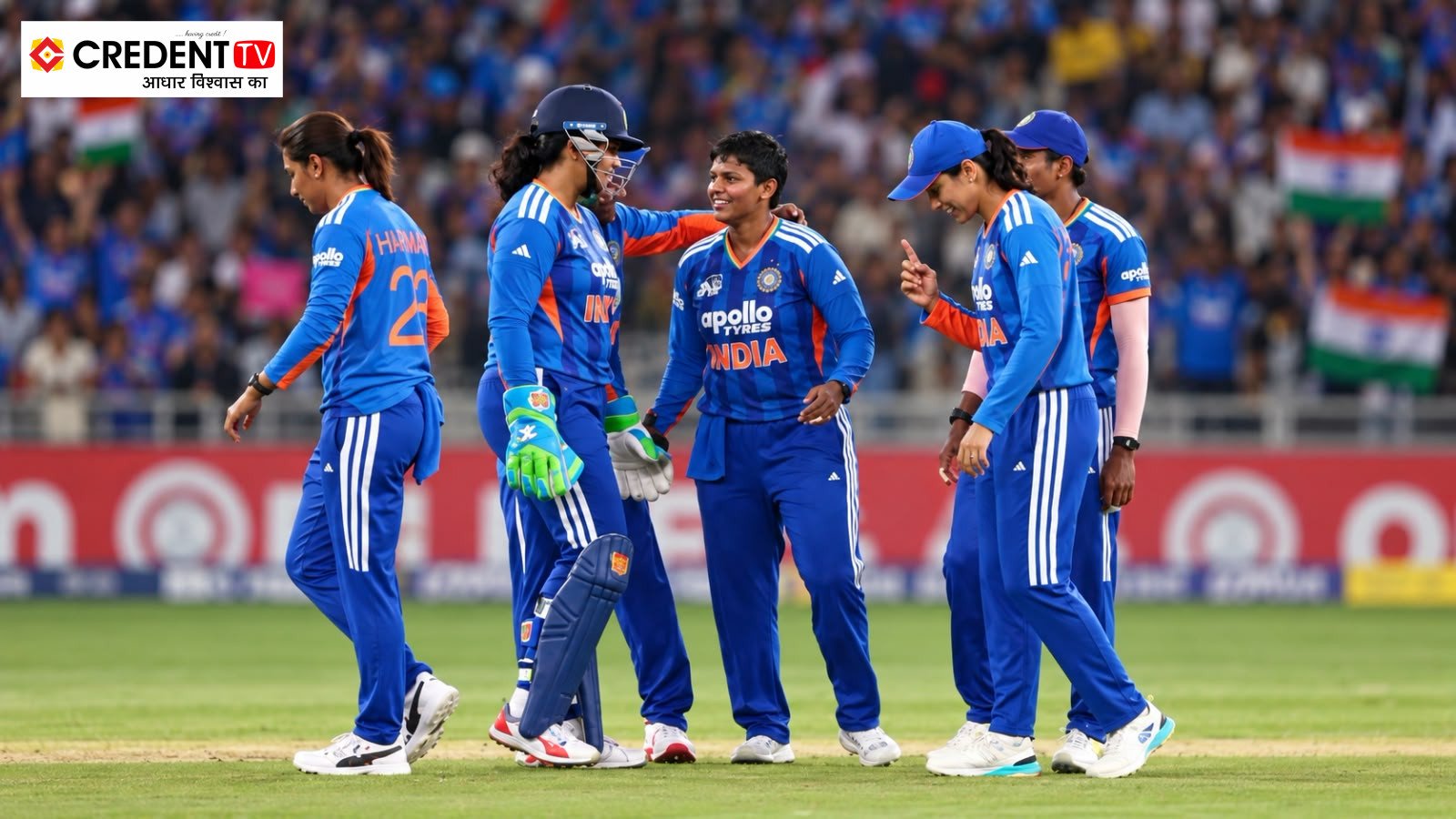
Sourav Ganguly on India vs Pakistan Asia Cup match – Former Indian captain speaks on terrorism, sportsmanship, and controversies after the big clash-

Published

on

The cricketing world once again witnessed heated debates

New Delhi, Sep.15,2025:The India-Pakistan cricket rivalry is among the most intense in the world. Every match between the two nations goes beyond cricket —

Sourav Ganguly’s Strong Statement

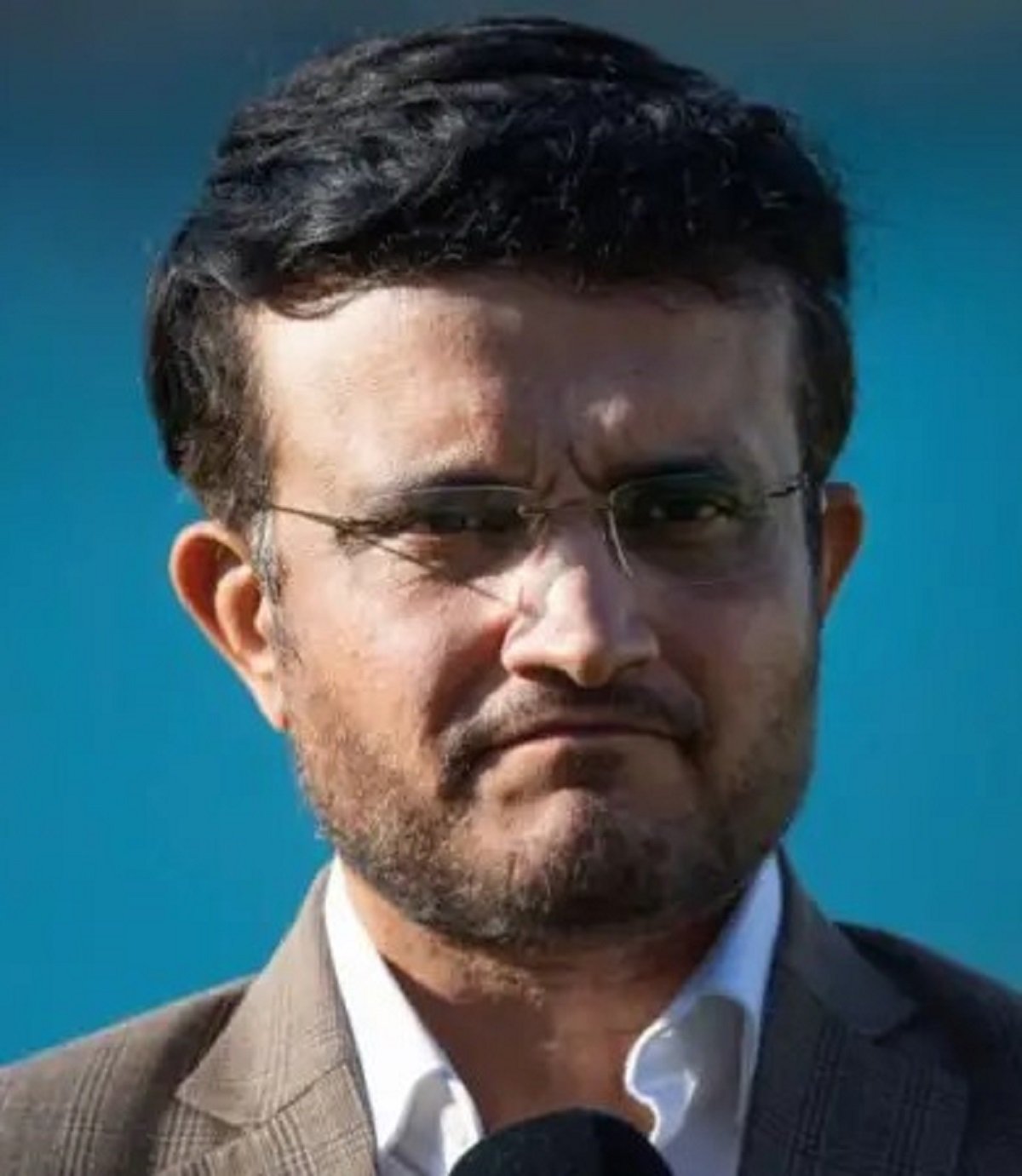
The cricketing world once again witnessed heated debates after the much-anticipated India vs Pakistan Asia Cup match. Former Indian captain and BCCI president Sourav Ganguly broke his silence, addressing both political and sporting aspects.

Advertisement

His words carried a strong sentiment:

“Terrorism must stop, that is the most important thing, but sports cannot stop.”

This statement set social media abuzz, with fans, critics, and political analysts dissecting his perspective.

Advertisement

Sourav Ganguly on India vs Pakistan Asia Cup Match – The Focus Keyword Explained

When media asked whether India should have played against Pakistan in the Asia Cup, Sourav Ganguly responded with clarity. According to him, stopping cricket will not end terrorism. Instead, the responsibility lies with global leaders to ensure peace.

By stating this, Ganguly highlighted a crucial balance between national security concerns and the spirit of sports.

Why Terrorism and Cricket Should Be Viewed Separately

Ganguly’s comments underline an important thought: cricket is not the root cause of terrorism.

Advertisement
  • Terrorism is a global issue and needs a united international response.
  • Cricket, on the other hand, is a bridge of culture and sportsmanship.
  • Ending cricket ties does not automatically reduce cross-border conflicts.

He emphasized that terrorism should end not just between India and Pakistan, but across the world.

Ganguly’s Stand on Sportsmanship After India’s Win

One major controversy after the India vs Pakistan Asia Cup clash was that Indian players did not shake hands with their Pakistani counterparts.

When asked about this, Ganguly cleverly replied:

“I will first speak to Suryakumar Yadav, and then I can answer this question.”

Advertisement

This witty yet diplomatic answer shows his leadership style — addressing sensitive matters without sparking unnecessary tension.

India vs Pakistan- The Rivalry Beyond Cricket

The India-Pakistan cricket rivalry is among the most intense in the world. Every match between the two nations goes beyond cricket — it symbolizes political tensions, cultural pride, and national sentiments.

  • The Asia Cup match saw record-breaking viewership across platforms.
  • Fans often perceive it as more than just a game.
  • Politicians, media, and even celebrities add layers of pressure.

But as Ganguly reminded, “sports cannot stop.”

Sourav Ganguly’s History With Indo-Pak Encounters

As captain, Ganguly has had memorable encounters against Pakistan.

Advertisement
  • His fearless attitude in the 2003 World Cup against Pakistan remains iconic.
  • Under his leadership, India defeated Pakistan in Karachi during the 2004 series.
  • He always emphasized playing hard on the field but respecting the game.

This history makes his words on the current Asia Cup even more impactful.

Political Tensions and the Future of Cricketing Ties

The India-Pakistan cricketing relationship has often suffered due to political unrest. Bilateral series have been rare since 2012.

Ganguly’s remarks suggest that while governments can take political stands, sports bodies and players should focus on the game.

This is similar to the stance taken by International Cricket Council (ICC) that emphasizes cricket as a global unifier.

Advertisement

How Fans Reacted to Ganguly’s Comments

Reactions on social media were divided-

  • Supporters praised Ganguly’s balanced view, agreeing that cricket should continue despite political tensions.
  • Critics argued that playing against Pakistan indirectly normalizes cross-border issues.
  • Neutral fans appreciated his diplomatic yet bold tone.

The keyword “Sourav Ganguly on India vs Pakistan Asia Cup match” even started trending on Twitter.

Expert Opinions Backing Ganguly’s View

Several analysts backed Ganguly:

  • Harsha Bhogle once stated that cricket can “transcend boundaries where politics cannot.”
  • Former Pakistan captain Wasim Akram has also spoken about how India vs Pakistan cricket keeps hope alive for peace.
  • Sports psychologists argue that cutting off cricket ties only increases hostility among fans.

These expert opinions align with Ganguly’s emphasis on separating terrorism from sports.

Can Cricket Truly Bridge Borders

Sourav Ganguly’s words may not resolve political conflicts, but they serve as a reminder:

Advertisement
  • Cricket is more than a sport — it is a symbol of unity.
  • Matches like India vs Pakistan Asia Cup keep millions engaged worldwide.
  • Dialogue, diplomacy, and peace are the real answers to terrorism, not banning cricket.


Credent TV is a dynamic and trusted media platform dedicated to delivering accurate, timely, and engaging news. With a focus on insightful journalism, Credent TV covers a wide range of topics, including current affairs, education, culture, and social issues, aiming to keep audiences informed and inspired. Led by a team of experienced professionals, Credent TV is committed to journalistic integrity, providing in-depth analysis and unbiased reporting that resonates with viewers across India. Its mission is to foster awareness, promote knowledge, and serve as a reliable source for news that matters.

Continue Reading
Advertisement
Click to comment

Leave a Reply

Your email address will not be published. Required fields are marked *

Breaking News

Jakarta mosque explosion during Friday prayers leaves 54 wounded in Kelapa Gading; full investigation, suspects and implications-

Published

on

The Jakarta mosque explosion

Jakarta, Nov.07,2025:Jakarta mosque explosion struck during Friday prayers inside a school complex in the Indonesian capital, injuring dozens and prompting a full-scale investigation. The blast has startled not only the neighbourhood but raised wider security concerns-

Where and when the incident occurred

On 7 November 2025, during the midday prayer (Jum’ah) at a mosque located inside a high-school complex in the Kelapa Gading area of North Jakarta, the explosion occurred.
The venue was the prayer space within a school (within a navy compound) — a place ordinarily meant for worship and education, now turned into a scene of trauma.

Advertisement

The blast details and injuries

At the moment the sermon had just begun, multiple explosions were heard near or within the mosque. Witnesses report at least two loud blasts from behind the hall or near loudspeakers.
In total, at least 54 people were injured (some reports say 55) — many of them students. Injuries include burns, cuts from glass shards and shock from the blasts.
Ambulances flocked to the scene and the injured were rushed to clinics and hospitals in the Kelapa Gading district.
While structural damage to the mosque appears limited, the emotional and physical impact is considerable.

Immediate response and security actions

Following the explosion, local police and navy personnel rapidly secured the area and evacuated those inside. A bomb-squad unit (explosive ordnance disposal) was deployed to inspect the scene.
The police chief of Jakarta, Asep Edi Suheri, confirmed that the investigation is ongoing and that authorities are urging calm and refraining from speculation.
Meanwhile, the school compound was cordoned off, loudspeaker systems and mosque grounds were inspected, and all attending students and staff were accounted for.

Evidence found & police investigation

Preliminary findings indicate that some suspicious items were discovered near the scene: toy rifles or toy guns, possibly remote-controlled devices, and pieces suggestive of an improvised explosive device (IED) — though full confirmation is pending.
Police note the blasts originated near the loudspeaker system of the mosque, raising questions about how and why the devices were placed there.
However, as yet, authorities have not definitively labelled the incident a terrorist attack, stating that investigation is still underway.

Advertisement

Possible motives and terrorism link

Given the nature of the incident — a place of worship, at a high school complex, during Friday prayers — the possibility of ideological or extremist motives cannot be ignored. Yet officials caution against jumping to conclusions until facts are confirmed.
Indonesia has previously experienced militant attacks (for example, at churches) but in recent years the capital Jakarta has maintained relative security stability. The sudden explosion therefore raises questions about new emerging threats or localised grievances.
The discovery of toy weapons and IED-like materials suggests a level of pre-planning, but how sophisticated or connected remains to be seen.

 Broader context of security in Indonesia

In recent years, Indonesia has taken major steps in counter-terrorism and maintaining social harmony among its diverse religious communities. Yet such incidents underscore vulnerabilities in public spaces, schools and places of worship.
Globally, the targeting of gathering places — especially during prayers — remains a troubling pattern. For reference, past attacks at churches in Indonesia (for instance the 2021 Makassar cathedral bombing) illustrate the continuing stakes of security.
In that sense, the Jakarta mosque explosion may serve as a wake-up call to authorities and communities alike to bolster safeguards, surveillance, crisis readiness, and mental health support for survivors.

Advertisement

What it means for local and global community

For the local community in Kelapa Gading and greater Jakarta-

  • Thousands of school-students, worshippers and educators may feel shaken, insecure or traumatised.
  • The school’s reputation and its ability to operate safely may be impacted.
  • For parents and guardians, questions will arise about how safe it is for children to attend religious services and schools.

For the global community-

  • The incident re-emphasises the importance of securing communal spaces and places of worship.
  • Religious tolerance and peaceful co-existence remain under strain when such acts occur, even if motive is unclear.
  • Media coverage and social media may amplify fear, speculation and misinformation — hence the police’s caution and call for calm.

The Jakarta mosque explosion has jolted the capital of Indonesia, landing as a stark reminder of how fragile safety in communal spaces can be. With at least 54 people wounded and an investigation underway, questions remain—about motive, perpetrators and future prevention. Yet it also presents an opportunity: for communities to come together, for authorities to reaffirm protections, and for all of us to reaffirm the value of vigilance, compassion and calm in the face of disruption.

Advertisement
Continue Reading

Breaking News

Rohru teacher suspension highlights a brutal case of corporal punishment in Himachal’s Rohru schools-

Published

on

The Rohru teacher suspension case is deeply disturbing

Himachal, Nov.07,2025:The Rohru teacher suspension arose after a video went viral showing a government school head teacher in the Rohru subdivision of Shimla district, Himachal Pradesh, physically assaulting a Class 5 student. The teacher — Reena Rathore — is reported to have stripped the student naked, made him lie against prickly bushes, and beat him with the bush itself in a distressing display of corporal punishment. Upon confirmation of the incident, the education department promptly ordered her suspension.

What makes this case stand out is not only the severity of the act but also that it was captured on video and widely circulated, forcing rapid administrative action. The Rohru teacher suspension highlights serious failings in teacher conduct, student safety and institutional oversight.

Advertisement

the Rohru teacher suspension

 The sequence of events

According to official sources

  • The student in question is in Class 5 at Government Primary School Gawana, Centre Kutara, Rohru block.
  • The video reportedly dates back to July this year, but only came to light publicly when it was posted on social media, sparking outrage.
  • In the video, the child is shirtless, and the teacher is heard telling him to remove his pants; she then uses a prickly bush (a sharp-twigged plant) to beat the child repeatedly.
  • The teacher allegedly claimed the child had stolen something, and the punishment was meant to “reform” him. But the method used drew immediate condemnation.

 Why it matters

The Rohru teacher suspension is not just about one act of violence — it reflects deeper risks

Advertisement
  • Violation of students’ dignity and rights in a school environment.
  • Erosion of safety and trust in educational institutions.
  • The challenge of monitoring teacher conduct, especially in rural or remote schools.

The shocking video and what it shows

 What the footage reveals

The viral video central to the Rohru teacher suspension shows

  • A school classroom or office setting where multiple persons are present, including class teachers and possibly other staff.
  • The student, apparently Class 5, appears without a shirt, is visibly distressed and crying. The teacher repeatedly instructs him to remove his pants.
  • The teacher uses a branch of a bush with thorns and repeatedly strikes the child’s body. The child appears helpless, pleading, and there is no visible intervention from bystanders.
  • The teacher is heard saying that she will make the video viral, implying a deliberate act of humiliation, perhaps intended to set an example.

 Response and spread

Since the video surfaced

  • It quickly circulated on social media, triggering public outrage and media attention. The viral nature of the footage accelerated the administrative response.
  • Education officials in Shimla district took cognisance, resulting in immediate suspension of the teacher and an order for investigation.

This dramatic visual evidence left little ambiguity—the teacher’s conduct was clearly beyond acceptable discipline, and constituted corporal punishment and humiliation.

Legal & administrative basis underlying the Rohru teacher suspension

 The laws and rules violated

The grounds for the Rohru teacher suspension rest on multiple legal and regulatory standards

Advertisement
  • The Right of Children to Free and Compulsory Education (RTE) Act, 2009 – Section 17 explicitly prohibits child abuse and corporal punishment in schools. The suspension order notes the act as a “gross violation” of Section 17.
  • The Central Civil Services (Conduct) Rules, 1964 – Rule 3(1) covers “behaviour unbecoming of a government servant” and lack of devotion to duty. The teacher’s act was deemed gross misconduct under this rule.

Administrative response

  • On 28 October 2025, the Deputy Director, School Education (Elementary), Shimla district placed Reena Rathore under immediate suspension. The order stated that her headquarters during suspension would be the Block Elementary Education Office, Sarahan, and she would not leave without prior permission.
  • The education department emphasised its zero-tolerance policy toward violence or harassment of students.

 Why swift action

The combination of video evidence, public outrage and legal clarity made the administrative action rapid. The Rohru teacher suspension sends a clear message: assaults on students will not be ignored.

Impact on child rights and school safety after the Rohru teacher suspension

 What this incident revealed

The Rohru teacher suspension highlights systemic vulnerabilities

Advertisement
  • In remote schools, the monitoring of teacher conduct may be weaker; this allows misconduct to go unchecked until it becomes public.
  • Students from marginalised backgrounds (in this case the boy was reportedly from a Nepalese family) may be especially vulnerable to abuse.
  • The role of bystanders and institutional culture: the video shows multiple adults present yet ineffective intervention.

 Future implications for school safety

  • Schools may have to strengthen child protection mechanisms: grievance redressal, monitoring, and teacher training.
  • Parents and local bodies (School Management Committees) may demand greater transparency and accountability.
  • The incident may push for stricter disciplinary norms and faster action when misconduct is reported.

 Psychological and social impact

  • For the student and his family, the trauma of public humiliation and physical violence may have long-term consequences.
  • For the school’s reputation, teacher morale and student-trust, the incident erodes confidence.
  • In broader terms, the public expectation of safe learning environments has been reinforced by this case.

Investigation, policy and preventive steps post the Rohru teacher suspension

 Immediate steps following the Rohru teacher suspension

  • The investigation will determine whether the teacher’s conduct merits further disciplinary action, possibly termination, criminal charges, or further suspension.
  • The video will be examined, witnesses (students, staff) will be questioned, and the sequence of events will be reconstructed.
  • The school and block education office may implement remedial measures: counselling for the student, oversight of staff, and preventive training for teachers.

 Policy and oversight responses

  • The state education department may issue fresh circulars or guidelines emphasising prohibition of corporal punishment and ensuring private, safe methods of discipline.
  • Monitoring mechanisms (surprise inspections, CCTV, external audits) may be strengthened especially in remote blocks like Rohru.
  • Student committees or child protection units may be empowered to report misconduct anonymously.

 Role of community and stakeholders

  • Parents and local communities must engage actively in school governance via School Management Committees.
  • Teacher training institutions may need to emphasise ethics, child rights and positive discipline methods more strongly.
  • Media and civil society watchdogs play a role in bringing such incidents to light and sustaining pressure for reform.

 Broader implications for teacher conduct and oversight across India’s schools

 What the Rohru teacher suspension tells us about teacher-student boundaries

While this case is extreme, it raises questions relevant nationwide

Advertisement
  • What safeguards exist to prevent gross misconduct by teachers
  • Are remote, rural schools more vulnerable to unchecked power dynamics between teachers and students?
  • How effective are policies like the RTE Act, 2009 and other child-protection frameworks in everyday school contexts-

Discipline vs. violence – where do we draw the line

Teachers often have significant authority in classrooms. Discipline is required—but when does it cross into abuse? The Rohru case draws a clear red line: stripping a child, humiliating him according to the video evidence, using a thorny twig as punishment—all cross into abuse.

 Ensuring systemic change

  • States may undertake audits of teacher behaviour, especially where complaints are frequent.
  • Schools may adopt “no corporal punishment” policies with zero tolerance, backed by swift action when breached.
  • Teacher evaluation systems might include student-feedback, peer-assessment and behavioural audits.
  • Authorities may provide legal and psycho-social support to students victimised in schools.

The Rohru teacher suspension case is deeply disturbing—but also an opportunity for meaningful change. A child was subjected to humiliation, physical assault and violation of dignity. The education system responded with suspension—but that is only the first step.

What must follow is a sustained push: ensuring safe, respectful learning environments; strengthening teacher ethics and training; empowering parents and students; and building mechanisms of oversight even in remote areas.

Advertisement
Continue Reading

Breaking News

CHOOSING A RIGHT CAREER

Published

on

bengaluru,Nov.07,2025:The most challenging task for a student is to choose the right career. At a tender age it is very difficult to choose the right career, but most of the times it becomes difficult or impossible. Each of us are born for a particular profession. Tendulkar is born for cricket and Cristiano Ronaldo is born for football. Similarly for students also generally they choose one of the academic paths for the flourishing of their career and it may be Science, Arts or Commerce. Now a days there are many other options. Parents play a major role in selecting the right path of their children. But most of the parents commit a big mistake and along with students these parents also need counselling. In India a general trend is seen. A doctor wants his child to be doctor and that to in the same specialization what he is pursuing. It’s a major mistake. First he has to see whether the child is interested in medicine or not. If the path of the career is chosen wrongly by mistake then that career is bound to fail. They can earn bread and butter, but the proper blooming of the career never takes place. Just imagine that a cricket bat is given to Messi and a football is given to Virat Kohli. Will they be able to perform? Certainly not. Because the passion is flipped. In the same way before choosing the profession or career option every student must think and consult a career counsellor.

 In a country like India people go for that profession where the scope of earning is maximum. Even up to the recent past most of the students of engineering had opted for Computer Engineering even without thinking whether they are fit for the line or not. They and their parents knew only one thing and that is, the filed of computer engineering gives you more scope for earning. Earning is not the only criteria of life, there must be some room for pursuing the profession with passion. I know one candidate, she was obsessed with IIT and for her low rank in IIT JEE she got Architecture, but actually she was interested in E&TC. But out of her staunch obsession and obsession of her father she accepted Architecture in IIT-Kharagpur and even being a brilliant student she miserably failed in her academic and professional career, and it was obvious. Being a Rediff Career Guru I have resolved thousands of doubts and for every question of the students and parents I gave a very crisp and to the point answer. One line of counselling can change the complete life of a student. In India, even in other countries the under graduate course of engineering is a course for four years. I have seen students don’t even think for four hours before opting for a course of four years. Secondly one should be more serious before opting a professional course like Engineering or Medicine. Self-talk, self-realization and self-motivation are the three things for the total flourishing of a career. In my life I have guided innumerable students and hundred thousands students are helped and guided by me across the globe by my counselling and the books authored by me for career counselling of the school students and students of the junior colleges. Two books authored by me entitled ‘MOTIVATING SCHOOL KIDS’ & ‘HOW TO STUDY AND SUCCEED’ had shown correct path to thousands of students of India and abroad. My mail ID and WhatsApp Number are shared below this Article. For professional guidance I am always available in spite of my hectic tour across the globe for the whole year. I am writing this Article by sitting in the patio of my house in USA. I am always there to guide the students for selecting the best career option.

Advertisement

Prof. Suvasish Mukhopadhyay

Very Famous Rediff Career Guru

Email ID: pr**********@********il.com

Advertisement

WhatsApp No: +919823293641

Advertisement
Continue Reading

Breaking News

Rajasthan Teacher Vacancy 2025 opens the door to 7,759 government teaching posts in Rajasthan —

Published

on

The Rajasthan Teacher Vacancy 2025

Jaipur,Nov.07,2025:Rajasthan Teacher Vacancy 2025 is here and it is massive: the Rajasthan Staff Selection Board (RSSB) has released notifications for 7,759 government teaching posts across Levels 1 and 2 in the state of Rajasthan. This represents one of the biggest recent recruitment drives for teachers in the region and presents a superb opportunity for thousands of qualified aspirants-

If you’ve been preparing for a teaching career in Rajasthan – especially if you’ve passed the REET (Rajasthan Eligibility Examination for Teachers) – the Rajasthan Teacher Vacancy 2025 drive could be your moment.

Advertisement

Rajasthan Teacher Vacancy 2025 recruitment all about

 Understanding the Rajasthan Teacher Vacancy 2025 drive

This recruitment campaign targets Grade-III/3rd Grade Teacher posts (also known as Level 1 and Level 2 teachers) in Rajasthan’s government schools.

  • Level 1: For Classes 1–5 (Primary)
  • Level 2: For Classes 6–8 (Upper Primary)

The recruitment is being executed by the RSSB, and the notification short-version was made available in July 2025 for these 7,759 positions.

the Rajasthan Teacher Vacancy 2025 significant

  • After years of demand, this large-scale drive will fill a major gap in teacher staffing across the state’s schools.
  • With the focus on REET-qualified candidates, it emphasises the state’s aim to ensure teachers meet minimum eligibility standards.
  • For aspirants, the scale of vacancies means greater chances and multiple subject-based opportunities.

posts in Rajasthan Teacher Vacancy 2025

 Vacancy break-up and scale

Advertisement

Here are the key figures for the Rajasthan Teacher Vacancy 2025

  • Total Vacancies: 7,759 posts
  • Level 1 (Classes 1–5): Approx. 5,636 posts
  • Level 2 (Classes 6–8): Approx. 2,123 posts

 Subjects and streams included

For Level 2 posts (Classes 6–8), vacancies span subjects such as Hindi, English, Maths/Science, Social Studies and Sanskrit.

 Timeline and upcoming milestones

Advertisement
  • Notification released: Short version in July 2025.
  • Online application window to begin (dates to be announced)
  • Examination scheduled: January 17–21, 2026 for the selection exam.

 Eligibility criteria you must meet for Rajasthan Teacher Vacancy 2025

 Minimum qualifications

To apply for the Rajasthan Teacher Vacancy 2025, candidates must fulfil

  • Passed REET (for Level 1 or Level 2) as applicable.
  • For Level 1 (Classes 1–5): Typically 12th pass with 50% marks + 2-year diploma in Primary Education or equivalent, depending on notification.
  • For Level 2 (Classes 6–8): Graduate plus 2-year Diploma in Elementary Education or B.Ed / equivalent, and expertise in chosen subject (Hindi, English, Maths/Science, Social Studies) per subject requirements.

 Age limit and other conditions

  • Age range: 18-40 years as of a specified date (often 01 Jan 2026 or 01 Jan 2027 depending on notification) – standard relaxation for reserved categories.
  • Domicile / residence in Rajasthan and meeting other state-specific criteria.

 What REET means for eligibility

The REET exam remains a gateway: only those who have qualified REET (for Level 1 or Level 2) are eligible to apply for the Rajasthan Teacher Vacancy 2025 selection.

 How to apply for the Rajasthan Teacher Vacancy 2025 – step by step

Advertisement

 Application process for Rajasthan Teacher Vacancy 2025

Here’s a typical roadmap

  1. Visit the official website: Rajasthan Staff Selection Board (RSSB) at or as per official link in notification.
  2. Read the detailed notification for Rajasthan Teacher Vacancy 2025: eligibility, subject-wise vacancy, selection criteria.
  3. Online registration: Create login/profile, upload required documents (scan of photo, signature, certificates).
  4. Fill application form: Choose level (1/2), subject (for Level 2), category, preferred district/area if applicable.
  5. Pay application fee online (as per category).
  6. Submit and print final form for your records.
  7. Prepare for exam as per syllabus, download admit card when issued.

 Key deadlines

  • Application start: Expected in coming weeks (first week of November for example) for Rajasthan Teacher Vacancy 2025.
  • Examination: January 17–21, 2026.
  • Document verification and final selection thereafter.

 Application tips to avoid mistakes

  • Ensure your REET qualification certificate and other credentials are valid.
  • Double-check subject codes for Level 2 posts.
  • Keep copies (digital & print) of your application and fee receipt.
  • Beware of bogus agents promising guaranteed selection—selection is merit-based.
  • Start preparation early for exam date in January.

 Exam schedule and selection process for Rajasthan Teacher Vacancy 2025

 Examination timeline and format

Advertisement

For the Rajasthan Teacher Vacancy 2025

  • The selection exam is scheduled for January 17 to 21, 2026.
  • Mode: Offline written (OMR) for REET-qualified candidates.
  • Subjects
    • Level 1 (Classes 1–5): General awareness, pedagogy, subject knowledge for primary level.
    • Level 2 (Classes 6–8): Subject-specific knowledge (Hindi, English, Maths/Science, Social Studies, Sanskrit) + general sections.

 Selection stages and criteria

  • Written exam → merit list
  • Document verification → final selection and posting
  • Bonus: Preference may be given for candidates with strong subject credentials, domicile & other category criteria.

 Important things for aspirants

  • Keep an eye on admit card release and exam instructions.
  • Be punctual and familiar with exam centre rules.
  • Utilize previous papers and mock tests – exam pattern evolved for Rajasthan Teacher Vacancy 2025.
  • After exam, monitor merit list declaration and document verification notifications.

 Important tips to boost your chances in Rajasthan Teacher Vacancy 2025

 Strategy and preparation advice

  • Start early: With fixed exam dates in January 2026, preparation should begin now.
  • Subject focus: Especially for Level 2, choose your subject and strengthen that area.
  • Pedagogy preparation: Both levels require knowledge of teaching methods, child psychology, etc.
  • General Awareness & Rajasthan GK: Important section, tailor it to Rajasthan context.
  • Mock tests & previous year papers: Practice under timed conditions.
  • Document readiness: Keep REET certificate, educational credentials, domicile certificate, photo/sign ready.
  • Stay updated: Check RSSB website & official notification for any changes in schedule or eligibility.

 Avoid common pitfalls

  • Missing application deadlines.
  • Uploading wrong subject code or selecting incorrect level.
  • Ignoring exam pattern or syllabus changes.
  • Overlooking instructions in admit card or selection portal for Rajasthan Teacher Vacancy 2025.
  • Falling prey to agents promising results—merit & transparency rules.

this recruitment drive means for Rajasthan’s education sector

 Impact of Rajasthan Teacher Vacancy 2025

The large-scale recruitment named Rajasthan Teacher Vacancy 2025 shows a renewed push by the state to bolster its teaching workforce and improve educational delivery. Some of the broader implications:

Advertisement
  • Strengthening primary & upper-primary teaching: Filling vacancies means students across Rajasthan will have better teacher availability.
  • Standardising eligibility: REET-qualified candidates ensure a baseline competence which benefits overall teaching quality.
  • Subject diversity & quality: Level 2 posts across subjects (Maths/Science, English, Hindi, Social Studies) mean stronger subject experts entering schools.
  • Regional focus: With many posts, rural and semi-urban schools stand to gain from fresh recruitments.

 Long-term benefits

  • Improved teacher-student ratio in government schools.
  • Better execution of state & central educational schemes.
  • Enhanced job opportunities for youth and qualified educators in Rajasthan.
  • Strengthened educational outcomes ultimately raising literacy, competence and regional human capital.

Challenges and things to watch for in Rajasthan Teacher Vacancy 2025

 Potential concerns

  • Application rush & exam centre logistics: With many aspirants, ensuring smooth conduct for Rajasthan Teacher Vacancy 2025 is critical.
  • Document verification: Fake credentials remain a concern – the board must guard integrity of selection.
  • Subject mismatch or staffing gaps: Even if posts are filled, ensuring subject-wise balance and suitable postings remains a challenge.
  • Retention & training: New teachers must be supported with training, mentoring, and posting stability for impact.

 Aspirants must stay alert

  • Scams or unofficial agents: Only apply via official RSSB portal.
  • Avoid ignoring notification updates—any change may affect Rajasthan Teacher Vacancy 2025 application.
  • Prepare for competition: With 7,759 posts many will apply, so you need to stand out in preparation and credentials.

The Rajasthan Teacher Vacancy 2025 drive is a landmark opportunity for aspirants and a crucial step for Rajasthan’s education sector. With 7,759 posts across Levels 1 & 2, it opens doors to stable government teaching jobs and offers the chance to contribute meaningfully to student-learning in Rajasthan.

If you meet the eligibility, love teaching and are well-prepared, this recruitment could be your breakthrough. Ensure you monitor the RSSB portal, complete your application carefully, prepare intelligently and apply confidently. The time to act is now — the window is limited and the competition will be strong.

Advertisement
Continue Reading

Breaking News

Caste Census India is set to begin with the first digital phase on 1Nov.2025, offering citizens a chance to self-enumerate and shaping future policy-

Published

on

Caste Census India begins a landmark chapter in India’s

New Delhi,Nov.07,2025:Caste Census India begins a landmark chapter in India’s demographic history: for the first time since independence, the national census will include caste enumeration for all communities and will be conducted in a fully digital format. The implications are far-reaching — from policymaking to social justice, from quantum of welfare schemes to political dynamics. The first phase officially kicks off November 1 2025 with self-enumeration, followed by enumerator-led house-listing-

What is the Caste Census India and why now

 Understanding Caste Census India

Advertisement

The term Caste Census India refers to the upcoming national population exercise (2027 Census of India) which, for the first time, will gather data on caste for all communities — not just Scheduled Castes (SC) and Scheduled Tribes (ST). e move was formally notified by the government through the Registrar General & Census Commissioner of India (RGCCI) and the Ministry of Home Affairs (MHA).

 Why now

Several factors have converged to make this moment possible-

Advertisement
  • The 2021 census was postponed due to the COVID-19 pandemic, so now the country is resetting for Census 2027.
  • Technological readiness: With digital tools, mobile apps and self-enumeration options, the census machinery is now capable of handling a nationwide caste enumeration.
  • Political and social demand: Advocates of social justice and representation have long argued that caste data is needed to shape more equitable policy. The government’s decision to include caste details responds to that call.

 How will the Caste Census India first phase work

 Operational framework

The Caste Census India will unfold in two main phases

  • House-listing & Housing Census (HLO) — data on housing, assets, amenities and household composition.
  • Population Enumeration (PE) — data on individuals, their demographics, socio-economic status, and caste.

 First phase details – self-enumeration and enumerator visits

For the Caste Census India, the first pilot / pre-test stage is scheduled as follows

  • From November 1 to November 7, 2025: Selected households will be able to self-enumerate via a website or app.
  • From November 10 to November 30, 2025: Enumerators will visit selected households, using mobile apps and digital tools, to gather data.

 Scope of enumeration

The pilot will test tools, apps, questions, field procedures and logistics for the full-scale roll-out of Caste Census India. According to a statement: “More than 35 lakh field functionaries to be trained across India.” The full HLO for the main census will begin in April 2026 and run till early 2027.

Advertisement

The questions you’ll be asked in the first phase of Caste Census India

 What will you be asked

In the first phase of the Caste Census India exercise, households will respond to roughly 30 questions on their housing conditions and amenities.

  • Household head’s name and gender
  • Number of people living in the household
  • House number, floor and roof material
  • Source of drinking water, electricity supply, sanitation facility
  • Cooking fuel used
  • Ownership of assets: TV, laptop, computer, car, mobile-phone
  • Additional details like type of dwelling, materials used, amenities available

 What won’t be asked yet

During this first phase (pilot for Caste Census India), caste will not be asked yet. That will come in the Population Enumeration phase.

Advertisement

How Caste Census India breaks new ground

 Fully digital census

The Caste Census India represents a leap into the digital age for India’s census operations

  • Mobile apps for enumeration and supervision.
  • Self-enumeration provision: households can submit data themselves online.
  • Geotagging and digital mapping of houses: helps ensure no dwelling is missed.
  • Real-time monitoring through the Census Management & Monitoring System (CMMS).

 Advantages and expectations

The digital mode for Caste Census India is expected to enhance

Advertisement
  • Data quality and accuracy
  • Speed of processing and release of results
  • Cost‐effectiveness in the long term
  • Real‐time supervision and feedback loops

 States leading the way

Several states, including Rajasthan, have already prepared to use digital methods for their roll-out of the national census. In Rajasthan, the first digital census will collect caste data for the first time since 1931.

 Legal, political and social implications of Caste Census India

 Legal foundations

The Caste Census India is mandated under the Census Act, 1948 and subsequent rules. The official notification for Census 2027 emphasises the inclusion of caste data.

Advertisement

 Political significance

Including caste data in the Caste Census India has massive political implications

  • Caste data can influence reservation policies in jobs, education and local bodies.
  • Political parties may use the data to recalibrate their strategies and alliances at local, state and national levels.
  • The timing of the Caste Census India also aligns with upcoming electoral cycles, raising political stakes.

Social justice and policy implications

  • For social welfare, detailed caste data under the Caste Census India will help identify under represented or backward communities and tailor schemes accordingly.
  • For policymaking, it provides micro-level data on infrastructure, housing, amenities, linked with caste dimensions.
  • Critics raise concerns: the collection of caste data may reinforce identity politics or social divisions. As noted “While proponents say detailed demographic information is crucial… critics believe it contradicts India’s aspirations as a modern global power.”

dates and timeline for the Caste Census India rollout

 Timeline at a glance

Advertisement

Here are the major milestones in the Caste Census India schedule-

  • November 1–7, 2025: Self-enumeration window for selected households.
  • November 10–30, 2025: Pilot house-listing by enumerators for Caste Census India.
  • April 1, 2026 – September/October 2026: Full nationwide house-listing & housing census phase of Caste Census India.
  • February 1, 2027 – around March 1 2027: Population enumeration phase of Caste Census India (with reference date March 1 for most parts).
  • For snow-bound regions like Ladakh, Himachal Pradesh, Uttarakhand etc., enumeration may begin October 1, 2026.

 Potential challenges and concerns in the Caste Census India process

 Field-level operational hurdles

  • Connectivity and digital literacy in remote areas may impede smooth data capture for Caste Census India despite offline app features.
  • Reluctance from households to share caste or personal details, or misinformation may obstruct the Caste Census India effort.
  • Ensuring complete coverage and avoiding double‐counting or omissions will be critical. Geo-tagging helps but can still face accuracy issues.

 Data security and privacy

With the Caste Census India embracing digital modes, safeguarding personal data, managing user access and preventing misuse will be important.

Advertisement

 Political and social backlash

  • Some critics argue that the Caste Census India could reignite social fault-lines or strengthen identity‐based politics.
  • Others question how the data will be used — for example, whether expanded quotas or resource allocation will follow. As the Associated Press reported: “Supporters say detailed demographic information is crucial… critics believe it contradicts India’s aspirations as a modern global power.”

 Timeliness and transparency

Delivering the results of Caste Census India rapidly and transparently will determine its impact. Delays or perceived manipulation could undermine trust.

this means for you and how to participate in Caste Census India

 Why it matters to every Indian household

Advertisement
  • The Caste Census India will shape future government policies, cut across welfare schemes, education, employment and local development.
  • Being counted accurately now can influence allocations for one’s region, community and household.
  • Awareness and cooperation improve data quality, which benefits the entire country.

 How you can participate

  • If selected for the self-enumeration window (Nov 1-7 2025), visit the official portal or use the app to fill in your household details. (Ensure official link when published by RGCCI.)
  • Ensure accurate listing of dwelling, household members, assets, amenities.
  • When enumerators visit (Nov 10-30 in pilot), provide correct responses and support their work.
  • In the full rollout, keep your documents and details ready.
  • Encourage neighbours, especially in rural areas or among elderly, to cooperate.

Tips for households

  • Verify the official identity of enumerators or volunteers—it should be through government channels.
  • Ensure you receive acknowledgement or receipt of your submission.
  • If you face connectivity issues, ask for offline form or wait for the enumerator with digital tools.
  • Keep a copy or screenshot of your self-enumeration submission for reference.
  • Ask questions if you are unsure how your data will be used—there should be official correspondence about how Caste Census India data is managed.

The Caste Census India marks a transformative moment in India’s demographic, technological and social journey. With the first phase beginning in November 2025, the country enters a new era of data-driven governance—where caste, housing conditions, assets and amenities are no longer invisible forces but measurable parameters. If executed well, the Caste Census India has the potential to power sharper policy, stronger social justice and greater accountability. If hinging on just technology or rhetoric, it may falter and spark trust deficits.

Continue Reading

Breaking News

Bharatpur SDM protest erupts as BJP workers confront the SDM during a minister’s event —

Published

on

The Bharatpur SDM protest is emblematic of how local administrative issues—

Bharatpur, Nov.07,2025:The Bharatpur SDM protest erupted dramatically when workers of the Bharatiya Janata Party (BJP) confronted the SDM in front of the in-charge minister, Suresh Rawat, at a public ceremony in the Bharatpur district of Rajasthan. At a programme marking the 150th anniversary of the national song “Vande Mataram” held at Master Aditendra School, workers raised slogans against the SDM of Uchchain subdivision, demanding her removal. The incident triggered significant administrative commotion and laid bare deeper tensions at the grassroots.

From the outset, the nature of the protest was intense: the minister had to be escorted into a vehicle by the district collector amid the agitation. The fact that the protest unfolded at an official event adds a dimension of public spectacle and raises questions about local governance and political mechanisms of grievance redressal.

Advertisement

what led to the anger and mobilisation

To understand the Bharatpur SDM protest, one must look at the build-up of grievances and structural issues-

  • The protest had its roots in the village of Fatehpur in the Uchchain area, where a “night chaupal” (public hearing) was organised by the administration to address local complaints regarding electricity, water and roads. During this session, the SDM reportedly left before taking full account of the grievances, leading to anger among villagers, especially women.
  • Following that incident, on the next day the SDM filed a case at Uchchain police station under charges of “obstruction in official work” and “intimidation” against a local Panchayat Samiti member, Dinesh Bhatra. That further aggravated the mood of BJP supporters in the area.
  • Local BJP MLA Jagat Singh wrote a letter to the Chief Minister asking for disciplinary action against the SDM and demanding her transfer, citing alleged administrative bias and delay.

Thus, the protest was not spontaneous; it was underpinned by accumulated dissatisfaction over administrative behaviour, what was claimed to be punitive action against party-workers, and a broader sense of being ignored by officials.

confrontation in front of the minister

On the day of the ceremony at Master Aditendra School in Bharatpur to mark the 150th anniversary of “Vande Mataram”, the Bharatpur SDM protest reached a flashpoint-

  • The function was presided over by Minister Suresh Rawat, who was the in-charge for that region. During the event, BJP workers turned their attention to the SDM and raised slogans demanding her removal.
  • According to local sources, the ministers’ arrival was disrupted; the district collector, Mr Kamar Chaudhary, personally intervened and escorted the minister into his vehicle to ensure his safe exit amid the volatile situation.
  • The protestors specifically accused the SDM of registering an FIR against the local party worker and not properly addressing public grievances—casting the SDM’s action as hostile to the party’s grassroots supporters. Minister Rawat later said he had listened to the worker, asked the district administration to prevent repetition of such episodes and asserted that if any official was at fault, action would follow.

The presence of a minister, the public nature of the protest, and the involvement of senior district officials turned what might have been a local scuffle into a matter of visible political consequence.

Demands & accusations driving the Bharatpur SDM protest

 Core demands

Advertisement

The protestors made several demands which shaped the Bharatpur SDM protest:

  • That the SDM of Uchchain subdivision be APO’d (Administrative Pending On-transfer) or removed from her post due to alleged misconduct.
  • That the case filed by the SDM against the party worker (Dinesh Bhatra) for “official work obstruction” be immediately withdrawn.
  • That grievances of the villagers from Fatehpur – primarily related to electricity, water and road issues – be taken seriously and resolved rather than disregarded.

Accusations levelled against the SDM

Some of the main allegations forming the basis of the protest-

  • That the SDM left the public hearing prematurely, which the villagers and party workers say showed disregard for local concerns.
  • That the SDM unfairly targeted party workers by initiating FIRs, thereby intimidating local ground‐level activists and undermining the party’s organisational strength.
  • That her administrative style was aggravating local tensions rather than resolving them, leading to a breakdown of trust between the public, party workers and the bureaucracy.

 Underlying issues

Beyond immediate demands, the protest signals deeper fault‐lines-

  • The dynamic between elected representatives (party workers, MLAs) and the administrative machinery. Warning bells are sounded when party grassroots feel sidelined by bureaucrats.
  • The politicisation of service delivery grievances: problems like roads, electricity, water become flashpoints in the interface between citizen demand and official action.
  • The power of public spectacle—when a protest happens in front of a minister, it sends a signal beyond the immediate locality.

Legal and administrative responses to the protest

In the wake of the Bharatpur SDM protest, the following responses have emerged-

  • The SDM reported that an FIR has been lodged against Dinesh Bhatra and others at the Uchchain police station for obstruction of official work and intimidation. According to her statement, Bhatra and his associates orchestrated the assault on the official vehicle and created disorder during the night-chaupal.
  • The minister, Suresh Rawat, acknowledged the workers’ grievances, said he had instructed the district administration to ensure no repeat of such incidents and affirmed that if any official was at fault, action would be taken.
  • The administrative machinery appears to be in a reactive mode: escorting the minister, controlling the protest scene, and monitoring subsequent fallout. But it remains to be seen whether a formal inquiry or transfer will occur.

From an organisational perspective, the protest forced senior officials into damage-control and exposed tensions between the administration and local party structures.

BJP, the SDM and local power dynamics

 Impact on the BJP at grassroots

Advertisement

For the BJP, the Bharatpur SDM protest presents both risk and opportunity-

  • Risk: A perception of local leadership being ignored or sidelined by the bureaucracy could demoralise workers and weaken organisational cohesion vis-à-vis rivals.
  • Opportunity: By acting decisively and aligning themselves with the workers’ grievances, party leadership can reinforce its connect with the ground and demonstrate responsiveness. Minister Rawat’s statement hints at this approach.

 Bureaucratic credibility and consequences

The SDM now finds herself in a politically charged environment. Accusations of bias or intimidation can impact administrative credibility. While officials must act with discipline and integrity, perceived hostility towards elected workers can degrade trust.

 Visibility of the event and wider message

Advertisement

By choosing to protest at a public ceremony with a minister present, the workers showcased their capacity to escalate issues. It sends a signal not just locally, but to higher echelons of government- if local issues aren’t addressed, the dissent will be visible and dramatic.

In essence, the Bharatpur SDM protest has re-framed what might have been a routine local grievance into a flashpoint of political significance—bringing into sharp relief the intersecting axes of service delivery, party politics and administration.

possible outcomes and risks

Advertisement

 Possible administrative actions

  • The SDM may be placed under review or transferred to defuse tensions—especially if the party pushes for her removal.
  • The FIR against the local party worker may either be quashed (if political pressure intensifies) or become a subject of legal contestation, raising further issues of law & order.
  • The district administration may hold follow-up public hearings, redouble outreach efforts in Fatehpur and Uchchain to pre-empt further agitation.

 Risks and continual escalation

  • If party workers feel their concerns are ignored again, further protests could occur—possibly more disruptive, targeting other events or officials.
  • The administration might become defensive, tightening control rather than engaging — which risks alienating the local citizen base.
  • Opposition parties could leverage this incident as evidence of misgovernance or administrative bias, making the local political climate more volatile.

 Long-term implications

  • The quality of grievance redressal mechanisms in rural/sub-division contexts will come under scrutiny—especially when public hearings are seen as token gestures rather than effective forums.
  • The interface between party workers and bureaucracy may become more contested; accountability frameworks may need to adapt to balance administrative autonomy with political responsiveness.
  • The reputation of the district and the party apparatus may hinge on how they manage this crisis: either as a sign of robust responsiveness or of internal breakdown.

The Bharatpur SDM protest is emblematic of how local administrative issues—roads, water, electricity—can ignite broader political fault-lines when they intersect with party structures and perceived administrative bias. What began as a grievance in Fatehpur village escalated into a major confrontation in front of a minister at a public ceremony. The visibility of the protest underscores one clear message: ground-level discontent, if ignored, can quickly become a public spectacle.

For the BJP, this is a moment to demonstrate organisational strength by swiftly addressing worker grievances while maintaining administrative oversight. For the administration and the SDM’s office, the challenge is to reaffirm legitimacy, ensure impartiality and reconnect with the citizenry in ways that go beyond managing protests.

Advertisement
Continue Reading

Breaking News

Jaipur foreign liquor raid sparks major crackdown on illicit booze at ceremonies –

Published

on

The Jaipur foreign liquor raid

Jaipur, Nov.07,2025:The Jaipur foreign liquor raid dominated headlines this week when officials from the Rajasthan Excise Department swooped in on a pre-wedding party at the Galaxy Banquet & Resort, situated on Ajmer Road in the Kalwada area of Jaipur Rural district. The party was in full swing when the team led by District Excise Officer Rajendra Garg and Assistant Officer Shiv Kumar Choudhary conducted a surprise inspection. A total of 13 crates of imported foreign liquor, estimated to cost approximately Rs 8 lakh, were seized. The liquor was found to be outside the permissible regime for sale in Rajasthan — smuggled in for the “celebration”-

The raid underlines the rising trend of luxury foreign alcohol being served at weddings in the region, and the state government’s growing resolve to clamp down on unlicensed supply and consumption.

Advertisement

What triggered the raid at the banquet resort

According to official sources, the impetus for the Jaipur foreign liquor raid was the noticeable uptick in reports of “exotic” imported spirits being served at high-end weddings in and around Jaipur. The Excise Department, citing intelligence and tip-offs, noted that many such events were bypassing licensing norms and state regulations by importing alcohol from out-of-state or circumventing approved channels.

On the night of the bust, the party in question was a pre-wedding event hosted at Galaxy Banquet & Resort. Most attendees were young adults, and the liquor on display included high-value foreign brands, reportedly costing nearly Rs 10,000 per bottle. Officials believe the supply chain may involve cross-state transport, unregistered intermediaries, and storage in unmonitored facilities. Investigators challenged the resort management to produce valid sale or service licences, import documentation, and guest records.

One crate of locally sale-permitted liquor was also found — but the major concern was the 13 crates of imported foreign brands, which were not cleared for sale in Rajasthan. During questioning, a suspect named Mahendra was arrested; further investigation is underway to trace the source of the liquor, how it reached the event, and whether there is a pattern involving other weddings.

Advertisement

13 crates, Rs 8 lakh value

Here are the key factual highlights of the Jaipur foreign liquor raid

  • Location: Galaxy Banquet & Resort, Ajmer Road, Kalwada, Sej Thana jurisdiction, Jaipur Rural district.
  • Time: Thursday night (pre-wedding party).
  • Seized items: 13 crates of imported foreign liquor (brand names not officially disclosed), plus one crate of locally sale-permitted liquor.
  • Estimated value: Rs 8 lakh (for the imported stock).
  • Arrest: One accused (Mahendra) taken into custody.
  • Inspection team: Led by District Excise Officer Rajendra Garg and City Assistant Officer Shiv Kumar Choudhary, supported by Inspectors Rajendra Ranawat and Gagan Yadav.
  • Remarks: The imported liquor was not eligible for sale in Rajasthan; likely brought from outside via unlicensed channels.
  • Party context: The event was a pre-wedding function, and considerable quantities of liquor were on display with most guests being young males, suggesting the alcohol component was a significant element of the event’s expense.

This detailed breakdown shows how the raid was more than a routine inspection — it was a well-targeted operation against a growing pattern of unregulated liquor service at weddings and large private events in Rajasthan.

Why this is a serious offence

The Jaipur foreign liquor raid is significant not only because of the value involved, but because of the regulatory and legal ramifications-

 Licensing requirements and unlicensed service

Advertisement

Under Rajasthan’s Excise Act and allied regulations, any liquor served at an event must come from legally licensed sale or service channels — especially if imported or “foreign” brand bottles are involved. If liquor is brought in from outside the state without proper authorisation or license, it constitutes illegal importation and service.

By serving imported foreign liquor in a private wedding event without documentation or sale-licensing, the organisers and venue may face charges including-

  • Serving liquor without a valid licence
  • Importing liquor from outside authorised channels
  • Breach of excise laws and rules relating to storage, transport, and service of alcohol
  • Potential tax evasion or unreported transaction if liquor was provided as part of an event package

 Reputational and regulatory risk

The raid illustrates how luxury weddings are drawing regulatory attention. As seen in broader reports, wedding planners in Jaipur have already come under scrutiny for tax evasion and unaccounted cash handling. When liquor is involved alongside large gatherings, high spending and foreign brands, the risk of regulatory action increases significantly.

Advertisement

Implications for the venue and event managers

For venues like Galaxy Banquet & Resort and associated event planners, such a raid carries multi-fold risks: legal action, license suspension, financial penalties, reputational damage and potentially being black-listed from hosting large events or weddings. Regulators may also investigate how the liquor arrived, who imported/transported it, storage permits and guest lists for the party.

In short, the Jaipur foreign liquor raid sends a clear message: regulatory bodies are no longer turning a blind eye to lavish weddings and luxury alcohol service operating outside legal frameworks.

Impact of the Jaipur foreign liquor raid on event culture

 Trend of luxury weddings in Jaipur

Advertisement

Jaipur has long been a destination for grand weddings — lavish venues, exotic themes, international guests. Event planners estimate that families are spending tens of crores on a single wedding. The incorporation of high-end foreign spirits at pre-wedding or wedding parties is part of that image. However, with the Jaipur foreign liquor raid, that culture now faces regulatory pushback.

 Shift in risk appetite among hosts and planners

The raid means hosts and planners must now think twice about service of foreign liquor without proper licensing and documentation. The risk of a large-value seizure (like Rs 8 lakh worth) and charges may lead to-

Advertisement
  • More cautious selection of liquor suppliers
  • Demand for proper bills and licences from vendors
  • Venues adding clauses in contracts to deny clients illegitimate liquor service
  • Possible increase in cost of legally imported/licensed liquor (to maintain compliance)

Message to guests and society

When a wedding party becomes a site of regulatory raid, it sends a strong message to society: luxury is fine, but laws must be followed. The community of families, parties and vendors engaged in high-end weddings may start self-regulating to avoid public embarrassment or legal scrutiny.

In effect, the Jaipur foreign liquor raid acts as a wake-up call for the local event industry and wedding ecosystem: legal compliance must match the high-glamour image.

Investigation and preventive steps

Following the Jaipur foreign liquor raid, authorities and stakeholders are looking at several follow-up actions and preventive measures-

Advertisement

 Investigation

  • Questioning of the arrested suspect (Mahendra) to trace origin of the liquor and transport route.
  • Examination of guest list, vendor invoices, storage records at the resort.
  • Checking the resort’s licence and whether the venue had permission to serve liquor at that event.
  • Tracing whether the liquor was imported via smuggling, diversion, or unlicensed distributor.
  • Potential recruitment of more intelligence and inspection drives focusing on luxury weddings across Jaipur-Rajasthan.

 Preventive measures by regulators

  • The Excise Department may issue fresh guidance to licensed venues and event planners: ensure valid licences, verify supplier credentials, and keep records.
  • Increase of surprise inspections at banquet halls, resorts, wedding venues, particularly those known for high-end parties.
  • Publicising enforcement actions (like this raid) to deter unlicensed liquor service at private events.
  • Collaboration with tax authorities, revenue enforcement and police to track money trails in luxury weddings (echoing findings of cash and crypto use in Jaipur wedding planner raids).

 Industry response

  • Event planners and banquet halls may begin to require more documentation from clients: how many bottles, what brands, service licence, etc.
  • Clients may face higher costs if they switch from unlicensed channels to legal import/service channels.
  • Vendors may advertise as “fully licensed, compliant” providers of foreign liquor to attract high-end clients who want to avoid legal risk.

Broader implications for Rajasthan’s liquor regulation

 Enforcement becoming sharper

This incident ties into a larger trend across Rajasthan: increased scrutiny, stricter excise enforcement, especially during festival seasons and large gatherings. For example, a recent campaign launched across districts including Jaipur to curb illicit liquor manufacturing, transport and sale during Diwali. The Jaipur foreign liquor raid fits into that larger pattern of enforcement.

 Impact on illicit liquor supply chains

Advertisement

The seizure of high-value imported liquor at a wedding event suggests that supply chains that feed unlicensed service of foreign liquor are profitable and active. Disrupting one such event may force suppliers to find alternative routes, or prompt event venues to avoid engaging with such chains. Over time, this could reduce excessive consumption of illicit foreign liquor in private gatherings.

Message to multi-state transport and smuggling networks

Liquor transported from other states or via unlicensed channels is a concern not just for excise law but for inter-state regulatory cooperation. If foreign brands or out-of-state supplies are being used without compliance, agencies may begin sharing data across state lines, increasing risk for those who run such operations.

 Cultural shift in ‘destination-wedding capital’

Advertisement

Jaipur is often called a “destination wedding capital” in India, with major resorts and venues catering to national and international clients. The raid indicates a regulatory realignment: luxury wedding hosting must align with legal norms. This may influence how weddings are planned, budgets allocated for liquor service, and the reputation of venues that ensure compliance.

The Jaipur foreign liquor raid marks a potent moment in the intersection of luxury weddings, imported alcohol and regulatory enforcement in Rajasthan. With 13 crates of imported foreign liquor, estimated at Rs 8 lakh, seized at a high-profile pre-wedding party in Jaipur, the message is clear: glamor cannot bypass the law.

Event hosts, banquet venues and liquor suppliers must now calibrate their operations with legal compliance. For regulators, this raid demonstrates both willingness and capability to intervene in high-end private events. For society, it raises valid questions about privilege, oversight and fairness.

Advertisement

Advertisement
Continue Reading

Breaking News

Indian Hockey Centenary marks a bold and inspiring celebration of 100 years of excellence, unity and legacy —

Published

on

Indian Hockey Centenary marks a pivotal moment—100 years since formal national-level hockey

Sirohi,Nov.07,2025:Indian Hockey Centenary marks a pivotal moment—100 years since formal national-level hockey governance began in India (1925-2025). At its heart lies not just remembrance of triumphs, but the bold leap into the next century of sport-

This landmark celebration features nationwide matches, exhibitions and nods to the sport’s heritage. For instance, across more than 550 districts over 1,400 matches will be staged, with over 36,000 players engaging.

Advertisement

In the small town of Mandwa, Sirohi, a dedicated match was organised to mark this centenary: In the words of the local coach, Parmvir Singh Devda, a “merry match” (मैत्री मैच) for players selected at state and national levels such as Ravina Kumari Luhar and Khushboo Kanwar Devda participated. That match, its context and its local resonance become the lens through which we view this national-scale celebration.

Why Indian Hockey’s 100 Years Matter

Indian Hockey Centenary is not just a date—it’s a symbol of legacy, identity, and resurgence. Below are key dimensions-

  • The administration for Indian hockey officially formed on 7 November 1925, now completing 100 years.
  • In its golden era, India dominated field hockey on the global stage, including eight Olympic gold medals.
  • The centenary is being leveraged as an opportunity to signal the next chapter—modern infrastructure, inclusivity (men & women), grassroots development.
  • It carries regional and local implications—towns like Mandwa Sirohi are aligning their celebration with the national narrative, making the centenary not just top-down but grassroots-connected.
  • From Delhi to the Countryside

Under the banner of Indian Hockey Centenary-

  • On 7 November 2025, a grand ceremony will be held at the Major Dhyan Chand National Stadium in New Delhi, starting at 8:30 a.m.
  • Simultaneously, in over 550 districts national-wide, events will be held—including more than 1,000 to 1,400 matches.
  • A mixed-gender exhibition match will feature national-level male and female players to underline inclusivity.
  • A commemorative publication “Indian Hockey: 100 Years” will be released, chronicling the journey from 1928 Amsterdam Olympics to modern challenges.

Thus, the celebration is both symbolic and substantive—heritage meets future.

Local Matches & The Match at Mandwa Sirohi

While the national pageantry is powerful, the true soul of the Indian Hockey Centenary is in local action. One heartfelt instance: a friendly match at Mandwa Sirohi, Rajasthan.

Advertisement

In Mandwa Sirohi-

  • A “मैत्री मैच” (friendly / friendship match) was organised to mark the centenary of Indian hockey (भारतीय हॉकी के 100 वर्ष).
  • Coach Parmvir Singh Devda highlighted the history of the sport and supervised the match.
  • State- and national-level players such as Ravina Kumari Luhar and Khushboo Kanwar Devda participated.

This local gesture exemplifies how the Indian Hockey Centenary is not just big cities—it’s in villages and smaller towns where the next generation rises. It bridges national legacy with community roots.

Coaches, Players & Ambassadors

The Indian Hockey Centenary celebrates not just years, but people—the coaches who shaped talent, the players who wore the jersey, and the administrators who steer the sport. Key highlights-

  • Coach Parmvir Singh Devda in Mandwa is a grassroots spearhead, connecting the local match to the broader centenary narrative.
  • Players like Ravina Kumari Luhar and Khushboo Kanwar Devda serve as linkages: state- & national-level athletes representing local aspiration.
  • Administrators such as Mansukh Mandaviya (Union Minister of Youth Affairs & Sports) announced the centenary celebration on behalf of the government and national hockey body.
  • The national body Hockey India has stated their commitment to invest more in infrastructure and coaching, especially for women’s hockey.

These human elements ground the centenary in real efforts, not just symbolism.

The Gift of New Turfs

One of the most tangible legacies of the Indian Hockey Centenary is investment in infrastructure at the local level. For example-

Advertisement
  • In Bhilwara (Rajasthan), as the centenary moment arrived, a decision was announced to build an international-level astro-turf hockey field at the Pratapnagar school sports complex, with budget approval of ₹ 5 crore.
  • This investment follows 20 years of advocacy by local hockey lovers and coaches.
  • Implication: The Indian Hockey Centenary is being used as a catalyst for lasting improvement in grassroots infrastructure, not just a one-day event.

How the Indian Hockey Centenary Impacts Future Generations

This 100-year celebration is more than history—it’s a launchpad for tomorrow. Key future-oriented themes include-

  • Encouraging young boys and girls to pick up hockey sticks, especially in smaller towns that often lack high-quality facilities. The minister emphasised this.
  • Reinforcing gender equality: the mixed exhibition match and inclusive messaging show a new era for Indian hockey.
  • Strengthening grassroots systems: With infrastructure like new turfs, training centres, local matches integrated into national campaigns, the pipeline is being reinforced.
  • Re-instilling national confidence: After decades of decline from the golden era, the centenary is an opportunity to renew India’s hockey ambitions on the world stage.
  • Recording legacy: Through commemorative publications, exhibitions and media coverage, the story is being preserved and communicated to younger generations.

Ten Bold Insights from the Celebration

  1. Symbol + Substance: The Indian Hockey Centenary is not just symbolic—it comes with over 1,400 matches and 36,000 players across India.
  2. Nationwide Reach: More than 550 districts are involved—ensuring even remote areas feel the legacy.
  3. Local-Global Link: A friendly match in Mandwa Sirohi, with national-level players, shows how local events reinforce the national narrative.
  4. Infrastructure Legacy: Investment in new turfs (Bhilwara) shows that the centenary is a launch for long-term growth.
  5. Inclusivity Focus: A mixed men-women exhibition match underscores gender parity as part of Indian hockey’s future.
  6. Heritage Archive: Exhibitions at the Major Dhyan Chand Stadium will showcase visuals—from 1928 Amsterdam to today.
  7. Future Pathways: The celebration aims to inspire young athletes, reconnect with the local talent pipeline and elevate standards.
  8. Symbol of National Identity: Hockey in India has often embodied national pride; marking 100 years again raises that link.
  9. Media Momentum: Coverage in multiple states (Rajasthan, Jharkhand, etc.) shows the varied regional penetration of the event.
  10. Opportunity for Revival: With strategic investment and visibility, the Indian Hockey Centenary has the potential to reignite India’s global hockey ambition.
  • “भारत गिन रहा है हॉकी की 100 वर्षों की गौरवगाथा”

More than a Milestone

At its core, the Indian Hockey Centenary is a bold celebration of the past, present and future of one of India’s most iconic sports. From the grand ceremonies in Delhi to local matches in Mandwa Sirohi, from investment in new turfs to gender inclusive exhibition games, the narrative is both uplifting and strategic.

As coach Parmvir Singh Devda put it in Mandwa Sirohi—reflecting on the history of hockey and guiding the friendly match—the legacy of the sport becomes the impetus for the next generation. With the right momentum and infrastructure, this centenary could mark the beginning of a resurgence.

Advertisement
Continue Reading

Bihar

Bihar election turnout 2025 hits a historic mark as over 60% voters participate —

Published

on

Bihar election turnout 2025 has emerged as a highly significant phenomenon in the State’s political landscape

Bihar, Nov.06,2025:Bihar election turnout 2025 has emerged as a highly significant phenomenon in the State’s political landscape. On the first phase of voting for the 2025 Bihar Legislative Assembly election, the voter participation crossed the remarkable mark of 60%, signalling strong engagement from the electorate.
This surge in turnout is not just a headline—it reflects deeper shifts: cleaned-up electoral rolls, active participation by women voters, changing political mood, and high stakes between the major alliances: the National Democratic Alliance (NDA) and the Mahagathbandhan.

In a state where voter fatigue or apathy often hinders enthusiasm, this turnout upswing merits close attention. It sets the tone for how the rest of the election may unfold and how power dynamics could shift.

Advertisement

Bihar election turnout 2025 –

Special Intensive Revision (SIR) of electoral rolls

One of the key structural factors behind the surge in Bihar election turnout 2025 is the thorough clean-up of electoral rolls under the SIR process. Over 60 lakh (6 million) names were removed from voter lists ahead of the polls.
This refresh likely had two major effects:

  1. Strengthening the credibility of the roll and reducing ghost or duplicate entries;
  2. Boosting voter confidence that their vote counts in a meaningful register, which can raise participation.

The electoral body’s efforts—including targeting migrant-heavy districts and updating data—played a role in enabling the high turnout.
Thus in the context of Bihar election turnout 2025, structural fairness and transparency matter more than ever.

Voter enthusiasm, women participation & local issues

Beyond the mechanics, a strong push of campaign energy, high awareness, and local issues galvanised the electorate. Reports show active participation of women voters in this phase.
Moreover, polling booths in some remote and previously low-voting areas saw improved turnout, indicating an expanding base of engaged voters. On top of that, the narrative of change—“badlaav” as some leaders put it—combined with local development issues has helped to fuel the turnout surge.

Advertisement

Hence, the high numbers in Bihar election turnout 2025 are attributable to both supply-side reforms (roll-cleanup, logistics) and demand-side dynamics (voter interest, local mobilisation).

the numbers that matter

Here are some of the key figures relevant to the Bihar election turnout 2025 story-

  • By 5 pm in the first phase, turnout stood at 60.13% according to Election Commission of India data.
  • In the same period, some districts like Begusarai recorded as high as ~67.32% voter turnout.
  • The clean-up exercise reported earlier: nearly 60.5 lakh names facing deletion in the revision process.
  • Special effort in districts with large migrant populations such as Patna: over 68 lakh names removed or corrected ahead of polling.

These numbers illustrate both the scale of the reform and the scale of voter engagement in Bihar election turnout 2025.
They also highlight the regional variation: some constituencies are much more active than others.

NDA vs Mahagathbandhan

Which alliance stands to gain from higher turnout

Advertisement

In the debate over Bihar election turnout 2025, much focus falls on how this higher turnout will impact the contest between the NDA and the Mahagathbandhan. Conventional wisdom often suggests that higher voter turnout favours opposition parties (as new or disengaged voters come in), but the reality is more nuanced.

  • For the NDA (led by the Bharatiya Janata Party (BJP) and allies), the turnout boost can amplify any development-oriented, governance-based messaging that resonates with first-time or renewed voters.
  • For the Mahagathbandhan (comprising the Rashtriya Janata Dal (RJD), the Indian National Congress and others), the increased participation offers opportunity to mobilise larger social coalitions, particularly in historically under-represented pockets.

Given that the SIR process cleaned up the voter rolls — thereby potentially reducing fraudulent advantage — both sides face a more level playing field. The alliance that effectively converts the increased turnout into votes will emerge stronger in the Bihar election turnout 2025 narrative.

Regional dynamics & constituency-level effects

At the micro level, several constituencies will play outsized roles in how the outcome of Bihar election turnout 2025 unfolds. For example-

  • Areas with high turnout, such as Begusarai, may shift traditional patterns of dominance if new voters break differently.
  • Migrant-heavy districts (where the roll-clean-up was more aggressive) could swing depending on how well parties address issues of migration, remittances and local development.
  • Women-voter mobilisation might tilt certain seats where gender gap had been historically large.

In short, Bihar election turnout 2025 is not just about the aggregate percentage—it’s about where those votes came from, and how the alliances capitalised (or failed to) on that surge.

challenges and caveats

Advertisement

While the high turnout suggests positive momentum, there are several caveats and challenges to watch in the Bihar election turnout 2025 story:

  • Early hours drop: In the first few hours, turnout was relatively low (around 13.13% by 2 hours into polling).
  • Uneven turnout across districts: Some districts such as Patna recorded lower participation compared to rural ones.
  • Voter roll deletion backlash: The deletion of approximately 65 lakh names raised opposition concerns about disenfranchisement.
  • Logistical and access issues: Remote or vulnerable voters (elderly, PWDs) still face barriers, though increased efforts were made.

Thus, while Bihar election turnout 2025 signals strong participation, it doesn’t automatically translate into complete fairness or uniform benefits. Analysts will monitor how these caveats influence final results and post-poll narratives.

what’s next for Bihar’s political future

The high turnout in the first phase of Bihar election turnout 2025 sets the stage for several future developments-

  • Increased expectations for governance: With more people engaged, post-poll governance will face higher scrutiny. The winning alliance will need to deliver on voter aspirations.
  • Shift in campaign strategies: Parties will increasingly focus on mobilisation of newly active voter segments (women, rural youth, migrants) in the remaining phases.
  • Impact on future elections: A successful turnout surge might become the benchmark not only for the remainder of this election but for future state and national contests in Bihar.
  • Policy responses: The next government will likely face pressure to implement reforms in voter engagement, public service delivery, and transparency as the electorate has asserted its voice strongly through turnout.

Therefore, Bihar election turnout 2025 is not just a snapshot—it could be the turning point for how democracy is practised in the state.

why Bihar election turnout 2025 matters beyond the numbers

Bihar election turnout 2025 stands out because it combines structural reform (clean-up of electoral rolls), electoral enthusiasm (surge past 60 %), and high-stakes politics (NDA vs Mahagathbandhan). The result is a powerful indicator of democratic engagement in the state.

Advertisement

While the final outcome will of course depend on results in each constituency, the fact that the players and the public are stepping up signals a more vibrant democratic contest. For both governance and accountability, the higher turnout raises the bar.

Advertisement
Continue Reading

Breaking News

India Australia T20 fourth match sees India dominate Australia by 48 runs to take a 2-1 series lead-

Published

on

The India Australia T20 fourth match turned into

New Delhi,Nov.06,2025:The India Australia T20 fourth match turned into a statement win for India as they defeated Australia by 48 runs to move ahead 2-1 in the five-match series-

Held at the Carrara Oval in Queensland on 6 November 2025, this encounter had it all: a solid batting platform, disciplined bowling, and a dramatic collapse. Australia captain Mitchell Marsh won the toss and chose to field first, thereby handing India the advantage of setting the target.

Advertisement

For India, this win is significant — not just for the series lead, but for the confidence it will instil in the unit ahead of future big fixtures.

first innings – India bats first

In the India Australia T20 fourth match, India elected to bat upon winning the toss. They put up a competitive total of 167/8 in their allotted 20 overs.

The innings began steadily. The openers and top-order contributed, and a late surge from players like Axar Patel (who finished unbeaten on 21) helped propel the total.

Advertisement

It was a balanced effort — not a blistering total, but one that had enough teeth considering the conditions and the opposition. India managed to keep momentum towards the end of the innings. The strategic decision to bat first paid off, giving them the chance to apply scoreboard pressure.

Australia’s chase and collapse

Australia’s response in the India Australia T20 fourth match began well. Mitchell Marsh scored 30 and Matthew Short added 25, helping their side to a strong start (67/1).

But from there, the innings crumbled. India’s bowlers struck at regular intervals, and Australia folded for just 119 in 18.2 overs.

Advertisement

Key details of the collapse-

  • Australia lost 9 wickets for 52 runs in the middle-and-lower order.
  • India’s bowlers were disciplined and capitalised on pressure—this was the difference.
  • The contrast between the start and the finish of Australia’s chase is stark and highlights how the match turned.

Thus, the India Australia T20 fourth match saw India asserting not only their batting strength but also their bowling depth — a sign of a well-balanced side.

standout performances

In the India Australia T20 fourth match, several performances stand out-

  • Axar Patel: An all-round show. Unbeaten 21 with the bat at the death and key wickets with the ball.
  • Shubman Gill: His 46 runs laid the foundation for India’s innings.
  • Washington Sundar: Though more prominent in the previous game, his form adds to India’s attack depth.
  • India’s bowling attack: The way they squeezed Australia after a strong start shows tactical acumen and execution under pressure.

For Australia: The early promise in the chase was undone by the collapse, and it highlights vulnerabilities in their middle and lower order in the India Australia T20 fourth match.

implications for the series

This win in the India Australia T20 fourth match has immediate and medium-term implications-

Advertisement
  • India take a 2-1 lead in the five-match series, meaning they cannot lose the series now (they’ll at worst draw 2-2 if they lose the final game).
  • For Australia, the defeat raises questions about their depth and resilience in this format — especially as selections may already be influenced by upcoming test commitments.
  • Momentum swings: India will go into the last match with confidence; Australia will be under pressure to respond. The India Australia T20 fourth match thus becomes a turning point.
  • Selection implications: The manner of victory (and defeat) in this match will influence both teams’ thinking ahead of future T20 contests and the T20 World Cup.

what it tells us about both teams

India

From the India Australia T20 fourth match, India have shown-

  • The ability to set a defendable total without going overboard.
  • Depth in batting and bowling: The late flourish batting, and bowling that applied pressure to collapse the opposition.
  • Tactical maturity: Choosing to bat first, executing under pressure, and closing out the game.

These traits suggest India are in good shape in the shortest format, and ready to convert tight situations into victories.

Australia

From the India Australia T20 fourth match, Australia’s issues become clearer-

Advertisement
  • Strong start but failure to finish: Their chase began well but they failed to maintain momentum.
  • Middle-order fragility: Once the early wicket came, they couldn’t rebuild.
  • Perhaps distracted by other priorities: There are suggestions their selection and focus might be influenced by upcoming longer-format commitments.

If Australia want to challenge India in T20s, they’ll need to fix these fault lines.

looking ahead to the finale

With the India Australia T20 fourth match ending in a comprehensive win for India, all attention now shifts to the final, fifth T20I. Key questions-

  • Will India press the advantage and clinch the series
  • Will Australia bounce back under pressure, or will cracks deepen
  • How will both sides adjust strategy, selection and mindset after this result
  • Which players will step up under high stakes? The next match promises intensity given the series scenario: India leading, Australia needing to respond.

Fans and analysts will watch closely for how both sides approach the finale — whether India consolidate their momentum, or Australia produce a comeback.

In the India Australia T20 fourth match, India handed Australia a 48-run defeat and seized a 2-1 series lead. The win was built on smart decisions, strong individual contributions, and collective execution. For Australia, the loss will serve as a warning that bright starts are not enough without follow-through.

As the series approaches its final act, this match will likely be remembered as the pivot: the moment India gained control, and Australia’s challenge became harder. For cricket fans, analysts and the teams themselves, the India Australia T20 fourth match will be dissected for lessons, momentum and momentum shifts.

Advertisement

Continue Reading

Trending Post