Connect with us

India

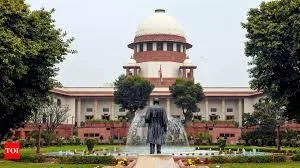
Supreme Court Grants Relief to Bengal Government: No CBI Inquiry into Teacher Posts

Published

on

bengal

Introduction

The recent ruling by the Supreme Court concerning the recruitment of teachers in West Bengal has stirred significant discussions across various sectors. This decision comes against the backdrop of ongoing controversies related to alleged irregularities in the appointment process for teaching positions within the state. The Supreme Court’s affirmation that there will be no Central Bureau of Investigation (CBI) inquiry into this matter is a pivotal moment for both the West Bengal government and the candidates who have dedicated time and effort towards securing teaching posts.

The implications of this ruling are manifold. For the West Bengal government, it not only reaffirms its control over the recruitment process but also alleviates immediate concerns regarding federal intervention. This aspect is crucial, especially given the political landscape in the state, where accusations of malpractice have been both rampant and contentious. The ruling serves to bolster the government’s stance, affirming its procedures and protocols in managing educational appointments.

Advertisement

For the candidates involved, this decision delivers a dual-edged impact. On one hand, it opens the door for continued faith in the existing recruitment structures; on the other hand, it leaves unresolved questions regarding oversight and accountability in the appointment process. Many aspiring teachers who have participated in various examinations and interviews may now grapple with uncertainty regarding the future of their applications amidst these allegations.

The Supreme Court’s decision, while providing clarity to some extent, possibly leaves a lingering doubt about the integrity of the recruitment system in West Bengal. As the state government navigates through this turbulent phase, the outcome will likely shape public perception and trust in its educational governance. Thus, the focus will remain on how the government addresses the concerns raised and whether any reforms will be pursued to enhance transparency in future recruitment processes.

Background of the Teacher Recruitment Controversy

The teacher recruitment process in West Bengal has historically been a subject of scrutiny and contention. Beginning in 2016, the West Bengal School Service Commission (WBSSC) was tasked with the recruitment of teachers for government schools. However, the process has been marred by allegations of irregularities, leading to significant public concern and demands for accountability. Reports surfaced regarding manipulation in the selection process, often highlighting an alleged nexus between political figures and recruitment officials, which raised questions about the legitimacy of appointments.

Advertisement

Numerous complaints were lodged by applicants claiming discrepancies in the recruitment process. Issues included favoritism, lack of transparency, and failure to adhere to established protocols. These grievances culminated in widespread protests across the state, with aspiring educators challenging the process in various forums. In 2021, the uproar intensified when it was revealed that many of the candidates who secured teaching positions had reportedly used unfair means to pass examinations or manipulate their scores. This situation called for an investigation, and several political parties and organizations demanded a Central Bureau of Investigation (CBI) probe to thoroughly examine these allegations of misconduct.

In light of these developments, a series of legal battles ensued, as individuals and groups sought to address what many perceived as systemic failures within the recruitment framework. The West Bengal government maintained its stance of integrity, asserting that the recruitment process was conducted in a fair manner. However, the call for an independent investigation persisted, highlighting the deep-rooted controversies surrounding the teacher recruitment practices in the state.

Details of the Supreme Court Ruling

On October 23, 2023, the Supreme Court of India delivered a significant verdict, thereby quashing calls for a Central Bureau of Investigation (CBI) inquiry into the teacher recruitment process in West Bengal. This ruling came in response to a petition filed by various opposition parties, which had argued that irregularities existed in the recruitment of teachers, suggesting widespread corruption that warranted a thorough investigation by the CBI.

Advertisement

In a well-articulated judgment, the court emphasized that allegations of wrongdoing did not constitute sufficient grounds for a CBI probe. The justices highlighted the importance of assessing evidence before making demands for such extensive investigations. Justice A.M. Khanwilkar, in his remarks, pointed out that it is the responsibility of the appropriate legal and administrative authorities within the state to address concerns regarding public service recruitment. He asserted that the efficiency of local mechanisms should first be tested before escalating the matter to a central agency like the CBI.

Furthermore, the judges scrutinized the claims made by the petitioners, noting that no substantial evidence had been presented to support assertions of significant malpractice in the recruitment drive. They urged stakeholders to focus on the existing legal frameworks and procedures, emphasizing that the judiciary should not intervene in matters that could be resolved through administrative channels. The ruling reinforced principles of federalism, arguing that the state government must retain some degree of autonomy in managing its educational institutions and local affairs.

This landmark decision is poised to have a considerable impact on the legal discourse surrounding educational policies and recruitment processes in India. It reiterates the courts’ inclination to respect the boundaries of authority between different levels of government, especially in a federal structure. The Supreme Court’s rationale underlines the necessity of evidence-based claims in seeking judicial intervention while upholding integrity in public service recruitment.

Advertisement

Implications for the Bengal Government

The recent ruling by the Supreme Court, which prevents a Central Bureau of Investigation (CBI) inquiry into the alleged irregularities in teacher recruitment in West Bengal, holds significant implications for the state government. By dismissing the CBI’s involvement, the court has reinforced the authority of the West Bengal government in handling its administrative matters, particularly in the education sector. This decision may bolster the state’s claim to self-governance and autonomy, enabling it to manage educational recruitment processes without central interference.

Furthermore, the ruling may influence public trust in the state administration. By alleviating concerns around external scrutiny from the CBI, the government could potentially enhance its credibility among constituents who view the CBI as a politically motivated entity. This judgment provides an opportunity for the Bengal government to strengthen its narrative of transparency and accountability, fostering a relationship of trust with the community. The ruling could also serve to reassure teachers, prospective educators, and students that the state government remains committed to fair practices in recruitment processes.

However, the Supreme Court’s decision may elicit varied responses from government officials and political opponents. While state officials might express relief and satisfaction regarding the ruling, critics may view this as a missed opportunity for accountability in hiring practices. Stakeholders within the education sector could either express support for the government’s autonomy or call for greater oversight to mitigate corruption and ensure equitable recruitment. The ruling may thus catalyze debates surrounding the efficacy of local governance in educational administration versus the need for external checks and balances.

Advertisement

Reactions from Stakeholders

The recent Supreme Court ruling, which denies the Central Bureau of Investigation (CBI) inquiry into teacher recruitment posts in West Bengal, has sparked a diverse array of reactions among various stakeholders. Educators across the state have expressed a sense of relief, with many viewing the decision as a validation of the integrity of the recruitment process conducted by the West Bengal government. Teachers’ unions have praised the ruling, emphasizing that it protects the educational framework from undue interference and political maneuvering. They argue that such inquiries could disrupt the stability of educational institutions and create uncertainty for both current educators and aspiring teachers.

Students, on the other hand, display a mix of hope and skepticism. Many students who aspire to secure teaching positions in the future feel encouraged by the state’s commitment to a transparent recruitment process. However, there are underlying concerns regarding the quality of education and recruitment practices, with some students voicing fears of potential corruption or favoritism in the absence of a CBI investigation. Their expectations hinge on the government demonstrating unwavering accountability in the selection process moving forward.

Political leaders have also chimed in, illustrating their bifurcated perspectives. Some government officials strongly support the ruling, describing it as a triumph for state rights and a necessary step to preserve localized governance in educational affairs. Conversely, opposition parties have criticized the decision, perceiving it as a means to evade scrutiny and accountability. They argue that the absence of a CBI inquiry could potentially allow wrongdoing to go unchecked, thus undermining the integrity of the teaching profession.

Advertisement

The general public’s opinion appears equally divided. While many appreciate the state government’s assurance of handling recruitment internally, others call for comprehensive reforms to ensure transparency and fairness in hiring practices. Overall, the ruling has initiated a broader discussion about the future of education in West Bengal, highlighting the need for collaboration among all stakeholders to establish a system that serves the best interests of students and educators alike.

Future of Teacher Recruitment in West Bengal

The recent Supreme Court decision to prevent a Central Bureau of Investigation (CBI) inquiry into the teacher recruitment scandals in West Bengal has significant implications for future hiring processes within the education sector. The ruling highlights the pressing need for systemic reforms in recruitment to address the existing challenges related to transparency and fairness. In light of this decision, stakeholders must consider how the recruitment process for teaching positions can be improved to regain public trust and ensure accountability.

One of the primary areas that demand attention is the current recruitment methodology employed by the West Bengal government. The introduction of a standardized, merit-based assessment process could serve as a cornerstone for future teacher recruitment. Such a process would help mitigate issues of nepotism and favoritism that have historically plagued hiring practices. Additionally, clear guidelines and criteria for evaluating candidates should be established to maintain a level playing field for all applicants.

Advertisement

Furthermore, the recruitment process needs to integrate technology to enhance efficiency and reduce human error. Implementing an online application and evaluation system can streamline operations and ensure that all applicants are assessed based on their qualifications and competencies in a transparent manner. This digital approach could also facilitate the monitoring of the entire recruitment process, thus reinforcing accountability.

Lastly, regular audits and evaluations of the recruitment system are essential to ensure that the implemented reforms are effective and to identify areas for further improvement. Stakeholder engagement, involving both educators and civil society, will be vital in shaping a recruitment framework that reflects the best practices and addresses the concerns of the public effectively. The future of teacher recruitment in West Bengal hinges upon these reforms, ultimately leading to a more equitable and credible educational landscape.

Comparative Analysis with Other States

The recruitment process for teachers in India has often been a contentious issue, not limited to West Bengal alone. Various states have encountered their own sets of challenges concerning teacher recruitment. For instance, in Uttar Pradesh, allegations regarding irregularities and favoritism have marred the hiring processes. The state government has implemented measures to ensure transparency, such as online applications and merit-based selections, yet controversies persist. These irregularities have led to prolonged legal battles that resemble the ongoing situation in Bengal.

Advertisement

Similarly, in Maharashtra, the teacher recruitment and posting system faced scrutiny when allegations surfaced about the role of private coaching institutes in influencing selections. The government undertook administrative reforms aimed at making the hiring process more transparent. Moreover, the Maharashtra Public Service Commission has instituted stringent guidelines for recruitment, though challenges in enforcement remain evident.

In Bihar, significant controversies arose when questions emerged about the qualifications of selected candidates. The state attempted to rectify the situation by conducting re-evaluations and by holding transparency drives, a move that aimed to regain public trust. These issues are telling as they indicate a broader pattern of challenges involving teacher recruitment across varying states.

Unlike West Bengal’s recent turmoil, some states have opted for legislative reforms to tackle teacher recruitment challenges. Tamil Nadu, for instance, has implemented a risk-based approach by establishing a dedicated tribunal for aggrieved parties, enhancing accountability in the recruitment process. Such measures highlight differing approaches to a shared problem: ensuring a fair and transparent appointment of teachers.

Advertisement

Ultimately, while the controversies surrounding teacher recruitment are prominent in West Bengal, it is essential to recognize that they are part of a larger narrative seen across many Indian states. Each state’s unique circumstances and the approaches they take to address these challenges provide valuable insights into the ongoing discourse surrounding public education in India.

Also read : President Droupadi Murmu Signs Waqf (Amendment) Bill 2025 into Law

Summary

The recent ruling by the Supreme Court to deny a CBI inquiry into the teacher recruitment process in West Bengal has significant implications for the governance and education sector in India. Throughout this blog post, we examined the various facets of the case, including the origins of the allegations against the state government and the arguments presented by both parties. The decision underscores the delicate balance between accountability and autonomy within state governance, particularly in educational matters, which are often contentious and highly politicized.

Advertisement

This verdict may also set a precedent for how similar cases are approached in the future, potentially influencing the role of federal agencies such as the CBI in state affairs. By opting not to intervene, the Supreme Court appears to prioritize the state’s authority to manage its educational institutions without external interference, thus reaffirming the division of powers outlined in the Constitution. However, this also raises questions regarding the mechanisms in place for transparency and accountability in teacher recruitment, as alleged irregularities could undermine public trust in the education system.

The implications of this ruling extend beyond West Bengal, as they touch upon broader themes of governance, political accountability, and the integrity of educational institutions across the country. Stakeholders in the education sector, including policymakers, administrators, and educators, must carefully consider how to build a robust framework that ensures fairness in recruitment processes while respecting state sovereignty.

In summary, the Supreme Court’s decision is a pivotal moment for West Bengal and potentially setting a standard for other states. It emphasizes the importance of balancing autonomy and accountability in governance, a principle that should remain at the forefront of discussions surrounding educational reforms in India.

Advertisement

Call to Action

The recent ruling by the Supreme Court, which denies the Central Bureau of Investigation (CBI) inquiry into teacher recruitment practices in Bengal, has sparked widespread discussion regarding transparency and accountability in educational systems. As citizens, it is imperative that we engage in this topic thoughtfully and constructively. Education shapes the future of our society, and therefore, the processes guiding recruitment in this field must be fair and transparent. Every individual has a stake in ensuring that educational policies are not only equitable but also reflect the integrity that is vital for academic environments.

We encourage you to express your thoughts on this significant ruling. Your opinions contribute to a broader dialogue that can influence policy changes and reforms. Whether you are a parent, educator, student, or simply a concerned citizen, your voice matters. Consider leaving a comment below to share your perspective on the Supreme Court’s decision and how you believe it impacts recruitment processes within the educational framework.

Additionally, we invite you to follow the developments surrounding this case closely. Stay informed about the evolving legal landscape and how it may affect educational reforms in Bengal and beyond. By following these updates, you can actively participate in ongoing discussions that challenge the status quo and advocate for improved practices. This engagement not only enhances the dialogue surrounding education but also drives accountability among institutions responsible for recruitment.

Advertisement

Lastly, consider advocating for changes that promote transparency in recruitment processes. Whether that means supporting initiatives for educational reform, participating in local forums, or teaming up with like-minded individuals to promote awareness, every effort counts. As stakeholders in the education sector, we hold the power to demand reforms that ensure fairness and integrity in the recruitment of teachers, ultimately benefiting both educators and students alike.

Advertisement

Geetika Sherstha is a passionate media enthusiast with a degree in Media Communication from Banasthali Vidyapith, Jaipur. She loves exploring the world of digital marketing, PR, and content creation, having gained hands-on experience at local startups like Vibrant Buzz and City Connect PR. Through her blog, Geetika shares insights on social media trends, media strategies, and creative storytelling, making complex topics simple and accessible for all. When she's not blogging, you’ll find her brainstorming new ideas or capturing everyday moments with her camera.

Continue Reading
Advertisement
Click to comment

Leave a Reply

Your email address will not be published. Required fields are marked *

Biography

Dr. Preetha Katyal – A Transformational Force in Holistic Healing, Spiritual Empowerment & Human Consciousness

Published

on

Dr. Preetha Katya

14 May, Credent TV | In a world increasingly overwhelmed by stress, emotional imbalance, uncertainty, and materialistic distractions, there are a few rare souls who dedicate their lives to healing humanity from within. One such inspiring name is Dr. Preetha Katyal – a renowned holistic healer, spiritual mentor, numerologist, tarot expert, Reiki Grandmaster, motivational speaker, and life management therapist whose work has touched countless lives across India.

Guided by the belief that “You get what you choose, so choose what you deserve,” Dr. Preetha Katyal’s journey is not just a professional success story — it is a deeply spiritual mission devoted to awakening inner strength, self-realization, and emotional healing in people from all walks of life.

Advertisement

A Spiritual Journey Rooted in Faith & Higher Consciousness

From a very young age, Dr. Preetha Katyal was deeply influenced by spirituality and the power of faith. Inspired greatly by her father, Mr. G. Chandra Shekhar Marar, she learned the importance of patience, positivity, and unwavering belief even during life’s most difficult phases.

Her spiritual awakening strengthened further after witnessing miraculous moments in her childhood that transformed her understanding of life, healing, and divine energy. While others lost hope during difficult circumstances, her family’s faith in the supreme power remained unshaken — a value that later became the foundation of her own healing philosophy.

Today, Dr. Preetha Katyal believes that every soul carries a divine purpose and that true transformation begins when individuals connect with their higher self.

Advertisement

Founder of “Divine Manifestations”

Driven by her vision to heal people emotionally, mentally, spiritually, and physically, Dr. Preetha Katyal founded Divine Manifestations, an Astro Research Centre dedicated to holistic sciences, meditation, tarot guidance, Reiki healing, spiritual counseling, manifestation techniques, and emotional wellness.

The center has become a guiding light for individuals seeking peace, clarity, healing, and personal transformation. Through her work, Dr. Katyal has helped people overcome emotional trauma, stress, karmic baggage, confusion, anxiety, and spiritual blockages.

Expertise in Holistic Sciences & Healing Modalities

Dr. Preetha Katyal’s vast expertise spans multiple spiritual and healing disciplines, including:

  • Numerology
  • Tarot Reading & Tarot Teaching
  • Reiki Healing & Reiki Grandmaster Practices
  • Past Life Regression
  • Transcendental Healing Practices
  • Life Management Therapy
  • Emotional & Mental Wellness Counseling
  • Meditation & Mindfulness Guidance
  • Vaastu Consultation
  • Motivational Speaking & Spiritual Coaching

Known for her intuitive abilities and compassionate guidance, she has helped many individuals rediscover emotional balance, confidence, positivity, and inner peace.

Author of “Meditation – The Path to Self-Realization”

Adding another remarkable achievement to her journey, Dr. Preetha Katyal authored the book “Meditation – The Path to Self-Realization.”

Advertisement

The book shares more than 100 ways to meditate and is designed to help readers transform their lives through mindfulness, spiritual awareness, and emotional healing. Written in a simple and accessible style, the book has inspired many readers to reconnect with themselves and adopt a more peaceful, balanced lifestyle.

Empowering Society Through Voice & Wisdom

Apart from healing sessions and counseling, Dr. Preetha Katyal is also widely appreciated as a motivational speaker whose powerful voice inspires people to unlock their inner strength and spiritual potential.

WhatsApp Image 2026 05 16 at 11.39.36 AM

She frequently speaks on:

  • Personality Development
  • Self-Growth
  • Emotional Healing
  • Spiritual Awareness
  • Positive Thinking
  • Manifestation & Conscious Living

Her talks encourage individuals to rise above fear, negativity, and limitations while embracing self-belief and purpose-driven living.

Recognition, Awards & Achievements

Dr. Preetha Katyal’s dedication toward holistic sciences and human healing has earned her immense recognition and appreciation.

Advertisement
Recognition, Awards & Achievements
Dr. Preetha Katya

Some of her notable achievements include:

  • Honoured by Radio City Sheroes for her brilliance in Holistic Sciences (2022–2023)
  • Presented a Certificate of Merit by the Ministry of Education
  • Invited as “Guest of Honour” by Shri Ram College of Commerce for a conference on Self-Development and Growth
  • Successfully completed an Honorary Doctorate in Holistic Sciences from Sunrise University, Alwar, Rajasthan
  • Earned recognition as a Reiki Grandmaster
  • Extensive educational background in communication, media utilization, arts, radio, television, and research studies

Digital Spiritual Empowerment

Understanding the growing influence of digital platforms, Dr. Preetha Katyal has also stepped into the digital space to spread spiritual awareness and positivity among the younger generation.

Through her online content, she regularly shares:

  • Manifestation Techniques
  • Healing Guidance
  • Spiritual Wisdom
  • Ways to Attract Abundance & Positivity
  • Meditation Practices
  • Emotional Wellness Tips

Her mission is to make holistic sciences more accessible and meaningful for modern society.

A Beacon of Hope for Humanity

Those who have interacted with Dr. Preetha Katyal often describe her as a compassionate guide, healer, and light worker who brings positivity wherever she goes. Her life’s mission continues to revolve around helping people discover hope during darkness, strength during emotional struggles, and peace amidst chaos.

WhatsApp Image 2026 05 16 at 11.39.36 AM 1

At a time when the world needs emotional healing and spiritual awareness more than ever before, personalities like Dr. Preetha Katyal stand as a reminder that faith, healing, self-awareness, and compassion still have the power to transform lives.
As she beautifully says:


“Have faith in God and God has faith in you.”

Advertisement

Continue Reading

Breaking News

Buddha Purnima Celebration in Jaipur: 7 Powerful Messages of Peace, Equality and Humanity

Buddha Purnima Celebration in Jaipur was observed with great devotion at Ramabai Hall, where leaders from multiple religions shared powerful messages on peace, compassion, equality, and humanity inspired by Lord Buddha and Dr. B.R. Ambedkar.

Published

on

Pragya Kalyan Charitable Trust

Jaipur | Buddha Purnima Celebration in Jaipur turned into a remarkable gathering of spiritual harmony, social awareness, and human values as people from different religions came together under one roof to honor the teachings of Lord Buddha. The event was organized at Ramabai Hall, located at Dr. Ambedkar Memorial Welfare Society Rajasthan in Jhalana Doongri, Jaipur, under the joint aegis of Pragya Kalyan Charitable Trust and Dr. Ambedkar Memorial Welfare Society Rajasthan.

The grand celebration was conducted under the leadership of Dr. Prakash Jain and witnessed the dignified presence of representatives from the Sarv Dharma Maitri Sangh, social thinkers, Buddhist scholars, and respected guests from different religious communities.

Advertisement

The event reflected a strong and timely message — humanity can only progress when compassion, equality, brotherhood, and peace become part of everyday life.


Grand Buddha Purnima Celebration at Ramabai Hall

The atmosphere at Ramabai Hall was filled with devotion and positivity as guests gathered to celebrate the sacred occasion of Buddha Purnima. Representatives from multiple faiths offered floral tributes before the statue of Lord Buddha and jointly lit ceremonial lamps, symbolizing unity and enlightenment.

Buddh Purnima
Buddh Purnima

The ceremony began with the chanting of Trisharan and Panchsheel by Upasika Savitri Bauddh and Trishna Bauddh. Their recitation created a deeply spiritual environment that resonated with the audience.

Guests and religious representatives were welcomed with traditional shawls and khatas, reflecting the spirit of respect and cultural harmony.

Advertisement

According to organizers, the objective of the event was not only to celebrate Buddha Purnima but also to spread Lord Buddha’s timeless teachings of non-violence, compassion, and equality in modern society.

For more on Buddha Purnima and Buddhist traditions, readers can visit the official website of the Government of India’s Ministry of Culture:


Multi-Faith Leaders Unite for Harmony

One of the most inspiring aspects of the Buddha Purnima Celebration in Jaipur was the active participation of leaders from Hinduism, Islam, Christianity, Sikhism, and Buddhism.

Advertisement

Message from Hindu Religious Leader

Mahant Guru Raghavendra of Galta Peeth emphasized that Lord Buddha’s teachings can transform human life if practiced sincerely. He highlighted that conflicts among people at the grassroots level weaken society and stressed the importance of mutual respect among all communities.

He noted that real social transformation is possible only when people rise above divisions and embrace humanity first.


Islamic Perspective on Buddha’s Teachings

Representing the Islamic community, Syed Anbar Shah spoke about the relevance of Buddha’s Middle Path and Eightfold Path in achieving a balanced and peaceful life.

Advertisement

He stated that Buddha’s principles encourage moderation, wisdom, and compassion, values that are universally respected across religions.


Christian Community’s Message of Love

George Britty, representing the Christian community, shared that the teachings of love, compassion, and kindness promoted by Lord Buddha align closely with universal spiritual values.

He emphasized that spreading messages of harmony and goodwill should become a collective responsibility for society.

Advertisement

Sikh Community Calls for Brotherhood

Sardar Jaswinder Singh read out a message sent by former Rajasthan Minority Commission Chairman Jasveer Singh. The message encouraged people to promote compassion, friendship, and unity in society.

The Sikh representative stated that humanity grows stronger when people work together beyond religious identities.


Historic Interfaith Presence Praised by Ambedkar Welfare Society

During the Buddha Purnima Celebration in Jaipur, Dr. Ambedkar Memorial Welfare Society Rajasthan President Satyaveer Singh warmly welcomed all guests and described the dignified presence of representatives from the Sarv Dharma Maitri Sangh as a historic and inspiring moment for the organization.

Advertisement
Rtd IPS Satyaveer Singh

He stated that such a grand interfaith gathering on the sacred occasion of Buddha Purnima was unprecedented in the institution’s history and should serve as a model for future social and spiritual events. He emphasized that programs promoting unity, brotherhood, and mutual respect among religions are the need of the hour and should continue in the future to strengthen harmony in society.


Why Buddha’s Teachings Matter More Than Ever

In today’s world marked by stress, conflict, inequality, and social polarization, many speakers highlighted that Lord Buddha’s philosophy remains highly relevant.

The teachings of Buddha focus on:

  • Non-violence
  • Compassion
  • Equality
  • Self-awareness
  • Emotional balance
  • Peaceful coexistence

These values are increasingly being seen as solutions to rising global tensions and mental unrest.

According to UNESCO, Buddha’s teachings continue to influence millions globally through their focus on peace and ethical living.

Advertisement

Key Messages Shared During the Event

“Today We Need Buddha, Not War”

One of the strongest statements came from retired IAS officer B.L. Naval, who said that the world today urgently needs Buddha’s wisdom rather than war and conflict.

Rtd IAS B L Naval
Rtd IAS B L Naval

He explained that global tensions, violence, and social unrest can only be resolved through compassion, understanding, and human dignity.

His statement received strong appreciation from attendees.


Small Actions Can Bring Big Change

Dr. Pravesh Jain, President of Sarv Dharma Maitri Sangh, highlighted that even small efforts inspired by Buddha’s teachings can create meaningful change in society.

Advertisement

He encouraged people to practice kindness, empathy, and mutual respect in daily life rather than limiting spiritual values to speeches or ceremonies.


Role of Dr. B.R. Ambedkar in Spreading Buddhist Values

The Buddha Purnima Celebration in Jaipur also paid tribute to Bharat Ratna Dr. B.R. Ambedkar and his role in promoting equality and social justice through Buddhist philosophy.

Former judge and Trust President Tek Chand Rahul spoke about how Dr. Ambedkar embraced Buddhist principles to establish a more equal and democratic society.

Advertisement
Tek Chand Rahul
Tek Chand Rahul

He stated that constitutional values such as:

  • Equality
  • Liberty
  • Fraternity
  • Justice

are deeply connected with Buddha’s vision for humanity.

Speakers emphasized that there is still a strong need to work toward social equality and human dignity in contemporary India.


Buddha Purnima Celebration in Jaipur Promotes Social Equality

Another major theme of the event was social inequality and discrimination.

Social thinker Dr. Mahendra Anand raised concerns regarding continuing social disparities and urged society to reflect seriously on these issues.

Advertisement
Dr Ambedkar Memorial Welfare Society

He stated that festivals like Buddha Purnima should not remain symbolic but should inspire practical social reform.

The gathering repeatedly emphasized that true tribute to Lord Buddha lies in adopting his teachings in real life.


Voices from Other Speakers

Several dignitaries and social workers also shared their thoughts during the program.

Among them were:

Advertisement
  • Madan Lal Dudwal, President of Nalanda Foundation Marudhara Jaipur
  • Roshan Lal Mundotiya
  • Ramdev Bauddh
  • Sachin Sanwariya
  • Ramcharan Mahawar

All speakers highlighted the need for social unity, moral responsibility, and peaceful coexistence.

The program concluded with a formal vote of thanks by lifetime member Ghanshyam Gautam, followed by blessings for universal well-being.


The Growing Importance of Interfaith Dialogue in India

The Buddha Purnima Celebration in Jaipur demonstrated how interfaith gatherings can strengthen social harmony in India.

At a time when divisions often dominate headlines, events like these create spaces for constructive dialogue and mutual understanding.

Advertisement

Experts believe that interfaith collaborations help reduce prejudice and encourage communities to work together for collective progress.

The event stood as a strong example of how spiritual and social organizations can unite people through shared human values.


Buddha’s Philosophy and Modern Mental Wellness

Many attendees also connected Buddha’s teachings with mental peace and emotional well-being.

Advertisement

Modern lifestyles have increased stress, anxiety, and emotional exhaustion. In this context, Buddha’s teachings on mindfulness, balance, and self-awareness are gaining renewed significance worldwide.

Practices inspired by Buddhist philosophy, such as meditation and mindfulness, are now widely recognized for improving mental health and emotional stability.

According to the World Health Organization, mental well-being is becoming a critical global priority. Buddha’s teachings continue to inspire wellness approaches across the world.

Advertisement

The Buddha Purnima Celebration in Jaipur was far more than a religious event. It became a powerful platform for promoting peace, compassion, equality, and unity among communities.

The gathering sent a clear message that humanity can move forward only when people adopt the teachings of Lord Buddha in their personal and social lives.

From spiritual leaders to social thinkers, every speaker echoed the same belief — the world today needs more compassion, more understanding, and more humanity.

Advertisement

As tensions and divisions continue to rise globally, the timeless wisdom of Lord Buddha remains a guiding light for building a peaceful and just society.

The celebration at Jaipur’s Ramabai Hall proved that when people from different religions and backgrounds come together with mutual respect, true social harmony becomes possible.

Advertisement
Continue Reading

Breaking News

5th Arrupe Cup 2025: Jaipur’s Most Exciting Inter-School Sports Tournament Unites 109+ Schools in Thrilling Multi-Sport Showdown

The 5th Arrupe Cup Jaipur 2025 concluded on May 2 with breathtaking results across Football, Basketball & Volleyball. Over 109 schools competed at St. Xavier’s School, Newta. Discover all winners, highlights & key moments.

Published

on

5th Arrupe Cup 2025

Jaipur | The 5th Arrupe Cup Jaipur 2025 has proven, once again, that sport is one of the most powerful forces for unity, discipline, and celebration among young minds. Organised by St. Xavier’s School, Newta, Jaipur, this prestigious inter-school multi-sport tournament concluded on May 2, 2025, drawing to a close what can only be described as three extraordinary days of sporting brilliance.

Running from April 30 to May 2, 2025, the 5th Arrupe Cup Jaipur 2025 brought together teams in Football, Basketball, and Volleyball — both boys and girls categories — making it one of the most comprehensive school-level sports events held in Rajasthan in recent years. More than 109 school teams from across Jaipur city participated, making this edition the grandest in the tournament’s short but celebrated history.

Advertisement
5th Arrupe Cup 2025 Jaipur

With intense matches, emotional victories, and an atmosphere charged with competitive spirit and camaraderie, the 5th Arrupe Cup set a new benchmark for how schools in Jaipur come together through the language of sport.


What Is the Arrupe Cup? The Legacy Behind the Name

The Arrupe Cup draws its name and inspiration from Father Pedro Arrupe, S.J. (1907–1991), one of the most celebrated figures in the history of the Society of Jesus (Jesuits). Born in Bilbao, Spain, on 14 November 1907, Pedro Arrupe became the 28th Superior General of the Society of Jesus and one of the most notable Jesuits of the 20th century.

Father Arrupe’s legacy is deeply tied to education, service, and the development of the whole person — mind, body, and spirit. In the tradition that Arrupe championed, athletic departments at Jesuit institutions strive to complement the mission by fostering athletic, intellectual, and personal growth through sports.

Naming an inter-school tournament after Father Arrupe is, therefore, both deliberate and deeply meaningful. The tournament is not merely about winning trophies — it is about building character, fostering team spirit, and nurturing leadership qualities in young students, values that lie at the very heart of Jesuit education.

Advertisement

St. Xavier’s School, Newta, Jaipur — managed by the Jesuits — carries this legacy forward by organising the Arrupe Cup as an annual celebration of holistic student development through competitive sport.


Tournament Overview: Scale, Dates & Format

Key Details at a Glance

DetailInformation
Tournament Name5th Arrupe Cup
OrganiserSt. Xavier’s School, Newta, Jaipur
DatesApril 30 – May 2, 2025
SportsFootball, Basketball, Volleyball
CategoriesBoys & Girls (separate)
Participating Schools109+ schools from Jaipur
Chief Guest (Closing)Retd. DGP Shri Manoj Bhatt

Three Sports, Six Titles

The 5th Arrupe Cup Jaipur 2025 was exceptional in its scope. Rather than focusing on a single sport, the tournament was structured across three major team sports — Football, Basketball, and Volleyball — each held in separate boys and girls categories. This meant six championship titles were at stake, attracting a diverse range of school teams and athletes across Jaipur.

The decision to host a multi-sport tournament under a single roof speaks volumes about St. Xavier’s School, Newta’s commitment to inclusivity and athletic excellence. Whether a student excelled on the football pitch, the basketball court, or the volleyball arena, the 5th Arrupe Cup provided the platform to shine.

Advertisement

Closing Ceremony: A Grand Celebration of Sport

The closing ceremony of the 5th Arrupe Cup Jaipur 2025 on May 2 was a fitting tribute to the athletes, coaches, and institutions who had invested so much energy and passion over three days.

The chief guest of the closing ceremony was Retired DGP Shri Manoj Bhatt, a distinguished figure whose career in law enforcement gave weight to his words about discipline, leadership, and the importance of sport in shaping character.

Retired DGP Shri Manoj Bhatt

Addressing the assembled students, coaches, and school representatives, Shri Bhatt emphasised that sport is far more than physical competition. He underscored how participation in team sports builds three essential life skills: discipline, team spirit, and leadership capacity — qualities that prepare young individuals not just for athletic competition, but for the challenges of life itself.

The ceremony saw an energetic and enthusiastic atmosphere as winning and runner-up teams were called forward to receive their trophies and awards. The pride on the faces of young athletes — many participating in a competitive inter-school tournament for the first time — was unmistakable.

Advertisement

Final Results: All Category Winners Announced

The 5th Arrupe Cup Jaipur 2025 produced six deserving champions across its categories. Here is the complete list of winners:

Football

CategoryWinner
Football – GirlsSt. Xavier’s School, Nevta (Host School)
Football – BoysNeerja Modi School

The Girls’ Football title was a moment of particular pride for the host institution, St. Xavier’s School, Newta, whose home team claimed the championship in front of their own supporters — a memorable achievement that will long be remembered.

Neerja Modi School’s boys team, meanwhile, demonstrated superior skill and tactical maturity to claim the Boys’ Football crown, outcompeting strong opposition from across the city.

Advertisement

Basketball

CategoryWinner
Basketball – GirlsMGPS School
Basketball – BoysVidyasthali School

MGPS School emerged as a dominant force on the basketball court, with their girls’ team claiming the championship with impressive performances throughout the tournament. Vidyasthali School’s boys’ team equally impressed, combining athleticism with sharp court sense to take the Boys’ Basketball title.

MGPS

Volleyball

CategoryWinner
Volleyball – GirlsMGPS School
Volleyball – BoysTagore International School

A remarkable achievement for MGPS School — their girls’ teams claimed titles in both Basketball and Volleyball, making them arguably the standout institution of the 5th Arrupe Cup Jaipur 2025. Tagore International School rounded off the championship results by clinching the Boys’ Volleyball title.


Words from the Leaders: Inspiration at the Podium

Father Sangith Raj S.J. — Principal, St. Xavier’s School, Nevta

Father Sangith Raj S.J., the school’s Principal, shared his immense pride in the scale and success of the tournament. He noted that over 109 school teams from Jaipur city had participated to make this edition of the Arrupe Cup an outstanding success. The principal’s acknowledgement of every participating school — not just the winners — reflects the broader Jesuit spirit of recognising effort, participation, and the journey, not merely the destination.

Father John Ravi — School Manager

Father John Ravi, the School Manager, delivered an inspiring address that resonated deeply with the young athletes in attendance. He encouraged the current generation of student-athletes to draw inspiration from some of India’s brightest sporting lights, specifically mentioning:

Advertisement
  • Vaibhav Suryavanshi — the teenage cricket prodigy who has taken Indian cricket by storm
  • Sanju Samson — the Kerala wicketkeeper-batsman known for his elegant yet explosive batting style
  • Jemimah Rodrigues — the Mumbai-born Women’s cricket star and one of India’s most consistent performers in international cricket

By invoking these names, Father John Ravi connected the students’ own sporting ambitions to the real-world successes of young Indian athletes who dared to dream big. He also extended warm congratulations to the school’s sports department for the outstanding organisation of the event.

Retired DGP Shri Manoj Bhatt — Chief Guest

The chief guest’s address was both motivational and grounding. Shri Bhatt’s message was clear: the habits built on a football field or basketball court — showing up, working as a unit, bouncing back from defeat, leading under pressure — are habits that will define a student’s professional and personal future.


Why the 5th Arrupe Cup Matters for Jaipur’s Youth

The 5th Arrupe Cup Jaipur 2025 is significant not just as a sporting event, but as a civic institution for Jaipur’s student community.

Unmatched Reach

With more than 109 schools participating, the tournament reaches a staggering cross-section of Jaipur’s student population. Students from different socioeconomic backgrounds, school philosophies, and neighbourhoods come together on a level playing field — the sports court.

Advertisement

Three Critical Developmental Pillars

Sports science and educational research consistently affirm that team sports build three key attributes in young people:

Discipline — Training schedules, match-day preparation, and tournament rules teach students the value of structure and commitment. Studies by organisations like UNESCO’s Education Sector have long recognised sport as a vehicle for values education.

Teamwork — No football goal, basketball play, or volleyball spike happens alone. The collaborative experience of inter-school sports teaches students how to communicate, delegate, and trust their peers — skills directly transferable to the classroom and career.

Advertisement

Leadership — Tournaments create captains, motivators, and decision-makers. The pressure of competitive sport identifies and nurtures natural leaders in ways few classroom exercises can replicate.

A Platform for Emerging Talent

Events like the 5th Arrupe Cup serve as a crucial first step for many talented young athletes. Scouts, coaches, and sports academies often identify exceptional players at district and city-level tournaments. For many students, the Arrupe Cup stage may well be the beginning of a journey toward state-level, national-level, or even professional sport.


The Arrupe Philosophy: Sports as a Path to Character

The Jesuit educational tradition has always maintained that excellence is not limited to academics. As Father Arrupe once addressed an assembly of Jesuit school administrators, the “new humanism” should place emphasis on social virtues: sensitivity to human need, concern for others not merely as objects of charity but as equals, and helping people take their rightful share in human development.

Advertisement

This philosophy translates perfectly to the world of sport. When a football team from a smaller school competes against a well-resourced institution on the Arrupe Cup ground, they are participants in something far larger than a match — they are experiencing equity, resilience, and the dignity of fair competition.

The Arrupe Cup’s structure — multiple sports, boys and girls categories, open to over a hundred schools — embodies this inclusive vision. Every child, regardless of background or ability level, deserves the opportunity to compete, to grow, and to be celebrated.

As the Jesuits’ global organisation notes, Arrupe’s beatification process is underway, recognising his extraordinary contributions to humanity. The school tournament bearing his name honours that legacy by ensuring his ideals live on in the lives of thousands of young students in Jaipur.


Looking Ahead: What’s Next for Jaipur’s Inter-School Sports?

The extraordinary success of the 5th Arrupe Cup Jaipur 2025 raises the exciting prospect of an even larger 6th edition in 2026. Several questions will shape the future of this tournament:

Advertisement

Will more schools join? With 109+ schools already participating, can the Arrupe Cup grow toward 150 or even 200 school teams in coming editions?

Will new sports be added? Future editions might consider expanding into athletics, badminton, or table tennis, bringing even more students into the fold.

Could the Arrupe Cup attract state-level attention? Jaipur’s inter-school sports scene is growing rapidly. Major school sports platforms already offer exposure to dozens of sports at world-class venues in Jaipur, empowering athletes, coaches, parents, and schools with match assessments and data, and the Arrupe Cup’s success positions it well within this thriving ecosystem.

Advertisement

Meanwhile, the winners of the 5th Arrupe Cup carry their titles forward not just as trophies on a shelf, but as proof of their potential. The Football Girls champions of St. Xavier’s, Newta; the Football Boys champions of Neerja Modi School; the double-gold achievers MGPS School; Vidyasthali’s basketball boys; and Tagore International’s volleyball team — all will be ones to watch in the future.

The 5th Arrupe Cup Jaipur 2025 has once again affirmed that St. Xavier’s School, Newta, is not just an academic institution — it is a beacon of holistic education and sporting excellence in Rajasthan. By hosting a tournament that welcomed over 109 schools, celebrated six categories of champions, and brought together retired administrators, Jesuit priests, and thousands of young athletes, the school demonstrated precisely what Father Pedro Arrupe stood for: education that transforms lives, communities, and futures.

As the trophies were handed out and the cheers faded into the warm Jaipur evening on May 2, what lingered was something more lasting than any scoreline — the memory, for each participating student, of standing on a competitive stage, giving their best, and being part of something remarkable.

Advertisement

The 5th Arrupe Cup Jaipur 2025 was not just a sports tournament. It was a celebration of what young India is capable of.


Quick Reference: 5th Arrupe Cup 2025 — Complete Winners List

SportCategoryChampion School
FootballGirlsSt. Xavier’s School, Newta
FootballBoysNeerja Modi School
BasketballGirlsMGPS School
BasketballBoysVidyasthali School
VolleyballGirlsMGPS School
VolleyballBoysTagore International School

Advertisement
Continue Reading

Breaking News

Powerful Milestone: Dr Ambedkar Memorial Welfare Society Launches 100-Room Girls Hostel in Jaipur

Published

on

Dr Ambedkar Memorial Welfare Society

A Historic Foundation Is Laid in Jaipur

26 April 2026, Jaipur | The Dr Ambedkar Memorial Welfare Society Girls Hostel in Jaipur has taken a giant and inspiring step forward. On a landmark Sunday at Jhalana Doongri, the renowned Dr. Ambedkar Memorial Welfare Society Rajasthan formally laid the foundation stone for the Mata Ramabai Ambedkar Balika Chhatrawas — a transformative residential facility that promises to reshape the destiny of thousands of young women from marginalised communities across Rajasthan.

The occasion was celebrated with a traditional bhumi pujan and the ceremonial unveiling of the foundation plaque, attended by dignitaries, legislators, social leaders, and thousands of community members who came together to witness what many are already calling a defining moment for girls’ education and social empowerment in the region.

Advertisement
Satyaveer Singh

“The progress of any society is rooted in the education of its daughters. This hostel will not merely offer shelter — it will become a launchpad for thousands of dreams.”
Rtd. IPS Satyaveer Singh, President, Dr. Ambedkar Memorial Welfare Society Rajasthan

Key Facts at a Glance

  • 100 Total Rooms to be Built
  • 4 Storeys / Floors
  • 75+ Community Donors (Bhamashahs)
  • Rs. 10 L MLA Fund Pledged by Kalicharan Sarraf

About the 100-Room Dr Ambedkar Memorial Girls Hostel Project

The proposed Mata Ramabai Ambedkar Balika Chhatrawas will be a four-storey structure housing 100 individual rooms. Named after Mata Ramabai Ambedkar — the devoted wife of Dr. B.R. Ambedkar, who is venerated as a pillar of sacrifice and strength — the hostel carries deep symbolic significance.

Dr Ambedkar Memorial Welfare Society Launches 100-Room Girls Hostel in Jaipur

It is being constructed within the existing campus of the Dr. Ambedkar Memorial Welfare Society at Jhalana Doongri, Jaipur. The society is located at Jhalana Institutional Area, Jhalana Doongri, Jaipur, Rajasthan 302004. This location places the hostel at the heart of one of Jaipur’s key institutional zones, offering excellent access to colleges, universities, and employment opportunities.

The hostel is envisioned as a completely self-contained, safe, and modern residential complex that will serve female students, particularly those from Scheduled Caste communities and economically weaker sections, who travel from smaller towns and villages across Rajasthan to pursue higher education in the state capital.

Why 100 Rooms?

With Jaipur growing as a major educational hub and the demand for affordable, safe, and quality student housing far outpacing supply, a 100-room facility is a bold but necessary ambition. Each room will accommodate students with all essential amenities, enabling them to focus entirely on their studies without worrying about substandard housing conditions that often derail promising academic careers.

World-Class Facilities Planned for Dr Ambedkar Girls Hostel Students

Organisers have confirmed that the Dr Ambedkar Memorial Welfare Society Girls Hostel will be far more than just a place to sleep. It will be a high-tech, secure, and nurturing residential environment equipped with:

Advertisement
FacilityDetails
Furnished Rooms100 individual rooms with essential furniture
Dining HallLarge dining area for community meals
KitchenFully equipped kitchen for hygienic meal preparation
Waiting / Common AreasComfortable spaces for relaxation and social interaction
SecurityRound-the-clock security arrangements
Modern AmenitiesRO water, power backup and other high-tech essentials
Study SpacesDedicated areas for focused academic work

The hostel model followed by the society provides students with essential furniture including beds, tables, chairs, and cupboards, along with mess facilities for breakfast, lunch, and dinner — with regular quality and hygiene inspections carried out by a dedicated mess committee. The new 100-room hostel will expand and upgrade this proven model significantly.

Foundation Ceremony: Leaders, Legislators & Community at Jhalana Doongri

Distinguished Guests Who Graced the Event

The foundation-laying ceremony was attended by an impressive cross-section of Rajasthan's social and political leadership. Retired IAS officer Hanuman Prasad served as chief guest, lending institutional gravitas to the occasion. Legislators Kalicharan Sarraf and Ram Chordia were also present to extend their support.

Kalicharan Saraf

MLA Kalicharan Sarraf Pledge

MLA Kalicharan Sarraf made a significant announcement during the event, pledging Rs. 10 lakh from his MLA Local Area Development Fund towards the construction of the hostel. In his address, he noted that today’s young women are leading in every field and that society bears the responsibility of creating better opportunities for them.


A New Website for the Society

In a sign of the times, the event also featured the launch of the Dr. Ambedkar Memorial Welfare Society’s brand-new official website — a digital step forward that will help the organisation communicate its mission, projects, and scholarship opportunities to a wider audience across Rajasthan and beyond.

Senior leaders present at the ceremony included PC Hadia, Senior Vice President Rameshwar Prasad Bairwa, General Secretary Dr. Chetram Raipuriya, Treasurer Dayanand Sakkarwal, and Construction Committee Chairman Surendra Kumar Beri, Credent TV Chief Editor Sunil Narnauliya, among many others. The programme was conducted by AJAK State Spokesperson Vinod Verma Ralawata, and saw enthusiastic participation from youth leaders including Ravi MeghwalPooja Verma, and Ajay Dagar.

Advertisement

70 Generous Donors: The Community Behind the Dr Ambedkar Girls Hostel Dream

Perhaps the most heartening aspect of this entire project is that it is being built not by government funds alone, but through the collective generosity of the community. Over 70 Bhamashahs (community philanthropists) have come forward to donate towards the construction of the Mata Ramabai Ambedkar Balika Chhatrawas.

Each donor was honoured on stage during the ceremony, a gesture that underscored the community’s shared ownership of this dream. This model of community-driven construction has powerful precedents in India’s social reform movements — echoing the legacy of Dr. B.R. Ambedkar himself, who always believed in collective upliftment.

“This project is becoming a reality through the collective cooperation of society. It is a testament to what a united community can achieve.”
— Satyaveer Singh, President, DAMWS Rajasthan

Dr Ambedkar Memorial Welfare Society Rajasthan: A Legacy of Change

The driving force behind this initiative, the Dr. Ambedkar Memorial Welfare Society Rajasthan was established on 9 September 1980 as a registered non-governmental organisation in Rajasthan. For over four decades, it has been the apex body of the Scheduled Caste community in the state.

Advertisement

The society was formed to perpetuate the memories of Bharat Ratna Baba Sahib Dr. Bhim Rao Ambedkar, who gifted the Indian Constitution to this nation, keeping in mind the miserable condition of the down-trodden society and women in the country.

Over the decades, the organisation has been at the forefront of providing education, hostel facilities, legal aid, and social advocacy for Scheduled Caste communities across all 33 districts of Rajasthan. The new girls’ hostel represents their most ambitious infrastructure project to date.

Connect With the Society

Readers who wish to support, donate, or seek admission can contact the Dr. Ambedkar Memorial Welfare Society directly at their campus in Jhalana Institutional Area, Jaipur — or visit their official website at https://www.damws.org/.

Advertisement

Girls’ Education in Rajasthan: Why the Dr Ambedkar Memorial Girls Hostel Matters More Than Ever

The Bigger Picture

Rajasthan has made significant strides in improving girls’ education outcomes over the past decade, yet persistent challenges remain — particularly for students from marginalised communities who lack access to affordable, safe accommodation in urban areas. A shortage of quality hostels often forces talented girls to abandon their higher education ambitions and return home.

The Rajasthan government has been running several schemes to support this cause. The Government of Rajasthan launched the Economic Help to Tribal Girls for Higher Education scheme to encourage girls to pursue college education and promote female empowerment through financial support, offering ₹5,000 per annum disbursed over 10 months directly to student bank accounts.

Similarly, at the national level, the Beti Bachao Beti Padhao initiative continues to serve as a rallying cry for communities, governments, and civil society alike.

Advertisement

The Role of Civil Society

Collaborative initiatives like Project Pragati aim to provide opportunities for women’s participation and progress, with programmes implemented across districts of Rajasthan to empower out-of-school adolescent girls and young women. The Dr. Ambedkar Memorial Welfare Society’s new hostel perfectly complements such initiatives by addressing the crucial issue of safe, affordable accommodation — the often-overlooked barrier that prevents girls from completing their education.

Why Safe Hostels = Better Educational Outcomes

Research consistently shows that when girls from rural or semi-urban backgrounds have access to safe residential facilities in cities, their retention rates in higher education improve dramatically. A secure living environment removes parental anxieties, reduces commute burdens, and allows students to participate in evening classes, library sessions, and extracurricular activities that enrich their overall development.

Expected Impact & Future Vision of the Girls Hostel

Projected Beneficiaries

With 100 rooms and double-occupancy potential, the hostel could accommodate up to 200 girl students per academic year, meaning that within the first decade of operation alone, it could directly benefit over 2,000 young women.

Advertisement

Social Empowerment Beyond Education

The hostel’s impact is expected to extend well beyond providing a roof over students’ heads. By creating a safe, supportive community of young women from similar backgrounds, it will foster peer learning, mentorship, and mutual support networks that last long after graduation.

Mata Rama Bai Girls Hostel

Students living here will be better positioned to pursue competitive examinations, professional degrees, internships, and career opportunities — breaking cycles of poverty and marginalisation that have limited the potential of Scheduled Caste communities for generations.

A Model Worth Replicating

The Dr. Ambedkar Memorial Welfare Society’s community-funded approach — where 70 donors collectively make a large infrastructure project possible — is a model that deserves replication across Rajasthan and India. It demonstrates that when communities take ownership of their own empowerment, extraordinary things become possible without waiting for government intervention alone.

A Milestone Worth Celebrating

The foundation-laying of the Mata Ramabai Ambedkar Balika Chhatrawas by the Dr Ambedkar Memorial Welfare Society Rajasthan is not merely the beginning of a construction project. It is the crystallisation of decades of advocacy, social work, and community solidarity into a tangible structure that will stand as a beacon of hope for thousands of young women.

Advertisement

In a state where girls’ educational attainment remains a work in progress, this 100-room, four-storey hostel — born from the generosity of 70 donors and inspired by the legacy of Dr. B.R. Ambedkar — is proof that meaningful change is possible when vision meets collective will.

Ex IAS Hanuman Prasad

The Dr Ambedkar Memorial Welfare Society Girls Hostel in Jaipur will, without doubt, go on to become a milestone in the story of girls’ education and social empowerment in Rajasthan — and a worthy tribute to the Constitution’s promise of equality, dignity, and opportunity for all.

Named after Dr. B.R. Ambedkar, who enshrined equality into India’s Constitution, this hostel lives up to that very promise — one room, one dream, one girl at a time.

Advertisement

Continue Reading

Breaking News

Why Rajasthan’s Panchayat Elections Delay Is a Dangerous Threat to Democracy; 5 Powerful Reasons

Published

on

Rajasthan Panchayat Elections Delay

Jaipur, 24 April | Rajasthan’s panchayat elections delay has ignited a fierce political and legal storm across the state, pushing grassroots democracy to a critical crossroads. As courts issue contempt notices and thousands of villages run without elected representatives, the Indian National Congress’s Rajiv Gandhi Panchayati Raj Sangathan (RGPRS) is sounding the bugle — launching a sweeping statewide mass campaign on April 24, 2026, Panchayati Raj Foundation Day, demanding immediate elections and an end to what they call a deliberate “assault on democracy.”

What Is the ‘Chunav Karao – Loktantra Bachao’ Campaign?

The Rajiv Gandhi Panchayati Raj Sangathan (RGPRS), Rajasthan — a dedicated wing of the Indian National Congress — officially launches its state-wide mass movement on April 24, 2026, a date that carries deep symbolic weight as India’s Panchayati Raj Foundation Day.

Advertisement

The campaign, titled “Chunav Karao – Loktantra Bachao” (Conduct Elections – Save Democracy), is not just a political protest. It is a structured, grassroots public movement aimed at pressing the Rajasthan government, the State Election Commission (SEC), and the judiciary into immediate action on long-overdue local body elections.

Dr. C.B. Yadav, State President of RGPRS, described the movement in clear terms: “This is not merely an organisational programme. It is a broad people’s struggle to defend democracy and constitutional values — one that will grow from the village chaupal to social media.”

Key Campaign Activities Planned:

  • District-level demonstrations and seminars on April 24 across all districts simultaneously
  • Signature drives targeting 20,000 signatures per district, with a statewide goal of 10 lakh (1 million) signatures in three months
  • 100 village-level seminars per district
  • Door-to-door outreach, padyatras (foot marches), and public choupals
  • A major gathering at the Rajasthan Congress Committee office in Jaipur, where senior party leaders and departmental officials will participate
Priti Mourya
Priti Mourya

State Coordinator Priti Mourya confirmed that the Jaipur launch event will see senior Congress organisational leaders and departmental heads attend, boosting workers’ morale and formally inaugurating the campaign.


The Scale of the Rajasthan Panchayat Elections Delay

The Rajasthan panchayat elections delay is not a minor administrative hiccup — it is a constitutional crisis of enormous scale.

Advertisement

The case involves elections to 14,403 panchayats, 457 panchayat samitis, 41 zila parishads, 10 municipal corporations, 45 municipal councils, and 254 municipalities across the state.

In a historic first in six decades, the Rajasthan government postponed elections due in January 2025 for 6,759 panchayats, appointing the sitting sarpanchs as panchayat administrators — another unprecedented move.

The tenure of 49 municipal bodies ended in November 2024, and that of 11,310 Gram Panchayats has already expired, with administrators appointed across all these bodies.

Advertisement

Under Articles 243E and 243U of the Indian Constitution, elections to panchayats and urban local bodies must be held mandatorily every five years. Dr. Yadav argues that any delay beyond this is not just a bureaucratic failure — it is a direct violation of constitutional provisions that form the backbone of Indian democracy.


Courts Step In: High Court Issues Contempt Notices

The judiciary’s patience with the Rajasthan panchayat elections delay appears to be running thin.

On November 14, 2025, the Rajasthan High Court, while deciding a batch of 439 petitions, directed the state government to conduct panchayat and local body elections by April 15, 2026, and mandated completion of the delimitation process by December 31, 2025.

Advertisement

The Supreme Court subsequently upheld the timeline and cleared the way for conducting the polls.

Despite these clear judicial mandates, the SEC failed to comply. The Rajasthan High Court then issued contempt notices to the State Election Commission and State Election Commissioner Rajeshwar Singh, questioning how the SEC had issued a schedule for voter list revision that extended beyond the court-mandated deadline.

Counsel for petitioner Puneet Singhvi argued that the SEC’s revised timeline — pushing the publication of final electoral rolls to April 22 — ruled out any possibility of completing elections by the court-mandated deadline.

Advertisement

The SEC, in its defence, maintained that the Panchayati Raj department had failed to finalise reservation lists for seats earmarked for women, OBCs, Scheduled Castes and Scheduled Tribes, making it impossible to proceed.

The RGPRS campaign demands that this judicial pressure be backed by mass public pressure — making the people’s voice impossible to ignore alongside the court’s orders.


₹1,900 Crore Frozen: The Hidden Cost of the Delay

One of the most alarming consequences of the Rajasthan panchayat elections delay is the financial paralysis it has caused at the grassroots level.

Advertisement

Dr. Yadav stated that approximately ₹1,900 crore in Central Finance Commission funds remain blocked and unspent because, without elected panchayat bodies, the disbursement mechanisms are effectively stalled. These funds are critical for rural infrastructure, drinking water, roads, sanitation, and livelihood programmes.

Without elected sarpanchs and panchayat members to authorise and oversee development works, villages across Rajasthan have been stuck in a limbo — projects cannot be sanctioned, tenders cannot proceed, and welfare schemes cannot be implemented on the ground.

As someone from a village, development work suffers visibly when Gram Panchayats have no elected representatives. This sentiment echoes across rural Rajasthan, where the absence of legitimate governance has created a leadership vacuum at the most fundamental administrative unit of Indian democracy.

Advertisement

BJP’s ‘One State, One Election’ Argument Under Fire

The BJP-led Bhajan Lal Sharma government has consistently justified the Rajasthan panchayat elections delay by invoking its ambition for a ‘One State, One Election’ policy.

In its 2024 budget, the Rajasthan government announced plans to implement a ‘One State, One Election’ policy to reduce election-related costs, with a plan to conduct all civic body polls in mid-2025 spanning 45 days in three or four phases.

The OBC Political Representation Commission, constituted to determine reservation quotas — a mandatory step following a 2022 Supreme Court ruling — has not submitted its findings, and the state government extended the commission’s tenure to September 30, citing incomplete data.

Advertisement

However, Congress has called this a manufactured excuse. Congress State Chief Govind Singh Dotasra alleged that the government is using the ‘One State, One Election’ slogan as a cover to deliberately stall the democratic process, predicting that no election process could start before February 2026 since voter lists would remain frozen.

Former Chief Minister Ashok Gehlot described the delay as indicative of a “constitutional breakdown.”


Congress Strategy: From Villages to Social Media

What makes the RGPRS campaign particularly notable is its multi-layered, ground-up strategy designed to build sustained pressure rather than deliver a single-day protest.

Advertisement

The three-month roadmap is ambitious:

PhaseActivityTarget
Month 1District demonstrations + seminarsAll 33 districts
Month 1-2Signature drives20,000 per district
Month 1-3Village-level choupals100 per district
Month 3Statewide total10 lakh signatures

Dr. Yadav envisions the movement transcending party boundaries: “This will be developed as a jan lahar (people’s wave) from social media to the village chaupal.” The campaign is designed so that the pressure builds progressively — starting with awareness, escalating to organised demonstrations, and culminating in a mass petition that cannot be dismissed.

The strategy draws a direct line from local grievances — blocked funds, stalled roads, absent welfare schemes — to the larger constitutional argument about democratic rights.

Advertisement

Why This Matters for Every Rajasthan Citizen

The Rajasthan panchayat elections delay is not merely a political tussle between the BJP and the Congress. Its consequences touch every citizen who relies on their Gram Panchayat for services, development, and representation.

Here is why every voter should care:

Democratic Representation: Without elected panchayats, millions of citizens have no legitimate local representative. Administrators — however competent — are not accountable to voters.

Advertisement

Development Paralysis: Projects funded by the Central Finance Commission, state schemes, and MGNREGA all require functional elected panchayat structures to operate efficiently.

Constitutional Rights: Articles 243E and 243U are not optional guidelines. They are constitutional mandates. Delay violates the fundamental right of citizens to participate in self-governance.

Judicial Accountability: The fact that the High Court had to issue contempt notices — even after the Supreme Court upheld election timelines — reveals a troubling pattern of institutional defiance.

Advertisement

OBC and Marginalised Representation: The delay in finalising OBC reservations has directly impacted thousands of candidates from backward communities who are waiting to contest and represent their communities in local bodies.


What Happens Next?

The launch of the Chunav Karao – Loktantra Bachao campaign on April 24 is just the beginning. RGPRS has made it clear that the movement will escalate if elections are not announced promptly. The three-month signature drive, culminating in a 10-lakh-signature petition, is intended as a powerful democratic tool — a people’s referendum of sorts, demanding their constitutional right to vote.

The Rajasthan High Court’s contempt proceedings remain ongoing, with the SEC expected to respond within four weeks. Legal observers note that the court’s continued scrutiny could force the government’s hand, regardless of political calculations.

Advertisement

For those wishing to understand the constitutional framework of Panchayati Raj institutions in India, the Ministry of Panchayati Raj’s official portal provides comprehensive resources on the structure, powers, and electoral obligations of local bodies across all states.

Additionally, the Rajasthan State Election Commission is the official body responsible for scheduling and conducting these elections, and its notifications are closely watched by political parties, candidates, and the courts alike.

The Rajasthan panchayat elections delay has become one of the most significant democratic flashpoints in the state’s recent history. With courts issuing contempt notices, nearly ₹1,900 crore in development funds frozen, over 11,000 gram panchayats running without elected leaders, and now a Congress-led mass movement launching statewide, the pressure on the Bhajan Lal Sharma government is reaching a boiling point.

Advertisement

The RGPRS’s campaign, beginning on the symbolically charged date of Panchayati Raj Foundation Day, April 24, is a calculated attempt to shift the conversation from courtrooms to the streets — where democracy is ultimately decided.

Whether it succeeds in forcing immediate elections or not, the campaign shines a necessary and urgent spotlight on a constitutional obligation that, according to both courts and citizens, can no longer be ignored.

Advertisement
Continue Reading

Art

Yuvaam 2026: A Grand Celebration of Excellence, Culture, and Inspiration in Jaipur

Yuvaam 2026 at St. Xavier’s School Jaipur showcased excellence, culture, and inspiration with awards, performances, and dignitaries. Explore full highlights, achievements, and key moments.

Published

on

St. Xaviers school academic excellence awards

March 30, Jaipur. Yuvaam 2026 emerged as one of the most inspiring and prestigious school events in Jaipur, held with remarkable grandeur at St. Xavier’s School, Nevta, on March 30, 2026. The 8th Annual Prize Distribution Ceremony was not just a celebration of academic excellence but also a powerful showcase of talent, discipline, and values.

In today’s fast-paced educational environment, events like Yuvaam 2026 play a crucial role in recognizing student achievements while fostering motivation, confidence, and holistic development.

Advertisement

Grand Welcome and Dignitaries at Yuvaam 2026

The ceremony of Yuvaam 2026 began with a spectacular welcome for the Chief Guest, Most Rev. Bishop Joseph Kallarackal, along with the Guests of Honour, Ms. Maya David and Mr. Ajay Kochar.

A beautifully coordinated band procession escorted the dignitaries to Arrupe Hall, setting a majestic tone for the entire event. The presence of esteemed figures including Rev. Fr. Dr. Arokya Swami SJ, Rev. Fr. Sangeeth Raj SJ, Rev. Fr. Joseph Kumar Kurapati SJ, Sr. Leeda D’Souza SCCG, and Br. Ajay Matthews added grace and significance to Yuvaam 2026.


Ceremonial Beginning and Spiritual Essence of Yuvaam 2026

The formal proceedings of Yuvaam 2026 began with the traditional lighting of the ceremonial lamp, symbolizing knowledge and enlightenment.

Advertisement

This was followed by a soulful prayer song and an orchestral presentation titled “Soul of Symphony,” which captivated the audience and created a serene atmosphere.

Saplings were presented to the dignitaries, reflecting a meaningful gesture towards environmental awareness and respect—values that Yuvaam 2026 strongly emphasized.


Yuvaam 2026 Academic Excellence Awards

A key highlight of Yuvaam 2026 was the recognition of academic brilliance. Students who secured 90% and above marks were honored with Academic Excellence Awards.

Additionally, students with 100% attendance were also felicitated, reinforcing the importance of consistency and discipline in achieving success.

Advertisement

The Principal, in the welcome address, highlighted that success is never an individual effort but a result of collaboration between students, teachers, and parents—an idea deeply embedded in the philosophy of Yuvaam 2026.


Special Felicitations and Achievements at Yuvaam 2026

Yuvaam 2026 also celebrated exceptional achievements beyond academics.

  • Ms. Veera Kalyann, recognized as Ms. Elite Rajasthan, was specially felicitated.
  • Masters Aaron and Aarav Rathesh were honored for their remarkable achievements in skating.

Such recognitions showcased the institution’s commitment to encouraging diverse talents, making Yuvaam 2026 a holistic celebration of excellence.


Cultural Performances and Highlights of Yuvaam 2026

The cultural segment of Yuvaam 2026 added vibrant energy to the event. Students delivered mesmerizing performances that reflected creativity, discipline, and teamwork.

education news Jaipur

A special band presentation symbolized unity and harmony, leaving a lasting impression on the audience. These performances demonstrated that Yuvaam 2026 was not just about awards but also about celebrating artistic expression and cultural richness.


Launch of School Magazine “Excelsior” at Yuvaam 2026

One of the most anticipated moments of Yuvaam 2026 was the release of the school magazine, “Excelsior.”

Advertisement

The magazine showcased the achievements, creativity, and intellectual contributions of students and staff. Alongside this, the Annual Report was presented, highlighting the institution’s milestones and progress over the year.

For more on school publications and their importance, you can refer to UNESCO resources on educational development.


Inspiring Speeches from Guests at Yuvaam 2026

St. Xaviers school Nevta
Rev. Bishop Joseph Kallarackal

The Guests of Honour at Yuvaam 2026 delivered powerful and inspiring messages:

  • Mr. Ajay Kochar encouraged students to stay optimistic and resilient in the face of challenges.
  • Ms. Maya David emphasized the importance of positive thinking and empowering girl children.

The Chief Guest, Most Rev. Bishop Joseph Kallarackal, congratulated the students and urged them to uphold strong moral values in their lives.

These speeches added depth and purpose to Yuvaam 2026, transforming it into a platform for learning beyond academics.

Advertisement

Prestigious Awards and Recognitions at Yuvaam 2026

Among the most prestigious recognitions at Yuvaam 2026 were the sponsored awards, including the renowned Ignatian Awards.

The title of Xavierite of the Year was conferred upon:

  • Vihan Bajaj (Head Boy)
  • Aadya Thakkar (Head Girl)

These awards symbolized leadership, dedication, and all-round excellence—core values celebrated at Yuvaam 2026.

The grand event Yuvaam 2026 concluded with a heartfelt Vote of Thanks delivered by Ms. Neeru Gaur, followed by the National Anthem.

Advertisement

The ceremony left behind a powerful message—success is not just about achievements but about values, perseverance, and collective effort.

In essence, Yuvaam 2026 was more than an annual function; it was a celebration of dreams, discipline, and determination. It highlighted how educational institutions can shape not just successful students but responsible and value-driven individuals.

Advertisement
Continue Reading

Breaking News

International Women’s Day 2026: 7 Powerful Highlights from the Inspiring Jaipur Celebration by Dr. Ambedkar Memorial Welfare Society

International Women’s Day 2026 Jaipur Celebration at Dr. Ambedkar Memorial Welfare Society brought together leading social activists, educators and women leaders to promote education, equality and women empowerment through speeches, awareness campaigns and sports activities.

Published

on

International Women’s Day 2026

8 March, Jaipur | International Women’s Day 2026 Jaipur Celebration became a remarkable moment of inspiration and social awareness when the Dr. Ambedkar Memorial Welfare Society, Jhalana Doongri, Jaipur, organized a vibrant event on 8 March 2026. The program brought together social leaders, activists, educators, and community members to celebrate women’s achievements and promote awareness about education, equality, and rights.

The celebration reflected the broader spirit of International Women’s Day, which is observed globally on March 8 every year to honour the social, economic, cultural, and political contributions of women. According to the United Nations, the theme for International Women’s Day 2026 emphasizes “Rights, Justice and Action for All Women and Girls,” calling for stronger efforts toward equality and empowerment.

Advertisement

The Jaipur event stood out as a community-driven initiative highlighting the importance of women’s education, leadership, and social participation.


Global Significance of International Women’s Day 2026

International Women’s Day 2026 Jaipur Celebration aligns with global efforts to promote gender equality and women empowerment. Across the world, organizations and institutions organize conferences, rallies, workshops, and cultural programs to recognize women’s achievements and discuss challenges faced by women in society.

International Women’s Day has its roots in early 20th-century labour movements advocating women’s rights, and it gained official recognition by the United Nations in 1975.

Advertisement

Even today, gender inequality remains a major global challenge. Reports indicate that women worldwide possess only about 64% of the legal rights available to men, highlighting the need for sustained action.

The International Women’s Day 2026 Jaipur Celebration echoed these global concerns while emphasizing education and awareness as key solutions.


Grand Celebration at Dr. Ambedkar Memorial Welfare Society Jaipur

The International Women’s Day 2026 Jaipur Celebration was organized by Dr. Ambedkar Memorial Welfare Society at Jhalana Doongri, Jaipur. The event was conducted in a ceremonial and festive atmosphere, attracting hundreds of participants from various parts of the city.

Advertisement
Dr Ambedkar Memorial Welfare Society Jaipur

The program aimed to:

  • Promote women empowerment
  • Raise awareness about women’s rights
  • Encourage girls’ education
  • Inspire women to participate in leadership and social activities

The gathering demonstrated how community organizations can play a vital role in strengthening social equality and gender justice.


Key Guests and Social Leaders Who Attended the Event

The International Women’s Day 2026 Jaipur Celebration was attended by several prominent guests and social workers who actively work for social justice and empowerment.

The chief guest of the program was Mrs. Kanta Singh, who addressed the gathering and highlighted the importance of women’s education and awareness about constitutional rights.

Other distinguished participants included:

Advertisement
  • Lalita Valmiki, Vice President
  • Manasi Narnauliya, Chairperson of Manasvita Group
  • Pooja Verma, Vice President and former President of Rajasthan University
  • Kashmira Singh, Organization Secretary
  • Preeti Maurya, Social Worker

Along with them, several community leaders and social activists also attended the program, including:

  • Ajay Dagar – Organization Secretary
  • Ramniwas Dahiya – Joint Secretary
  • Dr. Tarun Bakolia – Advocate
  • Mahesh Kumar Verma
  • Radhey Shyam Bairwa (Jagatpura)
  • Ramniwas Raghav (AJAK)
  • Gajendra Kharia (Jagatpura)
  • Naresh Berwa – Advocate
  • Advocate Omprakash Chokdayat
International Women’s Day 2026 Jaipur Celebration

Many women leaders were also present, such as:

  • Sangita Rathi – AICC Human Rights
  • Rekha Verma (Sodala)
  • Sharmila Dahiya (Jagatpura)
  • Ranjana Chauradia (Mansarovar)
  • Ayodhya Devi (Civil Lines)
  • Rachna Kalosia (Malviya Nagar)

Their presence strengthened the message that social transformation requires collective participation.


Powerful Speeches on Women’s Rights and Education

A major highlight of the International Women’s Day 2026 Jaipur Celebration was the inspiring speeches delivered by various speakers.

Chief guest Mrs. Kanta Singh emphasized that women must remain aware of their constitutional rights and actively work toward their personal and social development. She stressed that education is the strongest foundation for empowerment.

According to her,

Advertisement

“Education is the fundamental key to progress. When women become educated, families, communities, and entire societies move forward.”

She also urged women to follow the ideals of Dr. B. R. Ambedkar, who strongly advocated equality, education, and social justice.


Voices Against Women Oppression and Social Awareness

During the International Women’s Day 2026 Jaipur Celebration, Kashmira Singh, Organization Secretary, raised a strong voice against women oppression and discrimination.

She encouraged women and young girls to become aware of their rights and actively participate in all sectors of society, including education, administration, politics, and entrepreneurship.

Advertisement

Her speech focused on three key messages:

  1. Awareness about women’s legal rights
  2. Encouraging girls to pursue education
  3. Building self-confidence among women

Former IG Jai Narayan Sher also addressed the gathering and emphasized that education plays a crucial role in enabling women to claim their rights and achieve independence.


Sports Activities and Cultural Participation

Apart from speeches and discussions, the International Women’s Day 2026 Jaipur Celebration also included sports competitions and recreational activities for women.

These activities were organized to promote:

Advertisement
  • physical fitness
  • teamwork
  • confidence among women participants

The sports events were coordinated by Suman Mehra, PET Jaipur, who played a key role in managing the competitions.

International Women’s Day celebration Jaipur

Winners of the sports activities were honoured with:

  • mementos
  • appreciation certificates

Such activities created a vibrant and engaging environment, encouraging women to actively participate in community programs.


Community Participation and Social Impact

One of the most encouraging aspects of the International Women’s Day 2026 Jaipur Celebration was the strong participation of the local community.

Hundreds of women and men attended the event, reflecting growing awareness about gender equality and social justice.

Community events like this help to:

Advertisement
  • build awareness about women’s rights
  • encourage social dialogue
  • inspire young girls
  • strengthen community networks

Globally, similar events are being organized to celebrate women’s achievements and address social issues affecting women.


Dr. B. R. Ambedkar’s Vision for Women Empowerment

The International Women’s Day 2026 Jaipur Celebration strongly reflected the ideology of Dr. B. R. Ambedkar, who believed that the progress of a society depends on the progress of its women.

Dr. Ambedkar played a crucial role in advocating women’s rights through constitutional provisions and social reforms.

His vision included:

Advertisement
  • equal legal rights for women
  • access to education
  • economic independence
  • social dignity and equality

His famous principle, “Educate, Organize, Agitate,” continues to inspire social movements across India.


Why Local Events Like This Matter for Gender Equality

While global movements play an important role, community-level initiatives like the International Women’s Day 2026 Jaipur Celebration are equally significant.

They create direct impact by:

  • encouraging grassroots awareness
  • empowering local women leaders
  • building support networks
  • promoting social change from the community level

Such initiatives also help bridge the gap between policy and practice by bringing awareness directly to the people.


A Step Towards Empowered Women in India

Dr B R Ambedkar
Dr B R Ambedkar

The International Women’s Day 2026 Jaipur Celebration organized by Dr. Ambedkar Memorial Welfare Society was more than just a ceremonial event. It was a powerful reminder that awareness, education, and collective action are essential for achieving gender equality.

Through inspiring speeches, community participation, and engaging activities, the program successfully highlighted the importance of women’s rights and empowerment.

Advertisement

As India continues to move toward inclusive development, initiatives like this serve as a strong foundation for building a society where women have equal opportunities, dignity, and leadership roles.

The message of the event was clear:

Educated and empowered women are the driving force behind a progressive society.

Advertisement

Advertisement
Continue Reading

Breaking News

UGC Act 2026: 5 Powerful Demands Raised in Rajasthan to End Campus Discrimination

UGC Act 2026 demand grows stronger as social justice groups in Rajasthan submit a memorandum to the President seeking strict laws to stop caste discrimination in universities and ensure equal educational rights.

Published

on

UGC Act 2026

6 March, Chirawa | UGC Act 2026 has emerged as a powerful demand among social justice organizations and student rights groups across India. The proposed legislation is being seen as a crucial step toward addressing discrimination in higher education institutions and ensuring equal access to opportunities for historically marginalized communities.

In a significant development, members of the Dr. Ambedkar Anusuchit Jati Adhikari Karmachari Association (AJAK) & Samajik Nyay Adhikar Manch along with representatives of several social organizations in Chirawa subdivision of Jhunjhunu district, Rajasthan, submitted a memorandum addressed to the President of India through the Sub-Divisional Magistrate (SDM).

Advertisement

The delegation included Balveer Singh Kala, Advocate Vijay Gurava, President of the Bar Association, Advocate Suresh Dandia, Advocate Arvind Bhagat, Advocate Vedprakash, Babulal Councilor, Rohitash Mehrania, Anil Mehrania, Mahesh Mehrania, Jai Mal Siroha, Budhram Mehrania, Sitaram Panwar, Satyanarayan Dholpuria, Raghuveer Singh, Hanuman Singh Danodia, Sant Kumar, Hariram Maharia, Sajjan Maharia, Shiv Prasad Maharia, Vinod Mehrania, Anil Narnolia, Prahalad Singh and representatives of various social organizations.

The memorandum calls for the immediate enactment of the UGC Equity Regulations for 2026 and strict implementation of new University Grants Commission regulations to promote equality in higher education.

The demand reflects a growing national conversation about discrimination in educational institutions and the need for systemic reforms to protect the constitutional rights of students belonging to Scheduled Castes (SC), Scheduled Tribes (ST), and Other Backward Classes (OBC).

Advertisement

The demand for the Rohith Vemula Act 2026 stems from long-standing concerns regarding discrimination in universities and higher education institutions across India.

Many social justice organizations argue that despite constitutional guarantees of equality, students from historically marginalized communities continue to face barriers such as:

  • Social exclusion
  • Institutional discrimination
  • Lack of grievance redressal mechanisms
  • Underrepresentation in faculty positions

According to activists, a strong legal framework is necessary to ensure that educational institutions remain inclusive and equitable for all students.


Memorandum Submitted in Chirawa, Jhunjhunu

In Rajasthan’s Jhunjhunu district, the Dr. Ambedkar Anusuchit Jati Adhikari Karmachari Association (AJAK) & Samajik Nyay Adhikar Manch along with various community organizations submitted a memorandum urging the central government to enact the Rohith Vemula Act 2026 (UGC Equity Regulations for 2026).

Advertisement

The memorandum was submitted to the Sub-Divisional Magistrate (SDM) of Chirawa, who will forward it to the President of India.

Rohith Vemula Act 2026

Representatives of several social organizations were present in the delegation, including community leaders, lawyers, and public representatives.

The delegation emphasized that historically marginalized communities have remained socially and educationally backward for centuries, and therefore require strong institutional protection to ensure equal participation in education.


Constitutional Provisions Supporting Educational Equality

The memorandum strongly referred to several provisions of the Constitution of India that guarantee equality and social justice.

Advertisement

Article 14 – Right to Equality

Article 14 ensures equality before the law and equal protection of laws to all citizens.

More details about constitutional equality provisions can be accessed through the official portal of the Government of India:
https://www.india.gov.in

Article 15 – Prohibition of Discrimination

Article 15 prohibits discrimination on the basis of religion, race, caste, sex, or place of birth.

Advertisement

It also allows the state to make special provisions for socially and educationally backward classes.

Article 16 – Reservation in Public Employment

Article 16(4) provides reservation in government jobs for SC, ST, and OBC communities to ensure fair representation.

Article 17 – Abolition of Untouchability

Article 17 declares untouchability as a punishable offense, reinforcing the principle of social equality.

Advertisement

Article 335 – Claims of SC/ST in Services

Article 335 mandates that the claims of SC/ST communities must be considered in public employment while maintaining administrative efficiency.

These constitutional provisions form the legal foundation behind the demand for the Rohith Vemula Act 2026.


Rohith Vemula Case and the National Debate on Campus Discrimination

The demand for the Rohith Vemula Act 2026 is closely linked to the death of Rohith Vemula, a PhD scholar at the University of Hyderabad whose suicide in January 2016 sparked nationwide protests and debates on caste discrimination in higher education.

Advertisement

His death triggered a broader discussion about institutional bias and the treatment of marginalized students within universities.

Civil society groups, student unions, and political leaders have repeatedly demanded stronger laws to prevent such incidents and ensure accountability within academic institutions.

Advocates for the legislation argue that such a law could act as a deterrent against discrimination and harassment.

Advertisement

Some political leaders and activists have also called for legal reforms to address cases similar to those of Rohith Vemula, Payal Tadvi, and other students who allegedly faced discrimination in educational institutions.


Key Demands Raised in the Memorandum

The memorandum submitted in Chirawa highlights several major demands related to the Rohith Vemula Act 2026 and educational reforms.

1. Enactment of Rohith Vemula Act 2026

The organizations demanded the enactment of a comprehensive law to prevent discrimination against SC, ST, and OBC students in universities.

Advertisement

2. Strict Implementation of UGC Regulations

The University Grants Commission should implement the Promotion of Equity in Higher Education Institutions Regulations 2026 strictly.

3. Equal Opportunity Helplines

Every higher education institution should establish a 24-hour equality helpline to address cases of discrimination.

4. National Monitoring Committee

The memorandum calls for a national monitoring committee to track discrimination complaints and ensure accountability.

Advertisement

5. Transparent Recruitment Processes

Universities should ensure that reserved positions are filled fairly and without prejudice.


UGC Equity Regulations 2026 and Institutional Responsibility

The University Grants Commission has introduced regulations aimed at preventing discrimination and promoting equity in higher education institutions.

These regulations were developed after directions from the Supreme Court and concerns raised in public interest litigations regarding caste discrimination in universities.

Advertisement

The regulations emphasize:

  • Institutional grievance redressal systems
  • Equal opportunity cells
  • Monitoring mechanisms
  • Protection of marginalized students

However, activists argue that stronger enforcement mechanisms are still required.


Vacant Reserved Posts in Universities: A Growing Concern

One of the major issues raised in the memorandum is the large number of vacant reserved posts in universities.

According to the representatives, many faculty positions reserved for SC, ST, and OBC candidates remain vacant due to various administrative practices.

Advertisement

These include:

  • Selection boards declaring candidates “Not Found Suitable (NFS)”
  • Low interview scores despite eligibility
  • Delays in recruitment processes

Activists claim that such practices undermine the goal of fair representation in higher education institutions.

They have demanded that the government launch a special recruitment drive to fill reserved posts in universities across India.


National Protests and Student Movements

The debate around the Rohith Vemula Act 2026 has also led to protests and demonstrations in several universities.

Advertisement

Student groups and civil society organizations argue that discrimination in educational institutions can have severe psychological and social consequences for students from marginalized backgrounds.

Protests and discussions across campuses have highlighted the importance of building inclusive and safe academic environments.

Many activists believe that stronger legal safeguards are necessary to prevent discrimination and ensure equal opportunities for all students.

Advertisement

Why the Rohith Vemula Act 2026 Is Seen as a Landmark Reform

Supporters of the proposed Rohith Vemula Act 2026 believe that it could become a transformative step in India’s higher education system.

The law is expected to:

  • Strengthen anti-discrimination mechanisms
  • Protect the rights of marginalized students
  • Improve representation in academic institutions
  • Promote inclusive campus environments

Experts argue that the legislation could help create a more equitable education system that reflects the constitutional values of justice and equality.


The Road Ahead for Inclusive Higher Education in India

The demand raised in Chirawa reflects a broader national movement seeking structural reforms in higher education.

Advertisement

As discussions around the Rohith Vemula Act 2026 continue, policymakers, educational institutions, and civil society groups will need to work together to ensure that universities remain spaces of learning, equality, and dignity.

The debate also highlights a fundamental question for India’s education system:

How can universities ensure that every student — regardless of caste, background, or social status — has an equal opportunity to succeed?

Advertisement

The answer may lie in stronger laws, transparent institutional policies, and a renewed commitment to the constitutional ideals of equality and social justice.

Advertisement
Continue Reading

Credent TV

UKG Graduation Ceremony at St. Xavier’s School Nevta: 7 Heartwarming & Inspiring Moments from a Grand Spiritual Celebration

UKG Graduation Ceremony at St. Xavier’s School Nevta marked a powerful and inspiring milestone as young learners stepped into primary education with blessings, awards, and spiritual guidance in a grand invocation celebration.

Published

on

UKG Graduation Ceremony at St. Xavier’s School Nevta

The UKG Graduation Ceremony at St. Xavier’s School Nevta unfolded as a deeply emotional and spiritually uplifting event, marking a major milestone in the academic journey of the school’s youngest learners. Held within the serene campus of St. Xavier’s School, Nevta, the grand Invocation and Graduation Ceremony celebrated the transition of UKG students into primary education with prayer, pride, and profound joy.

The event was not merely a formal promotion to the next class. It symbolized a spiritual commencement — a sacred beginning of structured learning rooted in values, discipline, and moral integrity.

Advertisement

Parents, teachers, and dignitaries gathered to witness the radiant smiles of children dressed in vibrant attire, ready to step into a new chapter of their educational lives.


A Sacred Beginning: Lighting the Lamp of Knowledge

The UKG Graduation Ceremony at St. Xavier’s School Nevta commenced with the traditional lighting of the ceremonial lamp, symbolizing the triumph of knowledge over ignorance. The ritual was led by Principal Fr. Sangeeth Raj, Vice-Principal Fr. Joseph, and Vice-Principal Sr. Leeda D’Souza, along with academic coordinators.

The warm glow of the lamp reflected not only tradition but the collective aspiration of parents and educators for the children’s bright future.

Advertisement

Ceremonial beginnings like this are deeply rooted in Indian educational ethos, blending spiritual symbolism with academic progression. According to education experts cited by UNESCO’s early childhood education framework , foundational years significantly shape lifelong learning attitudes.


Spiritual Invocation Sets the Tone

The UKG Graduation Ceremony at St. Xavier’s School Nevta was distinguished by its heartfelt invocation ceremony. The young students, in melodious voices, presented devotional hymns that filled the auditorium with serenity.

Their prayers focused on peace, wisdom, and gratitude — values central to Jesuit educational philosophy. Jesuit institutions worldwide emphasize holistic development, combining intellectual rigor with moral grounding.

Advertisement

As the children folded their tiny hands in prayer, the moment resonated deeply with parents seated in the audience. It was a reminder that education extends beyond textbooks; it nurtures compassion, discipline, and spiritual awareness.


Cultural Performances Steal the Spotlight

No graduation ceremony is complete without celebration, and the UKG Graduation Ceremony at St. Xavier’s School Nevta sparkled with cultural vibrancy.

Dressed in colorful costumes, the children performed inspirational songs and a short theatrical presentation that conveyed moral lessons in a delightful manner.

Advertisement

The performances were simple yet powerful. They reflected confidence, coordination, and creativity — clear indicators of the nurturing environment provided by the school.

Teachers meticulously guided students through rehearsals, ensuring that each child had a role and an opportunity to shine.

The applause that followed every act was not just appreciation for performance but admiration for growth.

Advertisement

Distribution of Certificates and Mementos

The emotional high point of the UKG Graduation Ceremony at St. Xavier’s School Nevta came when students were awarded certificates and commemorative mementos.

Principal Fr. Sangeeth Raj personally handed over graduation certificates to each child, blessing them for future success.

For many parents, it was the first formal academic recognition their child received. Cameras flashed, smiles widened, and memories were sealed forever.

Advertisement

Such recognition at an early age fosters motivation and reinforces positive learning behavior, as supported by research from Harvard’s Center on the Developing Child


Principal’s Powerful Message on Character Building

Addressing parents and teachers, Fr. Sangeeth Raj delivered a heartfelt speech during the UKG Graduation Ceremony at St. Xavier’s School Nevta.

He emphasized:

Advertisement

“Childhood is the foundation stage where character is shaped. This ceremony is not merely a transition from one class to another, but the spiritual beginning of a lifelong journey of learning.”

His message underscored the importance of moral education alongside academic excellence.

He also appreciated the tireless efforts of teachers and acknowledged the trust parents place in the institution.

His address received a standing ovation, reflecting alignment between school values and parental expectations.

Advertisement

Why the UKG Graduation Ceremony at St. Xavier’s School Nevta Matters

The UKG Graduation Ceremony at St. Xavier’s School Nevta represents more than tradition.

It aligns with the broader objectives of India’s National Education Policy (NEP 2020), which emphasizes foundational literacy and holistic development in early years

Early childhood education lays the cognitive and emotional groundwork for lifelong learning.

Advertisement

By celebrating this transition formally, the school reinforces:

  • Confidence in young learners
  • Parental engagement
  • Teacher recognition
  • Institutional value system

This model mirrors global best practices in early education ceremonies.


Parental Pride and Emotional Celebrations

As the ceremony progressed toward conclusion, the UKG Graduation Ceremony at St. Xavier’s School Nevta transformed into a joyful celebration.

Parents joined their children in dance, creating heartwarming scenes of shared happiness.

Advertisement

Many expressed appreciation for the school’s effort in organizing such a dignified and well-structured program.

One parent remarked that the event felt “like witnessing the first step of a long and promising journey.”

The atmosphere was charged with emotion — pride, gratitude, and hope interwoven beautifully.

Advertisement

The Role of Value-Based Education in Early Childhood

The UKG Graduation Ceremony at St. Xavier’s School Nevta also highlighted the growing importance of value-based education in India.

Modern education increasingly recognizes that academic achievement alone is insufficient. Character formation, empathy, ethical thinking, and resilience are equally critical.

Jesuit institutions worldwide have historically focused on forming “men and women for others,” a philosophy that continues to guide schools like St. Xavier’s School, Nevta.

Advertisement

By embedding prayer, cultural expression, and recognition into academic milestones, the institution ensures balanced development.

The UKG Graduation Ceremony at St. Xavier’s School Nevta concluded with smiles, blessings, and renewed aspirations.

It was not merely an academic ritual. It was a spiritual milestone. A celebration of innocence transitioning into structured learning.

Advertisement

As the young graduates step into primary education, they carry with them:

  • The blessings of their mentors
  • The pride of their parents
  • The foundation of strong moral values
  • The confidence built through nurturing guidance

Events like the UKG Graduation Ceremony at St. Xavier’s School Nevta reaffirm the transformative power of early education when rooted in compassion and discipline.

In a rapidly changing educational landscape, ceremonies like these remind us that the essence of schooling lies not only in curriculum but in character.

And for the tiny graduates who walked across the stage with certificates in hand, this was just the beginning of a remarkable journey.

Advertisement

Continue Reading

Breaking News

ICU Patient Attack Case exposes disturbing police retaliation as the High Court cancels an FIR against a critically injured victim-

Published

on

The ICU Patient Attack Case is a sobering reminder that justice does not automatically flow from procedure—it requires conscience, accountability, and courage

MP,Jan.05,2026:ICU Patient Attack Case has emerged as a landmark moment in India’s criminal justice discourse after the High Court delivered a stinging rebuke to police authorities for what it described as retaliatory and malicious action.

In a deeply troubling sequence of events, a man who was brutally assaulted and left unconscious in the Intensive Care Unit (ICU) was later booked by police as an accused—despite being critically injured and medically unfit to speak or defend himself.

Advertisement

The High Court, taking serious note of this extraordinary misuse of authority, quashed the FIR and raised fundamental questions about fairness, ethics, and accountability in police investigations.

Background of the ICU Patient Attack Case

The ICU Patient Attack Case originates from Madhya Pradesh, where a violent altercation left one individual with life-threatening injuries. According to court records, the victim suffered severe trauma and was rushed to hospital, where doctors admitted him directly to the ICU.

Instead of focusing solely on identifying and prosecuting the attackers, the police later registered a counter-case—shockingly naming the injured victim as an accused.

Advertisement

This decision became the central issue examined by the High Court.

How the Victim Ended Up in ICU

As detailed in medical and police reports reviewed by the court, the victim

Advertisement
  • Was subjected to a near-fatal assault
  • Suffered serious head and bodily injuries
  • Remained unconscious for a prolonged period
  • Required intensive medical supervision

Doctors clearly stated that the victim was not in a position to give a statement. Yet, during this time, the ICU Patient Attack Case took a dramatic turn.

FIR Against an Unconscious Patient

In a move that stunned legal observers, an FIR was lodged against the same person who was lying unconscious in the ICU. The complaint alleged that the injured man had also committed an offense during the incident.

The High Court noted

  • The timing of the FIR was suspicious
  • No credible preliminary inquiry was conducted
  • Medical condition of the accused-victim was ignored

This unusual step raised immediate concerns about police motivation and impartiality.

High Court’s Strong Observations on Police Conduct

While hearing the ICU Patient Attack Case, the High Court made unusually strong remarks against the police.

Advertisement

The court observed that

  • The FIR appeared to be filed with vindictive intent
  • Police action reflected abuse of statutory power
  • Such conduct erodes public faith in law enforcement

The bench categorically stated that registering a criminal case against a critically injured person without evidence amounts to institutional injustice.

Vindictive Policing and Abuse of Power

The ICU Patient Attack Case has become a textbook example of what courts describe as retaliatory policing.

Advertisement

Vindictive action occurs when

  • Police attempt to “balance” cases artificially
  • Pressure is exerted to protect influential accused
  • Victims are turned into accused to weaken their case

Legal experts say such practices violate Articles 14 and 21 of the Indian Constitution.

External Reference:
Supreme Court guidelines on fair investigation – https://main.sci.gov.in

Legal Analysis of the ICU Patient Attack Case

From a legal standpoint, the ICU Patient Attack Case rests on several critical principles

Advertisement

1. Presumption of Innocence

An unconscious ICU patient cannot reasonably be presumed guilty without evidence.

2. Duty of Fair Investigation

Advertisement

Police are constitutionally bound to conduct impartial investigations.

3. Abuse of Process of Law

The High Court held that the FIR amounted to misuse of criminal procedure.

Advertisement

The FIR was quashed under the court’s inherent powers to prevent injustice.

What the Judgment Means for Police Accountability

The ruling in the ICU Patient Attack Case sends a powerful message

  • Police are not above judicial scrutiny
  • Retaliatory FIRs will not be tolerated
  • Medical evidence must be respected

The judgment strengthens the legal position of victims who fear harassment after reporting crimes.

Reactions From Legal Experts and Civil Society

Senior advocates and rights activists have welcomed the verdict.

Advertisement

According to criminal law experts:

“The ICU Patient Attack Case highlights systemic issues in policing and reinforces the judiciary’s role as a guardian of civil liberties.”

Human rights groups have urged state governments to introduce disciplinary action against officers involved in malicious investigations.

Advertisement

Similar Cases Highlighting Retaliatory FIRs

The ICU Patient Attack Case is not an isolated incident. Courts across India have repeatedly intervened in cases where

  • Victims were booked as accused
  • Counter-FIRs were misused
  • Police attempted to dilute serious charges

Such judgments reflect growing judicial intolerance toward investigative misconduct.

Rights of Crime Victims Under Indian Law

The ICU Patient Attack Case reiterates key victim rights

  • Right to fair investigation
  • Right to medical dignity
  • Right against malicious prosecution

Under Indian law, police must act as neutral fact-finders—not as tools of pressure or revenge.

Takeaways From the ICU Patient Attack Case

The case offers important lessons

Advertisement
  • Medical condition of parties must guide investigation
  • FIRs cannot be tools of intimidation
  • Courts will intervene to prevent injustice
  • Accountability is essential for public trust

The ICU Patient Attack Case stands as a warning against weaponizing criminal law.

The ICU Patient Attack Case is a sobering reminder that justice does not automatically flow from procedure—it requires conscience, accountability, and courage.

By quashing the FIR and exposing vindictive police conduct, the High Court reaffirmed a fundamental truth: the law exists to protect victims, not punish them further.

As debates around police reform intensify, this judgment will remain a critical reference point for ensuring that power is exercised with responsibility—and humanity.

Advertisement

Continue Reading

Trending Post