Connect with us

Breaking News

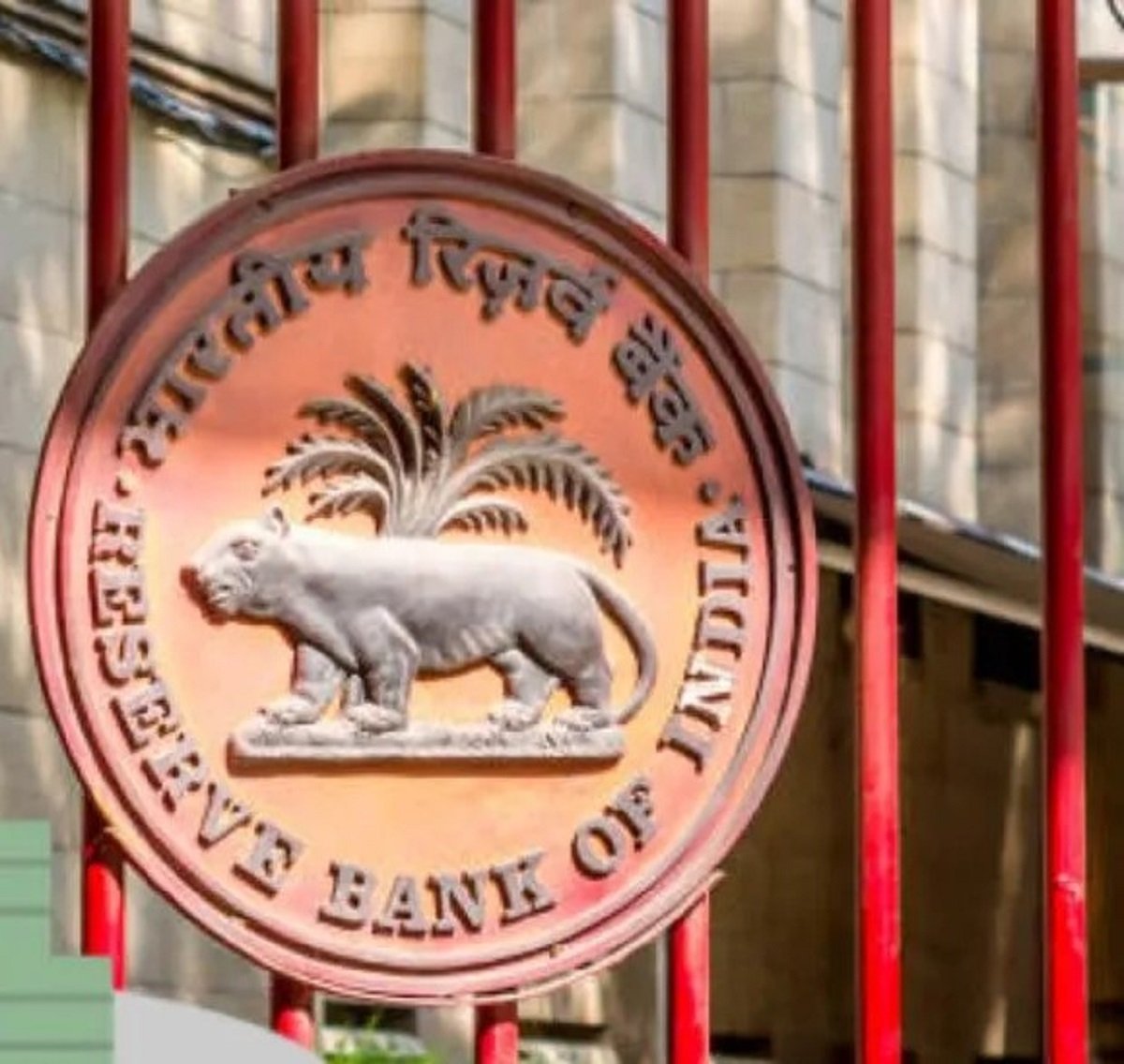
RBI massive dollar sale in August saw $7.7 billion sold to curb rupee decline, signalling bold currency-market action-

Published

on

The RBI massive dollar sale in August, at roughly US $7.7 billion,

New Delhi,21.2025:In August 2025, the RBI engaged in a dramatic intervention by executing a net sale of US $7.7 billion in the spot foreign‐exchange market.
Key details-

  • No dollar purchases were recorded in July and August.
  • The amount sold in August (~$7.7 bn) was nearly three times that of July (about $2.54 bn).
  • The intervention occurred as the rupee crossed the ₹88 per US $ threshold, signalling vulnerability.
  • The outstanding net forward‐dollar sales stood at approximately $53.36 billion at end-August, down from $57.85 billion at end-July.

Thus, the “RBI massive dollar sale” phrase captures a concentrated and extraordinary currency market action.

Why the RBI massive dollar sale was necessary

External pressures and rupee depreciation

Advertisement

The Indian rupee had been under sustained pressure in FY2025-26-

  • The currency slipped 0.68 % in August, falling to around ₹88.1950 per US $ and breaching the 88 mark for the first time.
  • Over the last 12 months the rupee had fallen about 4.61 % and was among the worst-performing Asian currencies.
  • Factors weighing on the rupee: elevated global uncertainties, trade tensions, rising commodity import bills, foreign portfolio outflows.

Strategic rationale

As per its statement, the RBI does not target an explicit exchange-rate level or band, but intervenes when there is “excessive volatility”.
In that light, the massive dollar sale represented an active defence of the rupee to preserve orderly market conditions and restore confidence.

Immediate market responses

Spot market and rupee behaviour

Advertisement

Following the intervention, the rupee settled at ₹87.9275 on 20 October, showing modest recovery from its lows.
The large-scale sale helped anchor expectations that the RBI would act around the ₹88 mark, boosting sentiment.

Forward market & reserves

The reduction in net forward-dollar position to $53.36 bn indicated some unwinding of past commitments.
By staying out of purchases for two months, the RBI also allowed its foreign-exchange reserves to reflect the intervention’s cost.

Market commentary

Advertisement

Analysts interpreted the move as a signal that the RBI was shifting from passive defence to proactive management of volatility. For instance, Reuters noted: “The central bank intervenes in the spot and forward markets to curb exchange-rate volatility.”

Technical and strategic underpinnings of the intervention

Spot vs forward intervention

  • Spot market: The sale targeted immediate depreciation pressures—as evidenced by the large $7.7 bn.
  • Forward market: The forward‐dollar sales book (≈$53 bn) represents commitments to sell dollars in future, adding another layer of defence.

Real Effective Exchange Rate (REER) and competitiveness

Business Standard reported that the REER fell to 97.6, signalling reduced currency competitiveness for Indian exports.
A lower REER implies the rupee has become cheaper in real terms, which can benefit exports — but it also means imported inflation risk and potential capital outflow vulnerability.

Advertisement

Opportunity cost and liquidity impact

Some analysts note that the liquidity effects of intervention can counter monetary stimulation. The large dollar sales absorb rupee liquidity from markets and may limit policy flexibility.

Forward‐market linkages and reserves impact

Advertisement

Although the focus keyword “RBI massive dollar sale” highlights the spot market action, the forward market and reserves interplay cannot be ignored.

  • The net forward book fell from $57.85 bn (end-July) to $53.36 bn (end-August).
  • The decision to skip dollar purchases in July and August reduced reserve accumulation; foreign-exchange reserves slid to around $688.87 bn on 1 August from $699.74 bn on 4 July.
  • The cost of intervening is borne by the central bank’s balance sheet; continuous large volumes raise questions about durability of defence under stress.

Broader economic and export-competitiveness effects

Export boost vs import cost

By defending the rupee, the RBI aims to protect importers from sharp currency losses—especially essential given India’s heavy import reliance (fuel, commodities). At the same time, a weaker rupee can help exporters by making Indian goods cheaper abroad.
But as noted, the REER’s decline signals that although the rupee is depreciating, real competitiveness may be improving — albeit modestly.

Trade & capital-flow risks

Advertisement

Persistent trade deficits and volatile capital flows expose the currency to episodes of sudden stop or reversal. The RBI’s “RBI massive dollar sale” thus can be seen as defence in depth.
Experts warn that unless structural issues like export diversification and current-account management are addressed, recurrent interventions may become mandatory.

Inflation and monetary-policy implications

A depreciating rupee raises the cost of imported goods, feeding inflation. The RBI’s intervention in August may help slow pass-through of currency weakness into inflation, but could also dampen the efficacy of liquidity expansion if funds are absorbed.

Advertisement

Outlook and risks

Outlook for the rupee

With the central bank signalling firm defence at the ~₹88 per US $ level, the rupee may trade in a narrower range for now. But external shocks (e.g., global commodity price spikes, hardening US dollar) remain key risks.
Monitoring the “RBI massive dollar sale” trajectory and forward commitments will be critical for currency traders.

Risks and flash-points

Advertisement
  • A sharp reversal in investor sentiment or capital outflows could overwhelm the RBI’s intervention capacity.
  • If forward book commitments grow again, hedging pressures might surge.
  • Inflation expectations could rise if rupee weakness persists, forcing the RBI into a monetary interest-rate dilemma.
  • Global policy shifts (e.g., US Fed tightening) could tighten the rupee’s headwinds.

Structural policy levers

Beyond interventions, policymakers may need to-

  • Strengthen export growth engines and reduce import intensity.
  • Deepen hedging markets and forward-cover frameworks for corporates.
  • Maintain transparency in foreign-exchange strategy to guide market expectations.

The RBI massive dollar sale in August, at roughly US $7.7 billion, reflects a determined and proactive approach by India’s central bank to stabilise the rupee amidst heavy external headwinds. By intervening decisively in the spot market, refraining from dollar purchases for two consecutive months, and managing forward‐commitments, the RBI has signalled a readiness to defend the currency.
However, while this heavy-lifting may restore some short-term confidence, it does not eliminate underlying vulnerabilities: export-import imbalances, capital-flow sensitivity, inflation risks and structural trade issues still loom. Staying alert to forward‐market dynamics, global policy shifts and the rupee’s performance in coming months will determine whether this intervention remains a one-off or the beginning of a new regime of currency defence.

Credent TV is a dynamic and trusted media platform dedicated to delivering accurate, timely, and engaging news. With a focus on insightful journalism, Credent TV covers a wide range of topics, including current affairs, education, culture, and social issues, aiming to keep audiences informed and inspired. Led by a team of experienced professionals, Credent TV is committed to journalistic integrity, providing in-depth analysis and unbiased reporting that resonates with viewers across India. Its mission is to foster awareness, promote knowledge, and serve as a reliable source for news that matters.

Continue Reading
Advertisement
Click to comment

Leave a Reply

Your email address will not be published. Required fields are marked *

Breaking News

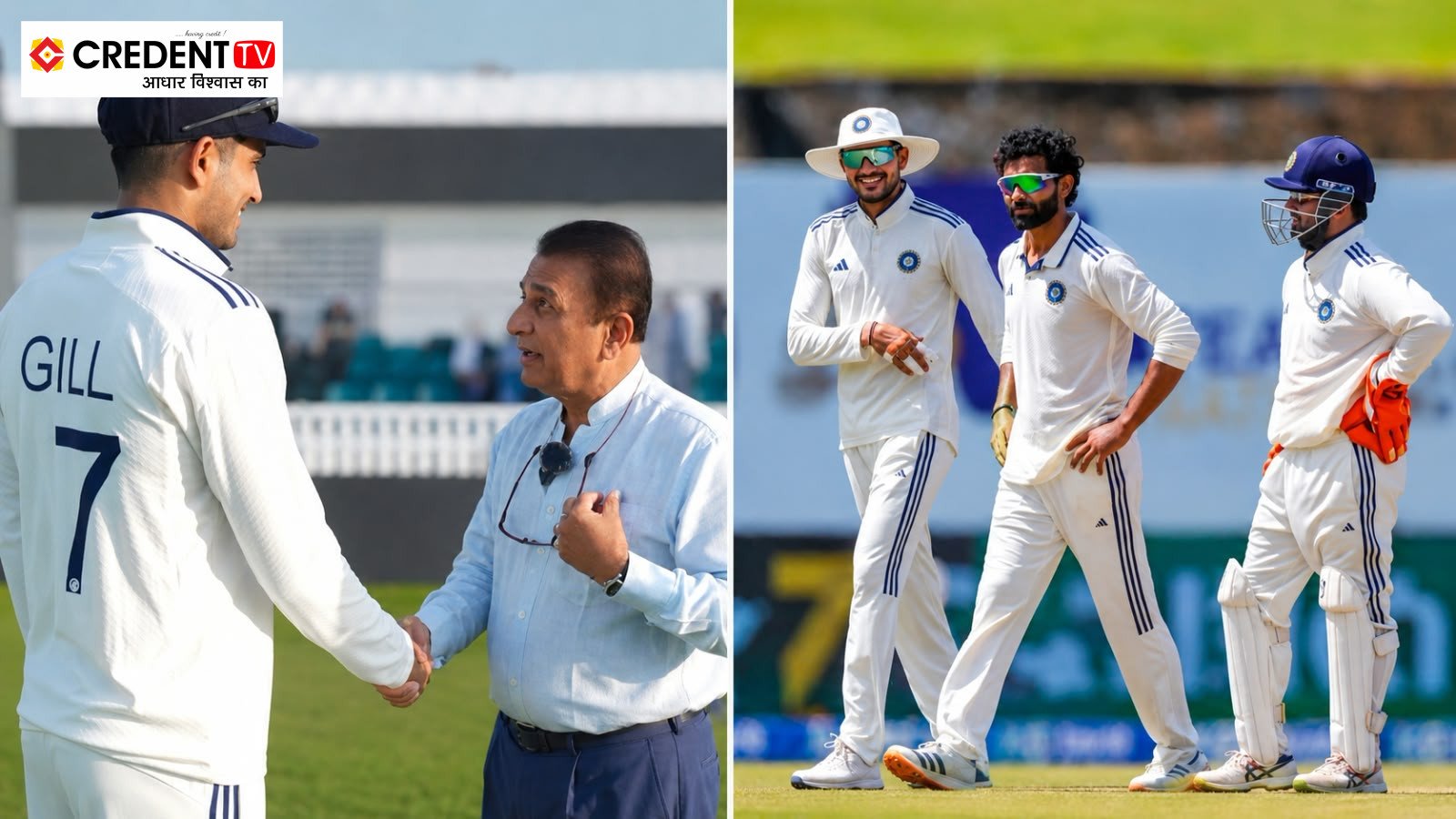
Sunil Gavaskar Calls for No-Ball Fines After Jadeja’s Repeated Test Errors

Published

on

Sunil Gavaskar Calls for No-Ball Fines After Jadeja’s Repeated Test Errors


Mumbai | 30 Aug 2026

Former India captain Sunil Gavaskar has proposed financial penalties for bowlers who repeatedly overstep in Test cricket, with fines increasing for each subsequent no-ball. His suggestion follows India’s persistent no-ball problem during their 1-0 Test series victory in Sri Lanka, in which Ravindra Jadeja was among the principal offenders.

Sunil Gavaskar Proposes Escalating No-Ball Fines

Writing in his Mid-Day column published on August 30, Gavaskar argued that front-foot no-balls were largely within a bowler’s control and should therefore carry consequences when repeated.

Advertisement


“There should be no excuses for overstepping the bowling crease.”— Sunil Gavaskar, former India captain

Gavaskar suggested an internal fine for the first offence, with the amount doubling for every subsequent transgression. He also proposed that the bowling coach should be fined an amount equivalent to half the player’s penalty.

He suggested that money collected through such fines could be used for the team’s final dinner on an overseas tour, turning the disciplinary measure into a team activity rather than an official cricketing sanction.

Ravindra Jadeja’s No-Balls Put Issue Under Spotlight

The debate intensified during India’s two-Test tour of Sri Lanka. Jadeja bowled eight no-balls in the series, while debutant off-spinner Saransh Jain delivered six and Manav Suthar one, taking the Indian spin attack’s series total to 15.

Advertisement


India conceded 20 no-balls across the two Tests. In the second Test in Colombo alone, Indian bowlers delivered 13 no-balls, including 12 from the spinners.

Jadeja’s overstepping had already proved costly in the opening Test at Galle. A delivery that induced an edge from Dhananjaya de Silva was ruled a no-ball, cancelling what would otherwise have been a wicket.

The experienced left-arm spinner’s front-foot discipline has become a recurring issue. Cricket statistics cited during the Sri Lanka series showed that Jadeja has bowled substantially more no-balls since television umpires began routinely monitoring the front foot in Tests.

Advertisement


Gavaskar Rejects Free-Hit Proposal for Test Cricket

India spin bowling coach Sairaj Bahutule had earlier floated the idea of introducing a free hit after a no-ball in Test cricket while discussing the team’s overstepping problem. He acknowledged that India were working to correct the errors and said the repeated no-balls were a concern.

Gavaskar opposed introducing the white-ball free-hit rule into Tests, arguing that the longest format should not make run-scoring easier for batters. Instead, he favoured financial accountability within the team.

“How about a fine which gets doubled for every further transgression?”— Sunil Gavaskar, former India captain

His proposal is not an announced International Cricket Council or Board of Control for Cricket in India rule change. It is Gavaskar’s suggested team-level mechanism for improving bowling discipline.

Advertisement


India Win Series but Colombo Draw Hurts WTC Push

India won the two-match Test series against Sri Lanka 1-0 after taking the opening Test in Galle by 165 runs. Sri Lanka then produced a determined resistance in Colombo to draw the second Test.

Sonal Dinusha played the decisive role in denying India a clean sweep, scoring an unbeaten 133 in Sri Lanka’s second innings as the hosts finished on 429 for nine after being asked to follow on.

The draw prevented India from securing the additional World Test Championship points available for a victory and left them facing a demanding route towards the WTC final. India’s remaining Tests in the cycle include an away series in New Zealand and a five-match home series against Australia.

Advertisement


Continue Reading

Breaking News

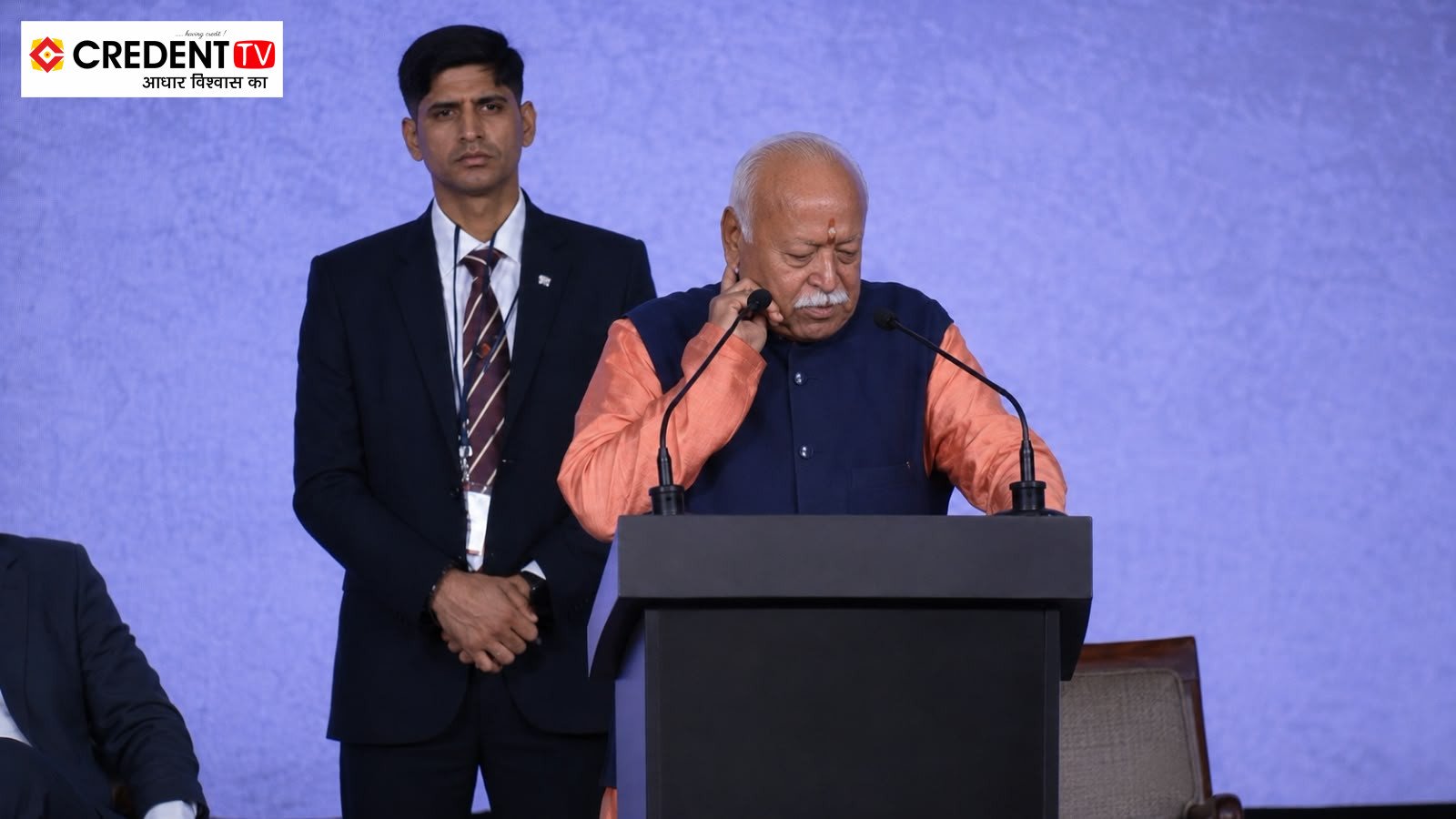
Mohan Bhagwat New York Speech: Hinduism Cannot Exclude Muslims, Diversity Is Strength

Published

on

Mohan Bhagwat New York Speech: Hinduism Cannot Exclude Muslims, Diversity Is Strength


New York | 29 Aug 2026

Rashtriya Swayamsevak Sangh chief Mohan Bhagwat said in New York on Saturday that Hindu identity cannot be based on excluding Muslims and argued that India’s defining civilisational principle is “unity in diversity”. His remarks came during engagements with faith leaders and later at the Universal Oneness Celebration at Madison Square Garden, against the backdrop of protests and debate over the RSS and its ideology.

Mohan Bhagwat New York Speech Stresses Unity in Diversity

Addressing the Universal Oneness Celebration at Madison Square Garden, Bhagwat contrasted the American idea of pluralism with what he described as Bharat’s tradition of unity in diversity. He said diversity did not weaken an underlying sense of oneness and should instead be celebrated and respected.

Advertisement


“Diversity has to be celebrated, has to be respected, has to be accepted.”— Mohan Bhagwat, RSS chief

Bhagwat said every nation had a purpose and argued that Bharat’s role was to understand this underlying unity and periodically remind the world that differences could coexist with a shared human bond. He also urged members of the Indian diaspora to remain loyal and responsible citizens of the United States, which he described as their “karma bhumi”, while retaining a connection with their “janmabhumi”.

The gathering was organised by the American Hindus for Engagement and Dialogue, or AHEAD Forum. The organiser said more than 5,000 people were expected and that over 250 partner organisations were supporting the event, which was held around the theme of universal oneness and the principle of “Vasudhaiva Kutumbakam” — the world is one family.

Bhagwat Says Hindu Identity Cannot Be Based on Excluding Muslims

In a separate faith leaders’ conference in New York ahead of the Madison Square Garden programme, Bhagwat addressed questions surrounding Hindu Rashtra and the place of Muslims in India. Recalling a discussion from his 2018 lecture series, he said removing Muslims from the country was not consistent with his understanding of Hindutva.

Advertisement


“If any Hindu thinks there should be no Muslims in India, he will not remain Hindu.”— Mohan Bhagwat, RSS chief

He said a person calling themselves Hindu must recognise the dignity of every human being and accept that different spiritual paths can lead towards the same ultimate goal. Bhagwat also said diversity must be protected alongside one’s own identity, describing diversity as a feature of nature and unity as the underlying truth.

Bhagwat Calls for Dialogue and Society-Led Change

Bhagwat argued that lasting social change should begin within society rather than through political institutions. He said politics had become a “game of self-interest” and maintained that dialogue and service were necessary to build trust between communities.

He referred to discussions initiated with Muslim and Christian representatives after his earlier public lectures and said such engagement needed to continue even when immediate results were not visible. Bhagwat argued that public opinion ultimately influences politics in a democracy and that stronger social understanding could therefore shape policy over time.

Advertisement


New York Event Proceeds Despite Protests and Criticism

Bhagwat’s visit drew opposition from a coalition of interfaith, civil-rights and secular organisations in the United States. New York City Mayor Zohran Mamdani also criticised the RSS, describing its ideology as exclusionary, while saying he was unsure whether the city had authority to cancel a privately organised event.

The RSS rejected that characterisation of the gathering. Senior RSS functionary Sunil Ambekar described the Universal Oneness Celebration as an interfaith event intended for dialogue with a diverse, multicultural and multi-faith audience. AHEAD Forum similarly presented the programme as an initiative centred on unity, mutual respect and civic responsibility.

The Madison Square Garden programme went ahead as scheduled on August 29. Bhagwat’s United States visit forms part of a wider overseas outreach during the RSS centenary period, with engagements also planned in Canada and the United Kingdom.

Advertisement


Continue Reading

Breaking News

Rajasthan Police Arrest ₹25,000-Reward Accused Over Alleged Pakistan-Linked SIM Network
Published

on

Rajasthan Police Arrest ₹25,000-Reward Accused Over Alleged Pakistan-Linked SIM Network

Sri Ganganagar | 29 Aug 2026

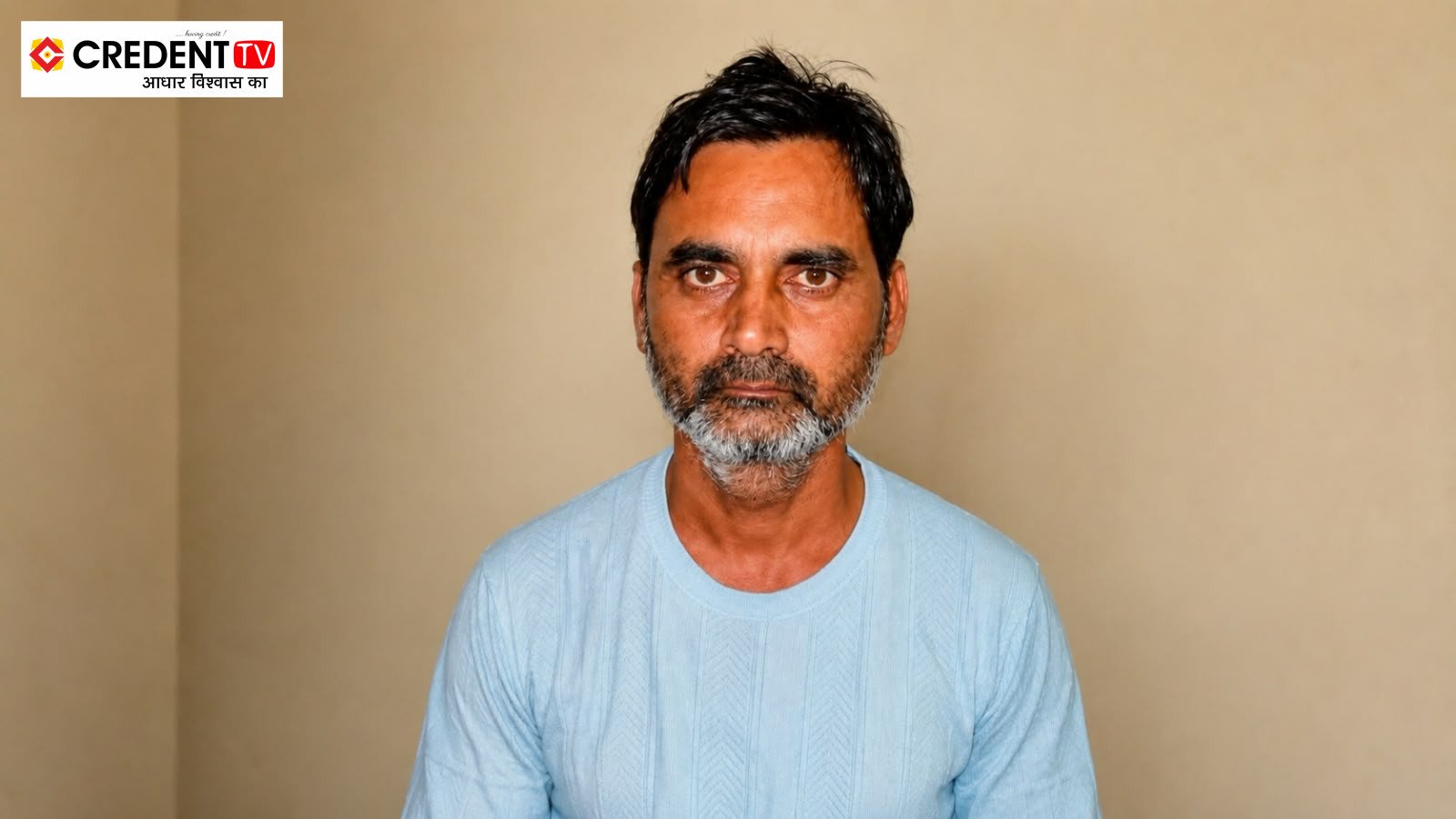
Rajasthan Police, working with CID Intelligence, have arrested a 45-year-old man carrying a ₹25,000 reward over an alleged Pakistan-linked SIM network in the border region of Sri Ganganagar. Police allege that Balwinder Singh alias Bindra supplied Indian SIM cards to Pakistan-based handlers and helped activate WhatsApp accounts in Pakistan using Indian mobile numbers.

Police Probe Alleged Pakistan-Linked SIM Network
Police identified the accused as Balwinder Singh alias Bindra, son of Pritam Singh and a resident of village 27-A in the Anupgarh area. Sri Ganganagar Superintendent of Police Hari Shankar Yadav said the arrest followed intelligence gathering in the border region over suspected activities involving Pakistan-based handlers.

Advertisement


According to police, Balwinder allegedly procured SIM cards registered to Indian citizens and facilitated their transfer to handlers across the border. Investigators allege that OTP verification was then used to activate WhatsApp accounts in Pakistan while retaining Indian mobile numbers.

Police said eight Indian SIM cards were allegedly supplied to Pakistan-based handlers. Investigators suspect the numbers were subsequently used to communicate with people in India and seek sensitive or strategic information.

The allegations remain under investigation and have not been proven in court.

Advertisement


Police Register BNS Case, Examine Mobile Phone

Anupgarh Police registered Case No. 452/2026 against Balwinder under Sections 318(4), 152 and 61(2) of the Bharatiya Nyaya Sanhita, according to police. He has been arrested and is being questioned about his alleged contacts and the wider network.

Investigators are also conducting a forensic examination of his mobile phone. Police allege that preliminary findings indicate he remained in contact with Pakistan-based handlers through WhatsApp.

The investigation is now focused on establishing how the SIM cards allegedly reached Pakistan, identifying the people who obtained or registered them and determining whether other individuals were involved.

Advertisement


Accused Was Wanted in Separate Heroin Smuggling Case

Police said Balwinder was already wanted in Jaitsar Police Station Case No. 102/2026, registered under provisions of the Narcotic Drugs and Psychotropic Substances Act and the Bharatiya Nyaya Sanhita. A ₹25,000 reward had been announced for information leading to his arrest in that case.

The narcotics investigation concerns the alleged cross-border smuggling of about 10.5 kg of heroin, estimated by police to be worth around ₹55 crore, after the consignment was allegedly dropped inside India using a drone from Pakistan.

Investigators are examining whether there is any connection between the alleged SIM-card operation, Pakistan-based contacts and the narcotics trafficking case. Police have not yet announced any conclusion establishing such a link.

Advertisement


Police Search for Other Suspected Network Members

The operation involved Anupgarh Police and CID Intelligence personnel. Police said questioning of the arrested accused and examination of digital evidence are continuing to identify other people who may have participated in the alleged network.

No conviction has been recorded against Balwinder in the Pakistan-linked SIM case, and the accusations against him remain subject to investigation and judicial proceedings.

Advertisement


Continue Reading

Breaking News

FSSAI Proposes Red Warning Labels for High-Sugar, Salt and Fat Foods

Published

on

FSSAI Proposes Red Warning Labels for High-Sugar, Salt and Fat Foods


New Delhi | 29 Aug 2026

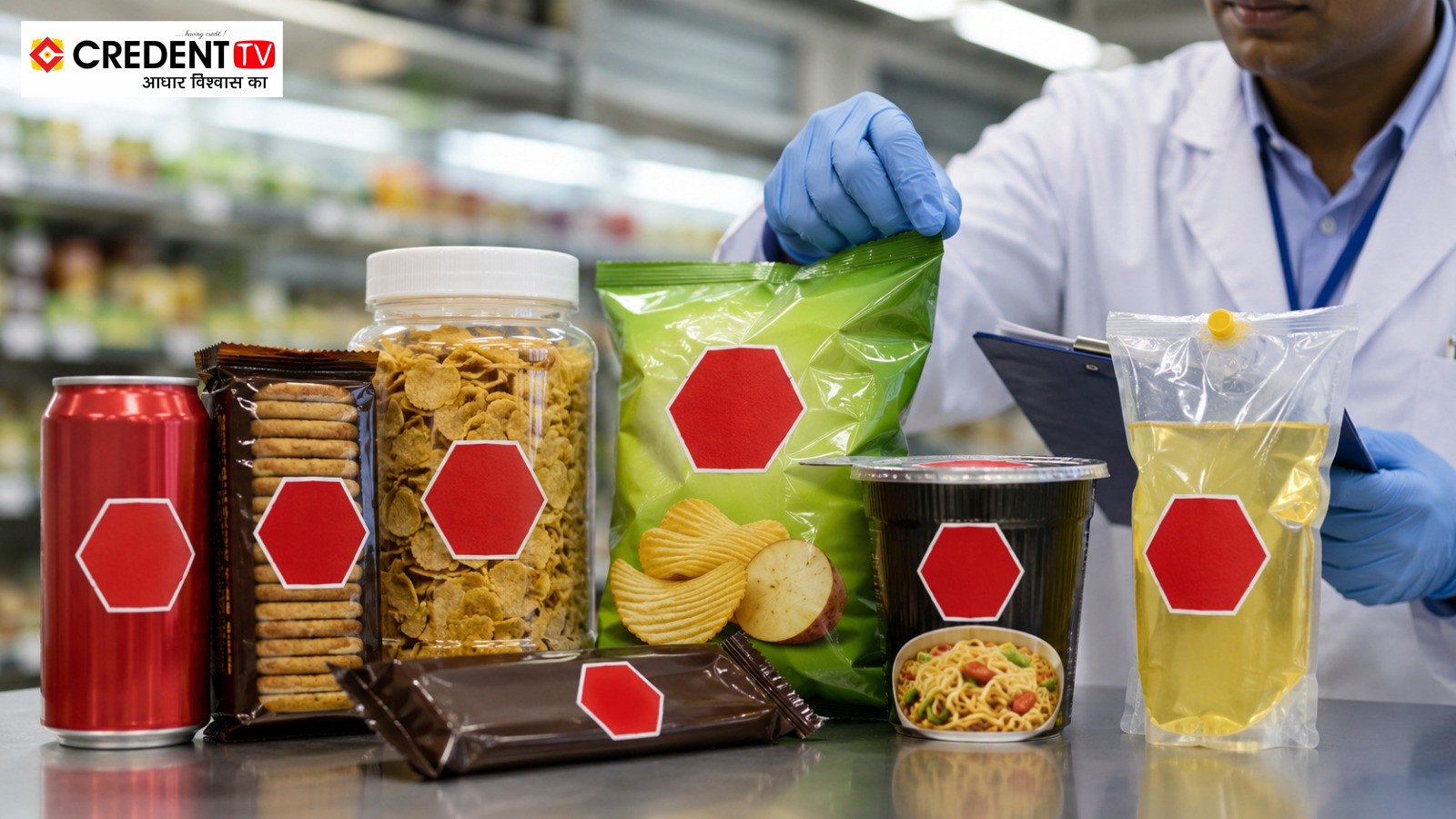
The Food Safety and Standards Authority of India has proposed prominent red warning labels on the front of packaged foods containing excessive added saturated fat, added sugar or salt, according to a compliance affidavit submitted to the Supreme Court. The proposal is not yet a binding labelling rule.

FSSAI red warning labels would use a hexagonal symbol

Under the proposed system, qualifying products would carry a red hexagonal symbol with declarations such as “HIGH FAT”, “HIGH SUGAR” or “HIGH SALT”. Specified sweetened drinks could display a separate “HIGHLY SWEETENED BEVERAGE” warning.

Advertisement


The nutritional thresholds would be based on the Dietary Guidelines for Indians, 2024, issued by the Indian Council of Medical Research-National Institute of Nutrition.

“The warning shall be displayed in a font size one point larger than that used in the nutrition information table.”— FSSAI compliance affidavit

FSSAI said the front-of-pack format was intended to provide information that consumers could understand easily and to support informed choices, particularly among children and other vulnerable groups.

Warning labels planned in two phases

During the first phase, the red warning would apply to products exceeding the prescribed limits for any two or more of the three specified nutrients. The first phase would also cover designated highly sweetened beverages.

Advertisement


In the second phase, the requirement would be extended to products exceeding the threshold for any one of the nutrients. No confirmed timetable for either phase has been announced.

Single-ingredient products and foods inherently rich in fat, sugar or salt—including ghee, edible oil, salt, sugar, jaggery and honey—are proposed to be exempt, while remaining subject to other food-safety and labelling regulations.

Supreme Court sought a final government decision

The affidavit was filed in response to the Supreme Court’s 13 August direction asking the Union government to place its final decision on front-of-pack warning labels on record. A bench comprising Justices J B Pardiwala and K Vinod Chandran had criticised the prolonged delay and emphasised the potential health impact on children.

Advertisement


The proceedings arose from a petition filed by the public charitable trust 3S and Our Health Society, which sought mandatory front-of-package warnings for packaged foods high in sugar, sodium and saturated fat.

Red warning labels are not yet mandatory

Packaged-food manufacturers are not required to introduce the proposed red labels immediately. FSSAI told the court that the system would have to be notified through amendments to the relevant regulations after completing the prescribed regulatory process.

Until new rules take effect, companies must continue following the Food Safety and Standards (Labelling and Display) Regulations, 2020, which require nutritional and ingredient information but do not impose the proposed red front-of-pack warning system.

Advertisement


Continue Reading

Breaking News

Trump Announces US-Venezuela Oil Deal Covering 65 Billion Barrels

Published

on

Trump Announces US-Venezuela Oil Deal Covering 65 Billion Barrels


Washington | 28 Aug 2026

US President Donald Trump announced a US-Venezuela oil deal on Friday that he said would give the United States majority control over more than 65 billion barrels of Venezuela’s proven reserves. However, the agreement’s legal structure, participating companies and implementation timetable have not been publicly disclosed.

US-Venezuela oil deal covers 17 fields

Trump said Secretary of State Marco Rubio and Defence Secretary Pete Hegseth negotiated the agreement with Venezuela’s interim President Delcy Rodríguez and private businesses. He claimed the arrangement would impose no cost on American taxpayers.

Advertisement


“The United States of America has just entered into an Agreement with the Country of Venezuela on, THE BIGGEST OIL DEAL IN WORLD HISTORY!”— Donald Trump, US President

Rodríguez’s government said the agreement covered the development of 17 strategic oilfields with proven potential of 65 billion barrels. An unnamed US official told the Associated Press that the plan envisaged a new company involving the United States and a private operator, with the US receiving 55 per cent of its effective output through ownership and rights to purchase crude at cost.

The official said the company would receive 100-year development rights. Neither government had published the full agreement or identified the private operator by Saturday.

Venezuela projects $100 billion in private investment

The Venezuelan government said the agreement could attract nearly $100 billion in private investment and generate more than $209 billion in tax revenue. Rodríguez said it would help modernise the country’s oil industry, increase production and support economic growth.

Advertisement


Rubio said the arrangement would provide the United States with stable, lower-cost oil while creating jobs and investment in Venezuela. Oil purchased through the proposed company could also be used for the US Strategic Petroleum Reserve and military requirements, according to the US official cited by the Associated Press.

Venezuela holds an estimated 303 billion barrels of crude reserves, among the largest proven holdings globally, but produces about 1.25 million barrels per day after years of underinvestment, sanctions and deteriorating infrastructure.

Energy analysts cautioned that Venezuela’s constitutional and petroleum laws could complicate any arrangement giving a foreign government operational control over oilfields. Trump did not explain how majority control would be exercised or whether the agreement required further legislative or regulatory approval.

Advertisement


A rapid reduction in US fuel prices is also uncertain. Venezuela’s heavy crude requires specialised production, transport and refining infrastructure, and a substantial increase in output could take years and require significant capital.

The announcement expands an energy arrangement introduced in January, when Washington began facilitating sales of Venezuelan crude and selectively easing sanctions covering trade and transportation. Existing sanctions on crude production were not fully removed under that earlier authorisation.

Advertisement


Continue Reading

Breaking News

Bad Weather Halts Aerial Rescue in Nepal Floods; Infosys Executive Unreachable

Published

on

Bad Weather Halts Aerial Rescue in Nepal Floods; Infosys Executive Unreachable


Kathmandu | 29 Aug 2026

Poor weather halted helicopter operations and disrupted wider rescue efforts in flood-hit Nepal on Saturday, as authorities searched for thousands of missing people and Infosys confirmed that senior executive Lax Gopisetty remained unreachable.

Nepal flood rescue operations face severe weather

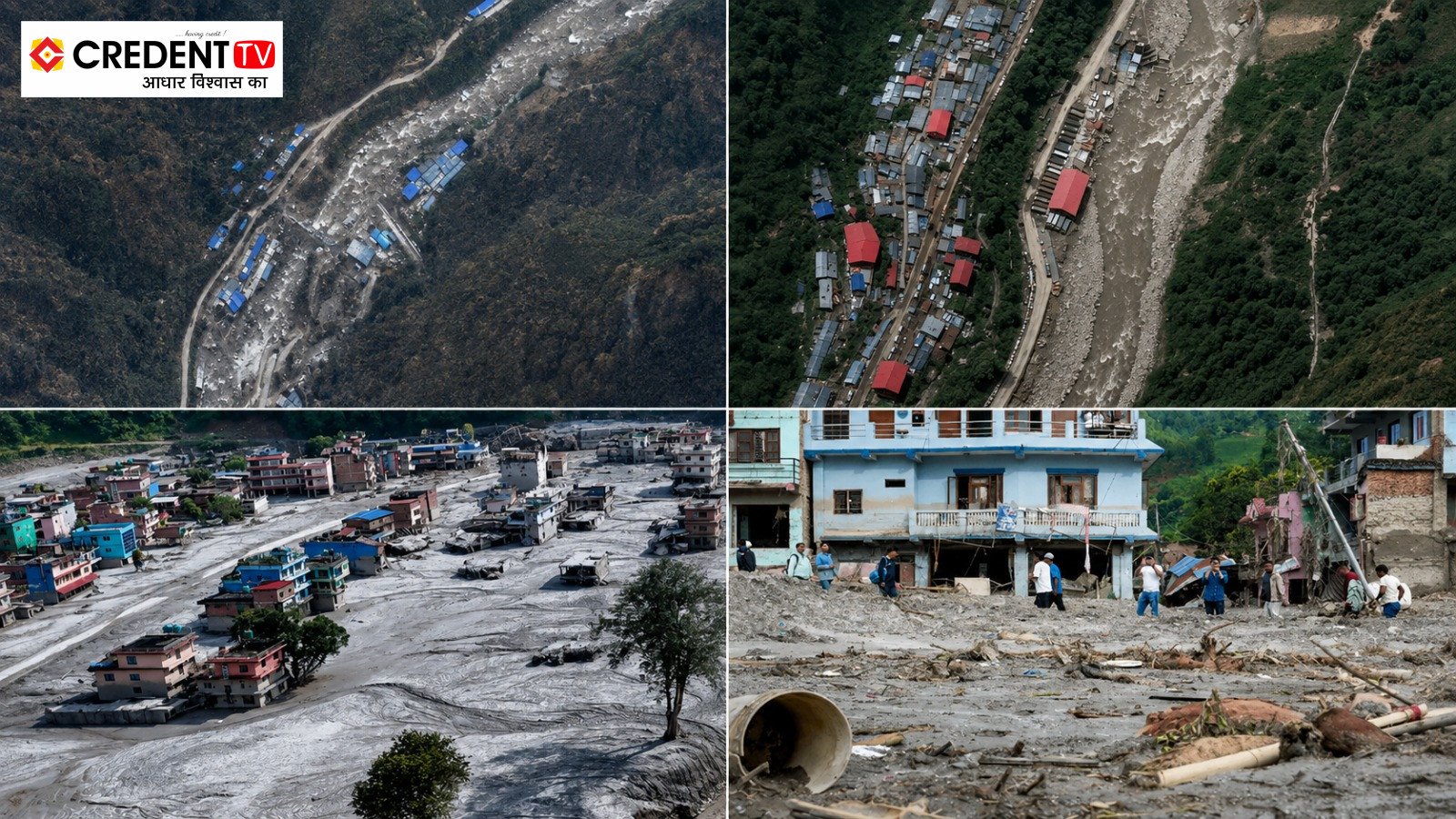
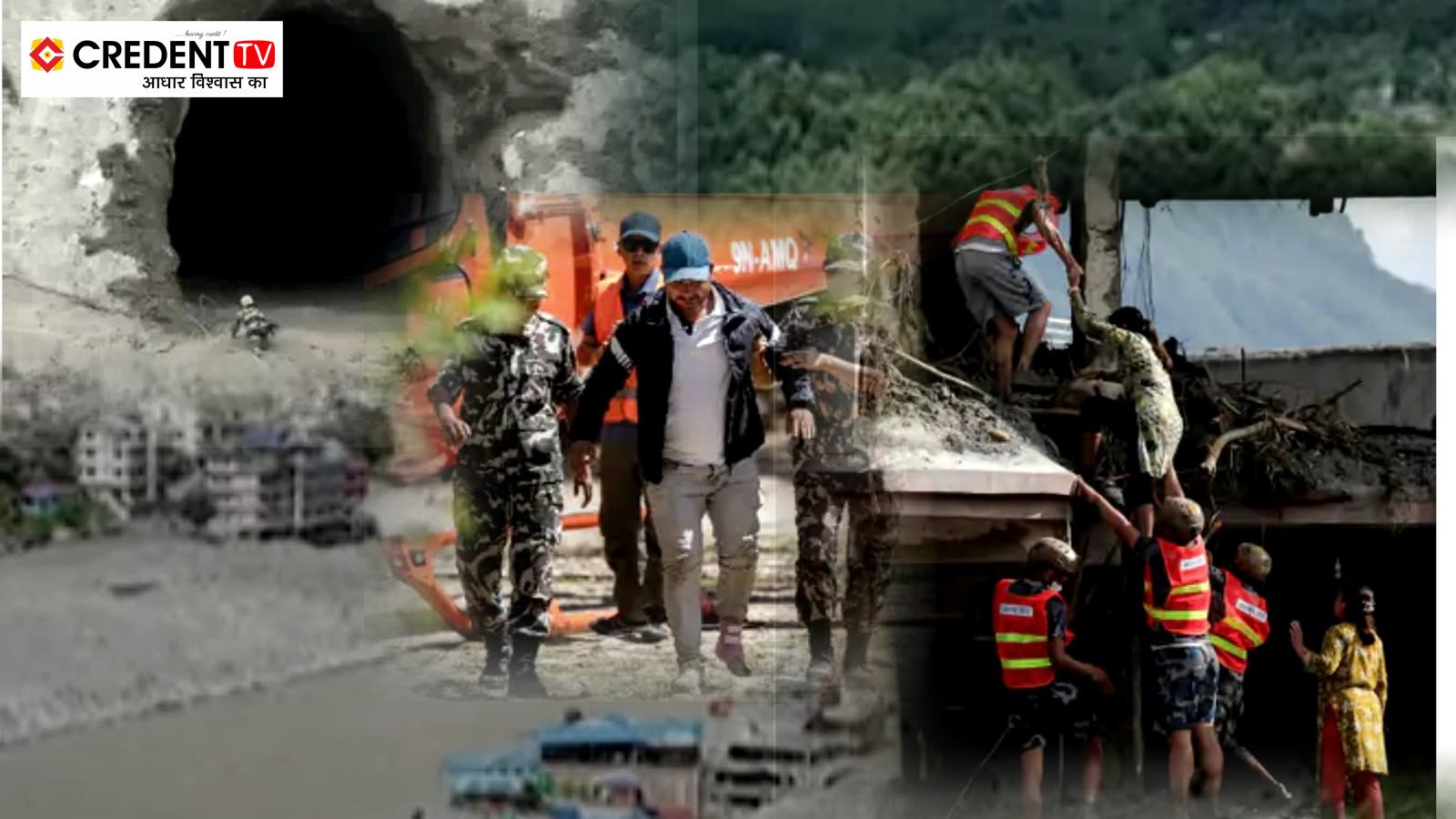
The disaster struck the Nepal–Tibet border region on 26 August after a glacier collapse sent a torrent of water, rocks, ice, mud and debris through mountain river systems, destroying homes, bridges, roads and power facilities.

Advertisement


Nepal’s disaster agency said the death toll in the country had reached 626, with 2,426 people reported missing. Seven deaths and hundreds of missing people were reported in Tibet. More than 3,700 people had been rescued in Nepal, according to the latest official figures cited by the Associated Press.

Rain, fog and difficult terrain prevented helicopters from operating in affected areas on Saturday. Ground teams continued working at several locations, including the Upper Trishuli-1 Hydropower Project in Rasuwa district, where authorities believe more than 100 people could be trapped inside a mud-filled tunnel.

Infosys Public Services chief Lax Gopisetty remains unreachable

Infosys said Lax Gopisetty, who heads its subsidiary Infosys Public Services, had travelled to the affected region in a personal capacity and could not be contacted. The company said it was coordinating with relevant agencies and supporting his family.

Advertisement


“We can confirm that our colleague Lax Gopisetty, who was visiting the region in a personal capacity, is currently not reachable.”— Infosys statement

Infosys Public Services primarily works with public-sector organisations in the United States and Canada. No confirmed information about Gopisetty’s location or condition had been released by Saturday.

India sends relief and offers technical support

India has dispatched three flights carrying about 60 tonnes of relief supplies, including medicines, blankets, food and water-purification tablets. New Delhi also plans to send tunnel-rescue specialists and a medical team.

Nepal has requested specialised international assistance for tunnel rescues, restoring damaged transport and communication links, identifying bodies through DNA testing and improving temporary storage facilities. Authorities are also monitoring two upstream lakes because the danger of further flooding has not completely passed.

Advertisement


Continue Reading

Breaking News

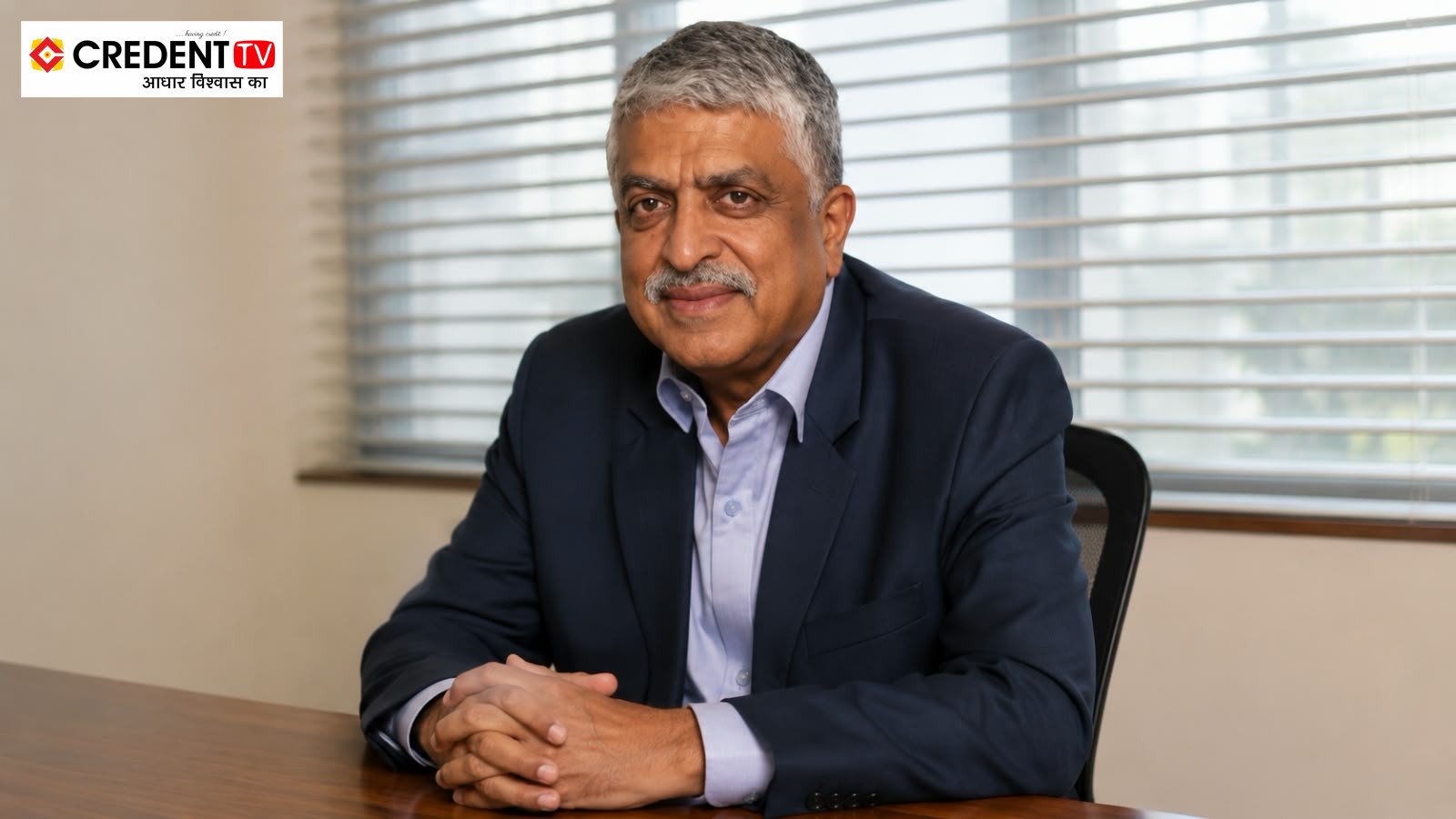
Nandan Nilekani Task Force Seeks Public Input on Exam Reforms by September

Published

on

Nandan Nilekani Task Force Seeks Public Input on Exam Reforms by September


New Delhi | 28 Aug 2026

The Nandan Nilekani-led High-Powered Task Force on examination reforms has invited students, parents, teachers, institutions, examination bodies, experts and other stakeholders to submit suggestions by 13 September 2026 on making India’s public examinations more secure, transparent, equitable and accountable. The exercise covers examinations conducted by the National Testing Agency (NTA) and comes amid heightened scrutiny of examination security and malpractice. :contentReference[oaicite:0]{index=0}

Nandan Nilekani task force opens nationwide consultation

The Union Ministry of Personnel, Public Grievances and Pensions said the task force is examining comprehensive reforms relating to the conduct, security, design and governance of public examinations. Its mandate also includes strengthening institutional systems, improving examination infrastructure, deploying appropriate technology and protecting student well-being. :contentReference[oaicite:1]{index=1}

Advertisement


The consultation is open to students and candidates, parents, teachers and academic institutions, examination-conducting bodies, subject experts, technology professionals, industry organisations, civil society groups and other interested stakeholders. Submissions can be made in English, Hindi and regional languages. :contentReference[oaicite:2]{index=2}

Exam security, technology and accountability among key focus areas

The task force has identified 10 broad areas for public feedback. These include examination security, assessment methodology, governance and accountability, prevention and detection of malpractices, grievance redressal and the use of technology, including secure computer-based testing. :contentReference[oaicite:3]{index=3}

It is also seeking proposals for expanding examination infrastructure and improving access for candidates across different social, economic, regional and linguistic groups. Transparency between examination authorities and candidates, effective communication and measures to reduce stress during the examination process are also part of the review. :contentReference[oaicite:4]{index=4}

Advertisement


Paper leak concerns intensify focus on examination reform

The consultation comes against the backdrop of student protests and concerns over alleged paper leaks and other irregularities in competitive examinations. The government announced the creation of the high-powered task force under Nilekani’s leadership on 26 July 2026, saying it would focus on examination reforms. :contentReference[oaicite:5]{index=5}

Reports on the panel’s work indicate that it is also examining measures that could affect the 2027 examination cycle, including greater use of computer-based testing and stronger government-backed testing infrastructure. Such proposals remain under consideration and would require government acceptance before implementation. :contentReference[oaicite:6]{index=6}

How to submit suggestions on public examination reforms

Stakeholders can submit their recommendations through the official examination reforms portal at examreforms-taskforce.dopt.gov.in. The government has also provided the toll-free number 1800-180-4747, WhatsApp number +91 78270 42830 by sending “hptf”, and the email address Ex******************@******ov.in. :contentReference[oaicite:7]{index=7}

Advertisement


The deadline is 13 September 2026. The government said feedback received through the consultation will be used by the task force while preparing its recommendations on the future structure, security and governance of India’s public examination system. :contentReference[oaicite:8]{index=8}

Nandan Nilekani task force, exam reforms India 2026, NTA examination reforms, paper leak prevention India, public examination security, computer based testing reforms, exam reform suggestions September 13, NTA exam security

#NandanNilekani #ExamReforms #NTA #PublicExaminations #EducationNews

Advertisement


Continue Reading

Breaking News

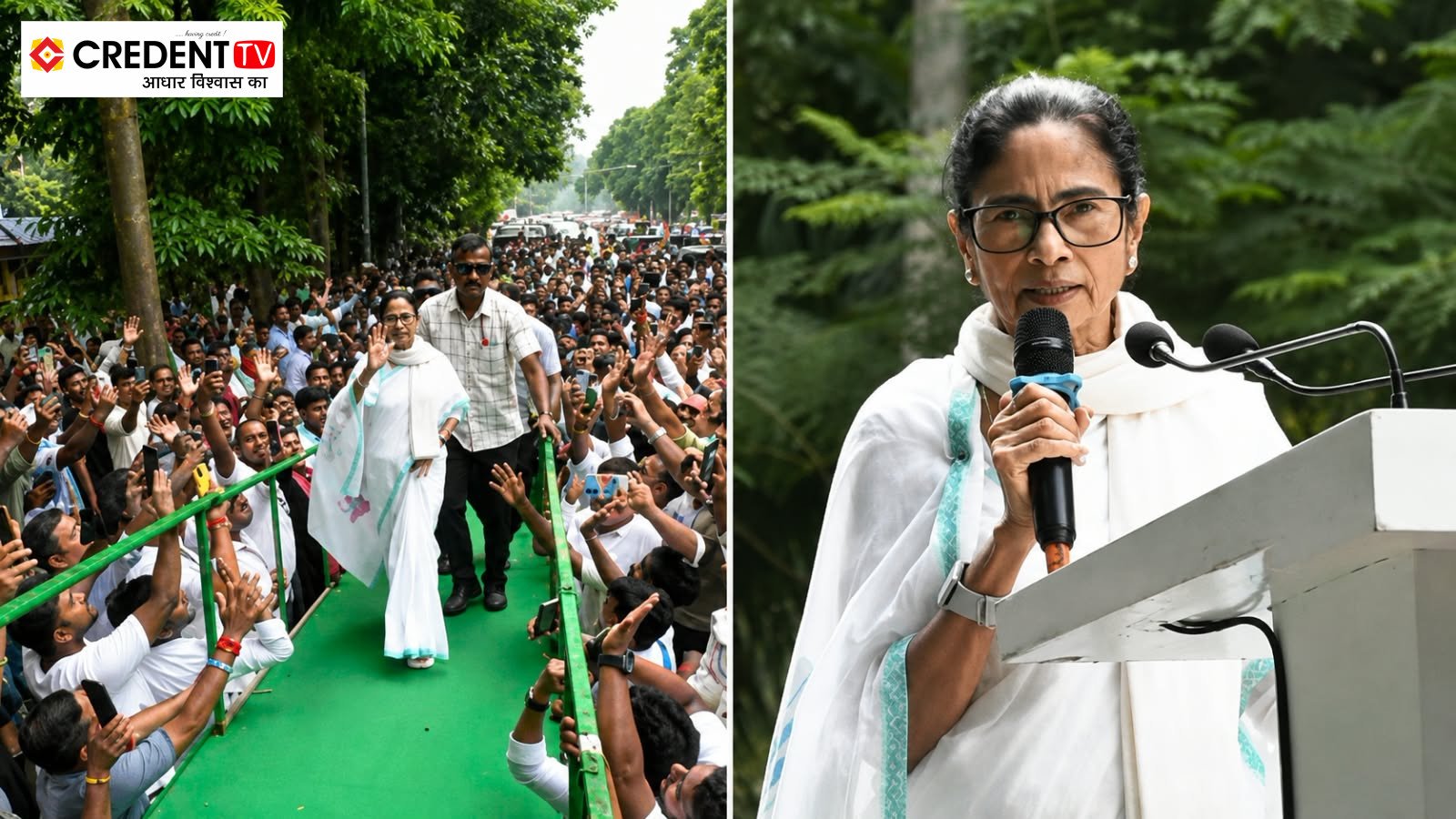
Mamata Banerjee Slams Kolkata Police at Raksha Bandhan Rally After 13 Arrests

Published

on

Mamata Banerjee Slams Kolkata Police at Raksha Bandhan Rally After 13 Arrests


Kolkata | 28 Aug 2026

Trinamool Congress chief and former West Bengal Chief Minister Mamata Banerjee sharply criticised Kolkata Police on Friday during the Trinamool Chhatra Parishad foundation day programme in Kolkata, held on Raksha Bandhan, a day after a confrontation at Abhishek Banerjee’s Camac Street office led to three FIRs and the arrest of 13 people.

Mamata Banerjee targets Kolkata Police over TMC office action

Addressing supporters at Cathedral Road, Banerjee accused the police of acting unfairly against her party and questioned the police action at Abhishek Banerjee’s office on Thursday. She alleged that officers had entered the premises forcibly and that TMC workers were subsequently arrested.

Advertisement


Banerjee contrasted the present police administration with the force she had worked with during her 15 years as chief minister, alleging that its conduct had changed after the change of government. Her remarks were political allegations against the present administration and police; Kolkata Police has separately defended its action through the cases registered over Thursday’s confrontation.

Banerjee also announced that she would begin touring districts to stand with party workers and people she described as deprived. She said that even if police permission was not granted for her political programmes, she would continue her outreach, including travelling on foot where necessary.

Three FIRs filed, 13 arrested after Abhishek Banerjee office clash

Kolkata Police said three cases were registered following Thursday’s confrontation involving police personnel, Kolkata Municipal Corporation officials and TMC members at Abhishek Banerjee’s office on Camac Street. Thirteen people were arrested.

Advertisement


TMC national general secretary Abhishek Banerjee, Rajya Sabha MP Derek O’Brien and other party figures were named in cases arising from allegations that officials were obstructed while attempting to enter a common area of the building and remove an allegedly unauthorised billboard.

According to the authorities, the Kolkata Municipal Corporation had received a complaint concerning the billboard and its officials went to the site accompanied by police. The police alleged that party supporters and private security personnel obstructed officials and that a confrontation followed.

The TMC has disputed that account. Abhishek Banerjee alleged that civic and police personnel entered the office without proper authority and pushed or heckled party leaders and workers. His faction has indicated that it will pursue legal remedies over the action.

Advertisement


TMCP foundation day coincides with Raksha Bandhan

The confrontation with police became a major theme at Friday’s TMCP foundation day gathering, which coincided with Raksha Bandhan. Banerjee had earlier called for the occasion to carry a message of harmony because the student organisation’s annual foundation day fell on the festival this year.

The gathering itself was held under restrictions imposed by the Calcutta High Court after rival TMC factions sought permission to organise separate TMCP programmes at the traditional Mayo Road venue.

The court did not allow either faction to use Mayo Road. Mamata Banerjee’s faction was permitted to hold its programme on Cathedral Road, while the rival group led by Ritabrata Banerjee was allotted Rani Rashmoni Road.

Advertisement


High Court capped attendance and ordered traffic lane to remain open

The Calcutta High Court fixed the timing of both programmes between noon and 3 pm and imposed an attendance ceiling of 1,500 people for each gathering. Each faction was also directed to provide Kolkata Police with the contact details of 15 volunteers to help coordinate security arrangements.

The court further ordered that the programmes be restricted to one lane at their respective venues while the other lane remained available for traffic.

There was significant crowding around the Cathedral Road event after Banerjee arrived. Local reports said several vehicles became caught near the gathering and an ambulance was also temporarily affected. Banerjee was seen directing party workers to allow vehicles to pass and asking supporters to cooperate with police before the political speeches continued.

Advertisement


At the programme, Banerjee also renewed her challenge to the BJP-led West Bengal government over the 2026 Assembly election. She alleged that the BJP had secured its victory through unfair means and said her party would continue its legal fight. The allegation has not been established as fact and remains part of the political dispute between the two sides.

The BJP came to power in West Bengal in the May 2026 Assembly election, ending 15 years of Mamata Banerjee-led government. Since that defeat, the TMC has also been hit by an internal split, with competing factions claiming organisational legitimacy.

Friday’s simultaneous student-wing programmes, the dispute with Kolkata Police and the Camac Street cases have therefore added another layer to an already intensifying political and legal confrontation in West Bengal.

Advertisement


Continue Reading

Bollywood

Disha Patani’s Journey: ₹500 in Mumbai to Awarapan 2 Release

Published

on

Disha Patani’s Journey: ₹500 in Mumbai to Awarapan 2 Release


Mumbai | 28 Aug 2026

Disha Patani, now appearing opposite Emraan Hashmi in the recently released Awarapan 2, built her film career after leaving engineering studies, moving to Mumbai with limited savings and facing repeated auditions and early rejection. Her breakthrough in Hindi cinema came with M.S. Dhoni: The Untold Story in 2016, a decade before she joined the cast of the Awarapan sequel.

Disha Patani moved to Mumbai with ₹500

Patani has spoken publicly about the financial uncertainty of her early career. In a 2018 interview with Hindustan Times, she said she had left her studies and moved to Mumbai, where she lived independently and tried to support herself through modelling, commercials and auditions.

Advertisement


“I came to Mumbai with ₹500 and after a point, I didn’t have any money.”— Disha Patani, actor

She said she regularly auditioned for television commercials and faced the practical pressure of securing enough work to pay her rent. Her account also makes clear that her entry into the film industry was not backed by an established film family.

Before moving fully into entertainment, Patani was studying engineering. She later said modelling assignments increasingly clashed with the attendance requirements of her college, eventually forcing her to choose between continuing her studies and pursuing modelling.

Disha Patani auditioned for Heropanti but did not get the role

One of Patani’s early auditions was for Heropanti, the 2014 Hindi debut of Tiger Shroff. The female lead eventually went to Kriti Sanon.

Advertisement


Patani later recalled during an interview with Bollywood Hungama that she was still studying at the time and had travelled for the audition without having established herself as an actor.

“I was horrible in the audition.”— Disha Patani, actor

The available interview establishes that she auditioned for the film and did not secure the part. It does not support portraying the episode as her being removed from Heropanti after being formally cast.

A separate launch film also fell through

Patani has, however, confirmed that another project intended to launch her did not go ahead with her in the role. In her 2018 interview, she said she had been replaced by another actor before that film started.

Advertisement


She described rejection as an experience that pushed her to work harder rather than abandon acting. The title of that abandoned launch project was not identified in the interview, so linking it definitively to Heropanti would be inaccurate.

M.S. Dhoni film brought wider Hindi-cinema recognition

Patani made her acting debut in Telugu cinema with director Puri Jagannadh’s Loafer in 2015, opposite Varun Tej. Her first Hindi film release came the following year with Neeraj Pandey’s M.S. Dhoni: The Untold Story.

In the biographical sports drama, starring Sushant Singh Rajput as former India captain Mahendra Singh Dhoni, Patani played Priyanka Jha. The film was released on 30 September 2016 and became the project that brought her substantially wider recognition among Hindi-film audiences.

Advertisement


Her subsequent credits included Kung Fu Yoga with Jackie Chan, Baaghi 2, Bharat, Malang, Ek Villain Returns, Yodha, Kalki 2898 AD and Kanguva.

Disha Patani stars as Zara in Awarapan 2

Patani’s latest theatrical appearance is Awarapan 2, released on 14 August 2026. Central Board of Film Certification records identify Emraan Hashmi and Disha Patani as the film’s main actors and list Nitin Kakkar as director, with Mukesh Bhatt and Vishesh Bhatt as producers.

The CBFC certified the Hindi film UA 16+ on 5 August with a running time of about 140 minutes. Patani plays Zara, while Hashmi reprises Shivam Pandit, the character he played in the 2007 film Awarapan.

Advertisement


The sequel follows Shivam years after the events of the original film as he is drawn back into a dangerous criminal world. Shabana Azmi and Shriya Saran are among the other credited cast members.

From modelling auditions to mainstream films

Patani has previously said acting was not originally her childhood career plan and that she had once wanted to become an Air Force pilot. Modelling opportunities during college gradually altered that path.

Her career therefore developed through a sequence of modelling assignments, commercial auditions, unsuccessful film opportunities and regional cinema before her Hindi-film breakthrough. The record also shows why two frequently repeated parts of her story require distinction: she did audition unsuccessfully for Heropanti, while the film in which she says she was formally replaced was a separate, unidentified launch project.

Advertisement


Continue Reading

Breaking News

Nepal Floods: 84 Indians Rescued, About 290 Uncontactable as Toll Reaches 469

Published

on

Nepal Floods: 84 Indians Rescued, About 290 Uncontactable as Toll Reaches 469


Kathmandu | 28 Aug 2026

At least 84 Indian nationals have been rescued after catastrophic Nepal floods devastated the Bhote Koshi–Trishuli river basin, while about 290 Indians remained uncontactable in the latest Indian government updates. Nepal Police said on Friday that the death toll had risen to 469 as search teams continued operations across flood-hit districts and authorities monitored the risk of further flooding from the Tibet side.

84 Indians rescued as authorities trace stranded pilgrims and workers

India’s Ministry of External Affairs said 63 Indian nationals working at the Trishuli-I hydropower project had been rescued. They joined 21 people from Tamil Nadu, who were travelling for the Kailash Mansarovar Yatra and were rescued earlier, taking the confirmed number of rescued Indians to 84.

Advertisement


The number of Indians still out of contact has been changing as communications are restored and rescue teams verify the whereabouts of different groups. The MEA initially put the figure at 288 on Thursday and subsequent updates and reports citing the ministry placed it at about 290.

Officials have stressed that “uncontactable” does not necessarily mean confirmed missing or dead. Communications and road links were severely disrupted across the disaster zone, complicating efforts to establish the location of travellers and workers.

Around 200 other Indian nationals on the Tibet side, many associated with the Kailash Mansarovar pilgrimage, have also sought assistance for evacuation. Indian authorities are coordinating with officials in Nepal and China.

Advertisement


Nepal flood death toll rises to 469

Nepal Police said on Friday that 469 bodies had been recovered following the devastating flash flood. It also reported that 1,545 people had been rescued from affected areas.

Nepal’s National Disaster Risk Reduction and Management Authority had listed 977 people as missing or out of contact in its latest status report available from Thursday. The figures remain subject to revision as bodies are identified, survivors are located and information arrives from areas where communication systems were damaged.

Thousands of security personnel have been deployed in search-and-rescue operations, while helicopters, drones and ground teams are being used to reach isolated settlements and search riverbanks and debris fields.

Advertisement


Flood surged into Nepal from Tibet after Himalayan collapse

The disaster struck on 26 August when a massive surge entered Nepal from the Tibet side and moved through the Bhote Koshi river system into the Trishuli, devastating areas including Timure, Syaphrubesi and Rasuwagadhi before causing destruction farther downstream.

Preliminary assessments by Nepali authorities and geological analysis indicate that an ice-and-rock or glacial collapse generated a major debris flow and flood. Early reports had raised the possibility of an earthquake, but subsequent analysis indicated that the seismic signal was associated with the collapse rather than being the primary cause of the disaster.

The flood destroyed critical infrastructure. Nepal’s Department of Roads said the 42-kilometre road between Betrawati and the Rasuwagadhi border was damaged at multiple locations, with several bridges also swept away.

Advertisement


New barrier lake keeps downstream areas on alert

Authorities have also warned of a continuing risk from a barrier lake formed upstream on the Tibetan side. Nepal’s hydrological authorities said they had received information from China about the development and advised people along the Bhote Koshi and Trishuli river corridors to remain away from riverbanks and follow official warnings.

The possibility of another sudden release of water has added urgency to rescue work in areas already cut off by collapsed roads, destroyed bridges and heavy deposits of mud and debris.

India sends 47.5 tonnes of emergency assistance to Nepal

India has sent 47.5 tonnes of humanitarian and disaster-relief supplies to Nepal aboard two military transport aircraft. The assistance includes temporary shelters, tents, blankets, hygiene kits, solar lamps, dewatering pumps, generators, medicines and food supplies.

Advertisement


The MEA has also said India is mobilising Bailey bridges to support relief and connectivity requirements if requested by Nepal. Indian and Nepali authorities remain in contact over rescue operations and assistance for affected nationals.

Indian Embassy issues emergency helplines

The Embassy of India in Kathmandu has asked Indian nationals affected by the flash floods or their families seeking information to contact its emergency numbers: +977 985 131 6807, +977 970 910 7500 and +977 981 032 6117. The embassy says the numbers can also be contacted through WhatsApp.

Search, rescue and identification operations remain under way, and casualty and missing-person figures are expected to change as authorities receive verified information from the affected region.

Advertisement


Continue Reading

Trending Post