
Bollywood
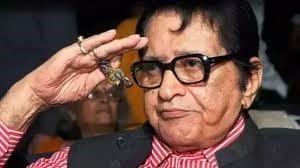
Manoj Kumar: A Legendary Patriot Who Forever Changed Indian Cinema

Contents
Introduction to Manoj Kumar
Manoj Kumar, an iconic figure in Indian cinema, was born on July 24, 1937, in the suburb of Dubai, India. He emerged from humble beginnings, honing his craft and spirit in a post-independence India that was searching for its identity. Kumar’s ardor for acting was ignited while participating in school plays, which laid the groundwork for his illustrious career in the film industry. Making his debut in the 1957 film “Fasant,” he gradually carved a niche for himself amidst the competitive landscape of Bollywood, ultimately establishing himself as a leading actor and filmmaker.
His rise to fame was particularly defined by his strong affiliation with patriotic themes, resonating deeply with audiences during the politically charged atmosphere of the 1960s and 70s. Films such as “Upkar” (1967), “Roti Kapda Aur Makaan” (1974), and “Kranti” (1981) solidified his reputation as the quintessential patriotic actor. Manoj Kumar’s characters often epitomized the values of loyalty, sacrifice, and love for the nation, reinforced by stirring songs and compelling narratives. This dedicated portrayal of patriotism not only distinguished him from his contemporaries but also inspired a generation of filmmakers and actors who followed in his footsteps.
Beyond his cinematic contributions, Kumar’s performances often blended socio-political commentary with entertainment, offering viewers not only escapism but also poignant reflections on national pride and social issues. His ability to connect emotionally with audiences while delivering powerful messages about duty and patriotism remains unmatched. As we delve deeper into Manoj Kumar’s legacy, one can observe how his impact continues to influence the landscape of Indian cinema, embodying the spirit of a nation aspiring for progress and unity through the power of film.
The Rise of Manoj Kumar in Indian Cinema
Manoj Kumar, born in 1937, made his foray into the Hindi film industry in the early 1960s, marking the beginning of a prolific career that would span over five decades. His debut film, “Hariyali Aur Raasta,” released in 1962, introduced him to the cinematic world. While the film received a moderate response, it marked a significant starting point for Manoj Kumar, who would soon emerge as a prominent actor in Indian cinema.
Throughout the 1960s and 1970s, Manoj Kumar became renowned for portraying characters that embodied the spirit of patriotism. His breakout role in the iconic film “Shaheed” (1965) solidified his reputation as an actor who resonated deeply with the Indian ethos. The film’s success was primarily due to its powerful narrative and the way it captured the sacrifices of freedom fighters, showcasing Manoj Kumar’s ability to connect emotionally with audiences. This role laid the foundation for a series of films that would center around themes of nationalism and social justice.
In the years that followed, he starred in a number of successful films such as “Upkar” (1967), “Roti Kapada Aur Makaan” (1974), and “Kalyug Aur Ramayan” (1987), each further establishing his status as a leading actor. His distinctive style, characterized by a genuine portrayal of middle-class Indian struggles, was widely appreciated. Additionally, his directorial ventures, including “Rickshawaala” (1989), showcased not only his acting prowess but also his capabilities behind the camera.
Manoj Kumar’s journey through various roles and genres demonstrated his versatility and dedication to Indian cinema. His contributions have made him a household name, and his films remain significant in the history of Bollywood, illustrating not only the artistic evolution he underwent but also reflecting the socio-political climate of the times. This journey truly highlights how Manoj Kumar became an integral figure in the realm of Indian film.”
Patriotic Themes: A Signature Style
Manoj Kumar remains an iconic figure in Indian cinema, particularly renowned for his profound contribution to the genre of patriotic films. His cinematic works consistently exhibit a strong representation of nationalism and heroism, elements that resonated deeply with audiences across diverse demographics. Kumar’s films not only entertained but also instilled a sense of pride and unity among viewers, making him a memorable patriarch of the silver screen.
Throughout his career, Manoj Kumar skillfully crafted narratives that highlighted the values of freedom, sacrifice, and national pride. One of his most notable films, “Shaheed,” is a poignant depiction of the life and legacy of Bhagat Singh, portraying the struggles faced in the fight for India’s independence. The film became a symbol of patriotism and strongly evoked a sense of collective identity among Indian audiences. Kumar’s ability to blend exciting storytelling with poignant social messages has made his work resonate with people’s hearts.
Another exemplary film, “Upkar,” encapsulates the essence of patriotism and the ideals of selflessness through its central character, played by Kumar himself. The story revolves around the themes of love for the motherland and the importance of adhering to one’s duties. The film’s popular song, “Mere Desh Ki Dharti,” serves as an anthem celebrating the nation and resonating with the spirit of the times. In these works, Kumar’s signature style included the incorporation of stirring dialogues and evocative music, amplifying the emotional impact of the narratives.
Manoj Kumar’s films created an engaging environment where the audience could contemplate their identity and heritage. His unique portrayal of patriotism reinforced the significance of unity and valor, themes that continue to inspire generations today. The legacy of Kumar’s cinematic contributions is a testament to the enduring appeal of patriotic narratives in Indian cinema, which continue to foster a deep sense of pride in the national identity.
Iconic Films and Performances
Manoj Kumar, a luminary in Indian cinema, delivered numerous performances that resonated deeply with audiences. His films often infuse patriotic sentiments, a hallmark of his artistic style. Among his most celebrated works is Upkar (1967), a film that explores the themes of social responsibility and national pride. Kumar’s portrayal of the protagonist, a farmer who struggles against societal constraints, struck a chord with viewers and established him as a prominent figure in the film industry. The film not only earned commercial success but also contributed significantly to the discourse around patriotism in cinema.
Following the success of Upkar, Kumar further solidified his legacy with Roti Kapda Aur Makaan (1974). This cinematic piece touches upon the challenges faced by the working class in India. In this film, Kumar plays a character that reflects the aspirations and struggles of the common man. His performance is both compelling and relatable, bringing to light the social issues of the time while reinforcing the idea of unity and compassion among people. The film received critical acclaim and has remained influential, often being referenced in discussions about social justice in Indian films.
Another film that showcases Kumar’s extraordinary talent is Kanyadaan (1983). Here, he presents a sensitive portrayal of a father’s sacrifice for his daughter’s happiness, encapsulating the themes of love, duty, and familial bonds. The audience’s positive reception of his performance highlighted Kumar’s ability to evoke strong emotional responses. His work in these films not only garnered praise but also paved the way for subsequent generations of filmmakers to explore complex, socially relevant narratives.
In essence, Manoj Kumar’s iconic films and performances serve as a testament to his enduring impact on Indian cinema, combining elements of patriotism, social awareness, and emotional depth, which continue to resonate with audiences today.
Awards and Accolades
Manoj Kumar, a stalwart in the realm of Indian cinema, has been the recipient of numerous awards and accolades throughout his illustrious career. These honors not only recognize his contribution to the film industry but also celebrate his unwavering commitment to patriotic themes that resonate deeply with audiences across the nation.
One of the most significant accolades bestowed upon Kumar is the prestigious Dadasaheb Phalke Award, which he received in 2015. This award is regarded as the highest recognition in Indian cinema, honoring an individual’s lifetime contribution to the film industry. Kumar’s work has consistently showcased a deep love for the country, earning him the admiration of both his peers and fans alike.
In addition to the Dadasaheb Phalke Award, Kumar has received several Filmfare Awards during his career. His performances in films such as “Upkar,” “Purab Aur Paschim,” and “Bharat Ek Khoj” have earned him nominations and critical acclaim, solidifying his position as one of the most revered actors in Indian film history. His ability to portray characters that embody the spirit of nationalism has not only won him fans but has also inspired generations of filmmakers.
Furthermore, Manoj Kumar has been recognized with honors from various state governments and film organizations for his contributions to cinema. He often received accolades for his directorial efforts and screenplay writing, which highlight his multifaceted talents within the film industry. His films have been considered significant cultural contributions, addressing issues of patriotism, social justice, and the Indian identity.
Manoj Kumar’s legacy is marked by these awards and countless others that underline his vital role in shaping Indian cinema’s narrative landscape. His ability to blend storytelling with a nationalistic fervor sets a precedent that continues to influence filmmakers and audiences alike.
Legacy and Influence on Future Generations
Manoj Kumar, a distinguished figure in Indian cinema, is celebrated for his profound contributions that extend beyond mere entertainment. His legacy is deeply entrenched in the hearts of the audiences, particularly for his patriotic films that resonated with the socio-political fabric of India during his era. This influence is not just a remnant of the past; it continues to shape the perspectives of contemporary filmmakers and actors who draw inspiration from his artistry and dedication to thematic storytelling.
In the realm of filmmaking, many current directors cite Manoj Kumar’s approach to integrating nationalistic sentiment into mainstream cinema as a guiding principle. His work, especially movies like “Upkar” and “Roti Kapada Aur Makaan,” emphasized the moral duty of citizens and the importance of unity in diversity. Such themes are particularly relevant in today’s context, where filmmakers are often tasked with addressing contemporary social issues. Kumar’s unique ability to weave intricate narratives that encourage civic responsibility elevates his impact in the cinematic narrative, prompting a new generation to adopt similar narrative styles.
Actors of today’s era perceive Kumar not only as an icon but as a mentor whose performances and directorial choices serve as a benchmark in their careers. The gravitas with which he portrayed character roles has inspired many newcomers to explore themes of patriotism and social consciousness in their craft. Moreover, digital platforms have enabled younger audiences to discover and appreciate his films, ensuring that his influence permeates new generations. As they engage with these classic films, discussions surrounding the values and ethics presented in his work reignite a connection to history and identity, showcasing the enduring relevance of his cinematic contributions.
Personal Life and Philosophy
Manoj Kumar, a revered figure in Indian cinema, is best known for his patriotic films that struck a chord with audiences across the nation. However, his life outside the silver screen paints a compelling picture of a man deeply influenced by his upbringing and personal beliefs. Born as Harihar Jethalal Jariwala in 1937, in a small village in Punjab, Kumar’s early years were marked by the socio-political dynamics of pre-independence India. This formative environment instilled a profound sense of nationalism in him, which later became a hallmark of his cinematic work.
Kumar’s philosophy was rooted in the belief that cinema could serve as a powerful medium for social change and national pride. He often drew inspiration from his own life experiences and the struggles faced by ordinary citizens. His films reflected not only his artistic vision but also the values he cherished, such as integrity, resilience, and social responsibility. This commitment to uplifting the nation’s spirit resonated with many, embedding the ideals of patriotism and cultural integrity within his narratives.
Reactions to Manoj Kumar’s Passing
Manoj Kumar, a beloved figure in Indian cinema, passed away recently, leaving a profound impact on fans, colleagues, and critics alike. The immediate reactions to his demise echoed the deep respect and admiration that many held for him. Social media platforms were flooded with heartfelt tributes, revealing the extent of his influence in the film industry and beyond. Fans expressed their sorrow and shared personal anecdotes about how his films inspired a sense of patriotism and moral values.
Many prominent figures in the film industry took to their social media accounts to pay tribute to this legendary actor and director. Icons such as Amitabh Bachchan and Shah Rukh Khan acknowledged Kumar’s unwavering dedication to Indian cinema, highlighting the significant role he played in shaping the genre of patriotic films. His iconic movies, such as “Upkar” and “Roti Kapda Aur Makaan,” resonated with audiences, instilling a sense of pride in the nation and showcasing the struggle of the common man. Industry colleagues reminisced about working with him, appreciating his passion for storytelling and his commitment to showcasing social issues through cinema.
Critics, too, shared their reflections on Kumar’s contributions, emphasizing his unique ability to blend entertainment with messages of nationalism. They noted that his films not only entertained audiences but also encouraged them to think critically about societal values and responsibilities. The overwhelming sentiment was that the film industry had lost a visionary who was unafraid to tackle pressing issues through the art of cinema.
The emotional responses and tributes reflect a deep cultural connection forged between Manoj Kumar and his audience over decades. His legacy as a filmmaker and actor will endure, as will the memories of his contributions to Indian cinema. Through films that inspired generations, he will be remembered not just as an artist but as a patriotic icon who forever changed the landscape of Indian film. As many continue to express their condolences, it is clear that Kumar’s spirit will remain alive in the hearts of those who cherished his work.
Also read : Ram Charan’s ‘Peddi’: A Glimpse of Anticipation for Sri Rama Navami Release
Summary: A Tribute to a Cinematic Legend
Manoj Kumar, fondly referred to as the ‘Patriotic Heart of Indian Cinema,’ was a remarkable figure whose contributions have left an indelible mark on the film industry. His unique ability to weave themes of nationalism and social responsibility into the narrative fabric of his films has resonated with audiences across generations. From his early career in the 1960s, where he crafted a distinctive cinematic style, to his later works that showcased his unwavering commitment to portraying the essence of Indian values, Kumar’s influence is undeniable.
His films, such as “Upkar,” “Roti Kapda Aur Makaan,” and “Kranti,” not only entertained but also inspired dialogues around patriotism and social justice, effectively bridging the gap between cinema and reality. Kumar’s artistic excellence was complemented by his dedication to portraying relatable characters, allowing viewers to connect with the narratives on a personal level. The values he espoused in his films have become a legacy that continues to inspire filmmakers and audiences alike.
In an age where cinema often shifts towards commercial viability, Manoj Kumar remains a beacon of integrity and passion for the craft. His ability to captivate audiences through meaningful storytelling ensures that his works will endure, resonating with future generations who seek entertainment intertwined with social consciousness. As we reflect on his journey and contributions, it becomes paramount to honor his legacy and recognize the profound impact he has had on shaping Indian cinema. It is hoped that the essence of his work continues to inspire and instill pride in the heart of the nation, ensuring that the spirit of patriotism remains alive in the art of storytelling.




Contents
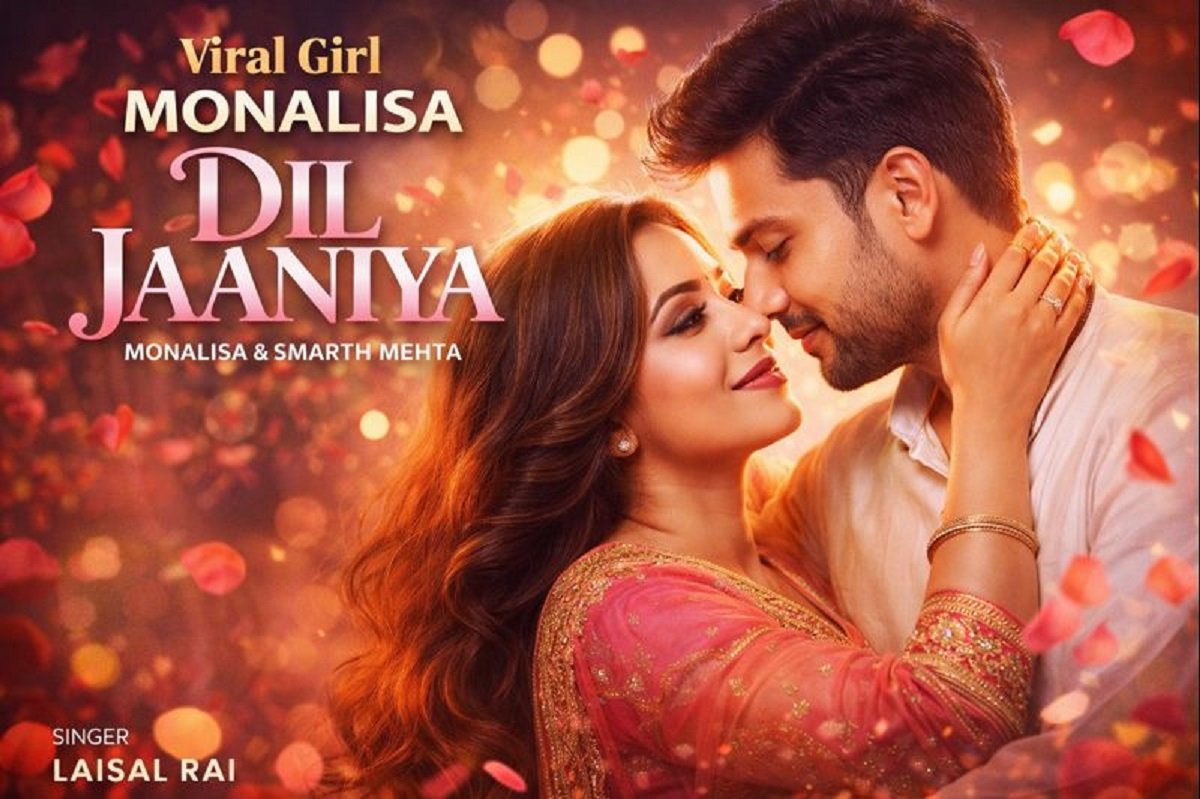
Mumbai, Jan.05,2026:Viral Girl Monalisa Song Dil Jaaniya marks a fresh chapter in the journey of a young woman whose life changed unexpectedly at the Mahakumbh 2025. From being admired for her innocent smile to now leading a romantic music video, Monalisa’s transformation reflects the power of social media in shaping modern stardom.
The teaser of Dil Jaaniya doesn’t just introduce a song—it presents a narrative filled with love, emotions, and simplicity, which resonates deeply with audiences across age groups.
Who Is Viral Girl Monalisa
Before Viral Girl Monalisa Song Dil Jaaniya, Monalisa was known nationwide as the “Mahakumbh Viral Girl.” Her expressive brown eyes, natural beauty, and calm demeanor made her stand out in a sea of viral faces.
Unlike many overnight sensations, Monalisa managed to sustain public interest by staying grounded, selective, and authentic—qualities that now reflect in her artistic choices.
How Mahakumbh 2025 Changed Monalisa’s Life
Mahakumbh 2025 proved to be a turning point. A few candid clips and photographs spread rapidly online, transforming Monalisa into a viral icon overnight.
Major media houses and entertainment portals began covering her journey, similar to how viral personalities are often spotlighted on platforms like:
This exposure laid the foundation for Viral Girl Monalisa Song Dil Jaaniya and her entry into professional entertainment.
Song Dil Jaaniya Teaser Goes Viral
The teaser of Viral Girl Monalisa Song Dil Jaaniya created instant excitement. Released across social media platforms, it quickly amassed thousands of views, shares, and comments.
What stands out is the emotional depth conveyed in just a few seconds—soft visuals, romantic undertones, and Monalisa’s expressive performance leave a lasting impression.
On-Screen Chemistry with Smarth Mehta
One of the biggest highlights of Viral Girl Monalisa Song Dil Jaaniya is her pairing with Smarth Mehta. Their chemistry feels effortless and natural, drawing viewers into the story.
Fans have praised how their interactions don’t feel forced, a quality often missing in debut performances. Smarth Mehta’s charm complements Monalisa’s innocence beautifully.
Emotional Storytelling in Song Dil Jaaniya
Viral Girl Monalisa Song Dil Jaaniya focuses heavily on emotions—love, longing, innocence, and connection. The teaser hints at a tender love story that unfolds gradually, making viewers eager for the full release.
The storytelling approach aligns with modern romantic music trends while maintaining a classic emotional core.
Fan Reactions Flood Social Media
Soon after the teaser launch, social media platforms were flooded with reactions. Fans repeatedly watched the teaser, commenting on Monalisa’s expressions and the song’s soothing vibe.
Hashtags related to Viral Girl Monalisa Song Dil Jaaniya began trending, proving her sustained popularity beyond a one-time viral moment.
Singer Laisal Rai’s Soulful Contribution
The song features vocals by singer Laisal Rai, whose soulful voice adds emotional depth to Viral Girl Monalisa Song Dil Jaaniya.
His singing blends seamlessly with the visuals, enhancing the romantic mood and making the teaser memorable. Music critics believe his voice could be a major reason behind the song’s emotional appeal.
Visual Aesthetics and Music Composition
From soft lighting to romantic frames, the visuals of Viral Girl Monalisa Song Dil Jaaniya are carefully crafted. The background score, melody, and cinematography together create a visually pleasing and emotionally engaging experience.
Such attention to detail reflects a growing professionalism in Monalisa’s projects.
Why Dil Jaaniya Feels Different
Unlike many debut songs, Viral Girl Monalisa Song Dil Jaaniya doesn’t rely solely on glamour. Instead, it highlights simplicity, raw emotions, and relatable storytelling—qualities that originally made Monalisa famous.
This consistency strengthens her personal brand.
Monalisa’s Journey into the Music Industry
Before Viral Girl Monalisa Song Dil Jaaniya, Monalisa had already appeared in another music video. Each project shows visible growth in her confidence and screen presence.
Industry insiders believe she is being groomed carefully rather than rushed into multiple projects.
Upcoming Film with Sanoj Mishra
Adding to the excitement, Monalisa is also set to appear in an upcoming film by director Sanoj Mishra. This move signals her transition from music videos to mainstream cinema.
If successful, Viral Girl Monalisa Song Dil Jaaniya could serve as a strong bridge between her viral fame and a stable acting career.
Can Dil Jaaniya Be a Career Milestone
Many fans and critics believe Viral Girl Monalisa Song Dil Jaaniya could become a milestone in her career. It showcases her ability to carry emotions, maintain screen presence, and connect with audiences.
If the full song matches the teaser’s promise, it may establish Monalisa as a serious contender in the entertainment industry.
Viral Girl Monalisa Song Dil Jaaniya proves that Monalisa is more than just a fleeting internet sensation. With the right balance of innocence, emotion, and performance, she continues to win hearts.
Contents
Mumbai, Nov.27,2025:Bigg Boss 19 Voting Trends are setting the stage for perhaps the most unpredictable finale the show has seen yet. As the final episodes draw near, buzz around vote counts, bottom-threat lists, and possible eliminations has spiked exponentially. The audience is more polarized than ever — every vote seems capable of swinging a contestant’s fate-
Recent updates from reliable media report that in this week’s voting cycle, three contestants have emerged clearly at the bottom of public preference, making them the prime targets for elimination.
With high stakes and rising tension, these Bigg Boss 19 Voting Trends have turned into a cliff-hanger for fans and contestants alike.
Which Contestants Are at Risk
As per the latest Bigg Boss 19 Voting Trends, three names are drawing maximum concern for elimination this week. According to a report, Ashnoor Kaur, Tanya Mittal, and Shehbaz Badesha are hovering at the bottom-three of the voting chart.
The article highlights that the competition has intensified, and the margin is razor-thin. With the finale approaching, even small dips in fan votes or last-minute surges could seal a contestant’s eviction.
This uncertain scenario has triggered widespread speculation among fans — many are debating whether these bottom contestants can still rally support, or if an eviction is imminent.
Top Performers and Fan Favourites
While some are fighting to survive, others seem to have gained a firm hold in the race to the trophy. According to recent popularity rankings for Week 13, Farrhana Bhatt, Gaurav Khanna, Pranit More, Amaal Malik, and Ashnoor Kaur are among the front-runners based on public support.
Particularly, Farrhana Bhatt has repeatedly topped the charts this week.
On the other hand, Gaurav Khanna’s steady fan base and consistent gameplay have also kept him in strong contention for the top position.
But as the Bigg Boss 19 Voting Trends show — past lead doesn’t guarantee safety. The volatile nature of voting and changing alliances keep the outcome uncertain till the final vote tally.
Alliances, Strategies & Drama
The internal dynamics of the house are playing a huge role in influencing Bigg Boss 19 Voting Trends. As the endgame approaches, alliances and strategies are shifting rapidly:
- Contestants are aligning to secure support, but betrayals and shifting loyalties are common — raising tension.
- Some participants are trying social-game strategies: emotional appeals, forging bonds, and avoiding confrontation to win audience empathy.
- Others rely on bold personalities, strong opinions or controversies to stay visible and stay in the limelight — hoping visibility converts into votes.
Because of this mixture of diplomacy, emotion, strategy and drama — the final weeks are especially unpredictable. Even previously “safe” contestants can find themselves in danger if their strategy backfires or fan mood swings.
Finale Stakes & Fan Power
The Bigg Boss 19 Voting Trends are more than just numbers — they reflect the shifting sentiment of viewers and highlight how much influence audience loyalty wields. A few key reasons why these trends matter
- Final chance for contestants to stay With the finale near, this week’s elimination could drastically reshape the final lineup.
- Public opinion as game-changer: Contestants’ behaviour, performances, and public perception will decide their fate — not just their in-house gameplay.
- Psychology of momentum and panic votes Trailing contestants might suffer from downward spiral if fans lose hope; at the same time, frontrunners can become complacent.
- Media influence and social media buzz Social media, fan pages, polls — all amplify voting trends, and can influence undecided voters or mobilize support at the last minute.
Hence, Bigg Boss 19 Voting Trends offer a real-time pulse of what viewers think — and who might be next out of the house.
What Contestants and Fans Should Watch
With Bigg Boss 19 on the verge of its finale, what lies ahead could shape the ultimate outcome. Some key things to watch
- Last-minute rallies or fan campaigns Bottom-three contestants might try to stir up public support outside to avoid eviction.
- Final tasks & Weekend Ka Vaar episodes Strong performances or controversial clashes could alter public sentiment and voting direction.
- Wildcard twists or surprises by makers As seen often in Bigg Boss history — unexpected saves, wildcard entries, or rule changes — could throw predictions off.
- Shifts in alliances & internal house politics How contestants behave now — in final tasks or interactions — could influence both in-house game and external perception.
For fans, this means staying updated, casting votes thoughtfully — because every vote now counts more than ever.
The Bigg Boss 19 Voting Trends reveal a house alive with tension, strategies, hope, and fear. With bottom-three contestants teetering on elimination and frontrunners pushing for votes, every update feels like a turning point.
As the finale draws near, uncertainty looms large. Will the underdogs survive a last-minute surge? Will fan favourites lose steam.
Biography
Dharmendra legacy shines through over 300 films, inspiring humility, strength, and enduring stardom-

Contents
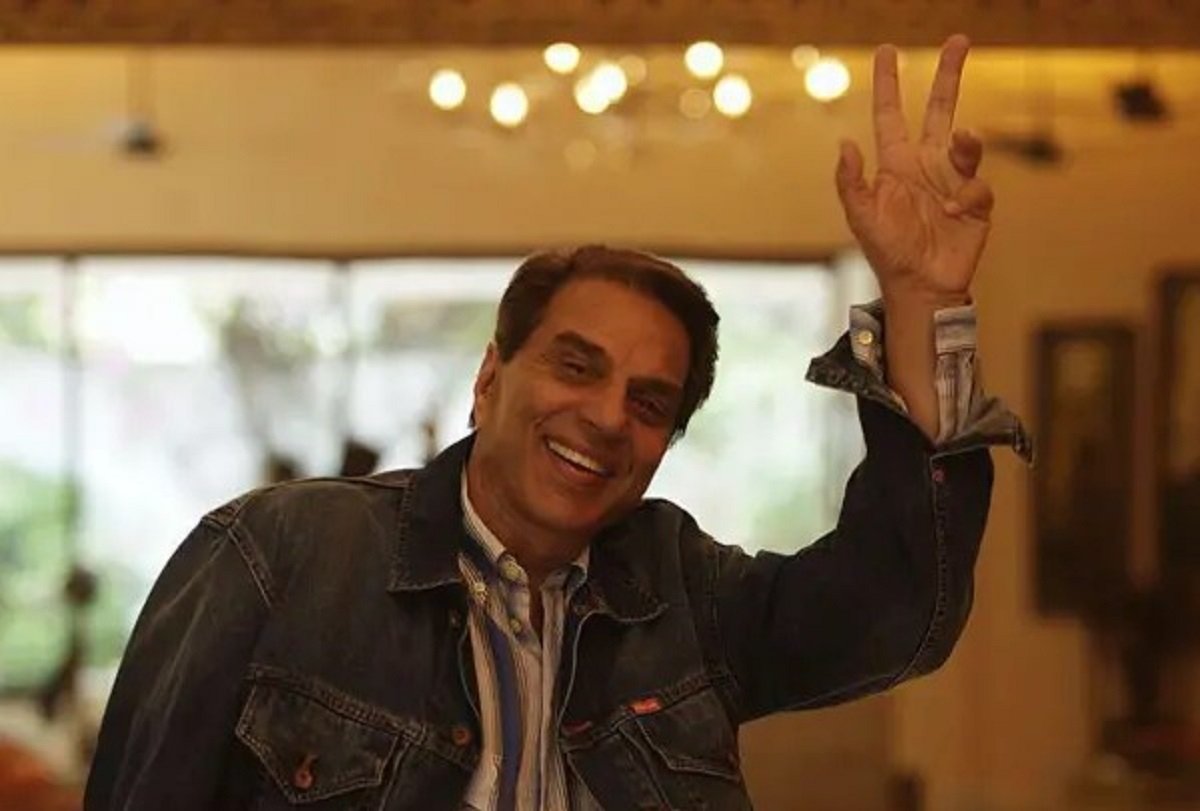
Mumbai,Nov.24,2025:Dharmendra legacy is not just about cinema — it is a profound story of strength, humility, and inspiration. From his iconic roles, blockbuster hits, and larger-than-life persona to his off-screen simplicity and love for the soil, his life offers timeless lessons for fans, young actors, and society at large.
From Punjab Soil to Silver Screen
Dharmendra was born Dharmendra Kewal Krishan Deol on 8 December 1935 in rural Punjab. Growing up in a modest household, he carried dreams bigger than his village. In his youth, he journeyed to Mumbai and won a Filmfare talent contest, paving his way into Bollywood.
His debut came in 1960 with Dil Bhi Tera Hum Bhi Tere, a modest beginning that heralded an extraordinary journey.
The Rise of the He-Man
Over the 1960s, Dharmendra built his reputation through performances marked by emotional depth and vulnerability. Filmfare’s retrospective points out how he conveyed “quiet wounded dignity” with unmatched ease. In Bandini (1963), Anupama (1966), and Phool Aur Patthar (1966), he proved that his acting was more than skin-deep.
By the early 1970s, he had evolved into a hero who could carry action, drama, and romance with equal weight. His iconic role as Veeru in Sholay (1975) further cemented his place in history.
The Craze of 1973
One of the most remarkable chapters in Dharmendra legacy unfolded in 1973, when he delivered nine back-to-back hits—a feat few actors ever achieve. While not every source lists each film exhaustively, this period marked his box office dominance. (Sources agree on his meteoric popularity.)
That same year, Dharmendra became synonymous with success, and producers flocked to cast him. His demand skyrocketed, helping him secure a record-breaking salary soon after for Sholay.
Versatility Personified
Dharmendra legacy is deeply rooted in his versatility. He played romantic leads, action heroes, and comedic characters with equal conviction. Some of his most beloved films include
- Seeta Aur Geeta – A comedic family drama where he played a dual role.
- Chupke Chupke – A light-hearted comedy showcasing his impeccable timing.
- Dharam Veer, Mera Gaon Mera Desh – Action films that defined his rugged heroism.
- Satyakam – A morally complex drama showing his serious, introspective side.
Dharmendra Legacy Beyond Acting
The Farmer & Organic Advocate
Perhaps less celebrated but equally inspiring is Dharmendra legacy in real life — he often shared videos of himself working on his farm, driven by a deep love for the land. His social media posts encouraged organic farming and respect for nature, making him a role model beyond cinema.
Producer and Mentor
Dharmendra didn’t just act — he built a legacy. Through Vijayta Films, he launched his son Sunny Deol in Betaab (1983) and Bobby Deol in Barsaat (1995). He invested in stories, in fresh talent, and in creating opportunities for the next generation.
Politician- From Screen to Parliament
In 2004, he entered politics and won a Lok Sabha seat from Bikaner, Rajasthan, representing the Bharatiya Janata Party (BJP). Though his parliamentary attendance was critiqued, this chapter added another remarkable dimension to his life.
Greatest Milestones
Dharmendra legacy is marked by a slew of honors
- Filmfare Lifetime Achievement Award in 1997.
- Padma Bhushan, India’s third-highest civilian award, in 2012.
- Recognition from FICCI, MAMI, and more — celebrating not just his box office success, but his cultural impact.
The Quiet Strength
Behind the powerful physique and screen persona, Dharmendra was remarkably humble. He often described himself as “an ordinary actor” despite his superstar status.
He loved poetry, shayari, and nature. In interviews, he reflected on how he had stitched his own suits for decades before being recognized — a testament to his hard work and grounded disposition.
Final Years and Lasting Influence
In his later years, Dharmendra did not fade away — he evolved. He appeared in films like Life in a Metro (2007), Johnny Gaddaar (2007), Yamla Pagla Deewana (2011), and Rocky Aur Rani Kii Prem Kahaani (2023).
Even beyond the cinema, his messages of kindness, farming, and humanity resonated deeply. His passing has sparked mourning in the Indian film world, but his legacy lives on.
Seven Key Lessons from Dharmendra Legacy
- Stay grounded No matter how high he rose, Dharmendra never forgot his roots.
- Be versatile He conquered romance, action, and comedy.
- Work with purpose His farm videos showed he valued more than fame.
- Invest in others He created space for the next generation through his production house.
- Lead with humility He regarded himself simply, even at the peak of his career.
- Balance life He managed to move between cinema, farming, and politics.
- Legacy is more than awards His influence continues in films, hearts, and values.
Why Dharmendra Legacy Resonates Today
Dharmendra legacy is not just a story of a superstar — it is the tale of a man who carried his heart on his sleeve, strength in his muscles, and humility in his soul. In an age where celebrity often means distance, his life reminds us that true greatness lies in being real, generous, and grounded.
As Bollywood and the world bid him farewell, his legacy will continue to inspire — in celluloid, in farm fields, in homes, and in hearts.
Bollywood
Shah Rukh Khan Diwali celebration shines with warmth and simplicity as the superstar shares a tender family moment-

Contents
Mumbai, Oct.21,2025:Shah Rukh Khan Diwali celebration has stood out this year not for its grandeur but for its heartfelt simplicity. Instead of a sprawling star-studded bash, the Bollywood superstar opted for a low-key yet emotionally rich evening with his family. With millions of fans watching every move, this Diwali celebration became a talking point—showing a side of SRK that is both grounded and sincere.
News outlets report that SRK shared a warm message to fans and posted a glimpse of the puja at home, which resonated widely-
The tone of the evening
A quiet setting
During this year’s festival, the Shah Rukh Khan Diwali celebration was notably pared down. According to media reports, SRK did not host the usual grand gathering at his iconic Mumbai residence, Mannat—not a typical occurrence.
Instead, he chose an intimate family setting for the puja and festivities.
Family-first moment
In the post he shared, the focus was on his wife, Gauri Khan, performing the Lakshmi puja, with SRK capturing the moment from behind. The image radiates warmth, tradition and familial closeness.
By steering clear of flashy parties, the tone of his Diwali celebration felt personal, heartfelt and inclusive.
Festive message of light and peace
The caption to his post read, “Happy Diwali to everyone! May Goddess Lakshmi ji bless you with prosperity and happiness. Wishing love, light and peace to all.”
With that message, the Shah Rukh Khan Diwali celebration conveyed universal wishes—bridging fans, followers and well-wishers across communities.
The social-media post that captured hearts
The image
The visual posted by SRK featured Gauri Khan offering prayers, surrounded by diyas and festive lights. The back view of the scene lent a candid, unposed feel.
Fans instantly gravitated toward the authenticity of the moment.
Fan reaction
Comments flooded in-
“If secularism has a face, that is SRK. Happy Diwali!”
“Your ghar ki Lakshmi.”
The warmth and authenticity of the post seemed to underscore why the Shah Rukh Khan Diwali celebration resonated beyond typical celebrity updates.
Timing & context
This year’s Diwali fell in a context where celebrities often showcase elaborate parties, glitzy outfits and major social events. The Shah Rukh Khan Diwali celebration, by contrast, chose minimalism over spectacle. According to multiple sources, it stood out precisely for that reason.
No grand party—why SRK skipped the usual bash
Renovations at Mannat
One of the key reasons behind the muted Diwali festivities: reports suggest that Mannat, the Khan family’s high-profile residence, is undergoing renovation work. This may have made hosting a large gathering less feasible.
Shift in priorities
Another interpretation: The Shah Rukh Khan Diwali celebration signals a shift from hosting big celebrity events toward choosing closeness and simplicity. Some media coverage highlights that SRK still attended other festive gatherings (for instance designer events) but did not host at home.
It suggests a conscious decision to prioritise family and tradition over spectacle.
The message it sends
By skipping the customary large party, this Diwali celebration of SRK might reflect a deeper message: even icons can embrace modesty, choose intimate over extravagant, and thereby connect more genuinely with their audience. In a world of amplified personal branding, this quiet choice was powerful.
Family, home and tradition
Gauri Khan’s role in the evening
The image shows Gauri Khan deeply engaged in the puja ritual — an intimate domestic moment often unseen amidst red-carpet appearances. The Shah Rukh Khan Diwali celebration elevates this domestic ritual, showing the actress-producer’s role in maintaining family tradition.
Togetherness over glitz
Though the party might have been missing, the togetherness was evident. SRK, Gauri and their children (though not all featured in the post) anchored the celebration in home-based tradition rather than outward flash. Fans reading into the moment interpreted it as a warm reaffirmation of family values. This adds texture to the narrative of the Shah Rukh Khan Diwali celebration.
Broader symbolism
In many celebrity households, festivals are synonymous with glamour and guests. Here, however, the Tahil shows that a superstar’s Diwali need not hinge on grandeur—it can instead be anchored in personal ritual, love and light. The emphasis on lamps, prayers and togetherness resonates with many fans, especially those who celebrate simply in their own homes.
What this shift might signal for the superstar
Upcoming projects
SRK is preparing for his next big film, King, directed by Siddharth Anand and featuring his daughter Suhana Khan.
The low-key Diwali celebration might hint at his energy being directed toward work and familial recalibration.
Personal brand refresh
The decision to opt for an intimate home celebration may tie into SRK’s evolving public persona: rooted, accessible, relatable. The Shah Rukh Khan Diwali celebration becomes less about celebrity spectacle and more about shared human rituals. This could signal an intentional recalibration of how he presents himself to fans and the world.
Festival culture in Bollywood
By appearing to tone down the fireworks and party scene, SRK’s Diwali celebration may also reflect broader shifts in Bollywood festival coverage—where authenticity and emotional resonance are increasingly valued over over-the-top displays.
The lasting impression of this Shah Rukh Khan Diwali celebration
The Shah Rukh Khan Diwali celebration of 2025 may not have been the loudest or the grandest, but it may well be one of his most meaningful. At its heart-
- A warm family prayer moment, captured candidly.
- A public message of peace, prosperity and light.
- A conscious decision to step back from the limelight and lean into home and hearth.
- A signal that even global icons value simplicity, togetherness and tradition.
In an age where celebrity festivals are scrutinised for extravagance, this particular celebration stands out for its restraint. It reminds us that festivals are ultimately about light, love and connection—and that even stars seek moments of quiet.
Bollywood
Govardhan Asrani mourning grips Bollywood and the nation, as the legendary actor’s passing prompts reflection on his immense contribution to cinema and comedy-
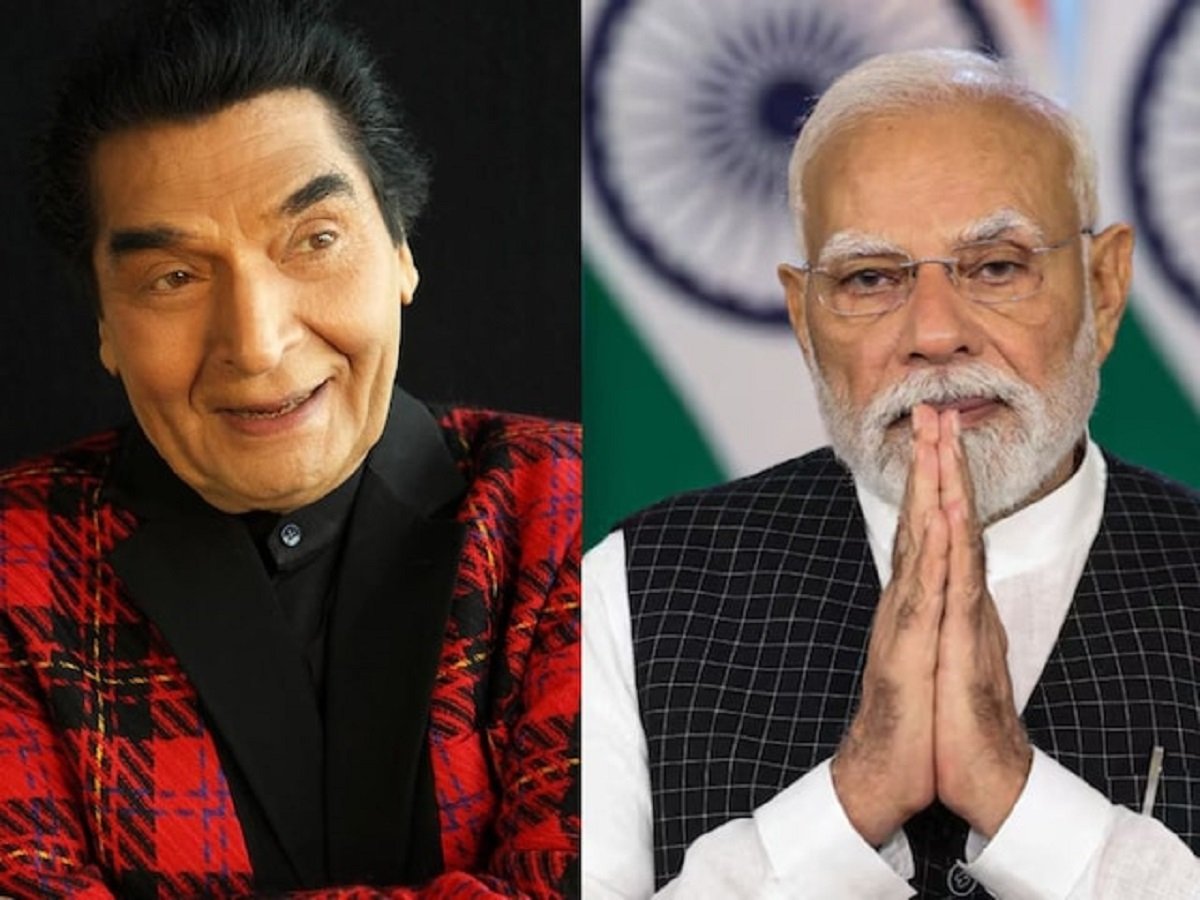
Mumbai,Oct.21,2025:Govardhan Asrani mourning is sweeping through Bollywood and the country. Veteran actor Govardhan Asrani, popularly known simply as “Asrani”, passed away on 20 October 2025 at the age of 84 after a prolonged illness-
His last rites were held at the Santacruz Crematorium in Mumbai, in accordance with his wish for a private farewell.
Govardhan Asrani’s final moments and announcement
Hospitalisation and passing
Govardhan Asrani was hospitalised in Mumbai’s Arogya Nidhi Hospital, Juhu, after suffering from breathing issues and fluid accumulation in his lungs.
He passed away around 3 pm on 20 October 2025.
Private farewell
In accordance with his wishes, his family held his last rites in a private ceremony. The actor had asked not to make his death a public spectacle.
Announcement to fans
While the funeral was carried out swiftly, the public announcement came only after the ceremonies. His social-media posts just hours before included Diwali greetings, which added a poignant note.
Govardhan Asrani’s life — from Jaipur to Bollywood
Early years
Asrani was born on 1 January 1941 in Jaipur, Rajasthan, into a Sindhi Hindu family. His father ran a carpet shop after migration to Jaipur. Asrani studied at St Xavier’s School and graduated from Rajasthan College. He also worked as a voice artist at All India Radio in Jaipur to support his ambitions.
Training and move to Mumbai
From 1960-62 he learned acting under Sahitya Kalabhai Thakkar and then joined the Film & Television Institute of India (FTII), Pune, in 1964, graduating in 1966.
He moved to Bombay (Mumbai), seeking his break in films and gradually established himself in Hindi and Gujarati cinema.
The legacy of Govardhan Asrani in Indian cinema
Prolific career
In a career spanning over five decades, Asrani appeared in more than 300 films.
He was known for comic timing, supporting roles, character parts, and even lead roles in some Gujarati films.
Iconic roles
Perhaps his most-remembered role is the quirky jailor in the blockbuster film Sholay (1975), whose dialogue “हम अंग्रेज़ों के जमाने के जेलर हैं” became immortal.
He also featured in films like Chupke Chupke, Abhimaan and others, showcasing his versatility across genres.
Contributions beyond acting
Beyond acting, Asrani directed several films, showing his creative ambition and depth in cinema.
His presence helped elevate the role of the comedian, the supporting actor, not simply as a side-note but as a memorable part of cinematic history.
Tributes and reactions from politics and Bollywood
Political tributes
Nation’s leaders and celebrities poured in their condolences:
- Narendra Modi paid tribute, noting that “his contribution to Indian cinema will always be remembered”.
- Amit Shah, Rahul Gandhi and others also expressed sorrow.
- Organisational leads such as Delhi Women’s Commission Chairperson Swati Maliwal called him the “King of Comedy”.
Industry and fan reaction
Bollywood actors including Akshay Kumar, Anupam Kher and many others shared their emotional reactions. Fans flooded social media with memories of scenes, dialogues and laughter.
The sense of loss
The outpouring of grief underscores how deeply Asrani embedded himself into the fabric of Indian popular culture — the loss is felt not just by the industry, but by millions of viewers whose childhoods, laughter and memories include him.
What made Govardhan Asrani unique — his craft, his roles
Comic timing meets character depth
Asrani’s skill was to deliver a comic line with impeccable timing, yet inhabit characters with nuance. Whether a jail-warden, a friend of the lead, or a comedic foil, he brought humanity to the role. His work in Sholay still reverberates decades later.
Range across languages and genres
He didn’t limit himself — working in Hindi and Gujarati films, playing lead, supporting and comic roles. His direction forayed into new territories. This range widened his appeal and longevity.
The journey from struggle to stature
From working as a voice-artist at AIR Jaipur to training at FTII Pune, to making it in Mumbai, his path is one of grit and determination.
Legacy dialogues and moments
Some of his dialogues became part of popular lexicon. His face, voice and expressions are embedded in the public imagination. For an actor whose roles were often supporting, that’s a remarkable feat.
A farewell worth remembering
Govardhan Asrani’s passing invites reflection on how we honour entertainers. His wish for a quiet farewell reminds us of humility. It also brings attention to how we treat veteran artists, how institutional support for ageing actors works, and how we hold onto their memory.
His last social-media post gave Diwali wishes to fans just hours before his death. That intersection of personal gesture and public farewell creates a deeply emotional moment for fans.
In an era of mega-farewells, his private cremation stands out — a sign of an artist who perhaps preferred the craft over the spotlight.
The era of Govardhan Asrani (mourning) marks the end of a chapter in Indian cinema. While the laughter-filled faces may fade, his contribution will endure. His story is not just of an actor, but of a storyteller, a comedian, a character-maker, and a legacy figure.
Biography
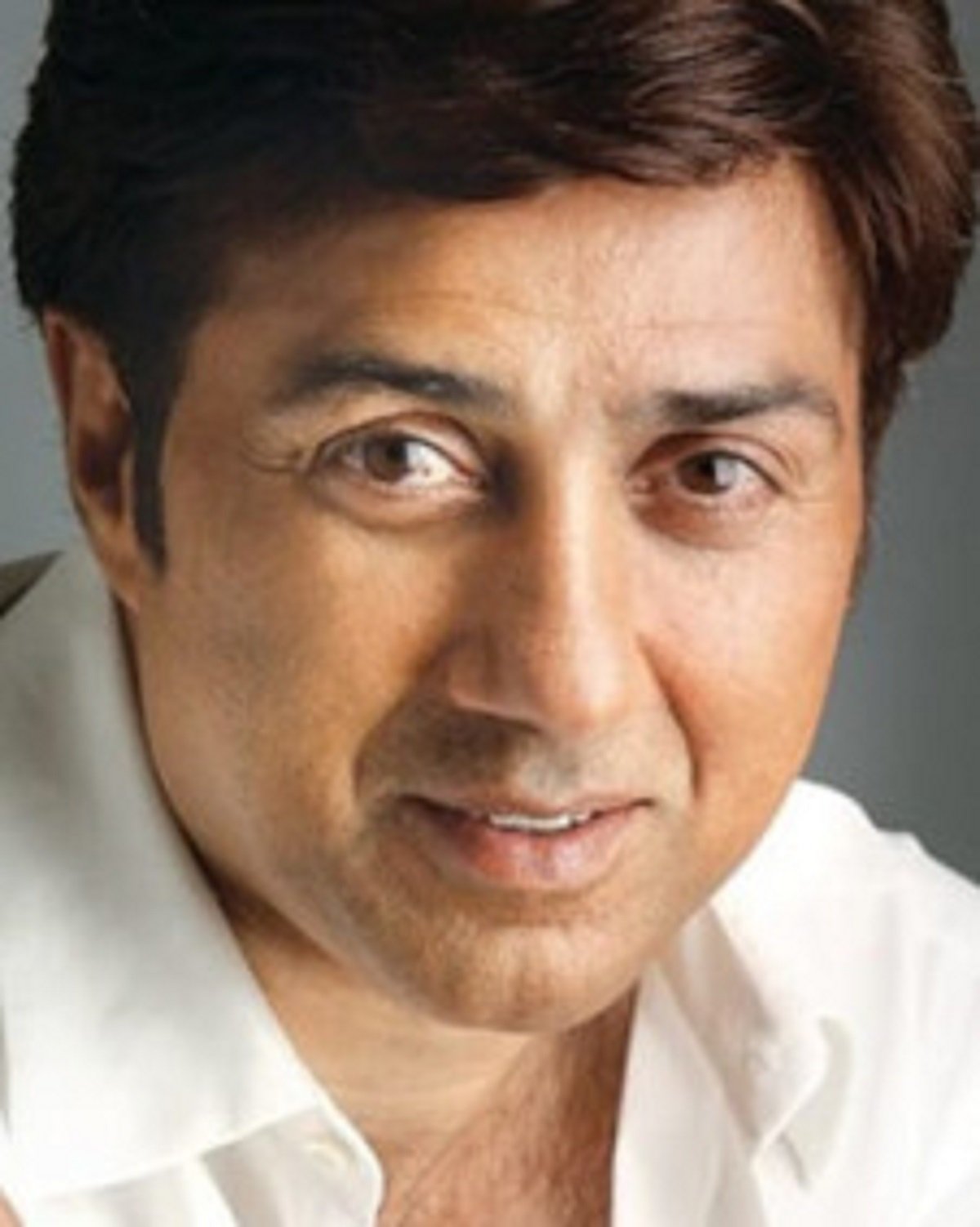
Sunny Deol Biography – powerful facts about the Bollywood action star, his early life, blockbuster career, awards, and political journey with BJP-
Contents
Mumbai, Sep.27,2025:Sunny Deol Biography is a fascinating journey of a boy from Punjab who grew up in a film family and went on to become one of Bollywood’s most iconic action stars. Known for his thunderous dialogues, powerful performances, and patriotic roles, Sunny Deol has carved a legacy both in cinema and politics-
Early Life and Education
Sunny Deol, whose real name is Ajay Singh Deol, was born on 19 October 1956 in Punjab. He is the elder son of legendary actor Dharmendra and Prakash Kaur.
He completed his schooling at Sacred Heart Boys High School in Mumbai. Later, he pursued further studies in acting and theatre in the UK, honing the skills that would later define his cinematic career.
Bollywood Debut with Betaab (1983)
The turning point in Sunny Deol Biography came in 1983, when he made his Bollywood debut opposite Amrita Singh in the film Betaab. The film was a massive success and instantly established Sunny as a leading man in the industry.
His raw energy, action sequences, and emotional depth in the movie won the hearts of millions.
Action Hero Image
During the late 1980s and early 1990s, Sunny Deol became synonymous with the “action hero” tag. His roles in films like Tridev, Vardi, Ghayal, and Darr showcased his unmatched intensity and screen presence.
The highlight of Sunny Deol Biography is his image as a patriotic, fearless, and justice-seeking hero — a persona that resonated with the masses.
Award-Winning Performances in the 1990s
Sunny Deol’s career peak came with films like:
- Ghayal (1990): Won National Film Award and Filmfare Award for Best Actor.
- Damini (1993): His iconic courtroom dialogue “Tarikh pe tarikh!” remains one of Bollywood’s most memorable moments.
- Jeet (1996): Further cemented his place as an action star.
These performances not only enriched Sunny Deol Biography but also earned him critical acclaim.
Gadar and Iconic Roles
One cannot discuss Sunny Deol Biography without mentioning Gadar: Ek Prem Katha (2001). Playing Tara Singh, a Sikh truck driver, Sunny delivered one of the most iconic roles in Indian cinema history.
The film broke multiple box-office records and made him a household name. Its dialogues and emotional intensity remain unforgettable.
He reprised the role in Gadar 2 (2023), which also became a blockbuster, proving his enduring star power.
Sunny Deol as Director and Producer
Sunny Deol ventured behind the camera with Dillagi (1999), where he acted alongside his brother Bobby Deol and father Dharmendra.
His experience as a director and producer adds another layer to Sunny Deol Biography, showcasing his versatility beyond acting.
Collaborations with Dharmendra and Bobby Deol
The Deol family has often shared the screen. Films like Apne (2007) and the Yamla Pagla Deewana series (2011, 2013, 2018) featured Sunny Deol with Dharmendra and Bobby Deol, delighting fans with their chemistry.
These collaborations form a wholesome chapter in Sunny Deol Biography, highlighting the family’s enduring bond.
From Bollywood to BJP
In 2019, Sunny Deol entered politics by joining the Bharatiya Janata Party (BJP). Contesting from Gurdaspur, Punjab, he won a Lok Sabha seat with a huge margin.
His popularity as an actor translated into political success, and his focus on national issues aligned with his on-screen image of a patriotic hero.
This transition adds a powerful political dimension to Sunny Deol Biography.
Awards and Achievements
Over the years, Sunny Deol has been recognized with multiple awards:
- 2 National Film Awards (for Ghayal and Damini)
- 2 Filmfare Awards
- Numerous box-office records, including Gadar: Ek Prem Katha and Gadar 2
These accolades solidify his place among Bollywood legends.
Lesser-Known Facts About Sunny Deol
- Sunny Deol is known for his shy and reserved nature in real life, despite his fiery on-screen persona.
- He trained in acting at Old World Theatre, Birmingham in the UK.
- Fitness and discipline have always been part of his lifestyle, inspiring younger actors.
Such insights make Sunny Deol Biography more relatable and human.
Legacy and Impact
Sunny Deol is not just an actor but a cultural icon. His dialogues, action sequences, and larger-than-life roles have shaped Bollywood’s definition of an action hero.
Through his political career, he has also shown commitment to serving the nation beyond cinema.
His journey proves that Sunny Deol Biography is not just about films — it’s about resilience, patriotism, and legacy.
The Sunny Deol Biography is an inspiring tale of a man who balanced cinematic stardom with public service. From Betaab to Gadar 2, from action-packed performances to national politics, Sunny Deol’s journey reflects passion, dedication, and strength.
Sunny Deol Best Dialogues
हिंदुस्तान ज़िंदाबाद था, ज़िंदाबाद है और ज़िंदाबाद रहेगा।
India was great, is great, and will always remain great.
अगर यह शादी एक हिंदुस्तानी से नहीं हो सकती, तो किसी से नहीं होगी।
If this marriage cannot happen with an Indian, then it will happen with no one.
हमने पाकिस्तान को जंग के मैदान में हराया है, अब हम उसे मोहब्बत के मैदान में हराएँगे।
We defeated Pakistan on the battlefield, now we will defeat them on the battlefield of love.
ये धरती मेरी माँ है, और मैं इसका बेटा… इसकी हिफाज़त करना मेरा फर्ज़ है।
This land is my mother, and I am her son… it is my duty to protect her.
हम तो मर मिटेंगे, लेकिन अपने वतन पर आँच नहीं आने देंगे।
We may die, but we will never let any harm come to our nation.
जब तक लहू की एक-एक बूँद में जान है, तब तक हिंदुस्तान पर कोई आंच नहीं आएगी।
As long as there is life in every drop of my blood, no harm will ever come to India.
तारीख पे तारीख, तारीख पे तारीख, तारीख पे तारीख मिलती रही है… मगर इंसाफ़ नहीं मिला, मिलार्ड!
Date after date, date after date, date after date was given… but justice was never delivered, My Lord!
जिसने भी मेरे भाई को छुआ… उसे मैं ज़िंदा नहीं छोड़ूँगा।
Whoever dared to touch my brother… I will not let him live.
Biography
Akshay Kumar Biography – From a chef in Bangkok to Bollywood’s Khiladi, inspiring life story, movies, awards, controversies-

Contents
Mumbai, Sep.24,2025:Born as Rajiv Hari Om Bhatia on 9 September 1967 in Amritsar, Punjab, Akshay Kumar grew up in a modest Punjabi household. His father was an army officer, and his mother Aruna Bhatia was later associated with film production-
He spent his early childhood in Chandni Chowk, Delhi, before the family moved to Mumbai. Kumar studied at Don Bosco School and later joined Guru Nanak Khalsa College. While academics never excited him much, sports and martial arts became his passion.
He earned a Black Belt in Taekwondo and later moved to Bangkok, Thailand, to train in martial arts. To support himself, he worked as a chef and waiter in a restaurant, before returning to India.
Akshay Kumar’s Entry into Bollywood
After returning from Bangkok, Akshay began teaching martial arts in Mumbai. A student recommended him for modeling, and soon he was doing ad shoots and ramp shows. This unexpected turn gave him confidence to audition for films.
- Debut Film: Saugandh (1991)
- Breakthrough: Khiladi (1992), which established him as an action hero.
The massive success of Khiladi gave birth to the “Khiladi series” (Main Khiladi Tu Anari, Sabse Bada Khiladi, Khiladiyon Ka Khiladi), cementing his brand as Bollywood’s action king.
Rise of the Khiladi- Action Star Years (1991–2000)
The 90s belonged to Akshay Kumar as one of the top action stars. Films like Mohra (1994), Khiladiyon Ka Khiladi (1996), and Sangharsh (1999) showcased his versatility in action-packed roles.
But the biggest game-changer came with Hera Pheri (2000). For the first time, audiences saw Akshay’s impeccable comic timing. His role as Raju in Hera Pheri made him a household favorite.
Comedy Success- Hera Pheri to Welcome
Post-2000, Akshay proved he was not just an action star. His films Garam Masala (2005), Bhool Bhulaiyaa (2007), Welcome (2007), and Singh is Kinng (2008) made him the Comedy King of Bollywood.
His unique ability to balance comedy with action gave him an unmatched edge over contemporaries.
Akshay Kumar in Patriotic and Social Films 2010 Onwards
From 2010, Akshay shifted towards films that highlighted patriotism and social issues. Some of his notable works include:
- Rustom (2016) – Won the National Film Award for Best Actor.
- Toilet: Ek Prem Katha (2017) – Supporting the Swachh Bharat Mission.
- Padman (2018) – Raising awareness about menstrual hygiene.
- Kesari (2019) – Based on the historic Battle of Saragarhi.
- Mission Mangal (2019) – Celebrating India’s space achievements.
These films made him not just a superstar but also a social influencer through cinema.
The Rowdy Rathore Phenomenon
In 2012, Akshay returned to hard-core action with Rowdy Rathore, directed by Prabhu Deva. The film grossed over ₹200 crore worldwide.
gave fans iconic dialogues-
“Main jo bolta hoon woh karta hoon… jo main nahi bolta, woh main definitely karta hoon.”
“Mujhpe ek ehsaan karna… ki mujhpe koi ehsaan mat karna.”
“Don’t Angry Me!”
Rowdy Rathore redefined Akshay as the ultimate mass entertainer of Indian cinema.
Awards and Achievements
- National Film Award: Best Actor for Rustom (2016)
- Filmfare Awards: Multiple wins and nominations, including Best Villain (Ajnabee, 2001)
- Padma Shri: Awarded by Government of India in 2009
- Multiple box-office records with over 100 films
Akshay Kumar’s Personal Life and Love Affairs
Akshay Kumar’s personal life has often been in the limelight. His charm and stardom linked him with several actresses:
- Early associations with Pooja Batra and Rekha.
- A serious relationship with Raveena Tandon, even leading to an engagement, but later called off.
- His name was also linked with Shilpa Shetty, but that too ended.
Finally, in 2001, Akshay married Twinkle Khanna, daughter of superstar Rajesh Khanna and actress Dimple Kapadia. They have two children, Aarav and Nitara.
Family Life with Twinkle Khanna
Despite controversies, Akshay and Twinkle built a strong relationship. Twinkle later became an author and interior designer, while Akshay focused on films. Together, they are considered one of Bollywood’s most stable couples.
Fitness and Lifestyle Secrets
Akshay Kumar is known for his disciplined lifestyle. He avoids late-night parties, does not smoke, and follows a strict fitness regime. Waking up early and practicing martial arts, yoga, and meditation keep him among the fittest stars in Bollywood even at 57.
Philanthropy and Social Work
- Donated millions to PM CARES Fund during COVID-19.
- Supports Bharat Ke Veer, helping families of martyrs.
- Actively involved in women’s safety campaigns and health initiatives.
Business Ventures Beyond Films
Apart from acting, Akshay Kumar is also a smart entrepreneur. He owns production houses, invests in fitness startups, and endorses leading brands. His financial success has made him one of the highest tax-paying celebrities in India.
Controversies and Media Attention
Like most stars, Akshay has faced controversies — from citizenship debates (holding Canadian passport) to political campaigns. Yet, he remains largely respected for his clean image and professional discipline.
Net Worth and Box Office Power
According to Forbes, Akshay Kumar is consistently among the highest-paid actors globally. His net worth is estimated to be around $350 million (₹2800+ crore). With consistent box-office hits, he remains Bollywood’s most bankable star.
Why Akshay Kumar Biography Inspires Millions
The Akshay Kumar Biography is not just about films but about determination, discipline, and resilience. From working as a chef in Bangkok to becoming a Padma Shri awardee, his journey shows how dreams backed by hard work can create history.

Contents
Tamilnadu, Sep.22,2025:Allu Arjun Biography is not just the story of a film actor, but of an ordinary boy who grew up to become one of the most loved superstars of Indian cinema. Known as the “Stylish Star” of Telugu films, Allu Arjun has a massive fan following that spans across India and beyond. His unique style, charismatic screen presence, and electrifying dance moves make him stand out from the crowd-
Early Life and Family Background
Born on April 8, 1982, in Chennai, Allu Arjun hails from a prestigious film family.
- His father, Allu Aravind, is a renowned film producer.
- His grandfather, Allu Ramalingaiah, was a celebrated comic actor.
- He is also related to Telugu megastar Chiranjeevi as his nephew, and actor Ram Charan is his cousin.
This background meant Allu Arjun grew up surrounded by cinema, stories, and creative discussions, shaping his destiny as an actor.
Education and First Steps in Creativity
Allu Arjun completed his schooling at St. Patrick’s School, Chennai, and pursued a BBA degree at MSR College, Hyderabad.
Beyond academics, he had a strong creative side.
- He loved drawing and was passionate about dance.
- Before acting, he worked briefly in visual effects.
- He later trained at Kishore Namit Kapoor’s acting institute in Mumbai.
These early interests polished his artistic abilities, laying the foundation for his future career.
Debut in Films
Allu Arjun made his acting debut in 2003 with Gangotri, directed by K. Raghavendra Rao. Though it performed decently, it was his second film that changed everything.
Stardom with Arya (2004)
The turning point in Allu Arjun Biography came in 2004 with Arya, directed by Sukumar.
- The film showcased him as a rebellious yet romantic youth.
- Audiences loved his natural acting and energy.
- The success of Arya earned him the title “Stylish Star.”
It marked the beginning of his stardom, making him one of the most bankable heroes of Telugu cinema.
Career Highs and Box Office Success
Post Arya, Allu Arjun delivered a string of hits that cemented his superstar status:
- Bunny (2005) – Gained immense popularity among youth.
- Desamuduru (2007) – Showcased him as a strong action hero.
- Race Gurram (2014) – Became one of the biggest blockbusters of that year.
- Sarrainodu (2016) – Dominated box office collections with power-packed action.
- Ala Vaikunthapurramuloo (2020) – The film’s songs, especially Butta Bomma, went viral internationally.
Each of these films showcased different shades of his talent, from romance to comedy to intense action.
Allu Arjun Biography and Pan-India Recognition with Pushpa
The biggest chapter in Allu Arjun Biography came in 2021 with Pushpa: The Rise. Directed by Sukumar, this film was a game-changer:
- His rugged look and powerful dialogue “Pushpa… Jhukega Nahi Saala” became a national sensation.
- The movie broke language barriers and became a massive hit in the Hindi belt.
- Songs like Srivalli and Oo Antava trended globally.
Pushpa made Allu Arjun a Pan-India star, and anticipation for Pushpa 2: The Rule is sky-high.
Awards and Achievements
Allu Arjun’s career is decorated with prestigious awards:
- Multiple Filmfare Awards South for Best Actor.
- Several Nandi Awards for his contribution to Telugu cinema.
- In 2023, he received the National Film Award for Best Actor for his role in Pushpa.
This recognition further solidified his place among India’s greatest stars.
Personal Life and Family
Away from the camera, Allu Arjun leads a grounded personal life.
- He married Sneha Reddy on March 6, 2011.
- The couple has two children: Allu Ayaan (son) and Allu Arha (daughter).
- His daughter Allu Arha made her acting debut as a child artist in Shaakuntalam (2023).
His family life is often admired by fans, as he balances stardom with being a loving husband and father.
Style, Dance, and Personality
Allu Arjun is celebrated for his unique fashion sense and extraordinary dance moves. His fans lovingly call him “Bunny.”
- On-screen: Stylish, charismatic, and full of energy.
- Off-screen: Humble, family-oriented, and soft-spoken.
His dance numbers are often viral, and he is widely regarded as one of the best dancers in Indian cinema.
Upcoming Films and Future Expectations
Fans eagerly await his upcoming projects, particularly Pushpa 2: The Rule, which is expected to surpass the success of its predecessor. Industry experts believe Allu Arjun will continue to dominate Indian cinema in the coming decade.
Allu Arjun Biography is proof that passion and perseverance can transform a regular boy into a superstar. From his humble beginnings in Chennai to ruling the box office with Pushpa, his journey is truly inspiring.
In one line, his life story can be summed up with his iconic dialogue:
“Pushpa… Jhukega Nahi Saala!”
Biography
Rajnikanth Biography unveils the inspiring journey from bus conductor to cinema legend and spiritual life-

Contents
India,Sep.20,2025:Rajinikanth Biography is not just a story of a cinema icon but a saga of grit, determination, failures, comebacks, love affairs, and spiritual enlightenment. Known as the “Thalaivar” (Leader) of Tamil cinema, Rajinikanth has ruled the hearts of millions for decades. His fans don’t just watch his films—they worship him. From pouring milk on his posters to celebrating his movie releases like festivals, Rajinikanth commands a cult following that very few actors in the world can match-
Early Life and Struggles
Rajinikanth was born as Shivaji Rao Gaekwad on December 12, 1950, in Bangalore, Karnataka. Coming from a modest Marathi family, Rajinikanth faced financial struggles early in life.
After the death of his mother, his family’s hardships worsened. To support himself, he worked as a coolie, carpenter, and eventually as a bus conductor with Bangalore Transport Service.
Even as a conductor, Rajinikanth’s unique style of issuing tickets and entertaining passengers made him popular. Many remarked that he was destined to be a “film hero.”
Journey into Acting and Stardom
Rajinikanth’s entry into cinema was nothing short of destiny. After enrolling in the Madras Film Institute, legendary filmmaker K. Balachander spotted his raw talent and gave him his first break in “Apoorva Raagangal” (1975).
Initially cast in negative and supporting roles, his distinct style, charisma, and screen presence quickly set him apart. By the 1980s, Rajinikanth had transformed into a “Superstar”, dominating Tamil cinema.
His larger-than-life persona made him an icon across India and beyond. Fans celebrated his movie releases with firecrackers, milk abhishek (ritual bathing of posters), and temple rituals.
Love Affairs and Personal Life
No Rajinikanth Biography is complete without exploring his personal life, filled with rumors, love stories, and his eventual marriage.
College Love Story
Before stepping into films, Rajinikanth is said to have had an innocent love affair with a college girl. However, due to family struggles and his focus on career, this relationship did not progress.
Film Industry Affairs
During his early career, Rajinikanth’s name was linked with several actresses. Gossip columns often paired him with Tamil heroines and even hinted at a Hindi actress connection. Rajinikanth, however, remained tight-lipped, never confirming any rumors.
Marriage with Latha Rangarajan
On February 26, 1981, Rajinikanth married Latha Rangarajan. Interestingly, Latha first met him while interviewing him for her college magazine. Their meeting blossomed into love, leading to marriage.
The couple has two daughters – Aishwarya (married to actor Dhanush) and Soundarya (a filmmaker).
Rumors and Controversies
Even after marriage, tabloids occasionally reported alleged affairs. In the 1990s, speculation about his closeness with co-actresses made headlines. Yet, Rajinikanth’s devotion to his family and his spiritual practices reinforced his image as a disciplined man.
Spiritual Side of Rajinikanth
One of the most fascinating aspects of Rajinikanth Biography is his spiritual journey. Despite being the biggest superstar, he often retreats into solitude in the Himalayas.
Rajinikanth is deeply inspired by Swami Vivekananda and practices yoga and meditation daily. His spiritual discipline has helped him remain grounded, unaffected by controversies, fame, or failures.
Career Highs and Acting Style
Rajinikanth has acted in 190+ films across Tamil, Telugu, Kannada, Hindi, and Bengali cinema.
His signature moves – flipping sunglasses, twirling cigarettes, delivering punch dialogues with unmatched charisma – made him a style icon.
Movies like “Billa” (1980), “Baashha” (1995), “Sivaji” (2007), “Enthiran” (2010), and “Jailer” (2023) elevated his stardom globally.
Awards and Achievements
Rajinikanth’s contribution to cinema has been recognized with several honors:
- Padma Bhushan (2000)
- Padma Vibhushan (2016)
- Dadasaheb Phalke Award (2021)
Internationally, his movies have been screened in Japan, USA, and Europe, where he enjoys an unparalleled fan base.
Interesting Facts About Rajinikanth
- His bus conductor ticket style still remains legendary.
- After one of his early films flopped, he almost quit cinema—but fans begged him to continue.
- He considered entering politics but later withdrew for spiritual reasons.
- His film releases cause holiday-like celebrations across South India.
Famous Dialogues That Define Him
Rajinikanth’s dialogues are as iconic as his persona-
- “Naan oru thadava sonna, nooru thadava sonna maadiri!” (If I say it once, it’s as good as saying it 100 times).
- “I will decide when to come, where to come, and how to come… but I will be there!”
- “Naan autokaaran!” (I am just an auto driver) – from Baashha, which made him “God of the Masses.”
- “Lakka Lakka Lakka… Rajinikanth has arrived!” – a line that still electrifies his fans.
Rajinikanth Remains “God of Cinema”
The Rajinikanth Biography is more than just a success story. It’s a tale of a man who rose from poverty to superstardom, stayed humble despite fame, valued family, embraced spirituality, and became a cultural phenomenon.
Contents
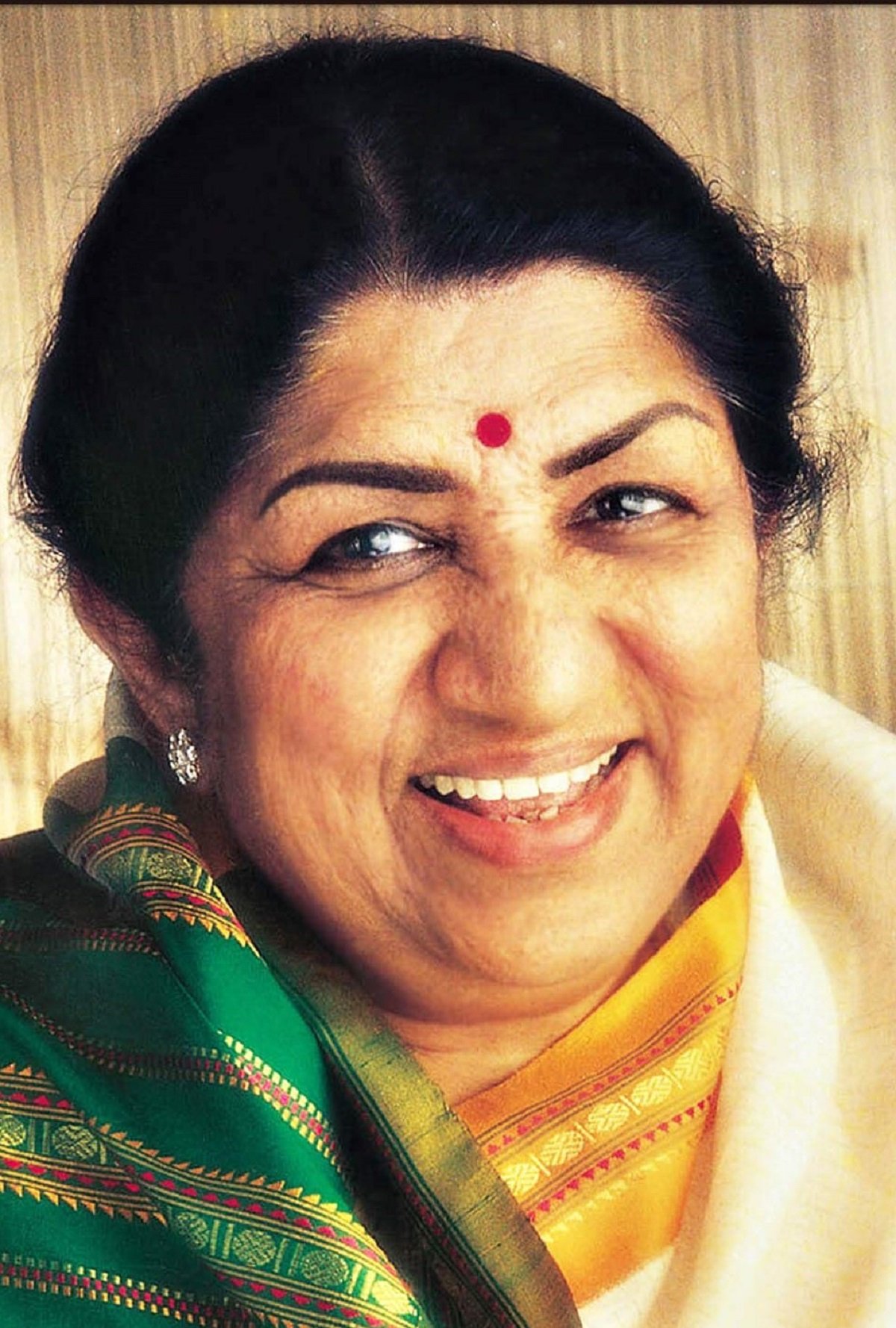
Mumbai,Sep.18,2025:Lata Mangeshkar biography is not just the story of a singer but the saga of a soul whose voice became India’s heartbeat. Born on 28 September 1929 and departing on 6 February 2022, she lived 92 years yet created a legacy that will remain eternal. Her songs were not merely tunes; they were emotions woven into melody-
From patriotic songs like “Ae Mere Watan Ke Logon” that moved Prime Minister Nehru to tears, to romantic ballads like “Lag Ja Gale” that still stir hearts, her voice was an inseparable part of India’s cultural identity.
Early Life and Childhood Struggles
Born in Indore, Madhya Pradesh, to renowned musician Pandit Deenanath Mangeshkar and Shevanti, Lata was originally named Hema. Later, her name was changed to Lata after a character in one of her father’s plays.
She was the eldest of five siblings – Meena, Asha (Asha Bhosle), Usha, and Hridaynath – all of whom later contributed to Indian music.
But destiny tested her early. At just 13 years old, she lost her father, and the responsibility of supporting her family fell on her tender shoulders. This pain and burden carved an emotional depth into her voice that made her songs timeless.
The Tragedy That Shaped Her Voice
When her father passed away, the family faced immense financial and emotional hardships. Lata took up acting in her father’s musical plays and gradually moved into playback singing.
At the time, critics dismissed her saying, “Her voice is too thin, it lacks power.” But Lata’s dedication and riyaz (practice) transformed that very “thin” voice into the most powerful musical instrument India has ever known.
Her struggle proves what she often said-
“It is not the thickness of the voice, but the depth of the soul that matters.”
First Breakthrough in Indian Cinema
Lata’s first major playback break came in the 1940s, when she began singing for Marathi and Hindi films. Initially, she faced rejection, but her perseverance paid off.
By the late 1940s, she began to collaborate with legendary composers like Shankar-Jaikishan, Naushad, and C. Ramchandra, who recognized the magic in her voice.
“Aayega Aanewala” – The Song That Changed Everything
In 1949, the film Mahal released a haunting track – “Aayega Aanewala”. Lata’s rendition left listeners mesmerized. Radio stations were flooded with calls asking:
“Whose voice is this divine melody?”
That day, India discovered its “Nightingale.” Lata Mangeshkar was no longer just a singer – she was the voice of the nation.
The Golden Era of Bollywood Music
The 1950s to 1970s became the golden era of Bollywood music, dominated by Lata’s voice.
She sang for every major actress – Nargis, Meena Kumari, Madhubala, Hema Malini, Sridevi, and Madhuri Dixit. Her versatility was unmatched:
- Romantic gems like “Lag Ja Gale”
- Devotional hymns like “Allah Tero Naam”
- Patriotic anthems like “Ae Mere Watan Ke Logon”
Her collaboration with her sister Asha Bhosle also redefined the Indian music industry. Together, they created magic that remains unparalleled.
Lata Mangeshkar Biography- Awards, Honors, and Achievements
Lata Mangeshkar received countless honors, yet her humility remained her greatest award.
- Bharat Ratna (2001) – India’s highest civilian honor
- Padma Vibhushan (1999)
- Dadasaheb Phalke Award (1989)
- France’s Legion of Honour (2007)
- Guinness World Record for most recorded songs in multiple languages
She sang in over 36 languages, recording more than 30,000 songs – a feat few in the world can match.
The Human Side of a Legend
Despite her fame, Lata Mangeshkar remained grounded. She lived a simple life, deeply spiritual, and always credited God for her success.
She once said:
“Whatever I have achieved is because of divine blessings. I am only a servant of the notes (sur).”
She never married, dedicating her entire life to her family and music. Her humility and simplicity made her even greater in the eyes of the people.
Lata Mangeshkar and Her Connection with India
Every Indian family has a memory tied to her songs. Weddings, festivals, farewells, and even moments of grief – her voice was present everywhere.
Her patriotic song “Ae Mere Watan Ke Logon” in 1963 is considered one of the greatest ever. When she sang it in front of Jawaharlal Nehru, the Prime Minister broke down in tears.
This deep emotional connection made Lata more than a singer – she became the voice of India’s soul.
Final Journey and Immortal Legacy
On 6 February 2022, the world lost its melody when Lata Mangeshkar passed away due to complications from COVID-19 at Mumbai’s Breach Candy Hospital.
Her funeral was attended by thousands, with full state honors. The nation mourned as if a part of its heart had stopped beating.
Yet, her legacy is immortal. Every time “Lag Ja Gale” plays, lovers reunite. Every time “Ae Mere Watan Ke Logon” echoes, patriotism awakens.
Why Lata Mangeshkar Biography Inspires Generations
Lata Mangeshkar biography is a story of resilience, divinity, and dedication. From a 13-year-old girl burdened with family responsibility to becoming the eternal Nightingale of India, her life inspires every generation.
She proved that true greatness lies not in fame, but in touching hearts. Even today, when her songs play, time stands still, and souls listen in silence.
Her voice is no longer just music; it is India’s eternal heartbeat.

Yuvaam 2026: A Grand Celebration of Excellence, Culture, and Inspiration in Jaipur

International Women’s Day 2026: 7 Powerful Highlights from the Inspiring Jaipur Celebration by Dr. Ambedkar Memorial Welfare Society

UGC Act 2026: 5 Powerful Demands Raised in Rajasthan to End Campus Discrimination

UKG Graduation Ceremony at St. Xavier’s School Nevta: 7 Heartwarming & Inspiring Moments from a Grand Spiritual Celebration

Indian Art History Congress 2026: 5 Powerful Insights from Dr. Renu Shahi’s Groundbreaking Satire Art Research in Bengaluru

ICU Patient Attack Case exposes disturbing police retaliation as the High Court cancels an FIR against a critically injured victim-

Priyansh Arya: The Six-Hitting Sensation of IPL 2025

Preity Zinta Spotted with New Punjab Kings Hero Priyansh Arya in Viral Clip

Nag Panchami 2025: 7 Key Rituals and Puja Time to Eliminate Kaal Sarpa Dosha

Radhika Merchant: A New Chapter as Radhika Ambani

Balen Shah, Kathmandu’s independent mayor, from rapper to political leader. Explore his rise amidst Nepal’s youth-led revolution-

Kanya Pujan 2025 Step-by-Step Rituals, Timings, and Powerful Benefits Explained-

best career opportunities | Jaipur Career Fair | Credent TV | Dainik Navjyoti D2S03

what is reiki healing | Mental Health | Shiksha Sarokar, शिक्षा सरोकार, Sunil Narnaulia

DAV Centenary Public School, Vaishali Nagar, Jaipur hosts Successful ‘Mind Wars Quiz: A Battle of Wits and Knowledge’

 Breaking News4 weeks ago
UGC Act 2026: 5 Powerful Demands Raised in Rajasthan to End Campus Discrimination
- Breaking News3 weeks ago
International Women’s Day 2026: 7 Powerful Highlights from the Inspiring Jaipur Celebration by Dr. Ambedkar Memorial Welfare Society
- Credent TV1 month ago
UKG Graduation Ceremony at St. Xavier’s School Nevta: 7 Heartwarming & Inspiring Moments from a Grand Spiritual Celebration
- Art1 month ago
Indian Art History Congress 2026: 5 Powerful Insights from Dr. Renu Shahi’s Groundbreaking Satire Art Research in Bengaluru
- Art2 days ago
Yuvaam 2026: A Grand Celebration of Excellence, Culture, and Inspiration in Jaipur


