Connect with us

Cricket

The Last IPL Hurrah: A Tribute to Dhoni, Rohit, and Virat

Published

on

ipl

The IPL Phenomenon

The Indian Premier League (IPL) stands as a monumental achievement in the world of cricket, revolutionizing the way the sport is perceived and played in India and around the globe. Launched in 2008, the IPL has rapidly evolved into a celebrated annual event, attracting fans, celebrities, and sports enthusiasts alike. This franchise-based tournament has not only provided a platform for emerging talent but has also showcased cricketing legends, significantly elevating the status of this beloved game. The blend of cricket, entertainment, and glamour has made the IPL a unique phenomenon that transcends traditional boundaries.

Over the years, the IPL has produced an array of cricketing stars, captivating the attention of millions. Names like MS Dhoni, Rohit Sharma, and Virat Kohli have not only become integral to the league but have also shaped its narrative. Each tournament season, these players, with their exceptional skills and charismatic presence, have consistently drawn massive crowds to stadiums and garnered high television viewership. Their performances have led to memorable moments, from last-ball victories to record-breaking innings, solidifying the IPL’s reputation as a premier cricketing spectacle.

Advertisement

As we approach the end of an era, discussions around the retirement of these stalwarts are gaining momentum. MS Dhoni, known for his calm demeanor and tactical acumen, has been a significant figure in the IPL, leading his team to multiple championships. Similarly, Rohit Sharma, with his remarkable batting prowess, has etched his name in the record books. Virat Kohli, the epitome of aggressive cricket and fitness, has not only amassed runs but also redefined the batting approach in the T20 format. Their contributions have not only shaped the IPL but also left an indelible mark on cricket in India, making this moment a poignant tribute to their extraordinary careers.

MS Dhoni: The Captain Cool’s Legacy

MS Dhoni stands as a towering figure in the world of cricket, particularly in the Indian Premier League (IPL), where he has distinguished himself not just as a player, but as a monumental leader. His tactical brilliance and calm demeanor have earned him the affectionate title of ‘Captain Cool’ among fans and teammates alike. Under his captaincy, the Chennai Super Kings (CSK) have become one of the most successful franchises in IPL history, clinching the championship title multiple times. This success can be attributed to Dhoni’s astute decision-making skills and his ability to handle high-pressure situations, which often set the stage for thrilling matches.

MS Dhoni Prabhav 23 RiGI 2023

Dhoni’s legacy is also marked by his remarkable resilience on the field. His contributions extend beyond statistics; they embody the spirit of the game. One of the most memorable moments in IPL history came during the 2018 season when CSK, under Dhoni’s captaincy, made a stunning comeback after a two-year suspension. The emotion surrounding that victory was palpable, as millions of fans rejoiced in the return of a team they loved and revered. Dhoni’s return was not just a redemption story for CSK, but also a heartfelt tribute to his tenacity and leadership.

Personal anecdotes from fans tell a different side of Dhoni’s legacy. Many recall instances where he was approachable, often taking time to engage with supporters after matches. His humility has garnered him admiration not only among his teammates and opponents but also throughout the cricketing community. Moreover, the bond he shared with his players, always displaying a mix of respect and mentorship, has left a lasting mark on those who have had the privilege to play alongside him. As he bids farewell to the IPL, the emotions surrounding his departure highlight the profound impact he has had on both CSK and the league at large.

Advertisement

Rohit Sharma: The Hitman’s IPL Journey

Rohit Sharma, affectionately known as the “Hitman,” has etched his name into the annals of Indian Premier League (IPL) history through a remarkable journey marked by exceptional talent and leadership. Since his debut in the inaugural season in 2008, Rohit has evolved from a promising young batsman into one of the league’s most formidable figures. His transition to captain of the Mumbai Indians (MI) in 2013 transformed not only his career but also the fortunes of the franchise, steering them to an unprecedented five IPL titles.

rohit
PM meets the Players of T 20 World Cup winning team at 7, Lok Kalyan Marg, in New Delhi on July 04, 2024.

Rohit’s batting prowess in the IPL is nothing short of phenomenal. His ability to score briskly while anchoring innings has made him a cornerstone of MI’s batting lineup. As of the end of the 2023 season, he ranks among the top run-scorers in IPL history, showcasing an impressive ability to maintain consistency. With multiple seasons featuring centuries and match-winning performances, Rohit has solidified his reputation as one of the game’s leading batsmen. The explosive batting displays coupled with his strategic acumen have made him a vital player in high-pressure matches.

As a leader, Rohit Sharma has been pivotal in creating a winning culture within the Mumbai Indians. His calm demeanor, strategic insights, and ability to nurture young talents have fostered a strong team spirit. Under his captaincy, MI has not only clinched trophies but has also produced many young stars who have gone on to represent the national team. As fans reflect on Rohit’s impending exit from the IPL, there exists a palpable sentiment of gratitude and admiration. His contributions to the league are immense, and he leaves behind a legacy that is likely to inspire future generations of cricketers.

Virat Kohli: The Run Machine’s Farewell

Virat Kohli’s journey in the Indian Premier League (IPL) has been nothing short of remarkable. Since his debut in 2008 for the Royal Challengers Bangalore (RCB), he has evolved into one of the most celebrated figures in cricket, earning the nickname “The Run Machine.” His prolific scoring ability and unmatched consistency stand as a testament to his talent and determination. Over the years, Kohli has amassed numerous records, including the fastest century in the history of the IPL, a feat that solidified his status as an elite batsman.

Advertisement
Virat Kohli during the India vs Aus 4th Test match at Narendra Modi Stadium on 09 March 2023
PM with Virat Kohli and Rohit Sharma during the India vs Australia 4th Test match at Narendra Modi Stadium at Ahemdabad, in Gujarat on March 09, 2023.

Kohli’s batting style is characterized by aggressive stroke play, unwavering focus, and a deep understanding of the game. He has a unique ability to adapt to varying match situations, allowing him to anchor innings or accelerate scoring depending on the team’s needs. This versatility has not only resulted in countless match-winning performances but has also enchanted fans around the globe. The emotional bond between Kohli and his supporters is palpable; his infectious passion for the game, coupled with his on-field commitment, has created a strong connection that transcends boundaries.

Beyond his statistical achievements, Kohli’s impact extends into the realm of inspiration. His motivational speeches resonate with young cricketers who aspire to emulate his success. Kohli often emphasizes the importance of hard work, discipline, and resilience, encouraging the next generation to push their limits. His leadership qualities, displayed during his tenure as RCB captain, have not only molded the team but have also instilled a sense of pride among fans. As the IPL marks a new chapter, Kohli’s legacy as both a player and an icon will undoubtedly continue to inspire and influence the cricketing community for years to come.

Milestones and Records: A Statistical Overview

The Indian Premier League (IPL) has witnessed numerous milestones and records, largely attributed to the iconic trio of Mahendra Singh Dhoni, Rohit Sharma, and Virat Kohli. Each of these players has significantly contributed to the league’s popularity with their exceptional performances, making them household names in the cricketing world.

Mahendra Singh Dhoni, widely regarded as one of the best finishers in cricket, has an impressive IPL career. He has amassed over 4,500 runs, with a remarkable strike rate that underscores his scoring ability in pressure situations. Furthermore, Dhoni holds the record for the most matches as captain, leading his team to three IPL titles. His leadership qualities and calm demeanor have often turned the tide in crucial matches, making him a pivotal player.

Advertisement

On the other hand, Rohit Sharma has established himself as the tournament’s most successful captain, clinching five IPL championships with the Mumbai Indians. Rohit’s batting statistics are equally impressive, as he amassed over 6,000 runs, including numerous match-winning innings. His consistency and ability to perform in clutch situations have set benchmarks for aspiring cricketers. Moreover, he holds the record for the highest individual score in an IPL match, showcasing his capacity to dominate bowlers.

Virat Kohli, often dubbed the ‘Chase Master,’ has redefined batting standards in the IPL. He is the leading run-scorer in the league’s history, surpassing 6,700 runs, cementing his legacy as a formidable batsman. Virat holds the record for the most centuries in the tournament, reflecting his exceptional talent and skill. His aggressive style and eagerness to build partnerships have contributed to many successful chases, further enhancing the excitement that IPL offers.

In summary, the individual milestones achieved by Dhoni, Rohit, and Virat not only highlight their prowess on the field but also their monumental contributions that have shaped IPL into a cricketing phenomenon. Their records and performances serve as benchmarks for future generations, ensuring their legacies endure within the sport.

Advertisement

Fan Reactions: Celebrating Their Journeys

The farewell of cricketing icons MS Dhoni, Rohit Sharma, and Virat Kohli has elicited a wave of emotional tributes from fans across the globe. Social media platforms have become a rich tapestry of heartfelt reactions, showcasing the deep connection between these legendary players and their supporters. Every post, tweet, and comment reflects the profound impact that these cricketing stalwarts have had on the lives of countless fans, underlining the crucial role they played in popularizing cricket in India and beyond.

Fans have taken to platforms like Twitter and Instagram to express their admiration and appreciation. One particular tweet resonated deeply: “As Dhoni hangs up his boots, I can’t help but remember the countless memories he has given us. From winning the World Cup to iconic finishes, he is the heartbeat of Indian cricket!” Such sentiments encapsulate the essence of fandom, where every victory, defeat, and moment shared is cherished as part of a larger narrative.

Moreover, fan-organized celebrations across India have been incredible to witness. From large gatherings in stadiums to local communities holding tribute events, these ceremonies are a testament to the collective love for cricket and the players who have donned the Indian jersey. In many cities, fans have gathered to create murals and banners celebrating the cricketing journeys of Dhoni, Rohit, and Virat. These artistic expressions serve not just as memorials but also as a source of joy and nostalgia, reminding everyone of the remarkable careers that these athletes have had.

Advertisement

Also read : Exciting Emerging Indian Cricketers to Watch in IPL 2025

The deep affection fans harbor for Dhoni, Rohit, and Virat is evident in their willingness to share personal stories about how these players inspired them. This support and respect surrounding their retirement mark a moment of solidarity among fans, illustrating that their journeys have transcended mere sporting achievements, leaving an indelible mark on the hearts of millions. Such outpourings of love and nostalgia highlight the exceptional impact of these icons, further solidifying their legacies in cricket history.

The Future of IPL: What Lies Ahead?

As the Indian Premier League (IPL) moves forward into a new era without the iconic presence of MS Dhoni, Rohit Sharma, and Virat Kohli, the anticipation surrounding the future of the league grows increasingly palpable. The exits of these beloved players, who have defined an era of cricket, open pathways for new talent to emerge and shine on the grand stage of the IPL. New generations of cricketers like Shubman Gill, Prithvi Shaw, and Ruturaj Gaikwad have begun to establish themselves and could potentially fill the void left by the legends. Their performances in domestic circuits and even international matches suggest a promising future for the league.

Advertisement

Teams will likely undergo drastic transformations in their compositions as franchises look to rebuild their core. Strategically, this reorienting could test new captains’ luck and skill, who may not carry the same experience as Dhoni, Rohit, or Virat but possess fresh ideas and innovative techniques. Young players may bring a dynamic energy to the game, fostering a sense of unpredictability that could enrich the IPL experience. Additionally, scouting departments will need to intensify their focus on discovering and nurturing raw talent to maintain the excitement associated with the league.

The legacy left by Dhoni, Rohit, and Virat will continue to shape the aspirations and ambitions of budding players. Their remarkable work ethics, leadership styles, and the competitive spirit demonstrated throughout their careers serve as a guide for the new wave of cricketers. These traits will undoubtedly influence their approach to the game and the way they engage with fans, keeping the emotional connection to the league alive. As the IPL embarks on this journey of renewal, the anticipation for future matches and rivalries promises to keep the essence of Indian cricket thriving.

A Look Back: Memorable Matches and Moments

The Indian Premier League (IPL) has been a stage for numerous cricketing legends, none more so than MS Dhoni, Rohit Sharma, and Virat Kohli. Each of these players has contributed to the league’s rich tapestry through exhilarating matches and iconic performances. Reflecting on their journeys offers fans a sense of nostalgia, reminding us of the thrills and emotions we have shared over the years.

Advertisement

One of the most memorable matches in IPL history undoubtedly took place in 2018 when Chennai Super Kings (CSK), led by Dhoni, faced off against Kolkata Knight Riders (KKR) in the final. The match encapsulated Dhoni’s exceptional leadership, particularly his ability to remain calm under pressure. Chasing a target of 178, CSK found themselves in a precarious position, but Dhoni’s tactical genius and the explosive performance from Shane Watson led the team to a remarkable victory. This match is not just a hallmark of Dhoni’s career but also a testament to his legacy in the IPL.

Rohit Sharma’s contribution to the Mumbai Indians (MI) has been equally extraordinary. An unforgettable instance that etched his name in IPL history occurred during the 2019 final against Chennai Super Kings. Rohit played a captain’s knock, scoring a crucial 56 runs and displaying his incredible ability to handle pressure. The thrilling encounter ended with MI clinching their fourth championship title, solidifying Rohit’s status as one of the league’s most successful captains.

Equally, Virat Kohli’s prowess is highlighted in the memorable contest against Gujarat Lions in 2016, where he scored an astonishing 100 runs off just 63 balls, showcasing his batting finesse. This knock was part of a record-breaking season where he amassed 973 runs, further establishing Kohli as an emblem of consistent excellence in the IPL.

Advertisement

These matches stand as a testament to the extraordinary talents of Dhoni, Sharma, and Kohli. Their remarkable performances not only thrill audiences but also invite future generations of cricketers to aspire for greatness. As we celebrate their illustrious careers, these unforgettable moments will forever resonate within the ethos of the IPL.

Conclusion: A New Chapter in Indian Cricket

As we reflect upon the illustrious careers of Mahendra Singh Dhoni, Rohit Sharma, and Virat Kohli, it becomes evident that their contributions have transcended mere statistics and accolades. These cricketing stalwarts have profoundly transformed not only the Indian Premier League (IPL) but also the broader landscape of cricket in India. Their journeys have inspired countless young athletes and have changed the way the game is perceived in the country.

Dhoni’s leadership and calm demeanor have redefined the role of a captain, while Rohit’s elegance and consistency have set new benchmarks in batting excellence. Similarly, Virat, with his aggressive approach and sheer determination, introduced a new vigor to the game. Together, they have not only achieved remarkable successes—winning numerous IPL titles and international matches—but have also cultivated a passionate fan base that adores them.

Advertisement

The emotional weight of their departure from the IPL heralds the end of an era, leaving behind cherished memories and enviable records. Yet, it is crucial for fans and followers of the game to recognize that cricket is an ever-evolving sport. The foundation laid by these icons will pave the way for the next generation of players, who are already demonstrating tremendous potential. Young talents are emerging, eager to embrace the challenge and carry forward the legacy of excellence established by Dhoni, Rohit, and Virat.

As the sun sets on a remarkable chapter, it rises on new possibilities. Embracing the upcoming stars offers an opportunity to witness fresh narratives and rivalries, continuing the vibrant spirit of cricket. The essence of the game endures, fostering hope and excitement for what lies ahead in Indian cricket.


Advertisement

Geetika Sherstha is a passionate media enthusiast with a degree in Media Communication from Banasthali Vidyapith, Jaipur. She loves exploring the world of digital marketing, PR, and content creation, having gained hands-on experience at local startups like Vibrant Buzz and City Connect PR. Through her blog, Geetika shares insights on social media trends, media strategies, and creative storytelling, making complex topics simple and accessible for all. When she's not blogging, you’ll find her brainstorming new ideas or capturing everyday moments with her camera.

Continue Reading
Advertisement
Click to comment

Leave a Reply

Your email address will not be published. Required fields are marked *

Breaking News

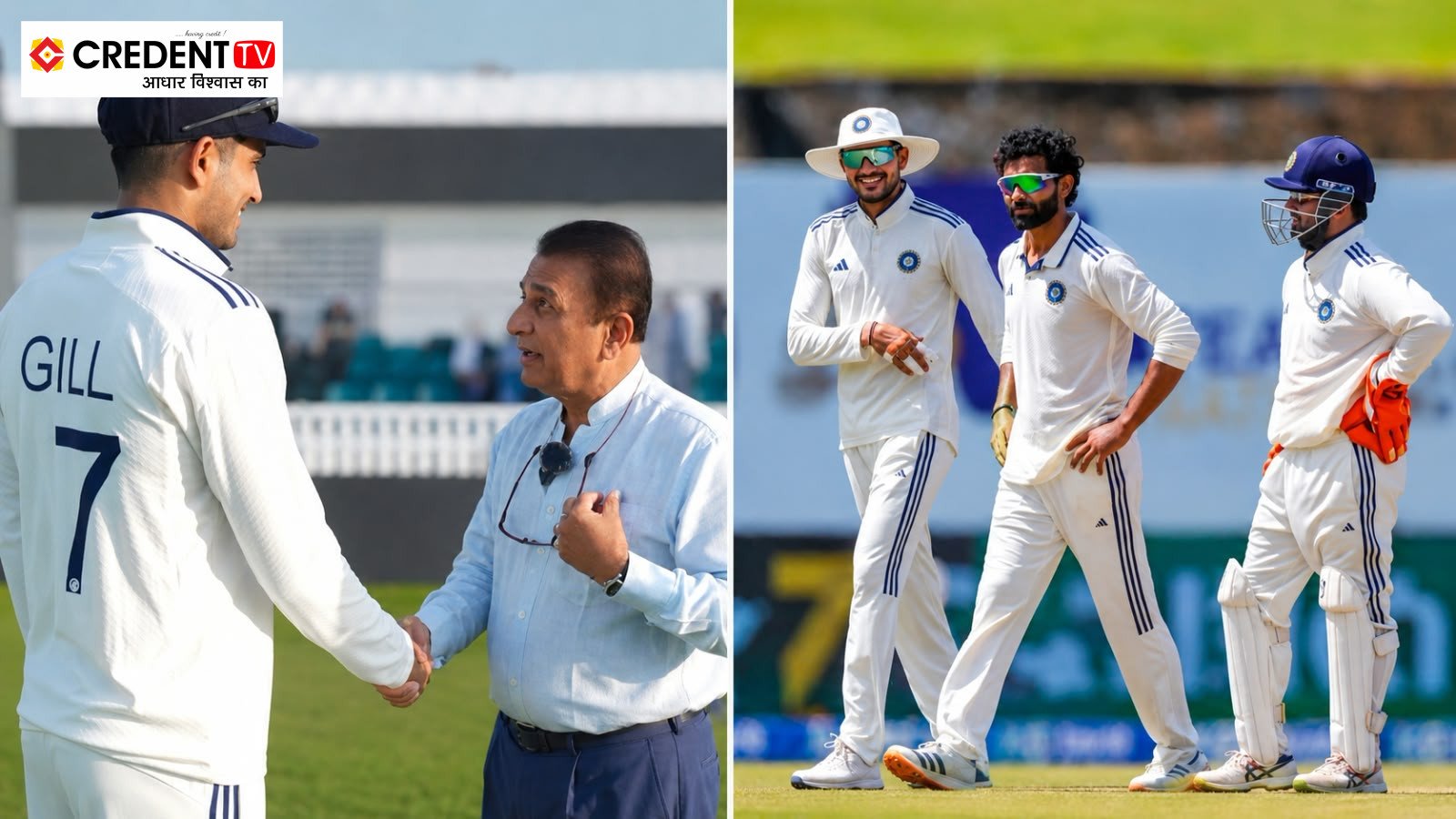
Sunil Gavaskar Calls for No-Ball Fines After Jadeja’s Repeated Test Errors

Published

on

Sunil Gavaskar Calls for No-Ball Fines After Jadeja’s Repeated Test Errors


Mumbai | 30 Aug 2026

Former India captain Sunil Gavaskar has proposed financial penalties for bowlers who repeatedly overstep in Test cricket, with fines increasing for each subsequent no-ball. His suggestion follows India’s persistent no-ball problem during their 1-0 Test series victory in Sri Lanka, in which Ravindra Jadeja was among the principal offenders.

Sunil Gavaskar Proposes Escalating No-Ball Fines

Writing in his Mid-Day column published on August 30, Gavaskar argued that front-foot no-balls were largely within a bowler’s control and should therefore carry consequences when repeated.

Advertisement


“There should be no excuses for overstepping the bowling crease.”— Sunil Gavaskar, former India captain

Gavaskar suggested an internal fine for the first offence, with the amount doubling for every subsequent transgression. He also proposed that the bowling coach should be fined an amount equivalent to half the player’s penalty.

He suggested that money collected through such fines could be used for the team’s final dinner on an overseas tour, turning the disciplinary measure into a team activity rather than an official cricketing sanction.

Ravindra Jadeja’s No-Balls Put Issue Under Spotlight

The debate intensified during India’s two-Test tour of Sri Lanka. Jadeja bowled eight no-balls in the series, while debutant off-spinner Saransh Jain delivered six and Manav Suthar one, taking the Indian spin attack’s series total to 15.

Advertisement


India conceded 20 no-balls across the two Tests. In the second Test in Colombo alone, Indian bowlers delivered 13 no-balls, including 12 from the spinners.

Jadeja’s overstepping had already proved costly in the opening Test at Galle. A delivery that induced an edge from Dhananjaya de Silva was ruled a no-ball, cancelling what would otherwise have been a wicket.

The experienced left-arm spinner’s front-foot discipline has become a recurring issue. Cricket statistics cited during the Sri Lanka series showed that Jadeja has bowled substantially more no-balls since television umpires began routinely monitoring the front foot in Tests.

Advertisement


Gavaskar Rejects Free-Hit Proposal for Test Cricket

India spin bowling coach Sairaj Bahutule had earlier floated the idea of introducing a free hit after a no-ball in Test cricket while discussing the team’s overstepping problem. He acknowledged that India were working to correct the errors and said the repeated no-balls were a concern.

Gavaskar opposed introducing the white-ball free-hit rule into Tests, arguing that the longest format should not make run-scoring easier for batters. Instead, he favoured financial accountability within the team.

“How about a fine which gets doubled for every further transgression?”— Sunil Gavaskar, former India captain

His proposal is not an announced International Cricket Council or Board of Control for Cricket in India rule change. It is Gavaskar’s suggested team-level mechanism for improving bowling discipline.

Advertisement


India Win Series but Colombo Draw Hurts WTC Push

India won the two-match Test series against Sri Lanka 1-0 after taking the opening Test in Galle by 165 runs. Sri Lanka then produced a determined resistance in Colombo to draw the second Test.

Sonal Dinusha played the decisive role in denying India a clean sweep, scoring an unbeaten 133 in Sri Lanka’s second innings as the hosts finished on 429 for nine after being asked to follow on.

The draw prevented India from securing the additional World Test Championship points available for a victory and left them facing a demanding route towards the WTC final. India’s remaining Tests in the cycle include an away series in New Zealand and a five-match home series against Australia.

Advertisement


Continue Reading

Breaking News

Vaibhav Sooryavanshi’s Two-Wicket Duleep Trophy Spell Powers East Zone into Semi-finals

Published

on

Vaibhav Sooryavanshi’s Two-Wicket Duleep Trophy Spell Powers East Zone into Semi-finals

Vaibhav Sooryavanshi’s two-wicket Duleep Trophy spell contributed to East Zone’s innings-and-210-run victory over North East Zone in their quarter-final at the BCCI Centre of Excellence Ground 2 in Bengaluru.

The 15-year-old East Zone vice-captain returned figures of 2 for 11 from three overs on 25 August 2026. East Zone dismissed North East Zone for 111 and 146 after scoring 467, completing the match inside three days and securing a place in the semi-finals. The completed scorecard confirmed the result.

Sooryavanshi, bowling slow left-arm orthodox, removed Kishan Lyngdoh and Imliwati Lemtur within four deliveries during North East Zone’s second innings.

Lyngdoh attempted to attack a flighted delivery but miscued his shot towards point. Sooryavanshi then delivered a quicker ball to Lemtur, who edged it to wicketkeeper and East Zone captain Ishan Kishan.

The two wickets reduced North East Zone to 79 for seven after they had been asked to follow on. The BCCI published footage of Sooryavanshi’s two-wicket over.

Brief Innings with the Bat

Sooryavanshi had earlier opened East Zone’s innings and scored eight runs from six balls. He struck two successive fours before Bishworjit Singh Konthoujam dismissed him.

The BCCI’s official squad announcement listed Sooryavanshi as vice-captain under Ishan Kishan for the 2026–27 tournament.

East Zone Build a Match-Winning Total

East Zone recovered from 138 for five to compile 467 in 112.5 overs, largely through centuries from Sudip Kumar Gharami and Shahbaz Ahmed.

Gharami scored 146 from 185 balls, hitting 25 fours and one six. He shared a 150-run sixth-wicket partnership with Shahbaz, who went on to make a career-best 167 from 244 deliveries, including 17 fours and four sixes. Kumar Kushagra contributed 55.

North East Zone Collapse in First Innings

North East Zone reached 72 for two before losing their final eight wickets for 39 runs and being dismissed for 111.

Abhijit Sarkar led East Zone’s attack with 5 for 20 from 9.5 overs, while Shahbaz took 3 for 20. The 356-run deficit prompted East Zone to enforce the follow-on.

Anukul Roy Completes the Innings Victory

North East Zone offered limited resistance in their second innings before being dismissed for 146 in 50 overs.

Pheiroijam Jotin made 39, Akash Kumar Choudhary scored 27 and Lyngdoh contributed 25. Anukul Roy claimed 5 for 37 from 15 overs, while Sooryavanshi’s 2 for 11 accelerated the collapse.

Shahbaz added one second-innings wicket to his first-innings haul and was named Player of the Match for his 167 and four wickets. East Zone’s innings-and-210-run victory secured their semi-final qualification.

“Vaibhav Sooryavanshi provides Double Delight. Picks up 2 wickets in the over.”

— BCCI Domestic, official domestic cricket account

East Zone Face Central Zone in Semi-final

East Zone will face defending champions Central Zone in the first semi-final at the BCCI Centre of Excellence Ground 1 in Bengaluru from 30 August to 2 September 2026.

The tournament final will be played at Chennai’s M. A. Chidambaram Stadium from 6 to 10 September. The BCCI shifted the final to Chennai to allow spectators to attend the match.

Continue Reading

Assam

South Africa lead by 531 runs in the Guwahati Test — here are five powerful take-aways from their commanding performance-
Published

on

South Africa lead by 531 runs in the second and final Test against India in Guwahati —

Guwahati,Nov.25,2025:South Africa lead by 531 runs in the second and final Test against India in Guwahati — a truly dominant position in what has become a one-sided affair. The visitors have put India under intense pressure, and this match could well define the future of the series.

How the Lead Built Up

 First Innings SA’s 489

Advertisement

South Africa piled up a massive 489 in their first innings. Senuran Muthusamy played a brilliant century, anchoring the lower middle order, while Marco Jansen narrowly missed a ton with 93.

 India’s Reply Collapsing for 201

In response, India crumbled to 201 all out, giving South Africa a huge first-innings lead. On the third day, their batting lineup failed to build partnerships, and the pressure from SA’s bowlers, especially Jansen, was relentless.

SA’s Second Innings Surge

Back in with the bat on Day 4, South Africa advanced confidently. They declared their second innings at 269/5, setting India a daunting target of 549 to win. Tristan Stubbs again featured prominently, playing a key role in the build-up.

Advertisement

Key Players Driving the Lead

Star of the Moment

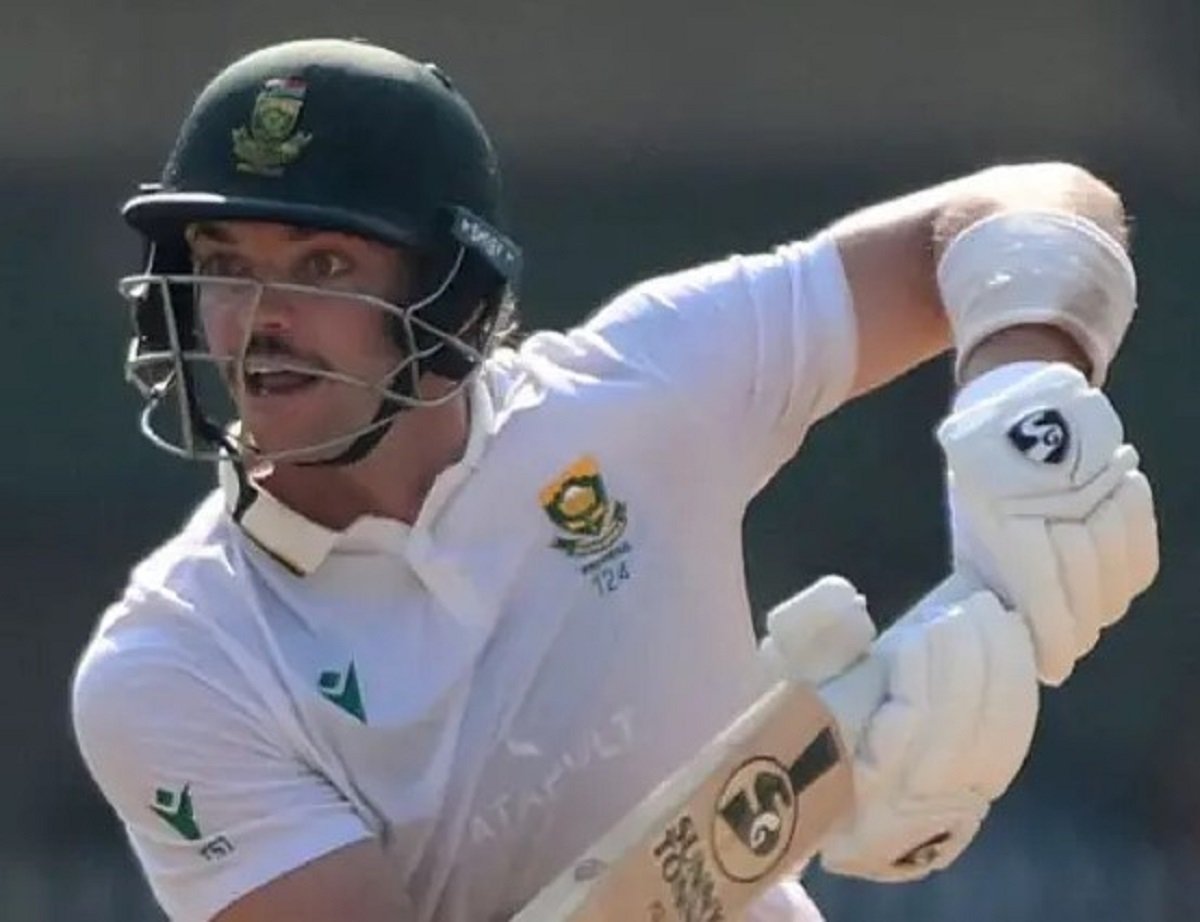
Tristan Stubbs has been central to South Africa’s dominance. In the second innings, he missed a Test hundred by just six runs, scoring 94 before being dismissed trying to slog-sweep Ravindra Jadeja. His composure and shot-making under pressure have helped SA control this match.

The Bowling Enforcer

Advertisement

Marco Jansen wreaked havoc in India’s first innings. His bowling figures — 6-48 — played a pivotal role in collapsing India’s batting order. Jansen’s pace and discipline have given South Africa the upper hand every time they bowled.

The Anchoring All-Rounder

Senuran Muthusamy has been the workhorse for South Africa. He scored a crucial maiden Test hundred in the first innings, helping push SA to a mammoth total. His all-round value — both with bat and his temperament — has been invaluable.

Declaration, Run Rate & Control

Advertisement

South Africa’s leadership deserves credit. Rather than push too hard, they declared at 269/5, wisely setting India an almost unmanageable target. By not overextending themselves, they preserved time and applied psychological pressure. Their run rate was controlled; they played steady but not recklessly, proving they are not just chasing runs but dominating.

 What This Lead Means for the Series

With this 531-run lead, South Africa are now firmly in control of the second Test. They already won the first Test in Kolkata in three days. A win here would mean a 2–0 series victory in India — a huge achievement. The psychological advantage is massive: India now faces a near-impossible target, while SA can bat with freedom or push for a declaration that suits them.

Advertisement

Challenges for India Facing a 549-Run Chase

India’s task is monumental. Chasing 549 runs in the fourth innings of a Test match is rarely done, especially in Indian conditions. Historically, even experienced Test teams struggle to pull off such chases. The pressure, both from the scoreboard and from expectations, will weigh heavily on the Indian batsmen. Mistakes, loose shots or a flat pitch could all conspire to derail their challenge.

How Rare Is Such a Lead

A 531-run lead in Test cricket is not an everyday occurrence. Massive leads of 500+ runs are rare, and they typically signal one team’s complete dominance. For context, analysts have pointed out that India today would need more than just grit — they’d need a near-record-breaking fourth-innings performance to even trouble South Africa. This kind of lead can psychologically paralyze a chasing side.

Advertisement

A Factor in the Dominance

The Barsapara Cricket Stadium in Guwahati has played a significant role. While the pitch offered enough pace and bounce for SA’s fast bowlers like Jansen, it hasn’t completely crumbled. Indian batters have struggled to build lasting partnerships. At the same time, conditions allowed South African batsmen to settle in, especially in the second innings, making their dominance a mix of skill and smart exploitation of conditions.

Can India Stage a Miracle

Here are a few possible outcomes given this massive lead

Advertisement
  • Miraculous Chase: India could attempt a heroic fourth-innings recovery, but they would need multiple big partnerships and near-perfect batting — a tall order.
  • Defensive Batting, Draw Push: With so many runs needed, India might bat defensively and aim for a draw rather than a win, playing for time rather than runs.
  • SA Push for Quick Win: South Africa could declare earlier than expected and set a challenging yet defeatable target, giving themselves time to bowl India out.
  • Collapse Under Pressure: If India loses early wickets, the psychological blow of the huge chase could result in a collapse — handing SA an even bigger victory margin.

Why This Lead Is a Massive Statement

South Africa lead by 531 in Guwahati is not just a statistic — it’s a powerful statement of intent. They’ve taken control of the match and the series. Their bowlers have dominated, their batters have built resilient innings, and their leadership has made smart tactical calls. India now faces a huge uphill battle, both technically and mentally.

Continue Reading

Breaking News

India Australia T20 fourth match sees India dominate Australia by 48 runs to take a 2-1 series lead-
Published

on

The India Australia T20 fourth match turned into

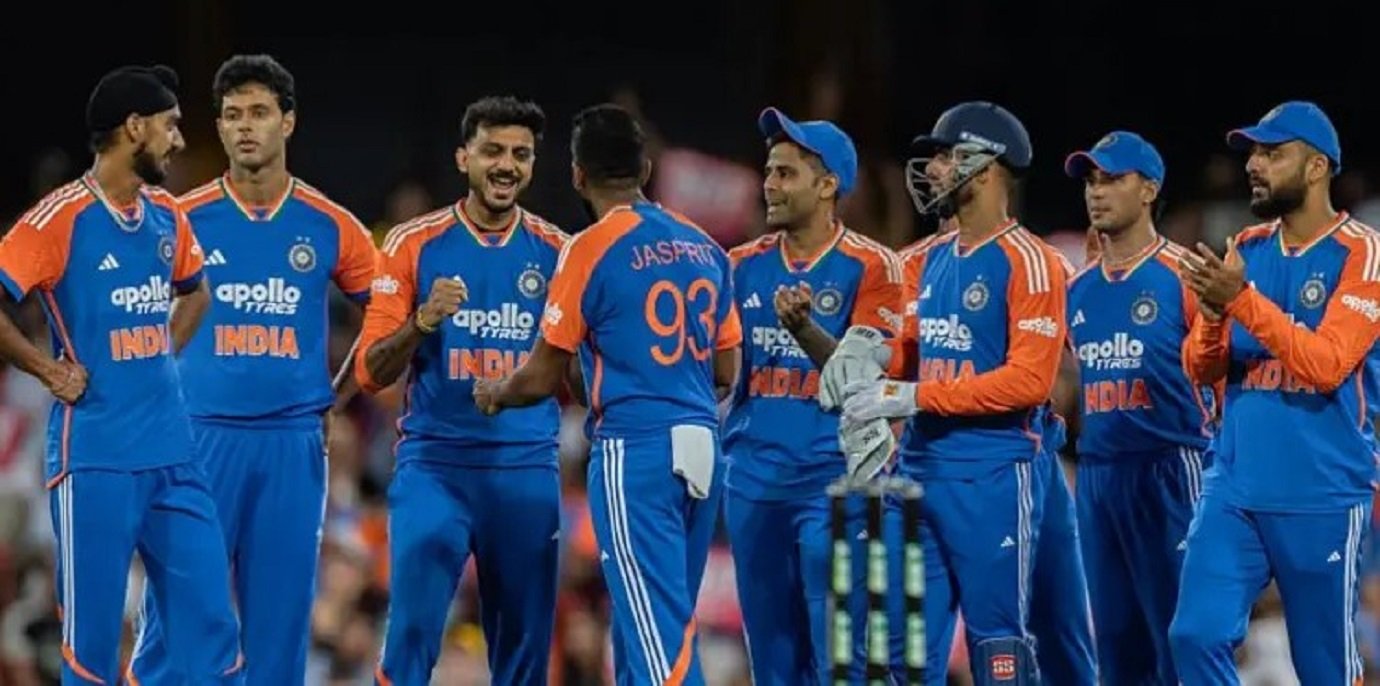
New Delhi,Nov.06,2025:The India Australia T20 fourth match turned into a statement win for India as they defeated Australia by 48 runs to move ahead 2-1 in the five-match series-

Held at the Carrara Oval in Queensland on 6 November 2025, this encounter had it all: a solid batting platform, disciplined bowling, and a dramatic collapse. Australia captain Mitchell Marsh won the toss and chose to field first, thereby handing India the advantage of setting the target.

Advertisement

For India, this win is significant — not just for the series lead, but for the confidence it will instil in the unit ahead of future big fixtures.

first innings – India bats first

In the India Australia T20 fourth match, India elected to bat upon winning the toss. They put up a competitive total of 167/8 in their allotted 20 overs.

The innings began steadily. The openers and top-order contributed, and a late surge from players like Axar Patel (who finished unbeaten on 21) helped propel the total.

Advertisement

It was a balanced effort — not a blistering total, but one that had enough teeth considering the conditions and the opposition. India managed to keep momentum towards the end of the innings. The strategic decision to bat first paid off, giving them the chance to apply scoreboard pressure.

Australia’s chase and collapse

Australia’s response in the India Australia T20 fourth match began well. Mitchell Marsh scored 30 and Matthew Short added 25, helping their side to a strong start (67/1).

But from there, the innings crumbled. India’s bowlers struck at regular intervals, and Australia folded for just 119 in 18.2 overs.

Advertisement

Key details of the collapse-

  • Australia lost 9 wickets for 52 runs in the middle-and-lower order.
  • India’s bowlers were disciplined and capitalised on pressure—this was the difference.
  • The contrast between the start and the finish of Australia’s chase is stark and highlights how the match turned.

Thus, the India Australia T20 fourth match saw India asserting not only their batting strength but also their bowling depth — a sign of a well-balanced side.

standout performances

In the India Australia T20 fourth match, several performances stand out-

  • Axar Patel: An all-round show. Unbeaten 21 with the bat at the death and key wickets with the ball.
  • Shubman Gill: His 46 runs laid the foundation for India’s innings.
  • Washington Sundar: Though more prominent in the previous game, his form adds to India’s attack depth.
  • India’s bowling attack: The way they squeezed Australia after a strong start shows tactical acumen and execution under pressure.

For Australia: The early promise in the chase was undone by the collapse, and it highlights vulnerabilities in their middle and lower order in the India Australia T20 fourth match.

implications for the series

This win in the India Australia T20 fourth match has immediate and medium-term implications-

Advertisement
  • India take a 2-1 lead in the five-match series, meaning they cannot lose the series now (they’ll at worst draw 2-2 if they lose the final game).
  • For Australia, the defeat raises questions about their depth and resilience in this format — especially as selections may already be influenced by upcoming test commitments.
  • Momentum swings: India will go into the last match with confidence; Australia will be under pressure to respond. The India Australia T20 fourth match thus becomes a turning point.
  • Selection implications: The manner of victory (and defeat) in this match will influence both teams’ thinking ahead of future T20 contests and the T20 World Cup.

what it tells us about both teams

India

From the India Australia T20 fourth match, India have shown-

  • The ability to set a defendable total without going overboard.
  • Depth in batting and bowling: The late flourish batting, and bowling that applied pressure to collapse the opposition.
  • Tactical maturity: Choosing to bat first, executing under pressure, and closing out the game.

These traits suggest India are in good shape in the shortest format, and ready to convert tight situations into victories.

Australia

From the India Australia T20 fourth match, Australia’s issues become clearer-

Advertisement
  • Strong start but failure to finish: Their chase began well but they failed to maintain momentum.
  • Middle-order fragility: Once the early wicket came, they couldn’t rebuild.
  • Perhaps distracted by other priorities: There are suggestions their selection and focus might be influenced by upcoming longer-format commitments.

If Australia want to challenge India in T20s, they’ll need to fix these fault lines.

looking ahead to the finale

With the India Australia T20 fourth match ending in a comprehensive win for India, all attention now shifts to the final, fifth T20I. Key questions-

  • Will India press the advantage and clinch the series
  • Will Australia bounce back under pressure, or will cracks deepen
  • How will both sides adjust strategy, selection and mindset after this result
  • Which players will step up under high stakes? The next match promises intensity given the series scenario: India leading, Australia needing to respond.

Fans and analysts will watch closely for how both sides approach the finale — whether India consolidate their momentum, or Australia produce a comeback.

In the India Australia T20 fourth match, India handed Australia a 48-run defeat and seized a 2-1 series lead. The win was built on smart decisions, strong individual contributions, and collective execution. For Australia, the loss will serve as a warning that bright starts are not enough without follow-through.

As the series approaches its final act, this match will likely be remembered as the pivot: the moment India gained control, and Australia’s challenge became harder. For cricket fans, analysts and the teams themselves, the India Australia T20 fourth match will be dissected for lessons, momentum and momentum shifts.

Advertisement

Continue Reading

Breaking News

India vs Australia 4th T20 sees Australia win the toss and bowl first as the series hangs in the balance –
Published

on

The India vs Australia 4th T20 arrives at a critical

New Delhi, Nov.06,2025:The India vs Australia 4th T20 arrives at a critical juncture in this five-match series between India national cricket team and Australia national cricket team. The series is currently level at 1-1 after a washout in the opening game and a thrilling comeback by India in the third match-

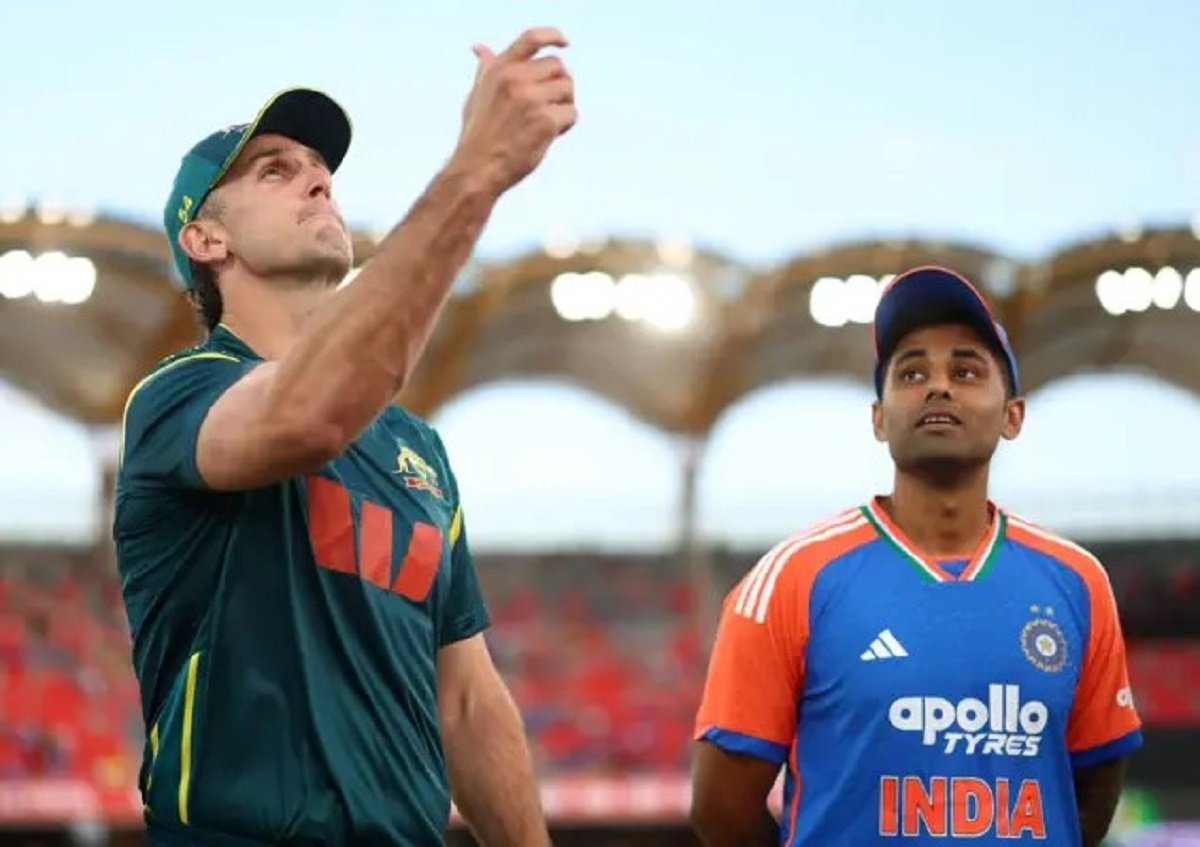
Australia’s captain Mitchell Marsh won the toss for the 4th T20 and elected to bowl first at the Carrara Oval in Queensland, signalling confidence on a pitch expected to favour batters.

Advertisement

With the series balanced and two games remaining, the winner of this 4th T20 will edge closer to claiming the series. For India, it represents a chance to push ahead. For Australia, a win would leave them with the momentum heading into the decider.

India vs Australia 4th T20 – Toss, Teams & Conditions

In the 4th T20 of the series, Australia won the toss and chose to bowl first. The decision underlines the prevailing view that batting first may be the optimal route at this venue.

India’s playing XI remains unchanged from the previous match, with the batting order: Abhishek Sharma, Shubman Gill, Suryakumar Yadav (c), Tilak Varma, Axar Patel, Washington Sundar, Jitesh Sharma (wk), Shivam Dube, Arshdeep Singh, Varun Chakravarthy, Jasprit Bumrah.

Advertisement

Australia have made four changes to their XI: bringing in players such as Glenn Maxwell and adjusting their bowling attack to respond to recent form.

Conditions at Carrara show a firm, true surface with grass cover—suggesting an even contest but with a slight lean toward batters, meaning bowlers will need to be sharp to make early inroads.

India vs Australia 4th T20 – What’s at Stake

The India vs Australia 4th T20 holds high stakes for both sides. With the series tied at 1-1

Advertisement
  • A victory for India would give them a 2-1 lead and bring the series within one win of taking it.
  • A win for Australia would put them ahead 2-1 and shift the pressure onto India for the final match.

One of the significant storylines: India’s resurgence in the third T20, where they chased down a competitive total of 187 against Australia.

For Australia, missing key players (such as Josh Hazlewood) has impacted their bowling depth, so the 4th match offers a chance to reassert control.

This match isn’t just about the series—it also serves as a momentum builder ahead of future white-ball tournaments for both nations.

India vs Australia 4th T20 – Key Players to Watch

Here are some of the pivotal players in the India vs Australia 4th T20

Advertisement
  • Suryakumar Yadav (India, captain): After leading the side into the venue, he will need a strong batting display to set the tone.
  • Abhishek Sharma (India opener): Emerging as a prolific T20 batter, his form at the top could tilt the match heavily.
  • Varun Chakravarthy (India spinner): With the pitch favouring batters, his ability to break partnerships with his mystery spin will be crucial.
  • Mitchell Marsh (Australia, captain): His leadership and decision-making at the toss already show his intent. Australia’s batting depth also rests on his shoulders.
  • Glenn Maxwell (Australia all-rounder): Returning into the side, his dynamic batting and off-spin could change the tide if he finds form.

India vs Australia 4th T20 – Tactical Battles & Match-Ups

In the India vs Australia 4th T20, several tactical narratives are likely to dominate-

  • Batting first or second: Australia’s decision to bowl first indicates they believe they can chase under the expected conditions at Carrara. India, though, seemed content batting first when target vantage looked favourable.
  • Spin vs batters: With a flat track expected, India’s spinners (especially Chakravarthy) and Australia’s spin options (like Zampa) must find ways to restrict damage. Bowlers will need to vary pace, length and line to disrupt batters.
  • Momentum and pressure: The team that handles the pressure of “must-win” better will gain a psychological edge. For India, carrying forward the third match win is vital; for Australia, re-establishing control is key.
  • Opening partnerships: Both sides possess aggressive openers. Abhishek for India, Matthew Short or Maxwell opening for Australia. A strong start will provide the underpinning for a big total or successful chase.

India vs Australia 4th T20 – Venue & Historical Context

The India vs Australia 4th T20 is being held at Carrara Oval on Australia’s Gold Coast. This venue sees fewer international matches compared to some others, adding an element of novelty and unpredictability.

Historically, the India-Australia T20 rivalry has been one of the sport’s most electrifying. According to statistics, in T20Is as of 2 November 2025, India had won 21 of their 35 matches vs Australia, with Australia winning 12.

This adds weight to the match: not just a series game, but part of a broader narrative of two cricketing powerhouses vying for supremacy.

As the countdown continues to the India vs Australia 4th T20, the stakes couldn’t be higher. With the series at a pivotal point, both teams will leave nothing on the field. India, buoyed by a win in the third, will look to build momentum. Australia, resilient at home, will aim to seize the upper hand.

Advertisement

For fans, it promises to be a contest full of drama, skill and strategic intrigue. The toss decision to bowl first by Australia may prove pivotal. The playing XI choices show intent. The pitch at Carrara will test both bat and ball.

Advertisement
Continue Reading

Breaking News

women’s-world-cup-record-chase-India-vs-Australia-

Published

on

The term women’s world cup record chase

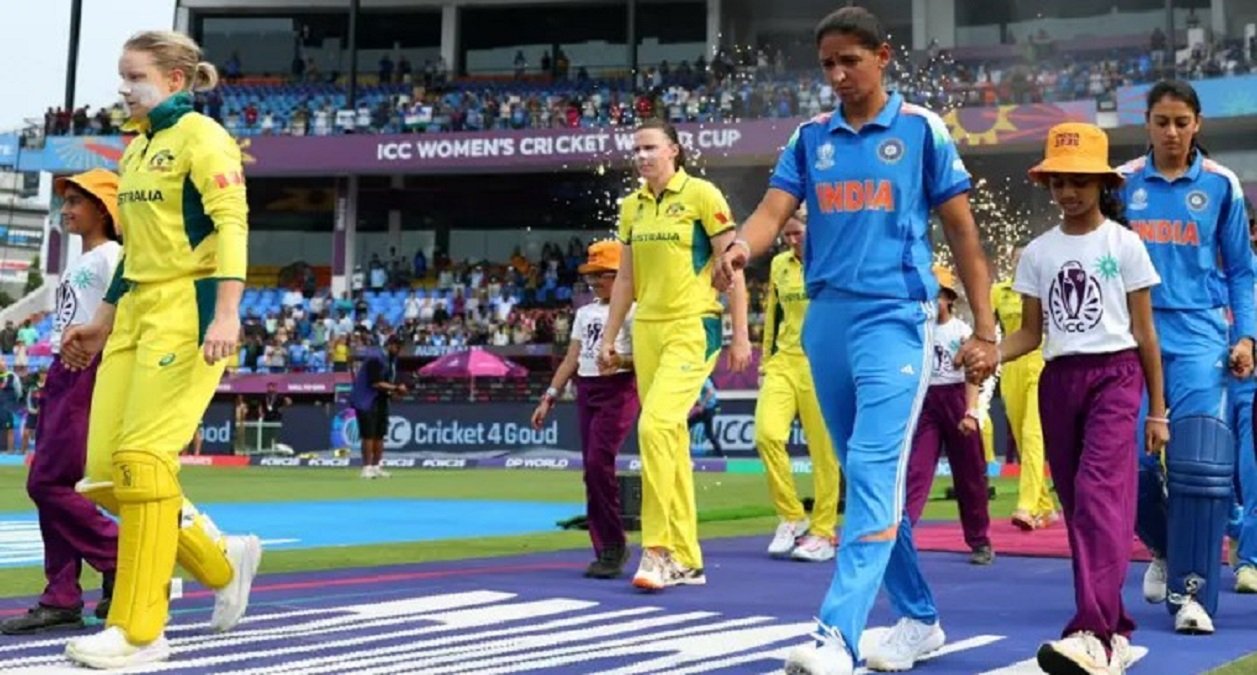
Mumbai, Oct.31,2025:The term women’s world cup record chase will forever be etched into cricketing lore after the night when the Indian Women’s Cricket Team turned the improbable into the unforgettable. On 30 October 2025, at the DY Patil Stadium in Navi Mumbai, India rewrote history by toppling the massive total set by the mighty Australia Women’s Cricket Team to storm into the final of the ICC Women’s Cricket World Cup 2025-

In doing so, they achieved what no other side had done in a knockout stage: pulling off a definitive win against the reigning champions by chasing down the highest ever total in women’s ODI history. The spotlight is bright, and the whole world is watching.
Let’s dive into how this epic saga unfolded.

Advertisement

 The gargantuan target and early turbulence

Australia batted first and rattled up 338 runs in 49.5 overs, driven by a blazing century from Phoebe Litchfield and major contributions from the likes of Ellyse Perry and Ashleigh Gardner.

Chasing such a huge total in a semi-final is a daunting task under any circumstances—and especially so against Australia, who have dominated women’s cricket for years. India’s window seemed narrow when the opening pair of Shafali Verma and Smriti Mandhana both fell early.

That early wobble might have swallowed lesser sides. But this India side had belief—fuelled by hunger and the knowledge that this was their moment for a chapter-changing victory.

Advertisement

Key partnerships and turning moments

 The defining Stance – Jemimah & Harmanpreet

With the scoreboard showing danger, the pairing of Jemimah Rodrigues and Harmanpreet Kaur stood tall. Their 167-run partnership for the third wicket shifted momentum irrevocably in India’s favour.

Rodrigues remained unbeaten on 127 while Kaur chipped in with a fiery 89—together they wired belief into a team that was hurtling toward history.

Advertisement

The nerves-of-steel finish

Even when the anchor fell, India had built enough platform. Cameos from Deepti Sharma and Richa Ghosh steadied things, and finally Amanjot Kaur sealed the deal with a boundary, finishing it in the 48th over with nine balls to spare.

 Historic magnitude

This was not just any big chase—it was the highest successful run chase in women’s ODI history. That stat alone underscores the magnitude of what India achieved: to chase 339 in a semi-final, under pressure, on home soil, against the strongest opponent.

Advertisement

The rise of a breakthrough star

It is impossible to write about this victory without focusing on the story of Jemimah Rodrigues. She arrived at the crease under pressure, not just from the scoreboard but from personal battles. In the dressing room afterwards she admitted-

“I was going through a lot of anxiety… last year I was dropped from the World Cup…”

Her 127* was not just runs—it was redemption, manifestation of resilience. She said she prayed, she quoted scripture in the middle of the innings to steady herself.

Advertisement

In essence, she didn’t just chase a target—she overcame a past. And in doing so she became the image of this historic win. This moment transforms from individual heroics into collective inspiration.

Emotional journey behind the record chase

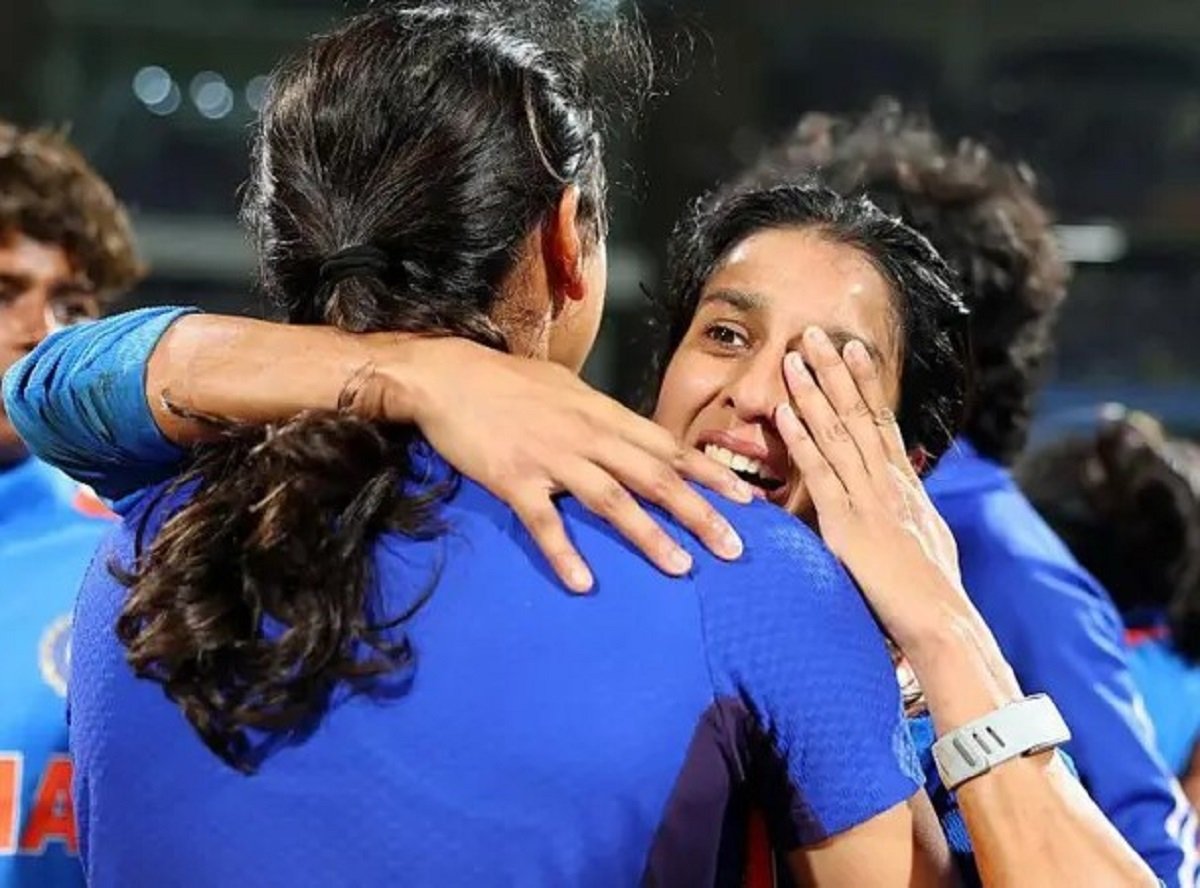
Behind the numbers lies a story of emotion, of tears and triumph. The locker-room scenes after the win were raw, with hugs, letting go, celebration mixed with relief.

Even the veteran players were moved. This wasn’t just about one big match—it was a statement of belief. From early exits to being underdogs, from loud expectations to silent work behind the scenes—it all culminated here.

Advertisement

On the other side, the Australian skipper Alyssa Healy lamented “junk bowling” and missed chances, acknowledging that her team was not at its usual standard.

That kind of candour underscores how India didn’t just win—they claimed dominance in a pressure-cook. And with that dominance came validation—for themselves and for a generation of women cricketers who have long been second-guessed.

Global reaction & voices that matter

The world didn’t stay silent. Legends of the game and celebrities alike poured praise.

Advertisement
  • Sachin Tendulkar applauded the batting display, especially naming Rodrigues and Kaur.
  • Yuvraj Singh called this win “a win beyond numbers on a scoreboard.”
  • Bollywood stars joined in—Kareena Kapoor Khan wrote: “And like I said, girls can do it all. With grit and determination…” celebrating the win.

Social-media exploded, fans couldn’t contain their joy-

“10:45 pm and I’m crying”: emotional fans hail India’s historic win.

All of this global resonance draws a much larger arc: the women’s world cup record chase is not just a sporting milestone—it’s a cultural moment.

What this win means for Indian women’s cricket

 A new statement of intent

Advertisement

For too long, India’s women’s cricket was characterised by promise, near-misses and “what could be”. This victory says: we are here. We can. We will.

 Inspiration for a generation

Young girls watching now don’t just see a women’s team—they see champions in the making. The aggregate effect of such a women’s world cup record chase is that it shifts the paradigm—from secondary to central.

Advertisement

 A wake-up call for rivals

When an opponent sees India chasing 339 and getting it with composure, they know the landscape has changed. The psychological advantage now tilts.

 Investment, visibility and next-level growth

Advertisement

Victories of this magnitude attract voices, funding, viewership. They expand the ecosystem around women’s cricket in India—and globally. This, in many ways, is where the true legacy begins.

the final and beyond

With the semi-final win secured, India now prepare to face the South Africa Women’s Cricket Team in the final — a team yet to win a Women’s World Cup. That means one thing: a new champion will be crowned.

For India, the final is not just a match—it’s opportunity. Opportunity to cement their place, to finish the story. And for the sport itself, the final will be watched with new eyes, with newfound respect.

Advertisement

Even beyond the final, the after-effects of a record chase like this resonate: rival teams will study the plan, young players will reinvent themselves, and commentators will reference this chase for years as a turning moment.

A new chapter written

The phrase women’s world cup record chase will now be synonymous with triumph, resilience and landmark achievement. India didn’t simply win—they shattered boundaries: psychological, historical and sporting.

In a single innings, a single partnership and one knock of greatness, Indian women’s cricket took a quantum leap. The story here is not just about a match—it’s about belief and proof that when preparation meets opportunity, records fall and legends rise.

Advertisement

Continue Reading

Breaking News

India vs Australia Women’s World Cup Semi-Final 2025 sees a dramatic toss win-

Published

on

The India vs Australia Women’s World Cup Semi-Final 2025

Mumbai, Oct.30,2025:India vs Australia Women’s World Cup Semi-Final 2025 is upon us, and the stage couldn’t be bigger. At the Dr DY Patil Sports Academy in Navi Mumbai, India and Australia face off in the second semi-final of the ICC Women’s Cricket World Cup 2025 on Thursday, October 30-

Australia’s captain Alyssa Healy won the toss and elected to bat first, setting the tone for what could be a high-stakes, high-drama encounter.

Advertisement

With Australia topping the group stage undefeated, and India carving their path into the semis, this clash is loaded with storylines, pressure and potential turning points.

Understanding the Toss Moment and What It Means

Why the Toss Choice Matters

In this India vs Australia Women’s World Cup Semi-Final 2025, the toss is more than a ritual—it’s strategic warfare. Australia chose to bat first after winning the toss, signalling confidence in posting a big total and putting India under pressure.

Advertisement

The pitch at DY Patil is expected to reward batting but with some lateral movement earlier on. According to pitch report commentary: “The overcast conditions will allow the ball to swing … but lots of runs can be expected.”

Hence, batting first may offer Australia the chance to dominate while India will evaluate whether chasing is feasible under pressure, or if they’d rather bat first and set a target.

Pitch Report and Weather Threats

Advertisement

Overcast skies hovered above the stadium before the match, and there is a rain-related caveat: if the match is washed out, a reserve day applies—but if even that fails to produce a result, tournament rules stipulate that the team that finished higher in the group stage advances. In this case, that team is Australia.

Thus, the toss decision by Australia to bat first also gives them a slight insurance policy: advance by virtue of ranking if weather intervenes.

Teams, Form & Head-to-Head in India vs Australia Women’s World Cup Semi-Final 2025

Australia’s Unbeaten Run

Advertisement

Australia enter this India vs Australia Women’s World Cup Semi-Final 2025 as firm favourites. They topped the table in the group stage with 13 points from 7 matches, remaining unbeaten.

Their momentum includes a landmark performance by leg-spinner Alana King who took 7 wickets for 18 runs in a group stage match. That spell highlighted Australia’s depth and destructive potential.

India’s Road to the Semi-Final

Advertisement

India made it to the semis after a gritty campaign, finishing on 7 points. Their triumph over New Zealand secured their last-four berth.

While they may not have matched Australia’s consistency, India bring the home advantage, crowd energy, and the hunger to upset the favourites.

The head-to-head record heavily favours Australia, which adds weight to narrative: India are up against it, but nothing is impossible.

Advertisement

Key Players to Watch in the India vs Australia Women’s World Cup Semi-Final 2025

Australia’s Game Changers

  • Alyssa Healy (captain & wicketkeeper) – provided leadership and depth at the top of the order.
  • Alana King – her 7/18 spell shows she can turn the match with the ball.
  • Ashleigh Gardner, Ellyse Perry – experienced campaigners who thrive in big matches.

India’s Game Changers

  • Smriti Mandhana – a consistent run-getter, she will aim to set the tone.
  • Shafali Verma – though younger, she has fearless batting style and returned into the squad.
  • Harmanpreet Kaur (captain) – leadership under pressure is key, especially in knockout cricket.

Each player’s performance can tilt the balance in this India vs Australia Women’s World Cup Semi-Final 2025.

What Happens If the Match Is Washed Out

One of the most crucial loose ends in this India vs Australia Women’s World Cup Semi-Final 2025 is: if the match cannot produce a result due to rain or other factors, the team that finished higher in the group stage advances to the final. Australia topped the group, so they would advance in that scenario.

For India, this adds urgency: they must aim to win outright. Playing for a wash-out advancement isn’t an option. For Australia, it offers a slight cushion: they still must play to win, but the situation gives them some breathing space.

Advertisement

aStakes, Emotions & What to Expect in India vs Australia Women’s World Cup Semi-Final 2025

The India vs Australia Women’s World Cup Semi-Final 2025 is more than a match—it’s a crossroads of momentum, legacy and pressure. Australia seek to maintain dominance and book their place in the final. India aim to harness home crowd energy, defy the odds and make a statement.

Expect an intense contest: strategic bowling changes, bold batting moves, cautious start to the chase, and maybe a moment of brilliance that shifts everything. The toss decision to bat first by Australia underlines their intention to seize control early. India must respond by staying composed, executing their plans and grabbing early momentum.

Advertisement
Continue Reading

Breaking News

Women’s World Cup India vs Australia semi-final brings an epic clash of giants as hosts India face an unbeaten Australia-
Published

on

The Women’s World Cup India vs Australia semi-final

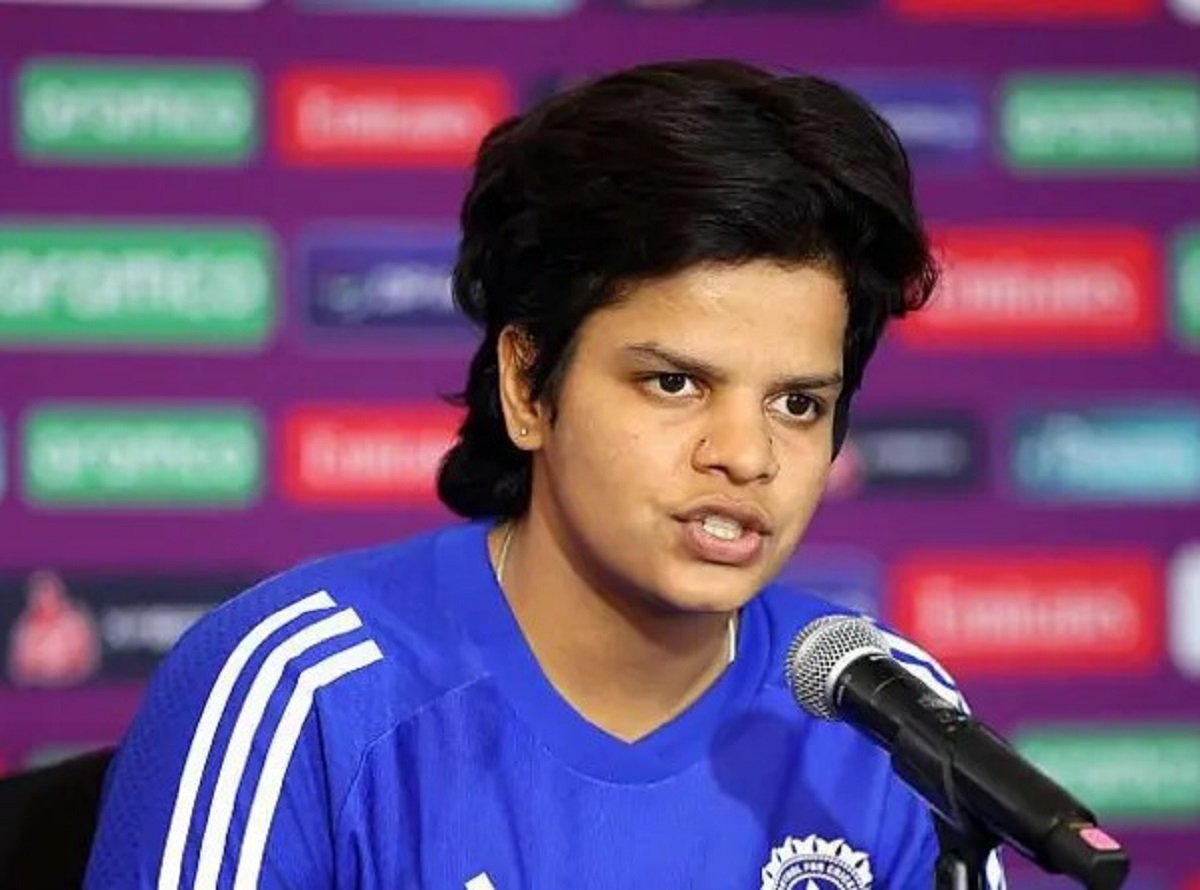
India, Oct.30,2025:The Women’s World Cup India vs Australia semi-final will be played at Dr D.Y. Patil Stadium in Navi Mumbai on Thursday, October 30, 2025-

Australia have already booked their spot, dispatching competitors with authority. India, meanwhile, made a dramatic run to reach this stage. The stakes couldn’t be higher: the winner heads to the final, while the loser’s world-cup hopes end.

Advertisement

From rocky start to semi-final berth

 Tremulous beginning

India’s campaign had its rough patches. Three successive defeats in the group stage left them scrambling.

Their defeat to Australia earlier (by 3 wickets in Visakhapatnam) again showed the challenge ahead.

Advertisement

 The turnaround

But India struck back. A dominant 53-run victory over New Zealand in a rain-reduced match sealed their semi-final berth.

That win featured centurions at the top of the order and finally showed India realising their potential at home.

Advertisement

 Momentum and belief

India now arrive with momentum and home crowd support. They understand the occasion. Former captain Mithali Raj stressed the mental aspect:

“It’s not just physical skills, but mental strength and awareness that will make the big difference.”

Advertisement

Their captain and senior players have repeatedly emphasised staying calm, focusing on one match at a time, and playing to win rather than to avoid defeat.

 Australia’s dominance

Australia come into this semi-final as the team to beat. They’ve built a formidable record and are defending champions.

Advertisement

 Unbeaten run and confidence

Australia remain unbeaten in this Women’s World Cup edition. Their consistency across facets – bat, ball, field – has elevated them.

 Devastating spells and depth

Advertisement

One standout moment: Alana King’s 7-wicket haul (7/18) that dismantled South Africa and booked Australia’s semi-final place.

Such performances reinforce Australia’s depth and their ability to dominate even when under pressure.

The head-to-head advantage

Historically, Australia dominate India in women’s ODIs: India have only 11 wins compared to Australia’s 48 in their 59 or so meetings. That weight of history adds to the aura of the Australian side.

Advertisement

 Key players and narratives to watch

 India’s frontline batters & bowlers

  • Smriti Mandhana has been in top form, leading India’s run-scoring and firing in crucial moments.
  • Young players such as Shafali Verma (who has now been drafted in) bring explosive potential.
  • On the bowling front, India will lean on spin options and home-advantage conditions.

Australia’s match-winners

  • Alyssa Healy and other senior Australian batters remain threats to any bowling attack.
  • Alana King’s leg-spin continues to trouble batters unfamiliar with her variations.
  • Australia’s fielding standards, clarity of roles and experience in big matches remain big advantages.

 The replacement story

India have had a late change: Pratika Rawal has been ruled out ahead of this semi-final due to knee/ankle injury. Her absence will force India to adjust the top-order and may impact their momentum.

Advertisement
Getty Image 1 1

The injury blow and selection intrigue

With Pratika Rawal out, India’s balance shifts. Losing a centurion and in-form opener so close to the semi-final is a blow. India will need to recalibrate their batting order and their mental resolve.

Meanwhile, Australia might view this as an opportunity to press home their advantage, but as they’ve stated themselves:

“This will be an even contest. We’re not here as underdogs or favourites.” — Australian Head Coach Shelley Nishikawa

The selection and mental preparedness of both teams will be under the spotlight.

Advertisement

Weather, rules and match-day wildcards

 Rain threat and reserve day

The match is at Dr D.Y. Patil Stadium, Navi Mumbai, and weather-watchers are eyeing the skies. A 25% chance of rain has been reported.

If the match is washed out, tournament rules may advance Australia to the final because they finished higher in the group stage.

Advertisement

 Match timing and conditions

It’s a day-night affair, with the start time set for 15:00 local. There may be changes due to weather.

 Home advantage, but also pressure

Advertisement

Playing at home helps India with fan support and familiar conditions. But it also adds pressure: expectations soar, nerves may tighten. Australia, conversely, come in with less expectation and more of a legacy to live up to.

What this semi-final means for both teams

 For India

A win would be historic: reaching the final and potentially fulfilling the long-held dream of a first Women’s World Cup title. It would validate the progress they’ve made, especially in home conditions.

Advertisement

But a loss? It means evaluation, regrouping and facing the reality that despite home advantage, the top hurdle still may be Australia.

 For Australia

A win would reinforce their dominance, add another final appearance and perhaps another title. It would show their dominance was no accident.

Advertisement

However, a loss? That would be seismic — it would open the door for India and shift the power balance in women’s cricket.

The Women’s World Cup India vs Australia semi-final isn’t just a game. It’s a litmus test of growth, dominance, pressure, legacy and ambition. India want to prove they belong here. Australia want to show they dominate.

Whichever way this goes, one thing is clear: we are in for a match that will be talked about for years. Youngsters will look back at this as a turning point — for India’s rise or for Australia’s sustained reign.

Advertisement

Continue Reading

Breaking News

India-Australia 3rd ODI saw a dominant comeback win, 33rd ODI century, 75th half-century and record partnerships —
Published

on

India Australia 3rd ODI began with a message

Australia, Oct.25,2025:India Australia 3rd ODI began with a message- despite the series having already been lost, the Indian side entered the contest with purpose and flair. The match took place at the Sydney Cricket Ground, where Australia batted first and were bundled out for 236 in 46.4 overs-

In reply, India’s chase was nothing short of dominant, finishing at 237/1 in just 38.3 overs.

Advertisement

From the opening ball to the final run, this contest was defined by discipline, class and aggression. The focus keyword India Australia 3rd ODI appears throughout because this was not just another match — it became a milestone-laden affair.

Record Milestone

In the India Australia 3rd ODI, one of the standout performances came from Rohit Sharma, who smashed an unbeaten 121 off 125 balls. This innings was not only spectacular in execution but historic in its meaning: it marked his 33rd ODI century.

What makes this achievement even more significant is that it helped him equal a major legend, and break new ground. In doing so, Rohit signalled that even in the twilight of his career, he remains a batting force.

Advertisement

He paced his innings beautifully — mixing controlled drives and aerial strokes. The result: Australia’s bowling attack never really had a chance once he got set. The India Australia 3rd ODI thus becomes a case study in veteran excellence meeting big-stage opportunity.

The Historic Half-Century

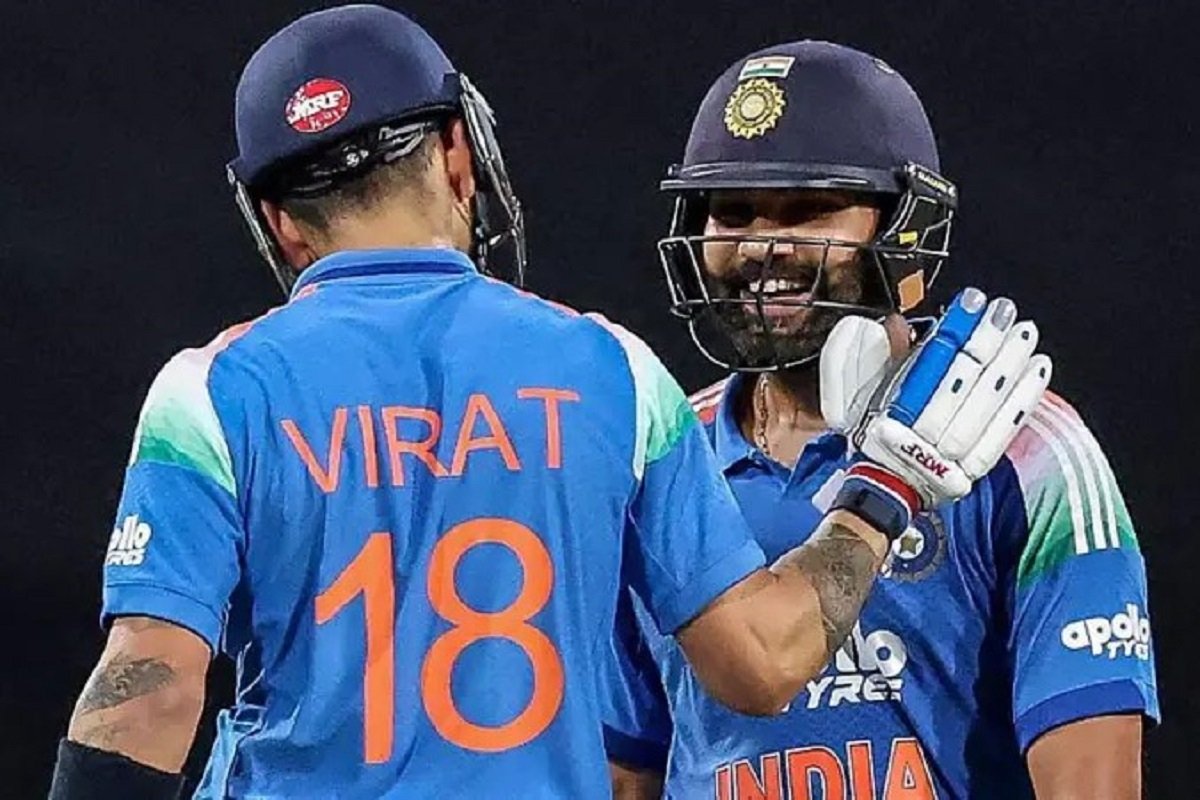
While Rohit’s century grabbed headlines, the other veteran of the Indian batting order, Virat Kohli, delivered a masterclass of his own in the India Australia 3rd ODI. He scored an unbeaten 74 off 81 balls, marking his 75th ODI half-century.

More importantly, this knock elevated Kohli to become the second-highest run-scorer in ODI history, surpassing Kumar Sangakkara. That context transforms this performance from just another fifty to a landmark moment in his storied career.

Advertisement

In the India Australia 3rd ODI, the milestone underscores the value of consistency and resilience over the long haul — especially when conditions and opposition stack up against you.

The Crushing Partnership

In one of the most memorable aspects of the India Australia 3rd ODI, Rohit and Kohli forged an unbeaten partnership of 168 runs for the second wicket. This stand crushed Australia’s hopes of a comeback and turned the chase into a smooth march rather than a tense pursuit.

Partnerships of this scale between senior players, under pressure on foreign soil, are rare. They combine technical mastery with the right temperament. And in the India Australia 3rd ODI, this pairing did more than just chase: they sent a message that experience still matters.

Advertisement

Bowling Fireworks That Set the Tone

While the batting stole the spotlight in the India Australia 3rd ODI, the bowling performance laid the foundation. Australia, batting first, were restricted to 236 in 46.4 overs — a result of disciplined Indian bowling.

Indian pacer Harshit Rana delivered a standout spell of 4 wickets for 39 runs, which proved crucial in dismantling the Australian lower order. Spinners too chipped in, ensuring the home side never regained momentum.

Advertisement

In the India Australia 3rd ODI context, this blend of seam and spin underlines that even batting-friendly or flattening conditions can be exploited when discipline and plans align.

The Emotional Farewell Context

Beyond records and stats, the India Australia 3rd ODI carried an emotional weight. Both Rohit Sharma and Virat Kohli hinted at this being their final outing in Australia for India. In that sense, their performances doubled as a message of gratitude, legacy, and celebration.

Advertisement

When players of their calibre deliver under those conditions — away from home, in a full stadium, with crowd support divided, and under milestone pressure — it elevates a match into an event. The India Australia 3rd ODI thus becomes more than a win: it becomes a symbolic moment in Indian cricket.

What It Means for the Series & Beyond

Although India lost the series 2–1 (after losses in the first two ODIs), securing the India Australia 3rd ODI win injects confidence into the side. The ability to bounce back, especially with key senior players delivering, matters for morale and future tours.

In terms of ODI cricket’s landscape-

Advertisement
  • Rohit Sharma’s 33rd century adds to his legacy and raises expectations of how he’ll finish his career.
  • Virat Kohli’s 75th fifty and second-highest run tally in ODIs reaffirm his greatness and longevity.
  • Young players in the squad witness live how experience and preparation matter.
  • A blueprint: strong bowling first, then measured batting under pressure — a model for future contests.

For the upcoming T20 series (India vs Australia), this match will resonate as a reminder that form and confidence don’t simply transfer format-to-format, but momentum helps.

Key Takeaways for Fans and Cricket Lovers

  • In the India Australia 3rd ODI, senior players delivered when it counted — proving age is not always a limiter.
  • Partnerships matter: the 168-run stand between Rohit & Kohli became the backbone of the chase.
  • Bowls win matches: the early bowling effort created the platform for a dominant batting display.
  • Milestones add flavour: 33rd century, 75th half-century, second-highest runs in ODIs — all elevate the match from routine to historic.
  • Emotion counts: whether it is a farewell hint or a legacy moment — when context aligns, it enhances intensity.
  • For aspiring cricketers: preparation, adaptability, pressure-handling and temperament shine through.
  • For fans: this was a reminder that cricket is as much about stories and eras as it is about runs and wickets.

Continue Reading

Breaking News

India vs Pakistan Asia Cup Final- PM Modi Calls Victory ‘Operation Sindoor’ –

Published

on

The India vs Pakistan Asia Cup Final

New Delhi, Sep.29,2025:The India vs Pakistan Asia Cup Final has always been more than just cricket. The 2025 edition, played in Dubai, added another golden chapter to this legendary rivalry. India defeated Pakistan by 5 wickets to claim their 9th Asia Cup title, but it was Prime Minister Narendra Modi’s statement that grabbed headlines-

He compared the victory to “Operation Sindoor”, a past military operation against Pakistan, symbolizing how India emerged victorious both on the battlefield and on the cricket pitch.

Advertisement

This blend of sports, politics, and national pride has sparked debates, celebrations, and emotional reactions across both nations.

PM Modi’s Bold Statement “Operation Sindoor on the Cricket Field”

Prime Minister Narendra Modi took to X (formerly Twitter) to celebrate the win. He wrote:

“खेल के मैदान में ऑपरेशन सिंदूर. नतीजा वही, भारत की जीत. हमारे खिलाड़ियों को बधाई.”

Advertisement

(Translation: “Operation Sindoor on the cricket field. The result remains the same – India’s victory. Congratulations to our players.”)

His post quickly went viral, trending across India and Pakistan, making the India vs Pakistan Asia Cup Final not just a sporting event but a political talking point.

How India Outplayed Pakistan

The match lived up to the hype. Pakistan, batting first, struggled against India’s disciplined bowling attack and were restricted to 146 runs in 19.1 overs.

Advertisement
  • Kuldeep Yadav was the star with the ball, taking 4 wickets and breaking Pakistan’s backbone.
  • India chased the target of 147 with 2 balls to spare, finishing at 147/5 in 19.4 overs.

Despite losing early wickets, India’s middle order held strong, led by a sensational knock from Tilak Varma.

Tilak Varma, Shivam Dube, and Kuldeep Yadav

  • Tilak Varma: The 22-year-old left-hander played a mature innings of 69 not out from 53 balls, guiding India home.
  • Shivam Dube: Contributed a quick 33 runs, adding stability in the middle order.
  • Kuldeep Yadav: His 4 for 27 dismantled Pakistan’s hopes early on.

Their performances not only sealed the match but also highlighted India’s emerging young talent, setting the tone for future dominance.

Weak Middle Order and Tactical Errors

Pakistan once again failed to handle pressure in the India vs Pakistan Asia Cup Final. Despite a decent start, their middle order collapsed, showing lack of planning and adaptability.

  • Poor shot selection
  • No effective partnerships
  • Weak captaincy decisions

These issues mirror Pakistan’s long-standing struggles in high-stakes matches against India.

Amit Shah’s Reaction “India’s Victory is Certain Anywhere”

Home Minister Amit Shah also joined the celebrations. On X, he wrote.

“Shandaar jeet! Our players’ energy once again demolished the opposition. India’s victory is certain, no matter the ground.”

Advertisement

This reflected the government’s confidence in India’s cricketing supremacy over Pakistan, echoing the symbolic power of Modi’s “Operation Sindoor” remark.

Symbolism of Operation Sindoor- From Battlefield to Cricket Ground

Operation Sindoor was a military action by India against Pakistan after the Pahalgam terror attack. By using this phrase, PM Modi drew a direct parallel between India’s military strength and its cricketing dominance.

The symbolism resonated with fans, blending national security pride with sports glory, though it also stirred controversy in Pakistan.

Advertisement

Fan Reactions Across India and Pakistan

  • In India: Streets, cafes, and social media platforms exploded with joy. Fans hailed Tilak Varma as the new match-winner.
  • In Pakistan: Disappointment dominated discussions, with fans blaming poor strategy and captaincy.

Interestingly, some Pakistani fans admired India’s resilience, calling the victory “well-deserved.”

What Analysts and Former Players Said

  • Sunil Gavaskar praised India’s new generation for handling pressure.
  • Rameez Raja criticized Pakistan’s inability to finish strong despite good starts.
  • Shoaib Akhtar highlighted poor captaincy and lack of tactical awareness.

Their insights underline how India vs Pakistan Asia Cup Final matches always redefine cricketing narratives in Asia.

A Look at Past Titles

With this win, India extended its record to 9 Asia Cup titles, far ahead of its rivals.

YearWinnerRunner-UpVenue
1984IndiaSri LankaUAE
1990IndiaSri LankaIndia
1995IndiaSri LankaUAE
2010IndiaSri LankaSri Lanka
2016IndiaBangladeshBangladesh
2018IndiaBangladeshUAE
2023IndiaSri LankaSri Lanka
2025IndiaPakistanDubai

This consistent success shows why India remains Asia’s cricketing powerhouse.

Advertisement

Why India vs Pakistan Asia Cup Final Matters Beyond Cricket

The India vs Pakistan Asia Cup Final of 2025 was more than just a sporting event. It became a reflection of national pride, political symbolism, and cricketing excellence.

PM Modi’s “Operation Sindoor” remark ensured the match will be remembered not only for Tilak Varma’s heroics but also for its cultural and political impact.

Advertisement
Continue Reading

Trending Post