Connect with us

Bollywood

Diljit Dosanjh’s Stand on Indian Concert Infrastructure: A Change in Strategy

Published

on

diljit

Introduction to Diljit Dosanjh’s Perspective

Diljit Dosanjh is a renowned artist who has made significant contributions to the Punjabi music and film industries. With a career spanning over a decade, he has garnered a massive following not only in India but also internationally, particularly among the South Asian diaspora. His signature blend of Punjabi folk and contemporary music, coupled with his engaging on-screen performances, has established him as a versatile entertainer. As a celebrated figure, Dosanjh’s opinions and decisions resonate deeply with a diverse audience.

Recently, Diljit Dosanjh made headlines with a bold statement regarding his approach to performing in India. Diljit announced his intention to refrain from conducting concerts in the country until there is considerable advancement in the concert infrastructure. This decision stems from his observations of the challenges and inadequacies facing live musical events in India, an issue often overlooked amidst the popularity of the performing arts. Diljit statement highlights a critical viewpoint on the state of concert organization, artist treatment, and audience experience in the nation.

Advertisement

This declaration serves as an important commentary on the broader cultural and artistic landscape in India.Diljit Dosanjh’s choice to temporarily step back from performing reveals his commitment to his craft and underscores the necessity for improvement in venues and logistical planning for large-scale events. Diljit candidness about the conditions that artists face poses a provocative question regarding the sustainability of concert touring in India and the responsibility of stakeholders—venues, promoters, and the government—in enhancing the music industry’s framework. As the conversation unfolds, it becomes evident that Diljit Dosanjh’s stance is not simply about one artist’s experience but rather reflects a larger call for progress within India’s entertainment sector.

The Current State of Concert Infrastructure in India

The concert infrastructure in India presents a complex tapestry of challenges that impact both local and international artists seeking to perform. The existing venues often suffer from a range of inadequacies, including outdated facilities, insufficient seating capacity, and subpar acoustics. Many of the concert halls and open-air venues do not meet modern standards, which diminishes the overall experience for attendees and performers alike. For instance, poor acoustics can lead to sound distortion, detracting from the quality of performances and diminishing audience enjoyment.

Safety standards also pose significant concerns. A number of venues lack the necessary emergency protocols, adequate crowd management systems, and infrastructural integrity, which raises questions about the safety of both artists and fans. In recent years, incidents around the world have underscored the importance of rigorous safety measures at live events, making artists more apprehensive about performing in locations where safety is not a priority. Consequently, this creates a disincentive for top-tier artists to schedule concerts in India, thereby limiting opportunities for local audiences to experience high-caliber performances.

Advertisement

Moreover, accommodations for artists have been historically suboptimal. Travel arrangements, on-site facilities, and hospitality services often do not meet the expectations of touring groups. This lack of supportive infrastructure can lead to logistical nightmares, further discouraging reputable artists from including India in their touring plans. For many international performers, the quality of artist accommodations can be as crucial as audience reception. As a result, addressing these infrastructural shortcomings is essential for fostering a more welcoming environment for artists and fans, potentially revitalizing the concert landscape in India.

Diljit Dosanjh’s Previous Concert Experiences

Diljit Dosanjh, a prominent figure in the Indian music and film industry, has had a diverse array of concert experiences throughout his career. Diljit journey as a performer has often been marked by challenges that reflect the broader issues surrounding the Indian concert infrastructure. In the early stages of his career, Diljit faced significant hurdles in securing venues that could accommodate his loyal fan base. Many of these venues lacked the necessary facilities such as adequate sound systems and crowd management protocols, which often resulted in chaotic situations during concerts.

One notable experience occurred during a concert in a major city, where technical difficulties led to a delay in the show. The sound system malfunctioned, leaving both fans and the artist frustrated. This incident not only highlighted the inadequacies of the venue’s infrastructure but also underscored the need for better preparedness when hosting large events. Such challenges are a common theme among performers in India, where the lack of robust infrastructure can detract from the overall concert experience.

Advertisement

Moreover, Diljit has often spoken about the importance of security and safety during performances. On one occasion, the overwhelming enthusiasm of fans resulted in overcrowding, which raised concerns for the safety of attendees. These experiences have undoubtedly influenced his perspective on the concert landscape in India. The artist has frequently advocated for improvements, emphasizing that a well-organized event not only enhances the audience’s experience but also allows performers to deliver their best work.

Also read : Remembering a Legend: The Life and Legacy of Tabla Maestro Zakir Hussain

As a result of these past adversities, Diljit Dosanjh has taken a proactive stance in addressing the shortcomings of the existing concert framework. By sharing his experiences, Diljit hopes to pave the way for a safer and more efficient concert environment that benefits both artists and fans alike.

Advertisement

The Importance of Infrastructure for Artists and Fans

Concert infrastructure plays a vital role in shaping the experience of both artists and their audiences. The conditions under which live performances occur significantly influence the overall enjoyment, safety, and success of an event. For artists like Diljit Dosanjh, a well-structured concert space is essential to deliver the high-quality performances that fans have come to expect. This includes everything from stage design and sound systems to seating arrangements and crowd management. When these elements are meticulously planned, artists can focus on their craft rather than worrying about logistical challenges.

For fans, the importance of concert infrastructure cannot be overstated. A well-designed venue enhances the overall experience by providing clear sightlines, optimal acoustics, and effective crowd control measures. Additionally, essential amenities such as restrooms, food and beverage services, and parking facilities contribute to a positive atmosphere. When fans feel comfortable and secure, they are more likely to enjoy the event and participate wholeheartedly, creating a vibrant and enthusiastic audience environment. Moreover, infrastructure that prioritizes safety can minimize risks and ensure a smoother experience for everyone involved.

The relationship between concert infrastructure and audience experience is reciprocal in nature. Just as a well-equipped venue benefits artists by allowing them to perform at their best, it also enriches the fans’ experience by facilitating engagement and interaction. Efficiently managed infrastructure fosters a sense of community among concert-goers, allowing them to share their passion for music in a safe environment. Recognizing the importance of these factors is crucial for not only enhancing the concert experience but also for promoting a more sustainable framework for live performances in the future.

Advertisement

Responses from the Industry and Fans

Diljit Dosanjh’s recent announcement regarding the Indian concert infrastructure has elicited a wide range of reactions from industry professionals, fellow artists, and fans alike. Many in the music industry have commended his courage to address the challenges faced by performers, particularly with respect to insufficient infrastructure and inadequate support from event organizers. Renowned singer and music director Shankar Mahadevan expressed support, stating that it is essential for artists like Diljit Dosanjh to voice their concerns, as the state of concert venues directly affects the quality of performances and the overall experience for audiences.

On the other hand, some critics argue that vocalizing such frustrations may deter potential organizers from hosting events, fearing backlash regarding logistical shortcomings. There is concern that this may inadvertently hinder the music scene’s growth, discouraging new initiatives aimed at improving concert quality. Music festival organizers, in particular, feel that constructive conversation is preferable, enabling them to address issues without creating a public relations nightmare that could turn fans away from future events. This perspective has sparked dialogue about how to balance transparency with the need for growth in the concert industry.

Fans have taken to social media platforms to express their support for Diljit Dosanjh, with many appreciating his boldness in shedding light on a topic that often goes unnoticed. They believe that his position will rally both the industry and audiences to advocate for better facilities and support structures. Comments emphasize that, as a beloved figure in the music landscape, his influence could lead to significant improvements, potentially enhancing both the performer’s and fan’s experience. This mixed array of perspectives highlights the multifaceted nature of the discussions surrounding concert infrastructure in India.

Advertisement

The Broader Context of Live Music Performances in India

Live music performances in India have undergone profound changes in recent years, influenced by a mixture of cultural shifts, technological advancements, and the evolving expectations of audiences. The growth of the music festival scene has played a significant role, with events like NH7 Weekender and Sunburn gaining prominence. These festivals not only bring together diverse musical genres but also create a fertile ground for artists to showcase their talents to larger audiences.

Despite these successes, the infrastructure supporting live music events in India has faced numerous challenges. Issues such as inadequate venues, lack of sound quality control, and logistical shortcomings persist, affecting the overall concert experience. High-profile incidents of mismanagement at concerts have highlighted the need for more robust organizational frameworks. As artists like Diljit Dosanjh advocate for improvements within this sphere, it becomes clear that a collective push for enhanced infrastructure is pivotal for the industry’s future.

Industry professionals are taking note of Diljit Dosanjh’s comments, with many artists actively adapting their strategies to meet these infrastructure challenges. For instance, artists are increasingly collaborating with experienced event management companies to ensure that their concerts are well-organized. Furthermore, the digital transformation brought about by social media and streaming platforms has enabled artists to connect with their audience before and after events, allowing for a deeper engagement beyond traditional boundaries.

Advertisement

This dynamic landscape indicates that the future of live music in India may hinge on the ability to strike a balance between artistic expression and professional management. As the demand for live performances continues to rise, artists, promoters, and stakeholders must work collaboratively to address existing shortcomings. By fostering a robust infrastructure, the music industry can not only enhance the live experience for audiences but also expand opportunities for artists, ensuring a sustainable and thriving ecosystem for live music. In summary, the environment calls for strategic reforms that will pave the way for exciting developments in the realm of live performances across India.

Potential Solutions for Enhancing Concert Infrastructure

The concert infrastructure in India necessitates a comprehensive overhaul to provide an enhanced experience for both artists and audiences. Among the potential solutions, the implementation of robust policy reforms stands out as a crucial step. Streamlining regulations related to venue permits and safety standards could facilitate a more efficient process for organizers, encouraging them to host more events without bureaucratic delays. Industry experts suggest establishing a dedicated government body to oversee the concert ecosystem, ensuring that safety measures and quality standards are consistently upheld.

Investment opportunities play a pivotal role in addressing the infrastructural challenges. The government, alongside private stakeholders, should consider creating incentive programs for developers and investors willing to fund the establishment and renovation of concert venues. This could include tax breaks or grants aimed at improving sound systems, seating arrangements, and overall accessibility. Such investment would not only enhance the physical attributes of concert venues but also provide a better experience for concert-goers, which is essential for the growth of the performing arts in India.

Advertisement

Public-private partnerships can also provide a viable pathway for infrastructure enhancement. Collaborative ventures between the government and private concert organizers can ensure that the necessary financial investment is available for large-scale projects while maintaining accountability. These partnerships can be instrumental in organizing festivals and events that showcase local talent, fostering a sense of community and cultural appreciation. Additionally, raising public awareness about the importance of concert infrastructure will encourage audiences to support initiatives aimed at improvement. By embracing these strategies, the Indian concert infrastructure can be revitalized, ensuring that it meets the needs of an ever-evolving entertainment landscape.

The Impact of Dosanjh’s Decision on the Punjabi Music Scene

Diljit Dosanjh’s recent decision to halt performances has created ripples in the Punjabi music scene, which has gained significant traction over the past few years. As one of the leading figures in this genre, his absence from the concert circuit raises various implications for both established artists and emerging talents, who rely heavily on live performances to connect with their audience and generate income.

The immediate impact of this decision is that it introduces a degree of uncertainty into the local music economy. Concerts often serve as a crucial revenue stream for many artists, as well as for venues, promoters, and ancillary services that benefit from live events. Consequently, the halt in performances may result in financial strains for these stakeholders, leading to potential job losses and diminished opportunities for local musicians. Additionally, a decline in high-profile concerts could affect the visibility of Punjabi music, limiting its exposure to mainstream audiences and diminishing its growth trajectory.

Advertisement

However, this situation may also present unexpected opportunities for the Punjabi music industry. Artists may feel motivated to explore alternative avenues for showcasing their talent, such as virtual performances or collaborating on digital platforms. This shift could encourage innovation within the industry, pushing artists to adapt and experiment with their music in ways that resonate in a digital-first environment. Furthermore, new talent may emerge during this period, as listeners seek fresh sounds and perspectives amidst the changing landscape.

In conclusion, while Diljit Dosanjh’s choice to halt performances poses challenges for the Punjabi music scene, it also opens the door to potential evolution and growth. As the industry adapts to these developments, it remains crucial for artists and stakeholders to navigate this transition with resilience and creativity. The way forward may redefine the Punjabi music landscape in the long run, ensuring its continued relevance in the music world.

Conclusion: The Path Forward for Indian Concerts

The conversation surrounding Indian concert infrastructure has illuminated several critical challenges faced by the music industry. With artists like Diljit Dosanjh advocating for improvement, it becomes increasingly clear that there is a pressing need for a unified approach involving various stakeholders, including artists, promoters, and government officials. Each of these entities must recognize their role in sculpting a favorable environment for live music experiences across India.

Advertisement

Firstly, artists play a pivotal role in shaping the landscape of concert performances. By actively voicing their concerns and collaborating with organizers to develop high-quality events, they can influence the concert ecosystem positively. Enhanced sound systems, better venues, and more creative stage settings are prime examples of requirements that artists can advocate for to enhance the audience experience and their performance quality.

Moreover, concert promoters and organizers must step up to the challenge of ensuring adequate safety, facility management, and logistical support at venues. There should be a focus on transparent communication, quality programming, and innovative marketing strategies that attract diverse audiences. Emphasizing accessibility and inclusivity will further broaden the reach of these events, thereby enriching the live music culture across the nation.

Lastly, government officials carry the responsibility of creating a regulatory framework that supports the growth of the concert sector. Investing in infrastructure, providing incentives for event organizers, and streamlining permissions can significantly bolster this industry. By contributing to a robust infrastructure, they can facilitate smoother operations and encourage a thriving atmosphere for live music.

Advertisement

In conclusion, effective collaboration among artists, promoters, and the government is essential for overcoming the existing challenges in Indian concert infrastructure. By acknowledging and addressing these challenges, stakeholders can foster a vibrant concert scene that enhances the cultural fabric of the country.

Advertisement

Geetika Sherstha is a passionate media enthusiast with a degree in Media Communication from Banasthali Vidyapith, Jaipur. She loves exploring the world of digital marketing, PR, and content creation, having gained hands-on experience at local startups like Vibrant Buzz and City Connect PR. Through her blog, Geetika shares insights on social media trends, media strategies, and creative storytelling, making complex topics simple and accessible for all. When she's not blogging, you’ll find her brainstorming new ideas or capturing everyday moments with her camera.

Continue Reading
Advertisement
Click to comment

Leave a Reply

Your email address will not be published. Required fields are marked *

Bollywood

Drishyam: The Conclusion Trailer Released, Ajay Devgn Returns on 2 October

Published

on

Drishyam: The Conclusion Trailer Released, Ajay Devgn Returns on 2 October


India | 09 Sep 2026

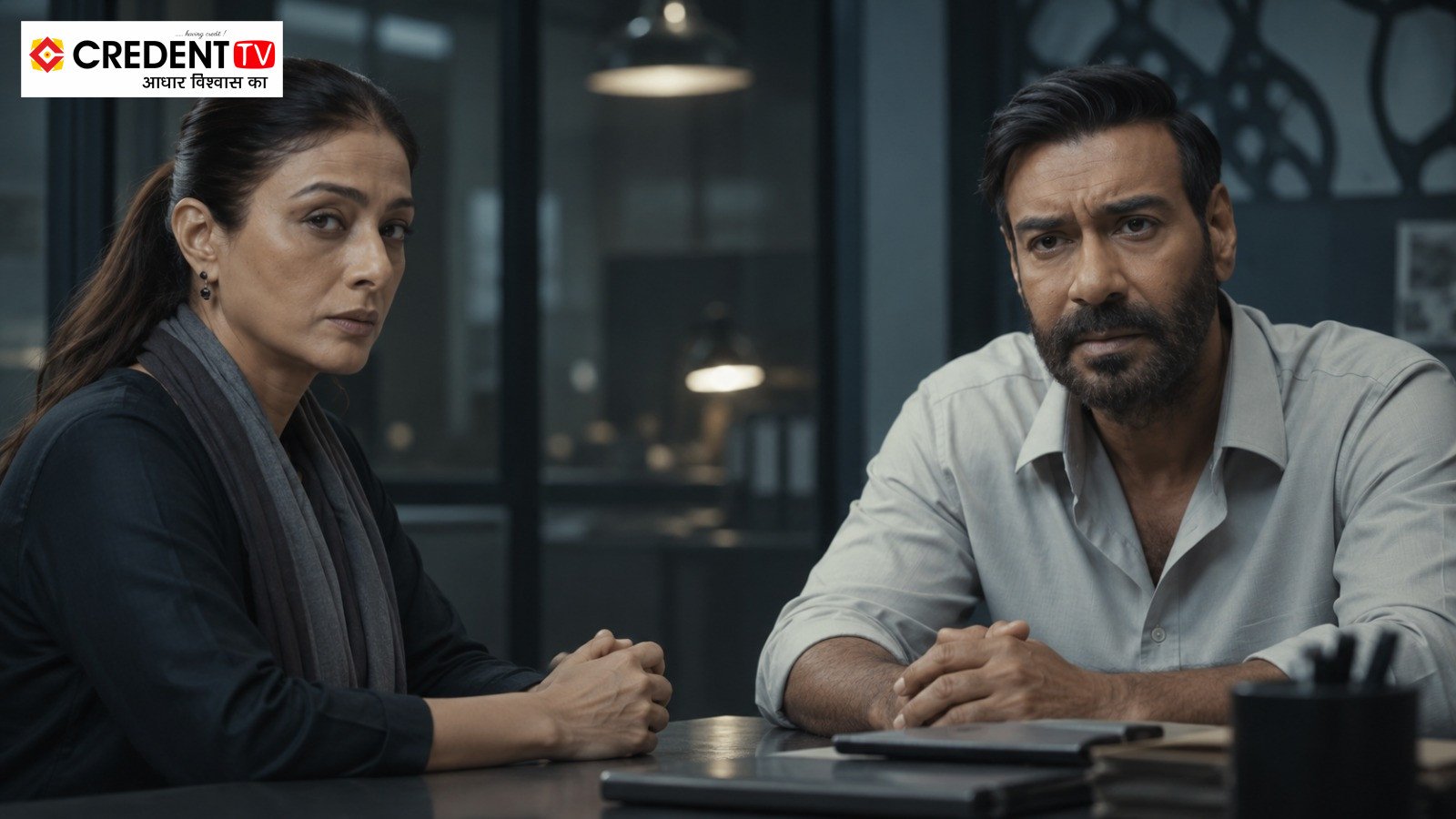
The official trailer for Drishyam: The Conclusion was released on Wednesday, bringing Ajay Devgn back as Vijay Salgaonkar for the final chapter of the Hindi crime-thriller franchise. The film will open in cinemas on 2 October 2026.

Drishyam: The Conclusion trailer revives the Salgaonkar case

The trailer shows Vijay and his family facing renewed scrutiny as investigators continue trying to establish the truth behind the unresolved disappearance that drove the first two films.

Advertisement


Tabu returns as Meera Deshmukh, who remains determined to hold Vijay accountable. Shriya Saran reprises her role as Vijay’s wife, Nandini, while Ishita Dutta returns as their elder daughter, Anju.

The footage presents the concluding film as a confrontation between Vijay’s carefully maintained account and a renewed investigation supported by additional legal and police figures.

Jaideep Ahlawat and Prakash Raj join the investigation

Jaideep Ahlawat joins the franchise as a Crime Branch superintendent of police, while Prakash Raj appears as a lawyer. Their characters strengthen the investigation against Vijay and his family as the decade-long storyline moves towards its conclusion.

Advertisement


Akshaye Khanna, who played investigating officer Tarun Ahlawat in Drishyam 2, does not appear in the newly released trailer. The production has not announced his return for the concluding film.

Drishyam: The Conclusion releases on 2 October

Abhishek Pathak, who directed Drishyam 2, has directed the new instalment. He co-wrote the screenplay with Aamil Keeyan Khan and Parveez Shaikh.

The film is presented by Star Studio18 and produced by Panorama Studios. Alok Jain, Ajit Andhare, Kumar Mangat Pathak and Abhishek Pathak are credited as producers.

Advertisement


The 2 October release date carries narrative significance for the franchise because Vijay used events associated with that date to construct his family’s alibi in the first film. The makers have promoted the new instalment as the conclusion to Vijay Salgaonkar’s story in the Hindi series.

Advertisement


Continue Reading

Bollywood

Ranveer Singh’s Pralay Set Video Reveals Long-Haired Survival Look in Mumbai

Published

on

Ranveer Singh’s Pralay Set Video Reveals Long-Haired Survival Look in Mumbai

Mumbai | 7 Sep 2026

Unofficial photographs and videos from the Mumbai set of Ranveer Singh’s forthcoming film Pralay have revealed the actor in a rugged, long-haired look while filming alongside Kalyani Priyadarshan. The footage circulated widely on social media on Monday, weeks after the production formally began.

Ranveer Singh’s Pralay look surfaces online

The behind-the-scenes visuals show Singh with long hair, a light beard and weathered clothing on a dusty outdoor set featuring old vehicles and muddy roads. The production design appears to depict a city devastated by a large-scale disaster.

In one sequence, Singh is seen carrying a child on his back while walking with a group of people. Another clip reportedly shows the child stepping down after the shot was completed, indicating that the moment formed part of a filmed scene.

Priyadarshan is also visible in the circulating footage. Neither Singh nor the producers had released the material as an official first look at the time of publication, and the context of the scenes has not been disclosed.

Fans compare new appearance with Jaskirat Singh Rangi

Some social-media users compared Singh’s appearance in Pralay with Jaskirat Singh Rangi, his character from the Dhurandhar films. The resemblance prompted comments suggesting that “Jaskirat is back”, although the two productions are unrelated and Singh’s character name in Pralay has not been officially announced.

Other users described him as a possible “zombie hunter”, reflecting reports that the film includes a zombie threat. The production’s official description, however, identifies Pralay more broadly as an apocalyptic survival story combining large-scale spectacle with an emotional narrative.

Pralay marks Ranveer Singh’s production debut

Filming began in Mumbai in August. Pralay marks Singh’s debut as a film producer, alongside his lead acting role.

The project is directed by Jai Mehta, who previously helmed the streaming series Lootere and co-directed Scam 1992: The Harshad Mehta Story. Singh is producing the film with Ananya Birla’s Birla Studios, True Story Films and Maa Kasam Films.

The producers have described the film as an original story rooted in Mumbai’s landscape. Its central narrative will examine survival, courage and the instinct to protect what matters when the familiar world begins to collapse.

Kalyani Priyadarshan joins the Hindi-language project

Priyadarshan, known primarily for her work in Malayalam, Tamil and Telugu cinema, plays a leading role opposite Singh. Pralay is being positioned as her major Hindi-language film debut.

The makers have not yet confirmed Singh’s character name, the complete cast or a theatrical release date. Further production schedules and an official first-look campaign are also awaited.

Continue Reading

Bollywood

National Film Awards Move to Gujarat for First Time, Ceremony Set for 22 September

Published

on

National Film Awards Move to Gujarat for First Time, Ceremony Set for 22 September

The 72nd National Film Awards ceremony will be held at Ekta Nagar in Gujarat on 22 September, taking the presentation outside Delhi for the first time in the awards’ 72-year history. President Droupadi Murmu will present the honours, officials said on Monday.

National Film Awards ceremony shifts to Ekta Nagar

Ekta Nagar | 7 Sep 2026 The 72nd National Film Awards ceremony will be held in Gujarat’s Ekta Nagar on 22 September, taking the presentation outside New Delhi for the first time in the awards’ 72-year history. President Droupadi Murmu will confer the honours, officials said on Monday.

National Film Awards ceremony moves to Ekta Nagar

Ekta Nagar, formerly known as Kevadia, is located in Gujarat’s Narmada district and is home to the Statue of Unity dedicated to Sardar Vallabhbhai Patel.

The decision marks a significant departure from the awards’ long-established association with New Delhi. The inaugural National Film Awards ceremony was held at Vigyan Bhawan in 1954, and the venue has hosted most subsequent editions.

President Murmu is expected to present the awards during her scheduled visit to Gujarat. She is also due to attend the convocation of Maharaja Sayajirao University of Baroda and a Brahma Kumaris programme in Padra on 23 September.

Article 370 leads 72nd National Film Awards winners

The Ministry of Information and Broadcasting announced the winners of the 72nd National Film Awards on 18 July. The awards recognise Indian films certified during 2024 across feature films, non-feature productions and writing on cinema.

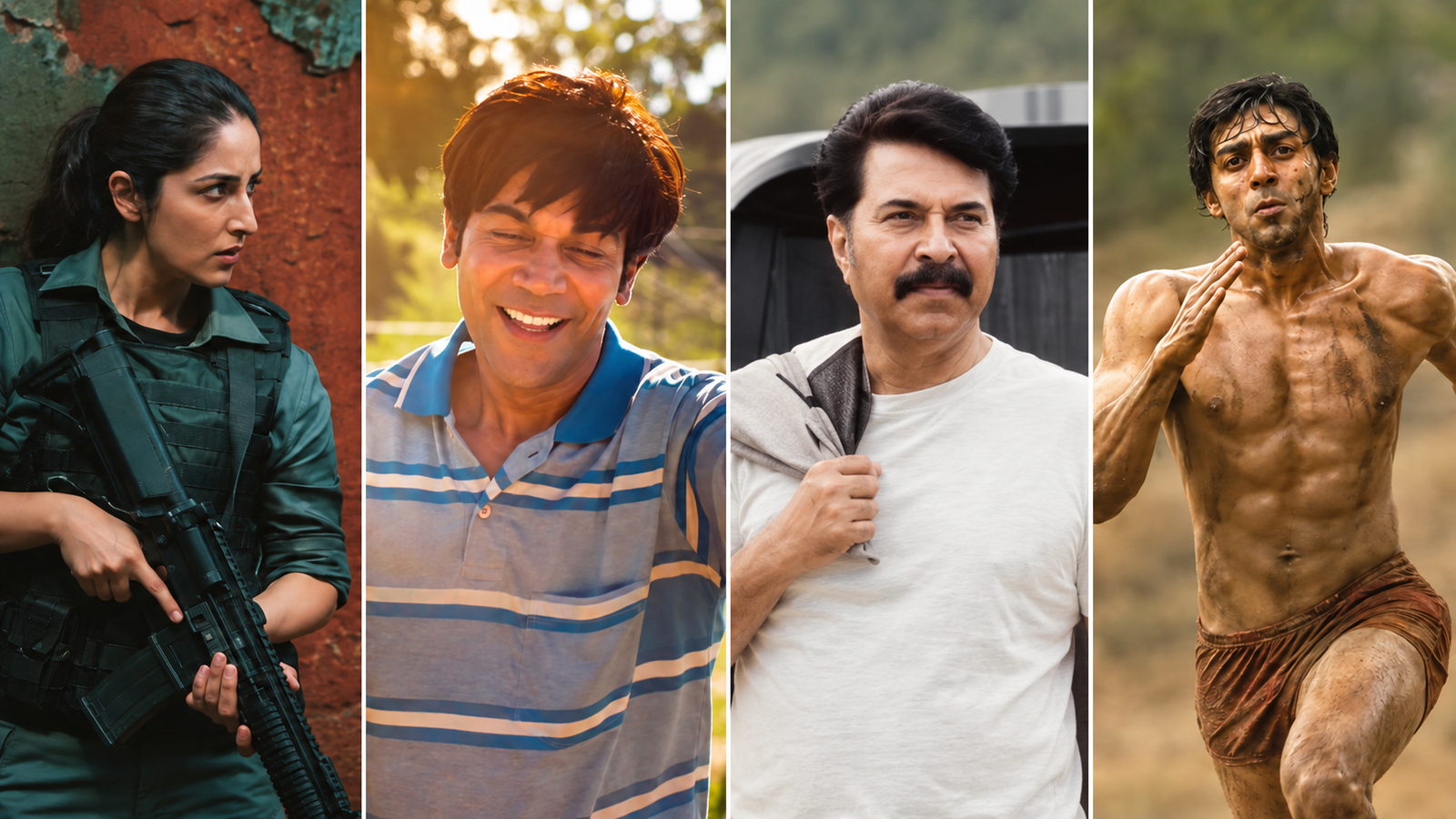
Article 370, produced by Jio Studios and B62 Studios and directed by Aditya Suhas Jambhale, won Best Feature Film. Its lead actor Yami Gautam received the Best Actress in a Leading Role award.

Mammootty and Kartik Aaryan were jointly named Best Actor in a Leading Role. Mammootty was recognised for his performance in the Malayalam film Bramayugam, while Aaryan won for portraying Indian Paralympic gold medallist Murlikant Petkar in Chandu Champion.

Randeep Hooda received the Best Debut Director award for Swatantrya Veer Savarkar. The biographical drama also featured Hooda in the title role.

Kalki 2898 AD, Bhangaar and Ram-Nami among major winners

Kalki 2898 AD was selected as the Best Popular Film Providing Wholesome Entertainment. Other prominent films receiving honours included Pushpa: The Rule Part-02, Amaran, Stree 2 and Bhool Bhulaiyaa 3.

Bhangaar won Best Non-Feature Film, while Ram-Nami received the Best Documentary award. Filmmaker Aanand L Rai won Best Direction in the non-feature category for Statue of Unity: Ekta Ka Prateek, creating a direct thematic connection with the ceremony’s new location.

The presentation ceremony will formally confer the medals, certificates and cash awards on the winners announced in July. Detailed arrangements and the final programme are expected to be released closer to the event.

Continue Reading

Bollywood

Disha Patani’s Journey: ₹500 in Mumbai to Awarapan 2 Release

Published

on

Disha Patani’s Journey: ₹500 in Mumbai to Awarapan 2 Release


Mumbai | 28 Aug 2026

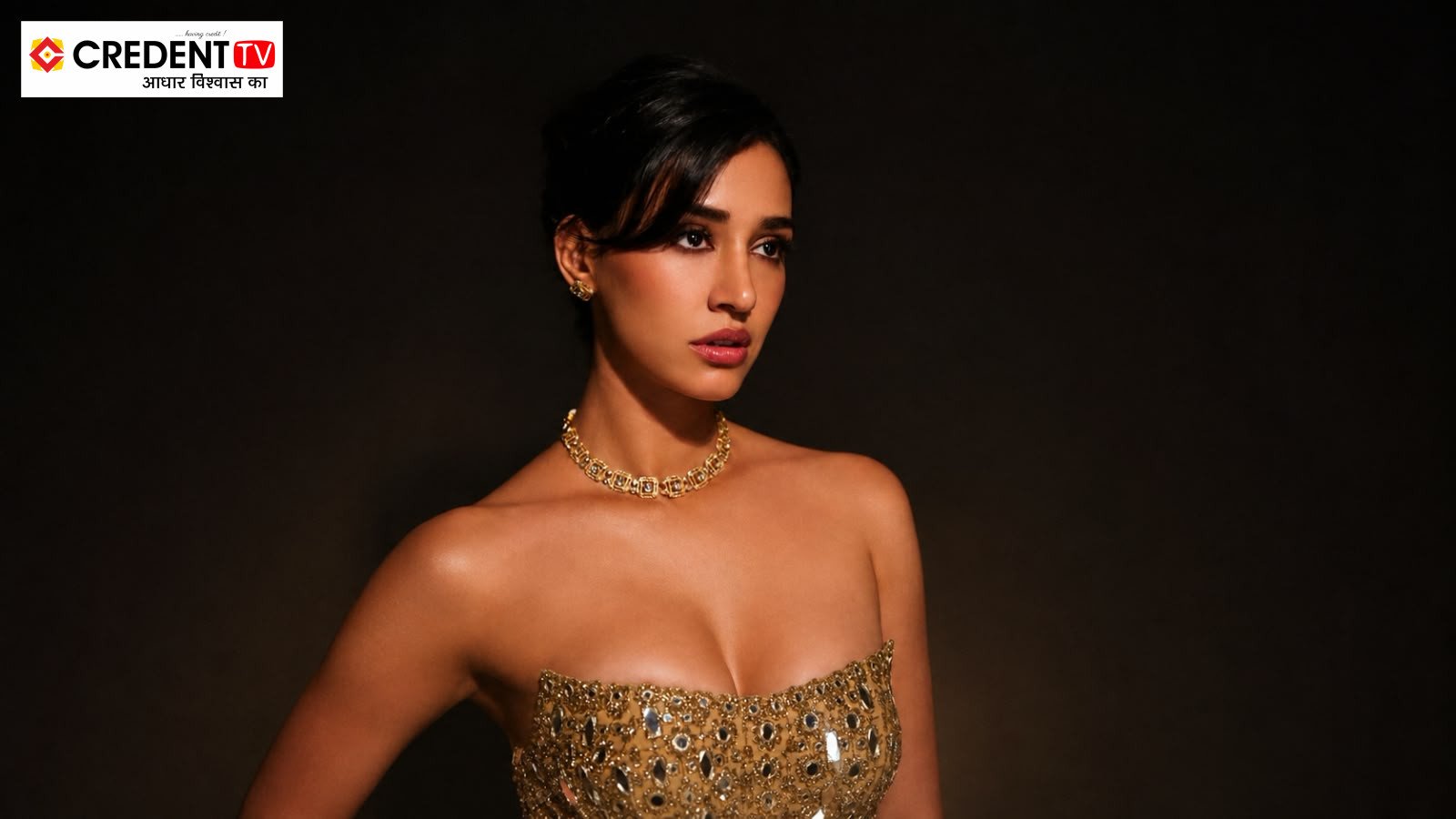
Disha Patani, now appearing opposite Emraan Hashmi in the recently released Awarapan 2, built her film career after leaving engineering studies, moving to Mumbai with limited savings and facing repeated auditions and early rejection. Her breakthrough in Hindi cinema came with M.S. Dhoni: The Untold Story in 2016, a decade before she joined the cast of the Awarapan sequel.

Disha Patani moved to Mumbai with ₹500

Patani has spoken publicly about the financial uncertainty of her early career. In a 2018 interview with Hindustan Times, she said she had left her studies and moved to Mumbai, where she lived independently and tried to support herself through modelling, commercials and auditions.

Advertisement


“I came to Mumbai with ₹500 and after a point, I didn’t have any money.”— Disha Patani, actor

She said she regularly auditioned for television commercials and faced the practical pressure of securing enough work to pay her rent. Her account also makes clear that her entry into the film industry was not backed by an established film family.

Before moving fully into entertainment, Patani was studying engineering. She later said modelling assignments increasingly clashed with the attendance requirements of her college, eventually forcing her to choose between continuing her studies and pursuing modelling.

Disha Patani auditioned for Heropanti but did not get the role

One of Patani’s early auditions was for Heropanti, the 2014 Hindi debut of Tiger Shroff. The female lead eventually went to Kriti Sanon.

Advertisement


Patani later recalled during an interview with Bollywood Hungama that she was still studying at the time and had travelled for the audition without having established herself as an actor.

“I was horrible in the audition.”— Disha Patani, actor

The available interview establishes that she auditioned for the film and did not secure the part. It does not support portraying the episode as her being removed from Heropanti after being formally cast.

A separate launch film also fell through

Patani has, however, confirmed that another project intended to launch her did not go ahead with her in the role. In her 2018 interview, she said she had been replaced by another actor before that film started.

Advertisement


She described rejection as an experience that pushed her to work harder rather than abandon acting. The title of that abandoned launch project was not identified in the interview, so linking it definitively to Heropanti would be inaccurate.

M.S. Dhoni film brought wider Hindi-cinema recognition

Patani made her acting debut in Telugu cinema with director Puri Jagannadh’s Loafer in 2015, opposite Varun Tej. Her first Hindi film release came the following year with Neeraj Pandey’s M.S. Dhoni: The Untold Story.

In the biographical sports drama, starring Sushant Singh Rajput as former India captain Mahendra Singh Dhoni, Patani played Priyanka Jha. The film was released on 30 September 2016 and became the project that brought her substantially wider recognition among Hindi-film audiences.

Advertisement


Her subsequent credits included Kung Fu Yoga with Jackie Chan, Baaghi 2, Bharat, Malang, Ek Villain Returns, Yodha, Kalki 2898 AD and Kanguva.

Disha Patani stars as Zara in Awarapan 2

Patani’s latest theatrical appearance is Awarapan 2, released on 14 August 2026. Central Board of Film Certification records identify Emraan Hashmi and Disha Patani as the film’s main actors and list Nitin Kakkar as director, with Mukesh Bhatt and Vishesh Bhatt as producers.

The CBFC certified the Hindi film UA 16+ on 5 August with a running time of about 140 minutes. Patani plays Zara, while Hashmi reprises Shivam Pandit, the character he played in the 2007 film Awarapan.

Advertisement


The sequel follows Shivam years after the events of the original film as he is drawn back into a dangerous criminal world. Shabana Azmi and Shriya Saran are among the other credited cast members.

From modelling auditions to mainstream films

Patani has previously said acting was not originally her childhood career plan and that she had once wanted to become an Air Force pilot. Modelling opportunities during college gradually altered that path.

Her career therefore developed through a sequence of modelling assignments, commercial auditions, unsuccessful film opportunities and regional cinema before her Hindi-film breakthrough. The record also shows why two frequently repeated parts of her story require distinction: she did audition unsuccessfully for Heropanti, while the film in which she says she was formally replaced was a separate, unidentified launch project.
Advertisement


Continue Reading

Bollywood

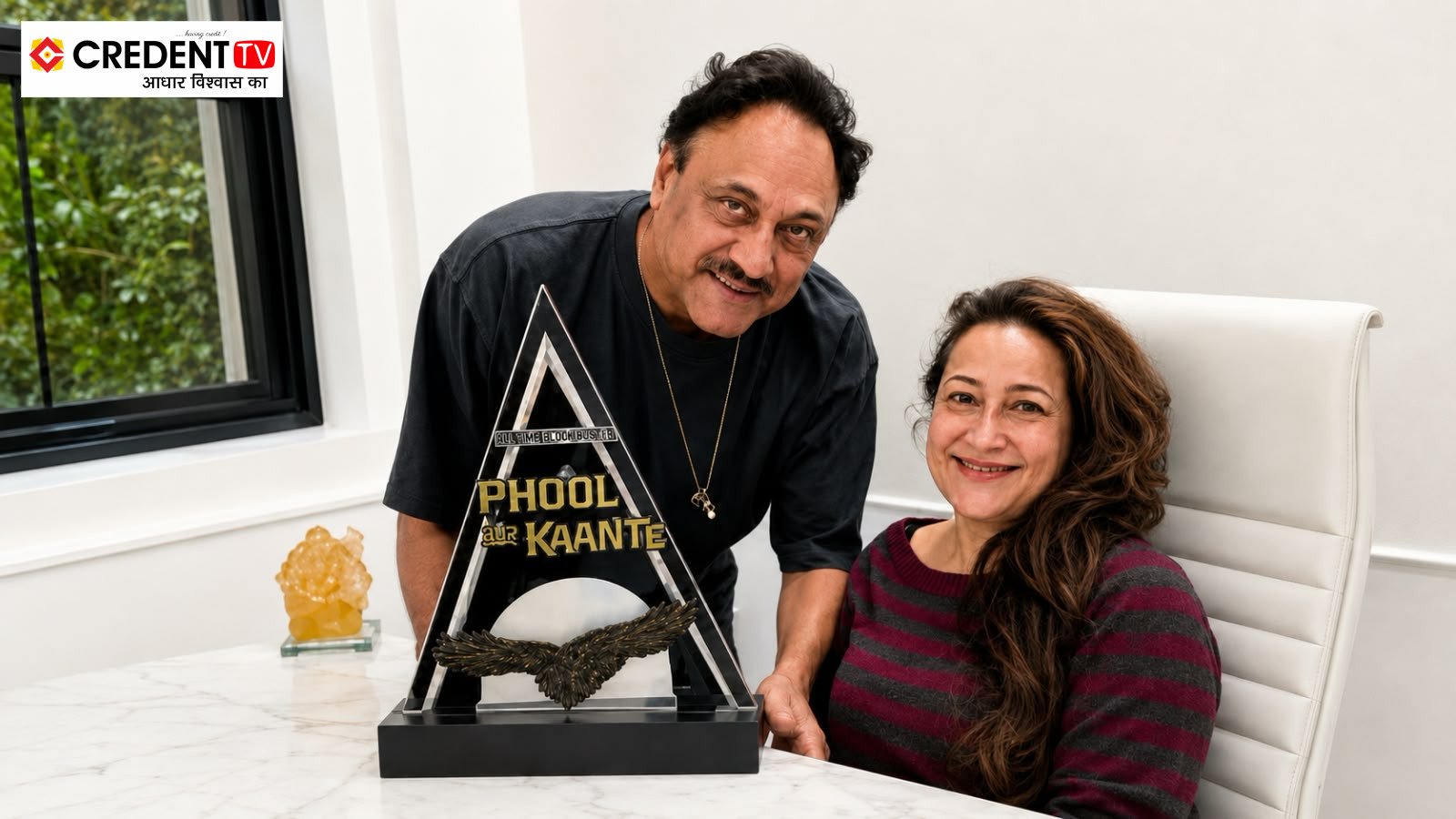
Kuku Kohli Dies at 77; ‘Phool Aur Kaante’ Director Launched Ajay Devgn

Published

on

Kuku Kohli Dies at 77; ‘Phool Aur Kaante’ Director Launched Ajay Devgn


Mumbai | 26 Aug 2026

Veteran Hindi filmmaker Kuku Kohli has died at 77 in Mumbai after suffering a massive heart attack. Kohli, best known for directing the 1991 film Phool Aur Kaante, which launched Ajay Devgn as a leading actor, died on Tuesday, 25 August, at Kokilaben Dhirubhai Ambani Hospital.

Kuku Kohli Dies at 77 After Massive Heart Attack

Filmmaker Ashoke Pandit, a friend of Kohli, confirmed the death. He told PTI that Kohli had felt uncomfortable and was admitted to Kokilaben Dhirubhai Ambani Hospital on Monday.

“He was feeling uncomfortable and was admitted to Kokilaben Dhirubhai Ambani Hospital on Monday. He passed away due to a massive heart attack around 4.30 pm.”— Ashoke Pandit, filmmaker and Kuku Kohli’s friend

Separate accounts from Kohli’s family and representatives said doctors had treated a cardiac blockage and placed a stent before his condition deteriorated on Tuesday evening.

Advertisement


Kohli is survived by veteran actor Aruna Irani and his two daughters from an earlier marriage, Pooja Kohli and filmmaker Karishma Kohli.

‘Phool Aur Kaante’ Director Gave Ajay Devgn His Film Debut

Kohli remains most closely associated with Phool Aur Kaante, his 1991 directorial debut. The action-romance introduced Ajay Devgn as a leading actor and also featured Madhoo, Aruna Irani, Jagdeep and Amrish Puri.

Devgn’s entrance in the film, balancing with one foot on each of two moving motorcycles, became one of the most recognisable debut sequences in mainstream Hindi cinema.

Advertisement


Kohli later worked with Devgn again in the 1994 action film Suhaag, which also starred Akshay Kumar, Karisma Kapoor and Nagma, and in Haqeeqat in 1995 alongside Tabu.

Kuku Kohli’s Career Included ‘Suhaag’, ‘Anari No. 1’ and ‘Zulmi’

Before becoming an independent director, Kohli worked in filmmaking under established directors including Raj Kapoor and was associated with productions such as Betaab and Arjun.

His directing credits included Kohraam, Suhaag, Haqeeqat, Anari No. 1, Zulmi and Yeh Dil Aashiqanaa. His final feature-film directorial release was Woh Tera Naam Tha in 2004.

Advertisement


Film Industry Pays Tribute as Last Rites Set for Wednesday

Indian Motion Picture Producers’ Association president Abhay Sinha also confirmed Kohli’s death and expressed condolences. Ashoke Pandit separately shared a tribute remembering the filmmaker.

Kohli’s last rites are scheduled to be held on Wednesday, 26 August, at Mumbai’s Oshiwara Crematorium. Reports said the cremation was planned for 11 am, following a final viewing earlier in the morning.

Advertisement


Continue Reading

Bollywood

Kriti Sanon Defends Raksha Bandhan Ad, Rejects Clothing Criticism

Published

on

Kriti Sanon Defends Raksha Bandhan Ad, Rejects Clothing Criticism

India | 25 Aug 2026

Actor Kriti Sanon has defended her Raksha Bandhan advertisement following criticism of her attire and the campaign’s inclusion of a pet dog, arguing that a woman’s respect for culture should not be judged by her clothes.

Advertisement


The Bollywood actor addressed the controversy through an Instagram Story on Tuesday after the jewellery campaign generated divided reactions online and drew criticism from actor and BJP MP Kangana Ranaut.

Kriti Sanon Responds to Raksha Bandhan Ad Criticism

Sanon said the meaning of a festival comes from the emotions and significance attached to its traditions, rather than the clothes worn during the celebration.

Advertisement


She explained that she and her sister, Nupur Sanon, tie rakhis to each other because they believe they can protect one another as much as a brother could. She added that their prayers for health, happiness and longevity also extend to their dogs, whom they consider family.

Sanon also questioned why women continued to be told what they should wear and said ethnic fashion had evolved over time.

“Culture & Traditions are in her heart, not in her neckline!”

Advertisement


— Kriti Sanon, actor

Although her statement came after Ranaut’s remarks, Sanon did not name the actor-politician directly.

Why the GIVA Campaign Sparked Debate

Advertisement


The Raksha Bandhan advertisement for jewellery brand GIVA features Sanon in an off-white bralette-style blouse, cape and draped skirt. It also includes a sequence in which she ties a rakhi to a dog.

Some social media users objected to the outfit and questioned the absence of familiar ceremonial elements such as a puja thali and tilak. Others defended the campaign and said the criticism amounted to policing a woman’s clothing.

Ranaut joined the debate through an Instagram Story on Monday. She questioned the choice of an outfit she compared with a bikini or undergarments and described the advertisement as appearing “intentionally creepy”.

Advertisement


Nupur Sanon Backs Her Sister

Nupur Sanon subsequently reposted her sister’s statement and criticised those objecting to the actor’s clothing.

“Imagine being this bothered by what another woman chooses to wear. Respectfully, EVOLVE!”

Advertisement


— Nupur Sanon, actor and singer

Nupur said she was the sister to whom Kriti tied the rakhi and questioned why others should object when she herself had no problem with it.

The dispute has developed into a wider social-media debate over women’s clothing, contemporary advertising and the representation of traditional festivals.

Advertisement


Continue Reading

Bollywood

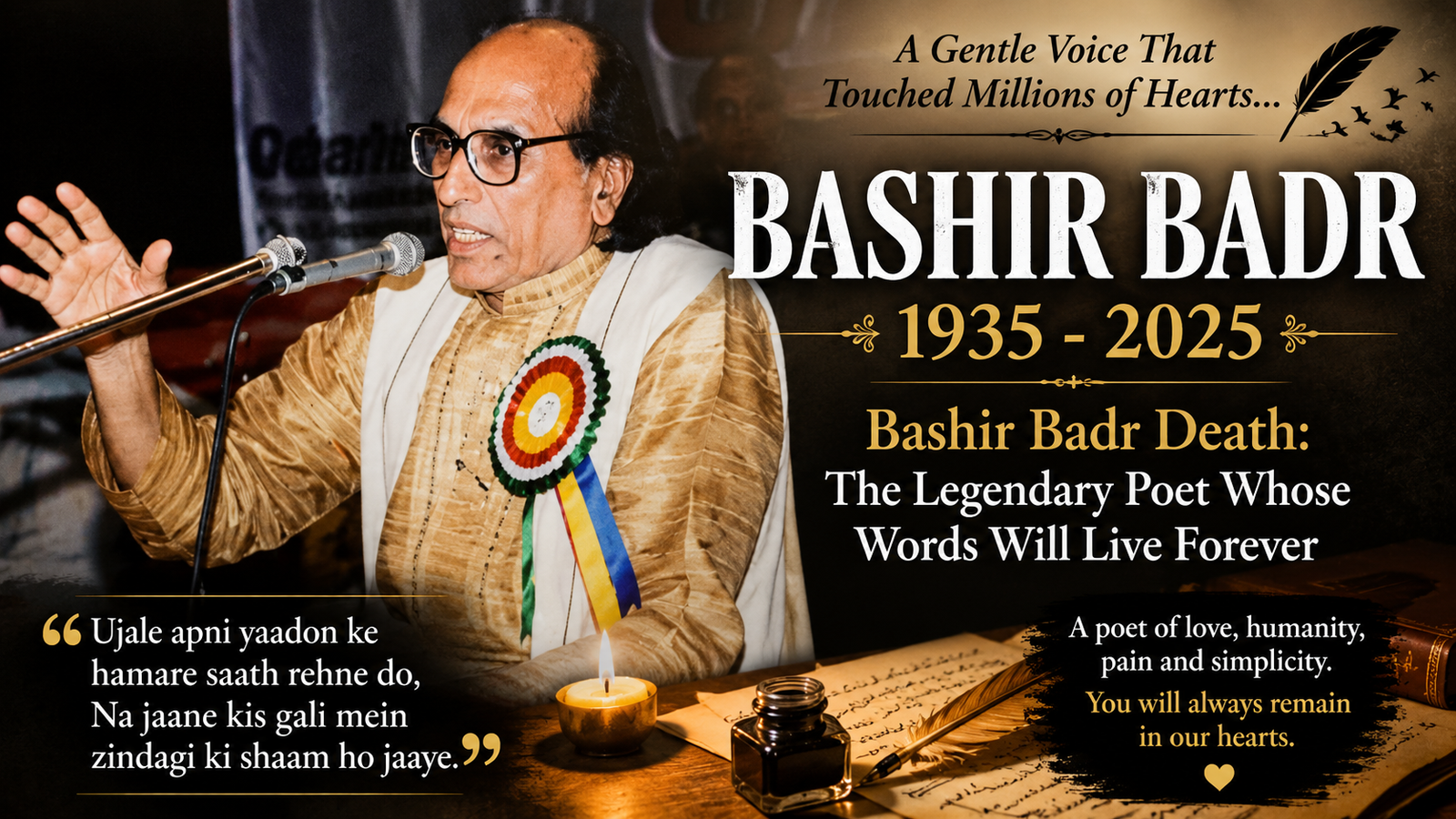
Bashir Badr Death at 91: The Poet Who Taught India How to Feel Love and Loss

Bashir Badr Death has left the world of Urdu poetry in deep mourning. Read this emotional tribute on the legendary poet’s life, timeless shayari, struggles, literary legacy and unforgettable contribution to Urdu literature.

Published

on

Bashir Badr

Bashir Badr Death Leaves the World of Urdu Poetry Heartbroken

The news of Bashir Badr Death has created a deep sense of grief across India and among lovers of Urdu poetry worldwide. One of the softest, most humane and emotionally resonant voices of modern Urdu literature has fallen silent. With his passing, the literary world has not merely lost a poet; it has lost an entire era of sensitivity, romance, pain and humanity.

For decades, Bashir Badr’s poetry gave words to love, loneliness, heartbreak, separation and the quiet pain hidden inside ordinary human relationships. His couplets were not confined to books or literary gatherings. They lived in love letters, lonely nights, tea-house conversations, college notebooks and broken hearts.

Advertisement

The emotional impact of Bashir Badr Death is especially profound because his poetry never felt distant or intellectual. It felt personal. It felt lived.

Who Was Bashir Badr?

Born on February 15, 1935, near Ayodhya in Uttar Pradesh, Bashir Badr became one of the most celebrated voices of modern Urdu poetry. He studied at Aligarh Muslim University and later taught Urdu literature as an academic and scholar.

However, his real identity emerged through his ghazals.

Advertisement

Unlike many classical Urdu poets whose work remained inaccessible to common readers, Bashir Badr brought Urdu poetry closer to ordinary people. He used simple words but carried immense emotional depth. That simplicity became his greatest strength.

His poetry was modern yet timeless.


Bashir Badr Death Shocks Literary World

According to family sources, Bashir Badr passed away in Bhopal at the age of 91 after a prolonged illness. Reports suggest he had also been suffering from dementia in recent years.

Advertisement

The moment news of Bashir Badr Death surfaced, tributes began pouring in from writers, poets, journalists, politicians and readers across generations.

Many literary experts described his death as “the end of a golden chapter of Urdu ghazal.”

Social media platforms were flooded with his iconic couplets, proving once again that great poets never truly disappear.

Advertisement

The Simplicity That Made Him Legendary

The greatest quality of Bashir Badr’s poetry was emotional simplicity.

He could express life’s deepest truths in just two lines.

One of his most famous couplets remains:

Advertisement

“Ujale apni yaadon ke hamare saath rehne do,
Na jaane kis gali mein zindagi ki shaam ho jaaye.”

After the news of Bashir Badr Death, these lines suddenly feel even more haunting and emotional.

It almost feels as if the poet had written his own farewell decades ago.


7 Timeless Shayari by Bashir Badr

1. On Love and Separation

“कुछ तो मजबूरियाँ रही होंगी
यूँ कोई बेवफ़ा नहीं होता”


2. On Humanity

“दुश्मनी जम कर करो लेकिन ये गुंजाइश रहे
जब कभी हम दोस्त हो जाएँ तो शर्मिंदा न हों”


3. On Life’s Uncertainty

“उजाले अपनी यादों के हमारे साथ रहने दो
न जाने किस गली में ज़िंदगी की शाम हो जाए”


4. On Changing Society

“कोई हाथ भी न मिलाएगा जो गले मिलोगे तपाक से
ये नए मिज़ाज का शहर है ज़रा फ़ासले से मिला करो”


5. On Pain

“लोग टूट जाते हैं एक घर बनाने में
तुम तरस नहीं खाते बस्तियाँ जलाने में”


6. On Loneliness

“मोहब्बतों में दिखावे की दोस्ती न मिला
अगर गले नहीं मिलता तो हाथ भी न मिला”


7. On Emotional Truth

“मुसाफ़िर हैं हम भी मुसाफ़िर हो तुम भी
किसी मोड़ पर फिर मुलाक़ात होगी”

These lines ensured that even after Bashir Badr Death, his poetry would continue living inside millions of hearts.

Advertisement

His Struggles Beyond Poetry

Bashir Badr’s life was not untouched by suffering.

During the communal riots in Meerut, his home and many of his unpublished manuscripts were destroyed in fire.

For a poet, losing manuscripts is like losing memories, emotions and pieces of the soul itself.

Advertisement

Yet despite such tragedy, Bashir Badr never allowed hatred to dominate his writing.

He continued writing about love, compassion and coexistence.

That emotional resilience made him not only a great poet but also a remarkable human being.

Advertisement

Bashir Badr and the Human Side of Urdu Literature

The reason Bashir Badr became universally loved was simple:
he understood human emotions deeply.

His poetry did not belong only to literary elites.

It belonged to:

Advertisement
  • lovers,
  • lonely people,
  • students,
  • old friends,
  • broken hearts,
  • and ordinary human beings trying to survive emotionally difficult lives.

That rare emotional accessibility is what separated him from many other poets.


Why Bashir Badr Will Never Truly Die

The tragedy of Bashir Badr Death is real. But poets like Bashir Badr do not disappear. Every time someone remembers love on a lonely night…
Every time someone quotes his shayari in silence…
Every time a broken heart searches for words…

Bashir Badr will return. His poetry has already crossed generations and borders. That is immortality.
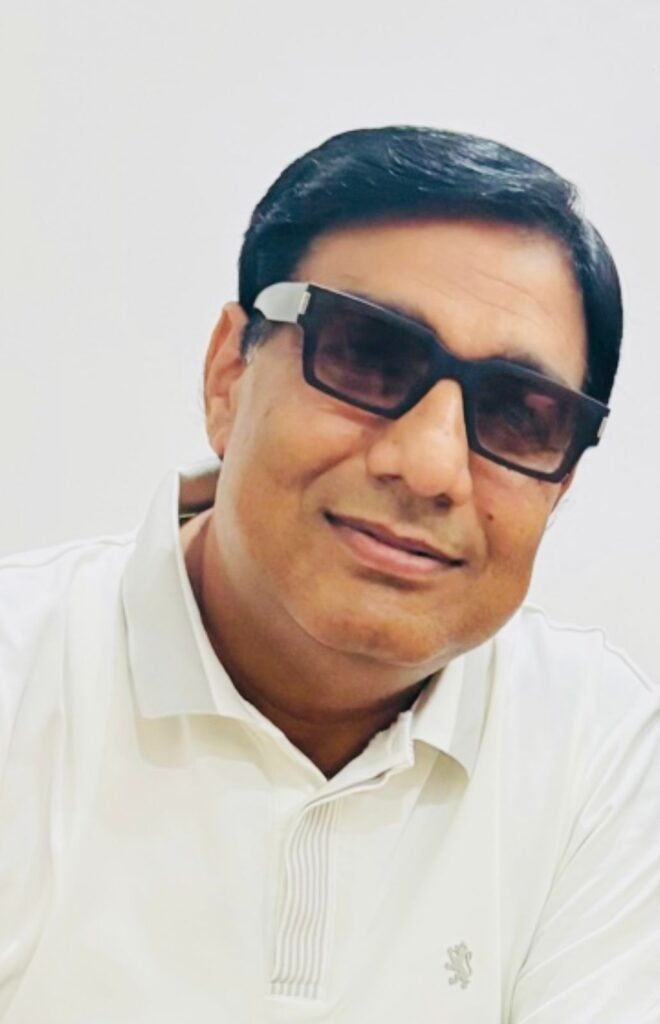
Vinod Verma Ralawata

Article by: Vinod Verma ” Ralawata”

Advertisement

Continue Reading

Biography

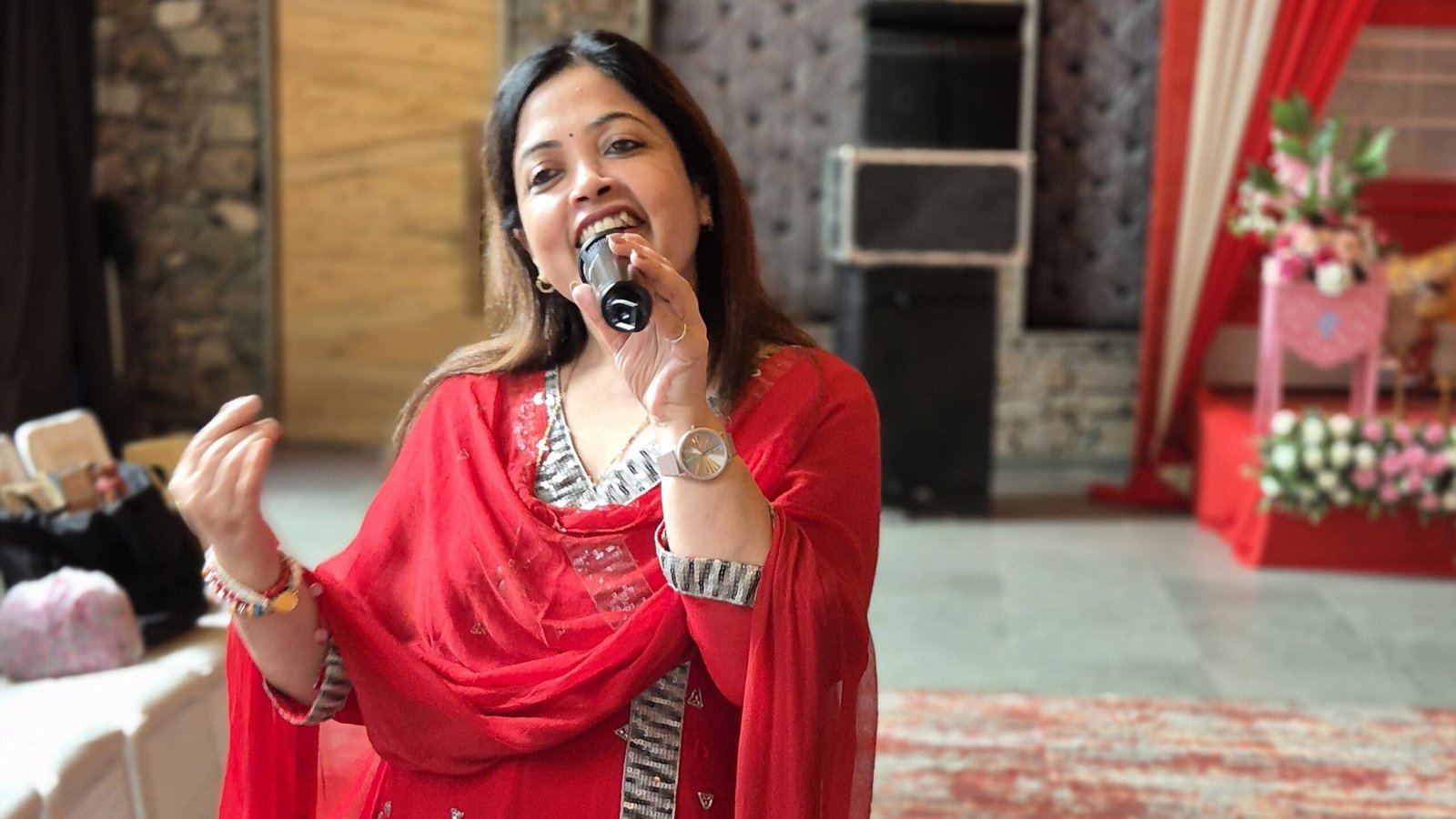
Veena Modani: Rajasthan’s New Cultural Ambassador Inspiring a New Generation

Veena Modani, Rajasthan’s celebrated artist and choreographer, has transformed Indian dance and music through her academy, Jaipur Rhythm Fest, and award-winning cultural contributions spanning over 25 years.
Published

on

Veena Modani

25 May, Credent TV | Veena Modani has emerged as one of Rajasthan’s most respected cultural personalities, blending art, education, choreography, and leadership into an inspiring journey that continues to influence India’s artistic landscape. For more than 25 years, she has dedicated her life to preserving Indian culture while simultaneously giving modern platforms to emerging talent.

Known for her graceful stage presence, soulful musical expression, and visionary event management, Veena Modani today represents the artistic spirit of Rajasthan on national and international platforms. From nurturing young performers through her academy to organizing large-scale cultural festivals, her contribution to Indian performing arts remains both impactful and enduring.

Advertisement

Introduction to Veena Modani

In Rajasthan’s colorful artistic ecosystem, Veena Modani has established herself as a symbol of dedication, discipline, and creativity. Her work spans multiple domains including choreography, music, cultural event management, mentoring, and social empowerment.

As the founder and director of the Veena Modani Academy of Dance and Music, she has trained hundreds of aspiring artists while creating opportunities for performers to showcase their abilities on bigger stages.

Her journey reflects not only artistic excellence but also a mission to keep India’s cultural traditions alive in an era increasingly influenced by digital entertainment and changing audience preferences.

Advertisement

Early Life and Artistic Passion

The story of Veena Modani began with a deep emotional connection to Indian music and classical dance traditions. From a young age, she displayed a natural inclination toward rhythm, expression, and performance.

Her early exposure to classical raagas and traditional dance forms shaped her artistic sensibilities. What started as childhood fascination eventually became a disciplined pursuit of excellence.

Years of rigorous training helped her master both the technical and emotional dimensions of performance art. Audiences soon began recognizing her ability to combine graceful choreography with emotionally resonant storytelling.

Advertisement

Her performances are often praised for their elegance, authenticity, and cultural richness. Many admirers describe her stage presence as deeply immersive, capable of emotionally connecting with viewers across generations.


Veena Modani Academy: Building Future Artists

One of the most significant achievements of Veena Modani has been the establishment of the Veena Modani Academy of Dance and Music.

The academy has evolved into one of Rajasthan’s respected institutions for training in dance and music. It offers students exposure to both traditional Indian art forms and contemporary creative expression.

Advertisement

Key Contributions of the Academy

  • Training aspiring dancers and musicians
  • Promoting Indian classical traditions
  • Organizing workshops and stage performances
  • Encouraging confidence and discipline among students
  • Providing professional exposure to emerging talent

Under her mentorship, many students have successfully pursued careers in performing arts and cultural entertainment.

Her teaching philosophy emphasizes artistic integrity, emotional expression, and cultural awareness rather than merely technical perfection.


Jaipur Rhythm Fest: A Landmark Cultural Initiative

Among the major milestones in the journey of Veena Modani is the creation of the Jaipur Rhythm Fest, a cultural event that celebrates the diversity of Indian performing arts.

The festival has become an important platform for artists, musicians, dancers, and performers from different parts of India. It promotes collaboration between established professionals and emerging talent.

Advertisement

Why Jaipur Rhythm Fest Matters

The event stands out because it combines:

  • Classical dance
  • Contemporary choreography
  • Folk performances
  • Music collaborations
  • Youth participation
  • Cultural innovation

Through this initiative, Veena Modani has strengthened Rajasthan’s image as a thriving center of artistic excellence.


Veena Modani’s Contribution to Indian Dance and Music

Veena Modani is widely admired for balancing traditional Indian values with modern artistic presentation.

Her performances often reflect themes of:

Advertisement
  • Indian heritage
  • Emotional storytelling
  • Feminine strength
  • Spiritual depth
  • Social awareness

She has consistently worked to ensure that younger generations remain connected to Indian cultural roots while adapting performances for contemporary audiences.

Artistic Style

Her choreography is known for:

  • Strong emotional expression
  • Fluid movement
  • Cultural symbolism
  • Musical precision
  • Visual storytelling

This unique artistic identity has helped her stand apart in Rajasthan’s competitive cultural environment.


Awards and Recognition Earned by Veena Modani

Over the years, Veena Modani has received several prestigious honors recognizing her artistic and social contributions.

Major Awards and Honors

Women Empowerment Award (2016)

Presented by former Rajasthan Chief Minister Vasundhara Raje, this award recognized her contribution toward empowering women through art and education.

Advertisement

Rajasthan Gaurav Award (2017)

This honor acknowledged her immense contribution to Rajasthan’s cultural landscape.

Women Achiever Award (2017 & 2019)

Recognized her excellence in music, dance, mentorship, and leadership.

Brijmohan Gupta Art Award (2018)

Awarded for her creativity and contribution to artistic direction.

Advertisement

Pandit Manmohan Bhatt Memorial Award (2019)

Honored her dedication to classical music traditions and artistic excellence.

Guru Vashistha Award (2019)

Celebrated her role as a mentor and cultural educator.

Voice of Rajasthan Award (2020)

Presented during the Jaipur International Film Festival by veteran Bollywood actor Prem Chopra.

Advertisement

Rajasthan Icon Award (2023)

Recognized her long-term influence on Rajasthan’s artistic identity.

AMG Award and Shakti Award (2024)

Acknowledged her leadership, creativity, and influence as a woman artist.

Samaj Gaurav Award (2026)

Presented during the Maheshwari Global Convention for her remarkable cultural contribution.

Advertisement

Women Empowerment Through Art

One of the defining aspects of Veena Modani’s journey is her consistent focus on women empowerment.

Through dance and music education, she has inspired countless women to pursue careers in performing arts confidently and independently.

Her workshops and mentorship initiatives encourage young women to:

Advertisement
  • Express themselves creatively
  • Build self-confidence
  • Develop leadership skills
  • Preserve cultural heritage
  • Achieve financial independence through art

This commitment has transformed her from merely an artist into a social inspiration for aspiring female performers.


Why Veena Modani Is Called the “Voice of Rajasthan”

The title “Voice of Rajasthan” is not merely ceremonial—it reflects the emotional connection audiences feel with Veena Modani and her work.

Her performances embody Rajasthan’s traditions, emotions, music, and storytelling heritage.

Reasons Behind the Title

  • Cultural authenticity
  • Emotional musical expression
  • Dedication to Rajasthani heritage
  • Long-standing contribution to performing arts
  • Ability to connect with audiences across generations

Her artistic identity has become synonymous with Rajasthan’s evolving cultural narrative.


Impact on Rajasthan’s Cultural Identity

In recent years, Rajasthan has increasingly become a destination for cultural tourism, music festivals, and artistic collaborations.

Advertisement

Artists like Veena Modani have played a major role in shaping this transformation.

Her Broader Cultural Impact

  • Promoting Rajasthan globally
  • Supporting regional artists
  • Preserving classical traditions
  • Encouraging youth participation
  • Strengthening cultural infrastructure

Her work demonstrates how performing arts can contribute not only to entertainment but also to cultural preservation and social development.


The Leadership Behind Veena Modani Events

Apart from performance and teaching, Veena Modani has earned recognition for her event management expertise through Veena Modani Events.

Her events are known for:

Advertisement
  • Professional production quality
  • Artist-focused execution
  • Innovative choreography
  • Cultural authenticity
  • Large audience engagement

These events often become platforms where established and emerging performers share the same stage.

This collaborative ecosystem has significantly contributed to Rajasthan’s artistic growth.


The Future Vision of Veena Modani

Even after decades of achievements, Veena Modani continues to expand her artistic mission.

Her future goals reportedly focus on:

Advertisement
  • Expanding cultural education programs
  • Promoting Indian art internationally
  • Supporting young performers digitally
  • Organizing larger cultural festivals
  • Creating global collaborations in performing arts

Her journey proves that cultural leadership requires constant innovation while staying deeply connected to tradition.


Frequently Asked Questions

Who is Veena Modani?

Veena Modani is a renowned artist, choreographer, mentor, and cultural icon from Rajasthan known for her contribution to Indian dance, music, and cultural events.


What is Veena Modani Academy?

The academy is a performing arts institution founded by Veena Modani that trains students in dance and music while promoting Indian cultural traditions.


What is Jaipur Rhythm Fest?

Jaipur Rhythm Fest is a cultural festival initiated by Veena Modani that brings together dancers, musicians, and performers from across India.

Advertisement

Which awards has Veena Modani received?

She has received numerous honors including the Rajasthan Gaurav Award, Women Empowerment Award, Rajasthan Icon Award, and Voice of Rajasthan Award.


Why is Veena Modani important to Rajasthan’s culture?

She has significantly contributed to preserving and promoting Rajasthan’s artistic identity through education, performances, mentorship, and cultural events.

Veena Modani represents the perfect blend of artistic brilliance, cultural leadership, and social inspiration. Her journey from a passionate young performer to one of Rajasthan’s most respected cultural ambassadors reflects years of dedication, discipline, and vision.

Advertisement

Whether through her academy, performances, mentorship, or landmark initiatives like Jaipur Rhythm Fest, she has continuously worked to preserve India’s rich artistic traditions while empowering future generations.

In an era where cultural authenticity often competes with commercial entertainment, Veena Modani continues to stand as a powerful reminder that art rooted in tradition can still inspire, evolve, and unite people across boundaries.

Advertisement
Continue Reading

Bollywood

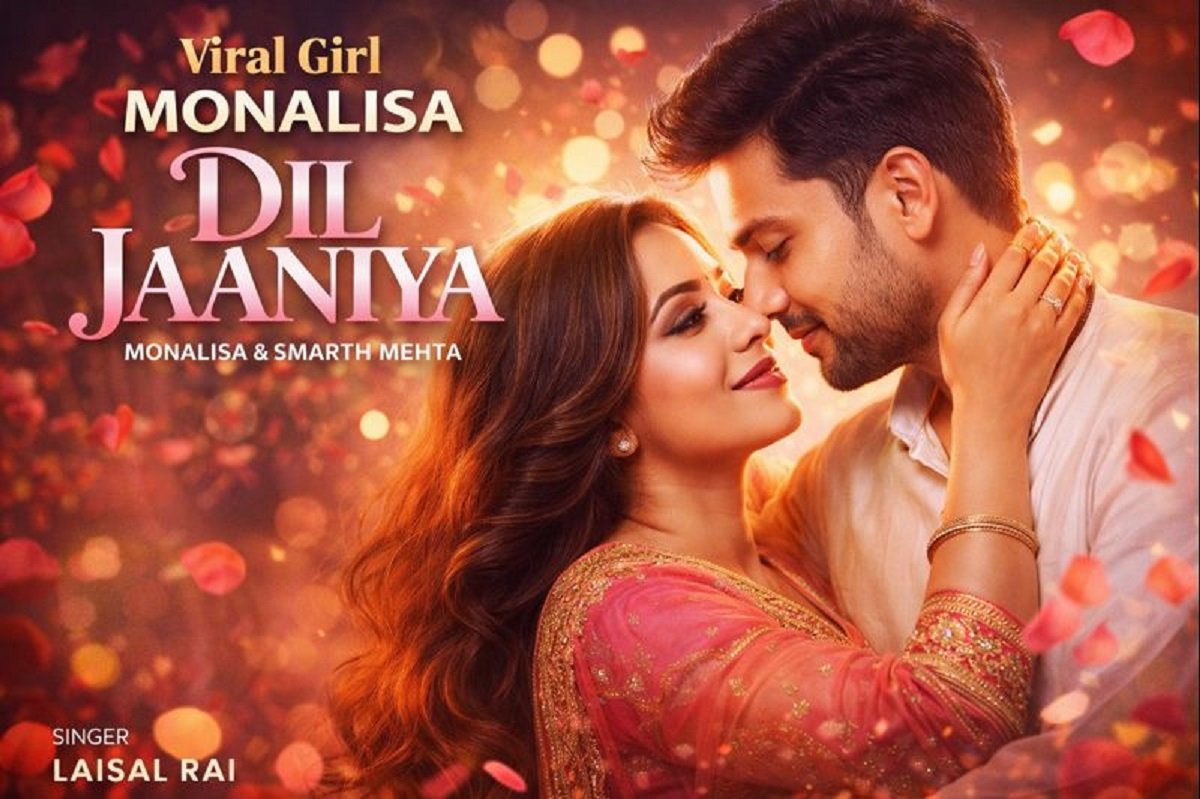
Viral Girl Monalisa Song Dil Jaaniya-

Published

on

Viral Girl Monalisa Song Dil Jaaniya marks a fresh chapter in the journey of a young woman whose life changed unexpectedly at the Mahakumbh 2025

Mumbai, Jan.05,2026:Viral Girl Monalisa Song Dil Jaaniya marks a fresh chapter in the journey of a young woman whose life changed unexpectedly at the Mahakumbh 2025. From being admired for her innocent smile to now leading a romantic music video, Monalisa’s transformation reflects the power of social media in shaping modern stardom.

The teaser of Dil Jaaniya doesn’t just introduce a song—it presents a narrative filled with love, emotions, and simplicity, which resonates deeply with audiences across age groups.

Advertisement

Who Is Viral Girl Monalisa

Before Viral Girl Monalisa Song Dil Jaaniya, Monalisa was known nationwide as the “Mahakumbh Viral Girl.” Her expressive brown eyes, natural beauty, and calm demeanor made her stand out in a sea of viral faces.

Unlike many overnight sensations, Monalisa managed to sustain public interest by staying grounded, selective, and authentic—qualities that now reflect in her artistic choices.

How Mahakumbh 2025 Changed Monalisa’s Life

Mahakumbh 2025 proved to be a turning point. A few candid clips and photographs spread rapidly online, transforming Monalisa into a viral icon overnight.

Advertisement

Major media houses and entertainment portals began covering her journey, similar to how viral personalities are often spotlighted on platforms like:

This exposure laid the foundation for Viral Girl Monalisa Song Dil Jaaniya and her entry into professional entertainment.

 Song Dil Jaaniya Teaser Goes Viral

Advertisement

The teaser of Viral Girl Monalisa Song Dil Jaaniya created instant excitement. Released across social media platforms, it quickly amassed thousands of views, shares, and comments.

What stands out is the emotional depth conveyed in just a few seconds—soft visuals, romantic undertones, and Monalisa’s expressive performance leave a lasting impression.

 On-Screen Chemistry with Smarth Mehta

Advertisement

One of the biggest highlights of Viral Girl Monalisa Song Dil Jaaniya is her pairing with Smarth Mehta. Their chemistry feels effortless and natural, drawing viewers into the story.

Fans have praised how their interactions don’t feel forced, a quality often missing in debut performances. Smarth Mehta’s charm complements Monalisa’s innocence beautifully.

 Emotional Storytelling in Song Dil Jaaniya

Advertisement

Viral Girl Monalisa Song Dil Jaaniya focuses heavily on emotions—love, longing, innocence, and connection. The teaser hints at a tender love story that unfolds gradually, making viewers eager for the full release.

The storytelling approach aligns with modern romantic music trends while maintaining a classic emotional core.

Fan Reactions Flood Social Media

Soon after the teaser launch, social media platforms were flooded with reactions. Fans repeatedly watched the teaser, commenting on Monalisa’s expressions and the song’s soothing vibe.

Advertisement

Hashtags related to Viral Girl Monalisa Song Dil Jaaniya began trending, proving her sustained popularity beyond a one-time viral moment.

 Singer Laisal Rai’s Soulful Contribution

The song features vocals by singer Laisal Rai, whose soulful voice adds emotional depth to Viral Girl Monalisa Song Dil Jaaniya.

Advertisement

His singing blends seamlessly with the visuals, enhancing the romantic mood and making the teaser memorable. Music critics believe his voice could be a major reason behind the song’s emotional appeal.

Visual Aesthetics and Music Composition

From soft lighting to romantic frames, the visuals of Viral Girl Monalisa Song Dil Jaaniya are carefully crafted. The background score, melody, and cinematography together create a visually pleasing and emotionally engaging experience.

Such attention to detail reflects a growing professionalism in Monalisa’s projects.

Advertisement

 Why Dil Jaaniya Feels Different

Unlike many debut songs, Viral Girl Monalisa Song Dil Jaaniya doesn’t rely solely on glamour. Instead, it highlights simplicity, raw emotions, and relatable storytelling—qualities that originally made Monalisa famous.

This consistency strengthens her personal brand.

Advertisement

Monalisa’s Journey into the Music Industry

Before Viral Girl Monalisa Song Dil Jaaniya, Monalisa had already appeared in another music video. Each project shows visible growth in her confidence and screen presence.

Industry insiders believe she is being groomed carefully rather than rushed into multiple projects.

 Upcoming Film with Sanoj Mishra

Adding to the excitement, Monalisa is also set to appear in an upcoming film by director Sanoj Mishra. This move signals her transition from music videos to mainstream cinema.

Advertisement

If successful, Viral Girl Monalisa Song Dil Jaaniya could serve as a strong bridge between her viral fame and a stable acting career.

Can Dil Jaaniya Be a Career Milestone

Many fans and critics believe Viral Girl Monalisa Song Dil Jaaniya could become a milestone in her career. It showcases her ability to carry emotions, maintain screen presence, and connect with audiences.

If the full song matches the teaser’s promise, it may establish Monalisa as a serious contender in the entertainment industry.

Advertisement

 Viral Girl Monalisa Song Dil Jaaniya proves that Monalisa is more than just a fleeting internet sensation. With the right balance of innocence, emotion, and performance, she continues to win hearts.

Advertisement
Continue Reading

Bollywood

Bigg Boss 19 Voting Trends reveal the most shocking elimination warnings as finale nears-

Published

on

The Bigg Boss 19 Voting Trends reveal a house alive with tension, strategies

Mumbai, Nov.27,2025:Bigg Boss 19 Voting Trends are setting the stage for perhaps the most unpredictable finale the show has seen yet. As the final episodes draw near, buzz around vote counts, bottom-threat lists, and possible eliminations has spiked exponentially. The audience is more polarized than ever — every vote seems capable of swinging a contestant’s fate-

Recent updates from reliable media report that in this week’s voting cycle, three contestants have emerged clearly at the bottom of public preference, making them the prime targets for elimination.

Advertisement

With high stakes and rising tension, these Bigg Boss 19 Voting Trends have turned into a cliff-hanger for fans and contestants alike.

Which Contestants Are at Risk

As per the latest Bigg Boss 19 Voting Trends, three names are drawing maximum concern for elimination this week. According to a report, Ashnoor Kaur, Tanya Mittal, and Shehbaz Badesha are hovering at the bottom-three of the voting chart.

The article highlights that the competition has intensified, and the margin is razor-thin. With the finale approaching, even small dips in fan votes or last-minute surges could seal a contestant’s eviction.

Advertisement

This uncertain scenario has triggered widespread speculation among fans — many are debating whether these bottom contestants can still rally support, or if an eviction is imminent.

Top Performers and Fan Favourites

While some are fighting to survive, others seem to have gained a firm hold in the race to the trophy. According to recent popularity rankings for Week 13, Farrhana Bhatt, Gaurav Khanna, Pranit More, Amaal Malik, and Ashnoor Kaur are among the front-runners based on public support.

Particularly, Farrhana Bhatt has repeatedly topped the charts this week.

Advertisement

On the other hand, Gaurav Khanna’s steady fan base and consistent gameplay have also kept him in strong contention for the top position.

But as the Bigg Boss 19 Voting Trends show — past lead doesn’t guarantee safety. The volatile nature of voting and changing alliances keep the outcome uncertain till the final vote tally.

Alliances, Strategies & Drama

The internal dynamics of the house are playing a huge role in influencing Bigg Boss 19 Voting Trends. As the endgame approaches, alliances and strategies are shifting rapidly:

Advertisement
  • Contestants are aligning to secure support, but betrayals and shifting loyalties are common — raising tension.
  • Some participants are trying social-game strategies: emotional appeals, forging bonds, and avoiding confrontation to win audience empathy.
  • Others rely on bold personalities, strong opinions or controversies to stay visible and stay in the limelight — hoping visibility converts into votes.

Because of this mixture of diplomacy, emotion, strategy and drama — the final weeks are especially unpredictable. Even previously “safe” contestants can find themselves in danger if their strategy backfires or fan mood swings.

Finale Stakes & Fan Power

The Bigg Boss 19 Voting Trends are more than just numbers — they reflect the shifting sentiment of viewers and highlight how much influence audience loyalty wields. A few key reasons why these trends matter

  • Final chance for contestants to stay With the finale near, this week’s elimination could drastically reshape the final lineup.
  • Public opinion as game-changer: Contestants’ behaviour, performances, and public perception will decide their fate — not just their in-house gameplay.
  • Psychology of momentum and panic votes Trailing contestants might suffer from downward spiral if fans lose hope; at the same time, frontrunners can become complacent.
  • Media influence and social media buzz Social media, fan pages, polls — all amplify voting trends, and can influence undecided voters or mobilize support at the last minute.

Hence, Bigg Boss 19 Voting Trends offer a real-time pulse of what viewers think — and who might be next out of the house.

What Contestants and Fans Should Watch

With Bigg Boss 19 on the verge of its finale, what lies ahead could shape the ultimate outcome. Some key things to watch

  • Last-minute rallies or fan campaigns Bottom-three contestants might try to stir up public support outside to avoid eviction.
  • Final tasks & Weekend Ka Vaar episodes Strong performances or controversial clashes could alter public sentiment and voting direction.
  • Wildcard twists or surprises by makers As seen often in Bigg Boss history — unexpected saves, wildcard entries, or rule changes — could throw predictions off.
  • Shifts in alliances & internal house politics How contestants behave now — in final tasks or interactions — could influence both in-house game and external perception.

For fans, this means staying updated, casting votes thoughtfully — because every vote now counts more than ever.

The Bigg Boss 19 Voting Trends reveal a house alive with tension, strategies, hope, and fear. With bottom-three contestants teetering on elimination and frontrunners pushing for votes, every update feels like a turning point.

Advertisement

As the finale draws near, uncertainty looms large. Will the underdogs survive a last-minute surge? Will fan favourites lose steam.

Advertisement
Continue Reading

Trending Post